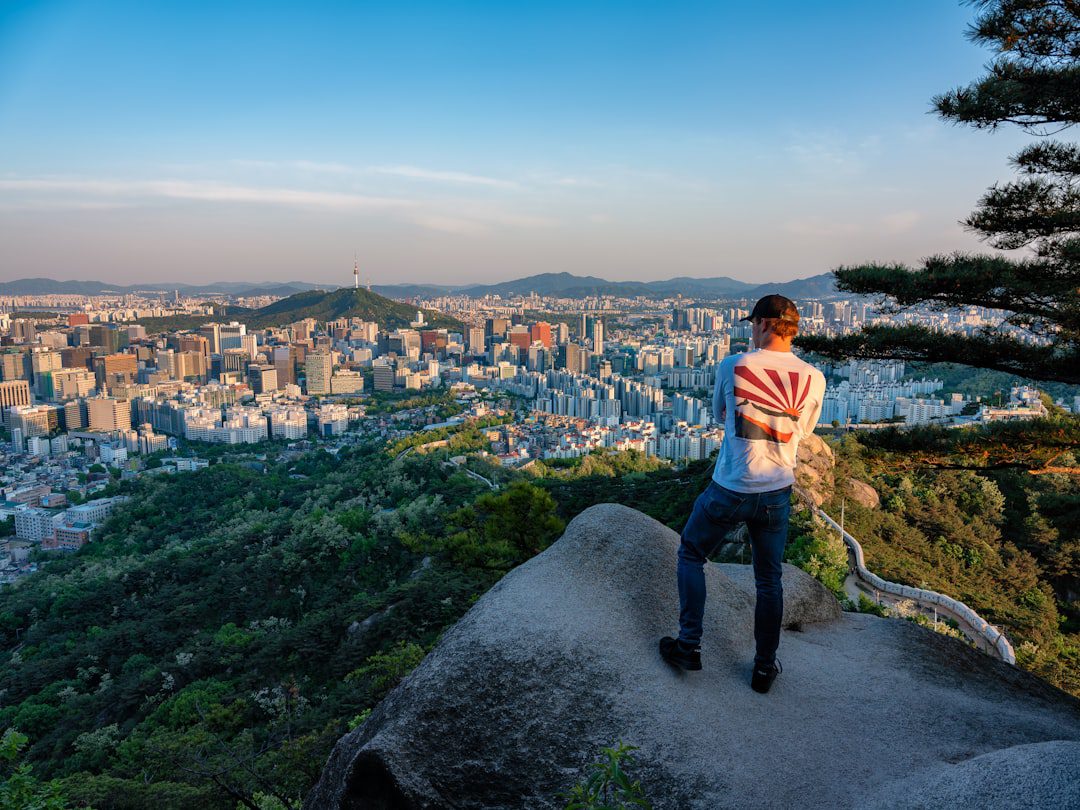
I’ll never forget meeting Sarah at a café in Ikseon-dong five years ago. She was a solo traveler from Canada, sitting alone with her phone and a steaming cup of yuja tea, frantically texting her mother that she’d arrived safely. Within hours, she was exploring the narrow hanok alleys without hesitation. By the end of her two-week stay, she’d become best friends with the café owner and was confidently navigating the subway during rush hour.
That conversation sparked something in me. Over my 35 years in Korea, I’ve watched thousands of solo female travelers discover this country—and I’ve seen the anxiety that often accompanies that adventure. The truth? Korea is genuinely one of the safest places in the world for solo female travelers. But safety is about more than crime statistics; it’s about knowledge, confidence, and smart decisions.
In this guide, I’m sharing everything I’ve learned from decades of living here and countless conversations with women travelers. Here’s everything you need to know to travel solo in Korea with confidence and ease.
The Safety Reality: What You Actually Need to Know
Let me be direct: Korea’s crime rate is significantly lower than most Western countries. According to Numbeo crime statistics, Seoul ranks among the safest major cities globally. But here’s what matters more than statistics—Korea’s social infrastructure is built to protect everyone, including solo travelers.
Street harassment exists, but it’s less frequent than in many other countries I’ve visited. That said, it’s not nonexistent. Most incidents are verbal rather than physical, often from intoxicated men late at night. The crucial difference? Koreans react. If someone harasses you in public, bystanders typically intervene quickly. I’ve personally seen situations where an entire bus stopped to help a woman being bothered.
Ted’s tip: Download the app “Kakao Map” immediately—it’s Korea’s Google Maps equivalent and it’s dramatically better. You can see real-time subway congestion, exact arrival times, and identify safe walking routes.
The neighborhoods are well-lit, CCTV is ubiquitous (which you’ll notice immediately), and police presence is strong. I’ve walked through every district of Seoul at 2 AM hundreds of times. That doesn’t mean you should, but it does illustrate the security environment.
Neighborhoods That Welcome Solo Travelers
Not all Seoul neighborhoods are created equal for solo female travelers. Some are naturally better equipped with accommodations, social scenes, and resources specifically suited to independent travel.
Best Neighborhoods for Solo Travelers
| Neighborhood | Why Solo Females Love It | Best For | Nearest Subway |
|---|---|---|---|
| Hongdae | Vibrant, international, tons of solo-friendly cafés | Nightlife, young crowd, female-friendly hostels | Line 2, Hongik Univ. Station |
| Gangnam | Upscale, safe, excellent shopping and dining | Shopping, K-beauty, business travelers | Line 2, Gangnam Station |
| Itaewon | International community, English-speaking staff | International food, meet-ups, diverse nightlife | Line 6, Itaewon Station |
| Sinchon/Ewha | Student area, vibrant, cheap, super friendly | Budget travel, university area, young vibe | Line 2, Sinchon/Ewha Station |
| Myeongdong | Central, extremely busy, high foot traffic 24/7 | Shopping, food, very safe due to crowds | Line 4, Myeongdong Station |
| Jongno-gu | Historical, cafés, less touristy than Myeongdong | Culture, temples, quieter solo exploration | Line 1, Jongno 3-ga Station |
I always recommend solo female travelers stay in areas with strong hostel communities, particularly in Hongdae and Sinchon. These neighborhoods have established networks of female solo travelers where you can meet people, get recommendations, and feel connected without being forced to socialize.
Avoid staying in very remote residential areas your first trip. Places like Seodaemun or Gangbuk can be wonderful to visit, but they’re not ideal bases if you’re traveling alone and unfamiliar with the country. Your accommodation should be your anchor—make it somewhere central and accessible.
Transportation: Getting Around Safely and Confidently
Korea’s public transportation is genuinely exceptional. The subway is clean, efficient, extremely safe, and the most effective way to navigate the city. I’ve commuted via Seoul Metro for 35 years, and I can confidently say women-only cars exist for a reason—but you should know what to actually expect.
Subway Safety and Etiquette
Most subway lines have designated women-only cars (typically at the front or rear of trains, marked with pink signs). These aren’t mandatory—they’re spaces explicitly designed to reduce harassment. Use them without hesitation. They’re typically less crowded, well-monitored, and full of women commuters.
Ted’s tip: Download the Subway Korea app—it shows you exactly which car to board for women-only sections and even tells you where to stand for easiest transfer connections.
Rush hours (7-9 AM and 5-7 PM on weekdays) are intense but safe. The pushing and crowding are purely logistical, not threatening. If you’re uncomfortable, simply wait for the next train. There’s always another train in 3-5 minutes.
Taxi Safety
| Taxi Type | Color | Cost (Base) | Safety Notes |
|---|---|---|---|
| Regular Taxi | Silver/gray/white | ₩3,800 | Meter must run; drivers vary in English ability |
| Deluxe (Black) Taxi | Black | ₩6,000 | More upscale, drivers often speak English |
| Call Taxi | Any color | ₩3,800 + surcharge | Reserve via app; tracked from start to finish |
| Kakao Taxi/Naver | Marked with app | Meter-based | Best option: ride tracked, rating system, payment app-based |
I strongly recommend using app-based taxis (Kakao Taxi or Naver) rather than hailing on the street. Why? The entire journey is tracked, recorded, and linked to your payment method. Both driver and passenger ratings matter. You’ll get a photo and details of your driver beforehand, and your ride is timestamped in the app. This isn’t paranoia—it’s smart.
All taxis are metered. Do not negotiate fares. If a meter isn’t running, politely exit and find another taxi. The police take taxi fraud seriously.
Night Travel Considerations
Late-night transportation is safe but requires awareness. The last subway trains depart around 11:30 PM from most lines (though some run until midnight). All-night buses operate on major routes. If it’s very late and you’re unfamiliar with the area, use an app-based taxi rather than walking through unfamiliar neighborhoods.
Ted’s tip: Share your Kakao Taxi journey with a trusted contact via the app’s share function. Your friend receives real-time tracking without feeling overbearing.
Communication: Language, Apps, and Making Connections
Language barriers are real but manageable. Most young Koreans (under 40) speak some English. Older generations may not. Tourist areas have signage in English. This is workable.
Essential Apps for Solo Female Travelers
| App | Purpose | Why It Matters |
|---|---|---|
| Kakao Map | Navigation, subway, walking | Superior to Google Maps; shows women-only cars |
| Naver Papago | Translation (app + camera) | Better than Google Translate for Korean-English |
| Kakao Taxi | Taxi booking with tracking | Safer than street taxis; payment handled in app |
| GG25 / Subway Korea | Subway navigation | Shows real-time arrival, women-only cars, exits |
| Coupang Eats / Naver Order | Food delivery | Safe eating option when tired or uncomfortable |
| WhatsApp / Line | International messaging | Many Koreans use Line; better than SMS |
Download these apps before you arrive. Learning to use them saves stress and ensures you’re never lost or unable to communicate. I’ve seen travelers panic over language barriers that could have been solved with Papago in 30 seconds.
Meeting Other Travelers and Locals
Hostels in Hongdae, Sinchon, and Itaewon frequently organize group dinners and pub crawls. These are genuinely safe, often accompanied by hostel staff, and excellent ways to meet other solo travelers. The solo female traveler community in Korea is incredibly welcoming—most women stay connected after their trips.
Solo eating at restaurants is completely normal here. Koreans eat alone constantly. You’ll see solo diners at every establishment. Never feel self-conscious about eating alone; it’s utterly unremarkable. Many restaurants have solo-friendly seating at the counter.
Harassment, Unwanted Attention, and How to Handle It
I want to be honest about this: solo female travelers in Korea occasionally experience unwanted attention. Not everywhere, not constantly, but it happens. Usually it’s drunk men, sometimes it’s uncomfortable staring, rarely it’s something more serious. Knowing how to handle these situations prevents panic.
Common Scenarios and Responses
Scenario: A drunk man approaches you at a bar or on the street. This happens occasionally. Move away. Go to the bathroom. Join a group. Tell a bar staff member immediately—Korean bartenders and servers take this seriously and will intervene. Most importantly, don’t worry about being rude. Rudeness is acceptable in self-defense scenarios.
Scenario: Someone follows you or won’t leave you alone. Enter a store or restaurant. Tell staff. Walk directly to a police box (they’re everywhere). Call 112 (emergency number, English available). Koreans are extremely responsive to this—follow-you situations are taken seriously.
Scenario: Staring or unwanted comments. This is the most common form of harassment. You’ll be stared at more if you’re Western. This is curiosity rather than threat usually. Ignore it or make direct eye contact (which makes most people look away). Comments are typically not directed at you—it’s people talking. Move forward.
Ted’s tip: Know how to say in Korean: “Na-ga kyeolhon-dwae!” (I’m married!). Even absurdly, this works on drunk men better than any other response.
Most importantly: trust your instincts. If something feels wrong, leave. Don’t second-guess yourself to be polite.
Practical Safety Strategies Worth Implementing
Beyond situational awareness, here are concrete strategies that make a real difference:
Before You Travel
- Register with your embassy (most countries offer this). If something happens, officials know you’re in-country.
- Share your itinerary with a trusted friend back home. Nothing obsessive—just “I’ll be in Seoul Nov 1-7, staying in Hongdae, then Busan Nov 7-10.”
- Get travel insurance that covers medical and evacuation—not just flights. You likely won’t need it, but it’s peace of mind.
- Photograph your passport identification page and store it separately from your passport (different hotel safe or cloud storage).
During Your Trip
- Keep your phone charged. Consider a portable charger (available everywhere, ₩15,000-30,000).
- Share your location with trusted contacts when doing solo activities. Most phones make this easy.
- Trust the apps. If Kakao Map says don’t walk through an area at night, it’s because locals don’t. Follow its recommendations.
- Establish a daily check-in habit. Text one friend every evening. It becomes routine and provides accountability.
- Know the basics: the address of your accommodation (written down in Korean), your emergency contact number, your blood type (useful for medical situations—keep it on a card or phone).
| Essential Phrases | Pronunciation | When to Use |
|---|---|---|
| Dowa juseyo! (Help!) | doh-wah joo-say-yo | Emergencies only—it gets attention |
| Gyeongchal-reul bulleo juseyo (Call police) | gyung-chal ruel bul-uh joo-say-yo | Serious situations |
| Nae-ga ssaleun sarameyo (I’m being attacked) | nay-gah sahl-un sah-rahm-eh-yo | Physical threat—use loudly |
| Aneyo, sileun maligo! (No, stop!) | ah-neh-yo, shil-eun mahl-ee-go | Setting boundaries firmly |
Accommodations: Choosing Places That Prioritize Your Safety
Where you stay fundamentally shapes your experience. Quality matters more than price.
Accommodation Types Ranked for Solo Female Travelers
| Type | Price Range | Solo-Friendliness | Best For |
|---|---|---|---|
| Female-Only Hostel Dorms | ₩25,000-40,000/night | Excellent (10/10) | Meeting people, budget, secure |
| Private Hostel Rooms | ₩50,000-80,000/night | Very Good (9/10) | Privacy with hostel community access |
| Guesthouses (Minbak) | ₩40,000-70,000/night | Good (7/10) | Local experience, varies in amenities |
| Mid-Range Hotels | ₩70,000-150,000/night | Excellent (10/10) | Safety, privacy, breakfast, good value |
| Airbnb/Private Apartment | ₩50,000-200,000/night | Depends (6-9/10) | Full independence, research essential |
I genuinely recommend female-only hostel dorms for first-time solo travelers. Yes, you share a room with 3-4 other women. But you wake up with instant friends, there’s built-in social connection, and the security is often excellent. Staff members tend to be female, and the vibe is supportive rather than party-focused (that’s a myth about hostels).
Read recent reviews obsessively. Check specifically for comments from solo female travelers. Look for mentions of: staff responsiveness, locked lockers (essential), 24-hour reception, location safety, and cleanliness. One bad review isn’t definitive. Five similar complaints are a red flag.
Avoid very cheap accommodations in unfamiliar neighborhoods your first trip. Budget by choosing a good hostel or mid-range hotel instead of sacrificing quality.
Activities and Experiences Suited for Solo Female Explorers
Korea has incredible experiences specifically suited to solo travelers. You’re not disadvantaged here—you’re actually free.
Solo-Ideal Activities
Temple Stays and Korean Temple Food: Korean temple stays are structured, safe, and transformative. You’ll be with a group of other visitors (often other solo travelers), have designated schedules, and experience authentic Buddhism. No language ability required.
Hiking and Nature: Bukhansan National Park is perfect solo. Thousands of hikers daily, well-marked trails, emergency services positioned throughout. Korean hikers are friendly and helpful. You’ll never feel unsafe.
Food Exploration: Gwangjang Market and Mangwon Market are perfect for solo exploration. Eat at counters, watch people prepare food, taste everything. Solo eating here is normal and encouraged.
Spa and Wellness: Korean spas (jjimjilbang) are gender-segregated, safe, and incredible solo experiences. Women’s sections are exclusively female. You’ll spend hours relaxing alongside Korean women. No interaction required but connections often happen naturally.
Museums and galleries: Insadong and Hannam-dong galleries are perfect for quiet, meditative solo exploration. Take your time. Sit and contemplate. This is ideal solo activity.
K-Drama and K-Pop Culture: If you’re interested in K-drama filming locations, these are tourist-organized and group-based, creating natural community. K-pop concerts and fan meetings are huge group experiences where solo attendance is completely normal.
Day Trips: Jeonju Hanok Village, Nami Island, and Suwon Hwaseong Fortress are all perfect solo day trips. Trains are frequent, locations are self-explanatory, and you encounter other tourists constantly.
Financial Safety and Practical Money Matters
Money-related safety often gets overlooked but matters enormously.
Payment and Financial Security
| Payment Method | Safety Level | When to Use | Notes |
|---|---|---|---|
| Credit/Debit Card | Excellent | Everywhere – restaurants, shops, hotels | Most places accept major cards; notify your bank |
| Korean Bank Card | Excellent | ATMs, everywhere (once obtained) | Can open account at Nonghyup Bank; brings convenience |
| Cash (₩) | Good | Markets, small restaurants, taxis | Keep separate stash; don’t carry huge amounts |
| Mobile Wallet (Apple Pay/Google Pay) | Excellent | Everywhere in Seoul | Most convenient and safe; widely accepted |
Korea is essentially cashless now. Most places accept cards, and mobile payment is ubiquitous. This is genuinely safer for solo travelers—it eliminates visible cash, creates payment records, and is convenient.
Notify your bank you’re traveling internationally. Card fraud happens occasionally when your bank doesn’t know where you are. One 30-second phone call before you leave prevents your cards being blocked mid-trip.
Ted’s tip: Keep your ATM PIN written down (safe but separate from your wallet) and your card’s customer service number memorized or screenshot. Sounds paranoid but solves problems fast.
Scams targeting tourists exist but are rare. Avoid currency exchange places that aren’t official banks (airports, major bank branches have the best rates). If a deal sounds too good to true, it is. Trust your instincts.
Health, Medical Care, and Emergency Resources
Korea’s healthcare system is excellent and extremely affordable. A doctor visit costs ₩20,000-50,000. This is substantially cheaper and faster than most Western countries.
Medical Resources
| Service | Phone/How to Access | Cost Range | When to Use |
|---|---|---|---|
| Emergency (Police/Medical) | 112 or 911 | Free | Serious injury, emergency situations |
| Tourist Medical Hotline | 1330 (English available) | Free | Medical question? Call them first |
| Hospital (Myeongdong area) | Seoul Central Hospital: 02-2004-0114 | ₩30,000-100,000+ (insurance) | Serious issues, English-speaking doctors |
| Clinic (Neighborhood) | Ask at hotel/hostel reception | ₩20,000-40,000 | Cold, flu, headache, minor issues |
| Pharmacy (Drugstore) | On every major corner | ₩5,000-15,000 | Fever, pain meds, digestive issues |
Pharmacies (called 약국 or “pharmacy”) are everywhere and incredibly knowledgeable. Describe your symptoms, and the pharmacist will recommend medication. You don’t always need a doctor’s prescription. This system catches minor issues before they become problems.
Bring: prescription copies (not just bottles), your blood type (if you know it), a basic medication list, and a record of any allergies. Translate these into Korean if possible (Google Translate works fine here).
Gynecological care is excellent and affordable. If you need a pap smear, birth control, or reproductive health support, Korean clinics are professional and efficient.
Ted’s tip: Most hotels and hostels keep a list of nearby English-speaking doctors. Ask the front desk when you check in, not when you need one at 3 AM.
Connecting with the Solo Female Traveler Community in Korea
One of the best safety measures? Other solo female travelers. The community here is remarkable.
Finding Your People
Facebook groups specifically for solo female travelers in Korea and Southeast Asia have thousands of members actively sharing experiences, recommendations, and support. Search “Solo female travelers Korea” before you arrive. Post in these groups. Real travelers respond with genuine advice.
Coworking spaces like WeWork and Sparkplus are popular with solo travelers and remote workers. You’ll meet people organically. These spaces have security, reliable internet, and a professional environment.
Cooking classes, language exchange meetups, and art workshops are intentionally designed for people meeting others. Sites like Meetup.com and Couchsurfing (even if you’re not using their accommodation) list gatherings where solo travelers congregate.
The reality: most solo female travelers you meet become lifelong friends. Something about this shared experience bonds people deeply. After three days in a hostel, you’ll have a WhatsApp group chat that lasts years.
Frequently Asked Questions
Is it safe for a woman to walk alone at night in Seoul?
Statistically and experientially, yes—Seoul is very safe. That said, common sense applies everywhere. Well-lit central neighborhoods like Gangnam, Myeongdong, and Hongdae are extremely safe 24/7. Remote residential areas are less ideal at 2 AM if you’re unfamiliar. The question isn’t whether it’s safe in absolute terms, but whether you feel comfortable. If you don’t, use a taxi (₩4,000-8,000). Your comfort matters more than proving a point.
What should I do if someone harasses me?
Leave the situation immediately. Move to another location, enter a store or restaurant, and tell staff. Korean people react very quickly to harassment. Your safety matters; being polite is secondary. If physical danger exists, call 112 (emergency) or find police. Korean police take stranger harassment seriously.
Do I need to speak Korean to travel solo here?
Absolutely not. Major tourist areas have English signage. Younger people speak English. Apps like Papago solve language barriers instantly. I know dozens of solo female travelers who spoke zero Korean and had amazing trips. That said, learning 10 basic phrases (hello, thank you, where is the toilet, I need help) changes the experience dramatically. Koreans appreciate even clumsy efforts.
What’s the best neighborhood to stay as a solo female traveler?
For first-time solo travelers: Hongdae (vibrant, young, hostel community), Sinchon (university vibe, cheap, friendly), or Gangnam (safe, upscale, quieter). For experienced travelers: anywhere with good reviews. Avoid very remote areas your first trip. Your accommodation should feel like an anchor, not an adventure.
Is travel insurance necessary?
Yes. Get it. It’s not about crime—it’s about medical emergencies, flight cancellations, and lost luggage. For a two-week Korea trip, comprehensive travel insurance costs ₩50,000-100,000 (₩30-60 USD). The peace of mind alone is worth it.
How do I stay in touch with family while traveling?
Buy a Korean SIM card or eSIM at the airport (about ₩30,000 for 10GB/30 days) or use WhatsApp/Telegram via WiFi. Text your family daily. Share your location with one trusted person. Establish a simple routine: text at a set time daily. When you miss a check-in, they know to follow up. It’s simple but extraordinarily reassuring for both parties.
What if I have a period emergency or feminine hygiene needs?
Korea’s pharmacies have excellent feminine hygiene products and pain medications specifically for period symptoms. Walk into any pharmacy (약국) and ask. Staff are professional and helpful. Products are cheap (pads ₩3,000-8,000). No awkwardness exists here—this is completely normal commerce.
Should I tell people I’m traveling alone?
You don’t need to broadcast it. When people ask “where are your friends?” or “are you here with someone?” you can simply say you’re traveling solo. This is increasingly normal. Don’t apologize for or justify traveling alone. It’s becoming the default for many travelers. Confidence changes how you’re perceived and treated.
Final Thoughts
I think about Sarah often—that Canadian woman I met in Ikseon-dong. She arrived terrified and left transformed. In two weeks, she’d navigated the subway system confidently, discovered neighborhood restaurants we locals love, made friends she still talks to on Zoom, and gained a confidence that clearly affected her life after Korea.
The secret wasn’t that Korea was magically safe or that she got lucky. The secret was knowledge. She prepared. She understood the transportation system. She knew where to ask for help. She joined a hostel community. She made smart decisions. And simultaneously, she was brave and tried new things.
Solo female travel in Korea isn’t a special category that requires different rules from anywhere else. It’s an incredible, accessible, transformative experience. You’ll be safer here than in most places. You’ll feel more empowered than you expected. You’ll return home changed—more confident, more independent, with the kind of stories that stay with you for decades.
Come prepared. Stay aware. Connect with other travelers. Trust the systems that exist here. And don’t forget to simply enjoy being alone in a place that works hard to make that experience comfortable and safe.
— Ted K
Image Credits: Photos sourced from Unsplash. By using this site, you agree to our Privacy Policy and Disclaimer.