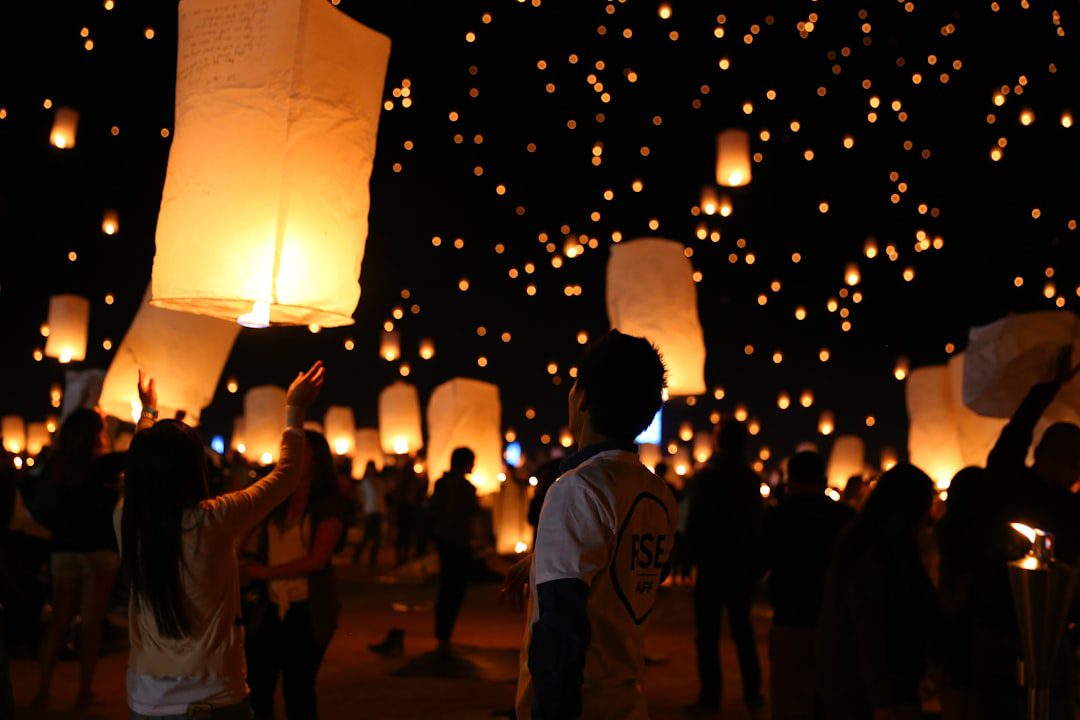
I’ve been living in Korea for 35 years, and one of my favorite traditions I’ve picked up is festival hopping. There’s something magical about Korean celebrations—whether it’s thousands of lanterns illuminating the night sky during Lantern Festival or the energy of crowds stomping grapes barefoot at wine festivals. These events aren’t just photo opportunities (though they absolutely are that too); they’re genuine windows into Korean culture, traditions, and the local community spirit.
When I first arrived in Korea in the 1990s, I made it my mission to experience at least one major festival each month. Back then, tourism infrastructure was different, crowds were smaller, and some regional festivals were barely known outside their provinces. Today, many of Korea’s festivals have gained international recognition, drawing thousands of foreign visitors annually. But despite the increased popularity, they’ve managed to retain their authentic charm and cultural significance.
Whether you’re planning a trip around a specific event or want to know what’s happening during your visit, this comprehensive monthly festival calendar will help you make the most of your time in Korea. I’ve included specific dates, locations, admission prices, and insider tips I’ve learned over three decades of festival-going.
January & February Festivals: Winter Celebrations & New Beginnings
The winter months in Korea are dominated by Seollal (Lunar New Year), one of the most important holidays in the Korean calendar. Though technically it can fall in late January or early February, most celebrations happen around this time, and the entire country grinds to a halt for a few days.
Seollal Festival (설날)
Seollal is when Korea celebrates the lunar new year, and it’s genuinely massive. Families return to their hometowns, temples hold special ceremonies, and traditional folk games become the order of the day. I still remember my first Seollal in Seoul—the city felt almost empty because so many people had gone home to their provinces. Now, as an expat who has “gone local,” I make the trip with Korean friends to experience the full family traditions.
Ted’s tip: If you want to experience authentic Seollal traditions without being in someone’s way at a family gathering, head to Seoul’s major palaces (Gyeongbokgung, Changdeokgung) or folk villages like the Korean Folk Village in Yongin. These offer Seollal celebrations specifically designed for visitors, with traditional games, performances, and food stalls, all free or minimal entry (₩15,000-20,000).
The celebrations include sebae (세배), where younger people bow to elders and receive blessings and money, plus traditional games like yutnori (throwing sticks), tug-of-war, and board games. You’ll find street performances, traditional music, and enormous amounts of traditional food.
| Seollal Event Details | Information |
|---|---|
| Dates | Lunar New Year (Late Jan/Early Feb) — 2026: Feb 17 |
| Main Locations | Gyeongbokgung Palace, Korean Folk Village, Namsan |
| Admission | Free-₩20,000 depending on venue |
| Best Time to Visit | 3-7 days before/after actual Seollal |
| What to Expect | Traditional games, food, ceremonies, performances |
Pyeongchang Winter Lights (평창겨울불빛축제)
Not technically a cultural festival, but this light festival in Pyeongchang (about 2 hours from Seoul) is stunning in late January/early February. After the 2018 Winter Olympics, Pyeongchang has become a must-visit winter destination. The hillsides glow with millions of lights, and there are ice sculptures, winter activities, and outdoor performances.
Admission: ₩20,000 | Hours: 5 PM – 10 PM daily
March & April: Cherry Blossoms & Spring Awakening
Spring arrives in Korea with a burst of color, and the entire nation becomes obsessed with cherry blossom season. I’ve spent 35 years chasing these pink blooms across the peninsula, and I can tell you: the atmosphere is unlike anything else.
Cherry Blossom Season (벚꽃축제) — Late March to Mid-April
This isn’t a single festival but rather dozens of them happening simultaneously across Korea. Every city, every riverside, every temple seems to host cherry blossom festivals. The most famous spots include Yeouido (in Seoul), Jingyeong Cherry Blossom Festival (Namhae Island), and the entire region around the DMZ.
Unlike many festivals with formal opening dates, cherry blossom season is weather-dependent. The blooms typically start in Busan in late March and gradually move northward to Seoul by mid-April, reaching Gangwon Province by the end of April. For those interested in learning more about the specific timings and best spots, I’d recommend checking my detailed guide on cherry blossom season.
| Festival | Location | Typical Dates | Admission |
|---|---|---|---|
| Yeouido Spring Festival | Yeouido Park, Seoul (Line 5/여의도) | Late Mar-Early Apr | Free |
| Jinhae Gunhangje | Jinhae, Busan (1hr from Busan Station) | Late Mar-Early Apr | Free |
| Namhae Cherry Blossom | Namhae Island, South Gyeonggi | Mid-Late Apr | Free |
| Gyeongju Cherry Blossom | Gyeongju (UNESCO site area) | Early-Mid Apr | Free |
Ted’s tip: Cherry blossom season is peak tourism season in Korea. If you want to experience the crowds (which are actually quite fun and atmospheric), show up on weekends. If you prefer a slightly more peaceful experience, visit on weekday evenings after 6 PM when day-trippers have returned home.
Jinhae Gunhangje Festival (진해군항제)
This is the largest cherry blossom festival in Korea, held in the naval port city of Jinhae, about an hour from Busan. The festival features over 350,000 cherry trees, street performances, fireworks (on specific nights), and a wonderful festive atmosphere. The night-time viewing with illuminated cherry blossoms is particularly magical.
Dates: Typically late March-early April | Main access: Jinhae Station (Line 2 from Busan)
May: Buddha’s Birthday & Spring Celebrations
May brings Buddha’s Birthday (Vesak) and several regional spring festivals celebrating the full arrival of warm weather.
Buddha’s Birthday (부처님 오신 날) — 8th Day of the 4th Lunar Month
This is a major national holiday in Korea, and temples across the country hold special celebrations. In 2026, Buddha’s Birthday falls on May 15th. This is genuinely one of the most beautiful festivals to experience if you’re interested in Korean Buddhism and culture. I’ve spent many May evenings at temples watching the lantern processions, and it never gets old.
The main celebrations happen at major temples like Jogyesa Temple (조계사) in downtown Seoul, Bulguksa Temple in Gyeongju, and countless others across the country. Temples prepare special temple food (vegetarian Buddhist cuisine), hold lantern lighting ceremonies, and offer meditation sessions for visitors.
| Temple | Location/Subway | Special Events | Admission |
|---|---|---|---|
| Jogyesa Temple | Jongno-gu, Seoul (Line 1, Jongno 3-ga) | Lantern parade, temple food | Free |
| Bulguksa Temple | Gyeongju (40 min from Gyeongju Station) | Ceremonies, Buddha’s Birthday events | ₩10,000 |
| Bongeunsa Temple | Gangnam, Seoul (Line 2, Samseong) | Morning prayers, meditation sessions | Free-₩30,000 |
If you’re interested in deeper Buddhist experiences, consider a temple stay during Buddha’s Birthday—many temples offer extended programs during this period, and it’s an incredible way to experience Korean Buddhism firsthand.
Ted’s tip: The evening lantern parade at Jogyesa Temple is free and incredibly beautiful. It typically happens on the eve of Buddha’s Birthday. Arrive early (4-5 PM) to secure a good viewing spot along Jongno street.
Boseong Green Tea Festival (보성 녹차축제)
In Boseong, South Jeolla Province, May brings the green tea harvest festival. This region is known for producing Korea’s finest green tea, and the rolling green tea fields are absolutely stunning. The festival includes tea picking, traditional tea ceremonies, and farm tours.
Dates: Early May | Admission: Free entry to festival areas; activities ₩5,000-15,000 | Access: Boseong Station (Jeolla Line) then local bus
June & July: Rainy Season & Summer Festivals
June brings the monsoon season (tsuyu), which makes outdoor festivals less common, but July heats up with vibrant summer events.
Gwangju World Kimchi Festival (광주 김치축제) — Usually September, but sometimes June
Wait, I’m jumping ahead! Let me cover July properly first.
Gangneung Coffee Festival (강릉 커피축제) — Late May/Early June
Gangneung, in Gangwon Province, has become Korea’s coffee capital. The festival celebrates the region’s thriving coffee culture with tastings, barista competitions, live music, and food trucks. It’s a more modern festival than traditional ones, but it perfectly captures contemporary Korean culture.
Dates: Late May-Early June | Admission: Free | Access: Gangneung Station (45 min from Seoul by train)
Summer Water Festivals — July & August
Various cities across Korea host water festivals in the sweltering summer heat. The most famous is the Seoul Fireworks Festival (서울불꽃축제) in October, but summer brings smaller water-based celebrations in riverside parks.
| Festival | Location | Typical Month | Features |
|---|---|---|---|
| Namgang Fireworks Festival | Namgang Park, Seoul (Line 9, Ichon) | August | Fireworks, food stalls, music |
| Hangang Park Summer Festival | Multiple Hangang Park locations | July-August | Open-air concerts, picnicking |
| Busan Summer Festival | Busan various beaches | July-August | Beach activities, fireworks, concerts |
Ted’s tip: Summer festivals in Korea are hot and crowded. Bring plenty of water, wear sunscreen, and arrive early to claim a good spot with shade. The Hangang Parks (한강공원) scattered throughout Seoul are perfect for casual picnicking with free access—you don’t necessarily need a formal festival to enjoy the atmosphere.
August & September: Late Summer & Autumn Transitions
Boryeong Mud Festival (보령 머드축제) — Mid-July to Early August
Boryeong, a coastal city in Chungcheong Province, hosts one of Korea’s most unique and popular festivals. Hundreds of thousands of visitors come to cover themselves in mineral-rich mud from the local beaches, slide down mud slopes, and participate in mud wrestling and other messy competitions.
I attended the Boryeong Mud Festival in my early years in Korea, and it was absolutely chaotic in the best way possible. It perfectly captures Korean festival spirit—equal parts cultural celebration and unbridled fun.
Dates: Mid-July to early August (2-3 weeks) | Admission: ₩30,000 for beach access + activities | Access: Boryeong Station (2 hours from Seoul) then local bus | Hours: 10 AM – 10 PM daily
| Boryeong Mud Festival Info | Details |
|---|---|
| What to Bring | Swimsuit, towel, change of clothes, sunscreen |
| Main Activities | Mud sliding, mud wrestling, mud massage, concerts |
| Best Time | Weekday mornings (fewer crowds) |
| Facilities | Shower areas, changing rooms, medical staff |
Ted’s tip: The mud festival gets extremely crowded on weekends. If you want an actually enjoyable experience, take a weekday off and go mid-week. The mud is just as mineral-rich, the activities are just as fun, and you won’t be packed shoulder-to-shoulder with thousands of other mud-covered people.
Chuseok (추석) — 15th Day of the 8th Lunar Month
Chuseok, Korea’s autumn harvest festival, usually falls in mid-to-late September. It’s like Korea’s Thanksgiving combined with Christmas in terms of family importance. The entire nation shuts down for about a week, families return to hometowns, and temple celebrations and folk performances happen everywhere.
In 2026, Chuseok is on September 29th. The festival period typically runs from a few days before through several days after the main date.
Unlike Seollal, Chuseok has a more relaxed atmosphere in many ways. It celebrates the harvest, so you’ll find traditional food offerings, communal meals, and folk games. Similar to Seollal, palaces and folk villages offer special Chuseok celebrations for visitors.
| Chuseok Celebration Options | Location | Admission |
|---|---|---|
| Korean Folk Village | Yongin, Gyeonggi (1 hr from Seoul) | ₩28,000 |
| Namsangol Hanok Village | Namsan, Seoul (Line 3/4, Chungmuro) | Free |
| Gyeongbokgung Palace | Jongno-gu, Seoul (Line 3, Gyeongbokgung) | ₩15,000 |
| Suwon Hwaseong Fortress | Suwon, Gyeonggi (30 min from Seoul) | ₩10,000 |
I recommend learning more about Chuseok traditions and celebrations, as it’s one of the most important cultural events to understand Korean society.
Ted’s tip: During actual Chuseok, many restaurants and shops close. If you’re visiting during Chuseok week, plan ahead. Palaces and folk villages are open, major hotels and restaurants in tourist areas usually operate, and convenience stores never close (GS25 and CU are lifelines during holidays).
September & October: Autumn Festivals & Cultural Celebrations
Daegu Colorful Lighting Festival & Other Regional Events
As September transitions into October, autumn really takes hold of Korea. The weather becomes crisp and perfect for festivals. Many cities host “culture weeks” and regional celebrations.
Busan International Film Festival (부산국제영화제) — October
Korea is a major player in world cinema, and the Busan International Film Festival is one of Asia’s largest film festivals. Held in October (usually around the time of Korean Chuseok or just after), it attracts filmmakers, actors, and film enthusiasts from around the world.
If you’re a film enthusiast visiting Korea in October, this is an absolute must. You’ll find outdoor screenings, filmmaker Q&As, and a wonderfully creative atmosphere throughout Busan.
Dates: Early October (10-14 days) | Admission: ₩10,000-30,000 per screening; full festival passes available | Locations: Multiple theaters throughout Busan | Website: busan.biff.kr
Seoul Lantern Festival (서울빛초롱축제) — November (Moved from Chuseok)
Actually, let me move forward to this properly in the November section.
Gwangju World Kimchi Festival (광주김치축제) — September/October
Gwangju, in South Korea’s Jeolla Province, celebrates kimchi culture with this popular festival. You’ll find kimchi tastings, kimchi-making classes, traditional music, and plenty of spicy food. Gwangju is historically Korea’s food capital, and this festival really puts that reputation on display.
Dates: Usually late September or early October | Admission: Free entry; food and activities ₩5,000-20,000 | Access: Gwangju Station (2 hours from Seoul by train) | Hours: 10 AM – 10 PM
October & November: Autumn Foliage & Light Festivals
Korean Autumn Foliage Season (단풍축제) — Late September to November
While not a single festival, autumn foliage celebrations happen throughout Korea in October and November. Every temple, park, and hiking area hosts some form of autumn festival or viewing event. For detailed information on the best locations and timing, check out my complete guide to Korean autumn foliage.
The most famous autumn foliage spots include:
- Bukhansan National Park (north of Seoul) — peak late October
- Naejangsan National Park (Jeolla Province) — peak mid-to-late October
- Seoraksan National Park (Gangwon Province) — peak mid-October
- Various temples like Bulguksa in Gyeongju — peak late October
Ted’s tip: If you want to hike to see autumn foliage in Korea, start by checking Bukhansan (easier access from Seoul) or plan a weekend trip to Seoraksan. These parks can get quite crowded on weekends—weekday hikes are much more peaceful. For a unique experience combining foliage with temple culture, visit Bulguksa Temple in Gyeongju (easily accessible from Seoul by train).
Seoul Lantern Festival (서울빛초롱축제) — November
This festival typically happens for about 2-3 weeks in November and transforms Cheonggyecheon (a restored stream running through downtown Seoul) into a magical corridor of illuminated traditional lanterns. The festival combines Buddhist tradition with contemporary art installations, creating a beautifully artistic atmosphere.
I’ve attended this festival many times over my 35 years in Seoul. It’s genuinely one of the most visually stunning events of the year—the way the lantern light reflects off the water is absolutely mesmerizing.
| Seoul Lantern Festival Details | Information |
|---|---|
| Typical Dates | Mid-November (2-3 weeks) |
| Main Location | Cheonggyecheon (Jongno-gu, Seoul) |
| Subway Access | Line 1/5 Jongno 3-ga; Line 1/2 City Hall |
| Admission | Free |
| Hours | Usually 5 PM – 11 PM daily |
| Best Time to Visit | Weekday evenings after 7 PM |
Ted’s tip: The Lantern Festival is romantic and beautiful, but it gets packed on weekends. If you visit on a rainy night (even light rain), the streets clear out considerably while the lanterns still look gorgeous. Some of my favorite festival visits have been during light autumn drizzle.
Wonju Hansanwooji Korean Traditional Culture Festival (원주한산우지축제)
For something more off the beaten path, Wonju (in Gangwon Province) celebrates Korean traditional culture with performances, markets, and historical reenactments. It’s less crowded than major Seoul festivals but equally authentic.
Dates: Late October-Early November | Admission: Free | Access: Wonju Station (2 hours from Seoul)
November & December: Lanterns, Film, & Winter Preparations
Busan Christmas Festival (부산크리스마스축제) — November-December
Busan’s Nampodong (남포동) area transforms in late November with Christmas-themed decorations, ice skating, holiday markets, and seasonal light displays. Even though Christmas is a relatively recent holiday in Korea compared to traditional celebrations, it’s become quite festive in major cities.
Dates: Late November-December | Admission: Free entry; ice skating ₩15,000-20,000 | Location: Nampodong area, Busan (near Nampo Station) | Hours: 10 AM – 10 PM
Seoul Winter Festivals & Light Displays
As December arrives, Seoul lights up with winter decorations. Myeongdong, Gangnam Station, and major shopping areas create elaborate light displays. While these are more commercial than cultural, they’re worth visiting for the festive atmosphere.
For more detailed information about visiting Korea in winter, I have a comprehensive guide covering everything from what to wear to major winter attractions.
| Winter Festival | Location | Focus | Admission |
|---|---|---|---|
| Myeongdong Light Festival | Myeongdong, Seoul (Line 4, Myeongdong) | Shopping + lights | Free |
| Everland Christmas | Yongin, Gyeonggi (40 min from Seoul) | Theme park + holiday decor | ₩30,000-60,000 |
| Seoul City Wall Light Festival | Naksan Park, Seoul (Line 4, Hyehwa) | Nighttime city views + lights | Free |
Ted’s tip: December is K-pop concert season, as many groups release winter albums and perform holiday shows. If you’re interested in K-pop culture, December is a great month to visit. For more information, check out my guide to K-pop fan culture and concerts.
Regional Festivals Worth Planning Around
Beyond the major monthly festivals, Korea has wonderful regional celebrations throughout the year. Here are some lesser-known but truly special festivals I’ve discovered:
| Festival | Location | Typical Month | What It’s About | Admission |
|---|---|---|---|---|
| Hadong Green Tea Festival | Hadong, South Gyeongsan | May | Tea harvesting, ceremonies, traditional culture | ₩5,000-10,000 |
| Jeonju Festival | Jeonju Hanok Village | May | Food capital celebrations, Korean cuisine | Free-₩20,000 |
| Andong Mask Festival | Andong, North Gyeongsan | October | Traditional masks, performances, folk games | ₩10,000-20,000 |
| Namwon Spring Festival | Namwon, South Jeolla | April-May | Spring celebrations, Joseon music traditions | Free |
| Incheon Asian Games Memorial Festival | Incheon | September | Sports culture, international performances | Free-₩15,000 |
My personal favorite hidden gem is the Jeonju Festival. Jeonju (in North Jeolla Province) is Korea’s official “food capital,” and spending a few days there during festival season exploring Jeonju’s Hanok Village and food scene is truly special.
Festival Planning Tips & Insider Advice
Getting There: Transportation & Timing
Korea’s festival culture is deeply connected to its incredible transportation infrastructure. Most festivals are accessible by train, bus, or subway.
Ted’s tip: For festivals outside Seoul, I recommend traveling by train when possible. Korail (Korean Railway) is reliable, fast, and offers good views of the countryside. Book high-speed KTX trains through Korail’s English website (korail.com) or the Korail Talk app. For weekend festivals, book trains 1-2 weeks in advance to ensure availability.
Festival Etiquette & Cultural Sensitivity
While Korean festivals are welcoming to international visitors, there are some cultural considerations:
- Religious festivals: When visiting Buddhist temples during Buddha’s Birthday or other religious celebrations, dress respectfully (covered shoulders and knees). Remove your shoes when entering temple buildings.
- Traditional ceremonies: If observing traditional ceremonies or performances, turn off phone cameras and avoid flash photography unless explicitly permitted.
- Food offerings: At Seollal and Chuseok, families make special food offerings. Respect these displays and don’t touch offerings without asking permission.
- Photography: Many Korean people are still a bit camera-shy. Always ask before photographing individuals, especially at traditional ceremonies.
What to Expect: Weather & Practical Matters
| Festival Season | Typical Weather | What to Bring |
|---|---|---|
| Spring (March-May) | 10-20°C, occasional rain | Light jacket, umbrella, comfortable shoes |
| Summer (June-August) | 25-35°C, humid, possible typhoons | Sunscreen, water bottle, light clothing, hat |
| Autumn (September-November) | 15-25°C, clear skies, occasional rain | Light sweater/jacket, comfortable shoes |
| Winter (December-February) | -5 to 10°C, dry, possible snow | Heavy coat, gloves, scarf, thermal layers |
Festival Food: What to Eat
One of the best parts of Korean festivals is the food. Each festival features traditional snacks and regional specialties:
- Seollal & Chuseok: Tteokguk (rice cake soup), jeon (savory pancakes), and candied fruits
- Buddha’s Birthday: Temple food, vegetarian temple cuisine, traditional sweets
- Cherry blossom season: Hotteok (sweet pancakes), tteokbokki (spicy rice cakes), street grilled foods
- Boryeong Mud Festival: Fresh seafood, grilled shellfish, local Boryeong specialties
- Gwangju Kimchi Festival: Kimchi, bibimbap, various kimchi variations
Ted’s tip: Festival food is usually safe and delicious, but arrive hungry and bring cash (₩50,000-100,000 for meals). Many smaller food stalls at regional festivals don’t accept cards. Also, don’t be afraid to try unfamiliar foods—Korean festival cuisine is incredibly diverse, and you’ll find something you love.
How to Find Current Festival Information
Festival dates shift slightly year to year based on lunar calendar adjustments and specific weather conditions. Here are the best resources for current information:
- Korea Tourism Organization: Visit korea.com — has an official festival calendar updated throughout the year
- Local city websites: Most major cities have English tourism websites with festival schedules
- Naver Events & Coupang: Korean event listing sites sometimes list major festivals
- Social media: Follow Korea tourism accounts on Instagram and Twitter for real-time festival updates and photos
- KoreaPeek guides: I update festival information regularly across related articles
Ted’s tip: Subscribe to Korea’s tourism organization newsletters or follow their social media. They often announce festival dates 2-3 months in advance, which gives you time to plan transportation and accommodations.
Frequently Asked Questions
What is the best time of year to visit Korea for festivals?
Spring (April-May) and autumn (October-November) offer the best festival experiences with pleasant weather and multiple major celebrations. Spring brings cherry blossoms and Buddha’s Birthday, while autumn features lantern festivals, film festivals, and foliage celebrations. If you want fewer crowds, September and early November are excellent choices.
Are Korean festivals free to attend?
Most major cultural festivals (cherry blossoms, Seollal, Chuseok, lantern festivals) are free or have minimal entry fees. However, specialty festivals like the Boryeong Mud Festival charge admission (₩20,000-40,000), and activities within festivals cost extra. Always check specific festival websites for current pricing.
Can I visit Korea during Seollal or Chuseok if I’m not Korean?
Absolutely! While these holidays are primarily family celebrations, international visitors are welcome. Palaces, folk villages, and temples offer special programs designed for tourists. However, many regular restaurants and shops close during these holidays (January-February for Seollal, September-October for Chuseok), so plan accordingly and stay in tourist areas or major hotels.
How early should I book accommodations for major festivals?
For major festivals like cherry blossom season, Boryeong Mud Festival, and Busan Film Festival, book accommodations 3-4 weeks in advance. For smaller regional festivals, 1-2 weeks is usually sufficient. During Seollal and Chuseok, hotels may be fully booked despite the national holidays.
What should I know about visiting a Korean Buddhist temple during festivals?
Dress respectfully (covered shoulders and knees), remove shoes before entering temple buildings, and speak quietly. Photography is usually allowed in common areas but ask monks before photographing ceremonies. Many temples offer meditation sessions and temple food during Buddha’s Birthday—these are beginner-friendly and welcoming to foreigners.
Is it safe to attend large crowds at Korean festivals?
Yes, Korean festivals are generally very safe. Police presence is usually strong, especially at major events. However, large crowds (like at cherry blossom festivals) can be physically crowded. Wear a backpack securely, keep valuables close, and avoid festivals during peak hours if you’re uncomfortable in crowds. Attending on weekday evenings is usually much less crowded.
What transportation should I use to reach festivals outside Seoul?
For festivals within 1-2 hours of Seoul, express bus (직행버스) is often fastest and cheapest (₩10,000-20,000). For more distant festivals (Busan, Gwangju), high-speed KTX trains are recommended (₩50,000-100,000 but comfortable). Always book in advance during festival season. Download the Naver Map or Kakao Map apps for navigation and transportation planning.
Can I participate in traditional festival activities as a foreigner?
Yes! At folk villages and official festival sites, activities like yutnori (traditional games), tea ceremonies, and traditional music performances are open to visitors. At family-oriented celebrations (Seollal, Chuseok), participation depends on being invited by local friends or joining organized tours. Most temples welcome visitors to participate in meditation and temple food experiences.
Final Thoughts
Thirty-five years of chasing Korean festivals has taught me that these celebrations are far more than tourist attractions—they’re the heartbeat of Korean culture. Whether you’re watching cherry blossoms fall over Yeouido Park with thousands of other visitors, getting covered in mud at Boryeong, or standing quietly in a temple during Buddha’s Birthday lantern lighting, you’re witnessing something genuine and deeply important to Korean people.
The festivals I’ve described throughout this guide have evolved over my time here. Some have grown larger and more international, others have maintained their intimate regional character. But all of them, whether celebrated in a quiet temple or amidst festival crowds, represent Korea’s incredible ability to honor tradition while embracing contemporary life.
My advice: Don’t just visit Korea during festival season as a tourist checking boxes. Instead, plan to experience at least one major festival as a moment to pause, connect with the culture, and understand what makes Korea tick. Eat the food, participate in the activities, talk to local people, and let yourself get caught up in the joy and energy of celebration.
Korea’s festivals have changed my life in immeasurable ways. I genuinely hope they’ll enrich your visit too.
— Ted K
Image Credits: Photos sourced from Unsplash. By using this site, you agree to our Privacy Policy and Disclaimer.