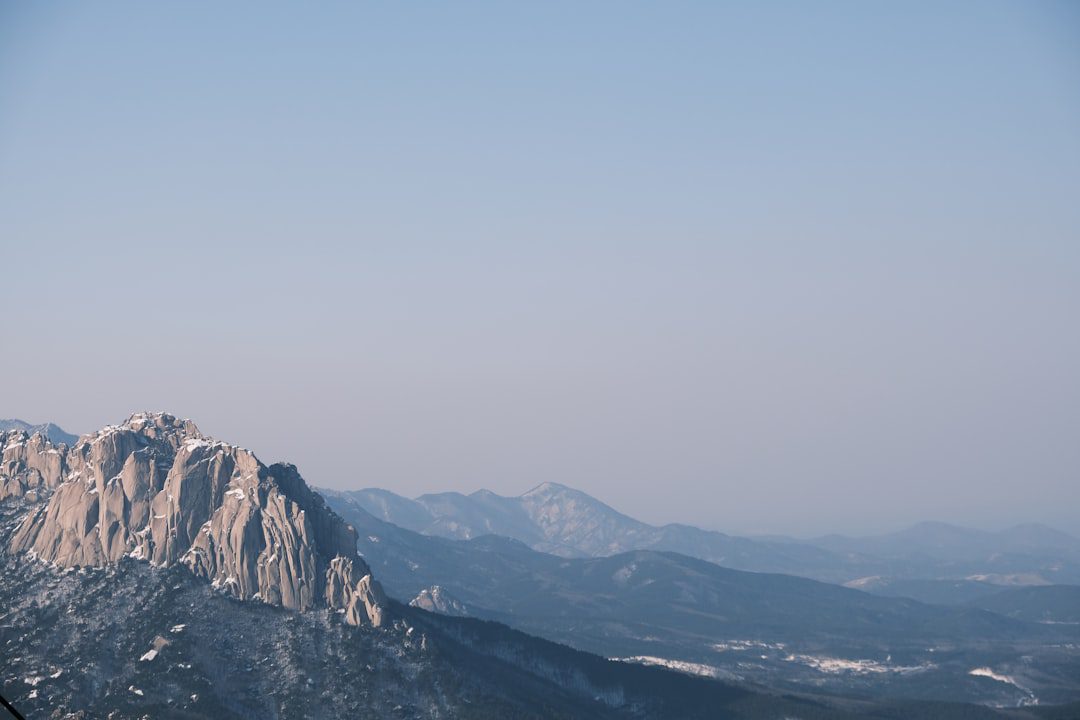
I’ll never forget my first winter in Korea back in 1990. I arrived in December thinking I’d see the serene snowy landscapes I’d imagined. What I didn’t expect was that Korea had some of the best ski resorts in East Asia, sitting just a couple hours from Seoul. Back then, skiing was a luxury activity for the wealthy; nowadays, it’s accessible, affordable, and absolutely world-class. Over the past 35 years, I’ve watched these mountains transform from quiet slopes into vibrant winter destinations that rival resorts in the Alps or North America.
Whether you’re a first-time skier, a seasoned boarder, or just looking to experience Korea’s winter culture in a unique way, the country’s ski resorts offer something for everyone. The season runs from November through March, and the powder here is surprisingly excellent thanks to Korea’s location on the east coast of Asia. If you’re planning a winter trip and haven’t considered hitting the slopes, you’re missing one of Korea’s greatest seasonal experiences.
Here’s everything you need to know about skiing and snowboarding in Korea, from choosing the right resort to renting equipment and booking lessons.
Why Korea’s Ski Resorts Are Worth Your Time
Korea has developed an impressive reputation as a ski destination, and for good reason. The resorts here combine excellent snow conditions, modern infrastructure, and something you won’t find in most Western resorts: affordability. A day pass at a top-tier Korean resort costs significantly less than comparable slopes in Japan or North America, and the facilities are impeccable.
The geography also works in Korea’s favor. The Taebaek Mountains, where most major resorts are located, receive heavy snowfall from Siberian weather systems between December and February. I’ve been to Pyeongchang in mid-January when visibility is perfect and the snow is fresh—it’s genuinely magical. Plus, after skiing, you can head back to Seoul, soak in a family-friendly bathhouse, grab dinner, and be home by evening.
Ted’s tip: Book weekday visits when possible. Korean ski resorts get absolutely packed on weekends and holidays. A Wednesday or Thursday trip means shorter lift lines and a more relaxed experience. Weekday lift passes are also slightly cheaper than weekend rates.
Another reason to visit Korean resorts: the apres-ski culture. After hitting the slopes, you can enjoy Korean hot drinks, street food, and the social scene. Many resorts have restaurants, spas, and shopping that rival the skiing itself.
Korea’s Top 5 Ski Resorts Ranked
Korea has about a dozen ski resorts, but five stand out as the premier destinations. Here’s a breakdown of each:
1. Pyeongchang Resort
Pyeongchang hosted the 2018 Winter Olympics, and the resort still carries that prestige. Located in Gangwon Province, it’s about 2 hours from Seoul by car. This is Korea’s most famous resort, and for good reason: 31 slopes ranging from beginner to expert, excellent snow grooming, and world-class facilities.
The resort spans an enormous area with terrain for all levels. Beginners can enjoy wide, gentle runs, while advanced skiers will appreciate the mogul fields and steeper black runs. The Olympic legacy means the infrastructure here is exceptional—modern chairlifts, well-maintained bathrooms, and restaurants that actually have good food.
Lift ticket prices (as of 2026): ₩70,000–₩85,000 (weekday), ₩90,000–₩110,000 (weekend/holiday). Season pass options are available and worthwhile if you’re visiting multiple times.
2. Yongpyong Resort
Yongpyong is one of Korea’s oldest and largest resorts, also in Gangwon Province. With 28 slopes and a vertical drop of 740 meters, it’s a favorite among serious skiers. The resort frequently hosts international ski competitions, which tells you something about the quality of the slopes and snow conditions.
What makes Yongpyong special is its commitment to intermediate and advanced terrain. If you’re beyond the beginner stage, you’ll appreciate the variety here. The resort is also known for excellent snowmaking, so it’s reliable even in years when natural snowfall is lighter.
Lift ticket prices: ₩65,000–₩78,000 (weekday), ₩85,000–₩105,000 (weekend). The resort is about 1.5 hours from Seoul.
3. Gangwon Land (Jeongseon Alpine Centre)
Located in Jeongseon, this is a massive resort complex with 20 slopes. What sets it apart is the breadth of terrain—from nursery slopes perfect for absolute beginners to challenging blacks. The resort also offers night skiing, which is a unique experience and perfect if you’re combining it with a Seoul visit.
Gangwon Land is also an integrated resort with hotels, casinos, restaurants, and shopping, so you can easily spend multiple days here. The après-ski options are excellent, making it a great choice if skiing is part of a larger winter vacation.
Lift ticket prices: ₩60,000–₩72,000 (weekday), ₩80,000–₩98,000 (weekend). Located about 2 hours from Seoul.
4. Vivaldi Park
The closest ski resort to Seoul—just 60 kilometers away, about 90 minutes drive—Vivaldi Park is perfect for a quick weekend trip. Don’t let its proximity fool you; this is a legitimate resort with 13 slopes, night skiing, and decent snowmaking. It’s ideal for beginners and families, though intermediate skiers will find enough to keep them entertained.
The advantage of Vivaldi Park is convenience. You can sleep in Seoul, head to the resort in the morning, and be back for dinner. The facilities are modern and comfortable, and it’s less crowded than the flagship resorts in Gangwon.
Lift ticket prices: ₩58,000–₩68,000 (weekday), ₩75,000–₩92,000 (weekend). This is the most affordable option on this list.
5. The Hill Ski Resort
The Hill is another excellent choice near Seoul, located in Pocheon, about 1 hour from the city. It has 10 slopes, excellent for beginners and intermediate skiers, and a relaxed atmosphere. The resort is smaller and more intimate than the massive Gangwon properties, which appeals to many visitors who want a less overwhelming experience.
The Hill is also known for being family-friendly, with gentle slopes and patient instructors. If you’re traveling with kids, this is an outstanding choice. The resort recently upgraded its facilities, so everything feels fresh and well-maintained.
Lift ticket prices: ₩55,000–₩65,000 (weekday), ₩70,000–₩85,000 (weekend). About 1 hour from Seoul.
| Resort | Slopes | Distance from Seoul | Best For | Weekday Lift Ticket |
|---|---|---|---|---|
| Pyeongchang | 31 | 2 hours | All levels | ₩70,000–₩85,000 |
| Yongpyong | 28 | 1.5 hours | Intermediate+ | ₩65,000–₩78,000 |
| Gangwon Land | 20 | 2 hours | All levels + night skiing | ₩60,000–₩72,000 |
| Vivaldi Park | 13 | 1.5 hours | Beginners/families | ₩58,000–₩68,000 |
| The Hill | 10 | 1 hour | Beginners/families | ₩55,000–₩65,000 |
Planning Your Ski Trip: Best Time to Visit
Korea’s ski season officially runs from mid-November through early March, but the best conditions are typically January through February. December can be hit-or-miss for natural snow, and early March tends toward warmer, slushy conditions.
The absolute peak season is late December (holiday period), January, and early February. This is when you’ll find the best snow and also the most crowds. If you hate waiting in lift lines, go in January on a weekday—you’ll get fresh powder and quiet slopes.
Holiday periods—especially around New Year and Lunar New Year (Chuseok)—are absolutely packed. Korean families descend on the resorts en masse. I avoid these times unless I’m with family. Weekdays between mid-January and early February? That’s prime time for the ideal Korean ski experience.
| Time Period | Snow Quality | Crowds | Recommendation |
|---|---|---|---|
| Mid-November to December | Variable, may be thin | Light to moderate | Only if season pass holder |
| Late Dec (holiday week) | Good | Extremely heavy | Avoid unless you love crowds |
| January (weekdays) | Excellent | Light | Perfect time to visit |
| January (weekends) | Excellent | Heavy | Good snow, long lift lines |
| February | Excellent | Moderate | Excellent all around |
| Early March | Variable, warming trend | Moderate | Go early in the day |
Ted’s tip: If you can swing it, visit on a Tuesday or Wednesday in late January. You’ll have beautiful snow, friendly conditions, and almost no waiting. I’ve had entire chairlifts to myself on these days.
Renting Equipment: Your Complete Guide
You don’t need to bring skis or a snowboard from home—rental equipment at Korean resorts is excellent and affordable. Every major resort has an equipment rental shop on-site, and the quality rivals what you’d rent in the US or Europe.
Types of Rentals Available
All Korean ski resorts offer skis, snowboards, helmets, boots, and jackets. Some also rent snow pants, base layers, and thermal accessories. Rental shops have equipment in all sizes from children’s gear to adult XXL.
Here’s what a typical rental breakdown looks like at Pyeongchang Resort:
| Equipment | Half Day (4 hours) | Full Day (8 hours) | Notes |
|---|---|---|---|
| Skis + Boots | ₩35,000 | ₩50,000 | All skill levels available |
| Snowboard + Boots | ₩38,000 | ₩55,000 | Various sizes in stock |
| Helmet | ₩8,000 | ₩10,000 | Highly recommended |
| Ski Jacket | ₩15,000 | ₩20,000 | Waterproof, insulated |
| Snow Pants | ₩15,000 | ₩20,000 | Waterproof, insulated |
| Gloves + Base Layers Bundle | ₩12,000 | ₩15,000 | Thermal quality |
So a complete beginner setup for a full day—skis, boots, helmet, jacket, and snow pants—would run approximately ₩135,000–₩150,000. That’s roughly $100–$110 USD, which is incredibly reasonable when you consider you’re getting equipment from well-maintained, modern shops.
Pro Tips for Renting
Book online ahead of time. Most major resorts allow you to reserve equipment online, which saves 10–15% compared to walk-in rental prices. Pyeongchang and Yongpyong both have English-language booking systems on their websites.
Arrive early to pick up. Equipment rental lines get long on weekends, especially mid-morning. Arrive at the resort by 8:30 AM if possible to grab your gear before the rush.
Rent thermal layers. I see tourists arriving without proper thermal base layers, trying to ski in regular athletic clothes. Korean rental shops have excellent thermal gear—rent it. Trust me on this. The difference between being comfortable and being miserably cold is worth ₩15,000.
Ted’s tip: If you’re a picky person about boot fit, bring your own boots. Korean rental boots are decent, but if you have finicky feet or custom insoles, your own boots will be more comfortable. Just leave them at customs on arrival and retrieve on departure.
Get a helmet. It costs ₩10,000 for the day. Just do it. Korean resorts have high-speed skiers, and safety is important. Plus, helmets help keep your head warm.
Ski Lessons: Learning or Improving Your Skills
Every major Korean resort offers ski and snowboard lessons in multiple languages, including English. Group lessons are affordable; private lessons are a great investment if you want focused instruction.
Group Lessons
Group lessons are conducted in small groups (usually 4–8 people at a similar skill level). You’ll be sorted by ability—beginner, intermediate, or advanced—and paired with an instructor who speaks English or your native language if available.
Group lesson pricing (typical across major resorts):
| Lesson Type | Duration | Price | Best For |
|---|---|---|---|
| Group Morning (Beginner) | 2 hours (9 AM–11 AM) | ₩80,000–₩95,000 | First-time skiers |
| Group Afternoon (All levels) | 2 hours (1 PM–3 PM) | ₩75,000–₩90,000 | Any skill level |
| Full-Day Group | 6 hours (9 AM–3 PM) | ₩180,000–₩220,000 | Dedicated learners |
| Multi-Day Group Pass | 2 hours × 3 days | ₩210,000–₩260,000 | Extended learning |
Private Lessons
If you prefer one-on-one instruction or want to focus on specific techniques, private lessons are worth the investment. You’ll get tailored feedback and can progress much faster.
Private lesson pricing (Pyeongchang Resort):
| Duration | English Instructor | Korean Instructor |
|---|---|---|
| 1 hour | ₩120,000 | ₩85,000 |
| 2 hours | ₩220,000 | ₩150,000 |
| 4 hours (half day) | ₩420,000 | ₩280,000 |
| 8 hours (full day) | ₩780,000 | ₩520,000 |
Ted’s tip: If you’re a complete beginner, invest in at least one 2-hour group lesson. The fundamentals are crucial, and a good instructor can save you weeks of self-teaching. It’s worth every won.
Lessons for intermediate and advanced skiers focus on technique refinement—carving, mogul skiing, steeps, or racing techniques. If you haven’t skied in several years, a refresher lesson is always a good idea.
Getting to Korean Ski Resorts from Seoul
Most major resorts are within 1–2 hours of Seoul, making them easily accessible for a day trip or weekend getaway. Here’s how to get there:
By Car (Recommended)
Driving is the most convenient option. Rent a car in Seoul (budget ₩50,000–₩80,000 per day) and drive to the resort. Most resorts have massive parking lots, so parking is never an issue. From central Seoul, allow 1.5–2.5 hours depending on your destination.
Major resorts have GPS-friendly addresses:
| Resort | Address (Korean) | Driving Time from Seoul |
|---|---|---|
| Pyeongchang | 강원도 평창군 대관령면 올림픽로 1456 | 2–2.5 hours |
| Yongpyong | 강원도 평창군 대관령면 용평리 | 1.5–2 hours |
| Gangwon Land | 강원도 정선군 고한읍 구절리 | 2–2.5 hours |
| Vivaldi Park | 경기도 남이섬면 일동리 | 1.5 hours |
| The Hill | 경기도 포천시 이동면 산정리 | 1 hour |
Ted’s tip: Use a Korean navigation app like Naver Map or Kakao Map rather than Google Maps. They’re more reliable for real-time traffic and will route you around congestion. In winter, be prepared for occasional icy roads—many Koreans carry tire chains, though they’re not always necessary.
By Tour Bus
Several operators run ski resort shuttle buses from Seoul, picking you up near subway stations (typically around Myeongdong or Gangnam) and dropping you at the resort. These tours usually include the bus fare and sometimes a lift ticket package.
Typical bus tour pricing: ₩50,000–₩80,000 (bus only) or ₩120,000–₩180,000 (bus + lift ticket combo). Tours leave Seoul around 7–8 AM and return around 6–7 PM, making it a full-day experience.
You can book these tours through Korean tourism websites or through your hotel concierge. The advantage is you don’t have to drive; the disadvantage is less flexibility on timing.
By Train + Taxi/Shuttle
Pyeongchang Resort is accessible via the O-train line from Seoul Station. The journey takes about 3 hours, then you’ll need a taxi or shuttle to the resort (about ₩15,000–₩25,000). This is less convenient than driving but doable if you don’t want to rent a car.
What to Pack: Essential Winter Ski Gear
If you’re renting equipment, you still need to bring appropriate clothing. Here’s a breakdown of what you’ll need:
Clothing Layers
The key to staying warm skiing is layering. Bring:
- Thermal base layers: A fitted merino wool or synthetic thermal shirt and long underwear. Avoid cotton at all costs—it retains moisture and makes you cold. (You can rent these at resorts if needed, ₩15,000 per day)
- Mid-layer: A fleece or wool sweater for extra insulation
- Outer shell: Waterproof ski jacket and pants (you can rent these)
- Accessories: Wool beanie, neck gaiter or scarf, thermal gloves (rent at resort), and thick wool socks
Other Essentials
- Sunscreen: Snow reflects UV rays intensely. Bring SPF 50+ and reapply frequently. This is non-negotiable.
- Sunglasses: Bring a pair that wraps around your face or rent goggles at the resort (₩12,000–₩18,000)
- Lip balm with SPF: Essential—your lips will chap otherwise
- Moisturizer: The dry cold air is brutal on skin. Bring a good face moisturizer.
- Boots: Waterproof, insulated winter boots if you’re not renting
Ted’s tip: Korean pharmacies (GS25, CU, Emart) sell excellent thermal gear and skiing accessories if you forgot anything. The major resorts also have convenience stores where you can grab last-minute items, though prices are marked up 30–40% from Seoul prices.
Mountain Restaurants and Apres-Ski Dining
One of the pleasures of skiing in Korea is the food scene at the resorts. After hitting the slopes, you can refuel at restaurants ranging from casual cafeterias to upscale dining.
On-Mountain Restaurants
Every major resort has multiple restaurants on the mountain or at the lodge. Pyeongchang has everything from quick cafeteria-style options (₩12,000–₩18,000 for bibimbap, ramyeon) to sit-down restaurants serving Korean cuisine, pizza, and pasta.
Lunch options and pricing (approximate across major resorts):
| Meal Type | Price Range | Options |
|---|---|---|
| Quick Lunch (Cafeteria) | ₩12,000–₩18,000 | Bibimbap, ramyeon, kimbap, tteokbokki |
| Mid-Range Restaurant | ₩18,000–₩35,000 | Korean BBQ, jjigae, noodle dishes |
| Upscale Dining | ₩40,000–₩80,000 | Steak, fusion cuisine, fine dining |
| Casual Snacks (cafes) | ₩6,000–₩12,000 | Coffee, hot chocolate, pastries, hotteok |
My personal recommendation: grab a quick lunch at the cafeteria to maximize your time on the slopes, then have a proper dinner at a sit-down restaurant after you’re done skiing. Many resorts have amazing Korean BBQ restaurants where you can grill your own meat—perfect apres-ski tradition.
Apres-Ski Spas and Relaxation
After skiing, many resorts have on-site spas and bathhouses. Pyeongchang Resort has a full spa facility with saunas, pools, and massage services (₩30,000–₩60,000 for entry). This is a uniquely Korean experience—soaking in a hot bath after a day of skiing is absolutely divine.
Ted’s tip: If you’re staying overnight at a resort hotel, many include spa access with your room. It’s well worth booking accommodation directly at the resort rather than commuting from Seoul.
Accommodation: Where to Stay
You have two main options: stay at the resort or commute from Seoul.
Resort Hotels
Staying on-mountain is the premium experience. You’ll wake up to mountain views, can access slopes early, and enjoy evening activities. However, room prices are higher:
| Resort | Standard Room (Weekday) | Standard Room (Weekend) | Amenities |
|---|---|---|---|
| Pyeongchang Resort Hotel | ₩180,000–₩250,000 | ₩280,000–₩400,000 | Spa, restaurants, ski-in/ski-out |
| Yongpyong Hotel | ₩150,000–₩220,000 | ₩250,000–₩380,000 | Multiple restaurants, sauna |
| Gangwon Land Hotel | ₩140,000–₩200,000 | ₩240,000–₩360,000 | Casino, shopping, entertainment |
Budget Alternatives
Nearby towns like Jeongseon and Taebaek have budget accommodations (₩60,000–₩120,000 for small hotels or guesthouses). You’ll be 20–30 minutes from the resort by car but save significantly on room costs. This is a good option if you’re on a tight budget.
Ted’s tip: For weekend trips from Seoul, staying on-mountain isn’t necessary. A day trip works perfectly—leave Seoul early morning, ski 6–7 hours, grab dinner, and drive back. You’ll save ₩150,000+ on accommodation and avoid the hassle of packing overnight gear. Save the overnight stay for a longer trip.
Safety Tips and Slope Etiquette
Korean slopes are generally very safe, but there are some important things to know:
Safety Basics
- Wear a helmet. I cannot stress this enough. Rental helmets cost ₩10,000. Worth it.
- Stay on marked runs. Don’t ski off-trail into closed areas. Resorts mark areas clearly.
- Respect speed signs. Some areas have lower speed limits for safety. Adhere to them.
- Know your limits. Don’t ski runs beyond your skill level. The blue, red, and black designations are there for a reason.
Slope Etiquette
Korean skiers are generally respectful, but be aware of these customs:
- Stay to the right on lifts. This is the Korean convention. Walk up the right side of the chairlift queue.
- Don’t stop in the middle of the run. Move to the side if you need a break.
- Use the ski patrol. Any injuries or accidents, find patrol staff immediately. They’re easy to spot in bright jackets.
- Obey all signs. Lift closures, speed restrictions, and avalanche warnings are enforced.
Ted’s tip: If you’re a beginner, stick to the green and blue runs. Don’t be tempted by red runs if you’ve only been skiing for a day or two. Learning on appropriate terrain is crucial for building confidence and staying safe.
Budget Breakdown: What Does a Ski Day Actually Cost?
Let’s be honest about the total cost of a ski day in Korea. Here’s a realistic breakdown:
| Expense | Cost (Budget) | Cost (Mid-Range) | Notes |
|---|---|---|---|
| Lift Ticket (weekday, half day) | ₩50,000 | ₩70,000 | Full day: add ₩20,000–₩30,000 |
| Equipment Rental | ₩80,000 | ₩120,000 | Full rental package for full day |
| Lunch/Dinner | ₩25,000 | ₩50,000 | 1 meal at cafeteria vs. restaurant |
| Lesson (group, optional) | ₩0 | ₩80,000–₩95,000 | Strongly recommended for beginners |
| Car Rental + Gas | ₩70,000 | ₩80,000 | Full day rental. Bus tour ₩50,000–₩80,000 |
| TOTAL (without lesson) | ₩225,000 | ₩320,000 | ~$170–$240 USD |
| TOTAL (with lesson) | ₩225,000 | ₩395,000–₩415,000 | ~$170–$310 USD |
For comparison: a ski day at many US resorts costs $150+ just for the lift ticket, not including rentals or lessons. Korean skiing is genuinely affordable for the quality you get.
Frequently Asked Questions
What’s the best resort for absolute beginners?
The Hill or Vivaldi Park are ideal for first-timers. Both have excellent beginner slopes, patient instructors, and a less intimidating atmosphere than the massive Pyeongchang or Yongpyong. The Hill is particularly family-friendly and intimate. Take a group lesson your first day—it’s only ₩80,000–₩95,000 and worth every penny.
Do I need to book in advance?
For weekday visits in January or February, you can often show up without booking. For weekends or peak periods (late December, early March), book 1–2 weeks ahead. You can reserve lift tickets, equipment, and lessons online on most resort websites.
Is it cold enough to ski in early December?
Sometimes. Early December can have thin coverage—resorts rely heavily on snowmaking. If you want reliable conditions, wait until mid-January. The risk of traveling to ski in early December is that you might find poor snow coverage or the resort not fully open.
Can I ski if I’ve never done it before?
Absolutely. Korean resorts are excellent for beginners. Book a 2-hour group lesson, rent equipment, and start on the green slopes. Most people can make it down a green run by the end of their first lesson. It’s genuinely fun and accessible.
How do I get to the resort without a car?
Bus tours from Seoul are the easiest option (₩50,000–₩80,000). Alternatively, take the O-train to Pyeongchang and grab a taxi (₩15,000–₩25,000). Less convenient than driving, but doable. Many hotels offer shuttle services if you stay overnight.
What’s the difference between resorts?
Pyeongchang and Yongpyong are the largest, with the most slopes and terrain variety. Gangwon Land is massive and offers night skiing. Vivaldi Park and The Hill are smaller, closer to Seoul, and better for families and beginners. Choose based on skill level and how much terrain variety you want.
Is snowboarding available?
Yes, absolutely. All major resorts have terrain parks and are snowboard-friendly. Equipment rentals are available (₩55,000 per full day). Lessons are also offered for snowboarders.
What if I don’t ski—are there other activities?
Yes! Many resorts have sledding hills, snowshoeing, and snowmobiling. Some have cross-country ski trails. Beyond skiing, there are spas, restaurants, shopping, and entertainment. Gangwon Land has a casino if you’re interested. You don’t need to ski to enjoy the resorts.
Final Thoughts
After three and a half decades in Korea, skiing remains one of my favorite winter activities. There’s something magical about being on the slopes 90 minutes from Seoul, surrounded by Korean families, with affordable prices and excellent conditions. It’s a side of Korea that many tourists never experience, focused on snow and mountains rather than temples and palaces.
If you’re visiting Korea in winter, don’t miss out on skiing. Whether you’re a complete beginner or an experienced boarder, there’s a resort perfectly suited to your needs. Pick a weekday in late January or early February if possible—you’ll have excellent conditions and minimal crowds. Take a lesson if you’re new to it. Rent everything you need. Enjoy the apres-ski meals and spas. And experience Korea in a way most tourists never do.
The mountains are waiting for you.
— Ted K
Image Credits: Photos sourced from Unsplash. By using this site, you agree to our Privacy Policy and Disclaimer.