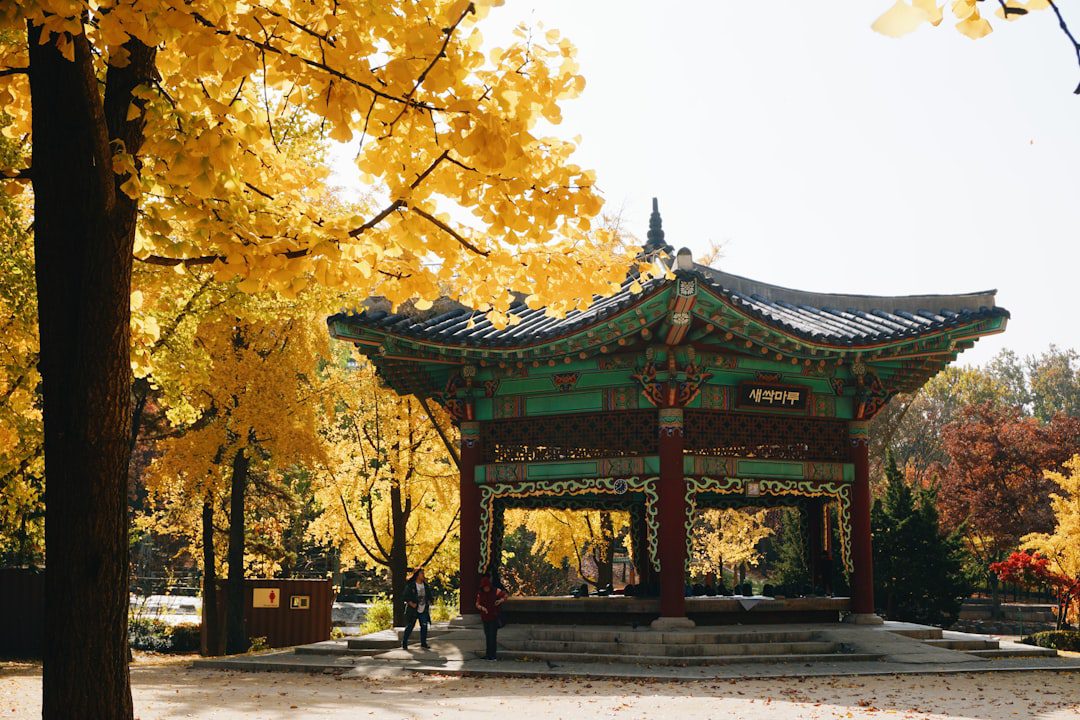
I still remember the first time I took the ferry across to Nami Island. It was autumn 1992, and I’d just moved to Korea with barely enough won in my pocket to cover the ticket. The moment those massive white tree-lined avenues came into view, I understood why this place had become Seoul’s obsession. Three decades later, I’ve brought countless visitors here, and Nami Island remains one of my most reliable recommendations for a Seoul day trip that doesn’t require hiking boots or a packed lunch.
The thing about Nami Island is that it’s genuinely easy to access from Seoul—no more than 90 minutes by public transport if you know the route—yet it feels like you’ve escaped the city entirely. This artificial island in Chuncheon has become famous worldwide as a K-drama filming location, an art haven, and a seasonal destination that transforms with every season. Whether you’re here during the famous tree-lined autumn, the cherry blossoms of spring, or even the quiet winter months, there’s something authentically charming about the place that Instagram hasn’t completely ruined.
Here’s your complete guide to making the most of a Nami Island day trip from Seoul, with practical details I’ve learned from visiting dozens of times over the past 35 years.
How to Get to Nami Island from Seoul
Let’s start with the logistical part, because getting there is half the adventure. The most reliable way is a combination of train and shuttle bus, and I’ll walk you through it step by step.
The ITX-O Train Route
Your best option is the ITX-O train from Seoul Station. Here’s exactly what you need to do: Head to Seoul Station (Line 1, 4, or any of the interconnected lines) and follow signs to the ITX-O platform. The ITX-O is a semi-express train that heads north toward the Gangwon region, and Gapyeong Station is your destination.
Ted’s tip: Buy your ticket at the window rather than the machines if you don’t speak Korean. The staff are patient, and it only takes an extra minute. Round-trip tickets cost about ₩10,000-₩12,000 for the train alone.
The journey takes approximately 45-50 minutes, and you’ll watch Seoul gradually give way to countryside—it’s a genuinely pleasant ride. Trains depart roughly every 30-40 minutes throughout the day, starting around 6:00 AM and running until about 10:00 PM, though mid-day services are most frequent.
| Train Details | Information |
|---|---|
| Starting Point | Seoul Station (1호선, 4호선) |
| Destination | Gapyeong Station |
| Journey Time | 45-50 minutes |
| Frequency | Every 30-40 minutes |
| Cost (Round-trip) | ₩10,000-₩12,000 |
| First/Last Trains | 6:00 AM – 10:00 PM |
From Gapyeong Station to Nami Island
Once you exit Gapyeong Station, you’ll see a shuttle bus waiting specifically for tourists heading to Nami Island. This is an official airport-shuttle-style bus—clean, reliable, and operated by the Nami Island management company. The bus ride takes about 15-20 minutes and costs ₩2,000 per person.
The buses run continuously from around 7:00 AM until 9:00 PM, and they depart roughly every 15-20 minutes depending on tourist volumes. During peak seasons (spring and autumn), they run nearly constantly. In winter, you might wait a few minutes longer.
Ted’s tip: If you’re in a group of 3-4 people, a taxi from Gapyeong Station costs about ₩15,000-₩18,000 and takes roughly the same time, but you get direct door-to-door service. I often recommend this for families or those with luggage.
Alternative: Organized Tours from Seoul
If the logistics intimidate you, countless tour companies offer Nami Island tours departing from central Seoul hotels. These typically cost ₩45,000-₩75,000 per person and include round-trip transportation, ferry entry, and sometimes lunch. The downside is you’re on someone else’s schedule, usually visiting 3-4 hours max before returning. For a true day trip where you can move at your own pace, I always recommend the train route instead.
Ferry and Island Entry Fees
Once you arrive at the Nami Island shuttle stop, you’ll walk into the ticket plaza. This is where you pay to enter the island.
| Ticket Type | Price (₩) | Notes |
|---|---|---|
| Adult (Ferry + Island) | ₩18,000 | Ages 19+ |
| Teen (14-18) | ₩13,500 | Valid ID required |
| Child (6-13) | ₩9,000 | Valid ID required |
| Under 6 | FREE | With paying adult |
| Senior (65+) | ₩9,000 | Valid ID required |
| Disabled Person + Guardian | ₩9,000 | Valid certificate required |
The ferry crossing itself takes only about 10-15 minutes, and the boats run continuously. You’ll board traditional-style ferries that hold about 200-300 people. Even on crowded days, wait times rarely exceed 10-15 minutes for the next departure. The ferry ride itself is actually one of my favorite moments—you get beautiful views of the Han River approach from the water level, and on clear days you can see the surrounding mountains.
Ted’s tip: The ticket price includes both ferry access and admission to the island proper. Once you’re on Nami Island, there’s no additional charge to walk around, though specific attractions (like the themed gardens and art installations) have separate small fees (₩3,000-₩5,000 each).
When to Visit: Seasonal Breakdown
Nami Island transforms dramatically with the seasons, and choosing the right time makes an enormous difference to your experience.
Autumn (September-November): Peak Season
This is when Nami Island becomes the Korean tourist phenomenon everyone writes about. From late September through early November, those famous tree-lined avenues transform into a corridor of golden, orange, and crimson leaves. The Metasequoia (dawn redwood) trees line the main avenue in a way that’s almost artificially perfect—it looks photoshopped but absolutely isn’t.
The downside? Autumn is crowded. We’re talking thousands of visitors daily, especially on weekends. Expect the ferry lines to take 30+ minutes on Saturdays and Sundays in October. Parking lots fill up by 10:00 AM. If you’re coming in autumn, I’d recommend arriving on a weekday, or visiting early morning before 9:00 AM to beat crowds.
Peak foliage typically runs from mid-October through early November, depending on weather. Check the Nami Island website or local news for predicted peak dates before you go.
Spring (March-May): Cherry Blossoms and New Growth
The spring season brings cherry blossoms (usually peaking in mid-April) and fresh green leaves that line those famous avenues in lime and emerald. Spring weather is generally mild (10-18°C), making it pleasant for long walks.
Spring is busier than summer or winter, but still less crowded than autumn. The advantage over autumn is that you get similar beautiful scenery without the overwhelming crowds. If I could only recommend one season other than autumn, it would be spring.
Summer (June-August): Green and Quiet
Summer on Nami Island is lush and green, with full tree canopy providing excellent shade. However, this is the rainy season (jangma) in Korea, and afternoon thunderstorms are common, especially in July and August. Temperatures can be uncomfortably warm (25-30°C).
The advantage? Summer is your quietest season. You’ll actually be able to walk peacefully down those famous avenues without dodging hundreds of tourists. If you don’t mind the heat and potential rain, summer offers a genuinely serene experience.
Winter (December-February): Sparse but Magical
Winter is when I personally prefer Nami Island. The trees lose their leaves, creating these stark, beautiful silhouettes against grey skies. Snow occasionally falls, creating almost surreal photographic conditions. Temperatures drop to 0-5°C, so you need proper winter clothing, but the air is crisp and clean.
Winter sees the fewest tourists of any season, which means you can actually enjoy peaceful walks. The island’s art installations stand out more starkly against the bare landscape. It’s not for everyone, but for those seeking solitude and a different aesthetic, winter is underrated.
| Season | Best Features | Crowds | Temperature |
|---|---|---|---|
| Autumn (Sep-Nov) | Golden foliage, perfect light | Very Heavy | 8-18°C |
| Spring (Mar-May) | Cherry blossoms, fresh greens | Moderate-Heavy | 10-20°C |
| Summer (Jun-Aug) | Lush green, cool shade | Light-Moderate | 23-30°C |
| Winter (Dec-Feb) | Bare trees, snow possibility | Very Light | -2 to 5°C |
What to See and Do on Nami Island
Once you’re on the island, you have essentially 4-6 hours if you’re doing a proper day trip. Here’s how to maximize that time.
The Main Tree-Lined Avenues
The two famous tree-lined paths are why most people come. The northern avenue (lined with Metasequoia trees) and the southern avenue (lined with Poplar trees) each take about 30-40 minutes to walk end-to-end at a leisurely pace, or 15-20 minutes if you’re rushing.
My personal recommendation? Walk them early in your visit, when light is best and crowds are at minimum. Take your photos, enjoy the atmosphere, then move on to other areas of the island that get less attention.
Art Museum and Galleries
Nami Island has several art galleries and museums, including the “Art Museum,” “Cheese Gallery,” and rotating seasonal installations. These aren’t world-class museums, but they’re pleasant ways to spend an hour, especially if weather turns bad. Entry to each typically costs ₩3,000-₩5,000.
Nami Botanic Garden
A beautiful seasonal garden with walking paths, sculptures, and botanical displays. It’s particularly worth visiting in spring (flowering plants) and autumn (changing colors). Entry is ₩5,000, and it takes about 45 minutes to explore at a relaxed pace.
Water Activities and Adventure Sports
During summer months, Nami Island offers paddleboarding, kayaking, and other water sports along the Han River. These are surprisingly fun and give you a different perspective of the island. Prices typically range ₩30,000-₩50,000 for rentals.
K-Drama Locations
If you’ve watched K-dramas, you’ve likely seen Nami Island. Multiple dramas and films have been filmed here, including “Boys Over Flowers” and “Reminiscence.” Several benches and locations are marked with plaques indicating which production used that spot. For K-drama fans, this can be a genuinely fun treasure hunt aspect of the visit. If you want to dive deeper into Korea’s filming location culture, our K-drama filming locations guide has comprehensive information.
Ecological Animal Farm and Petting Zoo
There’s a small petting zoo area where you can interact with alpacas, sheep, and other animals. This is surprisingly popular and genuinely fun, though quite touristy. Entry is ₩3,000, and it’s great for families with young children.
Where to Eat on Nami Island
Nami Island has numerous restaurants and cafes. Here’s the honest breakdown:
Main Restaurants (Higher End)
| Restaurant | Cuisine | Price Range | Average Wait Time |
|---|---|---|---|
| Hanmaru Jeongsik | Korean set meals | ₩15,000-₩25,000 | 30-45 min (busy) |
| Nami Pasta | Italian pasta dishes | ₩12,000-₩18,000 | 20-30 min |
| Guksi Museum Restaurant | Korean noodles, soups | ₩10,000-₩15,000 | 20-40 min |
| The Garden Restaurant | Korean, Western mix | ₩14,000-₩22,000 | 40-60 min |
| Hanaro Sajeok | Korean BBQ skewers | ₩12,000-₩20,000 | 15-30 min |
Ted’s tip: If you’re visiting during peak season, eat lunch early (11:30 AM-12:30 PM) or late (1:30 PM onwards) to avoid the worst crowds. Most restaurants don’t take reservations, so timing is crucial. Alternatively, many visitors pack a simple picnic and eat on the grass with the tree-lined avenues as backdrop—this is absolutely allowed and saves both money and time.
Cafes and Light Snacks
Nami Island has excellent cafes, which is one reason it’s become so famous on Instagram. You’ll find seasonal coffee drinks, ice cream, and bakery items at virtually every turn. Prices run ₩3,000-₩8,000 for coffee and snacks. Some popular ones include “Nami Cafe” and “Romantic Cafe,” both with excellent photo opportunities.
My personal strategy: Have a light breakfast before you arrive, eat lunch on the island, then enjoy cafe snacks while you walk around. This spreads out your eating and lets you keep moving between photo spots.
Sample Itinerary: Making the Most of Your Day
Here’s how I’d recommend structuring your Nami Island day trip to maximize experience while minimizing crowds and exhaustion:
Early Morning: 6:30-9:00 AM
Get to Seoul Station by 6:45 AM and catch an early ITX-O train (7:00 AM or 7:30 AM departure). This takes 45 minutes, getting you to Gapyeong by 8:30-8:45 AM. By 9:15 AM you’re on the island before the crowds arrive.
Use these early hours for photography on the main avenues. Light is soft and beautiful at this time, and you’ll literally be among the first tourists there.
Mid-Morning: 9:00 AM-12:00 PM
Explore the avenues thoroughly, visit 1-2 art galleries or museums, and walk through the botanical garden. By noon, explore the petting zoo area or any water activities that interest you.
Lunch: 12:00-1:30 PM
Eat lunch at one of the main restaurants. Yes, there’ll be a wait, but 12:15-12:30 PM is typically less crowded than 1:00-2:00 PM. Grab a table and don’t rush; you’ve got time.
Afternoon: 1:30-4:00 PM
Explore areas you haven’t seen yet, revisit favorite spots with afternoon light, visit any remaining attractions, enjoy cafe snacks, take photos. This is when most crowds peak, so be patient and enjoy the energy.
Late Afternoon: 4:00-5:00 PM
Head to the ferry for your return. Aim for a 4:30-5:00 PM ferry, which gets you back to Gapyeong by 5:15-5:30 PM. Catch a 5:30-6:00 PM ITX-O train back to Seoul Station, arriving by 6:15-6:45 PM.
This gets you back to Seoul by early evening, with a full day of Nami Island in your pocket.
What to Pack and Practical Tips
Essential Items
| Item | Why You Need It | Seasonal Notes |
|---|---|---|
| Comfortable Walking Shoes | You’ll walk 8,000-15,000 steps minimum | Waterproof in spring/summer |
| Camera/Phone | Photography is the main activity | Bring extra battery pack |
| Sunscreen | Lots of outdoor time in open sun | SPF 50+ year-round |
| Umbrella/Rain Jacket | Weather can change quickly | Essential Jun-Aug, good idea other seasons |
| Water Bottle | Stay hydrated during walking | Free refills at most restaurants |
| Layers | Temperature varies throughout day | Especially spring/fall/winter |
| Won Cash | Some small vendors don’t take cards | ATM available near ticket office |
| T-Money Card | For shuttle bus and train | Can buy at convenience stores |
Photography Tips
Since most people come to Nami Island for photos, here’s my insider advice: Ted’s tip: The golden hour (first hour after sunrise and last hour before sunset) offers the best light, but if you’re doing a day trip, morning light is more feasible. Avoid midday harsh shadows, and try to get shots with people out of frame—visit avenues early or find less-trafficked areas.
For smartphone photography, apps like “Lightroom Mobile” can help you edit on the go. If you want professional-quality photos without the camera equipment, simply frame your shots carefully and take lots of them—most smartphones now have excellent cameras.
Accessibility Considerations
Nami Island is reasonably accessible overall, but has some limitations. The main tree-lined avenues are paved and flat, making them wheelchair-friendly. Most restaurants have accessible entrances. However, some museum and gallery spaces have stairs, and some scenic viewpoints require short climbs. For detailed accessibility information, check our Korea accessibility guide.
Insider Local Tips
Avoiding Crowds
I’ve visited Nami Island during every season and every day of the week. Here’s what I’ve learned:
Best days: Tuesday, Wednesday, Thursday in non-peak seasons. Avoid weekends entirely during autumn. Best times: Arrive before 9:00 AM or after 3:00 PM. Best weather patterns: Rainy days in autumn see 30-40% fewer visitors (people think it’s not worth visiting), but the island is actually stunning in soft rain.
If you absolutely must visit in autumn and can’t avoid weekends, go to the southern avenues (which get less foot traffic) and explore museum spaces during midday when most tourists are eating lunch or resting.
Food Cost Optimization
Restaurant prices at Nami Island are inflated compared to Seoul—you’re paying for the location and atmosphere. Here are your budget options: Bring a picnic from Seoul (kimbap, sandwiches, fruits—₩5,000-₩8,000 total), which saves ₩10,000+ per person. Eat light noodle soups or pasta rather than set meals (save ₩3,000-₩5,000). Skip sit-down restaurants entirely and eat at food stands and cafes (₩3,000-₩8,000 per item).
Transportation Timing
Return trains to Seoul get increasingly crowded as the day progresses. If you’re returning around 5:00-6:00 PM, you might have a 20-30 minute wait for the next train during weekends. To guarantee a seat, catch an earlier train (around 4:00-4:30 PM) or stay later (after 7:00 PM) when crowds thin out.
Photography Locations Most Tourists Miss
Everyone photographs the main tree avenues from dead center. For better photos, walk to the edges of the avenues and shoot horizontally to capture trees coming toward the camera. Visit the northern section of the island near the outdoor sculpture area—it’s genuinely beautiful and sees 1/10th the visitors. The east bank overlooking the Han River offers stunning landscape shots without crowds.
Frequently Asked Questions
Can I visit Nami Island in just a few hours?
Technically yes, but it’s rushed. A 3-hour visit lets you see the main avenues and grab lunch. For a proper day trip where you can explore multiple areas, enjoy cafes, and take photos without stress, 5-6 hours is ideal. Most visitors spend 4-5 hours on the island.
Is it necessary to get a tour group or can I explore independently?
The island is completely navigable independently, with good signage and clear paths. You don’t need a guide—just follow the main avenues and explore based on your interests. Independent exploration also lets you move at your own pace and avoid group photo-stop delays.
What’s the best season to visit if I want fewer crowds?
Summer and winter have significantly fewer tourists than spring and autumn. Winter is my personal recommendation for peace and quiet, though weather is cold. Summer is lush and green but can be rainy. For fewer crowds with pleasant weather, late spring (after May 10) and early autumn (before September 20) are sweet spots.
Are there any areas of Nami Island worth skipping?
The petting zoo is fine but touristy—skip it unless you have small children. Some of the commercial shops and arcades feel out of place. The “museums” are pleasant but not must-sees. Focus instead on the natural areas, tree-lined avenues, and walking along the river—that’s where the island’s charm lives.
Can I bring my own food to Nami Island?
Yes, absolutely. Bringing a picnic is common and encouraged. You can pack food from Seoul or buy items at Gapyeong Station convenience stores before boarding the ferry. Tables and grassy areas are available throughout the island for eating.
What if the weather turns bad during my visit?
Light rain is actually beautiful on the island—fewer tourists and soft light for photos. Heavy rain is less pleasant but temporary. Museums and indoor galleries provide shelter. The main avenues still offer beautiful walks even in wet conditions if you have an umbrella. Only thunderstorms would truly ruin a visit, but these’re forecasted, so check weather before you go.
Is Nami Island accessible via wheelchair or with mobility limitations?
The main tree-lined avenues are paved and flat, making them wheelchair-accessible. Most restaurants have accessible entrances. However, some museums have stairs, and some scenic areas require short walks on unpaved paths. Plan your itinerary around accessible areas, and don’t hesitate to skip the inaccessible spots.
Should I book the ferry in advance or buy tickets on the day?
Day-of ticket purchases are standard and rarely a problem except during peak autumn weekends. Even then, wait times for ferries are typically 20-30 minutes maximum. Advance booking isn’t necessary for individual tourists—it’s really only for large groups or organized tours.
Final Thoughts
Nami Island represents something special in the Korean tourism landscape. It’s accessible enough that anyone can visit without hassle, yet beautiful enough to feel like you’ve genuinely escaped Seoul. In my 35 years here, I’ve watched it grow from a quiet weekend getaway into an international destination, and while the crowds have increased, the core charm remains intact.
The island works because it offers different things to different people. For families, it’s a manageable day trip with activities for kids. For photographers, it’s an Instagram dream come true. For couples, it’s genuinely romantic, especially on quiet mornings or misty evenings. For casual travelers, it’s effortless culture and nature in one place.
My most honest advice? If you only have limited time in Korea, and you’re choosing between Nami Island and something like Bukchon Hanok Village or the Demilitarized Zone, focus on what speaks to you. But if you have 5-6 hours available and want a genuinely pleasant, low-stress experience that rewards your effort with beauty and fresh air, Nami Island deserves a spot in your itinerary. Come early, come on a weekday if possible, pack comfortable shoes, and leave room for unexpected discoveries.
I’ve written this guide drawing on decades of bringing visitors here—from friends on their first Korea trip to seasoned travelers passing through. Every season reveals something new, and every visit reminds me why this small island in Chuncheon has captured the hearts of countless travelers.
— Ted K
Image Credits: Photos sourced from Unsplash. By using this site, you agree to our Privacy Policy and Disclaimer.