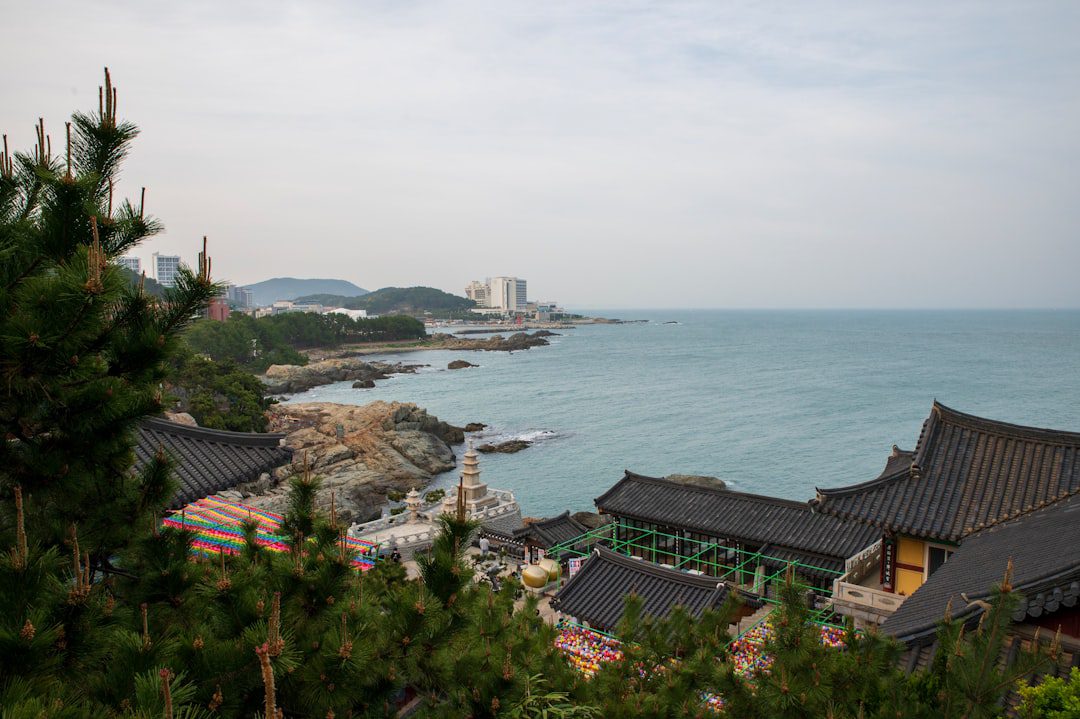
I’ll never forget the afternoon I stumbled onto a K-drama film crew in Busan back in 1998. I was just exploring the waterfront when I saw dozens of people carrying equipment, and suddenly—there she was—an actress I recognized from a drama I’d watched the night before. It hit me then: Korea wasn’t just a country where dramas were filmed; it was becoming the actual backdrop for stories that would captivate millions worldwide.
Fast forward to today, and K-drama tourism has absolutely exploded. Every week, I hear from visitors asking the same thing: “Where was my favorite drama filmed? Can I actually go there?” The answer is yes—and it’s become one of the most rewarding ways to experience Korea beyond Seoul’s tourist bubble.
I’ve spent three and a half decades watching Korea transform, and I’ve visited nearly every major K-drama filming location across the country. From the windswept cliffs of Busan to the quiet rural villages of Gyeonggi Province, these locations tell their own stories—both on screen and in real life. In this guide, I’m sharing everything I’ve learned: which locations are easiest to reach, where you’ll actually recognize the actual scenes, what to expect when you arrive, and honest insights about whether the real place lives up to the drama magic.
Here’s everything you need to know about K-drama filming locations outside Seoul.
Why K-Drama Locations Matter: The Tourist Phenomenon
Let me be direct: the K-drama filming location industry has become real economic engine for Korea’s smaller cities and provinces. When “Descendants of the Sun” filmed in Croatia in 2016, it wasn’t just entertainment—it sparked a tourism boom that lasted years. Now, productions film domestically more than ever, and regions outside Seoul have learned to capitalize on that attention.
What’s fascinating is how these locations transform after a drama airs. A sleepy village suddenly gets a visitor center. A forgotten fishing town opens cafes with drama-themed menus. Old villages that were losing residents get restoration funding because they’re “authentic K-drama settings.”
But here’s the reality check: not every location is Instagram-ready. Some have changed. Others are harder to access than you’d think. A few are genuinely disappointing when you visit. That’s why I’m breaking down the locations that are genuinely worth the trip—and explaining what you’ll actually see when you get there.
Ted’s tip: Before visiting any filming location, check if it’s actively being filmed. Some sets are closed to tourists during production, and others are torn down after filming wraps. Contact the local tourism office first—they’ll have current information.
Gyeonggi Province: Most Accessible K-Drama Sites
Gyeonggi Province surrounds Seoul on three sides, making it the easiest region to reach for filming location hunting. I’ve spent countless weekends exploring these areas, and some of my favorite discoveries are here.
Petite France (Paju): “Winter Sonata” & Beyond
Petite France in Paju is one of Korea’s most famous K-drama locations. Built as an actual filming set for the 2003 drama “Winter Sonata” (one of the dramas that made K-dramas famous worldwide), it was designed to replicate a small French village. After filming, instead of tearing it down, the producers opened it as a public attraction.
When I first visited in the mid-2000s, it felt magical—cobblestone streets, French architecture, and endless photo opportunities. Today, it’s busier and more commercialized, with gift shops and themed cafes. But it’s genuinely well-maintained, and if you’re a “Winter Sonata” fan, you’ll recognize actual filming spots.
| Detail | Information |
|---|---|
| Location | Paju, Gyeonggi (Tanhyeon-myeon) |
| How to Get There | Subway Line 2 to Hongik Univ. → Airport Bus 6015 to Paju (₩9,000) → Taxi from bus stop (₩12,000-15,000) |
| Entry Fee | ₩15,000 (adults), ₩10,000 (students) |
| Hours | 9:00 AM – 6:00 PM (daily) |
| Time Needed | 2–3 hours |
| Best For | “Winter Sonata” fans, photo ops, themed cafes |
What you’ll see: The main street where the drama’s most iconic scenes were filmed, character houses (you can enter some), the chapel, and various themed cafes. There’s also a small museum about the filming.
Honest take: It’s touristy and crowded on weekends, especially if a new drama has just aired. The charm is still there, but it’s more about the experience than authentic discovery. I’d recommend visiting on a weekday morning if possible.
Korean Folk Village (Yongin): Historical Dramas & “Mr. Sunshine”
The Korean Folk Village is a massive open-air museum that doubles as a filming location for historical dramas. It’s not a single drama’s location—it’s used for dozens of productions because it offers entire Joseon-era village settings.
I’ve visited here with friends who were watching “Mr. Sunshine” (2018), and seeing the actual streets where those scenes were filmed added a whole dimension to the viewing experience. The village is authentic (it’s actually a preserved historical site), and you can spend hours exploring beyond just the filming locations.
| Detail | Information |
|---|---|
| Location | Yongin, Gyeonggi (Pungdeok-myeon) |
| How to Get There | Subway Line 1 to Cheongnyangni → Korail to Yongin Station → Shuttle Bus (₩2,000) |
| Entry Fee | ₩30,000 (adults), ₩20,000 (kids) |
| Hours | 9:00 AM – 6:00 PM (Mon-Fri), 9:00 AM – 7:00 PM (Sat-Sun) |
| Time Needed | 4–5 hours (it’s large) |
| Best For | Historical dramas, cultural education, extended visit |
What you’ll see: Reconstructed Joseon-era buildings, markets, homes, and ceremonial spaces. There are also live performances throughout the day (traditional music, martial arts, etc.), though these aren’t drama-specific.
Honest take: This isn’t just a K-drama location—it’s a legitimate cultural site. That’s actually why I recommend it. Even if you’re not a huge drama fan, you’ll get real historical context about how Koreans lived centuries ago. It’s worth the entry fee.
Naver Webtoon Land (Paju): Newer Attraction
I need to mention this because it’s newer and perfectly represents how Korea blurs the lines between different media. Naver Webtoon Land is technically a webtoon museum, but many K-dramas adapted from webtoons film here. If you’re interested in understanding how Korean stories evolve from webtoons to dramas, this gives you context.
Location: Paju | Entry Fee: ₩16,000 | Hours: 10:00 AM – 6:00 PM (closed Mondays)
Related to this: check out our guide on Korean webtoon culture and cafes for more on how these stories originate.
Busan: Coastal Drama Gold
Busan, Korea’s second-largest city, has become a K-drama favorite in recent years. The coastal scenery, historic neighborhoods, and unique architecture make it perfect for modern and period dramas alike. I’ve made the trip down from Seoul dozens of times, and Busan never disappoints.
Gamcheon Culture Village: “Descendants of the Sun,” “Reply” Series & More
Gamcheon is the neighborhood that put Busan on the K-drama map. Perched on a hillside overlooking the harbor, with colorful houses stacked like a child’s building blocks, it’s instantly recognizable on screen. Multiple dramas have filmed here, and the village itself has become as much a star as the actors.
Here’s what I tell people: Gamcheon is genuinely beautiful, but understand what you’re visiting. It’s a real neighborhood where actual people live. The tourism boom has been both a blessing (restored buildings, economic opportunity) and a challenge (overcrowding, commercialization). When I first visited in the late 1990s, it was a quiet, slightly forgotten area. Now? It’s one of Busan’s top tourist attractions.
| Detail | Information |
|---|---|
| Location | Busan (Seo-gu district, Gamcheon area) |
| How to Get There | Busan Subway Line 1 to Bujeon Station → Transfer to Line 2 to Chungnyeongwan Station (Exit 6) → 15-min walk uphill OR cable car (₩5,000) |
| Entry Fee | Free (village access), ₩5,000 for cable car |
| Hours | Open 24/7 (but best during daylight) |
| Time Needed | 2–3 hours |
| Best For | Photography, sunset views, dramatic backdrops |
What you’ll see: The main streets where “Descendants of the Sun” was filmed, colorful murals, traditional Korean homes mixed with modern art installations, small galleries, and cafes with drama-themed names. The harbor views from the top are stunning.
Honest take: Gamcheon is visually spectacular, but go early or go on a weekday. Weekends are absolutely packed with tour groups, and you’ll spend more time fighting crowds than enjoying the scenery. Also—and I can’t stress this enough—be respectful. People live here. Don’t block doorways for photos or treat residential areas like a theme park.
Ted’s tip: Visit Gamcheon in the late afternoon (around 4:00 PM) for the best light without peak crowds. Stay until sunset for photography opportunities that’ll blow your mind.
Busan Modern History Museum Area: “Itaewon Class” & Others
The area around Busan’s Modern History Museum, particularly the streets of Cheongnyangni-dong (old downtown Busan), has been used for multiple dramas. It has a vintage, slightly weathered feel that’s perfect for contemporary dramas with gritty atmospheres.
“Itaewon Class” (2020), while not exclusively filmed here, used several Busan locations for authenticity. The neighborhood itself is worth exploring for its genuine character—old movie theaters, vintage shops, and traditional restaurants that have been operating for decades.
| Detail | Information |
|---|---|
| Location | Busan (Jung-gu, downtown area) |
| How to Get There | Busan Subway Line 1 to Jungang Station (Exit 1) |
| Entry Fee | Free to walk neighborhood; Museum ₩3,000 |
| Hours | Museum: 10:00 AM – 6:00 PM (closed Mondays) |
| Time Needed | 1–2 hours |
| Best For | Authentic local experience, vintage atmosphere, less touristy |
Busan Film Commission & Self-Guided Tour Resources
Here’s a pro tip I learned years ago: contact the Busan Film Commission directly. They have detailed maps of filming locations and can tell you exactly which dramas filmed where and on what dates. This is invaluable information if you’re hunting specific scenes.
Contact: Busan Film Commission | Phone: +82-51-860-2870 | Website: www.bfc.or.kr (has English information)
Jeju Island: Paradise Settings & Resort Dramas
Jeju Island is where K-dramas go when they want “paradise.” The beaches, volcanic landscapes, and upscale resorts make it perfect for romantic dramas and fantasy series. I visited Jeju in the early 2000s before it became a major filming destination, and the transformation has been remarkable.
Seongeup Folk Village: Traditional Settings
Seongeup is one of Jeju’s oldest settlements, with traditional haenyeo (female diver) culture and old stone houses. It’s been used for historical dramas and series wanting authentic Jeju atmosphere.
| Detail | Information |
|---|---|
| Location | Jeju Island (Gujwa-eup district) |
| How to Get There | Jeju Airport → Rental car recommended OR local bus (takes longer) |
| Entry Fee | Free to walk village |
| Hours | Open 24/7 |
| Time Needed | 1–2 hours |
| Best For | Authentic Jeju culture, lesser crowds, haenyeo museums |
What you’ll see: Traditional stone houses, old museums about Jeju’s diving heritage, local restaurants, and coastal views. It’s more about cultural immersion than drama-specific scenes, but if a drama filmed here, you’ll recognize the neighborhood character.
Jeju Daepo Haenyeo Fishing Village: Coastal Authenticity
This fishing village has appeared in several dramas for its raw, authentic coastal atmosphere. It’s less polished than resort areas but more genuine. I’ve spent quiet mornings here watching the haenyeo divers prepare for their day—it’s genuinely moving work.
Location: Jeju Island (Daepo area) | Entry Fee: Free | Best time: Early morning
Jeju Travel Tips: Getting Around
Unlike mainland Korea, Jeju’s filming locations aren’t connected by subway. You’ll need:
- Rental car: ₩50,000-70,000/day (best option if you’re comfortable driving)
- Tour packages: Local hotels offer K-drama location tours (₩80,000-120,000)
- Taxi: Expensive for long distances but good for specific locations
- Public buses: Slow but very cheap (₩2,500-4,000 per ride)
Ted’s tip: If you’re serious about seeing multiple Jeju locations, rent a car. Public transportation is limited, and you’ll spend more time waiting than exploring.
Jeonju & Jeollabuk-do: Cultural & Period Drama Hubs
Jeonju Hanok Village is famous for its traditional Korean architecture, making it perfect for sageuk (period dramas) and stories celebrating Korean heritage. I’ve written extensively about Jeonju’s food and hanok culture, but it’s equally important as a K-drama location.
Jeonju Hanok Village: “Moonlight Drawn by Clouds,” “Alchemy of Souls” & More
The entire village is effectively a filming location. Multiple dramas have shot here because the architecture is authentic Joseon-era without looking too “museum-like.” When I first visited Jeonju in the 1990s, many of these hanoks were actually people’s homes, falling into disrepair. Now, restoration efforts have made it stunning while maintaining authenticity.
| Detail | Information |
|---|---|
| Location | Jeonju, Jeollabuk-do (Wansan-gu) |
| How to Get There | Seoul Station → Korail to Jeonju Station (2 hours, ₩26,000) → Taxi or bus to Hanok Village |
| Entry Fee | Free to walk village; Individual museums ₩3,000-5,000 |
| Hours | Open 24/7 (museums: 9:00 AM – 6:00 PM) |
| Time Needed | 3–4 hours (or full day with food) |
| Best For | Period drama fans, photography, traditional culture, regional food |
What you’ll see: Hundreds of traditional hanok houses, wooden gates, narrow alleyways, museums about Korean history, traditional restaurants, and tea houses. If you’re familiar with a period drama filmed here, you’ll recognize specific corners and buildings.
Honest take: Jeonju is one of my favorite places in Korea, but I’m going to be real with you: it’s crowded now. But unlike Gamcheon, the crowds here feel more manageable because the village is larger. Plus, the food is absolutely world-class. You can combine drama-location hunting with genuine culinary exploration, which I highly recommend.
Ted’s tip: Stay overnight in Jeonju if possible. The village transforms in the evening when tour groups leave—it becomes genuinely peaceful and magical. Hanok guesthouses run ₩80,000-150,000/night and include breakfast.
Gyeongju: “Museum Without Walls” & Historical Dramas
Gyeongju, the ancient capital of the Silla Kingdom, is practically a living museum. I’ve written a detailed guide about Gyeongju as a day trip, but it deserves special attention as a K-drama location.
Historical dramas and period pieces frequently film here because the Buddhist temples, tombs, and ruins provide authentic ancient Korean atmosphere without needing to build elaborate sets. Bulguksa Temple and Seokguram Grotto are UNESCO World Heritage Sites that have appeared in multiple dramas.
| Detail | Information |
|---|---|
| Location | Gyeongju, North Gyeongsang Province |
| How to Get There | Seoul Station → KTX to Gyeongju Station (2.5 hours, ₩51,000) → Taxi or local bus |
| Bulguksa Temple Entry | ₩10,000 (adults) |
| Seokguram Grotto Entry | ₩10,000 (combined ticket with temple: ₩14,000) |
| Hours | 7:00 AM – 5:00 PM (varies by location) |
| Time Needed | Full day recommended |
| Best For | Historical dramas, Buddhist culture, archaeology, serious history buffs |
What you’ll see: Buddhist temples dating back 1,300+ years, ancient tombs, pagodas, museums with Silla-era artifacts, and palaces. The atmosphere is profoundly historical—this isn’t a recreated village but actual ancient sites.
Honest take: Gyeongju is exceptional. If you’re interested in historical dramas, this is worth a full day trip from Seoul. The K-drama aspect is almost secondary to the genuine historical significance. Don’t just hunt filming locations—actually engage with the history. It’s humbling.
Smaller Gems: Off-the-Beaten-Path K-Drama Locations
Yeosu & Suncheon: “Extraordinary You” & Coastal Dramas
The southern coastal towns of Yeosu and Suncheon have been used for modern romantic dramas. Yeosu has beautiful harbor views and modern architecture alongside older neighborhoods. I recommend Suncheon’s Naganeupseong Folk Village specifically—it’s a preserved Joseon-era town that’s far less crowded than Jeonju but equally photogenic.
| Location | Access from Seoul | Entry Fee | Crowding Level |
|---|---|---|---|
| Yeosu | KTX to Yeosu (3 hours, ₩52,000) | Free to explore waterfront | Moderate |
| Suncheon Naganeupseong | KTX to Suncheon (2.5 hours, ₩45,000) | ₩8,000 | Low (less touristy) |
Ted’s tip: If you want authentic K-drama location vibes without the crowds, Suncheon’s Naganeupseong is superior to Jeonju. You’ll have the same atmospheric hanok setting but with 90% fewer tourists.
Chuncheon: “Boys Over Flowers,” “My ID is Gangnam Beauty” & Lakeside Scenes
Chuncheon, a mountain city 1.5 hours northeast of Seoul, has been used for romantic and coming-of-age dramas. Namiseom (Nami Island) is a famous location here. I’ve covered Nami Island as a day trip separately, but it’s worth noting that many dramas film here for the scenic natural backdrop.
How to get there: Seoul Subway Line 6 to Sangbong Station → Airport Bus or Intercity Bus to Chuncheon (₩10,000) OR take the scenic train the Chuncheon Line
Stay time: 1–2 days (combine with hiking or cable car rides)
Practical Guide: Planning Your K-Drama Location Tour
Research Before You Go
Here’s what I always recommend:
- Know which drama you’re hunting: Watch it (or at least key scenes) before visiting. Make notes of specific locations or architectural details you want to find.
- Check location databases: Websites like mydramalist.com and viki.com often have production information including filming locations.
- Follow local tourism sites: Each region has a tourism board with English information. They’re usually updated with K-drama information.
- Watch for closures: Locations may be off-limits during active filming or for renovations.
Transportation Comparison
| Region | Distance from Seoul | Recommended Transport | Estimated Cost | Difficulty Level |
|---|---|---|---|---|
| Paju (Petite France) | 1 hour | Subway + Bus + Taxi | ₩25,000-30,000 | Easy |
| Busan (Gamcheon) | 4–5 hours | KTX Train | ₩55,000 round trip | Easy |
| Jeonju | 3 hours | Intercity Bus or Korail | ₩26,000-30,000 | Easy |
| Jeju Island | 1.5 hour flight | Flight + Rental Car | ₩100,000-150,000 | Moderate |
| Gyeongju | 4–5 hours | KTX Train | ₩51,000 round trip | Easy |
Best Times to Visit K-Drama Locations
| Season | Crowds | Weather | Best Locations |
|---|---|---|---|
| Spring (Mar-May) | Moderate-High | Perfect (15-20°C) | All regions; cherry blossoms enhance scenes |
| Summer (Jun-Aug) | Very High | Hot/Humid (25-30°C) | Coastal areas (Busan, Yeosu); avoid inland |
| Autumn (Sep-Nov) | Moderate-High | Excellent (10-20°C) | All regions; foliage is stunning |
| Winter (Dec-Feb) | Low-Moderate | Cold (0-5°C) | Jeju (mild); southern regions; snow enhances scenes |
Ted’s tip: Autumn (October-November) is genuinely the sweet spot. You get perfect weather, manageable crowds compared to summer, and the foliage makes every location look like a drama set.
What to Bring & What to Expect
- Comfortable walking shoes: You’ll be exploring villages on foot for hours
- Camera/phone: Obviously—these locations are Instagram gold
- Translation app: Many smaller locations have limited English signage. Naver Papago app is essential
- Cash: Some smaller attractions and cafes don’t take cards. Korean ATMs are everywhere though
- Portable charger: You’ll use your phone constantly for navigation and photos
- Patience with crowds: Popular spots get busy. Early mornings and weekdays are your friends
Frequently Asked Questions
Which K-drama location is easiest to reach from Seoul?
Petite France in Paju is the easiest—just 1 hour away via subway and bus. Korean Folk Village in Yongin is also extremely accessible (45 minutes via Korail). Both are perfect for half-day trips.
Do I need to book K-drama location tours, or can I go independently?
Most major locations are freely accessible. However, organized tours can be helpful if you don’t speak Korean or are uncomfortable with navigation. Tours typically cost ₩80,000-150,000 and include transportation and guide commentary. Independent travel works fine if you use mapping apps and do research beforehand.
What if a location has changed or been torn down since filming?
It happens. Some temporary sets are dismantled after filming. Your best protection is checking recent updates on tourism websites and calling ahead. Many locations, however, benefit from preservation efforts because of their drama fame.
Can I visit filming locations if a drama is currently being produced there?
Usually not during active filming. Sets are closed to protect the production. Check with local tourism boards for filming schedules, or just call the location ahead of time.
Are K-drama location tours worth the money?
It depends on your comfort level. If you speak Korean and are comfortable navigating, independent travel is cheaper and more flexible. If you’re not confident with navigation or want expert context, a tour justifies the cost. I’d say: try independent exploration first for nearby locations (Paju, Yongin), then consider organized tours for further regions if you need the support.
Which season has the fewest crowds at K-drama locations?
January-February (winter) and early September have the lowest crowds. However, winter can be cold and limit your comfortable exploration time. Late September through early October is my recommendation: low crowds, perfect weather, and gorgeous foliage.
Can I film my own videos/content at these locations?
For personal use: yes. For commercial/business purposes: you typically need permits. Always ask staff before filming. And please be respectful of residents—don’t block entryways or create disturbances.
How much should I budget for a K-drama location day trip from Seoul?
Budget roughly ₩100,000-150,000 for a full day:
– Transportation: ₩25,000-60,000 (depending on distance)
– Entry fees: ₩15,000-30,000 (varies by location)
– Food/Drinks: ₩40,000-50,000
– Incidentals: ₩10,000-20,000
Longer trips (2+ days) benefit from overnight stays, which add ₩80,000-150,000.
Final Thoughts
After thirty-five years in Korea, I can tell you that K-drama filming locations represent something deeper than just tourism infrastructure. They’re physical evidence of how stories shape culture, and how culture influences stories. When you stand in Gamcheon looking at the actual harbor where a beloved scene was filmed, or walk the streets of Jeonju hanoks where period dramas brought history alive, you’re not just chasing nostalgia—you’re connecting with the places that shaped how Koreans see themselves.
The thing that strikes me most is how these locations have empowered smaller cities and villages. Busan’s Gamcheon was fading; now it’s economically vital. Jeonju’s hanoks were decaying; now they’re preserved cultural treasures. This isn’t just commercial success—it’s genuine cultural revival driven by international interest in Korean storytelling.
But here’s my honest parting advice: don’t treat these places as just Instagram backgrounds. Engage with the actual locations, the people who live there, the history and culture that makes them special. Eat at local restaurants. Talk to shopkeepers. Understand why these places mattered before the dramas came. That’s when visiting a K-drama location becomes genuinely meaningful rather than just checking off a bucket list.
The beauty of Korea’s filming locations is that they’re all accessible, affordable, and genuinely different from each other. Whether you’re hiking to temples in Gyeongju, hunting scenes in Busan’s colorful neighborhoods, or sipping coffee in traditional hanoks in Jeonju, you’re experiencing the real Korea that inspired the fictional stories you loved.
— Ted K
Image Credits: Photos sourced from Unsplash. By using this site, you agree to our Privacy Policy and Disclaimer.