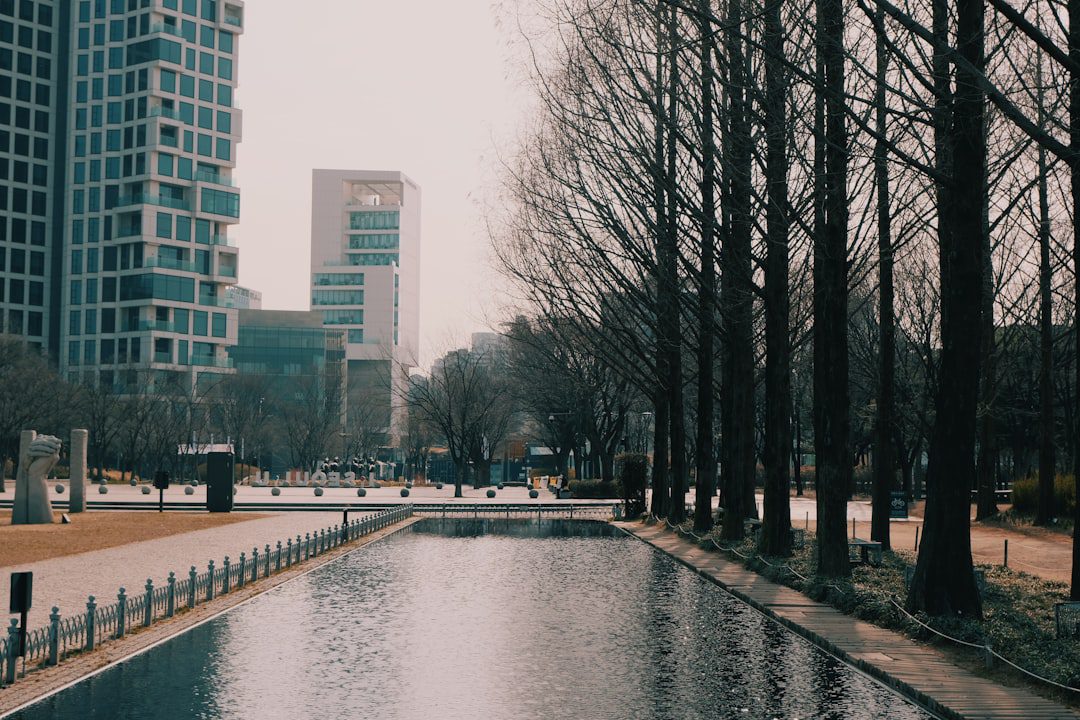
I remember the first time I took the ferry to Nami Island back in 1992. The autumn leaves were turning gold, and I sat on the upper deck with a cup of hot coffee, watching Seoul fade into the distance. The Hangang River seemed endless then—a ribbon of calm separating the city from this little island that felt worlds away. Thirty-five years later, Nami Island has transformed from a quiet escape into one of Korea’s most recognizable day-trip destinations, yet it’s somehow managed to keep that peaceful, almost spiritual quality that drew me there in the first place.
These days, Nami Island pulls in over 3 million visitors annually, many of them international tourists discovering it for the first time. Whether you’re coming for the iconic tree-lined roads, the K-drama filming locations, or simply a break from Seoul’s relentless energy, this island offers something genuinely special. The journey from the bustling city takes just over an hour, but it feels like stepping into another world.
I’ve watched this place evolve through every season and written about it countless times, but I never get tired of revisiting. Here’s everything you need to know to make your Nami Island day trip absolutely perfect.
Getting to Nami Island from Seoul: Transport Options
Let me be direct: how you get to Nami Island dramatically affects your whole experience. I’ve tried every route imaginable, and each has genuine pros and cons depending on your style, budget, and group size.
Option 1: Train + Ferry (Most Popular, Budget-Friendly)
This is the route most international visitors take, and honestly, it’s still my go-to when I’m showing friends around. You’ll take the subway or regular train to Gapyeong Station, then walk about 10 minutes to the ferry terminal. The walk is straightforward—just follow the crowds or signs marked “Nami Island.”
Ted’s tip: Take Line 3 on the Seoul Metro from central Seoul to Myeongil Station, transfer to the Gyeongchun Line, and ride it all the way to Gapyeong. The Gyeongchun Line is scenic itself, worth the extra 20 minutes compared to express trains. Total subway cost: about ₩4,500.
The ferry ride itself takes 20 minutes and costs ₩10,000 per person round-trip. Ferries run every 10-15 minutes during peak season (roughly 8:00 AM to 9:00 PM), and every 20-30 minutes in quieter months. The upper deck is worth the slightly longer wait—the Hangang River views are genuinely stunning.
| Route | Time from Seoul | Cost (per person) | Best For |
|---|---|---|---|
| Subway + Ferry | 70-90 min | ₩14,500 | Budget travelers, flexibility |
| Direct Bus Tour | 60-90 min | ₩45,000-65,000 | Groups, no navigation stress |
| Private Car/Taxi | 50-60 min | ₩70,000-90,000 (split) | Families, schedules |
| Naver/Kakao Map Car Share | 50-60 min | ₩35,000-50,000 (split) | Small groups, convenience |
Option 2: Organized Day Tours
If navigation feels overwhelming, countless companies run Nami Island day tours from Seoul. These typically include round-trip transport, ferry fees, and sometimes lunch. You’ll pay ₩45,000-65,000 per person, and honestly, if you’re solo or don’t speak Korean, it removes a lot of stress. The downside is you’re locked into their timeline—usually 7-8 hours total—and you’ll likely share the experience with 30+ other tourists.
Popular platforms include GetYourGuide, Klook, and Viator. I’ve vetted several operators, and most are legitimate. Just check recent reviews mentioning English-speaking guides if that matters to you.
Option 3: Drive or Use a Ride Service
If you’re comfortable driving in Korea or want to split a taxi with friends, this gives you maximum flexibility. A Naver Car Share or Kakao Map car typically costs ₩35,000-50,000 split between 4 people, and you skip the ferry line. Drive straight to the parking area adjacent to Nami Island. Parking costs ₩5,000 per day.
Ted’s tip: If you’re driving, leave Seoul by 8:00 AM. Traffic on weekends toward Gapyeong can get surprisingly heavy, especially spring and autumn.
Nami Island Layout: What to See and Where
Nami Island is not huge—about 1.7 kilometers long, 0.4 kilometers wide. You can walk the entire island in 2-3 hours if you move quickly, but most visitors spend 4-6 hours here, lingering at scenic spots and grabbing meals. The island is divided into sections, each with distinct appeal.
The Tree-Lined Paths (Main Attraction)
This is what made Nami Island famous. Two parallel pathways lined with ginkgo, maple, poplar, and pine trees create an almost dreamlike corridor. In autumn (October-November), the ginkgos turn brilliant gold. In spring (April-May), the metasequoia trees leaf out in fresh green. Summer feels cool and shaded. Even in winter, there’s a stark, peaceful beauty.
The main tree paths take about 45 minutes to walk leisurely. Photography tip: go early (before 10:00 AM) if possible to avoid crowds. The light is also better, and you’ll capture those iconic Instagram-worthy shots without dozens of people photobombing.
The tree paths are split into roughly three sections: the upper promenade, the main boulevard (most crowded), and the lower pathways. If you arrive midday, skip the main boulevard and explore the less-trafficked lower trails. Locals know these are equally beautiful with a fraction of the crowds.
The Garden Zones
Nami Island has several themed garden areas: the Deer Park (yes, there are actual deer you can feed with purchased food), the Petal Garden, the Paper Museum Garden, and the Sculpture Garden. These are pleasant, though not particularly world-class. Budget 30-60 minutes for exploration if you’re interested.
The Deer Park is popular with kids. Purchased feed costs ₩3,000 for a small portion. The deer are gentle and accustomed to tourists, though watch your fingers—they’re more aggressive about grabbing food than you’d expect.
K-Drama and Film Locations
Nami Island has served as a filming location for numerous K-dramas including Winter Sonata, Boys Over Flowers, and My Roommate Is a Gumiho. If you’re a K-drama fan, you’ll recognize several spots immediately. The island has signage marking famous filming locations, so it’s easy to do a DIY “K-drama pilgrimage.”
The most iconic spot is the gazebo-style structure near the southern edge of the tree-lined paths—this appeared in Winter Sonata and is relentlessly crowded. Go at off-peak hours (early morning or late afternoon) if you want photos without a queue of 20 people waiting their turn.
| Island Section | Main Attractions | Time to Spend | Best For |
|---|---|---|---|
| Tree-Lined Paths | Iconic tree corridors, photography | 45-90 min | All visitors |
| Deer Park | Feed deer, gentle animals | 20-30 min | Families, animal lovers |
| Garden Zones | Themed gardens, sculptures | 30-45 min | Photographers, garden enthusiasts |
| K-Drama Locations | Winter Sonata gazebo, filming spots | 30-45 min | K-drama fans |
| River Waterfront | Hangang views, picnic spots | 20-30 min | Relaxation, sunset |
Eating on Nami Island: Restaurants and Cafes
Food options on Nami Island are decent but pricey—expect to pay 20-30% more than equivalent meals in Seoul. My strategy: grab lunch here, but don’t get seduced into staying for dinner. However, if you’re visa-less and time-loose, several cafes are genuinely nice for lingering.
Main Restaurants
The island has roughly a dozen restaurants. The most popular are clustered near the ferry landing and along the main tree paths. Menus feature Korean, Italian, and fusion cuisine.
Nami Island Korean Restaurant is the largest and most central. It serves standard Korean fare—bibimbap (₩12,000), galbijjim (₩18,000), bulgogi sets (₩15,000-18,000). Quality is solid, portions generous. Expect a 20-30 minute wait during peak hours (11:30 AM-1:30 PM on weekends).
Nami Garden Cafe serves lighter fare: sandwiches (₩11,000-14,000), pasta (₩13,000-16,000), coffee (₩5,000-7,000). The waterfront seating is excellent for long lingering.
The Garden Terrace is slightly upscale, with curry rice (₩13,000), risotto (₩16,000), and good coffee. It’s my preferred spot for a leisurely lunch if time permits.
Ted’s tip: Bring kimbap from Seoul or grab it at Gapyeong Station before ferrying to Nami Island. I always pack mine with a small thermos of coffee. You’ll save money, eat better, and find quiet spots to enjoy a proper picnic while others queue at restaurants. Several peaceful picnic areas exist along the waterfront, particularly on the eastern edge of the island.
| Restaurant/Cafe | Cuisine | Price Range | Best For |
|---|---|---|---|
| Nami Island Korean Restaurant | Korean | ₩12,000-18,000 | Lunch, full meals |
| Nami Garden Cafe | Sandwiches, pasta, coffee | ₩5,000-16,000 | Light meals, lingering |
| The Garden Terrace | Fusion, curry, risotto | ₩13,000-16,000 | Mid-range lunch |
| Various Cafes | Coffee, snacks, bingsu | ₩5,000-10,000 | Breaks, refreshments |
Cafes and Coffee Culture on Nami Island
The cafe culture here is surprisingly robust. It’s a quintessentially Korean experience—come for the ambiance and coffee quality, not necessarily the coffee knowledge. Popular spots include Cafe Nami (excellent iced coffee for ₩6,500), The Bungalow Cafe (hipster vibes, good pastries for ₩7,000-9,000), and various smaller spots. Most open 9:00 AM to 5:00-6:00 PM depending on season.
If you visit in summer, bingsu (shaved ice dessert, ₩8,000-12,000) is nearly mandatory. Several cafes specialize in creative variations—mango bingsu, green tea bingsu, injeolmi bingsu (with roasted soybean powder).
Best Time to Visit: Seasons and Crowds
Nami Island is beautiful year-round, but timing matters enormously. I’ve visited in every season, and each brings distinct character and distinct crowds.
Spring (April-May): Metasequoia Awakening
The metasequoia trees (bald cypress) burst into fresh light green foliage, creating an almost ethereal look. Temperatures are comfortable (15-20°C). However, April-May is peak travel season—every Korean school and family seems to visit simultaneously. Expect massive crowds on weekends. Weekday visits are substantially better.
Ted’s tip: If visiting in spring, go on a weekday if at all possible. Thursday and Friday are noticeably quieter than weekends. Early morning (before 9:30 AM) is essential even on weekdays.
Summer (June-August): Green Canopy, Heat Mitigation
The trees form dense green canopies offering excellent shade. Temperatures are warm (25-30°C), sometimes humid. The tree-lined paths become a natural air conditioning system, making it pleasant compared to Seoul. Crowds are moderate on weekdays, heavy on weekends and holidays.
Summer is actually underrated for Nami Island. I find it remarkably peaceful compared to spring and autumn. Bring water, wear sunscreen, but you’ll have more elbow room than other seasons.
Autumn (October-November): Ginkgo Gold, Peak Crowds
This is the famous season. Ginkgo trees turn brilliant golden-yellow (typically mid-October to early November), creating scenes that look photoshopped. But here’s the reality: autumn is absolutely packed. Plan for shoulder-to-shoulder crowds, especially on weekends. Parking is a nightmare. Ferry lines extend 30+ minutes during peak times.
If you’re visiting autumn, your only strategy is arriving ridiculously early—7:00 AM or earlier—or visiting on a weekday. The ginkgo peak typically lasts 2-3 weeks. Check Korean news sites or the official Nami Island website (namisum.com) for real-time updates on foliage color percentages.
Ted’s tip: I refuse to visit Nami Island on autumn weekends anymore. The crowds genuinely diminish your experience. If you must visit in autumn, take a half-day off work on a weekday. The experience difference is staggering.
Winter (December-February): Bare Elegance, Solitude
Most trees lose their leaves, creating a stark, almost minimalist beauty. Temperatures drop to 0-10°C, sometimes below freezing. Crowds plummet—this is my favorite season. The tree-lined paths feel peaceful and contemplative. If you enjoy quiet, winter is excellent.
The downside: bare trees photograph less dramatically, and cold weather requires proper clothing. Paths can icy (though typically maintained). Fewer cafes stay open, and restaurant hours shorten. Sunrise here is around 7:30 AM, sunset around 5:00 PM, so plan accordingly.
| Season | Temp (°C) | Main Attraction | Crowd Level | Best Days |
|---|---|---|---|---|
| Spring | 15-20 | Metasequoia green | Very High | Weekdays, early morning |
| Summer | 25-30 | Green canopy, shade | Moderate | Weekdays |
| Autumn | 10-20 | Ginkgo gold | Extreme | Weekdays, 7:00 AM |
| Winter | 0-10 | Bare elegance, peace | Low | Any day |
Planning Your Perfect Day: Sample Itineraries
The amount of time you spend on Nami Island dramatically shapes your experience. Let me walk you through realistic itineraries based on different approaches.
The Quick Version (4 Hours Total)
Arrive 9:00 AM → Ferry 9:15 AM → Walk tree paths and main attractions 9:45 AM-12:30 PM → Lunch 12:30-1:15 PM → Cafe/shopping 1:15-1:45 PM → Ferry back 2:00 PM → Arrive Seoul 3:00 PM. This works if you have limited time or want to combine Nami with other activities (like visiting Pocheon Art Valley or Herb Island, which are 30-40 minutes away).
The Moderate Version (6-7 Hours Total)
This is my typical rhythm. Arrive 8:30 AM → Ferry 8:45 AM → Tree paths and initial exploration 9:15 AM-11:30 AM → Cafe/coffee break 11:30 AM-12:15 PM → Lunch 12:30-1:30 PM → Deer Park/gardens 1:30-2:30 PM → Secondary tree paths or waterfront exploration 2:30-3:30 PM → Final cafe/shopping 3:30-4:15 PM → Ferry back 4:30 PM → Arrive Seoul 6:00 PM. This allows proper time for photos, lingering, and actually experiencing the island rather than rushing.
The Immersive Version (8-9 Hours)
Arrive 7:30 AM → Ferry 7:45 AM → Sunrise/early morning walks 8:15 AM-10:30 AM → Cafe breakfast 10:30-11:15 AM → Explore gardens/sculptures 11:15 AM-12:30 PM → Lunch 12:30-2:00 PM → Deer Park 2:00-2:45 PM → K-drama locations 2:45-3:45 PM → Waterfront sunset/picnic 4:00-5:15 PM → Final cafe/evening walk 5:15-6:00 PM → Ferry 6:15 PM → Arrive Seoul 7:30 PM.
The immersive version requires flexibility and ideally visiting on a quieter day. But it’s genuinely transformative—you get the island’s rhythm instead of its surface.
Practical Information: Fees, Hours, and Logistics
Island Admission and Fees
Nami Island itself is technically free to explore—you only pay for the ferry. However, accessing specific attractions (like the Paper Museum or certain themed gardens) costs extra. Most visitors don’t buy tickets to these premium areas; the tree paths and main attractions are sufficient.
Total costs per person for a day trip:
| Expense | Cost (₩) | Notes |
|---|---|---|
| Ferry (round-trip) | 10,000 | Non-negotiable |
| Subway to Gapyeong | 4,500 | Seoul Metro |
| Lunch (avg) | 14,000 | Restaurant meals |
| Cafe/Beverages | 8,000-15,000 | Optional |
| Deer Feed | 3,000 | Optional, one portion |
| Museum/Premium Areas | 10,000-15,000 | Optional |
| Realistic Daily Total | ₩50,000-70,000 | Per person |
Ferry Schedule and Operating Hours
Ferries operate roughly 8:00 AM to 9:00 PM daily, year-round. Exact times vary slightly by season. High season (spring, autumn) runs ferries every 10-15 minutes. Low season runs every 20-30 minutes. The island closes occasionally for maintenance or severe weather (rare).
Ted’s tip: Check the official website (namisum.com) or call ahead (031-580-8114) if visiting during typhoon season (August-September) or unusual weather. On one notably bad autumn day in 2015, unexpected heavy winds closed ferry service for hours, stranding thousands of visitors.
Facilities and Amenities
Restrooms are plentiful—roughly 8-10 public facilities across the island. They’re generally clean and include both Western and Korean-style toilets. ATMs are available near the ferry landing. Mobile signal (all major carriers) works fine throughout the island.
The island has minimal shade aside from tree-lined paths. In summer, sunscreen and a hat are essential. Insect repellent (available at convenience stores) helps, though mosquitoes are only problematic in peak summer months.
Photography and Practical Tips
Bring a proper camera or ensure your phone is fully charged—you’ll take hundreds of photos. The tree paths are best photographed before 10:00 AM or after 4:00 PM when light angles become dramatic.
For autumn foliage: bring a polaroid camera or instant printer-compatible phone case (many cafes have printers). The golden ginkgos photograph superbly on overcast days; harsh sun creates harsh shadows.
For videography: stabilizing equipment matters. The tree-lined paths are popular for video content, but crowds make smooth shots difficult outside early morning hours.
Nearby Attractions: Maximizing Your Day Trip
Gapyeong County, where Nami Island sits, has several excellent nearby attractions. If you’re planning a full day, consider combining multiple destinations.
Petite France
A French-themed village about 10 minutes from Nami Island ferry terminal. It’s notably touristy but charming—featuring French architecture, cafes, and craft shops. Admission is ₩12,000. Many visitors do Nami Island in the morning, then visit Petite France in the afternoon. It’s a solid half-day addition if you’re organized.
Garden of Morning Calm
A botanical garden about 10 minutes from Nami Island. Admission is ₩15,000. It’s beautifully maintained, especially in spring and autumn, with themed garden zones. Worth visiting if you love horticulture, though it feels slightly formal compared to Nami Island’s natural charm.
Pocheon Art Valley and Herb Island
These destinations are roughly 30-40 minutes from Nami Island. I’ve written extensively about Pocheon Art Valley and Herb Island elsewhere, but if you’re planning a multi-stop day trip, this combination works well: morning at Nami Island, early afternoon Herb Island, late afternoon Pocheon Art Valley. It’s ambitious but feasible.
Gapyeong Town and Strawberry Farms
The actual town of Gapyeong has shops, restaurants, and local charm. Strawberry farms operate seasonally (January-April), offering strawberry picking experiences (roughly ₩20,000-30,000 per person for 30 minutes). If visiting in winter-spring, this adds a fun dimension.
Insider Tips from 35 Years of Korean Travel
Having been coming to Nami Island since the early 1990s, I’ve learned countless small details that genuinely enhance the experience. Here are my accumulated observations.
Early birds win. I cannot overstate this. Arriving 30 minutes before most tourists changes the entire island atmosphere. The 8:30-9:30 AM window is magical. Come after 10:00 AM and you’re joining crowds.
Bring water and snacks. While cafes exist, island prices are inflated. Bring a refillable water bottle (water fountains exist near facilities) and snacks from Seoul convenience stores. You’ll eat better, save money, and have flexibility.
Rent a bicycle. The island offers bike rentals (around ₩10,000-15,000 for 2-3 hours). If you’re not overly concerned with photography, biking covers the island efficiently and adds an element of fun. Just watch for pedestrians—especially on the main tree paths.
Consider the ferry experience itself. Many visitors rush the ferry crossing. The ride itself is scenic—sit on the upper deck, bring coffee, actually observe the Hangang River. The journey is part of the experience.
Visit multiple times across seasons. This island genuinely reveals different personality in different seasons. Spring feels alive; summer feels cool; autumn feels golden; winter feels peaceful. Each is distinct and worth experiencing. I revisit several times yearly.
Learn the K-drama narrative. Most Korean visitors know Nami Island through Winter Sonata and other K-dramas. If you’re unfamiliar with these cultural touchstones, spending 20 minutes reading plot synopses beforehand enhances the visit—you’ll understand why certain spots are so significant to other visitors.
Photography without rushing. If photography matters to you, plan for longer time here and shoot specific areas repeatedly across different times of day and weather conditions. The tree paths are infinitely rewarding photographically, but superficial visits yield superficial images. Depth comes from patience.
Frequently Asked Questions
How long should I spend on Nami Island?
I typically recommend 4-6 hours for most visitors. Quick tours work if combined with other activities; this allows leisurely exploration of main attractions without excessive time. Serious photographers or nature lovers often spend 8+ hours here.
Is Nami Island worth the trip from Seoul?
Absolutely. For international visitors, it’s one of Korea’s iconic destinations. Even locals revisit multiple times yearly across seasons. The 90-minute journey is easily manageable, and the island offers genuine respite from Seoul’s intensity.
When are the best ginkgo foliage dates?
Ginkgo trees typically peak mid-October to early November, though exact dates vary ±2 weeks depending on weather. Check namisum.com in late September for updates. Peak saturation lasts roughly 2-3 weeks.
Can I stay overnight on Nami Island?
Nami Island has no hotels or overnight accommodations directly on the island itself. However, Gapyeong town has modest hotels and guesthouses (₩50,000-100,000 per night) within 10-15 minutes. Most visitors treat it as a day trip.
Is the island wheelchair accessible?
Partially. The main tree-lined paths are flat and paved, making them wheelchair-accessible. However, some garden areas and rougher sections present challenges. The ferry has wheelchair accommodations. Contact the island directly (031-580-8114) for specific accessibility questions.
What if I visit on a crowded day—how bad is it?
Peak-season weekends (especially autumn) can feel genuinely uncomfortable. Parking overflows, ferry lines extend 30+ minutes, paths are shoulder-to-shoulder. Photography becomes difficult. If you end up visiting during peak crowds, prioritize early morning hours (before 9:00 AM) or go straight to less-trafficked lower paths and waterfront areas.
Do I need a car to visit Nami Island?
Not at all. The subway + ferry combination is straightforward, affordable, and actually easier than driving if you’re not familiar with Korean roads. Public transport is my recommendation for most international visitors.
Is it safe to visit alone?
Completely safe. Nami Island attracts solo travelers, families, couples, and groups. The island is well-maintained, police presence is visible, and it’s one of Korea’s safest tourist destinations. If you’re interested in solo travel to Korea more broadly, check out my solo female travel safety guide.
Final Thoughts
Nami Island has changed dramatically in 35 years—from a quiet island escape to one of Korea’s top domestic and international tourist destinations. Yet somehow, despite the millions of visitors, it maintains that peaceful quality that drew me there in the early 1990s. The trees don’t care about crowds. The Hangang River flows indifferently. The seasons turn with the same unhurried grace.
What I’ve learned after countless visits is that Nami Island rewards intention. Show up early, move slowly, linger at spots that speak to you, and you’ll experience something genuinely restorative. Rush through, arrive midday, and you’ll check boxes but miss the magic. The island is what you bring to it.
If you’re visiting Korea and have even a half-day available, make the journey to Nami Island. Bring coffee, wear comfortable shoes, and expect your preconceptions about Korean tourism destinations to be pleasantly challenged. The island will be here—patient, beautiful, and entirely unhurried—waiting for you to arrive.
— Ted K
Image Credits: Photos sourced from Unsplash. By using this site, you agree to our Privacy Policy and Disclaimer.