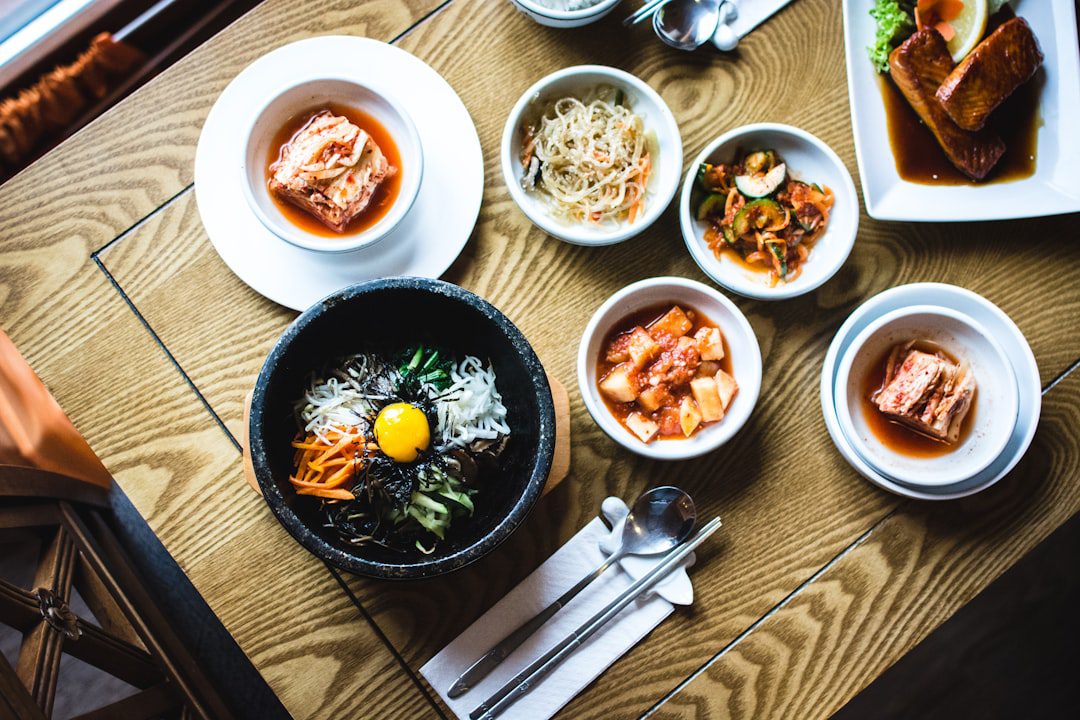
I still remember my first morning in Korea back in 1989. I stumbled into a small haejangguk restaurant near my guesthouse in Jongno, expecting something resembling eggs and toast. Instead, I was served a steaming bowl of spicy hangover soup with beef and perilla leaves, a bowl of rice, and about six small banchan on the side. The elderly Korean woman running the place watched me with amusement as I tried to figure out what I was looking at.
That moment crystallized something I’ve spent the last 35 years appreciating: Korean breakfast is nothing like Western breakfast. It’s not about sweetness, convenience, or quick carbs. It’s about balance, tradition, and starting your day with substantial, nutritious food that will actually keep you going.
After three and a half decades living here, I’ve learned that Korean breakfast culture is one of the most fascinating aspects of daily Korean life. Whether you’re visiting for a week or considering a longer stay, understanding what Koreans actually eat for breakfast—and where to find it—will transform how you experience Korean food culture. Here’s everything you need to know.
The Korean Breakfast Philosophy: Why It’s Different
The fundamental difference between Korean breakfast and Western breakfast comes down to philosophy. While Americans might grab cereal and coffee, Koreans sit down to a meal that mirrors lunch or dinner in structure—rice, soup or stew, protein, and multiple side dishes (banchan). It’s not about indulgence; it’s about sustenance.
For working Koreans, breakfast is often the biggest meal of the day. They’ll eat it before heading to the office, then grab a quick lunch, and come home for a lighter dinner. This reflects older agricultural practices when people needed maximum energy in the morning for physical labor. That logic still dominates Korean eating patterns today.
Another key principle: Korean breakfast balances temperature and flavor. You’ll typically get hot rice and hot soup or stew, cold or room-temperature vegetables and proteins, and varied flavors—spicy, salty, savory, and sour all on the same table. Nothing is eaten in isolation. Everything supports everything else.
Ted’s tip: If you want to eat like a true Korean and not just as a tourist, treat breakfast like a real meal. Sit down, take time, mix your rice with the side dishes, and end with a spoonful of soup. This approach is fundamental to appreciating Korean breakfast culture.
Traditional Korean Breakfast Components: What’s on Your Table
Every traditional Korean breakfast follows a similar structure. Understanding each component will help you recognize dishes and order confidently at local restaurants.
Rice (Bap)
Rice is the foundation of every Korean breakfast. Unlike some cuisines where bread or pastries might be the centerpiece, rice is always present. It’s typically served in a stone bowl (dolsot-bap) which keeps it warm longer, though regular bowls are common too. The rice is plain—no butter, salt, or oil added—and you mix it together with whatever is on your table.
Soup or Stew (Guk or Jjigae)
Hot soup or stew is essential. The most popular breakfast soups include:
- Miyeok guk (seaweed soup with beef and sesame oil)
- Haejangguk (hangover soup—popular after late nights)
- Doenjangjjigae (soybean paste stew)
- Kimchi jjigae (kimchi stew)
- Gyeran jjim (steamed egg)
The soup serves multiple purposes: it hydrates you, provides warmth, and creates broth to pour over your rice.
Banchan (Side Dishes)
These small side dishes are what make Korean breakfast interesting. A typical breakfast table will have 4-8 banchan, which might include:
- Kimchi (fermented vegetables)
- Seasoned spinach (sigeumchi namul)
- Sautéed bean sprouts (sukju namul)
- Pickled radish (danmuji)
- Seaweed strips (kimgim)
- Seasoned dried fish
- Pickled vegetables
These are the same side dishes you’ll see at lunch or dinner—Korean breakfast doesn’t use special “breakfast” sides. They’re versatile year-round accompaniments.
Protein
Breakfast proteins vary but commonly include:
- Grilled mackerel (godeungeo)
- Fried egg (gyeran fry)
- Smoked salmon or seasoned fish
- Grilled shrimp
- Tofu dishes
Protein portions are typically modest—this isn’t a meat-heavy meal, but protein is always present.
Ted’s tip: Don’t be surprised if breakfast includes dried fish or other “strong” proteins. These are traditional and provide necessary nutrients. If you’re unsure what something is, it’s always okay to ask staff what’s in a dish.
Where Koreans Eat Breakfast: Restaurant Types & Price Guide
Korean breakfast is eaten in several types of establishments, each with different vibes, prices, and offerings. Understanding these categories will help you choose where to eat based on your budget and experience level.
| Restaurant Type | Typical Price | Vibe | Best For |
|---|---|---|---|
| Kimbap Gimbap (Gimbap café) | ₩4,000–8,000 | Counter seating, grab-and-go | Quick breakfast on the go |
| Yeonpo Tang Restaurant (Soup focused) | ₩8,000–12,000 | Family-run, intimate | Traditional breakfast experience |
| Haejangguk Specialty (Hangover soup) | ₩9,000–14,000 | Casual, often standing room | Post-night-out, hearty meal |
| Jorim/Bokkeum (Pan-fried fish restaurants) | ₩10,000–16,000 | Classic, older clientele | Grilled fish breakfasts |
| Hotel/Upscale Breakfast Buffet | ₩25,000–45,000 | Modern, polished | Comfort, variety, English menus |
| Convenience Store (CU, GS25, 편의점) | ₩3,000–7,000 | Modern, efficient | Emergency/on-the-go option |
| Jjimjilbang Café (Korean spa breakfast) | ₩6,000–10,000 | Casual, post-sauna | After staying overnight at a spa |
Gimbap Cafés (The Quick Option)
These small, often counter-only restaurants are the workingman’s breakfast spot. You’ll see neon signs that say “김밥” (gimbap). Most are open 6 AM–10 AM and serve simple items: gimbap (Korean sushi rolls), tteokbokki (spicy rice cakes), boiled eggs, and sometimes ramyeon. Prices run ₩4,000–8,000, and there’s almost always a line of Korean workers grabbing food before heading to the office. These places are chaotic, fast-paced, and authentically Korean.
Yeonpo Tang (Soup Specialists)
These family-run restaurants, usually run by older Korean women, specialize in soups and stews. The word “yeonpo” refers to warm broth-based dishes. You’ll recognize them by humble storefronts, plastic chairs, and often no English signage. Prices are ₩8,000–12,000, and the menu is usually on a handwritten board. These are where I personally eat breakfast most often—the food is authentic, inexpensive, and made with decades of expertise.
Haejangguk Restaurants (The Hangover Specialist)
Haejangguk literally means “hangover soup”—a thick, spicy soup typically made with beef bone broth, vegetables, and often perilla leaves. These restaurants are popular after late drinking sessions but also serve as legitimate breakfast spots. The soup is believed to replenish lost minerals and energy. Prices are ₩9,000–14,000. Many are open 24 hours to catch both dinner drinkers and morning workers.
Jorim or Bokkeum (Fish-Focused)
These specialized restaurants focus on grilled or pan-fried fish (jorim) and other side dishes. You’ll see mackerel, croaker, and other Korean seafood. These places tend to be older, filled with elderly Korean regulars, and serve breakfast from around 6 AM–11 AM. Prices range ₩10,000–16,000. The atmosphere is no-frills but genuinely local.
Ted’s tip: If you want the most authentic breakfast experience, skip the tourist restaurants and walk into a yeonpo tang or jorim restaurant in a residential neighborhood. You’ll be the only foreigner, the food will be extraordinary, and prices will be fair. Don’t be intimidated—just point at what you want, or ask the Korean diners nearby what they recommend.
Popular Korean Breakfast Dishes Explained
Understanding specific breakfast dishes will help you order confidently and know what to expect when food arrives.
Miyeok Guk (Seaweed Soup)
This is traditionally eaten on birthdays—it’s believed to be highly nutritious and strengthen the body. As a breakfast dish, it features beef broth, soft seaweed strips, and topped with sesame oil. The taste is subtle, savory, and comforting. A bowl with rice and 3-4 banchan costs about ₩8,000–10,000.
Haejangguk (Hangover Soup)
Thicker and spicier than other soups, haejangguk typically includes beef bone broth, vegetables, and gochugaru (chili powder). Some versions add perilla leaves, which have a unique minty-spicy flavor. It’s heavy, restorative, and designed to replenish what drinking takes out of you. The “hangover” designation doesn’t mean you need to be hungover to eat it—it’s just a hearty breakfast option. Price: ₩9,000–13,000.
Gimbap (Kimbap—Korean Sushi)
Gimbap is a rolled dish made with rice, vegetables, egg, and sometimes meat, wrapped in seaweed. It’s portable and often eaten as breakfast-on-the-go. Unlike sushi, gimbap rice is cooked and room temperature, and ingredients are cooked, not raw. You’ll get a roll sliced into 6-8 pieces, served with gochujang (red chili paste) on the side. It’s usually ₩5,000–8,000 for one roll or ₩3,000–4,000 at convenience stores.
Jjim (Steamed Dishes)
Gyeran jjim (steamed egg) is a common breakfast protein. It’s basically a savory egg custard steamed until fluffy. You eat it with a spoon straight from the stone bowl it arrives in. Other jjim varieties might include meat, fish, or vegetables. Very traditional and very Korean. Price: ₩5,000–8,000 as part of a breakfast set.
Jorim (Pan-fried or Braised Fish)
Small whole fish (mackerel, croaker, anchovy, or baby squid) are pan-fried until crispy or braised in a salty-sweet sauce. You eat the entire fish—bones and all. It’s an excellent protein source and a staple breakfast item at dedicated fish restaurants. The protein and umami make it deeply satisfying. Price: ₩10,000–16,000 as part of a breakfast set with rice, soup, and banchan.
Guk (Clear Broths)
Lighter than stews, guks are simple broths with minimal ingredients—perhaps beef broth with a few vegetable pieces or egg ribbons. Doenjang guk (soybean paste soup) is particularly popular for breakfast. It has a savory, earthy flavor and pairs beautifully with rice. Price: ₩7,000–10,000.
Pajeon (Savory Pancake)
While more commonly associated with lunch or snacks, pajeon (vegetable or seafood pancake) is eaten for breakfast at some restaurants. It’s crispy on the outside, chewy inside, and served with a dipping sauce. Price: ₩8,000–12,000.
Regional Breakfast Specialties Across Korea
Korean breakfast isn’t uniform across the country. Different regions have different traditions based on local ingredients and cultural practices.
| Region | Signature Breakfast Dish | Key Characteristic |
|---|---|---|
| Seoul | Haejangguk, Miyeok guk, Mixed breakfast sets | Diverse, fast-paced, modern options |
| Busan (South Coast) | Seafood-focused (fish, shrimp, seaweed) | Fresh, abundant fish due to coastal location |
| Jeolla (Southwest) | Juk (rice porridge) with seafood, elaborate banchan | Known for generous, refined side dishes |
| Jeonju (Jeollabuk) | Bibimbap, rice with vegetables and gochujang | Jeonju is Korea’s food capital; bibimbap originated here |
| Gangwon (Mountain Region) | Mountain vegetables, mushroom dishes, wild greens | Foraged ingredients, hearty preparation |
| Chungcheong | Grilled freshwater fish, ssambap (rice wraps) | Fresh river fish, locally-sourced vegetables |
If you visit Korea beyond Seoul, trying local breakfast is a wonderful way to understand regional food culture. The breakfast in Busan will look completely different from breakfast in a mountain town in Gangwon—and that’s part of what makes Korean food so regionally diverse.
Convenience Store Breakfast (The Modern Alternative)
Not all Korean breakfast is traditional. Modern Korea has embraced convenience store culture, and places like CU, GS25, and Lotte Mart operate 24/7 across every neighborhood.
Typical convenience store breakfast options include:
| Item | Price | Notes |
|---|---|---|
| Kimbap | ₩3,500–5,000 | Pre-made, available all day |
| Tteokbokki (spicy rice cakes) | ₩4,000–6,000 | Hot, filling option |
| Triangle kimbap (packed triangular rice ball) | ₩2,500–4,000 | Most portable option |
| Ramyeon (instant noodles) | ₩3,500–5,000 | Hot water + cooking provided free |
| Egg sandwich | ₩4,500–6,500 | More “Western” option |
| Gimbap sets with drinks/snacks | ₩6,000–9,000 | Combo deals, good value |
| Boiled eggs | ₩1,500–2,500 | Protein-only option |
| Hotteok (sweet pancake) or Hotdog | ₩3,000–5,000 | Sweeter option, not traditional Korean |
In my experience, many younger Koreans now eat convenience store breakfasts. It’s quick, affordable, and requires no interaction. But for visitors wanting authentic experience, I’d recommend seeking out actual restaurants. The convenience store option is fine for emergencies, but it misses the point of Korean breakfast culture.
Ted’s tip: If you do eat at a convenience store, buy ramyeon and have them cook it for you at the store (usually free). Add a boiled egg and some kimbap, and you’ve got a legit breakfast for under ₩10,000. But if you have time, always choose a real restaurant.
Breakfast in Seoul: Where to Eat Like a Local
If you’re visiting Seoul, here are some neighborhoods and specific recommendations for authentic Korean breakfast:
Myeongdong Area (Jongno-gu)
The neighborhood around Jongno 3-ga subway station (Line 1, 3, 5) is packed with old-school breakfast restaurants. Walk along the small streets and you’ll find haejangguk specialists, gimbap cafés, and traditional soup restaurants. Most are open 5 AM–11 AM. It’s touristy but genuinely used by locals.
Gangnam Station Area (Subway Line 2)
The neighborhood south of Gangnam Station is crowded with young professionals, so breakfast culture is intense here. You’ll find everything from quick gimbap spots to upscale breakfast cafés. The pace is faster, but quality is consistent. Peak breakfast hours are 7 AM–9 AM when it’s packed with office workers.
Insadong (Jongno-gu)
This traditional neighborhood near Anguk Station (Line 3) has many yeonpo tang restaurants and traditional breakfast spots mixed in with tourist cafés. If you wander the small alleys in the early morning (before 9 AM), you’ll find authentic places where locals eat. The area becomes touristy later in the day.
Mangwon Market Area (Mapo-gu)
Located near Mangwon Station (Line 6), this traditional market neighborhood has incredible breakfast culture. The market itself opens early, and surrounding restaurants serve breakfast starting at 5:30 AM. Read our Mangwon Market guide for specific restaurant recommendations and directions.
Seongsu-dong Area
This trendy neighborhood (Seongsu Station, Line 2) has both traditional Korean breakfast spots and modern brunch cafés. It’s a good option if you want to combine traditional breakfast with Instagram-worthy aesthetics.
Ted’s tip: Arrive at breakfast restaurants between 7 AM–8 AM for the best experience. You’ll see locals, get freshly cooked food, and see the rhythms of Korean morning life. By 9 AM, breakfast rush ends and many places empty out completely.
How to Order Korean Breakfast: A Practical Guide
If you’re nervous about ordering at a Korean breakfast restaurant, here’s a step-by-step guide:
| Step | What to Do | Korean Phrases |
|---|---|---|
| 1. Enter | Walk in and look for available seating. Don’t wait to be seated at casual places | “안녕하세요” (Annyeonghaseyo – hello) |
| 2. Sit | Choose a table. Menu is often on the wall or on a laminated board on the table | N/A |
| 3. Point or Ask | Point at a dish on the wall menu or ask what’s good | “이거 주세요” (Igeo juseyo – I’ll have this) or “뭐가 좋아요?” (Mwo-ga joayo – What’s good?) |
| 4. Specify Quantity | Usually just one order, but clarify if needed | “하나” (hana – one) |
| 5. Receive | Food arrives quickly. You’ll get rice, soup, main dish, and 4-6 banchan | “감사합니다” (Gamsahamnida – thank you) |
| 6. Eat | Mix rice with banchan, have spoonfuls of soup, enjoy the protein | N/A |
| 7. Pay | Usually you pay at the register on your way out, not at the table | “계산서” (Gyesan-seo – bill/check) |
Using Your Phone
If you have a smartphone with translation apps, use Google Lens to photograph the menu board or point your camera at dishes. It’s not perfect but it works surprisingly well. Alternatively, use the Naver app to search restaurant names and see photos of their dishes.
Following the Locals
The easiest strategy: watch what the person next to you orders, point to it, and say “이거 주세요” (I’ll have that). Most Koreans at a breakfast restaurant are ordering the house special, so you’ll get something good.
Using Translation Apps
Papago and Google Translate both work well for translating menu boards if you photograph them. Korean restaurant names often describe the dish—”미역국” is clearly seaweed soup, etc.
Ted’s tip: At yeonpo tang restaurants, never be shy about asking for English or pointing. The owners almost always appreciate foreign visitors and will do their best to help. They’re not rushing you—take your time and enjoy the meal. You’re giving them business and learning about their culture.
Special Breakfast Situations: Hotels, Temples, and More
Hotel Breakfast Buffets
If you’re staying at a higher-end hotel, breakfast buffets are common and often worth the cost (usually ₩25,000–45,000 per person, sometimes included in room rates). These typically feature both Korean and Western options. You’ll see traditional dishes like miyeok guk, Korean side dishes, and fresh fruit, alongside pastries and cereals for international guests. Service is polished, and menus are in English.
Temple Stay Breakfasts
If you do a temple stay experience (which I highly recommend), breakfast is simple but beautiful. Temples serve vegetarian temple food (bapsang) featuring rice, simple vegetable soups, and Buddhist temple-prepared side dishes. There’s no meat, and portions are modest. Read our guide to Korean temple food for more details.
Jjimjilbang (Korean Spa) Breakfasts
If you stay overnight at a jjimjilbang (Korean spa/sauna complex), most have food courts where you can eat breakfast the next morning. Options are typically casual—ramyeon, gimbap, and light meals. Prices are low (₩4,000–8,000) and quality is decent. It’s a fun communal experience since you’ll be eating with other guests in their spa clothes.
Airplane and Train Breakfasts
If you take an early morning Korean train (KTX, Mugunghwa), you can order breakfast at your seat starting around 6 AM. Options include kimbap sets, sandwiches, or coffee. Prices are ₩5,000–10,000. It’s convenient but not particularly authentic.
Breakfast Etiquette and Cultural Notes
Understanding Korean eating culture will enhance your breakfast experience and show respect to local customs:
| Custom | Why It Matters | What to Do |
|---|---|---|
| Sharing banchan | Banchan are communal; if multiple people order, they often share | At group meals, all banchan go in the middle of the table to share |
| Finishing rice | Leaving rice is seen as wasteful in Korean culture | Mix rice well with all side dishes; try to finish what you order |
| Mixing rice | Mixing banchan into rice is the correct way to eat it | Use your spoon to combine rice with side dishes and small amounts of soup |
| Soup with spoon | Soup is eaten with a spoon, not chopsticks (rice uses both) | Use your spoon for soup; use chopsticks for rice and solid items |
| Refusals = politeness | Some restaurants offer refills of rice or soup; you may refuse politely | A small wave of your hand means “no thank you” |
| Eating speed | In Korea, eating relatively quickly is normal; lingering is unusual | Don’t feel pressured to rush, but understand the pace is faster than Western meals |
| Seating elders first | In group settings, older people are respected and served first | If you notice elders at your table, wait for them to begin eating |
Ted’s tip: The biggest mistake foreign visitors make is eating rice with chopsticks. You can do it, but it’s awkward. Use a spoon for rice and soup, and chopsticks for side dishes. Also, don’t pour your own soup—if you’re eating at a restaurant with older family members or colleagues, pour for them first, then ask for soup to be poured for you. It’s a small gesture of respect that goes a long way.
What Modern Young Koreans Eat for Breakfast
It’s worth noting that Korean breakfast culture is evolving. Young people in Seoul increasingly eat “Western-style” breakfasts—café culture, pastries, coffee, and egg sandwiches are booming. Chains like Starbucks, Hollys, and Korean café brands like Angelhands sell breakfast sets starting at 5 AM.
That said, traditional Korean breakfast remains deeply rooted. Many young professionals still eat haejangguk on weekends after drinking, or grab gimbap before work. It’s not disappearing; it’s coexisting with modern options.
For visitors, this is actually helpful because you have choices: experience traditional Korean breakfast by going to old family restaurants, or experience modern Seoul breakfast at contemporary cafés. Both are authentically Korean, just different generations.
If you’re interested in modern Korean food culture, also check out our Korean breakfast guide for café recommendations.
Frequently Asked Questions
What time do Korean breakfasts close?
Most traditional Korean breakfast restaurants close between 10 AM and 11 AM, right after the morning rush. Some haejangguk places stay open longer (until noon or 1 PM) to catch late-morning eaters. If you want breakfast, aim for 7 AM–9 AM when everything is open and food is freshly made.
Is Korean breakfast expensive?
No, traditional Korean breakfast is very affordable. A full meal with rice, soup, protein, and 4-6 side dishes costs ₩8,000–14,000 (about $6–11 USD). This is cheaper than breakfast in most Western countries. Hotel breakfasts are pricier (₩25,000–45,000) but offer more variety.
Can I get Korean breakfast as a vegetarian?
Yes, absolutely. Order banchan-focused dishes at a vegetarian-friendly restaurant, or ask for guk (soup) without meat. Yeonpo tang restaurants can usually accommodate vegetarians since they serve light broths with vegetables. Read our Korean vegetarian guide for more options.
Do I need to make a reservation at breakfast restaurants?
Almost never. Korean breakfast restaurants are designed for walk-ins. Just show up, find a seat, and order. The only exceptions are high-end hotel breakfasts or specialty restaurants in tourist areas.
What’s the difference between Korean breakfast and lunch?
Structurally, they’re very similar—both have rice, soup, protein, and banchan. The differences are subtle: breakfast soups tend to be lighter (miyeok guk, doenjang guk), while lunch soups might be richer or spicier (kimchi jjigae, galbijjim). Breakfast proteins might feature more seafood and grilled items, while lunch can be heavier. But honestly, many Koreans eat the same thing for breakfast and lunch.
Is coffee included with Korean breakfast?
Usually not. Breakfast meals come with water or barley tea. Coffee is ordered separately (₩2,000–4,000) or you can buy it at a café beforehand. Many Koreans grab gimbap for breakfast and then go to a café for coffee afterward.
What if I don’t like spicy food?
Tell the restaurant “안 맵게” (an maap-ge) meaning “not spicy.” Most breakfast dishes aren’t inherently spicy—kimchi comes on the side so you can control how much you eat. Soups without gochugaru (chili powder) are mild. Grilled fish and steamed egg are naturally non-spicy. You have options.
Can tourists eat at any Korean breakfast restaurant?
Yes, 100%. Even very local, old-school places with no English welcome foreigners. Show respect, try to order in Korean or use translation apps, and appreciate the food. Many elderly Korean restaurant owners have never served foreigners and find it delightful.
Final Thoughts
After 35 years in Korea, I can honestly say that understanding Korean breakfast has been one of the most rewarding aspects of my life here. It’s not just about food—it’s about rhythm, culture, respect for ingredients, and the way a society structures time and nourishment.
When you eat Korean breakfast like a local—whether it’s a simple bowl of miyeok guk at a yeonpo tang or a full spread at a busy gimbap café—you’re participating in something that millions of Koreans do every single morning. You’re not a tourist observing Korean life; you’re part of it, at least for that meal.
My advice: wake up early, walk to a neighborhood breakfast restaurant, sit at the counter, point at something that looks good, and eat it slowly. Talk to the ajumma (older woman) running the place. Watch the Korean office workers around you. Notice how they mix their rice, when they sip their soup, how quickly they finish. These small observations will teach you more about Korea than any guidebook.
And remember—if you’re confused about what to order or how to eat it, just ask. Koreans love food, and they love sharing that passion with others. A little effort on your part will be met with warmth and generosity every single time.
— Ted K
Image Credits: Photos sourced from Unsplash. By using this site, you agree to our Privacy Policy and Disclaimer.