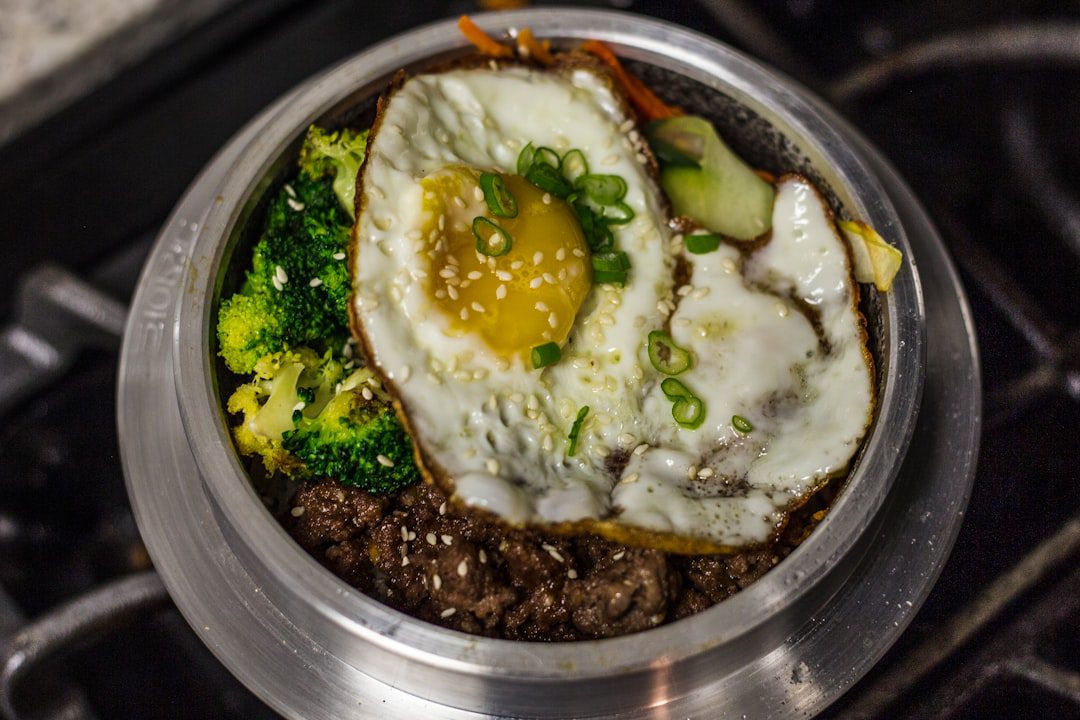
After 35 years living in Seoul, I’ve eaten more Korean breakfasts than I can count. And I can tell you with absolute certainty: the breakfast you’ll find at your hotel’s buffet is nothing like what actual Koreans eat at 7 a.m. before rushing to work.
When I first arrived in Korea in the late 1980s, breakfast culture shocked me. There was no such thing as a “quick breakfast.” Koreans sat down, ate hot soup, steamed rice, and multiple side dishes—every single morning. These days, things have changed. Koreans are busier, coffee culture has exploded, and convenience stores now dominate morning routines. But if you know where to look, you can still experience authentic Korean breakfast like a true local.
This guide covers everything: what Koreans actually eat, where to find it, how much it costs, and the unwritten breakfast etiquette that’ll help you blend in. Here’s everything you need to know.
The Traditional Korean Breakfast: Bap & Guk
The backbone of Korean breakfast has remained unchanged for centuries: bap (rice), guk (soup), and banchan (side dishes). This combination—rice, hot soup, and typically 3-5 banchan—is what your average Korean grandmother still eats every morning.
The soup varies dramatically by region and season. In winter, you might get miyeok guk (seaweed soup), doenjang jjigae (soybean paste stew), or galbijjim guk (beef rib broth). In summer, lighter options like kimchi guk or 계란국 (egg soup) appear. The key is that it’s always hot, even in summer—this wakes up your digestive system and energizes you for the day ahead.
Banchan typically include: kimchi (of course), seasoned spinach, seasoned beans, perhaps some fish cake, pickled radish, or dried seaweed. Nothing fancy. Just simple, well-made vegetable side dishes that provide nutrition and flavor without stealing focus from the main meal.
Ted’s tip: If you want authentic traditional breakfast, skip Seoul’s tourist zones entirely. Head to a bapsang (rice table restaurant) near a residential neighborhood, typically found around subway stations in areas like Gangbuk (north of the river). These hole-in-the-wall spots serve grandmother-style breakfasts for ₩8,000–₩12,000.
The best traditional breakfast restaurants are usually packed 6–8 a.m., then empty by 9 a.m. This isn’t because tourists avoid them—it’s because Korean office workers have already finished eating and left. Arrive between 6:30–7:30 a.m. to experience the real breakfast rush.
The Modern Korean Breakfast: Speed & Convenience
Real talk: most Koreans no longer eat that traditional breakfast every day. Modern breakfast culture has split into two distinct camps—the nostalgic home-cooked version (mostly older generations and stay-at-home parents) and the convenience-first version (everyone else).
Today’s Korean breakfast reality looks like this: kimbap from a convenience store, a coffee from a chain café, and maybe a gimbap kimbap (seaweed rice roll) grabbed on the subway. Or a quick breakfast sandwich, a smoothie, or eggs and toast from a café. Korea’s breakfast culture has modernized faster than people realize.
Convenience Store Breakfast
Step into any GS25, CU, or Emart24 between 6–8 a.m., and you’ll see Koreans grabbing:
- Kimbap (₩3,500–₩5,000)—rice rolled in seaweed with egg, cucumber, pickled radish, crab stick
- Gimbap (₩3,000–₩4,500)—slightly different from kimbap, with more colorful vegetable fillings
- 김밥천국 kimbap triangle (₩2,500)—triangular rice with fillings, often with spam or tuna
- 계란말이 (₩4,000–₩6,000)—rolled egg omelette, often served with rice
- Tuna or spam kimbap (₩4,000–₩6,000)—cheaper protein options
- Milk and bread (₩2,000–₩4,000)—increasingly popular among younger Koreans
- Yogurt drinks (₩2,500–₩3,500)—sweet, drinkable breakfast
Pair this with 아메리카노 (americano) from any café—usually ₩4,000–₩5,000—and you’ve got a legitimate Korean breakfast that actually tastes good and costs less than ₩10,000 total.
Ted’s tip: Convenience store kimbap quality varies wildly. CU and GS25 tend to be fresher because of their higher turnover. Avoid kimbap that’s been sitting in the display case for more than 2 hours—the rice gets rock-hard and the fillings taste stale. Pro move: ask the staff when they made it. Most speak enough English to answer “When make?” and they’ll be impressed by your respect for their process.
Café Culture & Bread Breakfast
Walk through Gangnam, Myeongdong, or any trendy Seoul neighborhood at 7 a.m., and you’ll see more people buying café breakfast than anywhere else. The “café breakfast” phenomenon has exploded in the last decade—sandwiches, pastries, croissants, and coffee have become the default for young professionals.
Popular chains include:
- Café Bene (₩8,000–₩12,000 for breakfast sets)
- Starbucks (₩7,000–₩10,000)
- Tom N Toms (₩6,000–₩9,000)
- Hollys Coffee (₩5,000–₩8,000)
- Individual bakeries (₩4,000–₩7,000 per item)
Many of these cafés offer breakfast sets that bundle a coffee, sandwich, and pastry for ₩10,000–₩15,000. It’s become so normalized that many young Koreans consider this their “real” breakfast now, not the traditional rice-soup-sidedish combo.
However—and this is important—this is not authentically Korean. This is Korea’s adoption of Western breakfast culture. If you want to eat like actual Koreans do, you need to split your observation between traditional breakfast (which still happens, just less frequently) and modern convenience-first breakfast.
Regional Breakfast Specialties
Just like every other aspect of Korean food, breakfast varies dramatically by region. Here are the specialties worth seeking out:
Honam Region (Gwangju, Jeonju, Mokpo)
Jjim (steamed dishes) dominates here. 추어탕 (chueotang—loach fish soup) is a famous Jeonju breakfast, served in salty, mineral-rich broth that wakes you up instantly. In Gwangju, 육전 (yuk jeon—beef pan-fried with flour) appears on breakfast tables more than anywhere else.
Jeolla-do (Jeonju)
Jeonju is famous for bibimbap (mixed rice with vegetables, egg, and gochujang), and yes, locals eat it for breakfast too. You’ll find breakfast bibimbap restaurants opening at 6 a.m., serving piping hot stone bowls for ₩8,000–₩10,000. The rice is crispier in the morning because the stone bowl is hotter, creating an incredible crispy-chewy texture.
Gyeongsang-do (Busan, Daegu)
Maeun tangban (spicy soup with rice) is huge here. Spicy broths—including 육개장 (yukgaejang—spicy beef soup)—are consumed for breakfast far more in the Gyeongsang region than elsewhere. Busan’s coastal position means 생선국 (saengseon guk—fish soup) is also common.
Seoul Metropolitan Area
Seoul breakfast is increasingly standardized due to chain restaurants. However, you’ll still find regional variations in smaller neighborhoods. If you visit Mangwon Market, you’ll find both traditional old-school restaurants and modern café culture coexisting.
The Best Korean Breakfast Dishes (In Detail)
Let me break down the most iconic Korean breakfast dishes you absolutely should try:
Gyeran Mari (Rolled Egg Omelette)
This is comfort food at its finest. A rolled omelette filled with cheese, vegetables, or spam, then sliced into thick rounds and served with rice. It’s creamy, slightly sweet, and tastes like someone’s grandmother just made it specifically for you. Cost: ₩5,000–₩7,000 at restaurants, ₩4,000–₩5,000 at convenience stores.
Kimchi Jjigae (Kimchi Stew)
Spicy, fermented, and absolutely wakes you up. Made with kimchi, pork belly, tofu, and anchovy-based broth. The sourness of aged kimchi mixed with the richness of pork fat creates incredible flavor. Eaten year-round but especially in winter. Cost: ₩8,000–₩10,000.
Miyeok Guk (Seaweed Soup)
Light, mineral-rich, and deeply comforting. Made with dried seaweed, beef broth, and sometimes sesame oil. Traditionally eaten on birthdays in Korea (it’s considered nutritious and cleansing). The perfect breakfast if you ate too much the night before. Cost: ₩6,000–₩8,000.
Kimbap (Seaweed Rice Roll)
This deserves its own discussion because it’s the Korean breakfast food. Think sushi but with cooked fillings and sesame oil instead of sushi vinegar. The basic formula: rice, cucumber, yellow pickle, crab stick, egg, and spinach, all rolled in nori (seaweed) and sliced into 6-8 pieces. It’s portable, filling, and costs ₩3,500–₩5,000 for a fresh, good-quality one.
Pro tip: there’s a regional debate about whether it’s called “kimbap” or “gimbap.” Seoul uses both interchangeably, but the original term is “kimbap.” Don’t worry about it—all restaurants understand both.
Tteokguk (Rice Cake Soup)
Chewy rice cakes in a clear beef broth, typically with egg strips and sliced beef. Traditionally eaten on New Year’s Day (설날) as it’s believed to bring good luck and age you one year. Less common as everyday breakfast now, but still found in traditional breakfast spots. Cost: ₩7,000–₩9,000.
Samgyetang (Ginseng Chicken Soup)
This is more of a 보양식 (boyangsik—food for vitality/health) than everyday breakfast, but it shows up on morning menus during summer months. Whole young chicken stuffed with ginseng, dates, and chestnuts in a rich broth. Energizing but heavy. Cost: ₩15,000–₩20,000 (pricier than regular breakfast).
Kongbap (Bean Rice)
Mixed grains cooked with beans—red beans, black beans, or soybeans. Served with soup and banchan. More nutritious and textured than plain white rice. Common in health-conscious restaurants and traditional places. Cost: ₩8,000–₩10,000 for a set.
Where to Eat Authentic Korean Breakfast
The location matters enormously. Tourist areas have inflated prices and mediocre quality. Here’s where you should actually eat:
| Location Type | Best For | Price Range | Hours |
|---|---|---|---|
| Bapsang (Rice Table Restaurants) | Traditional rice + soup + banchan sets | ₩8,000–₩12,000 | 6am–9am |
| Miyeok Guk Restaurants | Seaweed soup specialty | ₩6,000–₩8,000 | 6am–10am |
| Kimchi Jjigae Houses | Spicy stew + rice | ₩8,000–₩10,000 | 6:30am–9am |
| Guk/Jjigae Specialized Stores | Various soups and stews | ₩7,000–₩9,000 | 6am–10am |
| Kimbap Restaurants | Quick kimbap + side dishes | ₩3,500–₩5,000 | 6:30am–11pm |
| Convenience Stores (GS25, CU) | Quick grab-and-go options | ₩2,500–₩5,000 | 24 hours |
| Cafés | Sandwich, pastry, coffee | ₩5,000–₩15,000 | 7am–11pm |
| Pojangmacha (Street Tents) | Cheap, hot breakfast | ₩5,000–₩7,000 | 5:30am–11am |
Ted’s tip: The most authentic breakfast experience happens at pojangmacha (street food tents). These temporary stalls appear at major subway stations 5:30–11 a.m., serving hot soup, rice, and side dishes to commuters. You’re literally eating in a cramped tent with Korean office workers, construction workers, and taxi drivers. The food is cheap (₩5,000–₩7,000), authentic, and delicious. Plus, you’ll overhear real Korean conversations—perfect for practicing listening skills.
The best pojangmacha I’ve seen is around Jongno 3-ga Station (Line 1, 3, 5), in the area between the station and Insadong. Get there at 6:30 a.m., order a 국밥 (gukbap—soup with rice), and watch the city wake up.
Neighborhood Recommendations
Avoid Gangnam, Myeongdong, and Itaewon for breakfast—too touristy, inflated prices. Instead, head to these residential neighborhoods:
- Jongno-gu (Downtown Seoul)—old-school breakfast restaurants, mixed age demographics
- Seongbuk-dong—quiet residential area with authentic bapsang
- Suyu-dong—suburban area, real locals eating real breakfast
- Konkuk University Area—student breakfast spots, cheap and good
- 역삼동 (Yeoksam-dong)—office workers, professional breakfast culture
Korean Breakfast Etiquette & Customs
Korean breakfast culture has specific unwritten rules. Understanding these will help you blend in:
The Bowl Ritual
When you sit down at a traditional Korean breakfast restaurant, never start eating immediately. Wait for the server to bring the soup and rice bowl. It’s served hot—literally steaming. The soup bowl typically has an accompanying spoon. Rice is eaten with a spoon, not chopsticks (this is different from regular Korean meals where chopsticks are primary).
Ted’s tip: The proper eating order is soup first, then rice with banchan, alternating throughout the meal. This isn’t a strict rule, but it’s the traditional flow. You’ll notice older Koreans eating this way automatically. You don’t need to copy it exactly—just be mindful that breakfast meals have a rhythm.
Communal Side Dishes
At traditional breakfast restaurants, banchan (side dishes) are communal. You share them with other diners at your table, even if you don’t know them. This is completely normal. Don’t be shy about taking banchan, and don’t worry if someone else takes from dishes you’ve been eating from—it’s expected.
Speed & Efficiency
Korean breakfast is fast. You’re expected to eat quickly and leave. Most people spend 15–20 minutes eating breakfast, not the leisurely hour-long brunch many Westerners prefer. If there’s a line (and there usually is at popular spots), eat efficiently. Servers might hover waiting for you to finish—this isn’t rude, it’s just breakfast culture. You’re making room for the next customer.
Cash vs. Card
Many small breakfast restaurants are cash-only. Always carry bills—₩10,000, ₩5,000 notes are easiest. If unsure, ask “신용카드 되나요?” (Can I use a card?). Many pojangmacha and tiny hole-in-the-wall places don’t accept cards, so having cash prevents awkward situations.
Temperature & Timing
Korean breakfast is always hot. Even in summer, soup and rice are served steaming. This isn’t optional—it’s fundamental to breakfast culture. The heat is believed to aid digestion and start your metabolism correctly. If you prefer cold food, breakfast might feel uncomfortable. Stick with convenience store kimbap or café meals instead.
Banchan Waste
It’s perfectly acceptable to leave banchan uneaten. Korean restaurants don’t charge extra for them—they’re part of the meal. Don’t feel obligated to finish every side dish. Servers will clear them away; no one cares if you didn’t eat that particular seasoned vegetable.
Korean Breakfast vs. Western Breakfast: A Comparison
| Aspect | Korean Breakfast | Western Breakfast |
|---|---|---|
| Main Component | Hot rice + soup | Bread, eggs, or cereal |
| Temperature | Always hot/steaming | Mixed (hot toast, cold cereal) |
| Sides | 3–5+ banchan (vegetables) | 1–2 sides (bacon, fruit) |
| Typical Duration | 15–20 minutes | 20–40 minutes |
| Flavor Profile | Salty, umami, slightly spicy | Sweet, savory, butter-heavy |
| Protein Source | Egg, fish, small amounts of meat | Bacon, sausage, eggs, ham |
| Utensils | Spoon primary, chopsticks secondary | Fork and knife |
| Health Perception | Digestive aid, nutritious | Indulgent, heavy |
The fundamental difference: Western breakfast emphasizes taste and indulgence, while Korean breakfast prioritizes nutrition, digestion, and metabolic activation. Neither is “better”—they’re just different philosophies about morning eating.
Korean Breakfast Staples to Try
Here’s a simple breakdown of essential Korean breakfast foods ranked by “must-try” status:
| Dish | Difficulty to Find | Price (₩) | Best Location Type | Must-Try? |
|---|---|---|---|---|
| Kimbap | Very Easy | 3,500–5,000 | Anywhere | YES |
| Miyeok Guk | Very Easy | 6,000–8,000 | Bapsang, restaurants | YES |
| Gyeran Mari | Easy | 4,000–7,000 | Convenience store, restaurant | YES |
| Kimchi Jjigae | Easy | 8,000–10,000 | Bapsang, restaurants | YES |
| Traditional Bap Set | Moderate | 8,000–12,000 | Bapsang (residential areas) | YES |
| Tteokguk | Moderate | 7,000–9,000 | Specialized restaurants | Yes |
| Galbijjim (Beef Rib Stew) | Hard | 12,000–15,000 | Upscale restaurants only | Optional |
| Samgyetang | Hard | 15,000–20,000 | Specialized restaurants | Optional |
My personal recommendation: start with kimbap and miyeok guk. Both are available everywhere, affordable, delicious, and genuinely representative of Korean breakfast culture. Once you’ve tried these, branch out to traditional bapsang meals.
Shopping for Breakfast: Korean Grocery vs. Convenience Stores
If you’re staying in an Airbnb or have kitchen access, you can prepare Korean breakfast yourself. Here’s what you need:
Essential Breakfast Ingredients (Available at CU, GS25, Emart24)
- Pre-made kimbap/gimbap (₩3,500–₩5,000)—ready to eat, fresh in morning
- 계란말이 (rolled egg omelette, ₩4,000–₩6,000)—microwave-friendly
- Cooked rice in disposable containers (₩2,500–₩3,500)—heat and eat
- Instant miyeok guk packets (₩1,500–₩2,500)—just add hot water
- Kimchi (pre-packaged) (₩3,000–₩5,000)—banchan essential
- Bread and butter (₩2,000–₩4,000)—Western option
- Yogurt drinks (₩2,500–₩3,500)—Korean favorite, sweet and drinkable
Ted’s tip: Korean convenience stores stock pre-cooked rice in disposable containers starting at 6 a.m. Buy one the night before, refrigerate, and microwave in the morning (1 minute at 700W). Add pre-packaged kimchi and instant soup, and you’ve got an authentic breakfast for under ₩8,000 in your own space.
For a more comprehensive shopping experience, visit a Korean grocery store (found in most cities). Brands like E-Mart or Homeplus have entire breakfast sections with ingredients for making traditional meals from scratch. But honestly, convenience stores are more practical for tourists.
Breakfast in Different Korean Cities
Breakfast culture varies by city, not just by restaurant type. If you’re traveling outside Seoul:
Busan
Coastal city, so fish-based soups dominate breakfast. Look for 생선국 (saengseon guk) and 우럭국 (ureuk guk—grouper soup). Also try 밀면 (milmyeon—cold noodles in icy broth), which Busan considers a breakfast-appropriate meal. Cost: ₩7,000–₩10,000.
Daegu
Inland city famous for spicy food. 육개장 (yukgaejang—spicy beef soup) appears on breakfast menus more than anywhere else. If you can handle heat, this is your city. Cost: ₩8,000–₩10,000.
Gwangju
Specializes in 추어탕 (chueotang—loach fish soup), a winter breakfast favorite with mineral-rich broth. Summer brings lighter fare. This is a city that takes breakfast seriously—visit during rush hour and you’ll see crowds at every restaurant.
Incheon
Harbor city with Chinese influence. You’ll find 짬뽕 (jjamppong—spicy seafood noodles) served for breakfast, especially near the port area. Also exceptional because of Incheon’s Chinatown influence.
Budget Breakfast Strategy for Tourists
If you’re on a tight budget, here’s how to eat authentic Korean breakfast under ₩8,000 daily:
| Budget Level | What to Eat | Total Cost (₩) | Where |
|---|---|---|---|
| Ultra Budget (<₩5,000) | Kimbap + coffee from convenience store | 4,000–5,000 | GS25, CU, Emart24 |
| Budget (₩5,000–₩7,000) | Kimbap + rolled egg omelette | 5,500–7,000 | Convenience store or pojangmacha |
| Standard (₩7,000–₩10,000) | Miyeok guk + rice + banchan set | 7,000–9,000 | Neighborhood bapsang |
| Comfortable (₩10,000–₩15,000) | Full traditional breakfast set with meat | 10,000–15,000 | Established restaurants |
My honest take: you can eat well in Korea for under ₩8,000 if you’re okay with convenience store food. If you want restaurant-quality traditional breakfast, budget ₩10,000–₩12,000. That’s still cheaper than breakfast in most Western cities.
Frequently Asked Questions
Do Koreans really eat soup for breakfast every day?
Not anymore. Modern Koreans split between traditional breakfast (older generations, weekends, special occasions) and quick convenience/café breakfast (weekdays, younger people). The tradition is still strong culturally, but the reality is more diverse now. You’ll see both happening simultaneously in Korea.
Is kimchi really served at every breakfast?
Yes, almost always. Even at modern café breakfasts, you might see a small side of kimchi. It’s the quintessential Korean banchan. However, if you don’t like spicy fermented food, let restaurants know—they can substitute with other vegetables, though they might look at you strangely.
What’s the difference between kimbap and gimbap?
Technically, “kimbap” is the original term (김밥, literally “seaweed rice”). “Gimbap” (깁밥) is a variant spelling that became popular. Both words are correct and used interchangeably. The fillings vary slightly—gimbap sometimes has more vegetable variety—but it’s minimal. Don’t stress about the terminology.
Why is breakfast served so early in Korea?
Korean work culture traditionally started very early (6–7 a.m. shifts weren’t uncommon). This meant breakfast happened before sunrise. Even though work schedules have modernized, the breakfast culture timing remains—restaurants open 5:30–6 a.m. to serve commuters before work. If you want the full breakfast experience, arrive between 6:30–7:30 a.m.
Can I get Western breakfast in Korea?
Absolutely. Every café chain serves sandwiches, pastries, and coffee. Starbucks, Café Bene, and local bakeries are everywhere. However, if you eat Western breakfast during your entire trip, you’ll miss genuine Korean food culture. Try at least a few Korean breakfasts—you might surprise yourself and love them.
Is it weird to eat alone at a Korean breakfast restaurant?
Not at all. Many people eat alone at breakfast. You’ll typically be seated at the counter (which is actually ideal for people-watching). Solo dining is completely normal and accepted. No one will bother you or make you feel unwelcome.
What if I’m vegetarian? Are there meat-free options?
Yes, absolutely. Ask for vegetarian set (채식식사 or 채식 세트). Many bapsang restaurants offer rice with vegetable-only banchan and vegetable-based soup like 된장국 (doenjang jjigae—soybean paste stew with vegetables). Just let the server know at the beginning: “저는 채식주의자예요” (I’m vegetarian). Be aware that some “vegetable” soups contain fish stock, so clarify if needed.
Why does Korean breakfast seem so cheap compared to my home country?
Korean breakfast labor is inexpensive, ingredients are sourced locally, and restaurants operate on high-volume, low-margin business models. A traditional breakfast set costs ₩8,000–₩10,000 because restaurants serve 100+ people in a 2-hour window. Rent is also lower in residential neighborhoods where these restaurants operate. This is why you should eat in neighborhoods, not tourist areas—the economics completely change.
Final Thoughts
After 35 years in Korea, I’ve learned that breakfast says more about a culture than any fancy restaurant ever could. Korean breakfast isn’t about impressing anyone—it’s about nourishment, efficiency, and starting your day right. The humble bowl of rice, hot soup, and simple vegetables served at 6 a.m. in a cramped pojangmacha is more authentically Korean than any tourist-focused meal you’ll find.
If you’re visiting Korea and you want to eat like a real Korean, skip the hotel buffet. Find a neighborhood bapsang near your accommodation, arrive before 8 a.m., order what everyone else is ordering, and eat quickly. Sit at the counter, watch the breakfast rush, hear the clinking of spoons and bowls, and experience something genuinely local.
The meals might be simple, but they’re made with intention and tradition. That’s what makes Korean breakfast special—and why after three and a half decades, I still look forward to it every morning.
— Ted K
Image Credits: Photos sourced from Unsplash. By using this site, you agree to our Privacy Policy and Disclaimer.