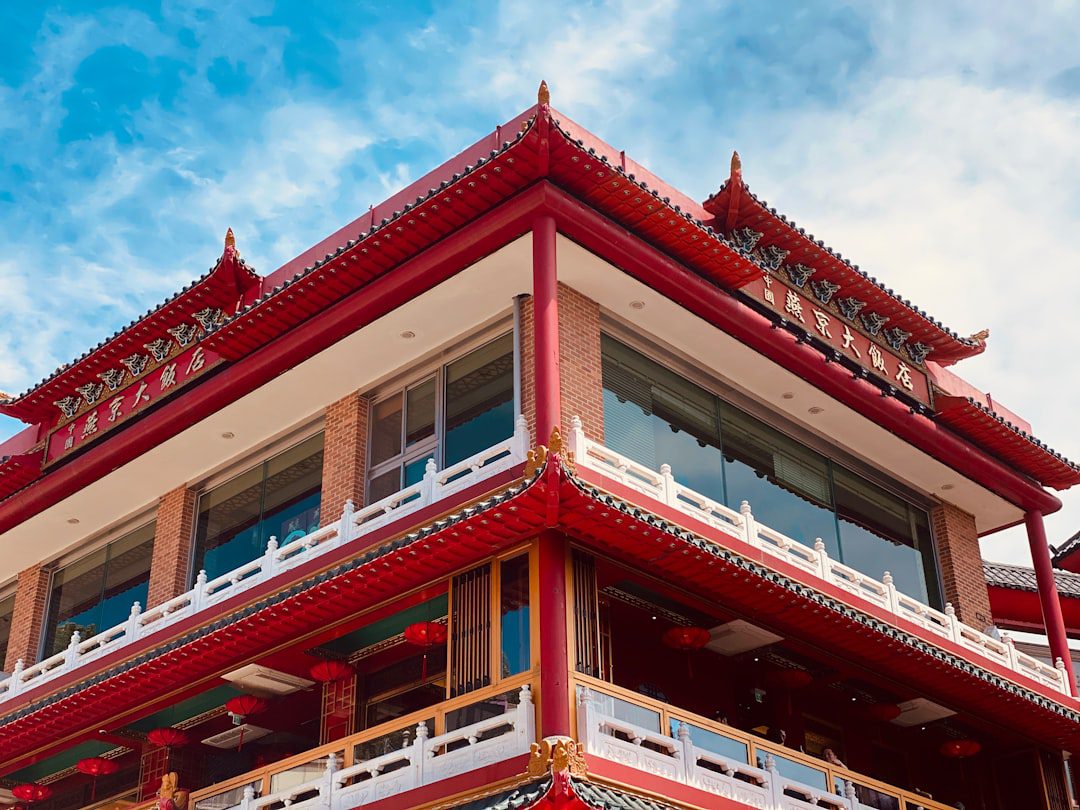
I still remember the first time I took the subway out to Incheon in 1989—back when the city was mostly fishing villages and Korean families trying to reclaim their national identity after decades of colonial occupation. What struck me most wasn’t the architecture (there wasn’t much yet), but the salt-tinged air and the sense that something was about to happen here.
Now, 35 years later, Incheon has become one of Korea’s most fascinating contradictions: a place where you can spend your morning haggling over soup dumplings in a 100-year-old Chinatown, then walk 20 minutes to Songdo’s gleaming skyscrapers that look like they belong in 2050. It’s this exact contrast that makes Incheon one of my favorite day trips to recommend to visitors who want to experience Korea beyond Seoul’s trendy neighborhoods.
Whether you’re arriving at Incheon International Airport and want to maximize your time before heading to Seoul, or you’re based in the capital and looking for something different, this coastal city deserves at least a full day. Here’s everything you need to know about making the most of it.
Getting to Incheon from Seoul: Your Transportation Options
The beauty of visiting Incheon is that getting there from Seoul is genuinely easy and cheap. I’ve probably made this journey a thousand times, and I still prefer the subway over the airport bus or train—it feels more authentic somehow, like you’re actually traveling through Korea rather than being shuttled through a tourism corridor.
Subway (Most Reliable & Budget-Friendly)
Take the Seoul Metro Line 1 directly from central Seoul to Incheon Station. The entire journey takes about 60 minutes from Myeongdong Station or 75 minutes from Seoul Station. Cost? Just ₩4,250 on a standard T-money card. You can’t beat that.
Ted’s tip: If you’re staying in Gangnam or other southern districts, transfer to Line 1 at a central station like Jongno 3-ga or Myeongdong rather than starting your journey further south—you’ll save 15 minutes of travel time.
| Route | Starting Point | Travel Time | Cost | Best For |
|---|---|---|---|---|
| Seoul Metro Line 1 | Seoul Station | 75 min | ₩4,250 | Budget travelers, locals |
| Airport Railroad (AREX) | Incheon Airport | 43 min (express) | ₩9,000 | Airport arrivals |
| Incheon Metro Line 1 | Incheon Station | Local transit | ₩2,450 | Getting around Incheon |
| Taxi (negotiated) | Seoul City Center | 45-60 min | ₩50,000-70,000 | Groups, convenience |
If You’re Flying Into Incheon International Airport
Here’s a pro tip I’ve learned over decades: if your flight lands in the morning or early afternoon, skip the hotel in Seoul temporarily. Take the AREX (Airport Railroad) express train directly to Incheon Station for ₩9,000, spend 6-8 hours exploring Chinatown and Songdo, then head into Seoul in the evening when you’re not exhausted. By doing this, you get to experience Incheon naturally rather than forcing it in as an afterthought.
The AREX express is modern, comfortable, and departs every 20 minutes. The entire trip to Incheon Station takes just 43 minutes. If you prefer the regular train (not express), it’s only ₩4,050 but takes 60 minutes with more stops.
Incheon Chinatown: The Heart of Korean-Chinese History
Incheon Chinatown isn’t like the massive Chinatowns you might see in San Francisco or London. It’s intimate, slightly gritty, and absolutely steeped in Korean-Chinese cultural history. When I first arrived in Korea in 1989, older expats would talk about Chinatown with reverence—it was one of the few places where you could eat authentic Chinese food or find comfort in a familiar cuisine.
Today, Chinatown remains frozen in time in some ways, which is precisely why it’s so charming. The neighborhood spans roughly 20 city blocks and centers around Chinatown Street (中華街), which officially opened in 2009 but has been a de facto Chinese neighborhood since the 1880s.
Getting There & Layout
From Incheon Station, take Incheon Metro Line 1 just one stop to Incheon Station (차이나타운역)—wait, I realize that’s confusing because there are multiple Incheon Stations. Let me clarify: you want Incheon Metro Line 1 to Incheon Station Stop, exit through Exit 3, and walk uphill for about 10 minutes. You’ll know you’re there when you see red Chinese lanterns and bilingual Korean-Chinese signage.
Ted’s tip: The uphill walk from the subway can be steep, especially if you’re carrying luggage. If you’re uncomfortable with hills, take a taxi from Incheon Station for about ₩5,000—it’s worth the investment, trust me.
What to Eat in Chinatown
This is where Incheon Chinatown absolutely shines. The food here is genuine Chinese cuisine—not Koreanized versions, but actual Sichuan, Peking, and Cantonese cooking made by multi-generational Chinese families.
| Restaurant | Cuisine | Avg Price (Per Person) | Must-Order Dish | Hours |
|---|---|---|---|---|
| Jjamppong House (짬뽕하우스) | Korean-Chinese | ₩12,000-18,000 | Spicy Jjamppong (seafood noodle soup) | 11am-10pm daily |
| Chinatown Dumpling King (차이나타운 만두왕) | Chinese Dumplings | ₩8,000-12,000 | Pork & chive dumplings (momo) | 10am-9pm daily |
| Paegun Noodles (배근국수) | Peking Noodles | ₩9,000-14,000 | Zhajiang Myeon (black bean noodles) | 11am-9:30pm daily |
| Gwanghwamun (광화문) | Cantonese | ₩18,000-28,000 | Peking Duck (must order in advance) | 11am-10pm daily |
| Eun Jung Mandu (은정만두) | Fried & Steamed Dumplings | ₩6,000-9,000 | Fried pork & shrimp dumplings | 10am-8pm daily |
Here’s what I recommend based on three decades of eating in this neighborhood: if you’re coming for lunch, go straight to Jjamppong House for their signature spicy seafood noodle soup (₩14,000). It’s a Korean-Chinese dish that emerged in the 1990s when Korean chefs started adapting Chinese recipes, and it’s become an Incheon institution. The broth is complex—simultaneously fiery and umami-rich—and loaded with shrimp, mussels, and squid.
If you’re a dumpling enthusiast, Chinatown Dumpling King and Eun Jung Mandu are locked in eternal competition for the title of “best dumplings in Chinatown.” Both are legitimate. Dumpling King has a broader menu and more refined presentation, while Eun Jung feels more authentic—run by an older Chinese woman who’s been making dumplings in this exact location since 1987. I usually go to Eun Jung for the experience and Dumpling King if I want something more polished.
Ted’s tip: Most restaurants here don’t have English menus, and English speakers are rare. Download the Papago app on your phone before you arrive—it translates menus in real-time using your camera. Changed my life.
Shopping & Architecture in Chinatown
Beyond eating, Chinatown is worth exploring simply as a neighborhood. The architecture is a curious blend of Korean colonial-era buildings (from when this was Japanese and Chinese territory) mixed with modern Chinese storefronts. You’ll see red lanterns hanging over narrow alleys, Chinese calligraphy on shop windows, and the occasional elderly Chinese couple sitting outside a shop, speaking Mandarin to each other.
For shopping, there are several legitimate options:
- Chinese Medicine & Herbal Shops: If you’re interested in traditional Chinese medicine (TCM), Chinatown has authentic herb shops selling ginseng, ganoderma, and other supplements. Prices are significantly cheaper than in Seoul or at tourist traps. Ask for a recommendation based on your health concerns.
- Dumpling & Snack Takeout: Several shops sell pre-made dumplings and Chinese pastries to-go. These make excellent souvenirs for friends back home.
- Porcelain & Antiques: A few shops sell vintage Chinese porcelain and tea sets. If you’re into ceramics, this is worth a look (and if you want to learn more about Korean pottery, check out our guide to Korean pottery and ceramics).
Ted’s tip: Chinatown Street itself (the main pedestrian drag) has become increasingly touristy and commercialized. The real Chinatown experience happens in the side alleys and residential blocks. Wander off the main street and you’ll find older restaurants, herb shops, and real Chinese families living their lives.
Incheon Grand Park: Nature Break Between Neighborhoods
After eating your way through Chinatown, you’ll want to walk off those dumplings. Incheon Grand Park is perfect for this—a large urban park with walking trails, sculptures, and genuinely nice views of Incheon Harbor.
From Chinatown, it’s about a 15-minute walk downhill to the park entrance. Alternatively, if you’re tired, take Incheon Metro Line 1 one stop to Incheon Park Station (인천공원역), Exit 1.
The park is free and open year-round. I love visiting in spring (late March-April) when the cherry blossoms bloom—if you want to maximize your flower viewing in Korea, check out our complete cherry blossom season guide. The park has several distinct zones:
| Park Zone | Features | Walking Time | Best For |
|---|---|---|---|
| Botanical Garden | Seasonal flowers, greenhouse | 1 hour | Photography, quiet relaxation |
| Sculpture Park | Modern art installations | 45 min | Instagram, art lovers |
| Harbor View Trail | Walking path with sea views | 2 hours | Sunset walks, nature photography |
| Children’s Play Area | Water play, playground | Varies | Families with kids |
Ted’s tip: Pack a small picnic if you’re visiting in nice weather. There are convenience stores near the park entrance where you can grab kimbap, gimbap, or drinks for ₩5,000-10,000. Eating while looking at the harbor is one of life’s simple pleasures I never get tired of.
Songdo: The Future of Korea (That Arrived 15 Years Ago)
If Chinatown is Korea’s past, Songdo is an imagined vision of the future. This is where I need to be honest with you: Songdo is not authentically Korean in the way that Chinatown is. It’s a planned community built from scratch on reclaimed land, designed by international architects, and populated with global corporations.
But here’s why I still recommend it: Songdo offers a fascinating glimpse into how Korea (and East Asia generally) imagines modernity. It’s sterile in some ways, yes, but it’s also genuinely impressive—a fully functioning, sustainable city built with 21st-century design principles. Plus, it only takes 10 minutes to get there from Chinatown, so there’s no reason not to visit both in a single day.
Getting from Chinatown to Songdo
From anywhere in Chinatown, walk downhill to Incheon Metro Line 1. Take the train toward Songdo Centum City direction and get off at Songdo International Business District Station (송도국제업무지구역)—just two stops from Incheon Park Station.
You can also walk between the two neighborhoods in about 20-25 minutes if you follow the harbor path, though I only recommend this if you’re comfortable with 3+ km on foot.
Songdo Landmarks & What to See
Songdo is less about “attractions” and more about urban design appreciation. Most visitors spend 2-4 hours here, combining sightseeing with shopping and eating. Here are the main focal points:
Central Park (Songdo Park)
This is the heart of Songdo—a large, modern park built along a man-made lake. It’s stunning, genuinely, with carefully landscaped gardens, sculptures, and walking paths. The park is free and beautiful year-round. The best time to visit is sunset (around 6:30-7:30pm depending on season) when the lighting is perfect for photos and the park becomes less crowded.
Ted’s tip: The artificial lake has a 5.6-kilometer walking/running path around it. If you have time and energy, this walk is genuinely lovely—you’ll see joggers, families, and the stunning Incheon skyline reflecting off the water. Bring comfortable walking shoes.
Songdo Convensia (Convention Center)
This is an architectural landmark—a modern convention center with a striking design that hosts everything from trade shows to K-pop concerts. Even if there’s no event happening, it’s worth seeing from the outside. The building is particularly beautiful at night when it’s illuminated.
Jack Wolfskin Building & Skyscrapers
Songdo’s business district has several impressive high-rises designed by international architects. The Jack Wolfskin Building is particularly photogenic—a distinctive structure with angular architecture that stands out from typical Korean office buildings. Just walking the streets of the business district gives you a sense of being in a different country entirely (which is somewhat the point).
Shopping & Dining in Songdo
Songdo has a thoroughly modern retail environment—think international brands, upscale cafes, and modern restaurants rather than anything uniquely Korean.
| Venue | Type | Price Range | Why Visit | Hours |
|---|---|---|---|---|
| Songdo Triple Street | Shopping Mall | ₩20,000+ | International brands, upscale | 10am-10pm daily |
| Incheon Nurimaru | Shopping District | ₩15,000-30,000 | Korean & international dining | 10am-11pm daily |
| Starbucks (lakeside) | Cafe | ₩5,000-8,000 | Best views in Songdo | 6am-10pm daily |
| Panera Bread | Cafe/Bakery | ₩8,000-12,000 | Western breakfast/lunch | 7am-10pm daily |
| Local Korean Restaurants (various) | Korean BBQ, Casual | ₩12,000-25,000 | Quality Korean dining | 11am-10pm daily |
Honestly? I recommend having a meal in Songdo if you have time, but not because Songdo’s food is particularly special. Rather, the experience of eating modern Korean food in an ultra-modern setting—while looking out at the artificial lake and geometric architecture—is genuinely striking as a contrast to Chinatown. Get a coffee at the lakeside Starbucks, sit outside, and just observe the architectural contrast between traditional Korea (Chinatown) and futuristic Korea (Songdo).
Ted’s tip: If you want authentic Korean food in Songdo, head to the Incheon Nurimaru shopping area where local Korean restaurants serve excellent bibimbap, Korean BBQ, and jjigae (stews) at reasonable prices. Avoid the expensive restaurants near Central Park unless you’re specifically looking for upscale dining.
Incheon Triennale (If Timing Aligns)
Every three years, Songdo hosts the Incheon Triennale—a major international contemporary art festival. If you’re visiting during the triennial years (2024, 2027, etc.), the entire district transforms into an art exhibition space with installations, sculptures, and pop-up galleries throughout the park and streets. It’s worth timing your visit around this if possible, as it adds another layer of interest to an already architecturally interesting place.
Tipping & Practical Information for Your Day Trip
Since you’re venturing outside Seoul, a few practical points: First, don’t worry about tipping. Korea doesn’t have a tipping culture, and Incheon follows the same rules. Just pay the bill and leave. If you’re confused about this, we have a comprehensive guide to tipping in Korea that covers the nuances.
Second, bring cash. While card payments are increasingly accepted in Incheon, many small restaurants in Chinatown still operate cash-only. There are ATMs throughout the area, but having ₩50,000-100,000 in cash before you arrive is ideal. Our Korean banking and money exchange guide has detailed information about the best ways to access cash.
Third, use convenient store facilities. Incheon has GS25, CU, and Emart24 stores throughout both Chinatown and Songdo. Use these for bathroom breaks, buying drinks, and grabbing last-minute snacks. They’re everywhere in Korea and genuinely convenient.
Suggested Itineraries: Full Day & Half Day Options
Full Day Itinerary (8-10 Hours)
| Time | Activity | Location | Duration |
|---|---|---|---|
| 9:00am | Arrive at Incheon Station via subway | Seoul Metro Line 1 | 60-75 min |
| 10:15am | Walk uphill to Chinatown | Chinatown | 10 min |
| 10:30am | Explore Chinatown, shop | Chinatown Street & side alleys | 1.5-2 hours |
| 12:00pm | Lunch at Chinatown restaurant | Jjamppong House or similar | 1-1.5 hours |
| 1:30pm | Walk to Incheon Grand Park | Incheon Grand Park | 15 min walk or metro |
| 1:45pm | Stroll through park, relax | Botanical Garden & harbor views | 1-1.5 hours |
| 3:15pm | Subway to Songdo | Incheon Metro Line 1 | 10 min |
| 3:30pm | Explore Songdo Central Park | Songdo International Business District | 1.5-2 hours |
| 5:30pm | Late lunch/early dinner | Songdo restaurant or cafe | 1 hour |
| 6:30pm | Walk lakeside during golden hour | Songdo Central Park | 45 min |
| 7:15pm | Return to Seoul via subway | Seoul Metro Line 1 | 75 min |
Half Day Itinerary (4-5 Hours)
If you only have a few hours (say, arriving at Incheon Airport early and need to head to Seoul by evening), here’s what I’d do:
| Time | Activity | Duration |
|---|---|---|
| 12:00pm | Arrive at Incheon Station from airport or Seoul | — |
| 12:15pm | Head straight to Chinatown, walk around | 30 min exploring |
| 12:45pm | Lunch at Dumpling King or Jjamppong House | 1 hour |
| 1:45pm | Metro to Songdo, quick walk of Central Park | 1.5 hours |
| 3:15pm | Return to Seoul via Metro Line 1 | 75 min |
When to Visit & What to Pack
Incheon’s coastal location means the weather can be slightly different from Seoul—it’s generally windier and a bit cooler because of proximity to the sea. For packing advice specific to Korea, check out our complete packing guide, but here are a few Incheon-specific tips:
| Season | Temperature | What to Pack | Best Activity |
|---|---|---|---|
| Spring (Mar-May) | 10-18°C | Light jacket, layers, umbrella | Cherry blossoms in park, comfortable walking |
| Summer (June-Aug) | 22-28°C | Light clothing, sunscreen, hat | Harbor views, cooler sea breeze |
| Fall (Sept-Nov) | 12-20°C | Jacket, layers, comfortable shoes | Best overall season, fall colors |
| Winter (Dec-Feb) | 0-8°C | Warm coat, gloves, hat, thermal layers | Fewer tourists, crisp air |
Ted’s tip: Fall (October-November) is genuinely the best time to visit Incheon. The weather is perfectly cool, not too crowded, and the light is beautiful for photography. Spring is also excellent if you time it right for cherry blossoms.
Budget Breakdown for Your Day Trip
Let me give you a realistic budget for this entire day trip. I always tell visitors that one of Korea’s best features is that it’s possible to have an amazing day without spending much money.
| Expense Category | Cost Range | Notes |
|---|---|---|
| Subway (Seoul to Incheon round trip) | ₩8,500 | ₩4,250 each way |
| Incheon local subway/transit | ₩5,000 | 3-4 rides within Incheon |
| Lunch in Chinatown | ₩12,000-15,000 | Jjamppong or dumpling restaurant |
| Snacks/coffee | ₩10,000 | Park walk snacks, Songdo cafe |
| Shopping (optional) | ₩0-50,000 | Dumpling takeout, herbs, souvenirs |
| TOTAL (no shopping) | ₩45,500-48,500 | About $35-38 USD |
Frequently Asked Questions
How long does it take to get from Seoul to Incheon?
By subway (Seoul Metro Line 1), it takes approximately 60-75 minutes from central Seoul to Incheon Station, depending on your starting point. If you’re coming from Incheon Airport, the AREX express train takes just 43 minutes and costs ₩9,000. It’s very manageable as a day trip.
Can I visit Incheon Chinatown and Songdo in one day?
Absolutely. They’re only about 10 minutes apart by metro. I recommend spending 2-3 hours in Chinatown (exploring, eating lunch), 1-2 hours in Incheon Grand Park, and 2-3 hours in Songdo. You can easily fit this into a full day trip starting early morning and returning to Seoul by evening.
What’s the best time of day to visit Songdo?
Arrive in the afternoon (2-4pm) and stay through sunset (around 6:30-7:30pm). The park is beautiful during golden hour, and the late afternoon light reflecting off the lake is genuinely stunning for photography. Plus, afternoon is when it’s less crowded.
Are there English speakers in Incheon Chinatown restaurants?
Not reliably, which is part of the charm. Most restaurants don’t have English menus. My recommendation: use the Papago app on your phone to translate menus via camera, or simply point to dishes you want to try. Koreans are generally patient and helpful even with language barriers, and the food is worth the minor inconvenience of communication.
Do I need to book restaurants in advance?
No. Incheon restaurants, even popular ones, operate on a walk-in basis and rarely require reservations. Just show up—restaurants fill throughout the day, so you won’t wait more than 15-20 minutes even at lunch rush.
Is Songdo worth the visit if I’m only in Korea for 3 days?
It depends on what you’re interested in. If you care primarily about experiencing traditional and authentic Korea, skip Songdo and spend more time in Chinatown and Incheon Grand Park. But if you’re interested in modern urban design, East Asian development models, and architecture, Songdo absolutely merits a visit. It’s genuinely unique—there’s nothing quite like it in Korea.
What’s the best dumpling restaurant in Chinatown?
Honestly, both Chinatown Dumpling King and Eun Jung Mandu are excellent and legitimate. If you want to feel like you’ve discovered a local secret, go to Eun Jung (older, more rustic, run by an elderly Chinese woman). If you want a more polished experience, Dumpling King is the choice. I often visit both on the same day and compare.
Can I bring luggage to Incheon on a day trip from the airport?
Yes. Incheon Station and the surrounding area have luggage storage facilities (coin lockers and dedicated baggage storage rooms) for ₩3,000-5,000 per day. This is a great option if you’re arriving at the airport early and want to maximize your time before heading to a Seoul hotel later.
Final Thoughts
Incheon is the kind of place that sneaks up on you. Most first-time visitors to Korea focus exclusively on Seoul, and I understand why—Seoul is enormous and genuinely fascinating. But Incheon offers something Seoul doesn’t: a chance to see Korea’s past (Chinatown’s century-old immigrant community), present (the thriving port and working neighborhoods), and imagined future (Songdo’s ultra-modern development) all in a single day.
After 35 years in Korea, I still find myself taking the subway out to Incheon when I want to reset. There’s something grounding about walking through Chinatown’s narrow alleys, eating soup dumplings that taste like they belong in Shanghai, then walking into Songdo’s gleaming modernity. The contrast reminds me why I fell in love with Korea in the first place—it’s a country that holds multiple futures and pasts simultaneously, always negotiating between tradition and progress.
If you make it to Incheon on your visit, do me a favor: skip the tourist traps, eat where the locals eat, and wander the side streets. Talk to shopkeepers, try food you can’t identify, and don’t worry about being lost. That’s where the real Incheon reveals itself.
— Ted K
Image Credits: Photos sour