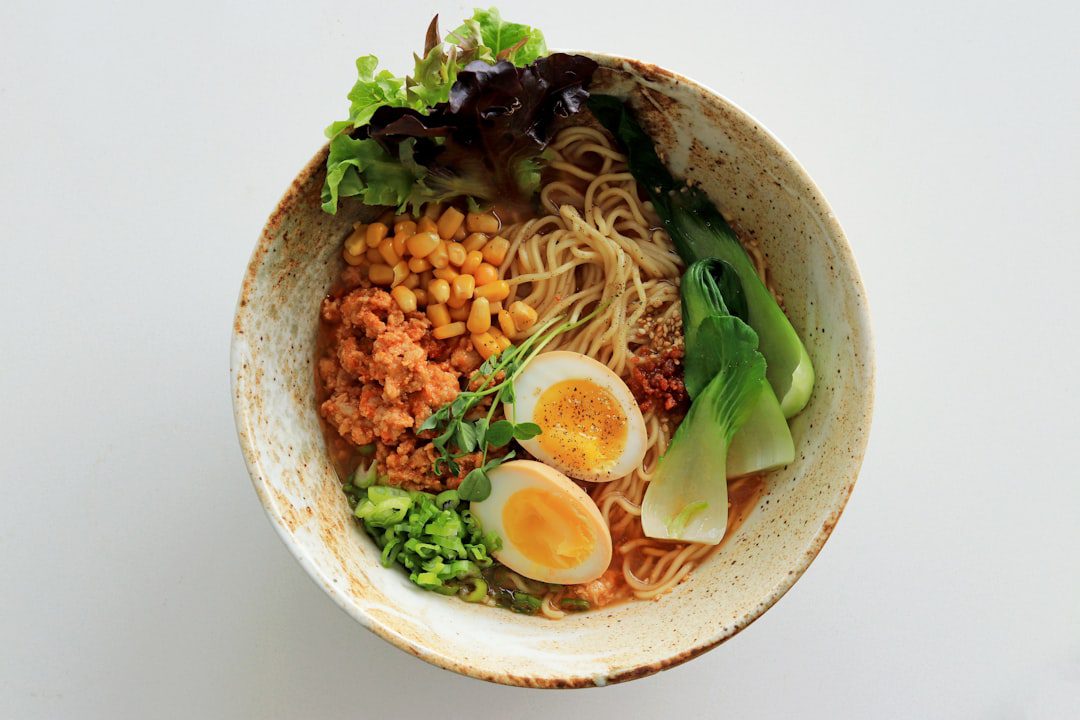
I’ll never forget the first time I arrived in Korea in 1989—completely exhausted from my flight, jet-lagged beyond belief. My new roommate, a Korean filmmaker, took one look at my hollow eyes and said, “라면 먹자” (Let’s eat ramyeon). Twenty minutes later, I was hunched over a steaming bowl of fiery red noodles at a local ramyeon jib (ramyeon restaurant), and something clicked. That bowl didn’t just fill my stomach—it felt like a warm hug from Korea itself. I’ve now spent 35 years eating ramyeon in every possible context: midnight snack, hangover cure, quick lunch, celebration meal, and everything in between.
Ramyeon—Korea’s instant noodles—is far more than just a quick meal. It’s woven into the fabric of Korean culture, fed to students cramming for exams, served at pojangmacha (street tents), and elevated to an art form in specialized restaurants. Whether you’re grabbing a ₩3,000 pack from a convenience store or sitting down to a ₩8,000 restaurant bowl topped with an egg and cheese, you’re participating in something uniquely Korean.
In this guide, I’m sharing everything I’ve learned about ramyeon over three and a half decades: which brands Korean locals actually prefer, how to cook it perfectly at home, how to navigate a ramyeon restaurant menu, ordering phrases that’ll make you sound native, and the cultural context that makes ramyeon so much more than noodles in broth. Let’s dive in.
What Exactly is Ramyeon? The Difference Between Ramyeon & Ramen
Here’s a question I answer at least once a week: “Is ramyeon the same as Japanese ramen?” The answer is both yes and no, which I know is frustratingly vague—but stay with me.
Ramyeon (라면) comes from Japanese ramen, but Koreans have created something distinctly their own. Both are wheat noodles in broth, both originated in Japan, and both are beloved in their respective countries. But if you’ve eaten both, you’ll notice Korean ramyeon is bolder, spicier, and takes on radically different flavors depending on the brand and broth type.
The real distinction: ramen is primarily a restaurant experience in Japan, where chefs spend years perfecting their broth. Ramyeon in Korea exists in multiple universes—the convenience store instant noodle universe, the home-cooked universe, the specialized restaurant universe, and the street pojangmacha universe. A Korean might eat a ₩3,000 pack of Shin Ramyeon from a convenience store at midnight, and the next day order a ₩12,000 specialty ramyeon bowl with braised pork and aged kimchi broth.
Ted’s tip: Don’t assume all Korean instant ramyeon tastes similar. The difference between a ₩2,500 budget brand and a ₩5,000 premium brand is night-and-day in terms of noodle texture, broth depth, and ingredient quality.
Convenience Store Ramyeon: What to Buy & Top Brands
Every GS25, CU, and Emart24 in Korea stocks 30-50 different ramyeon varieties. It’s overwhelming at first. I still remember standing in front of a convenience store wall in 1995, completely paralyzed by choice. Here’s the hierarchy that Korean locals follow:
The Premium Tier (The Ones Everyone Buys)
These aren’t expensive, but they’re the brands you’ll see in every Korean household, office, and dorm room:
| Brand | Flavor | Price | Best For |
|---|---|---|---|
| Shin Ramyeon (신라면) | Spicy beef, original | ₩2,800–3,200 | Korean classic, bold flavor |
| Neoguri (너구리) | Seafood, udon-style | ₩3,000–3,500 | Chewier noodles, light broth |
| Jjajangmen (짜장면) | Black bean sauce | ₩3,200–3,800 | Sweet-savory lovers |
| Kimchi Ramyeon (김치라면) | Kimchi spicy | ₩2,800–3,200 | Tangy, complex heat |
| Chapagetti (짜파게띠) | Black bean, noodle only | ₩2,500–3,000 | Mix with eggs or veggie |
The Budget Tier (Still Good, Just Less Complex)
Samyang, Ottogi, and Nongshim’s entry-level lines are perfectly fine—they’re what students on tight budgets buy. You’ll pay ₩1,800–2,500 and get decent noodles and broth.
The Spicy Tier (For Heat Seekers)
If you want nuclear-level heat, look for Samyang Buldak Ramyeon (2x Spicy, 3x Spicy, or the infamous 8x Spicy). I’ve seen foreigners challenge themselves with 2x Spicy and immediately regret it. These run ₩3,500–5,000 depending on the heat level. Fair warning: 3x Spicy is genuinely punishing, and 8x Spicy is basically a dare, not a meal.
Ted’s tip: If you want to try the famous Buldak challenge, start with 1x or 2x Spicy. Korean college students grew up on regular Shin Ramyeon; even they approach 3x Spicy with respect.
The Premium-ish Tier (Worth the Extra ₩1,000)
These cost a bit more (₩4,500–6,000) but offer significantly better noodle quality and broth complexity. Look for brands like Nongshim Ansungtangmyun (premium bonito broth) or Samyang’s Kimchi Ramyeon Premium line.
How to Cook Ramyeon at Home: The Basics & The Fancy Version
The Convenience Store Method (5 Minutes, Zero Effort)
This is how 90% of Koreans eat instant ramyeon at home. It’s the version you make at midnight when you’re tired, hungover, or lazy:
- Boil 2 cups (about 500ml) of water in a pot or electric kettle.
- Once water reaches a rolling boil, dump in the noodle brick.
- Break it apart with chopsticks or a spoon after 1-2 minutes.
- Add the flavor packet (and any included extras like vegetable bits or oil).
- Cook for 3-4 minutes total. The noodles should be just barely soft—Koreans prefer them slightly al dente.
- Pour into a bowl (or eat straight from the pot if you’re like half of Korea).
That’s it. This is the version that’s gotten me through countless late nights, exam cram sessions, and post-drinking food emergencies.
The Korean Home Cook Method (8-10 Minutes, Still Easy, Much Better)
This is what Korean housewives, students who have 10 extra minutes, and anyone with minimal ingredients nearby actually make:
- Boil 2.5 cups of water with a small piece of dried kelp (다시마 – dasima) if you have it. This adds umami without effort.
- Add a few frozen vegetable pieces (mushrooms, green onions, spinach)—most Koreans keep these in the freezer.
- While that boils, crack an egg into a small bowl and beat it lightly.
- Once boiling, add the noodles and flavor packet.
- At the 2-minute mark, slowly pour in the beaten egg while stirring gently. This creates silky egg ribbons throughout.
- Add a slice of processed cheese (if you’re modern Korea) or a spoonful of gochujang (red chili paste) if you want more depth.
- Cook remaining 2 minutes.
- Serve with a sprinkle of sesame seeds and chopped green onions.
This version—ramyeon with egg and cheese—became standard in the 2000s and is now the default home version. It transforms a ₩3,000 pack of noodles into something that feels more intentional and satisfying.
The Korean Ramyeon Enthusiast Method (15 Minutes, Worth It)
If you have a bit more time and want to understand why Korean ramyeon restaurants charge ₩8,000 for what seems like “just instant noodles,” try this:
- Heat 3 cups of water with a handful of dried anchovies (멸치 – myeolchi), a 2-inch piece of kelp, and 3-4 dried shiitake mushrooms. Simmer 5 minutes, then strain. This creates a proper stock.
- In a separate pan, sauté some minced garlic and gochugaru (Korean chili flakes) in a bit of oil for 30 seconds.
- Add 1 tablespoon of gochujang, stirring for 1 minute. This blooms the flavors.
- Pour in your stock, bring to a simmer, and let it go for 2 minutes.
- Add the ramyeon noodles and cook until just tender (3-4 minutes).
- Top with a soft-boiled egg, sliced scallions, a sprinkle of sesame seeds, and a pinch of nori (seaweed sheet) shreds.
This version tastes legitimately different from the convenience store version. You’re using actual broth depth instead of a seasoning packet. That egg becomes functional—it adds richness and cuts through the heat. This is why Korean restaurants charge what they do.
Ted’s tip: Koreans often add a spoonful of mayo or butter to their ramyeon broth in the last minute. It sounds weird. It’s not. It adds a creamy richness that balances heat. Try it once, and you’ll understand why so many Korean college students do this.
| Method | Time | Best For | Key Ingredients |
|---|---|---|---|
| Convenience Store | 5 min | Midnight hunger, quick fix | Just noodles + packet |
| Home Cook | 8-10 min | Regular home meal | Egg, cheese, veggies |
| Enthusiast | 15 min | Weekend project, impress friends | Real stock, gochujang, proper toppings |
Ramyeon Restaurants vs. Convenience Store: What’s the Difference?
Here’s what blew my mind about Korea when I first arrived: ramyeon has fine-dining cousins. In most countries, instant noodles are just that—the emergency meal. In Korea, there are restaurants—actual standalone businesses, some with multiple locations—dedicated entirely to elevated ramyeon.
The Ramyeon Jib (라면집) Experience
A ramyeon jib is a modest restaurant (usually no more than 20 seats) that specializes in ramyeon. They’re everywhere in Seoul—you’ll find them in neighborhoods, near university districts, and in commercial areas. The price range is ₩6,500–12,000 depending on the restaurant and what toppings you choose.
What makes these different from convenience store ramyeon:
- Real broth: They start with actual stock made from anchovies, kelp, and bones—not just hot water with a seasoning packet.
- Premium noodles: Usually fresh or frozen noodles, not the dried brick from the convenience store.
- Creative toppings: Everything from slow-braised pork, aged kimchi, soft-boiled eggs, sesame seeds, to sliced cheese and green onions.
- Flavor complexity: They layer flavors—gochujang, soy, fish sauce, chile oil—rather than relying on a single seasoning packet.
- The experience: There’s something about sitting at a small counter, watching a Korean ajumma (older woman) ladling noodles into a steaming bowl, that makes it feel ceremonial.
Types of Specialty Ramyeon Restaurants
| Type | Typical Price | Signature Vibe | Example |
|---|---|---|---|
| Traditional Ramyeon Jib | ₩6,500–8,000 | Simple, classic, no-frills charm | Basic Shin Ramyeon with egg |
| Specialty Ramyeon Bar | ₩9,000–13,000 | Instagram-worthy, creative flavors | Cheese ramyeon, black garlic broth |
| Ramyeon + Pojangmacha | ₩7,000–9,000 | Street tent vibes, casual, post-drinking | Ramyeon with tteokbokki (spicy rice cakes) |
| High-End Ramyeon Fusion | ₩15,000–25,000 | Trendy, minimalist, experimental | Bone broth ramyeon with wagyu |
The sweet spot for most visitors is a traditional ramyeon jib or a specialty bar. You get the elevated experience without the price shock of high-end fusion places.
Ted’s tip: The best ramyeon restaurants in Korea are often in the most unglamorous locations—underground shopping areas, back alleys, near subway stations. Don’t judge by aesthetics. Judge by line length at peak hours.
How to Order Ramyeon in Korean: Phrases & Customs
One of the things I love about Korean food culture is that ordering is interactive and fun—especially with ramyeon. Here are the key phrases that will make you sound genuinely local:
Essential Ordering Phrases
| Korean (Romanized) | English | When to Use |
|---|---|---|
| 라면 한 그릇 주세요 (Ramyeon han geureut juseyo) | One bowl of ramyeon, please | Most common order |
| 라면 두 그릇 (Ramyeon du geureut) | Two bowls of ramyeon | If you’re hungry or ordering for two |
| 계란 넣어 주세요 (Gyeran neoeo juseyo) | Add an egg, please | Request egg (almost always yes) |
| 치즈 얹어 주세요 (Chijeu yeopeeo juseyo) | Add cheese, please | For modern Korean ramyeon |
| 덜 맵게 해 주세요 (Deol maepge hae juseyo) | Make it less spicy | If you can’t handle heat |
| 더 맵게 해 주세요 (Deo maepge hae juseyo) | Make it spicier | Heat lovers (they’ll probably try to talk you out of it) |
| 국물 많이 주세요 (Gungmul mani juseyo) | Extra broth, please | You like broth (Koreans love this request) |
| 국물 적게 주세요 (Gungmul jeokge juseyo) | Light on broth | You prefer noodle-forward bowls |
Understanding Ramyeon Restaurant Menus
Most ramyeon restaurants have a simple menu board or laminated sheet. You’ll typically see:
- 라면 (Ramyeon): Their house version, usually ₩6,500–7,500
- 계란라면 (Gyeran Ramyeon): With egg, adds ₩1,000–2,000
- 치즈라면 (Chijeu Ramyeon): With cheese, adds ₩1,000–2,000
- 계란치즈라면 (Gyeran Chijeu Ramyeon): Egg and cheese combo
- 특별라면 (Teukbyeol Ramyeon): House special—usually their signature with multiple toppings
If the menu is entirely in Korean and you’re struggling, just say “라면 한 그릇” (one bowl of ramyeon) and wait. Every ramyeon jib will have a default version, and it’s always good.
Ramyeon Customs You Should Know
Korean food culture has unwritten rules. For ramyeon specifically:
- You eat it immediately: Ramyeon gets soggy fast. Koreans slurp it down within 5 minutes of it arriving. It’s not a leisurely meal.
- The broth is your friend: It’s not a side element—you drink it at the end. Bring a spoon. It’s completely normal and expected.
- Loud slurping is good: This isn’t just acceptable; it’s encouraged. Slurping noodles shows you’re enjoying it.
- You can add extras from the table: Most ramyeon restaurants have bottles of gochugaru (chili flakes), soy sauce, sesame seeds, and sometimes mayo or butter. Use them.
- It’s post-drinking food: Koreans traditionally eat ramyeon after drinking (수정 과정). If you’re at a ramyeon jib late at night, you’ll see college students and office workers still buzzed from soju. It’s part of the culture.
Ted’s tip: If you finish your ramyeon and still want more broth (because it’s genuinely good), you can ask for “국물만 주세요” (just broth, please) and they’ll often ladle more into your bowl for free or a small charge. Koreans do this all the time.
Ramyeon + Other Foods: Popular Pairings & Combinations
Ramyeon doesn’t exist in isolation in Korean food culture. It’s part of a broader constellation of flavors and textures. Here’s how Koreans combine it with other foods:
Ramyeon + Tteokbokki (Spicy Rice Cakes)
This is a classic 1-2 punch found in pojangmacha (street tents) everywhere. You get spicy noodles and spicy rice cakes in the same bowl—or sometimes separate but served together. The rice cake texture breaks up the noodle monotony, and the combined heat is genuinely addictive.
Ramyeon + Gimbap (Seaweed Rice Roll)
Less common but delicious. You eat cold gimbap while slurping hot ramyeon. The contrast is intentional—warm, spicy noodles with cool, mild rice provides a palate reset. It’s a light meal combo.
Ramyeon + Jjim (Steamed Side Dishes)
Some traditional ramyeon jib offer simple side dishes—steamed eggs (계란찜), steamed fishcakes (어묵찜)—that you eat between bites of noodles. They’re usually ₩2,000–4,000 and provide textural contrast.
Ramyeon + Kimbap & Gogi (Beef Bulgogi Rice Bowl)
Not often combined, but I’ve seen it in college areas where students want maximum calories. Usually separate bowls ordered together.
| Pairing | Combined Price | Best For | Where to Find |
|---|---|---|---|
| Ramyeon + Tteokbokki | ₩9,000–12,000 | Heat lovers, addictive texture | Pojangmacha, specialty restaurants |
| Ramyeon + Gimbap | ₩10,000–13,000 | Light, balanced meal | Traditional ramyeon jib |
| Ramyeon + Fried items | ₩12,000–16,000 | Indulgent, post-drinking | Pojangmacha, casual spots |
Regional Ramyeon Variations Across Korea
Just like every Korean region has its own jjigae (stew) variation, different regions have ramyeon pride. You don’t need to travel far to notice these differences:
Seoul Ramyeon
Generally spicy (gochugaru-forward) and modern. Seoul restaurants are where you’ll find fusion versions—black garlic ramyeon, creamy ramyeon, ramyeon with bone marrow broth. Prices tend to be higher (₩9,000–13,000).
Busan/Port City Ramyeon
More seafood-forward. Busan restaurants use dried fish, anchovies, and seaweed aggressively. The broth tends to be clearer and lighter than Seoul versions, with more umami from sea ingredients. When you’re in Busan, try a ramyeon jib near the port—they use actual fresh seafood.
Jeonju/Jeolla Province Ramyeon
Heavier, more soy-forward. This region is known for deeper, fermented flavors. Their ramyeon reflects that—more gochujang, more doenjang (soybean paste), more complexity.
Daegu Ramyeon
Spicier than Seoul. Daegu is known for heat, and their ramyeon reflects that. If you want serious spice, Daegu’s ramyeon restaurants don’t mess around.
For visitors, this means if you eat ramyeon in multiple cities, you might notice these variations. None is “better”—they’re different expressions of the same concept.
Ramyeon Culture: Why It Matters in Korea
I’ve lived in many countries, but I’ve never experienced a food as culturally significant as ramyeon is in Korea. It’s not just about hunger—it’s woven into identity, ritual, and social connection.
The Midnight Snack Ritual
In Korea, ramyeon is the post-drinking food, the exam cram food, the comfort food, the “I don’t know what to eat” food. When Korean college students finish drinking at 1 AM, they’re not heading home—they’re going to a ramyeon jib. When an office worker finishes a project at 11 PM, ramyeon happens. It’s as embedded in Korean culture as pizza is in American culture, but deeper somehow.
The Accessibility Factor
Ramyeon broke social barriers in Korea. A day laborer and a CEO can eat the same bowl of ramyeon from the same pojangmacha, sitting side by side. It’s egalitarian food. A ₩3,000 pack from a convenience store and an ₩12,000 restaurant bowl exist on the same spectrum—both are legitimate, both are respected.
The Nostalgia Connection
For Korean expats around the world, ramyeon is a homeland connection. I know Koreans in London, New York, and Tokyo who order cases of Shin Ramyeon shipped to them. It tastes like home. It tastes like childhood, survival, community, late nights, and belonging.
Ted’s tip: If you want to really understand Korean culture, spending time at a ramyeon jib—not a tourist restaurant, an actual neighborhood spot—is worth it. Watch how people order, how quickly they eat, how they interact with the staff, how they finish every drop of broth. It tells you something true about Korea.
Where to Find the Best Ramyeon in Seoul
You can find ramyeon everywhere—literally, it’s in every neighborhood. But here are some specific areas where ramyeon hits different:
| Neighborhood | Subway Station | Best For | Vibe |
|---|---|---|---|
| Hongdae | Line 2, Exit 9 | Modern, creative ramyeon bars | Young, Instagram-friendly |
| Jongno 3-ga | Line 1/3/5 | Traditional ramyeon jib (oldest in Seoul) | No-frills, authentic |
| Gangnam | Line 2, Exit 12 | Upscale ramyeon, high-end fusion | Trendy, expensive |
| Sinchon | Line 2, Exit 2 | Student-friendly, budget ramyeon | Young, casual |
| Busan (if visiting) | Nampodong area | Seafood-forward ramyeon | Port city character |
Honestly, the best ramyeon in Seoul isn’t at a famous chain—it’s at a ramyeon jib you find accidentally while walking around a neighborhood. Every area has at least two or three solid spots. Ask your hotel staff or a local, and you’ll be pointed to something good within a 5-minute walk.
Frequently Asked Questions
Is Korean ramyeon actually healthy?
Not particularly—it’s high in sodium and carbs, and the instant varieties are heavily processed. But the restaurant versions with real broth and fresh toppings are nutritionally better than the convenience store packets. One bowl occasionally? Fine. Every night? Maybe skip. That said, Korean students have survived on ramyeon for generations, so it’s not poison. Just don’t expect it to be a health food.
Can I eat ramyeon if I’m vegetarian or vegan?
Challenging but possible. Most ramyeon broths contain fish sauce, kelp, and anchovies—not technically meat, but animal-derived. You could ask for vegetarian ramyeon and skip the egg topping, but you’d need to specify “no animal products” in Korean to a specialized restaurant. For more guidance on plant-based eating in Korea, check out our Korean vegetarian and vegan guide. Convenience store ramyeon packets often list all ingredients, so you can check before buying.
How much does ramyeon cost in Korea?
Convenience store instant packets: ₩2,500–5,000. Restaurant ramyeon bowls: ₩6,500–13,000. High-end fusion: ₩15,000–25,000. Most visitors will encounter the ₩6,500–8,000 range for standard restaurant bowls.
What’s the difference between Shin Ramyeon and other brands?
Shin Ramyeon is the most famous and boldest—spicy, complex, with a distinctive beef flavor. Neoguri is milder and seafood-forward. Budget brands are more one-dimensional but still decent. If you’re trying one Korean ramyeon as a visitor, Shin is the iconic choice.
Is it okay to add cheese and mayo to ramyeon?
Absolutely. This is completely normal in modern Korea. Mayo (마요네즈), butter (버터), and processed cheese (치즈) are common additions. It creates a creamy, richer dish. Korean college students do it constantly.
Can I order ramyeon in English?
In major tourist areas and chain restaurants—sometimes. But in traditional neighborhood ramyeon jib—probably not. Learn the few phrases above (especially “라면 한 그릇 주세요”), and you’re fine. Koreans are forgiving of language barriers when it comes to food. Point at the menu, say the phrases, and you’ll be understood.
What’s the protocol for eating ramyeon at a pojangmacha (street tent)?
It’s casual and quick. You sit on a plastic stool, order by pointing or saying the dish name, eat fast because you might be occupying someone else’s spot, finish, pay, and leave. It’s not a lingering experience. Come hungry, eat fast, enjoy the communal vibe.
Should I bring my own bowl if I have a ramyeon craving in a Korean home?
If you’re invited to a Korean home and ramyeon is offered, they’ll handle the cooking. It’s informal home food, so it’s okay to eat straight from the pot or a simple bowl. This is actually normal. Don’t stress about formality—ramyeon is meant to be casual and unpretentious.
Final Thoughts
After 35 years in Korea, I’ve probably eaten over 10,000 bowls of ramyeon. I’ve had it at 2 AM on a Seoul street, at noon in a busy Hongdae ramyeon bar, at a rural pojangmacha in Jeolla Province, and at home after a long day when I couldn’t be bothered to cook anything else. Each bowl told a different story, but all of them were genuine—Korea expressing itself through noodles, broth, and the simplicity of communal eating.
Ramyeon is one of the most approachable entry points into Korean food culture because it exists everywhere and welcomes everyone. Whether you’re a budget traveler buying a ₩3,000 pack from a convenience store or a food enthusiast sitting at a specialty ramyeon bar exploring complex broths, you’re participating in something unmistakably Korean.
When you’re in Korea, don’t skip ramyeon thinking it’s “just instant noodles.” Go to a neighborhood ramyeon jib, order with the phrases I’ve shared, watch how Koreans eat (fast, enthusiastically, respectfully), and join in. Slurp loudly. Drink the broth. Ask for extra toppings. This is where real Korea lives—not in expensive restaurants or famous landmarks, but in a 20-seat room where someone’s been perfecting their ramyeon recipe for 20 years.
— Ted K
Image Credits: Photos sourced from Unsplash. By using this site, you agree to our Privacy Policy and Disclaimer.