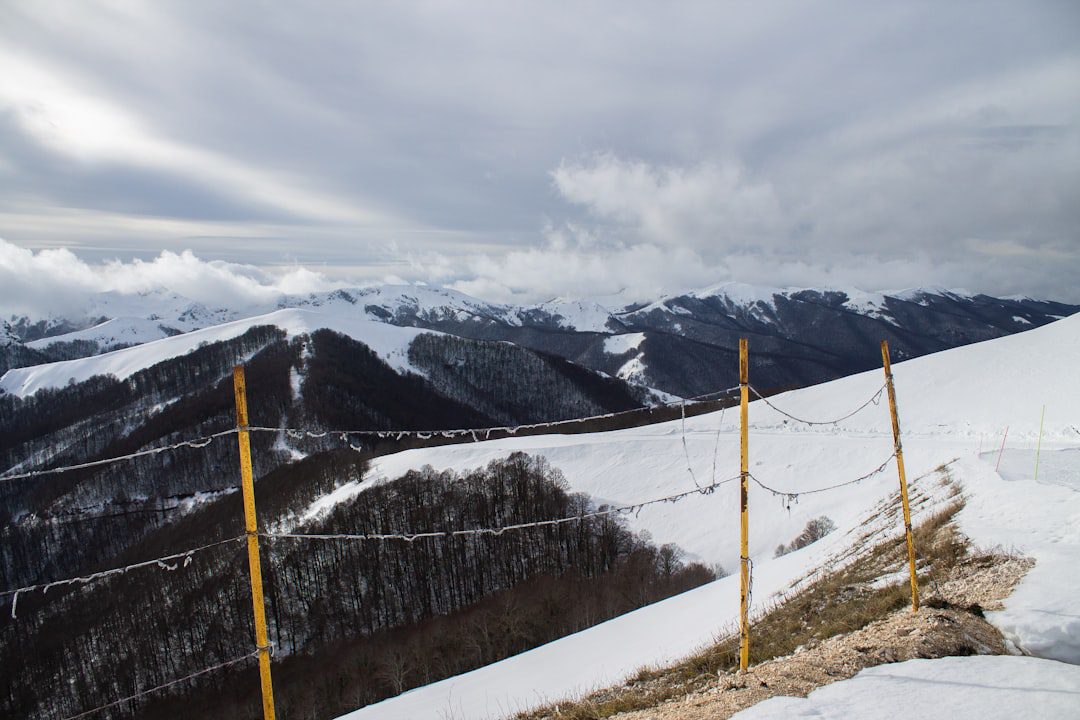
It was a Friday in January 2003 when I first strapped on skis at Yongpyong Resort. I remember thinking—as I white-knuckled down a beginner slope—that Korea’s mountains looked deceptively different from the alpine resorts I’d known in my youth. The snow was drier, the runs more compact, and the après-ski culture entirely unique. Twenty-three years later, I’ve watched Korea’s ski scene transform dramatically. The 2018 PyeongChang Olympics brought international attention, infrastructure improvements, and a genuinely world-class skiing experience to the Korean peninsula.
Today, Korea hosts seven major ski resorts, each with distinct character and offerings. Whether you’re a seasoned skier seeking challenging slopes, a nervous beginner looking for gentle instruction, or a family wanting winter adventure without flying halfway around the world, Korea delivers. After three decades of winter weekends exploring Korean slopes, I’ve learned the secrets that separate a good trip from an extraordinary one. Spoiler: it’s not just about the runs.
Here’s everything you need to know about skiing and snowboarding in Korea—from which resort matches your skill level to insider booking strategies that’ll save you money and frustration.
Korea’s Premier Ski Resorts: Quick Comparison
Korea’s ski resort landscape has matured significantly. The major resorts cluster in the Pyeongchang region of Gangwon Province (about 2.5 hours from Seoul), with a couple of accessible options closer to the capital. Each resort offers different vibes—some feel corporate and modern, others more relaxed and local-friendly.
| Resort Name | Location | Distance from Seoul | Best For | Terrain Difficulty |
|---|---|---|---|---|
| PyeongChang Resort | PyeongChang-gun | 2.5 hours | Families, intermediates | Beginner–Advanced |
| Yongpyong Resort | PyeongChang-gun | 2.5 hours | Skiers of all levels | Beginner–Expert |
| Vivaldi Park | PyeongChang-gun | 2.5 hours | Snowboarders, terrain parks | Beginner–Advanced |
| Jisan Forest Resort | Icheon | 1 hour | Seoul day-trippers | Beginner–Intermediate |
| Bears Town | Hongcheon-gun | 1.5 hours | Budget-conscious families | Beginner–Intermediate |
| Oak Valley | Hongcheon-gun | 1.5 hours | Advanced skiers | Intermediate–Expert |
| Welli Hilli Park | Hongcheon-gun | 1.5 hours | Night skiing, families | Beginner–Intermediate |
Ted’s tip: If you’re visiting Korea for the first time and want skiing as part of a multi-activity trip, Jisan Forest Resort is your best bet—it’s drivable in an hour from central Seoul with no shuttle needed. But if you’re a serious skier with 2-3 days to dedicate to winter sports, the PyeongChang cluster (Yongpyong, PyeongChang Resort, Vivaldi) is where you’ll find the most challenging terrain and best snow conditions.
PyeongChang Resort: Olympic Legacy & Family-Friendly Slopes
PyeongChang Resort is the resort I’d recommend to most international visitors. It hosted the 2018 Winter Olympics’ alpine skiing events, which means the infrastructure is genuinely world-class. The resort feels more polished and tourist-friendly than its neighbors, with excellent English signage, professional instruction, and equipment that’s regularly updated.
Terrain & Runs
PyeongChang Resort operates 26 runs across four zones: Beginner Valley, Intermediate Plateau, Advanced Park, and Expert’s Paradise. The runs are well-groomed, and snow-making equipment is extensive—I’ve skied here in seasons when natural snowfall was light, and the quality remained consistent.
The beginner runs are genuinely beginner-friendly—wide, gently sloped, and patrolled by instructors who speak English. I’ve watched nervous first-timers gain real confidence here within a single day. Intermediate terrain offers good variety without being overwhelming, while the expert runs include several steep couloirs that challenge even experienced skiers.
| Run Category | Number of Runs | Longest Run Length | Best Time of Season |
|---|---|---|---|
| Beginner | 8 | 1.2 km | Any (best January–February) |
| Intermediate | 12 | 3.5 km | January–early March |
| Advanced | 4 | 2.8 km | January–February |
| Expert | 2 | 1.6 km | Mid-January–early February |
Lift & Access Info
PyeongChang Resort operates 14 lifts, including modern 8-person gondolas that minimize wait times. The base elevation is 700 meters; the summit reaches 1,458 meters. Vertical drop is 758 meters—respectable for Korea, though not quite matching Japanese or North American resorts. Still, runs feel longer than raw numbers suggest due to the mountain’s shape.
The main lodge area is efficient. You’ll find rental shops, lockers (₩3,000 per day), restaurants, and a decent pro shop. The lodge never feels overwhelming, even during peak weekends—good design and crowd management.
Lift Ticket Prices & Booking
| Ticket Type | Peak Season (Dec-Feb) | Off-Peak (Mar, Early Dec) | Night Skiing |
|---|---|---|---|
| Full Day (9 am–5 pm) | ₩79,000 | ₩59,000 | ₩39,000 (6 pm–10 pm) |
| Half Day (1 pm–5 pm) | ₩59,000 | ₩44,000 | N/A |
| 2-Hour Session | ₩39,000 | ₩29,000 | ₩29,000 |
| Season Pass | ₩1,290,000 | N/A | Included |
Ted’s tip: Book lift tickets 2-3 days ahead through the resort’s website (www.pyeongchangresort.com). Peak weekend days (Saturdays in January-February) fill up and sell out. Weekday tickets are 15-20% cheaper, and if you can visit Tuesday through Thursday, you’ll experience empty slopes and shorter lift lines.
Lessons & Instruction
PyeongChang Resort employs certified instructors, and crucially for international visitors, many speak English. Group lessons cost ₩80,000–₩110,000 for 90 minutes (2-3 hours); private lessons run ₩150,000–₩200,000 per hour. The ski school operates dedicated beginner terrain separate from intermediate runs, which significantly reduces anxiety for first-timers.
I’d strongly recommend booking private instruction for 2-3 hours if you’re a true beginner. It cuts your learning curve from 2-3 days to 1 day, and you’ll ski safely and confidently by afternoon. The price is worth it.
Yongpyong Resort: The Skier’s Mountain
Yongpyong is where I still personally spend most of my ski days. It’s the oldest resort in Korea (opened 1975) and has a more authentically local vibe compared to PyeongChang’s Olympic polish. The terrain is diverse, snow-making is excellent, and if you know where to look, you’ll find some genuinely fun off-piste opportunities after fresh powder.
Terrain Characteristics
Yongpyong operates 28 runs, which is more than PyeongChang. The resort is also higher—base at 730 meters, summit at 1,560 meters. Vertical drop is 830 meters, making it the tallest in Korea. What excites me about Yongpyong is the terrain variety. Unlike some Korean resorts that feel one-dimensional, Yongpyong has genuinely interesting intermediate runs that aren’t just flat cruisers. The upper mountain accesses challenging gully skiing on days with fresh snow.
That said, don’t come here expecting Whistler Blackcomb-sized terrain. But as a world traveler who’s skied everywhere from the Alps to New Zealand, I can tell you: Yongpyong delivers exceptional value for dedicated skiers willing to explore beyond the main runs.
| Mountain Zone | Elevation (m) | Run Count | Difficulty Mix |
|---|---|---|---|
| Lower Mountain | 730–1,100 | 12 | Beginner–Intermediate |
| Mid Mountain | 1,100–1,350 | 10 | Intermediate–Advanced |
| Upper Mountain | 1,350–1,560 | 6 | Advanced–Expert |
Lift Ticket Prices
| Ticket Type | Price (Peak) | Price (Off-Peak) |
|---|---|---|
| Full Day | ₩85,000 | ₩62,000 |
| Half Day (PM) | ₩65,000 | ₩49,000 |
| Night Skiing | ₩42,000 | ₩32,000 |
Facilities & Services
Yongpyong has fewer English-speaking staff than PyeongChang, which is both a drawback and authentic to the Korean skiing experience. Rental equipment is solid quality; budget ₩40,000–₩55,000 per day for skis and boots, ₩30,000 for snowboards. Lesson rates are slightly lower than PyeongChang due to market positioning: ₩70,000–₩100,000 for group, ₩120,000–₩160,000 for private instruction.
The on-mountain dining leans Korean-focused—you’ll find ramyeon, kimbap, and bibimbap rather than pizza. The main lodge has a great view and, importantly, an excellent apres-ski lounge culture. Many Seoul-based skiers come here for the social scene as much as the skiing.
Vivaldi Park: Snowboarder’s Paradise & Terrain Parks
If you’re primarily a snowboarder, Vivaldi Park deserves serious consideration. The resort has invested heavily in park terrain—halfpipes, slopestyle, rails, jumps—and the progressive park culture draws young Korean snowboarders and freestyle skiers.
Terrain Park Infrastructure
Vivaldi Park operates 13 runs but dedicates a significant percentage to park and freestyle terrain. The main terrain park spans multiple zones: beginner progression parks, intermediate features, and advanced halfpipe and slopestyle. The park crew maintains features daily, and the progression system is logical—you genuinely can progress from green park features to advanced terrain systematically.
For non-park skiers and snowboarders, Vivaldi Park’s traditional terrain is solid but less extensive than Yongpyong or PyeongChang. The mountain feels smaller (830-meter elevation, 558-meter vertical). However, the trail quality is excellent, and the resort never feels crowded due to capacity limits.
Lift Pass & Park Pricing
| Pass Type | Price (Peak) | Includes Park Access? |
|---|---|---|
| Full Day Pass | ₩75,000 | Yes |
| Half Day Pass | ₩55,000 | Yes |
| Park-Only Pass (all day) | ₩65,000 | Yes |
| Beginner Park Pass (2 hrs) | ₩35,000 | Beginner park only |
Ted’s tip: If you’re a park-focused snowboarder, check Vivaldi Park’s website (www.vivaldi.co.kr) for park calendar updates. In late January and February, they often host competitions or close sections for filming—knowing this in advance helps you plan.
Getting to the Pyeongchang Resorts: Transport & Logistics
The three major resorts cluster in Pyeongchang-gun, Gangwon Province. From Seoul, you have three options: private rental car, shuttle bus, or organized tour. Here’s my breakdown after hundreds of trips.
By Rental Car (My Recommendation)
Renting a car from Seoul to Pyeongchang takes 2.5–3 hours depending on traffic and which resort you’re heading to. Rental agencies in Gangnam and Myeongdong run ₩60,000–₩90,000 per day for a compact car. During ski season, absolutely book ahead online (1-2 weeks minimum).
The drive itself is straightforward: head northeast from Seoul on the Jungbu Expressway toward Gangneung. Toll costs run ₩17,000–₩20,000 each way. Parking at resorts is free and abundant.
Why I prefer this: you’re not locked to resort shuttle schedules, you can drive between resorts if you want to sample multiple mountains, and you can explore Pyeongchang town’s excellent restaurants and lodging beyond resort hotels.
By Shuttle Bus
Each major resort operates shuttle buses from Seoul (typically from Gangnam Bus Terminal and Myeongdong). Round-trip costs: ₩30,000–₩40,000. Buses depart early morning (6–7 am) and return evening (5–6 pm). It’s convenient if you’re budget-conscious and want a hassle-free experience, but you’re locked into resort timing.
| Transport Method | Cost | Travel Time | Flexibility |
|---|---|---|---|
| Rental Car | ₩80,000 + ₩36,000 tolls | 2.5–3 hours | High |
| Resort Shuttle Bus | ₩30,000–₩40,000 round-trip | 2–2.5 hours | Low (fixed schedule) |
| Private Car Service (Driver) | ₩200,000–₩350,000 | 2.5–3 hours | Very high |
| Organized Tour Package | ₩120,000–₩180,000 (lift pass often separate) | 2–2.5 hours | Medium |
Closer Alternatives: Jisan & Bears Town
If you’re time-constrained and want a day-trip ski experience, consider Jisan Forest Resort (Icheon) or Bears Town (Hongcheon). Both are 1–1.5 hours from central Seoul.
Jisan Forest Resort is the easiest: take a taxi or Uber from Seoul (₩80,000–₩120,000) directly to the resort. Terrain is modest (15 runs, 350-meter vertical), but it’s perfect for beginner families or testing equipment before committing to a full weekend trip. Lift tickets run ₩50,000–₩65,000 full-day peak season.
Bears Town offers similar convenience with slightly more terrain (16 runs) and feels less corporate. Many locals prefer it for weekday runs. Full-day lift pass: ₩55,000–₩70,000.
Equipment Rental: What to Expect & Budget
Most international visitors rent rather than fly with skis (a wise choice given airline baggage fees and potential damage). Every resort has rental shops; quality varies slightly but all meet basic safety standards.
| Equipment Type | Per Day (Peak Season) | Per Day (Off-Peak) | Quality Grade |
|---|---|---|---|
| Skis + Boots | ₩55,000–₩70,000 | ₩40,000–₩50,000 | Standard–Premium |
| Snowboard + Boots | ₩50,000–₩65,000 | ₩35,000–₩45,000 | Standard–Premium |
| Helmet (required) | ₩5,000–₩10,000 | ₩5,000–₩10,000 | Safety-certified |
| Goggles | ₩8,000–₩15,000 | ₩8,000–₩15,000 | Various brands |
| Full Package (ski/board + helmet) | ₩70,000–₩90,000 | ₩50,000–₩70,000 | All-in |
Ted’s tip: Helmet rental isn’t optional—helmets are mandatory at all Korean resorts, and rental is available at every shop. If you brought your own helmet, bring proof you own it (original receipt or photo with serial number) to avoid rental charges. Skis and boots must be properly fit: most rental shops ask your height, weight, and boot size. Don’t skip this step; poorly fitted equipment ruins the experience and creates safety risks.
Pro tip within the pro tip: rent your equipment from your resort’s rental shop the night before. This reserves appropriate inventory (critical on busy weekends) and gives you time to adjust and test fit before hitting slopes.
Lodging: Resort Hotels vs. Town Stays
After 35 years, I’ve stayed in every type of accommodation near these resorts. Here’s what I’ve learned.
Resort Hotels: Convenience vs. Cost
Staying at a resort hotel means ski-in/ski-out access, on-site dining, and convenience—but premium pricing. Peak season (January–February weekends) rates:
| Resort | Hotel Type | Peak Season Price/Night | Off-Peak Price/Night |
|---|---|---|---|
| PyeongChang Resort | Deluxe | ₩280,000–₩380,000 | ₩140,000–₩180,000 |
| Yongpyong Resort | Deluxe | ₩260,000–₩360,000 | ₩130,000–₩170,000 |
| Vivaldi Park | Standard | ₩200,000–₩280,000 | ₩100,000–₩140,000 |
| Jisan Forest Resort | Standard | ₩180,000–₩250,000 | ₩90,000–₩130,000 |
Resort hotels include breakfast and often dinner options. They’re convenient but honestly? After decades, I use them only for multi-day ski trips where I want zero friction. For weekend trips from Seoul, I often stay in town and drive to the resort—saves 30-40% on lodging.
Town Accommodations: Pyeongchang & Alpensia
The town of Pyeongchang has exploded with guesthouses, pension-style stays, and budget hotels since the Olympics. These run ₩80,000–₩160,000 per night even in peak season. A 10-minute drive gets you to any of the three major resorts.
I recommend booking through Korean sites like Naver Booking or Airbnb.co.kr for access to local pension places (small, family-run properties) that offer Korean breakfast and local atmosphere at better value than resort hotels.
The Alpensia area (connected to PyeongChang Resort by cable car) also has excellent options: the Alpensia Resort Hotel (₩200,000–₩280,000 peak) is stylish and modern without corporate impersonal feel.
Budget Strategy
Ted’s tip: For maximum value: rent a car, stay in Pyeongchang town at a pension (₩90,000–₩120,000), and ski two days. Total trip cost: flights + car rental ₩80,000 + lodging ₩210,000 + 2 lift passes ₩160,000 + equipment rental ₩140,000 = approximately ₩590,000–₩700,000 for a full weekend. That’s comparable to a single day’s skiing in Japan or Switzerland, with infinitely more convenience for international visitors.
The Korean Ski Season: Best Months & What to Expect
Korea’s ski season runs roughly December through early March, but conditions vary dramatically across those months.
| Month | Snow Quality | Crowds | Prices | Best For |
|---|---|---|---|---|
| December 1–20 | Variable (early season) | Low–Medium | Discounted | Adventurous visitors, testing |
| December 20–Jan 5 | Good (holidays peak) | Extremely High | Peak Price | Families (winter break) |
| January 6–February 28 | Excellent (best all season) | Medium–High | Peak | Serious skiers (prime season) |
| March 1–15 | Declining (slushy afternoons) | Low–Medium | Reduced | Spring skiers, budget-conscious |
My honest assessment: if you can only ski once during a Korea visit, book for mid-January through mid-February. Snow conditions are most reliable, resorts are fully operational, and you’ll have access to all terrain. Avoid mid-December to early January (holiday madness) and late February-March (surface degradation).
January weekdays (Tuesday-Thursday) offer the best value and conditions—cheaper tickets, empty slopes, and fresh corduroy conditions from overnight grooming.
Ski Culture & Etiquette: Korean Slopes Have Unwritten Rules
After 35 years, I’ve absorbed the Korean skiing etiquette that separates a good trip from social friction. Here’s what matters:
Safety First: Helmets & Pacing
Helmets aren’t just culturally expected; they’re now mandatory on all Korean resort runs. Helmet hair is real. Bring bobby pins or a hat to wear under it. Respect the ski patrol: Korean resorts take speed and recklessness seriously. The patrollers wear impressive authority, and they will stop aggressive skiers—I’ve watched it happen multiple times.
Lift Queue Protocol
Korean skiers are methodical about lift lines: single file, no cutting, organized boarding. If you’re unfamiliar with this routine, watch ahead of you and mirror the behavior. It feels oddly formal compared to casual North American resorts, but it works efficiently.
Restaurant & Lodge Behavior
Korean resorts have designated dining areas and designated lounging spots. Don’t sprawl equipment across chairs; that’s considered inconsiderate. Bring socks (mandatory at most lodges; slippers are provided). Remove boots in designated areas. The lodge culture is quiet and respectful compared to raucous European alpine chalets.
Ted’s tip: Learn these Korean phrases: “안녕하세요 (Annyeonghaseyo)” — hello/excuse me. “화장실은 어디입니까? (Hwajangsilun eodi imnikka?)” — where is the restroom? “고마워요 (Gomawoyo)” — thank you. Even broken attempts earn respect and help from staff.
Advanced Tips: Snow Forecasting, Peak Weeks & Booking Strategy
I’ve refined my ski trip planning over decades. Here’s insider strategy:
Tracking Snow & Conditions
Check resort websites daily for snow reports. PyeongChang Resort (www.pyeongchangresort.com) and Yongpyong (www.yongpyong.co.kr) both publish detailed conditions including base depth, new snow, and visibility. They update each morning at 8 am.
Follow WeatherBug or local Korean weather services 3-5 days ahead for high-pressure systems that guarantee clear conditions and freezing nights (which improve snow quality). The best skiing comes 12-24 hours after fresh snow when grooming is complete.
Peak Weeks to Avoid or Target
| Dates | Reason | Recommendation |
|---|---|---|
| Dec 20 – Jan 5 | Winter holidays (Korean winter break) | AVOID unless you want crowds |
| Jan 6 – Jan 20 | Post-holidays, locals return | IDEAL: great conditions, moderate crowds |
| Lunar New Year (late Jan/early Feb) | Peak Korean holiday travel | AVOID: absolute madness |
| Feb 1 – Feb 28 | Post-Lunar, winter school break | GOOD: strong conditions, family crowds |
Booking Lift Passes: Last-Minute vs. Advance
Counterintuitively, I often book lift passes 2 days ahead online rather than weeks in advance. Here’s why: resorts reduce prices for weekday visitors (Tuesday-Thursday) only 3-4 days ahead when they see demand. By booking Friday for Monday skiing, you often catch 15-20% discounts. However, for holiday periods (Dec 25-Jan 5), book absolutely everything 4-6 weeks ahead—resorts cap tickets and sell out.
Beyond Skiing: What to Do When Not on Slopes
A comprehensive Korean ski trip isn’t just about skiing. The Pyeongchang region offers activities beyond slopes:
Alpensia Resort (connected to PyeongChang Resort by cable car): summer bobsled ride, sculpture park, 18-hole golf course that operates year-round (though icy in winter). Winter rates: ₩30,000–₩50,000 per activity.
Olympic venues tours: Several Olympic venues remain open for public tours. Pyeongchang Olympic Stadium, the luge track, and ski jump venues are fascinating if you’re Olympic-history interested. Tours run ₩15,000–₩20,000.
Onsen/Spa culture: Multiple resorts operate Korean jjimjilbang (sauna complexes) on-property. Post-ski relaxation in hot pools after hard days on slopes is genuinely therapeutic. Most jjimjilbang access is included with hotel stays or ₩20,000–₩30,000 as day passes.
Local dining: Pyeongchang town has excellent Korean restaurants. I’m partial to family-run restaurants serving dakgangjeung (Korean fried chicken) and gamjatang (pork spine soup—surprisingly delicious after skiing). Meals cost ₩12,000–₩18,000 per person.
Equipment Care & Winter Gear Essentials
A few practical notes on gear that I’ve learned through experience:
Base layers are non-negotiable: Merino wool or synthetic moisture-wicking materials. Cotton holds sweat and you’ll freeze. Budget ₩40,000–₩80,000 for quality base layers.
Jacket and pants: Waterproof, insulated, with ventilation zippers. Korean resorts have excellent rental shops if you didn’t bring gear, but owning your own is better. Budget ₩200,000–₩400,000 for decent quality.
Gloves/Mittens: Critical. Rent thermal gloves (₩8,000–₩15,000) or bring your own. Wet gloves ruin a day faster than bad skiing.
After-ski care: Evening stretching and massage prevents soreness. Many resorts offer massage services: ₩50,000–₩80,000 for 30 minutes. It’s worth it after hard days.
Frequently Asked Questions
Can international beginners really learn to ski in Korea?
Absolutely. I’ve watched hundreds of absolute beginners progress from pizza stops to parallel turns in 2-3 days. PyeongChang Resort’s beginner terrain is genuinely beginner-friendly, English-speaking instructors are available, and the resort culture is patient with newcomers. Book private instruction for the first day (₩150,000–₩200,000) and you’ll be competently skiing intermediate terrain by day two. The terrain quality and instruction philosophy make Korea an underrated destination for learning to ski.
Is skiing in Korea expensive compared to Japan?
Korea is 20-30% cheaper than Japanese Alps skiing for equivalent terrain. Lift tickets, equipment rental, and lodging all run lower. A full day at a Korean resort (lift pass + rental + lunch) averages ₩150,000–₩180,000. Japanese resorts run ¥12,000–¥15,000 (roughly ₩180,000–₩220,000) for similar services. The infrastructure is comparable; pricing is better.
What’s the best resort for snowboarders?
Vivaldi Park is the clear choice for dedicated snowboarders. The terrain park progression system is excellent, the park features are well-maintained daily, and the culture attracts younger Korean freestyle athletes—you’ll see genuinely skilled boarding constantly. However, if you want a blend of snowboarding and alternative terrain, Yongpyong’s natural features and challenging tree runs offer more adventure than Vivaldi’s manicured parks.
Can I ski multiple resorts in one trip?
Yes, with a rental car. The resorts are 15-30 minutes apart by car. I often do 1.5-day Yongpyong + 1-day PyeongChang or vice versa. This requires staying in town (not resort hotels) and planning carefully, but it’s feasible and reveals how different each mountain feels. Most visitors stick to one resort, but if you have 3+ days, consider multi-resort tours.
Are Pyeongchang resorts safe for solo travelers?
Very much so. Korea is one of the world’s safest countries for solo travelers. Solo female travelers specifically find Korean ski resorts welcoming, well-lit, and secure. Group lessons provide natural social opportunities if you want to meet people. The ski patrol and resort staff are attentive. I’ve watched solo travelers of all ages enjoy these resorts without safety concerns. See our guide on solo female travel in Korea for more context.
What’s the altitude and vertical drop like compared to North American resorts?
Korean resorts are smaller than major North American destinations. Yongpyong (830 meters vertical) is comparable to mid-tier US resorts but tiny compared to Whistler (1,600 meters) or Jackson Hole (1,266 meters). However, terrain quality and grooming quality are excellent. The runs feel longer than raw numbers suggest due to mountain topography. If you’re accustomed to massive North American resorts, manage expectations—but recognize that Korean skiing is about efficient, quality terrain over expansive options.
Do I need travel insurance that covers skiing?
Highly recommended. Standard travel insurance often excludes skiing or charges premiums. Get winter sports insurance specifically. It’s inexpensive (₩50,000–₩100,000 for a week) and covers injury, equipment damage, and evacuation. Many credit cards include winter sports coverage—check your card benefits before purchasing separate insurance.
What’s the weather like for après-ski activities?
January-February average temperatures around -5°C to 5°C. Evenings drop to -10°C easily. Korean ski towns aren’t exactly apres-ski party destinations compared to European alpine villages, but the food and spa culture more than compensate. Bring warm clothes for walking around town. Most people spend evenings at jjimjilbang (saunas), restaurants, or resting for the next day rather than outdoor socializing.
Final Thoughts
After 35 years of Korean winters and hundreds of days on these slopes, I remain impressed by how Korean ski resorts punch above their weight. They lack the massive vertical and sprawling terrain of world-famous destinations, but they compensate with exceptional hospitality, thoughtful infrastructure, and a skiing culture rooted in progression rather than ego. A Korean ski trip is accessible, affordable, and genuinely fun—whether you’re learning to ski for the first time or rediscovering why you loved this sport decades ago.
Plan for January or early February. Drive from Seoul if possible. Rent equipment locally. Take at least one lesson regardless of experience. Spend evenings in jjimjilbang, not drinking at slope-side bars. Eat exactly what’s placed in front of you at local restaurants. Leave assumptions about what “real skiing” should look like at home.
The Korean mountains won’t rival the Alps or Rockies in scale, but they’ll give you something precious: authentic, uncrowded winter sports in one of Asia’s most beautiful and welcoming countries. That’s worth the journey.
— Ted K
Image Credits: Photos sourced from Unsplash. By using this site, you agree to our Privacy Policy and Disclaimer.