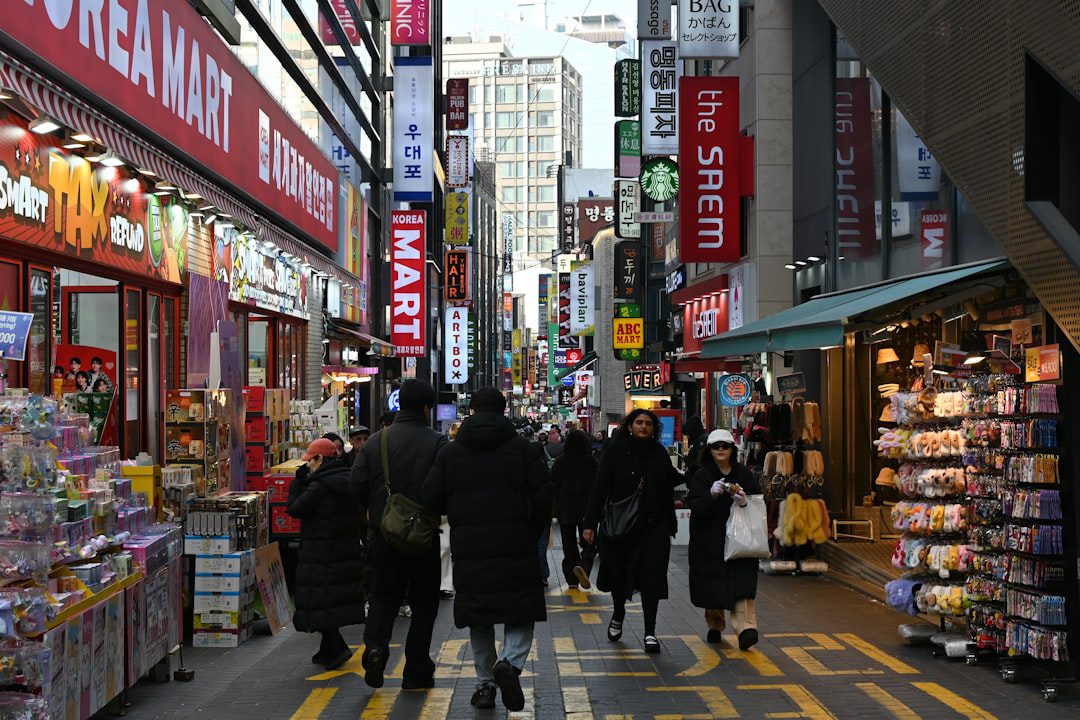
Back in 1998, I walked into a small stationery shop in Myeongdong with my Korean girlfriend, and I was absolutely floored. Here I was, a guy who’d grown up in the States surrounded by basic ballpoint pens and cheap notepads, and suddenly I was staring at an entire wall of gel pens—dozens of them—in colors and finishes I didn’t even know existed. We spent three hours in that shop. I bought seventeen pens that day, most of them costing less than ₩2,000 each. It became a running joke between us, but it introduced me to something I’d never realized Korea did brilliantly: stationery design and quality.
Fast forward to today, and Korea’s stationery industry is genuinely world-class. Whether you’re looking for exquisite Japanese-style notebooks, cutting-edge art supplies, luxury fountain pen refills, or affordable supplies for students, Seoul has become a paradise for stationery enthusiasts and artists. The Korean obsession with organization, note-taking, and beautiful design means even the most utilitarian supplies come in aesthetically pleasing forms.
If you’re visiting Seoul and you’re even slightly interested in quality pens, notebooks, or art materials, this guide will show you exactly where to find them—including the hidden gems most tourists never discover.
Why Seoul Is a Stationery Lover’s Paradise
Let me be honest: most tourists come to Korea for the food, the K-pop, or the skincare. But if you’re someone who gets genuinely excited about the perfect pen or a beautifully designed notebook, Seoul is an underrated destination. Here’s why.
Korea has invested heavily in design-forward consumer products, and stationery is no exception. The demand is enormous—Korean students and professionals are known for their meticulous note-taking habits, planners, and organization systems. This has created a competitive market where brands constantly innovate. You’ll find Korean stationery brands that rival or exceed Japanese quality at lower prices. Korean pen manufacturers produce ballpoint pens, gel pens, brush pens, and fountain pens that are exported worldwide under brands like Monami, Pentel, and others.
Additionally, Seoul’s stationery shops function differently than Western chains. They’re not just retail stores; many serve as inspiration spaces where customers browse, experiment, and design. Staff are often incredibly knowledgeable, and stores frequently feature displays that showcase creative uses for products. It’s a cultural thing—stationery shopping in Korea is treated as an experience, not a chore.
Ted’s tip: Visit stationery shops on weekday mornings (10 AM–12 PM) rather than evenings or weekends. You’ll have space to browse, staff can give you proper attention, and you’ll avoid the after-school rush of high school students.
Myeongdong: The Stationery Shopping Capital
If you visit only one neighborhood for stationery shopping in Seoul, make it Myeongdong. This bustling shopping district, accessible via Seoul Metro Line 4 (Myeongdong Station, Exit 6), has the highest concentration of stationery stores on the peninsula. Within a three-block radius, you can visit a dozen different shops ranging from massive chain stores to boutique paper specialists.
The Myeongdong Stationery Store Hub
| Store Name | What to Buy | Price Range | Hours |
|---|---|---|---|
| Artbox Myeongdong | Trendy stationery, cute supplies, gift items | ₩1,000–₩15,000 | 10 AM–11 PM daily |
| Daiso (multiple locations) | Budget basics, planners, organizers | ₩1,000–₩5,000 | 10 AM–10 PM daily |
| Morning Glory Stationery | Premium notebooks, fountain pens, luxury supplies | ₩5,000–₩50,000 | 11 AM–9 PM daily |
| Paperfriend | Specialty paper, limited-edition notebooks | ₩8,000–₩35,000 | 10:30 AM–9 PM daily |
| GS25 / CU Convenience Stores | Emergency pens, notebooks, sticky notes | ₩1,000–₩3,000 | 24 hours |
Myeongdong is chaotic but excellent. Start at Artbox Myeongdong (in the Lotte Young Plaza building, near the main intersection). This massive flagship store spans two floors and is genuinely overwhelming the first time you enter—in the best way. They stock thousands of items: Korean stationery brands, trendy desk supplies, decorative tape, sticky notes in every conceivable color, and gift-quality items. Prices are mid-range, and the store is always busy with a mix of locals and tourists. Don’t miss their limited-edition collaborations with K-pop idols and webtoon characters.
If Artbox feels too commercial, head one block over to Morning Glory Stationery. This is a more serious, curated space. They stock premium Japanese notebooks (Rhodia, Clairefontaine), high-end fountain pens, luxury paper, and supplies for illustrators and designers. The staff actually know pen nib sizes and paper weights. It’s pricier, but if you’re serious about quality, this is where you’ll want to spend your money. A single Tomoe River notebook can run ₩15,000–₩25,000, but the quality justifies it.
Ted’s tip: If you’re looking for deals in Myeongdong, visit Daiso. This Japanese ¥100 shop equivalent operates on a fixed-price model where most items are ₩1,000–₩3,000. Their planners, sticky notes, washi tape, and basic supplies offer incredible value. Pro: loads of cute designs. Con: lower quality than premium shops.
Insadong: Tradition Meets Design
Insadong (Seoul Metro Line 3, Anguk Station, Exit 6) is historically known as the antique and art district, but it’s also home to some of Seoul’s most unique stationery shops. What sets Insadong apart is the blend of traditional Korean arts and contemporary design. You’ll find brush sets for calligraphy, handmade paper (hanji), and art supplies alongside modern stationery.
Insadong’s strength is specialty shops rather than massive retail chains. Most stores are independently operated, and owners are often artists themselves. You’ll pay more here than in Myeongdong, but the curation is exceptional.
Key Insadong Stationery & Art Stores
| Store Name | Specialty | Price Range | Address (Korean) |
|---|---|---|---|
| Hanji Boutique | Handmade Korean paper, specialty notebooks | ₩8,000–₩40,000 | 종로구 인사동길 41-5 |
| Calligraphy Studio shops | Brush pens, ink, traditional art supplies | ₩3,000–₩25,000 | Scattered throughout Insadong |
| Munsinsa | Korean design brands, stationery collaborations | ₩5,000–₯50,000 | 종로구 인사동길 35 |
| Artist Supply Shops | Markers, colored pencils, sketching supplies | ₩2,000–₯30,000 | Scattered, near museums |
Hanji Boutique is a must-visit if you appreciate paper. They sell traditional Korean hanji (mulberry paper) in every weight, color, and finish imaginable. They also produce notebooks made from hanji—these are absolutely beautiful and make fantastic souvenirs. A standard hanji notebook costs ₩15,000–₩25,000. If you’re serious about it, they’ll custom-bind notebooks for you (₩40,000+, 1–2 week turnaround).
For calligraphy supplies, explore the side alleys of Insadong where you’ll find small studios selling brush pens, Chinese ink (먹, meuk), brush sets, and specialized paper for traditional arts. Prices are very reasonable—a quality brush pen set runs ₩8,000–₩15,000. These shops are also great for learning; many offer 30-minute demonstrations if you ask nicely.
Ted’s tip: Don’t miss the small shops tucked into the side alleys of Insadong. The main pedestrian street is touristy and overpriced, but venture one block left or right, and you’ll find locals’ favorite stationery shops with better prices and more character. Bring a translation app or point at what you want—shop owners appreciate the effort.
Gangnam & Apgujeong: Luxury & Design-Forward Stationery
If you want the most premium, design-forward stationery in Seoul, head to Gangnam or Apgujeong. These affluent neighborhoods host flagship stores of Korea’s most prestigious stationery and design brands, plus boutique shops catering to professionals and collectors.
Apgujeong (Seoul Metro Line 3, Apgujeong Station, Exit 4) is particularly strong for this. The neighborhood is known for designer goods and luxury retail, and stationery shops reflect this focus. Here you’ll find independent boutiques selling limited-edition notebooks, artist-designed stationery collections, and curated supplies imported from Japan and Europe.
Premium Stationery Neighborhoods Comparison
| Location | Best For | Price Level | Metro Access |
|---|---|---|---|
| Myeongdong | Variety, trendy items, gifts | Mid-range | Line 4, direct |
| Insadong | Art supplies, traditional crafts | Mid-high | Line 3, nearby |
| Apgujeong | Premium, limited-edition, design | High | Line 3, direct |
| Gangnam Station | Chain stores, commercial brands | Mid-range | Line 2, direct |
| Ewha Womans University Area | Student supplies, affordable | Budget | Line 2, nearby |
One standout in Apgujeong is Design Shop D, a minimalist space featuring curated stationery from international brands like Tsutaya (Japanese), Moleskine (Italian), and Korean indie designers. Their selection of notebooks runs the gamut from ₩8,000 budget options to ₩60,000+ luxury editions. The store also features rotating exhibitions where local designers showcase stationery collections, so there’s always something new to discover.
If you’re serious about fountain pens and luxury writing instruments, head to one of the specialty pen boutiques in Apgujeong like Fountain Pen House. These shops cater to serious collectors and carry brands like Montblanc, Kaweco, Lamy, and Pilot Vanishing Point. Expect to pay ₩100,000–₩500,000+ for quality fountain pens, but staff can match you with the perfect pen based on your writing style and preferences.
Ted’s tip: Apgujeong shops are expensive, but they often have items you can’t find anywhere else in Seoul. If you’re interested in limited-edition collaborations (often between Korean artists and international brands), this is where they appear first. Check Instagram for store accounts to see their latest collections before visiting.
Korean Stationery Brands Worth Buying
Part of the excitement of shopping for stationery in Seoul is discovering world-class Korean brands that are either unavailable or marked up internationally. Here are the Korean stationery brands that even locals actively seek out and gift:
Must-Try Korean Stationery Brands
| Brand | What They Make | Why Buy | Typical Price |
|---|---|---|---|
| Monami | Gel pens, ballpoint pens, markers | Smooth writing, cult-classic designs | ₩1,500–₩5,000 |
| Dong-A | Ballpoint pens, S-Pen series | Precision, ultra-smooth | ₩2,000–₯4,000 |
| Amos | Colored pencils, markers, sketch sets | Artist-quality, affordable | ₩8,000–₯25,000 |
| Artbox | Cute stationery, planners, accessories | Trendy, excellent gift options | ₩1,000–₯15,000 |
| Holbein Korea | Professional art supplies | Professional quality, locally produced | ₩15,000–₯80,000 |
| MRKT | Sustainable notebooks, eco-paper | Eco-conscious, locally designed | ₩12,000–₯30,000 |
Monami is genuinely iconic. Their pens are used by students across Asia, and for good reason—they’re smooth, reliable, and cost about 70% less than equivalent Western brands. The 3-color pen (3색 볼펜) is a rite of passage for anyone studying in Korea. But don’t sleep on their gel pen range, which comes in pastels and metallics that are perfect for bullet journaling.
Dong-A’s S-Pen line is what serious note-takers swear by. The ballpoint is incredibly precise with zero skipping, and the ink flow feels like butter. Buy a few—they make excellent gifts for office workers and students.
For artists, Amos colored pencils and markers offer professional-quality pigmentation at prices that won’t destroy your budget. A 36-color set runs ₩20,000–₩25,000, compared to ₩60,000+ for equivalent Copic sets.
Ted’s tip: Monami and Dong-A pens are beloved by planners and bullet journal enthusiasts worldwide. If you’re serious about journaling, buy multi-packs here—they’re significantly cheaper than international prices. A 10-pack of Monami gel pens costs ₩8,000–₩12,000 in Seoul versus ₩30,000+ online internationally.
Art Supply Stores: Where to Find Professional Materials
If you’re an artist, illustrator, or designer visiting Seoul, you’ll want to know where the serious art supply stores are. Seoul has several dedicated art supply shops that cater to professionals and students, with prices generally lower than Western equivalents.
Seoul’s Top Art Supply Destinations
| Store / Area | Best For | Location | Price Level |
|---|---|---|---|
| Yonsei-Ewha Art Supply Cluster | Everything: paints, brushes, canvas, tablets | Sinchon / Ewha area (Line 2) | Budget to mid-range |
| Namdaemun Market Art Section | Wholesale quantities, bulk purchasing | Namdaemun (Line 4) | Wholesale |
| Gangnam Seoul Art | Premium brands, professional supplies | Gangnam (Line 2) | High |
| Hongdae Art Supply Alley | Indie artists’ favorite, specialized items | Hongdae (Line 2) | Mid-range |
The Yonsei-Ewha area (near Sinchon, Seoul Metro Line 2, Ewha Womans University Station) is Seoul’s student art supply corridor. Here you’ll find dozens of shops clustered within walking distance, all competing on price and selection. This is where students studying at nearby universities shop, so prices are kept competitive. You’ll find acrylics, watercolors, markers, brushes, sketchbooks, drawing tablets, and specialty supplies. Staff aren’t always English-fluent, but they’re helpful.
Namdaemun Market (Line 4, Myeongdong Station) has a dedicated art supply section where you can buy in bulk. This is less relevant for tourists, but if you need large quantities (like for a group project or workshop), prices here are unbeatable. Minimum purchases are sometimes required.
For professional-grade supplies like Winsor & Newton acrylics, Faber-Castell colored pencils, and specialty papers, head to Gangnam Seoul Art in the Gangnam Station area. Prices are higher here (reflecting the premium positioning), but selection is comprehensive and staff are knowledgeable about technical specifications.
Ted’s tip: If you’re a digital artist, Korean art supply stores carry Wacom and Huion drawing tablets at prices significantly lower than Western markups. Hongdae has the best selection of tech-forward art supplies; many stores there cater to webtoon artists and digital illustrators.
Specialty Shopping: Notebooks, Planners & Journaling Supplies
Korea has a thriving notebook and planner culture. The obsession with organization and aesthetic planning has created an entire ecosystem of specialized notebook shops. If you’re into bullet journaling, productivity planning, or just love beautiful notebooks, Seoul is where you need to be.
Notebook Types & Where to Find Them
| Notebook Type | Best Place to Buy | Price Range | What to Look For |
|---|---|---|---|
| Bullet Journal Notebooks | Artbox, Myeongdong specialty shops | ₩8,000–₯20,000 | Dot grid, 100gsm+ paper weight |
| Luxury Notebooks (Moleskine, Rhodia) | Morning Glory, Design Shop D | ₩15,000–₯50,000 | Paper quality, binding, cover design |
| Korean Planners (위클리, 다이어리) | Artbox, Daiso, Lotte / E-mart | ₩5,000–₯15,000 | Layout, sticker sheets, refill options |
| Handmade / Hanji Notebooks | Insadong (Hanji Boutique) | ₩15,000–₯40,000 | Paper texture, Korean craftsmanship |
| Digital Planner Paper | Specialized art stores | ₩12,000–₯30,000 | Smooth paper, pencil-friendly surface |
Korean planners (위클리, pronounced “weekly”) are a specific category worth knowing about. These are weekly/daily planning notebooks that come with sticker sheets, decorative elements, and refill options. They’re designed with the Korean aesthetic—clean, organized, beautiful—and serve as both planning tools and art projects. Many people use them as bullet journals. Popular brands include Papyruth, Clue Note, and various Artbox collaborations. Prices range ₩8,000–₯15,000, and they make excellent gifts because they’re uniquely Korean.
If you’re serious about fountain pen writing, you’ll want to pair your pens with paper designed for them. Tomoe River paper (Japanese, sold in Korean shops) is the gold standard—ultra-smooth, fountain-pen friendly, and available in notebooks from ₩12,000–₯25,000. Morning Glory and specialty shops in Myeongdong carry these.
Ted’s tip: Korean planners operate on a yearly or academic calendar (September start), not a January start like Western planners. If you’re shopping in September or after, you’ll find new planners for the following “year.” Prices sometimes drop by 20–30% at the end of a season (around August), so timing your purchase can save you money.
Budget Shopping: Where to Save Money
I know not everyone visiting Seoul has a large budget for stationery. The good news? You can still find excellent quality supplies without breaking the bank. Here’s how.
Daiso is your friend. This Japanese fixed-price retailer operates in Seoul with stores in virtually every neighborhood. Everything is ₩1,000 or ₩1,500. You can stock up on notebooks, pens, sticky notes, washi tape, and organizational supplies for a fraction of what you’d pay elsewhere. Quality is lower than premium shops, but the value is unbeatable. Daiso is great for stationery gifts where quantity matters more than luxury.
Muji (무인양품) is another option if you prefer minimalist, well-designed supplies. They’re pricier than Daiso (₩3,000–₯15,000) but higher quality. Muji stores are in most subway stations and major shopping areas. Their notebooks and organizational supplies are beautiful and functional without being precious.
Convenience stores (GS25, CU, Emart24) stock basic stationery at low prices. If you forgot a pen or need emergency supplies, these are convenient and cheap (₩1,000–₩3,000).
Namdaemun Market and Myeongdong have wholesale vendors selling supplies in bulk. If you’re buying in quantity (e.g., 50+ pens for gifts), you can negotiate prices or find wholesale-only shops. This requires some Korean language ability or translation app skill, but the savings are significant.
Ted’s tip: After big holidays (Chuseok, Korean New Year), stationery shops discount unsold holiday-themed supplies by 30–50%. If you’re in Seoul after September 25 (post-Chuseok) or January 30 (post-New Year), check out Artbox and department store stationery sections for discounted seasonal items.
Shopping Guide by Neighborhood
Let me give you a quick reference guide based on where you’re staying or what you’re looking for:
Neighborhood Stationery Shopping Summary
| Neighborhood | Store Types | Best For | Time to Spend |
|---|---|---|---|
| Myeongdong | Chain stores, trendy boutiques | One-stop variety, gifts, mainstream brands | 1–3 hours |
| Insadong | Independent, artisan, specialty | Art supplies, traditional crafts, unique finds | 2–3 hours |
| Apgujeong | Luxury boutiques, design-forward | Premium notebooks, limited editions | 1–2 hours |
| Hongdae | Indie, artist-focused, eclectic | Contemporary art supplies, digital art tools | 2 hours |
| Ewha / Sinchon | Budget-friendly, student-focused | Professional art supplies, affordable prices | 1–2 hours |
| Gangnam | Department stores, major brands | Convenience, full range of supplies | 1 hour |
If you have limited time in Seoul, prioritize Myeongdong + Insadong as a combo. You can hit both in one day: Myeongdong in the morning (high energy, good for trending items), then Insadong in the afternoon (more relaxed, better for art supplies and unique finds). They’re both accessible via Metro, and a short taxi ride apart.
Practical Shopping Tips
Payment & Language
Most stationery shops in Seoul accept both cash and card. Credit cards (Visa, Mastercard) are widely accepted; American Express less so. Apple Pay and Samsung Pay work at many shops, but have a backup payment method.
English is spoken in larger chain stores (Artbox, Daiso) but less common in smaller independent shops. Download Naver Papago or Google Translate app for your phone—it handles Korean to English translation well. Staff in independent shops are usually friendly and willing to help even with a language barrier.
Sizes & Weights to Understand
If you’re buying notebooks or paper, you’ll encounter Korean terms:
- A4 (A4판): Standard paper size, most common for notebooks
- B5 (B5판): Slightly smaller, popular for planners
- gsm (그램): Paper weight. 70gsm is thin, 100gsm is thick (better for fountain pens)
- 점선 (dot grid) vs. 무선 (blank) vs. 선 (ruled): Line types for notebooks
Shipping & Duty
If you buy a lot and want to ship home, most larger shops can arrange international shipping for ₩30,000–₯100,000+ depending on weight. This is often more expensive than shipping yourself via postal service, but less hassle. Ask at the register.
Ted’s tip: If you’re buying souvenirs, remember Korea’s duty-free threshold. Most stationery items aren’t heavily taxed internationally, but check your home country’s customs regulations before buying large quantities. Stationery is lightweight, so luggage space is usually the constraint, not weight limits.
Online & Delivery Options
If you’ve found something you love but can’t carry more, Korea’s e-commerce infrastructure is exceptional. You can order online and have it shipped to your hotel or home country.
| Platform | Stationery Selection | International Shipping | Best For |
|---|---|---|---|
| Coupang | Excellent (Korean brands) | Limited; use Coupang Global | Quick domestic delivery |
| Naver Shopping | Extensive (all brands) | Some sellers offer it | Price comparison |
| Gmarket | Comprehensive | Yes, Global Gmarket | Bulk buying, wholesale |
| 11Street | Good (Korean brands) | Some sellers | Competitive pricing |
Coupang is Korea’s Amazon equivalent and has an excellent stationery section. If you’re staying more than a few days in Seoul, you can order on your first or second day and have items arrive by your last day via Coupang Rocket (same-day or next-day delivery in Seoul, ₩2,500). English-language support is growing but still limited.
Global Gmarket and Global 11Street allow international shipping of stationery to most countries, with costs ranging ₩15,000–₯50,000 depending on weight and destination. Shipping takes 7–21 days. This is useful if you find specialty items unavailable internationally.
Frequently Asked Questions
What’s the best Korean stationery brand to buy as a souvenir?
Monami pens and Dong-A S-Pens are the most beloved. They’re affordable (₩2,000–₯5,000), work beautifully, and occupy special cultural status in Korea. Multi-packs make excellent gifts. For something more upscale, hanji (traditional Korean paper) notebooks from Insadong are beautiful and distinctly Korean.
Are Korean stationery prices cheaper than international prices?
Yes, significantly. Korean brands like Monami, Dong-A, and Amos cost 40–60% less in Seoul than when purchased internationally online or through imports. Imported brands (Moleskine, Copic, Faber-Castell) are slightly cheaper in Seoul but not dramatically. The real value is in Korean-exclusive brands and limited editions.
Can I buy art supplies in Korea if I’m a professional artist?
Absolutely. Professional-grade art supplies are available in Seoul—Winsor & Newton paints, Copic markers, Holbein, etc.—often at prices better than Western markups. Gangnam Seoul Art and Yonsei-Ewha art supply stores have the best professional selections. Professional artists sometimes prefer shopping in Seoul for specific items unavailable at home.
Are Korean notebooks as good as Japanese notebooks?
Korean notebooks are excellent, though they occupy a slightly different market. Japanese notebooks (Rhodia, Clairefontaine, Tomoe River) are considered the gold standard for fountain pen writing. Korean notebooks excel in design, organization, and aesthetic appeal. For serious fountain pen enthusiasts, Japanese paper is preferable. For overall quality and design, Korean options are competitive.
What’s the difference between Artbox and other stationery chains?
Artbox focuses on trendy, cute, and design-forward stationery with frequent K-pop and webtoon collaborations. It’s better for gifts and trending items. Morning Glory or specialized shops are better for serious supplies and premium notebooks. Daiso is best for budget basics. Choose based on your priority: trend vs. quality vs. budget.
Do stationery shops in Seoul accept foreigners’ payment methods?
Most major chains (Artbox, Daiso, Muji) accept credit cards and mobile payments. Independent shops in Insadong or Apgujeong may prefer cash. Have both available. American Express is less universally accepted than Visa/Mastercard. Larger stores often have English-speaking staff or translation apps for assistance.
Can I take stationery back to my country without customs issues?
Stationery is generally duty-free in most countries. Pens, notebooks, and art supplies face minimal or no import duties. Check your specific country’s customs website, but typically stationery is unrestricted. Weight and luggage space are usually your only constraints.
What time of year has the best stationery sales in Seoul?
Post-holiday sales (late August after back-to-school season, late January after New Year) offer 20–50% discounts on seasonal items. Black Friday (late November) also brings promotions. Year-round, Daiso and convenience stores maintain consistent low prices. Academic calendar discounts happen in August–September and December–January.
Final Thoughts
There’s something magical about discovering world-class stationery in a place you didn’t expect to find it. Thirty-five years ago, when I walked into that shop in Myeongdong, I thought Korea was just known for technology and food. I had no idea that pens and notebooks would become one of my favorite things to shop for here.
What makes stationery shopping in Seoul special isn’t just the products—though the quality is genuinely impressive—it’s the culture around it. Koreans treat stationery with respect. They use beautiful pens for serious work, they plan carefully, and they appreciate the aesthetics of organization. When you shop for stationery here, you’re not just buying supplies; you’re buying into that philosophy.
Whether you’re a serious collector, a student, a casual planner, or just someone who appreciates beautiful things, Seoul has something for you. Start in Myeongdong if you want variety, explore Insadong if you want character, and venture to Apgujeong if you want luxury. You’ll leave with better supplies than you expected, and probably a deeper appreciation for the art of making something as simple as a pen feel special.
— Ted K
Image Credits: Photos sourced from Unsplash. By using this site, you agree to our Privacy Policy and Disclaimer.