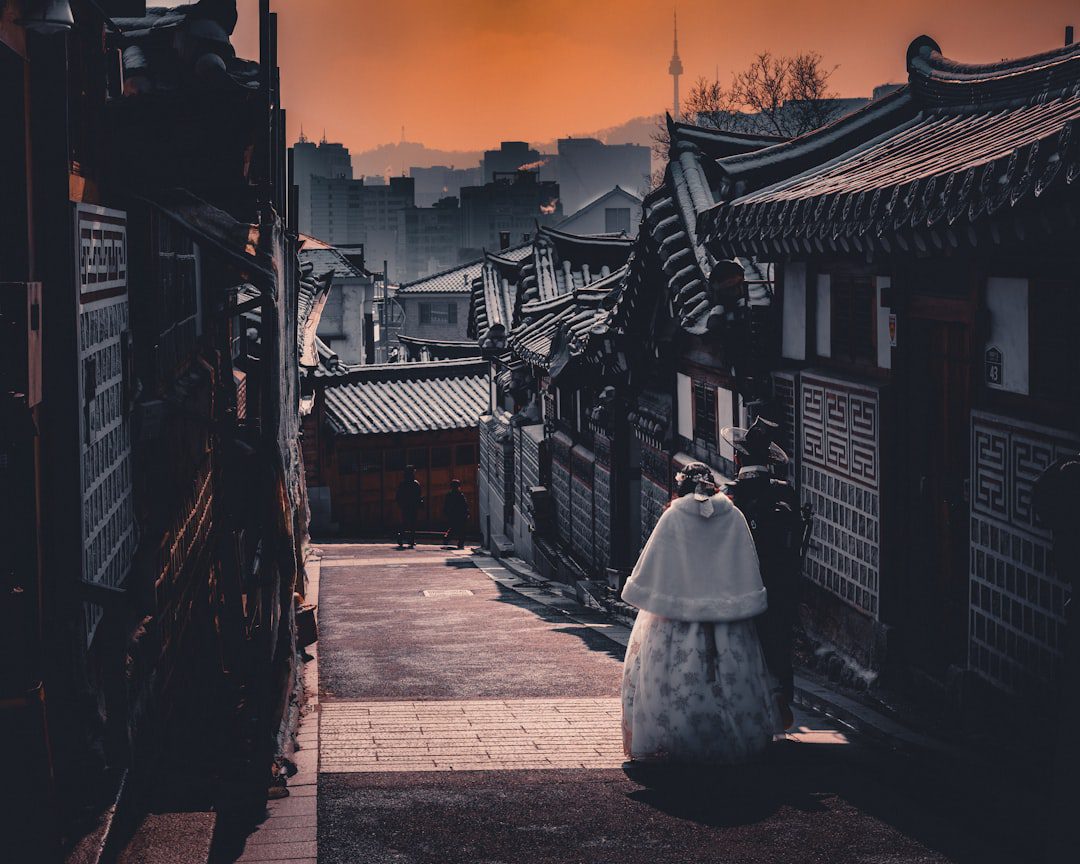
I still remember the first time I visited Korean Folk Village—it was 1992, and I’d only been in Korea for a couple of years. I was trying to understand the real texture of Korean life beyond Seoul’s concrete and neon, and my Korean colleagues insisted I needed to see what life looked like before the industrial boom. That single afternoon changed how I understood this country’s identity. Thirty-four years later, I’ve brought countless friends and family members through those gates, and it never gets old.
Korean Folk Village (한국민속촌) in Yongin is unlike any museum you’ll find in the West. It’s not behind velvet ropes or glass cases—you’re walking through actual reproduced traditional homes, watching artisans work, seeing folk performances happen in real time. It’s the closest thing to time travel you’ll get in South Korea, and it’s genuinely one of the best ways to understand Korean culture if you’ve only got a day or two outside Seoul.
Here’s everything you need to know about making the most of your visit.
What Is Korean Folk Village?
Korean Folk Village is South Korea’s largest open-air museum dedicated to preserving and showcasing Joseon-era (1392–1910) village life. Opened in 1974, it spans 234 acres and features over 260 traditional buildings—some original, some meticulous reconstructions—arranged to recreate authentic village layouts from different regions of Korea.
The village isn’t just a static display. You’ll find craftspeople working in real time: potters, blacksmiths, weavers, basket makers, and traditional wine brewers. There are scheduled folk performances, martial arts demonstrations, and seasonal festivals that transform the space into something genuinely alive.
Ted’s tip: Don’t think of this as a museum where you passively observe. The best experiences here come from interaction. Watch the blacksmith make tools, talk to the craftspeople (many speak some English), participate in activities when offered, and ask questions. This isn’t a place to rush through.
Getting There: Location & Transportation
Address & Basic Info
| Detail | Information |
|---|---|
| Address | 30, Nongsangyo-ro 695beon-gil, Cheoin-gu, Yongin-si, Gyeonggi-do |
| Distance from Seoul | ~35 km (45 minutes to 1 hour by car/bus) |
| Phone | +82-31-288-0000 |
| Website | www.koreanfolk.co.kr |
Getting There by Public Transport
The village is most easily reached via bus from Seoul. Here’s the breakdown:
| Option | Starting Point | Travel Time | Cost |
|---|---|---|---|
| Express Bus | Seoul Express Bus Terminal (Gangnam) | 45 mins | ₩3,800–4,500 |
| Shuttle Bus | Yongin-si Bus Station | 20 mins | ₩2,000–2,500 |
| Tour Bus Package | Various Seoul hotels | Roundtrip | ₩40,000–70,000 |
| Subway + Shuttle | Yongin-si Station (Line D, Bundang) | Shuttle from station | ₩3,000–4,000 total |
Ted’s tip: If you’re traveling solo or with one other person, the express bus from Seoul Express Bus Terminal is your best bet—direct, cheap, and runs frequently (roughly every 30 minutes). If you have a group of 4+, consider splitting a taxi from Yongin-si Station (roughly ₩25,000–30,000), which is faster and more convenient.
By Car
If you’re renting a car, the village is easily accessible via the Youngdong Expressway (경영고속도로) heading east from Seoul. Free parking is available on-site. Driving from central Seoul typically takes 45 minutes to 1 hour depending on traffic.
Hours, Admission & Tickets
| Season | Hours | Adult Admission | Child/Senior |
|---|---|---|---|
| March–October | 9 AM–6 PM | ₩35,000 | ₩25,000 |
| November–February | 9 AM–5 PM | ₩30,000 | ₩20,000 |
| Closed | Every Monday | — | — |
Prices are subject to change, so I recommend checking the official website before you go. Children under 4 and seniors over 75 enter free. Group discounts (10+ people) bring the adult price down to roughly ₩28,000–30,000.
Ted’s tip: Combine your visit with a hanbok rental before you arrive. Many hanbok shops in Seoul will let you rent directly, or the Folk Village itself offers onsite rental (roughly ₩15,000–25,000 for basic styles). Walking through the village in period costume is not just more immersive—it genuinely changes how people interact with you. You’ll get way more photos, craftspeople are more patient, and you’ll feel the space differently.
Village Layout & Key Areas
Korean Folk Village is sprawling, and you’ll cover roughly 2–3 km of walking in a full visit. It’s organized into distinct zones representing different regions and social classes of Joseon Korea.
Upper-Class Residential Area (양반촌)
This section features the homes of yangban (양반)—the aristocratic scholar-official class. These houses are larger, with multiple courtyards, decorative tile roofs, and intricate wooden details. The architecture reflects Confucian principles: separate spaces for men and women, hierarchical room arrangements, and prominent scholars’ studies.
Notable buildings here include reproduction homes from Andong and Hahoe villages, featuring traditional sliding paper doors (한지 문) and ondol (온돌—traditional floor heating).
Common People’s Residential Area (평민촌)
Here you’ll see smaller, more modest homes reflecting how the majority of Joseon Koreans actually lived. Thatched roofs, single-room or two-room layouts, and compact courtyards are the standard. The simplicity is striking—there’s something grounding about seeing how much life could fit into 20 square meters.
Marketplace Area (시장)
This recreated marketplace features merchant stalls, food vendors, and craft shops. On performance days, it becomes lively with street musicians and demonstrations. It’s one of the most photogenic parts of the village.
Craft Workshop Area (공예촌)
This is where the real magic happens. You’ll find active studios for pottery, weaving, blacksmithing, woodworking, traditional wine fermentation, and basket weaving. Artisans work here daily, and many will explain their techniques or let you try your hand at something simple.
Temple & Religious Spaces
A Buddhist temple, a Confucian shrine, and traditional folk religion sites are scattered throughout. These spaces show the spiritual diversity of Joseon Korea and are architecturally significant.
Ted’s tip: Grab a map at the entrance (provided free in English, Korean, Japanese, and Chinese). The village is easy to get lost in, and a map helps you prioritize based on opening times of specific craft workshops and performance schedules.
Traditional Performances & Events
Korean Folk Village hosts scheduled performances throughout the day, and timing your visit around these is crucial. They’re authentic reproductions of traditional Korean entertainment—not touristy versions.
| Performance | Description | Frequency | Typical Times |
|---|---|---|---|
| Nongak (농악) | Percussion drum dance with farmers’ movements | Daily | 11:00 AM, 2:00 PM, 4:00 PM |
| Talchum (탈춤) | Mask dance theater | Daily | 1:00 PM, 3:30 PM |
| Samulnori (사물놀이) | Four-drum percussion ensemble | Weekends | 1:00 PM, 3:00 PM |
| Traditional Wedding Ceremony | Full Joseon-era wedding reenactment | Weekends | 2:00 PM |
| Martial Arts Display | Taekkyeon (traditional Korean martial art) | Sat–Sun | 11:00 AM, 3:00 PM |
| Pansori (판소리) | Traditional narrative vocal performance | Seasonal | Check schedule |
Performance schedules vary by season and can change, so verify on the official website or at the entrance when you arrive. Weekend visits are almost always more lively with additional performances and larger crowds.
Ted’s tip: The traditional wedding ceremony on weekends is genuinely moving—full music, bowing, the whole ritual. If you want to participate (and many do), arrive early. The nongak performance is the most accessible if you have no knowledge of Korean culture—it’s visual, energetic, and the drum rhythms are hypnotic.
Dining at the Village
You’ll get hungry during a full visit, and the Folk Village has several food options. None are cheap, but they’re reasonably authentic.
| Restaurant | Cuisine Type | Average Price | Notes |
|---|---|---|---|
| Folk Village Restaurant | Traditional set meals (bapsang) | ₩12,000–18,000 | Multiple small side dishes, rice, soup. Most filling option. |
| Sujebi Café | Kalguksu-style noodles | ₩8,000–10,000 | Traditional hand-cut noodles, quick service |
| Makgeolli & Anju Tent | Rice wine + snacks | ₩5,000–12,000 | Rustic, casual. Good for afternoon snacks. |
| Tteokbokki & Hotteok Stalls | Street snacks | ₩3,000–6,000 | Quick bites between areas |
My recommendation: eat lunch at the Folk Village Restaurant around noon (11:30 AM is ideal to avoid crowds), then snack on street food throughout the afternoon. Prices are higher than Seoul (you’re a captive audience), but the experience of eating traditional food while surrounded by a Joseon-era setting is worth it.
Ted’s tip: Bring some snacks from outside if you’re budget-conscious. A convenience store at the entrance area sells kimbap, gimbap, and drinks at normal Seoul prices. I’m not ashamed to say I’ve eaten a convenience store lunch on a bench in the village. The key is to not let food logistics dominate your time—you want to be looking around, not standing in a restaurant line.
Craft Workshops & Hands-On Activities
The real value of Korean Folk Village isn’t passive observation—it’s participation. Several workshops offer hands-on experiences where you can try traditional crafts yourself.
Available Activities
| Activity | Location | Duration | Cost | Difficulty |
|---|---|---|---|---|
| Pottery Wheel | Craft Workshop Area | 20–30 mins | ₩10,000 | Easy-Moderate |
| Calligraphy (Hanja) | Scholar’s Study | 15–20 mins | ₩5,000–8,000 | Easy |
| Hanji (Paper) Making | Paper Workshop | 30 mins | ₩8,000–12,000 | Easy |
| Basket Weaving | Craft Workshop Area | 45 mins–1 hour | ₩15,000–20,000 | Moderate |
| Makgeolli (Rice Wine) Tasting | Fermentation House | 20–30 mins | ₩10,000–15,000 | Easy |
| Traditional Costume Photo Op | Rental area | Flexible | ₩15,000–25,000 | None |
Not all workshops are always available—availability depends on season, day of week, and staff scheduling. The pottery wheel and calligraphy are your most consistent bets.
Ted’s tip: Do the pottery wheel. Yes, it’s touristy. Yes, it costs money. But there’s something about shaping clay on a spinning wheel in a traditional Korean workshop that genuinely connects you to the craftsmanship of Joseon artisans. You won’t make a masterpiece in 30 minutes, but you’ll understand the skill it takes. Many workshops will let you take your piece, but it’s typically fired and mailed to you weeks later.
Planning Your Visit: Best Times & Seasons
Seasonal Considerations
| Season | Weather | Crowds | Vibe | Best For |
|---|---|---|---|---|
| Spring (Mar–May) | Mild, sometimes rainy | Moderate-High (April–May) | Blossoms, renewal | Photography, outdoor time |
| Summer (Jun–Aug) | Hot, humid, frequent rain | Very High | Festival season | If you love crowds; brings out seasonal events |
| Autumn (Sep–Nov) | Cool, dry, perfect | Moderate | Fall foliage, clear skies | BEST OVERALL — comfortable walking, photography ideal |
| Winter (Dec–Feb) | Cold, occasional snow | Low | Quiet, contemplative | Peaceful visit, closes early (5 PM) |
My honest take: Autumn (especially October) is your ideal window. The weather is perfect for walking, the light is golden for photography, and the village feels less overwhelming than summer without being depressing like winter. If you go in summer, go on a weekday morning (Tuesday–Thursday, opening time) to avoid peak crowds.
How Much Time Do You Need?
This depends entirely on your interest level:
- Quick visit (2–3 hours): Main residential areas, one or two performances, marketplace. Gives you the sense of the place but you’ll miss craft workshops.
- Standard visit (4–5 hours): ALL major areas, at least two performances, one hands-on activity, lunch. This is my recommended sweet spot.
- Deep dive (6–8 hours): Everything above plus multiple craft activities, detailed exploration, museum exhibits. Only do this if you’re genuinely fascinated by Joseon-era life.
Ted’s tip: Arrive when the gates open (9 AM). You get a 1–2 hour window before tour groups and families arrive. Use this time to walk through residential areas and get good photos without 50 people in every frame. Plan performances for mid-day (11 AM–3 PM) when crowds are heaviest—at least you’ll be entertained while standing with them. End your visit with a walk through quieter craft areas around 4 PM.
Photography Tips & What to Expect
Korean Folk Village is ridiculously photogenic—I’m talking postcard-worthy at every turn. But there are strategic ways to maximize your shots.
Best photo spots: The marketplace area, the upper-class homes during golden hour (late afternoon), bridges over small streams, and any of the craft workshops with artisans actively working. The residential streets are also perfect for wide-angle landscape shots.
What NOT to do: Don’t be the person trying to get an empty street photo at 2 PM on a weekend—it’s not happening. Korean Folk Village is popular, and that’s okay. Work with it. Get photos with people in them. Those are the ones that feel most alive when you look back on them years later.
The village provides genuinely good lighting conditions year-round due to the traditional architecture and open spaces, but autumn gives you the best overall light. Winter is moody and atmospheric if you’re into that aesthetic.
Ted’s tip: If you’re wearing hanbok, expect to be asked for photos constantly—by other tourists, families, school groups. This sounds annoying, but it’s actually charming. Koreans see hanbok wearers as part of the experience, and you’ll have instant access to social moments you wouldn’t otherwise get. I’ve made genuine friends with random Korean families while wearing traditional dress at this village.
Related Experiences & Day Trip Combinations
If you’re making the journey to Yongin, you can optimize your day by combining Korean Folk Village with nearby attractions:
Everland Theme Park: Located roughly 10 minutes away from the Folk Village. Both are in the same Yongin area. If you’re bringing children, you could do Folk Village in the morning and Everland in the afternoon, though that’s rushed.
Korean ceramics & pottery experiences: If you’re interested in deeper craft learning, check out our guide to Korean pottery and ceramics classes in and around Seoul. Many are closer to the city if you want to extend your craft experience.
Temple experiences: If you enjoyed the spiritual spaces within the Folk Village and want to go deeper, consider a visit to an actual functioning Buddhist temple. We have guides on Korean temple food and Buddhist experiences that show you how to participate in temple life authentically.
Historical sites: The Suwon Hwaseong Fortress is another excellent Joseon-era historical site, about 30 minutes away. If you’re doing a “historical Korea” day, you could combine both locations, though you’d need a car or flexible timing.
Ted’s tip: Don’t try to cram too much in one day. Korean Folk Village deserves its own 4–5 hour visit. If you want to add Everland, do that on a separate day, or make it an evening plan (Everland has night hours). You’ll get more out of both experiences.
What to Bring & What to Know
Here’s the practical stuff that actually matters when you’re there:
| Item/Info | Why It Matters |
|---|---|
| Comfortable walking shoes | You’ll walk 2–3 km on uneven paths, dirt, and stone. Sneakers or good hiking shoes only. |
| Sun protection (hat, sunscreen) | Limited shade in many areas. Korean sun is no joke in spring/summer/autumn. |
| Portable phone charger | You’ll be taking photos all day and will need GPS to navigate the sprawling grounds. |
| Cash (₩30,000+) | Some craft workshops only take cash. ATMs are at the entrance. |
| Layers (all seasons) | Inside buildings it’s cool; outside in sun it’s warm. Temperature swings are real. |
| Lightweight backpack | You’ll pick up crafts, snacks, souvenirs. A bag is essential. |
| Google Translate app | Some interpretive signs are Korean-only. Helpful for craftspeople interactions too. |
Ted’s tip: Rent a wheelchair or pram cart if you’re with young kids or have mobility concerns. The distance is substantial, and the paths aren’t all paved. The rental station is near the entrance (roughly ₩10,000–15,000).
Frequently Asked Questions
Is Korean Folk Village worth visiting?
Absolutely, especially if you want to understand Korean history and culture beyond Seoul’s modernity. It’s one of the few places in Korea where you can physically walk through a Joseon-era village and interact with traditional crafts. If you’re only in Korea for 2–3 days and all within Seoul, I’d prioritize closer attractions like Ikseon-dong’s hanok alley. But if you have a flexible day trip budget, the Folk Village is genuinely invaluable for context.
Can I visit in winter? Is it worth it?
Yes, you can—it closes at 5 PM instead of 6 PM, which is your only real constraint. Winter visits are magical if you enjoy quiet, contemplative experiences. Fewer tourists, snow occasionally dusts the traditional roofs beautifully, and there’s a kind of peaceful authenticity when it’s not crowded. That said, the cold limits how long you can comfortably walk. A 3-hour visit works better in winter than 5 hours.
How much Korean language do I need?
None. The village has English signage in most major areas, staff speak some English at key points, and craft workshops are intuitive enough that language doesn’t matter much. That said, knowing a few key words (thank you = gamsahamnida감사합니다, excuse me = sillyehamnida실례합니다) helps with interactions and is always appreciated.
Are there bathrooms throughout the village?
Yes, but they’re limited. Main facilities are near the entrance, marketplace, and craft areas. Plan accordingly, and don’t wait until you’re desperate. They’re clean and typically have both Korean-style (floor) and Western-style (sitting) toilets.
Can I bring my own food?
Technically, outside food is somewhat discouraged, but enforcement is lax. I’ve seen people eating packed lunches on benches. Just be respectful and don’t leave garbage. If you want to bring convenience store food, do it discreetly.
What if I only have 2 hours?
Do the quick hit: enter, walk the main marketplace area, catch one performance (aim for 11 AM nongak), grab lunch, leave. You’ll get a taste, but you’ll want to return. Don’t try to see everything in 2 hours—it’s impossible and you’ll be frustrated.
Is there a gift shop?
Yes, at the entrance. Typical Korean folk craft items: small pottery pieces, hanji bookmarks, traditional candies. Prices are tourist-level (more expensive than you’d pay in Seoul shops), but the items are quality. Nothing you can’t find elsewhere, but the “bought at Korean Folk Village” souvenir factor is real.
Can I buy the crafts made during hands-on activities?
Sometimes. Pottery and some hanji pieces can be purchased if you want to keep them, though pottery typically needs firing and shipping. Prices vary. Ask instructors directly—they’re usually accommodating.
Final Thoughts
After 35 years in Korea, I’ve watched this country transform from a place of traditional villages to one of the world’s most advanced technological societies. In many ways, Korean Folk Village is a kind of time capsule—a place where that transformation is halted, preserved, honored. It’s not a museum that makes you feel like an observer behind glass. You’re walking through history, touching it, sometimes participating in it.
What strikes me most about returning to the Folk Village over the decades is how it grounds international visitors in Korean identity. You see the home where a yangban scholar studied Confucian texts. You watch a craftsperson throw pottery using techniques unchanged for 400 years. You participate in a traditional wedding ceremony. These aren’t abstract historical facts—they become embodied knowledge. You understand, viscerally, how Koreans lived, what they valued, how their philosophy shaped their spaces.
If you’re visiting Korea and want more than street food, shopping, and nightlife, Korean Folk Village is the answer. It’s a full-day experience that will make you understand modern Korea so much better. And honestly? It’s just beautiful. The light through the paper doors, the smell of wood and earth, the sound of traditional drums echoing across the village at 3 PM on an autumn afternoon—those sensory memories stick with you.
Go on a weekday if you can. Wear hanbok if you’re feeling it. Try the pottery wheel. Watch the nongak dancers. Eat traditional food in a Joseon-era setting. And just let yourself feel transported, even if just for an afternoon.
— Ted K
Image Credits: Photos sourced from Unsplash. By using this site, you agree to our Privacy Policy and Disclaimer.