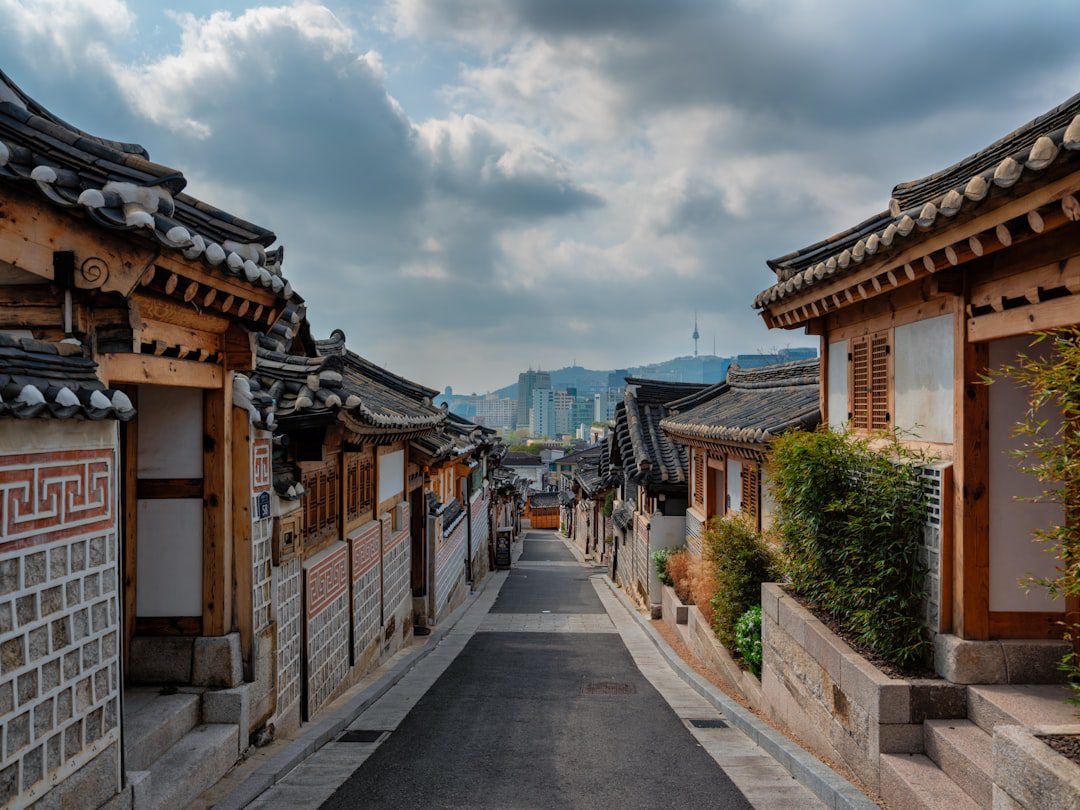
I still remember the day, back in 1993, when I first stumbled into what’s now called Ikseon-dong. My Korean wasn’t great back then—I could barely order a coffee—and I wandered down a narrow alley lined with sagging wooden hanoks (traditional Korean houses) that looked like they might collapse any minute. An elderly woman was sweeping her front step. She smiled and offered me persimmons from her yard.
Fast forward three decades, and that same alley has transformed into Seoul’s most charming blend of past and present. Those ramshackle hanoks? They’re now boutique cafes, concept shops, and galleries. That woman’s home might be a trendy dessert spot now. But here’s the thing—and this is what makes Ikseon-dong different from overtouristed Bukchon—it still feels real. Locals still live here. The modernization didn’t erase the soul.
If you want to experience Seoul like someone who’s actually lived here for 35 years, Ikseon-dong is where I bring visitors. It’s where you’ll find the best hanok cafe culture in the city, hidden gem boutiques, and a neighborhood that hasn’t completely surrendered to Instagram influencers (though they’re definitely here now). Here’s everything you need to know about this extraordinary place.
What Is Ikseon-dong & Why It Matters
Ikseon-dong (익선동) sits in Jongno-gu, just south of Jongmyo Shrine and east of Insadong. The name comes from two Chinese characters: “ik” (益, meaning benefit) and “seon” (仙, meaning immortal)—a poetic name for what’s essentially Seoul’s most intact traditional residential hanok neighborhood.
Unlike Bukchon Hanok Village, which was designated as a cultural preservation zone and feels somewhat museumified, Ikseon-dong evolved organically. Young business owners and artists saw potential in the crumbling hanoks and quietly started opening cafes, concept stores, and galleries. There was no grand master plan—just passionate people respecting the bones of these 50-100 year old buildings while injecting contemporary life into them.
Ted’s tip: Come on a weekday morning (Tuesday-Thursday, 9-11am) if you want the authentic local vibe. Weekends see Seoul’s entire 25-million-person metro area funneling through these narrow alleys. I’m not exaggerating.
The neighborhood spans roughly 4 square blocks, but it feels much larger because the winding alley system is deliberately confusing. This isn’t accidental—the original urban design was meant to confuse invaders during the Joseon Dynasty. Now it just confuses tourists, which I love because it keeps the neighborhood from feeling like a theme park.
| Key Info | Details |
|---|---|
| Location | Jongno-gu, Seoul (북쪽 종로구) |
| Nearest Subway | Jongno 3-ga Station (Line 1, 3, 5) — Exit 5 |
| Walking Time from Station | 8-12 minutes |
| Best Time to Visit | Weekday mornings or late afternoon |
| Entry Cost | Free to wander; cafes are cheap (₩5,000-10,000) |
| Photography | Instagram gold, but ask permission in homes |
Getting There: The Navigation Challenge
Here’s the honest truth: Ikseon-dong doesn’t have a single clear entrance. There are multiple ways to enter, and this is actually intentional. The neighborhood has evolved to have roughly three main “entrances,” each leading to different cafe clusters.
From Jongno 3-ga Station (Most Direct)
Exit at Jongno 3-ga Station, Line 1, 3, or 5 — specifically Exit 5. You’ll emerge near a cluster of old restaurants and street food vendors. Walk south (away from the main Jongno avenue) and you’ll see the first hanok buildings. The alley entrance is slightly tricky—look for a narrow passage between an old building and a convenience store, or follow the foot traffic if it’s a weekend (not recommended, but it works).
From here, you’re at the western entrance, which leads to some of the most Instagram-friendly cafes and concept shops. This is where the density of businesses peaks—you’ll hit your first 10-15 cafes within 5 minutes of walking.
From Insadong Direction (Southern Entry)
If you’re coming from Insadong (which I recommend combining with an Ikseon-dong visit), head north on the main Insadong road. As you approach Jongno, look for a smaller alley heading northeast. You’ll pass some traditional Korean restaurants and suddenly you’re in hanok territory. This entry point is quieter and feels more authentic because fewer tourists know about it.
From Jongmyo Shrine (Eastern Entry)
The quietest approach. Exit Jongno 3-ga Station at Exit 6 and walk toward Jongmyo Shrine. The neighborhood’s eastern edge connects directly to the shrine grounds, and you’ll enter through a completely different character of alley—more residential, fewer cafes, more actual homes.
Ted’s tip: Download Naver Maps or Kakao Map before you go. Google Maps often directs you incorrectly in these neighborhoods. Search “익선동” and you’ll see the hanok cluster marked. Offline maps are your friend.
| Entry Point | Best For | Crowdedness | Vibe |
|---|---|---|---|
| Jongno 3-ga Exit 5 | Cafes & Instagram | Very Busy | Commercial |
| From Insadong North | Exploring on foot | Moderate | Authentic |
| Jongmyo Shrine East | Locals & quietness | Light | Residential |
The Cafe Culture: More Than Just Coffee
When I say Ikseon-dong is a cafe neighborhood, I don’t just mean places that serve coffee. Each cafe is a concept, an experience, a small rebellion against Seoul’s corporatized coffee chains. You’ll find cafes dedicated to vintage books, ceramics, indie records, dried flowers, and forgotten Korean craft traditions.
The prices are remarkably affordable for Seoul. Most coffees run ₩5,000-7,000 (about $4-5.50 USD), and many cafes encourage you to linger for hours without ordering additional items. This is the opposite of Seoul’s chain-cafe culture, where space is premium and turnover is king.
Essential Ikseon-dong Cafes
Bookshop Cafe (느티나무 카페) — This one I’ve watched transform over the years. It started as a tiny used bookshop in the 1990s, and now it’s three interconnected hanok buildings filled with vintage Korean literature, art books, and an excellent pour-over coffee program. The barista, Min-jun, has been there since 2008. Order the coffee and ask him about the history of each book section. Hours: 11am-7pm daily. Website has their current inventory.
Millimeter Milligram (밀리미터 밀리그램) — The name references precision in measurement. It’s a concept cafe for people who are obsessed with coffee preparation, pourover technique, and specialty beans. The owner sources single-origin coffee from small roasters across Korea and East Africa. This is where Seoul’s coffee geeks come. Expect to pay ₩8,000-10,000 for their signature pours. Open 10am-7pm, closed Mondays.
Sosim (소심) — A ceramics-focused cafe in a 70-year-old hanok. The owner is a ceramicist, and every mug, plate, and serving vessel is handmade—many by her. You’re literally drinking coffee from functional art. The interior is sparse and meditative. Coffee is ₩6,000. Open 11am-6pm, closed Tuesdays.
Noeul (노을) — My personal favorite, though I’ll admit bias because the owner, Ji-won, has been a friend since 2005. It’s a photo gallery and cafe combination in a converted family home. She hosts rotating exhibitions of documentary and street photographers. The coffee is secondary here—you’re coming for the art. Free entry. Coffee ₩5,500. Open 10:30am-7pm daily.
Yeonnam Bread (연남 브레드) — Not primarily a cafe, but one of the few places in Seoul making sourdough correctly. These are true artisan loaves—long fermentation, open crumb, real flavor. You can buy by the slice to eat in the tiny seating area. A full loaf is ₩7,000-9,000 depending on the type. Open 8am-8pm daily. Often sells out by 5pm.
| Cafe Name | Specialty | Coffee Price | Hours | Vibe |
|---|---|---|---|---|
| Bookshop Cafe | Vintage books + coffee | ₩6,000 | 11am-7pm | Literary, contemplative |
| Millimeter Milligram | Specialty coffee | ₩9,000 | 10am-7pm | Precise, technical |
| Sosim | Ceramics + coffee | ₩6,000 | 11am-6pm | Meditative, artistic |
| Noeul | Photo gallery + cafe | ₩5,500 | 10:30am-7pm | Curated, intimate |
| Yeonnam Bread | Artisan sourdough | ₩3,000/slice | 8am-8pm | Casual, neighborhood |
Ted’s tip: Most of these cafes are not on Google Maps in English. You’ll need Korean language skills or a translation app to verify hours before visiting. Cafe owners in Ikseon-dong are often working solo or with one staff member, and hours can shift seasonally.
The Architecture: Understanding Hanok Design
To truly appreciate Ikseon-dong, you need to understand what you’re looking at. Every single hanok building in this neighborhood tells a story about how Korean families lived before the 1970s modernization rush.
A traditional hanok has distinct characteristics: a sloping tile roof (often with curved eaves), wooden pillars and beams that support the structure without nails, sliding doors and windows with rice paper (now usually glass), and crucially, an inner courtyard called a “madang” (마당) that serves as the family’s outdoor living room.
The layout is always similar: the living spaces (ondol-heated rooms with raised wooden or stone floors) surround a central courtyard, with the kitchen usually positioned to maximize heat distribution in winter. The bathroom? Usually an outhouse out back—modern renovations have changed this, thankfully.
What’s remarkable about Ikseon-dong’s hanoks is their age and preservation. Many date to the 1920s-1950s, making them 70-100+ years old. When cafe owners and shop operators moved in over the past 15 years, they made a collective decision: preserve the architectural bones, modernize the interior functionality. You’ll see electricity and plumbing discreetly hidden, while the structural integrity and aesthetic remain intact.
The Restoration Philosophy
This is where Ikseon-dong differs from Bukchon Hanok Village or other tourist-oriented hanok areas. There’s no official preservation mandate. No government body is forcing owners to maintain “authenticity.” Instead, there’s a grassroots respect for the buildings themselves—almost a spiritual reverence for the wood, the craftsmanship, the generations who lived here.
You’ll notice that while interiors are completely modernized with proper heating, air conditioning, and plumbing, the exteriors remain faithful to original designs. Wooden window frames are repaired rather than replaced with plastic. Tile roofs are re-tiled using traditional methods. The madang (courtyard) becomes a cafe seating area instead of a family’s outdoor room, but it maintains its original proportions and layout.
Ted’s tip: If you’re interested in the technical aspects of hanok restoration, visit Sosim Cafe and ask the owner about her renovation process. She’s studied traditional architecture formally and can explain concepts like “jeondong-saem” (전동삼, the traditional carpentry principle of proportional geometry).
| Hanok Architectural Feature | Purpose | How to Spot It |
|---|---|---|
| Curved roof tiles | Sheds rain, aesthetic beauty | Look up at rooflines—they sweep upward |
| Madang (courtyard) | Central living/light source | Pass through front door, open space in center |
| Ondol floor heating | Warmth in winter via underground flues | Slightly raised wooden flooring in rooms |
| Wooden pillars (no nails) | Structural support, flexibility in earthquakes | Interior walls show massive timber posts |
| Jangji (wooden latticework) | Privacy screens, light diffusion | Geometric wooden patterns on doors/windows |
Shopping & Concept Stores: Beyond Cafes
Ikseon-dong isn’t just cafes. Over the past decade, boutique shop owners have discovered the neighborhood, and they’ve opened some of Seoul’s most original retail spaces. The difference between these shops and the typical Myeongdong tourist traps? Everything here is curated obsessively by the owners. These aren’t franchises or inventory-managed chains. These are extensions of individual aesthetic philosophies.
Concept Boutiques Worth Finding
Suuuper (수퍼) — A tiny shop dedicated entirely to vintage and new Korean stationery. The owner collects old notebooks, erasers, pencils, and calligraphy tools from the 1970s-1990s and displays them alongside contemporary Korean designers. If you’re interested in Korean stationery and art supplies, this is essential. Most items ₩3,000-15,000. Often closed randomly; check Instagram before visiting.
Kiaf (키아프) — A cooperative of artists selling handmade jewelry, ceramics, textiles, and art objects. All pieces are made in-house or by directly partnering artists. No mass production. Most jewelry ₩30,000-80,000. Open 12pm-7pm, closed Mondays and Tuesdays.
Dapoom (다품) — “Da” means “all” in Korean, “poom” means “goods.” It’s a general store concept selling traditionally-made Korean items: bamboo baskets, wooden utensils, textile dyed with natural plant materials, and everyday objects that are becoming rare. The owner, who is in her 70s, sources directly from traditional craftspeople across Korea. A handwoven kitchen cloth might be ₩8,000; a wooden spoon ₩5,000. Hours: 12pm-6pm, closed Wednesdays.
Garak (가락) — A bookstore and design shop hybrid selling Korean and international design books, art publications, and a carefully selected range of design objects. The owner worked in publishing for 20 years before opening this. Coffee is available, and you can sit for hours. Books range from ₩15,000-60,000. Open 11am-7pm daily.
The shopping experience in Ikseon-dong is fundamentally different from mainstream Seoul shopping. Prices are often higher than chain stores because you’re supporting individual artisans rather than multinational corporations. But the quality is different too. These items are made to last, made with intention.
Ted’s tip: Many shops are run by single owners or couples, which means hours are flexible and sometimes they close for personal reasons. This is part of the charm, but plan accordingly. Weekday afternoons (2-4pm) are your safest bet for finding everything open.
Food & Dining: Beyond Coffee Culture
Ikseon-dong isn’t primarily a food destination like Mangwon Market, but there are several worth-visiting restaurants and food spots hidden in the hanok alleyways.
Traditional Korean Restaurants
Gajok (가족) — A family-run restaurant specializing in jjim and jorim (Korean braised dishes). The owner, Mrs. Park, has been cooking in this hanok since 1987—before it became trendy. She makes her own gochujang and doenjang (fermented pastes). The jjim is extraordinary: doenjang jjim (braised vegetables and seafood), ₩18,000 for two people. No English menu, but pointing works. Open 11:30am-8pm, closed Sundays.
Tteokbokki Alley — I’m not talking about a single shop but rather a 200-meter stretch of alley where three different tteokbokki (spicy rice cake) vendors operate. This is where school kids and construction workers eat lunch. A bowl is ₩4,000-5,000. The exact location changes seasonally, but ask any local and they’ll point you.
Desserts & Snacks
Indy Cake (인디 케이크) — A one-woman cake operation in a basement hanok room. The baker trained in Paris and now makes French-style cakes in Seoul. Seasonal flavors, often unavailable. A slice of cake is ₩8,000-12,000, but the whole cake orders (48-hour advance notice) are ₩50,000-80,000. Wednesday-Sunday only, 2-8pm.
Hodugil (호두길) — A tiny shop selling walnut pastries (hodugil literally means “walnut street”). These are traditional Korean snacks: pastry shells filled with sweet red bean and walnut. Fresh daily. ₩2,000 each or 5 for ₩8,000. Open 10am-6pm, closed Mondays.
| Food Spot | Type | Price Range | Hours |
|---|---|---|---|
| Gajok | Traditional braised dishes | ₩15,000-25,000 | 11:30am-8pm |
| Tteokbokki Alley | Spicy rice cakes | ₩4,000-5,000 | Variable (lunch hours) |
| Indy Cake | French-style desserts | ₩8,000-12,000 | Wed-Sun 2-8pm |
| Hodugil | Walnut pastries | ₩2,000 each | 10am-6pm |
Ted’s tip: If you want a full meal experience in Ikseon-dong, plan for lunch rather than dinner. Most traditional restaurants here are lunch-focused because they serve the office workers from Jongno’s business district. By 8pm, many are closed.
Photography & Instagram Culture: The Complicated Reality
Here’s something I need to be honest about after 35 years of watching neighborhoods change in Seoul: Ikseon-dong has become Instagram-famous, and this comes with complications.
The neighborhood is undeniably beautiful, especially in spring and autumn. The curves of the hanok roofs against the sky, the weathered wooden doors, the lanterns hanging in courtyards—it’s genuinely photogenic. And yes, influencers have discovered it. On a Saturday afternoon, you might see 200+ people staging photos, blocking traffic, and making the neighborhood feel like a film set rather than a place where humans actually live.
But here’s what many travel blogs won’t tell you: people still live here. Not every hanok is a cafe or shop. Actual residents wake up, go to work, and come home to their houses. When tourists block their front door for 10 minutes to get the “perfect shot,” it affects real lives.
The etiquette I follow, and what I recommend:
- Ask before photographing people’s homes. If someone is outside, bow slightly and say “사진 찍어도 괜찮을까요?” (Can I take a photo?). Most locals are remarkably gracious, and many actually enjoy showing off their renovated hanoks.
- Don’t block doorways or storefronts. I know the lighting is perfect right there, but move. Local residents have actual schedules.
- Photograph early morning or late afternoon. Better lighting anyway, and fewer people means fewer awkward photo-bombing situations.
- Support the businesses you photograph. If you’re using a cafe’s courtyard for photo ops, buy something. ₩5,000 for a coffee is fair compensation for 30 minutes of beautiful background access.
Ted’s tip: The most beautiful photography in Ikseon-dong happens during or just after rain. The stone alleyways shine, the wooden buildings show texture, and tourists haven’t arrived yet. Visit on rainy weekday mornings if you’re serious about photography.
Nearby Attractions: The Ikseon-dong + Insadong Combo
Ikseon-dong is perfectly positioned for a larger neighborhood exploration. You can easily combine it with visits to adjacent areas, making for a full day of authentic Seoul exploration.
Jongmyo Shrine (종묘)
Literally across the street from Ikseon-dong’s eastern edge, Jongmyo Shrine is a UNESCO World Heritage site where royal ancestors are enshrined. It’s one of Seoul’s most serene locations, especially during weekday mornings. Entrance is ₩1,000. Hours: 9am-6pm (shorter in winter). You can walk from Ikseon-dong to Jongmyo in 3 minutes. Combined with wandering Ikseon-dong, this makes an excellent morning itinerary.
Insadong (인사동)
Seoul’s traditional arts district is directly south, a 10-minute walk away. Insadong is larger and more commercialized than Ikseon-dong, but it has excellent galleries, antique shops, and traditional tea houses. If you’re interested in exploring Insadong more thoroughly, combine it with an Ikseon-dong morning visit.
Bukchon Hanok Village (북촌한옥마을)
Just north of Ikseon-dong (15-minute walk), Bukchon is larger and more designated as a cultural district. While more touristy, it offers more hanok guesthouses and has different character. Many visitors do both neighborhoods in one day: Ikseon-dong in the morning (quieter), Bukchon in the afternoon (more structure).
My honest assessment: If you only have time for one hanok neighborhood, choose Ikseon-dong. It feels more authentic because it’s still evolving organically, not officially “designated.” But both have merit, and the walking distance between them is only 20 minutes.
| Nearby Spot | Distance from Ikseon-dong | Walking Time | What It Is |
|---|---|---|---|
| Jongmyo Shrine | Adjacent (east) | 3 minutes | UNESCO royal shrine |
| Insadong | South | 10 minutes | Traditional arts district |
| Bukchon Hanok Village | North | 15 minutes | Larger, more touristy hanok area |
| Jongno 3-ga Shopping Street | Adjacent (north) | 2 minutes | Old-school Korean shopping |
Practical Information: Hours, Weather & Planning
Best Time to Visit
Season: Spring (April-May) and autumn (September-October) are peak season—clear skies, comfortable temperatures, and the courtyards are filled with flowers or changing leaves. However, this is when crowds peak. If you want the neighborhood to yourself, visit in winter (December-February), when the bare branches of courtyard trees reveal the hanok architecture beautifully. Summer (July-August) is hot and humid; many shops and cafes have reduced hours.
Day of Week: Weekdays are infinitely better than weekends. Tuesday-Thursday mornings are your golden window. Weekends see such massive crowds that you can barely walk through certain alleys, and the intimacy is completely lost.
Time of Day: Visit in two phases: 10am-12:30pm (morning cafes, light crowds), then again at 4-6pm (afternoon light for photography, before the evening rush). Avoid 1-3pm when tour groups cluster, and avoid evenings after 7pm when many shops close and the neighborhood becomes quieter in a less-pleasant way.
What to Bring
Comfortable walking shoes (alleys are uneven), a small backpack, and a portable charger. The alleyways can be confusing; even with a map, you might circle around a few times. Cash is helpful because some small shops and cafes don’t accept cards. ATMs are available on the main Jongno street.
How Long to Spend
Minimum 2 hours if you’re just walking and taking photos. 3-4 hours if you want to visit a cafe and shop. 6+ hours if you’re combining with Insadong and Jongmyo. The neighborhood is small enough that you won’t get tired, but rich enough that you can spend serious time here.
| Time Period | Crowds | Best For | Experience Quality |
|---|---|---|---|
| Weekday 10am-12pm | Very light | Exploring, cafes, local interaction | Excellent |
| Weekday 1-3pm | Moderate | Shopping, lunching | Good |
| Weekday 4-6pm | Light-moderate | Photography, evening stroll | Very good |
| Saturday/Sunday anytime | Heavy | Fast walking, major attractions only | Fair |
Ted’s tip: If you can only visit on a weekend, go very early—like 9:30am when shops are opening. You’ll have the neighborhood mostly to yourself for 60-90 minutes before the crowds descend around 11am.
Frequently Asked Questions
Is Ikseon-dong free to walk around?
Yes, wandering the alleys and exteriors is completely free. However, entering cafes, shops, and galleries requires a purchase or entry fee. Most cafes are affordable (₩5,000-8,000 for coffee), and there’s no pressure to stay for hours or buy additional items, though you can if you’d like.
Do I need to speak Korean to visit?
Not at all, though it helps. Many cafe and shop owners speak some English. Download Naver or Kakao Map (with Korean language), and use a translation app like Papago. The visual experience doesn’t require language—much of the appeal is simply walking and observing.
Is it safe to visit alone?
Absolutely. Ikseon-dong is one of Seoul’s safest neighborhoods. It’s busy with tourists and locals during daytime, well-lit in the evenings, and police presence is visible. Solo visitors of any gender experience no safety concerns. For more detailed information on solo travel in Korea, see our solo female travel guide.
Can I bring children to Ikseon-dong?
Yes, though the neighborhood isn’t specifically designed for children. Alleys are narrow and bumpy, which can be tiring for small kids in strollers. However, the cafes are generally child-friendly, and exploring the architecture is educational. For more family-focused activities in Seoul, check our kids and family guide.
Are there any Michelin-starred restaurants in Ikseon-dong?
No Michelin-starred restaurants are directly in the neighborhood, though some are nearby in Insadong. Ikseon-dong’s strength is intimate, casual dining and cafe culture, not fine dining.
What should I do if I get lost in the alleys?
Getting lost is part of the experience, honestly. The neighborhood is only about 4 city blocks, so you can’t go too far. Walking in any direction will eventually lead you back to a main street. However, having Naver or Kakao Map downloaded helps. The alleys are safe, and locals are helpful if you ask for directions in Korean or through a translation app.
Is there parking available?
Street parking is extremely limited, and many spaces require parking passes or have time restrictions. If driving, use the Jongno-gu public parking lot near Jongno 3-ga Station (₩2,000/30 minutes). However, public transit is far more practical. Use the subway to Jongno 3-ga and walk 8-12 minutes.
Can I rent a hanok room to stay overnight in Ikseon-dong?
Not directly in Ikseon-dong, but there are hanok guesthouses in nearby Bukchon (15 minutes away). Some are excellent. If you’re interested in hanbok rental and immersive traditional experiences, see our hanbok rental guide.
Final Thoughts
I’ve watched Ikseon-dong transform from a quiet, aging neighborhood that nobody cared about into Seoul’s most charming destination. But unlike many neighborhoods that lose their soul when they become trendy, Ikseon-dong has somehow maintained authenticity. Maybe it’s because the changes happened organically, without government mandate or corporate development. Maybe it’s because the cafe and shop owners genuinely love what they’re doing, not chasing trend cycles.
When you visit Ikseon-dong, you’re not just visiting a neighborhood—you’re witnessing Seoul’s past and present in conversation. The 80-year-old hanok buildings stand shoulder-to-shoulder with contemporary cafes where young entrepreneurs experiment with specialty coffee. A grandmother still lives in one hanok while the one next door has been transformed into an art gallery. This is Seoul at its best: traditional and modern, old and young, local and increasingly international, somehow coexisting.
Come here on a quiet weekday morning. Walk the alleys without a fixed destination. Stop in a cafe because the doorway appeals to you. Talk to shop owners about why they chose this neighborhood. Take photos respectfully. Buy something small from a vendor who clearly put thought into their work. This is how you experience Seoul like someone who’s actually lived here.
— Ted K
Image Credits: Photos sourced from Unsplash. By using this site, you agree to our Privacy Policy and Disclaimer.