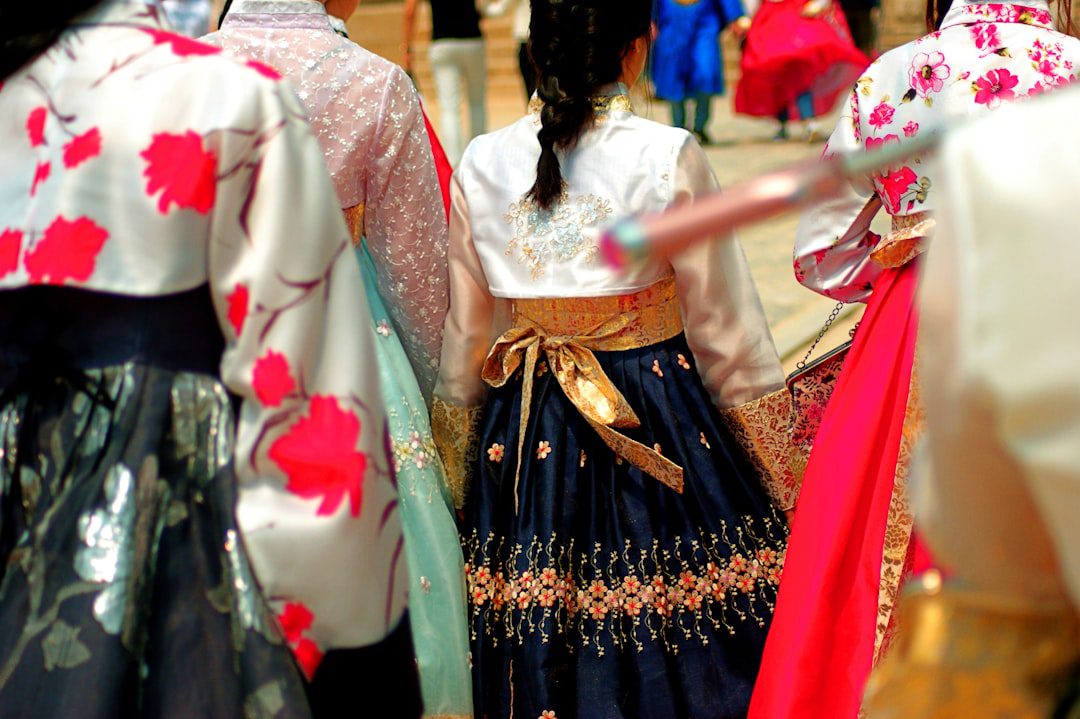
I’ll never forget the first time I saw a tourist in full hanbok standing in front of Gyeongbokgung Palace at sunrise. She was laughing so hard she could barely stand still for her friend’s camera. That moment crystallized something I’ve observed for 35 years in Korea: hanbok doesn’t just dress you in silk and ribbons — it transforms you into someone else entirely. It’s the closest most visitors get to stepping inside a K-drama.
Every spring and fall, thousands of international visitors descend on Seoul’s hanbok rental shops seeking that Instagram-perfect moment in traditional Korean dress. And honestly? It’s one of the best decisions you can make while visiting. But there’s a right way and a wrong way to rent, wear, and photograph hanbok. After three and a half decades here, I’ve learned the nuances that separate the tourist photos from the ones that actually look like they belong in a historical drama.
Here’s everything you need to know about renting hanbok in Seoul, from choosing the right shop to avoiding the uncomfortable mistakes that had me cringing on behalf of visitors back in 1998.
What Is Hanbok and Why Rent It?
Hanbok (한복) is traditional Korean dress that dates back centuries, though the style most people recognize today developed during the Joseon Dynasty (1392-1910). It consists of a jeogori (jacket), chima (skirt for women) or baji (pants for men), and often a durumagi or jeogori-jeogori combination. The silhouette is unmistakable: women’s hanbok features a high waistline that creates that elegant, flowing shape you see in every Korean historical drama.
Why rent it? Because it’s a full sensory experience that photographs aren’t capturing. When you wear hanbok, you’re not just dressing up — you’re understanding how Koreans moved, how they held themselves, how fabric shaped their culture. Plus, let’s be honest: it’s phenomenally photogenic.
Ted’s tip: Hanbok isn’t costume for Koreans — it’s cultural dress. Wear it with respect, not irony. You’ll notice Koreans smile more warmly at visitors in authentic hanbok than in knock-off versions.
Best Hanbok Rental Shops in Seoul
Seoul has exploded with hanbok rental options in the last five years. The challenge isn’t finding a shop — it’s finding one that rents quality fabric instead of polyester nightmare fuel. I’ve tested most of these personally, and these are the ones I actually recommend.
Premium Options: If You Want to Look Like You Actually Belong in a Drama
| Shop Name | Location | Price Range | Best For |
|---|---|---|---|
| Jeogori Hanbok | Jongno 3-ga Station (Line 1, Exit 5) | ₩80,000–₩150,000 | Quality silk, natural colors |
| Hanbok Story | Bukchon Hanok Village | ₩60,000–₩120,000 | Historic district authenticity |
| Gahoe-gil Hanbok | Gahoe-gil, Jongno-gu | ₩70,000–₩140,000 | Photoshoot packages included |
| Hanbok Jin | Insadong (Insa-dong Metro, Line 3, Exit 5) | ₩75,000–₩130,000 | Wide size range, helpful staff |
Budget-Friendly Options: If You Just Want the Experience
| Shop Name | Location | Price Range | Notes |
|---|---|---|---|
| Myeongdong Hanbok | Myeongdong (Myeongdong Metro, Line 4, Exit 8) | ₩40,000–₩80,000 | Synthetic fabrics, heavy tourist foot traffic |
| Korea Hanbok | Dongdaemun (Dongdaemun History Culture Park, Line 2/4/5) | ₩35,000–₩75,000 | Fast rentals, bright synthetic colors |
| Seoul Hanbok Center | Gangnam (Gangnam Station, Line 2, Exit 3) | ₩50,000–₩100,000 | Modern styles, quick service |
Here’s the honest distinction: premium shops use better fabrics, have more attentive fitting staff, and keep their inventory clean. Budget shops move through clients quickly and are perfect if you just want photos and don’t care about fabric quality. There’s nothing wrong with either choice — it depends on your priorities and budget.
Ted’s tip: Call ahead, especially during peak seasons (April-May and September-October). Popular shops in Bukchon and Insadong can book out by noon. Most shops have English-speaking staff, but bringing a photo of the style you want on your phone helps immensely.
Understanding Hanbok Rental Costs and What’s Included
Pricing varies wildly based on fabric quality, rental duration, and included services. Let me break down what you’re actually paying for.
| Service Type | Duration | Typical Price | What’s Included |
|---|---|---|---|
| Basic Rental | 2-4 hours | ₩40,000–₩80,000 | Hanbok only, fitting, return by closing time |
| Full Day Rental | 24 hours | ₩60,000–₩120,000 | Hanbok, shoes, basic hair accessories |
| Hair + Makeup | 2-4 hours | ₩80,000–₩150,000 | Hanbok, professional hair styling, makeup |
| Photo Package | 2-3 hours | ₩120,000–₩250,000 | Hanbok, professional photographer, 30-50 edited photos |
| Couple Package | 2-4 hours | ₩150,000–₩300,000 | Two hanboks, hair/makeup, photographer, location |
| Deposit | All rentals | ₩50,000–₩100,000 | Refunded upon safe return of hanbok |
Most rental shops require a deposit (usually ₩50,000–₩100,000) that’s refunded when you return the hanbok in good condition. Don’t panic — this is standard practice to protect against damage or loss. They accept credit cards, cash, or even phone payment apps like Naver Pay.
Hidden costs to ask about: Do they charge extra for alterations? (Usually free for length adjustments.) Is there a late return fee? (Typically ₩5,000–₩10,000 per 30 minutes.) Do they provide socks? (Most do, but confirm.)
Ted’s tip: The ₩40,000 budget options will look fine for a 30-minute photo op. But if you’re spending a full day exploring in hanbok, invest in the ₩80,000+ tier — your legs won’t hurt, the fabric won’t feel like plastic wrap, and you’ll actually enjoy the experience instead of counting down the minutes until you can change.
Choosing Your Hanbok Style and Color
This is where personal preference matters, but let me share what I’ve learned from watching thousands of people make these decisions.
For Women: The Chima-jeogori (치마-저고리)
Traditional women’s hanbok is a chima (full, high-waisted skirt) paired with a short jeogori (jacket). The magic is that high waistline — it creates an elegant silhouette that’s extremely flattering. Colors range from jewel tones (royal blue, emerald, burgundy) to pastels (blush, lavender, mint) to classic whites and earth tones.
My observation: Jewel tones photograph better in natural light and feel more “dramatic K-drama.” Pastels work beautifully if you’re shooting indoors or in shade. Avoid neon synthetic colors unless you enjoy looking like a 2010s fan fiction character.
Length matters too. Traditional hanbok skirts sit at the ankle, but modern rentals sometimes offer shorter versions for comfort. If authenticity matters to you, go ankle-length. Your photos will thank you.
For Men: The Jeogori-durumagi (저고리-두루마기)
Men’s hanbok typically features jeogori (jacket) and baji (pants), often topped with a durumagi (overcoat) or jeogori. The fit is more relaxed than women’s, which honestly makes it more comfortable for extended wear. Colors lean toward traditional: deep blues, blacks, grays, and whites. Some shops now offer maroon and forest green options.
Pro tip: If you’re tall, ask about adjustable lengths. Korean rental shops have seen more Western customers and increasingly stock longer versions, but it doesn’t hurt to ask.
Choosing Your Color Strategically
| Color/Style | Best For | Photography Setting | Vibe |
|---|---|---|---|
| Deep Jewel Tones (emerald, sapphire, burgundy) | Most people, dramatic look | Outdoor, natural light | Regal, historical drama |
| Pastel (blush, lavender, cream) | Fair-skinned visitors, romantic vibe | Shaded areas, golden hour | Soft, romantic |
| Pure White/Ivory | Bright sunny days, contrast | Palace grounds, spring gardens | Fresh, pure, historical |
| Black/Dark Gray (men) | Formal, classic look | Overcast days, historic sites | Sophisticated, timeless |
| Neon/Bright Synthetic | Avoid (unless you’re younger, seeking fun vibe) | Looks artificial in photos | Tourist-y, less authentic |
Ted’s tip: Before you commit, ask the rental staff to show you photos of that specific dress on different body types and in various lighting. They have portfolios of previous customers. Seeing how your chosen color actually looks on real people beats guessing.
Best Neighborhoods and Locations for Hanbok Photography
Wearing hanbok is half the experience. The other half is photographing it in a location that doesn’t scream “tourist.” Here are the neighborhoods I recommend, ranked by authenticity and photo quality.
Top Tier: Historic and Atmospheric
Bukchon Hanok Village — This is the obvious choice, and honestly, it’s obvious for a reason. Narrow alleyways lined with restored traditional houses, hidden tea shops, and genuine local energy. Morning visits (before 10am) are quieter. If you’re renting from Hanbok Story or another shop in Bukchon itself, you’re already steps away.
Insadong (Insa-dong) — Wider streets than Bukchon, more galleries and cafes, slightly less “authentic village” but more vibrant. Better if you want to combine hanbok photography with shopping and eating. See our full Insadong guide for details on the best cafes and galleries.
Gyeongbokgung Palace Grounds — The absolute classic K-drama photography location. Arrive very early (gates open at 9am) or visit late afternoon for fewer crowds. The palace backdrop is unmatched. Entry: ₩3,000. The palace is particularly stunning in spring during cherry blossom season.
Changgyeongung Palace — Less crowded than Gyeongbokgung, more intimate gardens, excellent for soft, romantic photos. Cherry blossoms here are spectacular. Entry: ₩1,000. Near Anguk Station (Line 3, Exit 6).
Good Alternatives: Less Touristy Vibes
Jongmyo Shrine — Sacred Confucian shrine with minimal tourists, peaceful atmosphere, authentic historical setting. Perfect if you want hanbok photos that feel genuinely ceremonial. Entry: ₩1,000. Near Jongno 3-ga Station (Line 1/3/5).
Seoul City Wall (Hanyangdosan Path) — Underrated gem with stone walls, hiking views of old Seoul, and very few tourists. The elevation gives your photos dramatic perspective. Free. Near Donuimun Gate (Jongno-gu).
Ikseon-dong — Our Ikseon-dong guide breaks down this restored alley perfectly. Similar vibe to Bukchon but quieter and with excellent cafes. The restored modernist buildings here look stunning with hanbok.
Timing Matters: When to Photograph
| Time of Day | Crowd Level | Light Quality | Best Locations |
|---|---|---|---|
| 8am–10am | Very low | Golden, soft, ideal | Palaces, Bukchon, anywhere |
| 11am–2pm | Very high | Harsh, flat, unflattering | Avoid or go to shaded areas (Insadong cafes) |
| 3pm–5pm | Medium-high | Warm, flattering angle | All outdoor locations excellent |
| 5pm–7pm (golden hour) | Medium | Magical, warm, dimensional | Everywhere — this is the best window |
Ted’s tip: Golden hour (the hour before sunset) is when every hanbok photo looks cinematic. If your rental is 2-4 hours, time it to end during golden hour. Your photos will be exponentially better, and you’ll actually feel like you’re in a K-drama rather than looking like a tourist.
Fitting, Comfort, and What to Wear Underneath
This is the practical section nobody talks about, but it’s crucial for actually enjoying your hanbok experience rather than suffering through it.
The Fitting Process
When you arrive at a rental shop, expect the fitting to take 15-30 minutes. Staff will measure you, adjust the hanbok, and (hopefully) ensure everything is comfortable. Good shops will:
- Offer multiple size options, not force you into one
- Show you how to adjust the jeogori (jacket) properly
- Provide a practice walkabout in the shop
- Take a Polaroid or photo to remember your exact fit (for safety)
Ask specific questions: Is the waistline comfortable? Can you bend and sit without ripping seams? Do the shoes fit properly? (Most rental shops provide shoes or recommend going barefoot, which is fine for temple visits but awkward on pavement.)
What to Wear Underneath
This is where I see tourists make mistakes. For women’s hanbok, you need:
- Slip or slip dress: Most rental shops provide these, but bring your own lightweight one to be safe. The chima (skirt) is sheer and you’ll be photographed from all angles.
- Strapless bra or sports bra: The jeogori doesn’t cover much. A regular bra with straps will show and look awkward in photos.
- Undergarments: Keep them minimal. Traditional hanbok is fitted in the waist; visible panty lines defeat the romantic silhouette.
- Socks or barefoot: Ask what the shop recommends for your specific shoes.
For men’s hanbok: Wear a simple undershirt (white or neutral), underwear, and regular socks. Most shops provide shoes, but if you bring your own, wear dark socks that match.
Ted’s tip: Don’t eat a huge meal before renting hanbok. The high waistline, while elegant, is not forgiving. I’ve watched people regret pizza 30 minutes into their rental. A light snack and plenty of water are ideal.
Movement and Comfort Guidelines
| Activity | Feasibility | Tips |
|---|---|---|
| Walking | Excellent | Take small, graceful steps — it’s natural with hanbok |
| Climbing stairs/hills | Doable but awkward | Lift the front of your skirt slightly as you climb |
| Sitting | Fine, but delicate | Sit with knees together, gather skirt behind you |
| Using the bathroom | Possible | Ask staff to show you how to manage the layers |
| Running or quick movement | Don’t | You’ll look undignified and risk tripping on fabric |
| Taking the subway | Possible but visible | Koreans will stare (in a good way); be prepared |
Honestly? Hanbok isn’t designed for speed or casual movement. It’s designed for elegance and presence. If you embrace that slow, deliberate pacing, you’ll actually enjoy it more and look better in photos.
Hair, Makeup, and Accessories
The hanbok is the star, but hair and makeup either elevate your look or undermine it. Here’s what actually works.
Hair Styling Options
Your choices:
- Professional hair at the rental shop: ₩20,000–₩40,000 additional. Staff will create a traditional-style updo with decorative pins (binyeo). This is the easiest option and looks authentically K-drama.
- DIY updo: Watch a YouTube tutorial beforehand. Simple is better — a low bun, half-up style, or loose waves all work beautifully with hanbok.
- Long hair down: Totally acceptable. The modern hanbok aesthetic embraces loose hair with the traditional dress.
My opinion: If you’re investing in professional photography, the ₩30,000 hair styling upgrade is worth it. Otherwise, a neat updo or half-up style is perfect.
Makeup Guidance
Traditional hanbok calls for subtle makeup. Go easy on:
- Foundation: Aim for flawless skin without heavy coverage. The hanbok is ornate enough.
- Eyes: Soft, warm eyeshadow (golds, corals, taupes) with a thin liner. Bold smoky eyes can look harsh with hanbok.
- Lips: Muted reds or warm corals read better than bright fuchsia. Tints rather than matte lipsticks look fresher.
- Blush: Go warmer and softer than you normally would. You’re aiming for “naturally beautiful in historical dress,” not “night out.”
Ted’s tip: If you’re doing makeup yourself, do it before the hair appointment. Your stylist will adjust pieces around your face, and wet product on finished hair is annoying.
Accessories: What Rental Shops Provide
| Accessory | Traditional Name | Usually Included? | Additional Cost |
|---|---|---|---|
| Hair pins | Binyeo (비녀) | Yes | None |
| Hair comb | Taenggi (탱기) | Sometimes | ₩3,000–₩5,000 |
| Waist ribbon | Otgoreum (옷고름) | Yes | None |
| Socks | Beoseon (버선) | Yes | None |
| Shoes | Beoseon shoes (복슭) | Usually | ₩5,000–₩10,000 if separate |
| Jewelry (earrings, necklace) | Bosae (보새), mokdari (목달이) | Sometimes basic pieces | ₩10,000–₩20,000 |
| Bag (traditional pouch) | Jumeoni (주머니) | Rarely | ₩10,000–₩15,000 |
Most rental packages include basic accessories. If you want to elevate your look, ask about upgrading to fancier jewelry (traditional norigae dangles are stunning) or a traditional pouch. These add ₩10,000–₩20,000 to your rental but photograph beautifully.
Etiquette and Respectful Wear
This is important. Hanbok is not costume. Here’s how to wear it respectfully.
Do’s
- Wear it as traditional dress: The correct attitude transforms your entire experience. Move deliberately, hold yourself with grace, and acknowledge that you’re wearing cultural dress, not a costume.
- Be respectful in sacred spaces: If you’re visiting temples or shrines (which look incredible in hanbok), be mindful of ongoing ceremonies or prayer times. Some areas may request you remove shoes or behave quietly.
- Engage with Korean people: Koreans light up when they see foreigners respectfully wearing hanbok. Say “thank you” in Korean (감사합니다 — gam-sa-hap-nida). Smile. They’ll often want to take photos with you or offer directions.
- Ask before sitting on antique items: In Bukchon’s hanok houses and some museums, certain furniture is display-only. Just ask the owner or staff.
Don’ts
- Don’t treat it like a costume: No exaggerated gestures, no pretending to be a K-drama character ironically, no using it as a silly gimmick. Koreans notice and judge (silently but definitively).
- Don’t wear it to nightlife or bars: It’s disrespectful to wear traditional dress while drunk or in party settings. Wear hanbok during the day for cultural exploration, then change for evening activities.
- Don’t mix hanbok with casual accessories: Avoid wearing your backpack over the hanbok, carrying a modern phone in hand during photos, or wearing sneakers. The whole point is immersion; jarring modern items ruin the aesthetic and feel disrespectful.
- Don’t damage it intentionally: These are rentals. Treat them like borrowed items (because they are). Avoid sitting on dirty surfaces, eating greasy foods, or dragging the hem.
- Don’t photograph others without permission: If you’re taking photos in a heavily touristed area, be mindful of other hanbok wearers. Some people are there for genuine cultural reasons, not Instagram content.
Ted’s tip: I’ve watched tourists in hanbok stop and help elderly Korean women carry groceries, and the interaction is beautiful. Wearing hanbok seems to awaken a kind of cultural consciousness. Honor that by being your best self while wearing it.
Photography Tips for Hanbok Photos That Don’t Suck
You’re going to take photos. Let’s make sure they’re actually good ones.
Light and Timing (We’ve Covered This, But It’s Worth Repeating)
Golden hour is non-negotiable. If you can only do one thing to improve your hanbok photos, make it shooting within an hour of sunset. The light is warm, dimensional, forgiving, and makes fabrics look luminous. Midday sun is your enemy — it creates harsh shadows, makes colors look flat, and exposes every strand of out-of-place hair.
Posing Guidelines for Women
- Show the silhouette: The high waistline and flowing skirt are your best features. Stand with good posture, shoulders back. Angle your body slightly to the camera rather than facing straight on.
- Hands matter: Holding the jeogori edge gently, placing one hand on your waist, or simply letting arms hang naturally all work. Avoid hands in pockets (there usually aren’t any) or fidgeting.
- Walk shots: Walking toward the camera or away from it is incredibly photogenic in hanbok. A slower, deliberate pace looks elegant; quick movement looks awkward.
- Sitting poses: If you’re in a garden or on steps, sitting with knees together and gathering skirt around you looks poised and photo-ready.
- Close-ups: Hanbok has beautiful details — the ribbon ties, the stitching, the necklace. Get close-ups of these details in addition to full-body shots.
Posing Guidelines for Men
- Use your height: Men look great in hanbok when standing tall with shoulders back. The longer lines of the durumagi suit confident posture.
- The lap tilt: Crossing arms gently in front, placing hands in the fold of the garment, or having one hand resting on your chest all read as dignified and traditionally Korean.
- Walking shots: Slow, purposeful walking looks regal. The overcoat (if you’re wearing one) moves beautifully when you walk.
- Architectural backgrounds: Men in hanbok look stunning against stone walls, temple gates, or palace grounds. Lean into the historical architecture.
Photography Locations and Angles
| Location | Best Time | Angle Recommendation | Backup Plan (Bad Weather) |
|---|---|---|---|
| Palace grounds (Gyeongbokgung) | 9am–11am or 4pm–6pm | Shoot with palace buildings in soft focus behind | Use indoor palace halls (more protected) |
| Bukchon alleyways | 8am–10am (fewest people) | Shoot within the alley for framing; use buildings as backdrop | Covered tea houses (good indoor light) |
| Garden or park | Golden hour (5pm–7pm) | Shoot with soft foliage as background | Shaded areas under trees (natural diffusion) |
| Temple or shrine | Early morning (9am–10am) | Use temple gates or wooden architecture as framing | Interior shrine areas (covered, atmospheric) |
| Stone walls/city wall | Golden hour | Shoot at angle to create depth and texture | Move to shaded portions of wall |
Ted’s tip: Bring a friend. Yes, you could hire a professional photographer (₩120,000–₩250,000 for a session), but an engaged friend with a smartphone takes better candid photos than a rushed professional. Plus, the fun of getting ready together and laughing at first attempts is part of the memory.
Professional Photography Packages: When They’re Worth It
Most major hanbok rental shops offer professional photography add-ons. Let’s discuss whether they’re actually worth the investment.
What You Get in a Typical Package
- 2-3 hours with a professional photographer
- Multiple locations (usually 2-3 spots: one palace, one temple, one street scene)
- 30-50 edited digital photos delivered within 1-2 weeks
- Cost: ₩150,000–₩250,000 for one person, ₩250,000–₩400,000 for couples
Should You Book It?
Yes if:
- You want professional-quality photos you’ll actually print or frame
- You’re traveling solo and want pictures of yourself (not just selfies)
- You value your time more than the cost (photographers know fast, efficient locations and can maximize photo spots)
- You want guaranteed good lighting and posing guidance
No if:
- You’re on a tight budget (just spend ₩60,000 on decent rental and bring a friend with a decent phone camera)
- You’re a photography enthusiast who prefers control (shoot it yourself with better rental hanbok and better locations)
- You want candid, playful photos (professionals can sometimes feel stiff)
My take: I’ve seen many professional hanbok photo packages, and quality varies wildly. Some photographers are genuinely talented; others shoot every pose identically. Always ask to see portfolios before booking.
Frequently Asked Questions
Can I wear hanbok to restaurants or cafes?
Absolutely. Many cafes in Bukchon and Insadong explicitly welcome hanbok-wearers and have taken countless photos of customers in traditional dress. However, avoid tight squeezes (booths where you’d have to squeeze past others) and eating messy foods. Hanbok photos in a cozy tea house are gorgeous.
What if hanbok doesn’t fit me? Do all rental shops offer plus sizes?
Most shops have expanded their size ranges, but availability varies. Call ahead if you wear a larger size. Some shops like Hanbok Jin specifically market their wide range. Budget shops in Myeongdong sometimes have limited sizes. Premium shops are more likely to have tailors available for adjustments (usually free or ₩5,000–₩10,000).
Is it disrespectful to wear hanbok if I’m not Korean?
No. Korean culture enthusiasts and travel authorities actually encourage foreign visitors to wear hanbok. The key is wearing it respectfully — as cultural dress, not costume. Many Koreans find it heartwarming when foreigners engage with traditional culture authentically.
Can I wear hanbok to a restaurant and then just walk around Seoul in it?
Yes, that’s actually the ideal scenario. Rent hanbok for a full day (₩60,000–₩120,000), have breakfast or brunch, explore Bukchon or Insadong, visit a palace, grab tea, and take photos throughout. You’re wearing it as genuine cultural dress, not a costume for one photo op.
Do rental shops do alterations? What if the length is wrong?
Most shops will adjust length quickly (in 10-15 minutes) at no extra charge. Waistline adjustments are sometimes charged (₩3,000–₩10,000). The better shops are happy to adjust multiple times until you’re comfortable.
What if I accidentally damage the hanbok? What happens to my deposit?
Minor stains or tiny tears might result in partial deposit loss (₩5,000–₩20,000). Major damage (large rips, deep stains, broken seams) could result in full deposit loss or additional charges. Always read the rental agreement before signing. Be honest about damage when returning — shops would rather know than discover it later.
Can I extend my rental past the return time?
Most shops allow extensions, but there’s typically a ₩5,000–₩10,000 fee per 30 minutes. If you think you’ll want longer, book a full-day rental from the start rather than trying to extend a 4-hour rental (it’s usually cheaper and less stressful).
Is modern hanbok (simpler styles) acceptable, or should I only wear traditional styles?
Both work beautifully. Modern hanbok is simplified and more comfortable for extended wear, while traditional hanbok photographs more dramatically. Neither is “more correct” — wear what makes you feel comfortable and confident.
Final Thoughts
In 35 years of watching travelers explore Seoul, I’ve noticed that the ones who have the most meaningful experiences aren’t the ones rushing between tourist attractions. They’re the ones who pause, dress intentionally, and move through the city like they belong there. Wearing hanbok does something remarkable: it forces you to slow down, to be present, to engage with Korea not as an outsider but as a temporary participant in its visual language.
I’ve watched thousands of people rent hanbok. Some take five photos and move on. Others spend entire afternoons exploring palaces, sitting in tea houses, and genuinely connecting with Korean aesthetics. The transformation isn’t just visual — it’s psychological. Hanbok doesn’t just make you look different; it makes you feel different. More graceful, more intentional, more attuned to beauty in simple things.
The practical stuff matters: choosing the right shop, timing your photos for golden hour, understanding the silhouette that works for your body type. But the real magic is simpler. It’s choosing to honor a cultural tradition, moving deliberately through a historic neighborhood, and allowing yourself to be momentarily transported into the world of Korean historical drama. Because honestly? That’s not pretense. That’s reverence.
— Ted K
Image Credits: Photos sourced from Unsplash. By using this site, you agree to our Privacy Policy and Disclaimer.