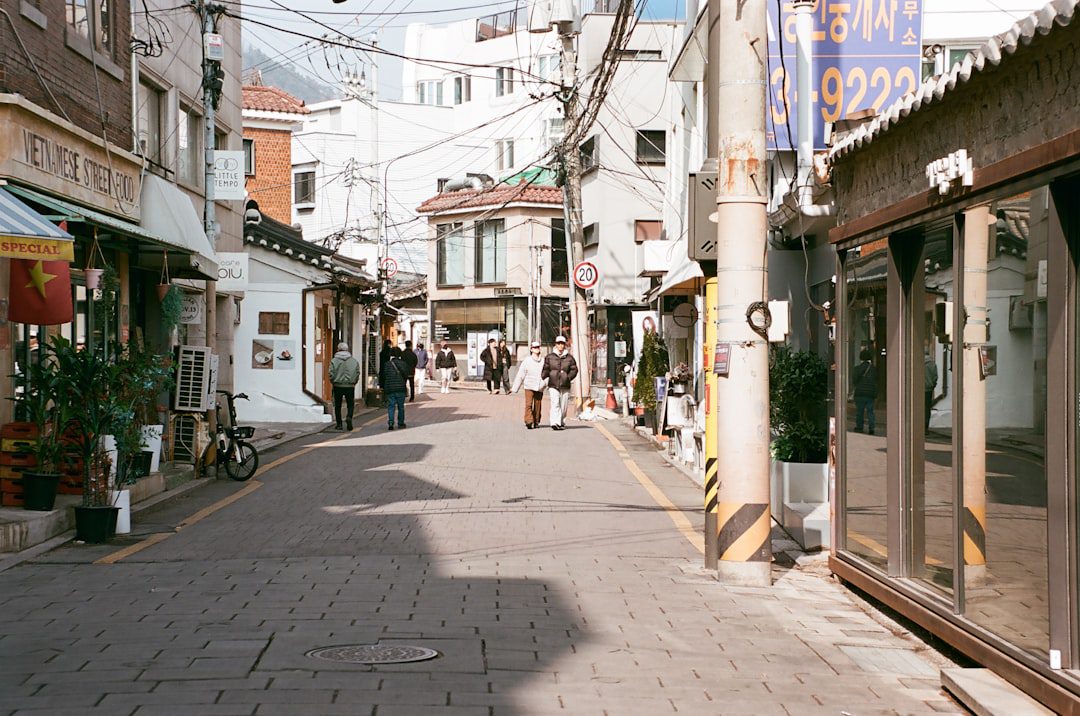
I discovered Ikseon-dong almost by accident in 1997 while wandering the backstreets north of Insadong. Back then, it was just a quiet residential neighborhood with a handful of aging hanok houses. Nobody came here—tourists went to Bukchon, locals ignored it. But I kept going back, fascinated by how it felt frozen in time while Seoul exploded around it.
Three decades later, something beautiful happened. Instead of being demolished for apartment towers like so many Korean neighborhoods, Ikseon-dong found a new life. Young entrepreneurs and artists moved in, opening concept cafes in restored hanok, creating a neighborhood that actually honors the past while embracing the present. It’s not Instagram-famous like it could be, which is exactly why it still feels authentic.
If you want to experience Seoul that feels intentional—where tradition and modernity genuinely coexist instead of competing—Ikseon-dong is it. Here’s everything you need to know.
What Is Ikseon-dong and Why Visit?
Ikseon-dong (익선동) is a small neighborhood in Jongno-gu, just north of the more famous Insadong district. The name comes from “Ikseon,” a historical figure, and “dong,” meaning neighborhood. What makes it special isn’t one major attraction—it’s the entire vibe.
The neighborhood is built around a narrow alley called Ikseon-gil, a pedestrian-only walkway lined with traditional Korean hanok houses. Most were built during the Japanese colonial period (1910-1945) and Korean War era. Rather than being preserved as a museum, locals and creative entrepreneurs have converted them into cafes, restaurants, boutiques, galleries, and guesthouses.
Ted’s tip: The best time to visit Ikseon-dong is early morning (8–10am) when it’s quiet, or weekday afternoons when families and tour groups aren’t clogging the narrow alleys. Weekends can feel crowded, but it clears out by 7pm.
What you won’t find here: chain stores, aggressive touts, or that overly polished tourist-trap feeling. Ikseon-dong remains genuinely low-key. Koreans come here to escape the city. International visitors are welcome, but they’re not the focus.
| Neighborhood Basics | Details |
|---|---|
| Location | Jongno-gu, north of Insadong |
| Nearest Subway | Jongno 3-ga (Line 1, 3, 5) — 10-min walk |
| Walking Distance | Insadong (5 mins), Bukchon (15 mins) |
| Best For | Photography, hanok cafes, cultural immersion |
| Time to Explore | 2–4 hours |
| Cost | Free to wander; cafes ₩5,000–₩15,000 |
How to Get to Ikseon-dong
Getting to Ikseon-dong is straightforward but requires a short walk—there’s no subway station directly in the neighborhood.
By Subway (Best Option)
Take Line 1, 3, or 5 to Jongno 3-ga Station (종로3가역). Exit at Exit 5. From there, head north on Jongno-gu toward the mountains. You’ll pass the Jongno police box. Continue straight, then turn right onto the small street with the “Ikseon-dong” sign. It’s about a 10-minute walk.
Alternatively, exit at Exit 6 from Jongno 3-ga and walk through the traditional market area—this route gives you context for how the neighborhood sits between old Seoul (markets) and new Seoul (shopping districts).
Walking from Nearby Neighborhoods
If you’re exploring Insadong (which you should), Ikseon-dong is literally a 5-minute walk north. Just head uphill on any street and you’ll stumble into the alley. From Bukchon Hanok Village, it’s about 15 minutes downhill.
By Taxi
If you take a taxi, show the driver this address: 서울 종로구 익선동 218-1 (Seoul, Jongno-gu, Ikseon-dong 218-1). It’s a small neighborhood, so specific directions help. Expect to pay ₩3,500–₩5,000 from central Seoul.
| Transportation Options | Time | Cost |
|---|---|---|
| Subway (Jongno 3-ga + walk) | 10 mins from station | ₩1,250 |
| Walk from Insadong | 5 mins | Free |
| Walk from Bukchon | 15 mins downhill | Free |
| Taxi from Myeongdong | 15 mins | ₩5,000–₩7,000 |
The Architecture: Why Hanok Matters
You can’t understand Ikseon-dong without understanding hanok (한옥), traditional Korean wooden houses. When I first moved to Seoul in 1989, there were tens of thousands of hanok. Now there are maybe 3,000 left in the entire city. Ikseon-dong is one of the last neighborhoods where they’re preserved rather than demolished.
Hanok were built to work with Korea’s climate and natural materials. The typical structure includes:
Key Features of Hanok Architecture:
- Ondol (온돌): An underfloor heating system using charcoal or heated stone—essential for Korean winters. You can still feel it in some Ikseon-dong cafes.
- Sarangbang (사랑방): The main living room, facing south to catch winter sun. Many Ikseon-dong cafes have turned these into seating areas.
- Maru (마루): The wooden porch or veranda, often where Ikseon-dong’s narrow alleys now run.
- Chimney (굴뚝): Tall brick chimneys for ondol heat—you’ll see them throughout the neighborhood.
- Tile Roof (기와): Curved roof tiles that slope to drain water. Original hanok use red clay tiles; you can spot which houses have been restored.
What makes Ikseon-dong’s preservation meaningful is that it’s not a museum. People actually live and work in these spaces. A hanok is no longer just a historical artifact—it’s a functioning cafe, bookstore, or residence.
Ted’s tip: Look up while walking through Ikseon-dong. The rooflines, chimney designs, and even drainage patterns tell the story of Korean building traditions. The mix of original and restored elements shows how the neighborhood adapts without losing its character.
| Architectural Element | Purpose | What You’ll See in Ikseon-dong |
|---|---|---|
| Ondol | Floor heating | Warm floors in cafes; heated seating areas |
| Sarangbang | Main living room | Large rooms now used as cafe seating |
| Maru | Wooden veranda | Creates the alley walkway; natural gathering space |
| Chimney | Heat ventilation | Iconic red-brick chimneys visible above rooflines |
| Curved Roof | Water drainage | Traditional clay tiles; restoration uses matching materials |
Must-Visit Hanok Cafes in Ikseon-dong
This is what people come for. The hanok cafes here aren’t theme parks—they’re genuine spaces where someone has thoughtfully restored a 70-year-old house and filled it with intention. Prices are slightly higher than street-level chains, but you’re paying for the experience and craftsmanship.
Ssanghwacha (쌍화차)
This was one of the first cafes to open in Ikseon-dong and remains a benchmark for what the neighborhood became. It’s a traditional tea house in a fully restored hanok with exposed wooden beams, paper windows, and ondol heating.
What to Order: Their signature drink is ssanghwa (쌍화), a traditional Korean sweet ginger tea served in a bronze cup with pine nuts and ginseng. It’s warm, slightly spicy, and very Korean. Cost: ₩10,000.
Experience: They have both indoor seating (heated ondol floors in winter) and a small courtyard. The atmosphere is quiet and meditative—no loud music, no rushing. Go in the afternoon when it’s less crowded.
Hours: 11am–9pm daily
Ted’s tip: Order a second cup only if you genuinely have time. This is a place for slowness, not efficiency.
Insa-gitae (인사기태)
A small bookstore-cafe hybrid that feels like someone’s personal library. Wooden shelves, low lighting, and a tiny counter in the corner. Tourists often miss it because it’s so understated.
What to Order: Americano (₩5,500) or their seasonal coffee drinks. The pastries are from local Seoul bakeries, not mass-produced chains.
Experience: It’s genuinely intimate. You might be the only customer. Perfect for writers, readers, or anyone who wants to disappear for an hour.
Hours: 11am–8pm (Closed Mondays)
Jaha Sonmun (자하손문)
A concept cafe with a bookstore upstairs and a small restaurant downstairs. The hanok has been fully gutted and redesigned with modern minimalism while keeping the original structure.
What to Order: Lunch sets (₩12,000–₩15,000) featuring Korean comfort food. Coffee (₩6,000). Their signature is simple but well-executed.
Experience: It shows how a hanok can be modern without being cold. Clean lines, minimal decoration, but the wooden frames and ceiling still remind you it’s old.
Hours: 10am–10pm daily
Terarosa Coffee (떼라로사)
A specialty coffee roastery that took over a traditional hanok. They roast beans on-site, and you can watch the process. The cafe is a serious coffee space, not Instagram-focused.
What to Order: Single-origin espresso or pour-over (₩7,000–₩9,000). Ask the barista about the beans—they genuinely care.
Experience: Watch the roasting process upstairs. The cafe is educational and unpretentious.
Hours: 10am–7pm (Closed Sundays)
| Cafe | Type | Price Range | Best For |
|---|---|---|---|
| Ssanghwacha | Traditional tea house | ₩8,000–₩12,000 | Authentic Korean tea experience |
| Insa-gitae | Bookstore cafe | ₩5,500–₩8,000 | Quiet, intimate reading |
| Jaha Sonmun | Modern concept hanok | ₩6,000–₩15,000 | Lunch + coffee in design space |
| Terarosa Coffee | Specialty coffee roastery | ₩7,000–₩9,000 | Coffee lovers, process-focused |
Ted’s tip: If you’re visiting multiple cafes (which I recommend), buy a ₩50,000 pre-paid card at any participating cafe. You’ll get a small discount and can skip paying at each location. Most Ikseon-dong establishments use the same system.
Modern Shops & Galleries: Tradition Meets Commerce
Beyond cafes, Ikseon-dong has filled its hanok with boutiques, galleries, and design shops that respect the architecture while being thoroughly contemporary. This is where the “tradition meets modern” concept really plays out.
Independent Clothing Boutiques
Unlike Insadong’s tourist shops or Myeongdong’s chain stores, Ikseon-dong’s clothing shops are small, curated operations run by designers. You’ll find Korean indie brands that you can’t get elsewhere—sustainable fashion, minimal design, quality fabrics.
Prices are reasonable for the quality (₩80,000–₩200,000 for dresses and tops), and the owners are often happy to talk about their design philosophy. Many are women-owned and emphasize ethical production.
Ted’s tip: Browse the basement and second floors—Ikseon-dong’s hanok are vertical, so shops often extend below street level into original ondol rooms, or upstairs into new spaces. You’d never know from the street.
Art Galleries
Several hanok have been converted into small contemporary galleries showcasing Korean artists. These are working studios and exhibition spaces, not commercial tourist traps. You might catch an artist actually working.
Expect to see painting, sculpture, installation, and mixed media. No commercial pressure to buy—galleries here are about cultural exchange.
Vintage & Thrift Shops
A few shops specialize in Korean vintage clothing, old furniture, and retro objects. It’s not curated to death like hipster vintage in Western cities—it’s genuine old stuff that people no longer need. You’ll find 1970s Korean schoolgirl uniforms, vintage hanji paper, old photographs.
Prices: ₩10,000–₩50,000 depending on rarity.
Design & Home Goods
Shops selling handmade ceramics, sustainable home products, and artisanal goods. Many are small operations: one owner, 200 carefully selected items. Think minimal, Japanese-influenced design sensibility—but with Korean materials.
| Shop Type | What You’ll Find | Price Range | Philosophy |
|---|---|---|---|
| Clothing Boutiques | Korean indie designer wear | ₩80,000–₩200,000 | Sustainable, small-scale, curated |
| Art Galleries | Contemporary Korean art | Free to browse; artworks ₩200,000+ | Cultural, non-commercial |
| Vintage Shops | Old clothing, furniture, photographs | ₩10,000–₩50,000 | Authentic secondhand, not curated |
| Design Shops | Ceramics, home goods, handmade items | ₩20,000–₩150,000 | Minimalist, artisanal, Korean materials |
Where to Eat Beyond Cafes
While Ikseon-dong is coffee-focused, there are a few restaurants worth knowing about if you want a proper meal.
Casual Korean Food
A few small restaurants serve traditional Korean home cooking—the kind your grandmother would make. Kimbap (₩6,000), gimbab with spicy mayo (₩7,000), tteokbokki (₩8,000). These aren’t tourist restaurants; they’re neighborhood spots that happen to be in hanok.
Most are small (4–6 tables), no English menus, and cash-only. This is authentic because there’s zero effort to cater to foreigners.
Lunch Sets
Several cafes offer simple lunch sets: rice, soup, small side dishes (banchan). Usually ₩10,000–₩12,000. These are hearty, traditional, and exactly what you need at midday.
Ted’s tip: Eat lunch between 11:30am–1pm. Most Korean restaurants only serve lunch during these hours, and they often sell out of popular items after 1pm.
Photography & Instagram Moments (Without Being Cringey)
Ikseon-dong is beautiful and photogenic—but there’s a difference between taking nice photos and being a photo tourist. Here’s how to engage with it respectfully.
Best Photography Spots
- The Main Alley at Golden Hour (5–6pm): Soft light hits the roof tiles and brick chimneys. The narrow space compresses the perspective beautifully. Minimal people at this time too.
- Doorways & Architectural Details: Close-ups of door frames, window patterns, roof tiles, and chimney designs. These show craftsmanship.
- Shop Windows & Reflections: Modern displays reflected in old windows create interesting visual contrasts.
- People in Context: Someone sitting in a cafe window with the wooden frame as the frame—better than empty street shots.
Photography Etiquette
A few things that matter here:
- Ask Before Photographing People: Especially older residents who still live in Ikseon-dong. A simple “사진 괜찮을까요?” (Can I take a photo?) with a smile goes a long way. Many will say yes.
- Don’t Block Pedestrian Traffic: The alley is narrow. Take your photo, move on. Don’t camp out in the middle.
- Respect Shop Interiors: It’s fine to photograph the exterior and alley, but ask before photographing inside cafes or shops.
- No Drone Photography: The buildings are low, close together, and mostly residential. Drones aren’t appropriate here.
Ted’s tip: The most interesting photos happen when you’re not actively hunting for them. Walk slowly, be present, and your camera will capture something genuine.
How to Spend a Perfect 3 Hours in Ikseon-dong
Here’s an itinerary that maximizes your time without feeling rushed:
| Time | Activity | Cost |
|---|---|---|
| 2:00–2:15pm | Subway to Jongno 3-ga; walk to Ikseon-dong | ₩1,250 |
| 2:15–2:45pm | Walk the full alley, explore shop exteriors, photograph architecture | Free |
| 2:45–3:45pm | Sit at a cafe: order tea or coffee, read, observe | ₩8,000–₩12,000 |
| 3:45–4:45pm | Browse 2–3 shops or galleries | ₩0–₩100,000 (optional purchase) |
| 4:45–5:00pm | Walk to Insadong or subway; return to accommodation | ₩1,250 |
| Total Time | 3 hours | ₩11,500–₩114,500 |
Why This Works: You’re not rushing. You have time to actually sit and absorb the place. The 2:15pm start time hits after the lunch crowd clears but before the after-work crowd arrives. Golden light appears around 5pm, but you’re already leaving—you can catch that light on your walk to the subway or to Insadong.
Nearby Neighborhoods to Combine with Ikseon-dong
Ikseon-dong is best experienced as part of a larger cultural walking tour. Here’s what’s close:
Insadong (5-minute walk north)
The more commercial cousin, but still worth experiencing. Insadong has galleries, traditional Korean restaurants, and cultural shops. The energy is busier, the prices slightly higher, but it’s essential Seoul context.
Bukchon Hanok Village (15-minute walk south/downhill)
Bukchon is larger, more touristy, and more intensively developed than Ikseon-dong. It’s also beautiful and worth visiting, but it’s the “famous” hanok experience. Ikseon-dong is the “authentic” one. Visit both to understand the spectrum.
Jongno Street (Walking Distance)
The main street north of Ikseon-dong has different energy—more commercial, younger crowd, chain restaurants. It shows the neighborhood’s context in wider Seoul.
Ted’s tip: Make Ikseon-dong the quiet, meditative part of your cultural walk. Hit the busier neighborhoods before or after, so you’re not comparing energies within the same trip.
Practical Tips for Your Visit
Best Time to Visit
- Weekday Afternoons (Mon–Fri, 2–5pm): Quietest. Most authentic. You might have stretches of alley to yourself.
- Early Mornings (8–10am): Also quiet, but some cafes don’t open until 10 or 11am.
- Avoid: Weekends 10am–5pm. Too crowded. Weekend evenings (after 6pm) are fine.
- Seasons: Spring (April–May) and autumn (September–October) are ideal. Summer can be hot and humid. Winter is beautiful but cold (bring a warm coat).
Money
Most places accept card (Korean credit cards and international cards with contactless payment). Some older shops or tiny cafes might be cash-only. There’s a CU convenience store near the entrance—withdraw cash there if needed.
Language
English is less common here than in tourist zones. But:
- Shop owners are used to international visitors and patient.
- Use Google Translate for basic communication.
- Learn a few basic Korean phrases: “감사합니다” (thank you), “실례합니다” (excuse me), “사진 괜찮을까요?” (can I take a photo?).
What Not to Do
- Don’t Play Loud Music or Videos: Respect the quiet atmosphere. Headphones on, not speakers.
- Don’t Sit in Cafe Windows for Hours Without Ordering: One drink = one hour, max. If you want to stay longer, order something else.
- Don’t Assume All Hanok Are Open to the Public: Some are private homes or studios. Respect closed doors.
- Don’t Treat It Like a Theme Park: This is a real place where people live and work. Behave like you’re visiting someone’s home, not an attraction.
| Practical Info | Details |
|---|---|
| Closest ATM | CU convenience store at alley entrance |
| Bathrooms | Use cafe bathrooms (buy something first) |
| Phone/Internet | LTE signal good throughout. Use eSIM or pocket WiFi |
| Accessibility | Narrow alley, some steps. Difficult for wheelchairs/strollers |
| Pet-Friendly | Outdoor alley: yes. Cafes: mostly no (ask first) |
Why Ikseon-dong Matters for Understanding Seoul
Here’s the thing: Seoul changes fast. When I arrived in 1989, traditional neighborhoods were seen as obstacles to “progress.” Modernization meant tearing down the old. Ikseon-dong represents a shift in that thinking—the idea that history and modernity aren’t enemies.
The neighborhood shows you:
- Authentic Cultural Preservation: Not government-mandated, but organic. People genuinely wanted to save these spaces.
- How Korea Adapts: Rather than wholesale replacement, Ikseon-dong shows creative reuse. A family’s ondol bedroom becomes a cafe. A storage room becomes a gallery. The bones of the place stay; the function evolves.
- The Beauty of Constraints: The narrow alley, low buildings, and limited space force a different kind of commerce. No mega-stores. No screaming signs. No chain restaurants. Just small, careful interventions.
When you sit in a Ikseon-dong cafe, you’re not experiencing a “traditional Korean village”—there’s no such place anymore, and there shouldn’t be a museum of one. You’re experiencing something more interesting: a living neighborhood where tradition and present coexist naturally.
Frequently Asked Questions
Is Ikseon-dong crowded like Bukchon?
Not usually. Bukchon is more famous, so it draws bigger tour groups. Ikseon-dong is less Instagram-famous, which actually preserves its authenticity. Weekday afternoons are very quiet. Weekends are busier but still manageable—nothing like Myeongdong or major tourist zones.
How long should I spend in Ikseon-dong?
2–4 hours is ideal. The neighborhood is small—you can walk the entire alley in 15 minutes—but the real value is in sitting at a cafe and absorbing the atmosphere. Rushed visits miss the point.
Are the cafes expensive?
No. A coffee costs ₩6,000–₩8,000, comparable to Starbucks. A traditional tea is ₩10,000. These are fair prices for the experience and quality. You’re not paying a huge premium for the hanok setting.
Do I need to speak Korean?
Helpful but not necessary. Shop owners are patient with foreigners. Use Google Translate, smile, and point to menus. The experience is visual and sensory anyway—language isn’t everything.
Is it better in spring, summer, fall, or winter?
Spring (April–May) and fall (September–October) are ideal—comfortable weather, beautiful light. Winter is cold but stunning for photography. Summer is hot and humid. I’d avoid summer unless you have no choice.
Can I visit Ikseon-dong if I only have one day in Seoul?
Yes, easily. It’s 10 minutes from Jongno 3-ga subway. Combine it with Insadong (nearby) and you have a meaningful half-day cultural experience. No need to choose between this and other Seoul attractions.
What’s the difference between Ikseon-dong and Bukchon?
Both are hanok neighborhoods. Bukchon is larger, more famous, more touristy, with more restaurants and activities. Ikseon-dong is smaller, quieter, more intimate, with an emphasis on cafes and art. Bukchon feels like a preserved village; Ikseon-dong feels like a neighborhood that happens to have old buildings. Both are worth visiting.
Are there overnight accommodations in Ikseon-dong?
A few hanok guesthouses operate in the neighborhood. They’re small (2–5 rooms), book quickly, and offer authentic stays. Prices are higher than chain hotels (₩150,000–₩250,000/night) but the experience is unique. Book ahead through Airbnb or Korean guesthouse sites.
Final Thoughts
I’ve watched Ikseon-dong evolve from an invisible neighborhood into a thoughtfully developed cultural destination. What matters is that it happened slowly, without destroying what was there. The hanok are still standing. People still live and work in them. The alley is still narrow and personal. The cafes are run by people who actually care about design and tea and coffee, not by corporate chains maximizing profit.
This is Seoul at its best: honoring what came before while creating something contemporary. You don’t need to be a Korea expert or a K-pop fan or even particularly interested in history to appreciate Ikseon-dong. You just need to be willing to slow down, sit in a wooden room with a warm cup of tea, and exist quietly for a while.
That’s becoming rare everywhere. In Seoul especially.
— Ted K
Image Credits: Photos sourced from Unsplash. By using this site, you agree to our Privacy Policy and Disclaimer.