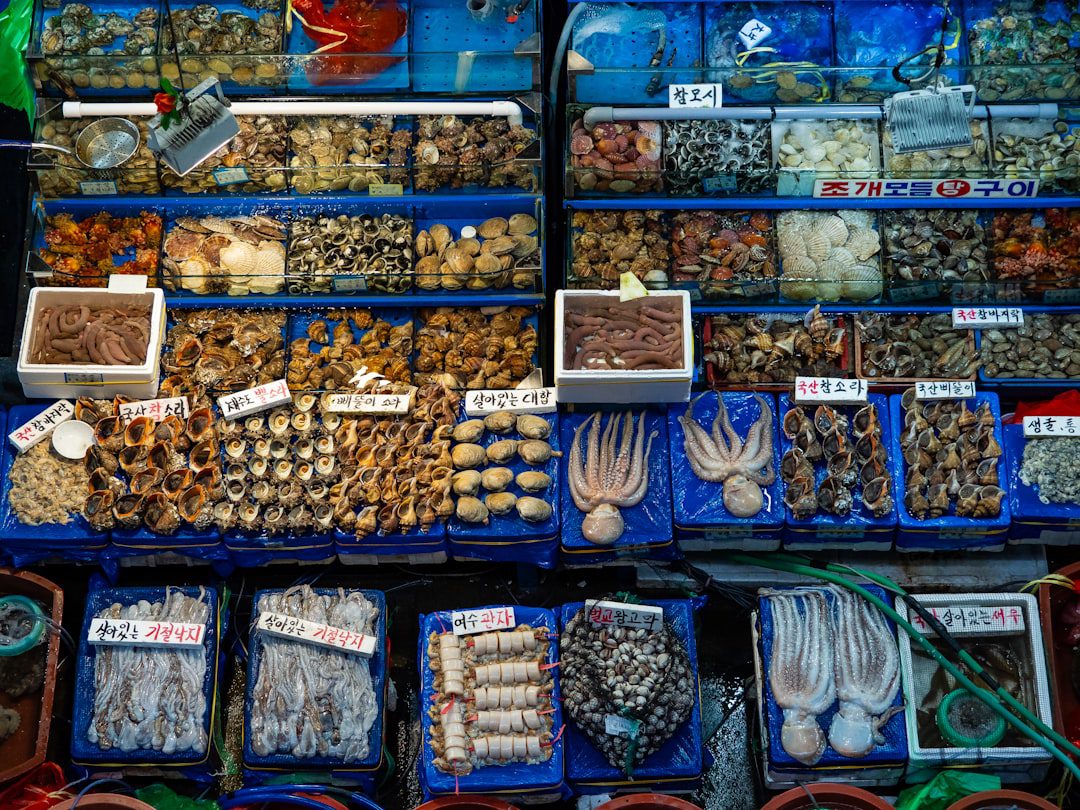
I still remember the first time I stumbled into Mangwon Market in the mid-1990s—it wasn’t by accident, but I definitely wasn’t a regular yet. A Korean colleague dragged me there early one Saturday morning, and I was immediately overwhelmed by the sensory explosion: vendors shouting prices, ajummas haggling over fish, the smell of grilled octopus mixed with soy sauce. Thirty-five years into my life here, I’ve watched Mangwon transform from a purely local market into Seoul’s most exciting foodie destination, where tradition meets modern culinary creativity.
What fascinates me most is how Mangwon has managed something most markets can’t: it’s stayed authentically Korean while becoming a destination for serious food lovers. You won’t find the tourist traps of Myeongdong here. Instead, you’ll find three generations of the same family running a pojangmacha stall, vintage Korean restaurants where nobody speaks English, and some of Seoul’s most creative young chefs sourcing ingredients directly from vendors they’ve built relationships with.
Whether you’re coming for the nakji bokkeum (stir-fried octopus), the fresh seafood, or to experience how real Seoulites eat, here’s everything you need to know about Mangwon Market and the neighborhood around it.
Getting to Mangwon Market: Location & Subway Access
Mangwon Market sits in Mapo-gu, a traditionally working-class district on the Hangang (Han River) side of Seoul that’s been slowly gentrifying without losing its soul. The market’s official entrance is just a 2-minute walk from Mangwon Station (Line 6, Exit 2). If you’re coming from other neighborhoods, here’s the most practical subway route:
| Starting Point | Best Route | Travel Time | Cost |
|---|---|---|---|
| Myeongdong (L4 Exit 6) | L4 to Ichon, transfer L6 to Mangwon | 25 mins | ₩2,450 |
| Gangnam (L2 Gangnam Stn) | L2 to Hongik Univ, transfer L6 to Mangwon | 28 mins | ₩2,450 |
| Bukchon (Anguk Station L3) | L3 to Chungmuro, transfer L6 to Mangwon | 22 mins | ₩2,450 |
| Hongdae (Hongik Univ Station) | L6 direct to Mangwon | 7 mins | ₩1,250 |
| Incheon Airport | Airport Railroad to Seoul Station, L6 to Mangwon | 55 mins | ₩9,000 |
Ted’s tip: If you’re using a T-money card (which I recommend for all visitors), just tap and go. Don’t buy individual tickets. T-money cards are the easiest way to navigate Seoul’s subway, and Mangwon Market has several convenience stores where you can reload.
The walk from Mangwon Station Exit 2 is straightforward: exit the station and you’ll immediately see the main market entrance. The entire market covers roughly 4 city blocks, so it’s impossible to get truly lost. The core food vendors are concentrated in the first two blocks, though the residential market sections extend further back.
The Heart of the Market: Seafood, Fresh Produce & Meat Stalls
What separates Mangwon from tourist markets like Namdaemun or Gwangjang is the sheer quality and freshness of everything. The fish vendors here don’t cater to tourists taking Instagram photos—they serve restaurants. You’ll find varieties you won’t see anywhere else in Seoul.
The Seafood Section: Where the Restaurants Source
The seafood stalls occupy the eastern side of the market, and if you arrive before 10 AM, you’ll see the real action: restaurant owners filling their trucks with ice-packed fish for lunch service. Walking through these stalls, you’ll encounter:
Fresh Fish: Whole sea bream (돔), Spanish mackerel (고등어), flounder (광어), and seasonal white fish. Prices vary, but expect ₩8,000-15,000 per kilogram depending on the species and size. The vendors will clean and gut fish on request.
Shellfish: Live clams, mussels, oysters, and occasionally sea urchin. A bag of fresh clams (약 500g) runs ₩4,000-6,000. The oysters here are exceptional—from August to October, they’re at their peak.
Octopus & Squid: This is where Mangwon really shines. You’ll find fresh octopus (낙지) at ₩12,000-18,000/kg, squid (오징어) at ₩6,000-10,000/kg, and baby squid (오징어 새끼) at various price points. Many of these end up in the street food stalls throughout the market.
Dried & Preserved Fish: Anchovy (멸치), dried squid, salted fish roe, and other banchan staples line the shelves. These make excellent gifts and last for months.
| Item | Price Range | Best Time to Buy | Notes |
|---|---|---|---|
| Whole Fresh Sea Bream | ₩10,000-14,000/kg | 6-8 AM daily | Vendors will gut & scale for free |
| Fresh Octopus | ₩12,000-18,000/kg | May-September | Medium-sized (300-400g) are most tender |
| Fresh Clams (cleaned) | ₩4,000-6,000/bag | Year-round | Ask them to spit sand (모래 빼기) |
| Korean Oysters | ₩6,000-9,000/dozen | Aug-Oct peak season | Galchi from Tongyeong are exceptional |
| Dried Anchovies | ₩5,000-8,000/bag | Any time | Essential for making Korean banchan |
| Live Shrimp | ₩8,000-12,000/kg | May-October | Jump into a bucket if you’re not careful! |
Ted’s tip: Visit between 6 and 9 AM for the freshest selection and the most authentic market experience. After 10 AM, inventory has already been picked through by restaurant owners. Don’t be shy about asking vendors questions—most will happily explain where something’s from, how to cook it, and whether it’s fresh.
Vegetables, Fruit & Korean Specialties
The produce section runs along the western side and offers whatever’s in season. You’ll find Korean vegetables like Korean radish (무), perilla leaves (깻잎), Korean pumpkin (호박), and seasonal mountain vegetables (산나물). Prices are 30-50% cheaper than regular supermarkets. In spring, you’ll find wild vegetables (나물) that only appear for a few weeks—fiddlehead ferns, wild greens, and shoots.
There’s also a dedicated section for Korean staples: gochugaru (red chili flakes), dried shiitake mushrooms, gochujang (red chili paste), doenjang (soybean paste), and sesame. If you’re planning to cook Korean food at your accommodation, Mangwon is where locals shop.
Meat & Butcher Section
The meat vendors here primarily serve restaurants and home cooks who know what they want. You’ll find Korean beef (한우) at premium prices—expect ₩25,000-40,000/100g for quality cuts—but also more affordable options like pork belly (돼지 삼겹살) at ₩8,000-12,000/kg and chicken (닭) at ₩5,000-7,000/kg. Unlike supermarkets, vendors here will cut meat to your exact specifications.
The Pojangmacha Alley: Seoul’s Best Street Food & Casual Dining
This is what most visitors come for, and for good reason. Mangwon’s pojangmacha (food tent) alley is unlike anywhere else in Seoul. It’s not sanitized or Instagram-friendly. It’s real. It’s where construction workers, office staff, old couples, and increasingly, young foodies all eat side by side.
The main pojangmacha alley runs along the northern edge of the market (look for the rows of tents and plastic stools). The stalls here are family-run operations—many have been operating for 20+ years. Here’s what you’ll find:
Must-Try Stalls & What to Order
| Signature Dish | Price | Description & Insider Tips |
|---|---|---|
| Nakji Bokkeum (Stir-fried Octopus) | ₩9,000-12,000 | Chewy octopus with vegetables, gochugaru, and butter. Ask for extra crispy edges (바삭하게). The best stalls cut the octopus to tenderness by hand-chopping it against the griddle. |
| Jjim (Korean Braised Seafood) | ₩10,000-15,000 | Usually octopus or shrimp braised in a rich anchovy & soy sauce. Served in a stone bowl, meant for sharing. Incredibly comforting. |
| Tteokbokki (Spicy Rice Cake) | ₩4,000-6,000 | Not fancy, but some stalls have been perfecting the sauce for decades. Manglwon’s versions tend to be less sweet than Seoul chain versions. |
| Odeng & Fish Cake Soups | ₩1,500-3,000 per skewer | Pick your skewers from the display. The soup comes from a pot that’s been simmering all morning. Pure comfort food. |
| Pajeon (Korean Pancake) | ₩8,000-12,000 | Seafood pajeon (해물파전) is most common. If you see bindaetteok (mung bean pancake), grab it—it only appears at certain stalls. |
| Kimbap (Rolled Sushi-like Rice) | ₩2,000-3,500 | Perfect for a quick snack. The fresh kimbap here (made throughout the day) is far superior to convenience store versions. |
| Soju & Makkoli Pairing | ₩3,000-5,000 | Most stalls have their regulars who sit for hours with a bottle of soju and small dishes. You can do the same—no rush, very Korean. |
Ted’s tip: Don’t sit down to order without looking at what everyone else is eating. The best way to decide is to literally point at the plate of someone next to you and say “이거 하나 주세요” (I’ll have what they’re having). The ajummas find this charming and will likely help you.
The entire alley operates primarily from 11 AM to 9 PM, though peak hours are 11 AM-2 PM (lunch rush) and 6-8 PM (after-work drinks). The atmosphere during the lunch rush is absolute chaos in the best possible way—every stool filled, voices raised, sizzling woks, and the smell of grilling octopus.
Modern Restaurants & Cafes: Where Tradition Meets Creativity
Over the past 10 years, I’ve watched Mangwon attract a younger crowd—university students, young chefs, startup founders. They’ve opened restaurants that respect the market’s ingredients while adding contemporary twists. This has created something unique: a neighborhood where a 70-year-old pojangmacha stall serves lunch to a 25-year-old chef sourcing ingredients for her farm-to-table restaurant three blocks away.
Contemporary Seafood Restaurants
Gwangjang-style fresh seafood restaurants have proliferated around Mangwon. Unlike the pojangmacha alley (standing room or plastic stools), these offer sit-down dining with cleaner environments. Expect to pay ₩15,000-25,000 for a main course with side dishes included. Many don’t have English menus, but they all have pictures or you can point at the display tanks.
Nakji (Octopus) Specialist Restaurants: Several restaurants focus exclusively on octopus preparations—raw (회), grilled (구이), stir-fried, or steamed. These are particularly popular with older Korean men who consider octopus an aphrodisiac. A meal typically runs ₩12,000-18,000.
Ted’s tip: If a restaurant has a display of whole fish in a tank or on ice, it’s going to be good and fresh. If you see customers who look like they’ve been eating there for 20+ years, sit down immediately. Those are your people.
The Newer Wave: Fusion & Café Culture
In the past 5 years, young entrepreneurs have opened concept cafes and casual dining spots that wouldn’t look out of place in Yeonnam-dong or Seongsu. You’ll find craft coffee cafes, natural wine bars, and restaurants that do creative things with market ingredients. Prices here are higher—coffee ₩5,000-7,000, mains ₩12,000-18,000—but the quality and creativity rival anywhere in Seoul.
The interesting thing is that these new places don’t feel like outsiders. They’re genuinely connected to the market ecosystem. Many chefs literally walk to the seafood stalls before service to see what’s fresh that day.
| Restaurant Type | Price Range | Best For | Hours |
|---|---|---|---|
| Pojangmacha (Street Food Stalls) | ₩4,000-12,000 | Authentic experience, lunch rush, budget meals | 11 AM-9 PM |
| Traditional Seafood Sit-Down | ₩12,000-25,000 | Fresh fish, multiple side dishes, casual | 11 AM-10 PM |
| Nakji Specialist | ₩10,000-18,000 | Octopus-focused, mostly Korean clientele | 11 AM-10 PM |
| Modern Café/Concept Restaurant | ₩8,000-18,000 | Instagram-worthy, younger crowd, afternoon | 9 AM-10 PM |
| Natural Wine Bar | ₩6,000-12,000/glass | Evening drinks, small plates, locals | 5 PM-midnight |
Walking the Neighborhood: Beyond the Market
The real Mangwon experience isn’t just the market stalls—it’s the entire neighborhood ecosystem. I recommend arriving early, eating breakfast or light snacks at the pojangmacha, then walking the residential streets to understand how this place actually works.
The Hangang Park Access & River Walks
Mangwon Station sits right next to the Hangang River, and a pedestrian bridge connects you directly to Mangwon Hangang Park (망원한강공원). This beautiful park has riverside walking paths, picnic areas, and some of Seoul’s best sunset views over the river. Many people grab food from the market, head to the park, and have a picnic. It’s a quintessentially Korean experience.
The park also has bike rental stations (₩1,000-2,000/hour) and is the starting point for the scenic riverside path that connects to other Han River parks.
Ted’s tip: If you visit on a weekend evening, grab some nakji bokkeum from the pojangmacha and head to the park. Hundreds of locals do the same. The vibe is incredibly convivial—groups of friends, families, couples, all eating and watching the sunset. This is real Seoul.
The Back Streets: Local Life & Hidden Gems
Behind the market and its famous pojangmacha alley are quiet residential streets with small restaurants, family-run shops, and traditional businesses that have probably never seen a tourist. Walk the neighborhood between 2-5 PM if you want to see locals actually living here—kids coming home from school, ajummas doing errands, construction workers stopping for coffee.
You’ll find small nokjas (green tea rooms) that serve traditional Korean tea, local bookstores, a vintage cinema, and tiny restaurants that serve maybe 6 customers per day, all regulars. There’s almost no English signage. This is the opposite of touristy Seoul, and it’s wonderful.
Nearby Shopping & Galleries
Small galleries and design studios have opened in Mangwon’s back streets as young artists moved to the neighborhood. These aren’t major destinations like Gentle Monster or Seongsu’s gallery scene, but they’re genuinely interesting independent spaces. Most are open weekends and by appointment during the week.
Market Hours, Best Times to Visit & Etiquette
Mangwon Market isn’t officially open/closed like a shopping mall—it’s more of an organic ecosystem. However, here’s when things happen:
| Time | What’s Happening | Best For | Crowds |
|---|---|---|---|
| 5-8 AM | Fish vendors receiving deliveries, restaurant owners shopping | Photography, freshest produce, authentic experience | Mostly locals |
| 8 AM-11 AM | Market in full swing, ajummas shopping for lunch, vendors arranging displays | Shopping, observing, smaller pojangmacha crowd | Mixed |
| 11 AM-2 PM | Pojangmacha lunch rush, office workers, full energy | Eating at pojangmacha, experiencing peak atmosphere | VERY BUSY |
| 2-5 PM | Slower period, many stalls close or restock, locals running errands | Leisurely exploring, walking neighborhood, fewer tourists | Light |
| 5-8 PM | Pojangmacha evening rush with drinks, working adults, students | Experiencing real Seoul nightlife, drinking culture | VERY BUSY |
| 8 PM onwards | Fewer stalls open, lingering drinkers, winding down | Late-night snacks, quieter atmosphere, neighborhoods bars | Light-Moderate |
Ted’s tip: The best time to visit depends on what you want. For authentic market atmosphere and shopping, 6-9 AM is unbeatable. For the famous food stall experience, 11:30 AM or 6 PM is perfect. The 2-5 PM period is actually underrated—it’s quieter, you can actually hear conversations, and you get a real neighborhood feel without the chaos.
Market Etiquette & Essential Phrases
Mangwon is still very much a local market. Here’s how to be respectful:
Don’t touch produce: Point and ask the vendor to select for you. This applies especially to seafood—vendors know exactly which specimens are best.
Don’t take photos of vendors without asking: Most are fine with photos, but ask first. A simple “사진 찍어도 돼요?” (Can I take a photo?) works.
Use basic Korean if possible: Even if they don’t understand, the effort is appreciated. Essential phrases:
- “안녕하세요” (Annyeonghaseyo) – Hello
- “이거 얼마예요?” (Igeo eolmayeyo?) – How much is this?
- “이거 하나 주세요” (Igeo hana juseyo) – I’ll take one of this
- “맛있게 해 주세요” (Masitge hae juseyo) – Make it delicious (said to pojangmacha vendors)
- “감사합니다” (Gamsahamnida) – Thank you
For more comprehensive language help, check out Korean language basics for tourists.
Cash is recommended: While many stalls take cards now, cash (₩) is still preferred. There’s an ATM just outside the market, but bring enough when you arrive.
What to Buy & Bring Home from Mangwon
Unlike some markets that cater to tourists, Mangwon’s gift-worthy items are genuinely functional and authentic:
Dried & Preserved Seafood
Dried squid, dried anchovies, dried seaweed, and salted fish roe all make excellent gifts (and are permitted on most international flights as they’re not liquids). Prices range from ₩3,000-15,000 depending on quality. The premium dried squid can be expensive—₩20,000+—but it’s a delicacy.
Gochugaru & Korean Spice Pastes
Korean red chili flakes (gochugaru) and chili paste (gochujang) are available in vacuum-sealed packages that won’t leak. ₩4,000-8,000 for quality versions. These are great for anyone who cooks Korean food or wants to try.
Specialty Ingredients
Doenjang (soybean paste), Korean soy sauce, sesame, perilla leaves (dried), and specialty mushrooms. Everything is cheaper here than in international markets back home.
Ted’s tip: Don’t buy fresh seafood with the intention of bringing it back to your hotel—it won’t age well. The experience of eating it fresh at the pojangmacha IS the gift. However, if you have access to a kitchen (many Airbnbs in Seoul do), buying fresh fish from Mangwon and cooking it yourself is an incredible experience. Ask the vendor to recommend how to prepare it, and watch YouTube videos before you leave the market.
Navigating Payment, Banking & Practical Logistics
Here’s what you need to know about money and practical stuff:
| Item | Details |
|---|---|
| ATM Availability | GS25 convenience store (Exit 2) has ATM accepting international cards. Many vendors now accept cards, but cash is safer. |
| Currency Exchange | No currency exchange at the market. Exchange money at your hotel or airport beforehand. See banking guide for details. |
| T-Money Card | Can reload at the GS25 near Exit 2. Essential for subway travel and many restaurants. |
| Internet & Translation | WiFi is spotty in the market. Use mobile data with eSIM or pocket WiFi if you need Google Translate. |
| Public Restrooms | GS25 has restrooms (usually). Some pojangmacha stalls share restrooms in the back, but they’re basic. |
| Luggage Storage | Not available at the market. If traveling with luggage, store at Mangwon Station or your accommodation. |
Seasonal Changes & What to Expect Year-Round
Mangwon shifts with Korea’s seasons. Here’s what changes:
Spring (March-May)
Wild vegetables (산나물) appear—fiddlehead ferns, wild greens, shoots. Spring fish include sea bream and flounder. The riverside park is in full bloom. Peak season for visitors. Expect ₩2,000-4,000 per wild vegetable bundle.
Summer (June-August)
Peak seafood season. Octopus is at its best. Eggplant, zucchini, and Korean melons flood the market. The heat means more afternoon shade-seeking; pojangmacha alley becomes a social hub during evening hours. Water and cold beverages are essential.
Autumn (September-November)
Persimmons, Korean pears, chestnuts, and walnuts appear. Seafood is exceptional—oysters peak in October. Some stalls feature wild mushrooms. The riverside park is at its most beautiful. This is objectively the best time to visit.
Winter (December-February)
Citrus, dried goods, and preserved vegetables dominate. Dried fish and preparation ingredients for holiday cooking appear. The pojangmacha is less crowded but cozy—locals seeking warmth from hot soups and soju. Very few tourists.
Ted’s tip: If you’re visiting in winter, request hot versions of dishes (예를 들어, 뜨거운 낙지 찜 instead of 차가운). The warming soups are incredible in cold weather.
Frequently Asked Questions
Is Mangwon Market safe for solo travelers?
Absolutely. I’ve never witnessed any issues in 35 years. The market is populated by families, elderly locals, and professional buyers. The pojangmacha alley is actually safest during peak hours (11 AM-2 PM and 6-8 PM) when it’s most crowded. Evening, there are still people around until 9 PM. Use common sense as you would anywhere, but Mangwon is legitimately one of Seoul’s safest areas.
Do I need to speak Korean to eat at the pojangmacha?
No, but a few words help. The visual component is huge—you can see what’s being cooked at every stall. The simplest approach: sit down, point at someone else’s plate, and say “저거 하나 주세요” (That one, please). The ajummas will be amused and helpful. No one will rush you. Body language works fine.
Can I take photos inside the market?
Yes, absolutely. Just be respectful—ask vendors before taking their picture (most say yes). Photography is part of the experience now. The early morning light (6-8 AM) makes for the best photos if that interests you.
What’s the difference between Mangwon and other Seoul markets like Namdaemun or Gwangjang?
Namdaemun and Gwangjang are larger, older, more tourist-oriented, and have wider variety (they sell everything, not just food). Mangwon is smaller, more specialized in fresh seafood and street food, and has a younger vibe with modern restaurants alongside traditional pojangmacha. Mangwon feels less “touristy” because fewer tourists go there. If you want authentic local market experience, Mangwon wins. If you want variety and shopping for gifts, Namdaemun or Gwangjang are better. Here’s a full comparison of Seoul’s traditional markets.
Is there a dress code for the pojangmacha?
No. You’ll see construction workers in work clothes, office staff in business wear, students in casual clothes, and tourists in everything in between. Wear whatever. In summer, be prepared for the heat—it can get stuffy in the packed pojangmacha area. In winter, bring a jacket.
Can I buy raw fish and eat it at the pojangmacha?
This is actually a thing. Many pojangmacha vendors have relationships with fish vendors and will prepare raw fish (회) if you bring them fresh fish or ask them to select some. You’ll typically pay a preparation fee (₩3,000-5,000) plus the cost of the fish. This is a fun local experience, though not common among tourists. Ask a vendor if they do this—not all do.
How much should I budget for a Mangwon market visit?
For eating: ₩10,000-20,000 gets you a substantial meal at the pojangmacha or a sit-down restaurant. For shopping/groceries: if you buy just a few items, ₩20,000-30,000. For a full market shopping trip (groceries for cooking), ₩50,000-100,000 depending on what you buy. The beautiful thing about Mangwon is it’s incredibly affordable. A meal for two people can be ₩15,000.
Final Thoughts
Mangwon Market represents something I’ve come to deeply value after 35 years in Seoul: authentic tradition that’s evolving without losing its soul. Every time I visit—and I still go regularly, not as a tourist but because the food is genuinely good and affordable—I’m struck by how it works. Three generations of the same family running a fish stall. A 25-year-old chef sourcing octopus from the same vendor his grandmother bought from. Construction workers, grandmothers, office staff, and increasingly, curious visitors all eating side by side, speaking different languages but understanding the same language of good food.
The pojangmacha alley isn’t Instagram-perfect. There’s grease on the griddles, the plastic stools aren’t comfortable, and you might get elbowed by someone reaching for their tteokbokki. But that’s exactly why it matters. It’s real. It’s alive. It’s how Seoulites actually eat when they’re not trying to impress anyone.
If you visit Seoul and only make it to Myeongdong, Gangnam, or the palaces, you’ll have seen the postcard version of the city. Mangwon is the version where the actual city lives. Come early, eat with your hands, order by pointing, don’t worry about your pronunciation, and let yourself be charmed by how genuinely kind the vendors are to strangers fumbling through their market.
— Ted K
Image Credits: Photos sourced from Unsplash. By using this site, you agree to our Privacy Policy and Disclaimer.