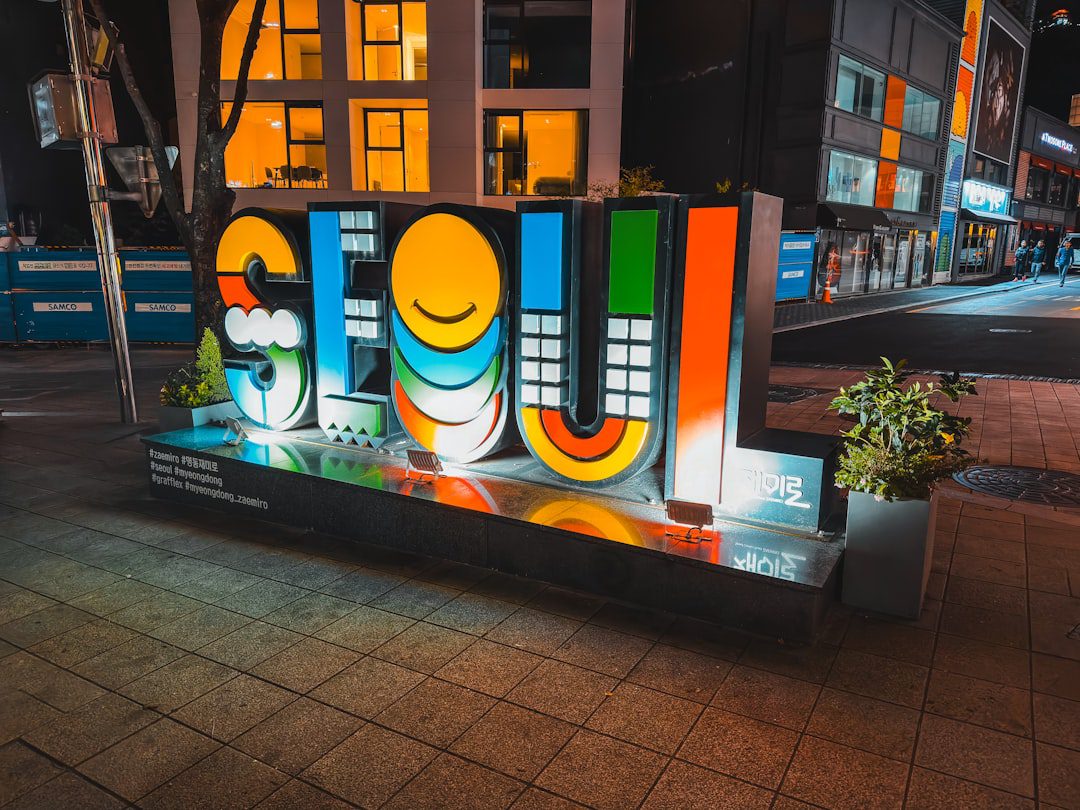
I still remember the first time I walked into a Gentle Monster store in Apgujeong back in 2015—I thought I’d accidentally wandered into a contemporary art museum. The angular mirrors, the sculptural displays, the way light hit polished concrete floors. My wife nudged me and said, “This isn’t a shop. It’s a statement.” She was right. That moment crystallized something I’d been noticing for years: Korean design stores aren’t just places to buy things. They’re experiences. They’re galleries. They’re Instagram waiting to happen.
After 35 years living here, I’ve watched Seoul transform into one of Asia’s design capitals. What started as a handful of luxury eyewear boutiques has exploded into an entire ecosystem of visually revolutionary retail spaces. Today, international visitors come to Seoul not just for K-pop or Korean BBQ—they come for the design. They come for stores that make you stop, stare, and immediately reach for your phone.
Here’s everything you need to know about Gentle Monster, Korean design brands, and the indie boutiques that have made Seoul the most Instagram-worthy shopping destination in Asia.
Understanding Gentle Monster: More Than Just Eyewear
Let me be direct: Gentle Monster isn’t a normal eyewear brand. Yes, they sell sunglasses and optical frames—incredible ones, actually—but that’s almost beside the point. What they’ve created is a design philosophy that treats retail space like haute couture.
Founded in 2011 by Hee-jin Kim, Gentle Monster started as a small optical studio in Seoul’s Apgujeong district. The founder had a radical idea: what if an eyewear shop looked nothing like any eyewear shop you’d ever seen? What if the architecture itself was the product?
Each Gentle Monster location is designed by a different architect or design collective, making every store a unique installation. The Seoul flagship in Apgujeong features floor-to-ceiling windows and a minimalist aesthetic that makes you feel like you’re inside a Zen temple crossed with a spaceship. The Gangnam location has a completely different vibe—industrial, raw, almost post-apocalyptic. The Myeongdong store? Think glossy luxury meets avant-garde gallery.
Ted’s tip: Gentle Monster frames typically start at ₩350,000 and go well over ₩500,000. They’re expensive, but if you’re buying a souvenir from Korea, a Gentle Monster frame is something you’ll actually wear and remember forever. The design is timeless Korean minimalism at its finest.
The Flagship Stores Every Visitor Must See
| Location | Neighborhood | Subway Access | Design Style | Why Visit |
|---|---|---|---|---|
| Apgujeong | Apgujeong-ro | Gangnam Line (신분당선), Exit 5 | Minimalist zen | Original flagship; most photographed |
| Gangnam Flagship | Gangnam-gu | Line 2, Exit 5 | Industrial brutalism | Dramatic concrete; architectural photography |
| Myeongdong | Jung-gu | Line 4, Exit 5 | Luxury retail elegance | Central location; glossy aesthetic |
| Hongdae | Mapo-gu | Line 2, Exit 3 | Young creative vibe | Youthful energy; nearby cafes |
Hours across all locations: 11 AM – 8 PM (may vary slightly). All locations close one Monday per month (check their website for rotating closure days).
Korean Design Brands Worth Your Time (And Money)
Here’s the thing about Korean design: it walks a fascinating line between function and art. Korean designers aren’t trying to shock you with maximalism like some European brands. Instead, they’re obsessed with refinement, proportion, and what I call “beautiful utility.” An object should be exactly what it needs to be—nothing more, nothing less—but executed with obsessive attention to detail.
This philosophy has created several world-class design brands that are every bit as Instagram-worthy as Gentle Monster, just in different ways.
POOM: Minimalist Tableware That’s Actually Fun
If you’ve ever watched a Korean cooking show or seen a styled Korean home, you’ve probably admired POOM’s dishes without knowing it. Founded by designer Hye-jin Kang, POOM creates porcelain and ceramics that feel like they walked straight out of a museum gift shop—in the best way possible.
Their flagship store in Yeonnam-dong (which I’ve written about in my complete Yeonnam-dong guide) is a whitewashed minimalist space where every object feels like it’s floating on air. A simple bowl costs ₩45,000–₩65,000, but watching someone photograph it under natural light for their Instagram food blog? Priceless.
Ted’s tip: POOM has a second, larger showroom at Seongsu-dong (check my Seongsu-dong neighborhood guide for more about this design hub). The original Yeonnam location is smaller and feels more exclusive, but Seongsu has broader selection and better photos of the industrial brick walls.
Nendo: Tokyo-Based but Seoul-Obsessed
Okay, technically Nendo is Japanese (designed by Oki Sato), but they have a massive presence in Seoul and have designed several Korean spaces that deserve mention. Their “Nendo Seoul” concept store showcases their philosophy: removing the unnecessary to reveal the essential. If POOM is refined Korean minimalism, Nendo is Japanese precision applied to Korean sensibilities. It’s a subtle but important difference.
Location: Gangnam-gu, near Apgujeong (similar metro access to Gentle Monster)
BLESS: Experimental Korean Fashion Design
BLESS isn’t traditional retail. It’s more like a fashion laboratory. Founded by Hyungkoo Lee and Heesoo Oh, BLESS creates radical, sometimes wearable, sometimes sculptural pieces that challenge what fashion even is. Their store feels like walking into an artist’s studio that happens to sell clothes.
The pieces are expensive (jackets regularly ₩800,000–₩1,500,000), but the space itself is free to explore and photograph. The minimalist gallery aesthetic, the dramatic lighting, the way they display pieces on invisible supports—it’s pure Instagram gold.
Location: Cheongdam-dong, Gangnam-gu (near Gangnam Line)
Seongsu-dong: Seoul’s Design District Renaissance
If you want to see Korean design culture concentrated in one walkable neighborhood, Seongsu-dong is your answer. I actually wrote an entire guide to this area called Seongsu-dong: Seoul’s Brooklyn, but I need to emphasize it in the context of design stores specifically.
Seongsu used to be a gritty industrial area—furniture factories, textile suppliers, wholesale markets. Over the past decade, designers and artists have completely repurposed those spaces into galleries, showrooms, cafes, and retail experiences that feel like Brooklyn before Brooklyn became expensive.
Key Seongsu Design Stops
| Store/Space | Category | Price Range | Instagram Factor |
|---|---|---|---|
| POOM Seongsu Showroom | Tableware | ₩45,000–₩150,000 | ★★★★★ |
| Studio Eun | Furniture/objects | ₩200,000–₩2,000,000 | ★★★★☆ |
| Atelier Aetelier | Leather goods | ₩80,000–₩400,000 | ★★★★☆ |
| Format Design | Multibrand design | ₩30,000–₩500,000 | ★★★★★ |
| Commune | Lifestyle/cafe | Coffee ₩6,000–₩8,000 | ★★★★★ |
Seongsu-dong’s vibe is fundamentally different from Gangnam or Myeongdong. It’s less polished, more authentic, more “we just converted a factory three years ago” and less “this store cost ₩500 million to design.” That’s precisely why Instagrammers love it. The industrial brick, exposed pipes, and soaring ceilings create natural dramatic lighting that doesn’t require filters.
Ted’s tip: Visit Seongsu on a weekday morning (Tuesday–Thursday, around 10–11 AM) if you want to photograph the stores relatively empty. Weekends are packed, especially the Instagram crowd arriving around 2–4 PM.
Euljiro & Nearby Industrial-Chic Districts
Euljiro is the scrappy older sibling to Seongsu-dong. While Seongsu has been thoroughly gentrified, Euljiro still has that raw, “working artists and designers actually live here” energy. I have a whole Euljiro neighborhood guide that goes deep into the area, but for design shopping specifically, here’s what you need to know.
Euljiro’s design stores tend to be smaller, quirkier, and more experimental than their Seongsu counterparts. You’ll find vintage shops mixed with contemporary designers, Korean brands alongside international artists doing residencies, tiny galleries that are half-shop and half-artist studio.
Euljiro Design Store Highlights
| Store | What They Sell | Vibe | Hours |
|---|---|---|---|
| Millimeter Milligram | Jewelry, minimal sculptures | Quiet, meditative | 1 PM–7 PM daily |
| SODA (Seoul Object Design Archive) | Experimental design objects | Art-forward, curatorial | 2 PM–8 PM (Closed Sundays) |
| Kimun | Handmade ceramics, pottery | Craft-focused, rustic | 11 AM–6 PM |
| Salon de Vintage | Curated vintage design pieces | Retro-forward, eclectic | 12 PM–8 PM |
Euljiro stores tend to close randomly or have flexible hours—there’s no corporate consistency. Call ahead or check Instagram before you go. But honestly? That’s part of the charm. You stumble upon something real.
Indie Korean Design Brands: The Next Generation
If Gentle Monster is the established titan and POOM is the refined classic, Korea’s indie design scene is where the real creativity is happening right now. These are designers who started on Instagram, built a cult following, and now have physical spaces that look like their personal aesthetic made tangible.
ACE (Adaptive Creative Essentials)
ACE designs minimal, high-quality everyday objects—wallets, bags, cable organizers, desk accessories—that cost ₩30,000–₩150,000. What makes them Instagram-gold is the packaging and presentation. Every object looks like a Swiss watch when you unbox it.
Location: Gangnam-gu, near Apgujeong (multiple locations actually—check their Instagram)
Something New
Something New is a Korean accessories and lifestyle brand that started as a tiny online shop and now has three physical locations across Seoul. Their aesthetic is: “what if luxury looked like nothing?” Minimal leather goods, simple jewelry, understated everything. Prices range ₩50,000–₩400,000.
Locations: Kangnam, Hongdae, and a pop-up in Seongsu-dong
COMMON GROUND: Seoul’s First Design-Focused Pop-Up Mall
I need to mention COMMON GROUND because it’s basically a building full of indie Korean designers. Opened in 2017 in Dongdaemun, it’s a converted shipping container structure (incredibly Instagram-worthy in itself) that houses about 90 independent Korean brands, most of them design-focused.
You could spend an entire afternoon here photographing different storefronts. It’s like Disneyland for design lovers.
Ted’s tip: COMMON GROUND is easiest to access from Dongdaemun History & Culture Park Station (Line 2, 4, or 5). The whole structure is outdoors/semi-outdoor, so visit in good weather. Take the metro to Dongdaemun and ask for directions—it’s visible but not immediately obvious.
Gangnam vs. Hongdae vs. Yeonnam: Where Should You Shop?
Here’s a question I hear constantly: “Where should I spend my design shopping time?” The answer depends entirely on your vibe. Let me break it down.
Gangnam: Luxury Design, Polished Perfection
Gangnam (which I have an entire guide for) is where the expensive design happens. Gentle Monster flagship, BLESS, Nendo, luxury Korean brands, international design flagships. The stores are immaculate. The customers are dressed impeccably. The photo ops are obvious and dramatic.
Prices: ₩100,000 and up for most items.
Subway: Line 2 station Gangnam; Shinbundang Line Apgujeong.
When to visit: Weekday mornings for empty stores; evenings for energy and people-watching.
Hongdae: Young, Eclectic, Affordable
Hongdae is Seoul’s creative neighborhood (I have a full Hongdae guide as well). Design stores here lean younger, quirkier, more affordable. You’ll find emerging designers, indie brands, lots of vintage, handmade, artist-run spaces.
Prices: ₩15,000–₩100,000 for most items.
Subway: Line 2, Hongdae-ro Station.
When to visit: Weekends are livelier; weekday afternoons feel more authentic.
Yeonnam: Sophisticated Indie Vibes
Yeonnam sits right between Hongdae and Gangnam in terms of aesthetic. It’s got the indie feel of Hongdae with the polish of Gangnam. POOM is here. There are excellent cafes. The neighborhood itself feels designed—quiet tree-lined streets, thoughtful small shops, that “I discovered this place on my own” feeling.
Prices: ₩30,000–₩300,000 for most items.
Subway: Line 2, Ewha Womans University Station.
When to visit: Any time, really. Yeonnam is relaxed and unhurried.
| District | Overall Vibe | Best For | Time Needed | Budget Level |
|---|---|---|---|---|
| Gangnam | Luxury, polished, ambitious | High-end design, statement pieces | 2–3 hours | ₩₩₩₩ |
| Seongsu-dong | Industrial, authentic, trendy | Photo ops, emerging designers | 3–4 hours | ₩₩₩ |
| Hongdae | Young, bohemian, eclectic | Affordable indie design, vintage | 3–4 hours | ₩₩ |
| Yeonnam | Sophisticated indie, calm | Quality design, neighborhood feel | 2–3 hours | ₩₩₩ |
| Euljiro | Raw, experimental, artistic | Unique finds, artist encounters | 2–3 hours | ₩₩ |
The Instagram Strategy: How to Actually Get Good Photos
Let me be honest: most design stores in Seoul are designed to be photographed. The architects know this. The brand managers know this. Every angle, every shadow, every reflective surface is intentional. But knowing this doesn’t automatically make you good at capturing it.
Timing Matters
Natural light is your best friend. Gentle Monster’s Apgujeong flagship is absolutely transcendent between 9–11 AM, when direct sunlight hits those floor-to-ceiling windows at a low angle. By noon, it’s washed out. Late afternoon (4–6 PM) is golden hour, but you’ll be fighting crowds.
Ted’s tip: Midday—exactly when most tourists shop—is the worst time for photos. The sun is too bright, creates harsh shadows, and washes out colors. If your schedule allows, hit design stores in the morning or late afternoon.
Composition Tricks
Korean design stores are obsessed with symmetry, negative space, and clean lines. Your photos should respect this. Instead of centering the subject, try framing through doorways or windows. Use the architecture as part of the composition. Look for reflection opportunities in polished floors or mirror walls.
In POOM, for example, a simple white bowl sitting alone on a white shelf is almost boring. But photograph that same bowl with the industrial brick wall behind it, or with the morning light creating a subtle shadow, and suddenly it’s magazine-worthy.
The Unwritten Rule: Don’t Be That Person
Korean store staff are incredibly kind, but there’s an implicit understanding: you can photograph the space, but don’t disrupt the shopping experience of others. Move quickly. Don’t rearrange displays. Don’t monopolize the best angles for 20 minutes. Be respectful. These stores, despite their aesthetic perfection, are functional retail spaces.
Ted’s tip: Most design stores will let you photograph products if you’re respectful. Some very high-end boutiques (especially in Gangnam) have a subtle no-photography vibe. Read the room. If other customers are actively shopping, it’s probably not the moment.
Price Guide & What’s Actually Worth Buying
Okay, real talk. Some of these items are expensive. A POOM bowl costs nearly ₩50,000. A Gentle Monster frame can be ₩400,000+. Is it worth it?
Here’s my honest take after 35 years: design pieces from Korea are worth it differently than, say, buying a luxury designer handbag. You’re not paying for the brand name or status symbol. You’re paying for thoughtful, refined objects that will outlive trends. A POOM bowl isn’t trendy—it’s timeless. A Gentle Monster frame isn’t flashy—it’s sophisticated.
| Category | Typical Price Range | Worth It? | Longevity |
|---|---|---|---|
| Gentle Monster Frames | ₩350,000–₩550,000 | Yes, if you wear glasses | 5–10 years minimum |
| POOM Tableware | ₩45,000–₩150,000 per piece | Yes, beautiful everyday use | Lifetime (porcelain) |
| ACE Leather Goods | ₩50,000–₩200,000 | Yes, daily functionality | 5–10 years with use |
| BLESS Fashion Pieces | ₩800,000–₩2,000,000+ | Only if you love radical fashion | Trend-dependent |
| Indie Design Objects | ₩20,000–₩200,000 | Yes, usually excellent value | 5–10 years |
| Vintage Design Finds | ₩10,000–₩100,000 | Yes, if you like the piece | Already proven longevity |
Ted’s tip: If you’re on a budget, skip the luxury boutiques and head straight to Seongsu-dong or Euljiro. You’ll find emerging designers with better prices and equally impressive work. The fact that they’re not famous yet doesn’t make the design any less good—just less expensive.
A One-Day Design Shopping Itinerary
If you have one day to experience Seoul’s design scene, here’s how I’d structure it:
Morning (8 AM–12 PM): Gangnam Luxury
Start early at Gentle Monster Gangnam (Line 2, Gangnam Station, Exit 5). Arrive at 10–11 AM to catch the morning light and beat crowds. Spend 45 minutes photographing and browsing. Walk to nearby BLESS (5-minute walk) and Nendo (10-minute walk). Total time: 2 hours. Total distance: walkable, about 15 minutes between shops.
Lunch: Stay in Gangnam
Grab lunch at a local spot. Gangnam has excellent Korean restaurants and cafes. Budget: ₩12,000–₩20,000 for a meal.
Afternoon (1 PM–4 PM): Seongsu-dong Industrial Design
Take the subway: Line 2 from Gangnam to Apgujeong Station, change to Bundang Line heading south. Get off at Seongsu Station. Walk north on Seongsu-ro. Spend 2–3 hours exploring Format Design, POOM Showroom, Studio Eun, cafes. The whole area is walkable. This neighborhood rewards wandering.
Late Afternoon (4 PM–6 PM): Yeonnam or Back to Seongsu
If you’re tired, grab coffee in Seongsu and relax. If you still have energy, head to Yeonnam (metro: Line 2 to Ewha Womans University Station). It’s quieter and more meditative than Seongsu—good for processing what you’ve seen.
Ted’s tip: This itinerary requires good shoes and a decent level of fitness. Seoul is walkable, but you’ll be on your feet for hours. Wear comfortable shoes. Stay hydrated. And honestly? Don’t try to hit everything in one day. It’s better to spend 3 hours in Seongsu really seeing what’s there than to rush through five neighborhoods.
Shipping & International Purchases
Here’s a practical concern: what if you fall in love with something but it’s too bulky to carry home?
Most high-end design stores offer international shipping. Gentle Monster, POOM, and established brands will ship anywhere. Shipping typically costs ₩50,000–₩150,000 depending on weight and destination, and takes 2–4 weeks.
For larger items (furniture from Seongsu galleries), ask directly. Many independent designers work with international freight services, but it requires personal negotiation.
Ted’s tip: Before you get attached to a large item, check shipping costs. Sometimes a ₩500,000 piece becomes ₩800,000 once you factor in international shipping. Digital photos are free and often the better souvenir anyway.
Frequently Asked Questions
Is Gentle Monster overpriced?
Gentle Monster frames cost significantly more than standard eyewear (compare to Ray-Ban or Warby Parker pricing). But you’re not paying for the frames themselves—you’re paying for design curation, architectural retail spaces, and being part of a global design movement. If you need quality glasses and appreciate design, the premium is justified. If you just need glasses to see, find an optician.
Can I get a discount at Korean design stores?
Not typically. Korean design retail doesn’t work on the discount model. Prices are fixed. There are occasional seasonal sales (usually January and July), but don’t expect 40% off like you might at traditional department stores. The appeal is the object itself, not the deal.
What’s the difference between Korean and Japanese design aesthetics?
This is subtle but real. Japanese design tends toward perfection, precision, and removing anything unnecessary (wabi-sabi). Korean design tends toward balance, proportion, and serving the human (jungheyo). Japanese: “this object is complete as-is.” Korean: “this object serves you better.” Both are minimalist, but they arrive at minimalism from different philosophical places.
Are design stores open on Sundays?
Most Gentle Monster locations are (11 AM–8 PM). Seongsu-dong stores: usually open. Euljiro stores: it varies wildly. Check Instagram before visiting independent designers. Korean retail doesn’t have the strict “closed Sundays” tradition of the past, but some smaller, artist-run spaces do close randomly.
Is it worth traveling to Seongsu-dong if I don’t plan to buy anything?
Absolutely. Many visitors come to Seongsu just to photograph the spaces and grab coffee. The neighborhood is beautiful to walk through, the cafes are excellent, and honestly, some of the best experiences have nothing to do with purchasing. Treat it like a design museum—you pay with time, not money.
Can I negotiate prices at independent design stores?
Not in the Western sense. Korean designers don’t expect haggling. But if you’re genuinely interested in something and want to build a relationship, it’s not rude to ask about possible discounts on larger purchases or multiple items. The worst they say is no.
What should I photograph to make my Instagram look like I understand Korean design?
Focus on negative space, shadows, and clean lines rather than styled flatlays. Photograph objects in their context (a bowl on a shelf in morning light, not arranged with flowers and props). Avoid hashtag overload. A single thoughtful photo of a Gentle Monster storefront beats ten random shots of random products. Korean design rewards subtlety—let your photos do the same.
Are Korean design stores tourist traps?
No, but they’re tourist-aware. There’s a difference. The stores genuinely exist to sell beautiful objects, but they’ve also engineered the experience to be visually stunning and Instagram-friendly. That’s not cynical—that’s smart design. Just go in knowing you’re in a curated space, not a hidden local secret. Enjoy it for what it is.
Final Thoughts
After 35 years in Seoul, I’ve watched Korean design culture evolve from imitation to innovation. Korea now doesn’t copy Western design—it sets standards that the West pays attention to. Gentle Monster isn’t famous despite being Korean; it’s famous because being Korean means something specific about precision, philosophy, and restraint.
When you visit these stores, you’re not just shopping. You’re participating in a cultural moment. You’re standing in spaces that were deliberately designed to make you feel something. You’re holding objects that represent years of thought about proportion, purpose, and beauty.
Will you spend more money than you planned? Probably. Will you come home with beautiful things and even better photos? Definitely. Will those objects outlive the trends and the Instagram posts? Absolutely.
That’s what Korean design promises. That’s what these stores deliver. And frankly, that’s worth every won.
— Ted K
Image Credits: Photos sourced from Unsplash. By using this site, you agree to our Privacy Policy and Disclaimer.