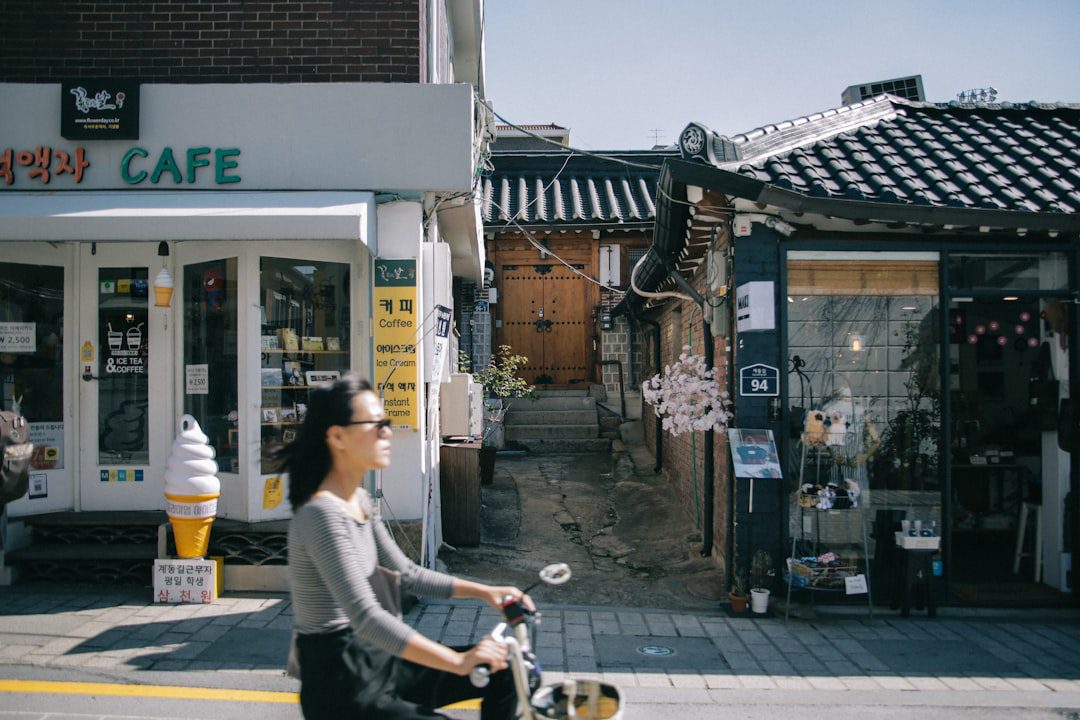
I first stumbled into Seongsu-dong in 2008, when it was still a gritty industrial neighborhood that most Seoulites avoided. Back then, it was all printing factories, textile warehouses, and the occasional adjustico’s shop. I remember thinking, “Why would anyone come here for fun?” Fast forward to today, and I can barely recognize the place—in the best possible way.
Over the past 35 years living in Seoul, I’ve watched neighborhoods transform countless times, but Seongsu-dong’s evolution has been genuinely magical. It’s gone from industrial wasteland to Seoul’s answer to Brooklyn—and I mean that sincerely. The vintage shops, independent galleries, craft cafes, and street art remind me of walking through Williamsburg, but with that distinctly Korean creative energy that makes it all feel fresh and original.
Seongsu-dong sits on the east side of the Han River in the Seongdong-gu district, making it easily accessible but still far enough from the tourist crowds of Myeongdong or Gangnam. It’s the kind of neighborhood where you can spend an entire afternoon wandering without hitting a single chain store (unless you really try). If you’re looking for authentic Seoul creativity away from the well-trodden paths, this is your place. Here’s everything you need to know about experiencing Seongsu-dong like a local.
Why Seongsu-dong is Seoul’s Coolest Neighborhood
Before I dive into specifics, let me explain why Seongsu-dong deserves a spot on your Seoul itinerary. This neighborhood represents something increasingly rare in Seoul—a genuinely grassroots creative community that wasn’t developed by a corporation or manufactured by city planners.
The transformation started around 2012 when young artists and small business owners realized the neighborhood’s low rents and spacious warehouses were perfect for galleries, studios, and concept cafes. Unlike Hongdae, which has become increasingly commercialized, or Itaewon, which caters heavily to expats and tourists, Seongsu-dong still feels like it belongs to the people who actually live and work here.
The neighborhood’s industrial architecture is part of its charm. Rather than tearing down old factories, building owners converted them into multi-use spaces called “gabjil” complexes—essentially creative hubs that house multiple cafes, shops, galleries, and studios under one roof. The exposed brick, high ceilings, and raw concrete walls have become the aesthetic that defines the district.
Ted’s tip: Seongsu-dong is best experienced on foot, and most attractions cluster around the Seongsu subway station (Line 2, Exit 4). Plan for at least 4-5 hours to properly explore the neighborhood, and definitely go on a weekend when galleries are full and cafes are buzzing.
How to Get There & Navigate
Subway Access
Seongsu-dong is serviced by the Seoul Metro Line 2 (the circular line), which makes it incredibly convenient to reach from anywhere in Seoul. From Gangnam, it’s just 15 minutes. From Myeongdong, about 20 minutes. From Hongdae, roughly 25 minutes.
| Seongsu Station (Line 2) | Distance from Major Areas | Travel Time (Subway) |
|---|---|---|
| Exit 4 (Main entrance) | Gangnam Station | 15 minutes |
| Exit 5 (Alternate entrance) | Myeongdong Station | 20 minutes |
| — | Hongdae Station | 25 minutes |
| — | Gangbyeoksan Station | 3 minutes |
| — | Incheon Airport | 60-75 minutes (with transfer) |
If you’re using the subway system, make sure you have a T-Money card or mobile payment set up. If not, check out our T-Money card guide for quick instructions on getting set up.
Walking Layout
Here’s the beautiful part about Seongsu-dong: it’s small enough to explore without getting lost, but large enough that you won’t feel like you’ve seen everything in an hour. The main drag runs roughly north-south, with Seongsu subway station at the center (Exit 4 puts you right into the action).
From the subway exit, head north toward the Han River and you’ll pass countless cafes, galleries, and shops. The neighborhood roughly extends from Seongsu Station to Achasan Station (one stop north on Line 2), though the heart of the action is concentrated within a 10-minute walk from Seongsu Exit 4.
Ted’s tip: Download the Naver Map or Kakao Map apps on your phone. While Google Maps works in Korea, Korean apps give you better business info, photos, and real-time updates. Plus, they have voice navigation in English. If you get lost—which honestly won’t happen—just ask any local; Seongsu-dong people are genuinely friendly.
Iconic Cafes Worth Your Time
Seongsu-dong’s cafe culture is legendary. I’m talking about places that care about single-origin pour-overs, interior design, and the overall experience—not just coffee. This isn’t a neighborhood of chains; nearly every cafe is independently owned and reflects the personality of its creator.
Top Specialty Coffee Shops
| Cafe Name | Specialty | Price Range | Address |
|---|---|---|---|
| Anthracite | Dark roast specialty, minimalist space | ₩5,500-8,000 | Seongdong-gu, near Seongsu Station |
| Mystic Mug | Vintage mugs, artisanal drinks | ₩6,000-8,500 | Walking street north of station |
| Blond Coffee | Light roast, single-origin beans | ₩6,500-9,000 | Industrial warehouse space |
| Hanbang | Korean traditional herbs + coffee fusion | ₩7,000-9,500 | Near Han River pedestrian path |
| O’Dore | Pastry-focused, cozy European vibe | ₩5,000-7,500 | Walking street south |
My personal favorite has to be Anthracite, which sits in a converted printing factory. The owner, a former architect, literally designed every detail of that space, from the hand-selected furniture to the lighting. The coffee is exceptional—they do pour-overs with beans from a specific farm in Colombia, and they’ll explain exactly why that matters. It’s the kind of place where you can sit for two hours reading without feeling rushed, and they’ll never judge you.
Mystic Mug is another gem that captures the vintage spirit of Seongsu-dong. Every mug you drink from is actually for sale, and they rotate their collection regularly. I’ve bought three mugs from there over the years, and they’ve all become favorites in my apartment. The owner is an older Korean woman who’s incredibly knowledgeable about ceramics and often engages with customers about the pieces.
Casual Brunch & Dessert Spots
If you’re more of a casual cafe person who wants to fuel up before exploring, don’t worry—Seongsu-dong has plenty of that too. The neighborhood is absolutely packed with brunch spots, bakeries, and dessert cafes.
One unspoken rule I’ve learned: places that advertise themselves as “dessert cafes” in Korea are basically Instagram-first, taste-second experiences. But Seongsu-dong is different. The dessert places here are often run by trained pastry chefs who care about flavor alongside aesthetics. Look for small bakeries with unfamiliar names rather than anything branded or chain-like.
Ted’s tip: Seongsu-dong cafes often have limited seating, especially on weekends. If you’re visiting Saturday or Sunday, try to arrive before 11 AM if you want a table. Or embrace the Korean cafe culture and get your coffee to-go while you shop. Most neighborhoods have “cafe alleys” with multiple places clustered together, so if one is packed, you’re never far from an alternative.
Art Galleries & Creative Spaces
What really distinguishes Seongsu-dong from other trendy neighborhoods is the proliferation of small, artist-run galleries. These aren’t massive contemporary art museums; they’re intimate spaces where you can actually meet the artists and understand their work directly.
Types of Galleries
The gallery scene in Seongsu-dong breaks down into a few categories. First, there are artist-run galleries where painters, sculptors, or mixed-media artists display and sometimes sell their own work. These tend to be free to enter and feel very personal. Then there are small commercial galleries that represent multiple artists and sometimes host rotating exhibitions. Finally, there are the larger “cultural complexes” that house multiple galleries, cafes, and studios under one roof.
| Gallery Type | Admission | Hours | Best For |
|---|---|---|---|
| Artist-run galleries | Free | Noon-6 PM (closed Mondays/Tuesdays) | Direct artist interaction, unique pieces |
| Commercial galleries | Free | 10 AM-6 PM (varies) | Curated exhibits, established artists |
| Cultural complexes | Free (galleries); cafes charge separately | 10 AM-10 PM (most days) | Browse multiple galleries + eat/drink |
| Photography studios | Free to browse | 11 AM-7 PM (check ahead) | Fine art photography, prints for sale |
Most galleries are absolutely free to enter, and locals are used to people just popping in out of curiosity. No pressure to buy anything—just appreciate the art, chat with the owner if they seem open to it, and move on. This is a core part of the Seongsu-dong experience.
Must-Visit Gallery Complexes
The most interesting galleries tend to be housed in those converted warehouse complexes I mentioned earlier. Some of the standout ones include Seongsu’s “Creative Quarters” where you’ll find multiple galleries, cafes, design shops, and even artist studios. Many of these complexes have websites or Instagram accounts, so you can preview what exhibitions are currently running before you visit.
One of my favorite things about gallery-hopping in Seongsu-dong is discovering unknown artists. You might pop into a small gallery expecting to spend five minutes and end up getting into a 30-minute conversation with an artist about their work, their inspiration, and Korean contemporary art in general. It’s genuinely educational and free.
Ted’s tip: Gallery hours can be irregular, especially for smaller artist-run spaces. Before making a special trip to see a specific gallery, check their Instagram or call ahead if possible. Many close on Mondays or Tuesdays, and some take spontaneous breaks. This is the trade-off for supporting genuine, independent art spaces rather than corporate galleries.
Vintage & Thrift Shopping
If you’ve spent time in Myeongdong or Dongdaemun, you know Korean shopping can be overwhelming. Seongsu-dong takes the opposite approach—small, curated shops that feel more like treasure hunts than commercial experiences.
Types of Vintage & Secondhand Shops
The vintage scene here breaks down into several categories. First, there are true vintage shops selling 1980s and 1990s Korean fashion, Western thrift finds, and retro accessories. Then there are upscale secondhand luxury boutiques where you can find designer bags, watches, and clothing at significantly marked-down prices. Finally, there are niche shops specializing in specific items—vintage cameras, vinyl records, books, or vintage home decor.
| Shop Category | Price Range | Typical Items | Best For |
|---|---|---|---|
| Vintage clothing | ₩15,000-60,000 | 1980s-2000s Korean & Western fashion | Unique pieces, statement items |
| Secondhand luxury | ₩100,000-2,000,000 | Designer bags, watches, shoes | Investment pieces, authentication guaranteed |
| Vinyl records & media | ₩10,000-50,000 per record | K-pop, jazz, rock, electronic | Collectors, music enthusiasts |
| Vintage cameras | ₩50,000-500,000 | Film cameras, instant cameras, lenses | Photography nerds, hipster aesthetic |
| Home decor & antiques | ₩20,000-300,000 | Furniture, ceramics, textiles, tableware | Interior design inspiration, one-of-a-kind pieces |
Shopping Strategy
Here’s my advice: block off at least 2-3 hours for vintage shopping in Seongsu-dong, and don’t go with a specific list. The fun is in wandering, finding unexpected gems, and discovering shops you’ve never heard of. Many shopkeepers are incredibly friendly and will chat with you about their pieces, their curation philosophy, and where they source their items.
One thing I appreciate about Seongsu-dong’s vintage scene compared to other neighborhoods is the quality control. Because these are small, owner-operated shops, the owners are personally invested in their inventory. You won’t find dusty bins of unmarked junk; instead, you’ll find carefully selected pieces that reflect the shop owner’s aesthetic sensibility.
Prices here are generally fair and lower than comparable vintage shops in trendy areas like Gangnam. For clothing, you’re looking at ₩15,000-60,000 for typical vintage pieces. For luxury secondhand items, prices vary dramatically but are almost always significantly cheaper than retail.
Ted’s tip: Many vintage shops accept Instagram DMs and will hold items for you if you’re interested in something. If you spot something you love, take a photo, find their Instagram, and message them. They’re usually incredibly responsive and happy to hold pieces for serious buyers. This is especially useful if you want to visit multiple shops and consolidate your purchases.
Street Art & Urban Creativity
Beyond the formal galleries, Seongsu-dong is covered in street art and murals. The neighborhood actively encourages street artists—unlike in many cities where graffiti is policed—and walls, alleyways, and even some rooftops feature rotating artwork from local and international artists.
Where to Find the Best Street Art
The most concentrated street art area is around the so-called “Seongsu Art Alley,” which runs parallel to the main walking street. What’s cool about Seongsu’s street art scene is that it’s not chaotic or overwhelming; instead, it’s thoughtfully curated with permission from building owners. This means the murals get maintained, updated, and replaced regularly as artists complete new work.
The Han River pedestrian path that borders Seongsu-dong also features rotating public art installations and murals. Walking along the river path on a sunny afternoon is a genuinely lovely experience and gives you different perspectives on the neighborhood’s creative energy.
Photography enthusiasts should note that Seongsu-dong is genuinely Instagram-worthy, but not in a forced, artificial way. The street art, cafes, vintage shop windows, and industrial architecture all photograph beautifully with natural lighting, especially during golden hour (sunset, around 5-7 PM depending on season).
Ted’s tip: The best photos of street art are actually taken from the side streets and alleys rather than the main walking streets. Wander off the beaten path, especially north of the subway station, and you’ll find quieter areas with equally impressive murals and fewer tourists in your shot. Respect the art and the spaces—don’t damage property, even for a photo.
Dining in Seongsu-dong
While Seongsu-dong is primarily known for cafes, the dining scene has exploded in recent years. You’ll find everything from casual street food to upscale experimental restaurants, mostly run by chefs who chose the neighborhood specifically for its creative culture.
Restaurant Categories & Price Range
| Restaurant Type | Typical Price per Person | Vibe | Examples |
|---|---|---|---|
| Korean comfort food | ₩10,000-18,000 | Casual, communal, neighborhood feel | Bibimbap, kimchi jjigae, tteokbokki |
| Contemporary Korean | ₩25,000-45,000 | Modern plating, trendy, Instagram-worthy | Korean fusion, seasonal menus |
| International casual | ₩12,000-22,000 | Relaxed, diverse cuisines, friendly | Pasta, tacos, burgers, sandwiches |
| Upscale fine dining | ₩60,000-150,000+ | Artistic, experimental, reservation-only | Tasting menus, wine pairings |
| Street food & pop-ups | ₩5,000-12,000 | Casual, quick, communal seating | Vendors vary seasonally |
Unlike other trendy Seoul neighborhoods where you’re basically paying for the name and the location, Seongsu-dong restaurants tend to actually focus on the food. Many chef-owners have worked in high-end restaurants elsewhere and chose to open in Seongsu-dong specifically because it’s affordable enough to take risks and experiment.
I personally find the contemporary Korean restaurants particularly interesting—places that take traditional Korean ingredients and techniques but present them in modern, unexpected ways. It’s creative without being pretentious, which honestly is the Seongsu-dong ethos in general.
For budget-conscious travelers, there are plenty of casual Korean restaurants charging ₩12,000-15,000 for substantial meals. Look for neighborhood spots away from the main walking street—they’ll be cheaper and more authentic.
Ted’s tip: Most restaurants here don’t take reservations, and popular places fill up quickly on weekend evenings. If you want to eat somewhere specific, arrive between 5:30-6 PM before the dinner rush, or go for lunch instead. Many restaurants also close on Sundays or Mondays, so always check ahead before making a special trip.
Day Trip Itinerary: How to Spend Your Time
Let me give you a practical breakdown of how to experience Seongsu-dong properly. I’d recommend 4-5 hours minimum, preferably on a weekend when everything is open and buzzing with energy.
Perfect 5-Hour Saturday Itinerary
| Time | Activity | Duration | Est. Cost |
|---|---|---|---|
| 10:00 AM | Arrive at Seongsu Station (Exit 4) | — | — |
| 10:15 AM | Specialty coffee at Anthracite or similar | 30 mins | ₩7,000 |
| 11:00 AM | Vintage & thrift shopping (north of station) | 90 mins | ₩0-150,000 (optional purchases) |
| 12:30 PM | Browse galleries & street art | 60 mins | ₩0 |
| 1:30 PM | Lunch at casual restaurant | 60 mins | ₩15,000-25,000 |
| 2:30 PM | Walk Han River pedestrian path | 45 mins | ₩0 |
| 3:15 PM | Dessert/brunch cafe & people-watching | 45 mins | ₩8,000-12,000 |
| 4:00 PM+ | Explore cultural complex or return for shopping | Variable | Variable |
This itinerary is flexible and meant as a guideline. You might spend more time shopping if you’re really into vintage fashion, or you might skip lunch to hit more galleries. The beautiful thing about Seongsu-dong is that there’s no “must-see” attraction, so you can customize your experience.
If you’re the type who prefers guided exploration, there are occasional walking tours or gallery tours organized by local cultural groups, often posted on neighborhood Instagram accounts or community boards. But honestly, half the fun is getting a little lost and discovering your own hidden gems.
Practical Information & Pro Tips
Best Time to Visit
Seongsu-dong is genuinely good year-round, but there are optimal times. Spring (April-May) and autumn (September-November) offer perfect weather for walking around all day. Summer can get hot and humid, and winter can be frigid. Most shops and galleries operate on similar hours regardless of season.
If you’re asking about the best day of the week: Saturday is absolutely the busiest and most buzzing, but also the most crowded. Sunday is good too. Weekdays are quieter, which some people prefer—you get a more intimate experience, though some smaller galleries might have reduced hours or be closed.
Money & Payment Methods
While some older shops still prefer cash, Seongsu-dong is very payment-app friendly. Most cafes and restaurants accept card payments and mobile payments (Apple Pay, Google Pay, Samsung Pay all work if you have Korean bank setup, or just use your card). There are convenience stores nearby if you need cash, but honestly, I rarely use cash in this neighborhood.
For shopping, bring your T-Money card or have your mobile payment set up for subway travel. For cafes and restaurants, your regular debit/credit card works fine. Prices tend to be slightly higher than other parts of Seoul, but you’re paying for quality and the creative energy of the neighborhood.
Language Considerations
Unlike some more touristy areas, English signage is limited in Seongsu-dong. That said, the neighborhood is used to international visitors, and most cafe and restaurant workers have basic English. Use your phone translation app when needed, learn a few basic Korean phrases, and don’t be shy about asking for help. People here are genuinely kind.
Ted’s tip: Take photos of shop names and addresses in Korean (displayed on storefronts) so you can easily reference them with Naver Map or Kakao Map. This is hugely helpful for finding your way back to a favorite spot or explaining to a taxi driver where you want to go. Many younger shop owners and cafe workers also have Instagram accounts—following them is a great way to stay updated on new openings, exhibitions, and events.
Accessibility Considerations
Seongsu-dong’s industrial warehouse aesthetic means some shops are accessed via stairs or have less-than-perfect infrastructure. The main walking streets are fine, but some galleries and vintage shops require navigating uneven flooring, stairs, or narrow passages. If you have mobility concerns, stick to the main streets and more modern spaces.
Seasonal Events
Throughout the year, Seongsu-dong hosts various street festivals, art exhibitions, and community events. Check local neighborhood websites or Instagram accounts for upcoming events. The neighborhood occasionally hosts street fairs where local vendors and artists sell their work—these are excellent places to discover new creators and get genuine deals on goods.
Frequently Asked Questions
Is Seongsu-dong worth visiting if I only have a few hours in Seoul?
Honestly, no. If you’re doing a quick Seoul trip, prioritize areas with major attractions like Gyeongbokgung Palace, Gangnam, or the DMZ. Seongsu-dong is best appreciated when you have time to wander, sit in cafes, and truly soak in the creative atmosphere. I’d recommend dedicating at least 4-5 hours, ideally a full day.
Do I need to speak Korean to enjoy Seongsu-dong?
Not at all. While English signage is limited, the neighborhood is welcoming to international visitors. Most cafe and restaurant staff have basic English, and you can always use your phone’s translation app. Gallery owners and shop keepers tend to be patient and kind. That said, having a translation app like Papago or Google Translate will make things easier.
What’s the difference between Seongsu-dong and Hongdae?
Both are trendy, creative neighborhoods with cafes, galleries, and shops. Hongdae is larger, more crowded, and more heavily commercialized—you’ll find some chains and corporate-backed galleries. Seongsu-dong is smaller, more intimate, and feels more genuinely grassroots. Seongsu-dong also has better access to the Han River. Choose Hongdae if you want bigger, more touristy energy; choose Seongsu-dong if you want authentic, local creativity.
Are there any must-buy items in Seongsu-dong?
There’s no single “must-buy,” but if you’re into vintage fashion, records, or home decor, you’ll find things here you won’t find elsewhere. The beauty of Seongsu-dong is discovering personal treasures rather than hitting specific shopping targets. That said, vintage K-pop vinyl records and 1990s Korean fashion pieces are particularly unique to the neighborhood’s secondhand shops.
What’s the cheapest way to spend the day in Seongsu-dong?
Very cheap, actually. You can spend the entire day without spending money—galleries are free, walking the streets is free, and the Han River path is free. If you buy one coffee (₩6,000-8,000) and one meal (₩15,000), you’re at ₩21,000-23,000 for the day. Vintage shopping is entirely optional. So total minimum is probably ₩5,000-10,000 if you just want to explore without eating, or ₩20,000-30,000 with casual food included.
Which subway line goes to Seongsu-dong?
Seoul Metro Line 2 (the circular line) serves Seongsu-dong via Seongsu Station. Use Exit 4 for the main neighborhood area. The Seongsu Station area is well-connected—you can reach Gangnam in 15 minutes, Myeongdong in 20 minutes, or Hongdae in about 25 minutes.
Can I visit Seongsu-dong on a rainy day?
Yes, but with caveats. Cafes and galleries are fine, but the neighborhood’s main appeal is wandering the streets and exploring street art. On very rainy days, you’ll want to plan around indoor activities—hit multiple galleries, shop indoors, and visit cultural complexes that have weather protection. The Han River walk is best on clear days.
Are there hotels or accommodations in Seongsu-dong?
Very limited. Seongsu-dong is primarily residential and commercial, not a major tourist accommodation hub. There are a few guesthouses and small hotels, but most visitors day-trip from other neighborhoods. I’d recommend staying in nearby areas like Gangnam, Hongdae, or central Seoul and taking the subway to Seongsu-dong. Line 2 makes access to other neighborhoods very convenient.
Final Thoughts
After 35 years in Seoul, I’ve watched countless neighborhoods transform. Seongsu-dong’s evolution genuinely moves me because it happened organically—artists and creative people chose it, not because a corporation marketed it as the “new cool place,” but because it was affordable and had space for their ideas to breathe. That authenticity is becoming increasingly rare in major cities, which makes Seongsu-dong feel genuinely special.
What I love most about Seongsu-dong is that it’s still evolving. Every time I go back, there’s a new gallery, a new coffee shop, a fresh mural. Yet somehow it hasn’t lost its soul in the process. The community is still rooted in actual creativity and genuine appreciation for art and design, not just Instagram clout.
If you visit Seongsu-dong, go slowly. Skip a few places to sit in a cafe and people-watch. Chat with shop owners. Take a wrong turn down an alley. These unplanned moments are often the best ones. And if you find a shop or cafe you really love, come back. That’s what neighborhoods like this are built on—regulars who care about the spaces and the people who run them.
— Ted K
Image Credits: Photos sourced from Unsplash. By using this site, you agree to our Privacy Policy and Disclaimer.