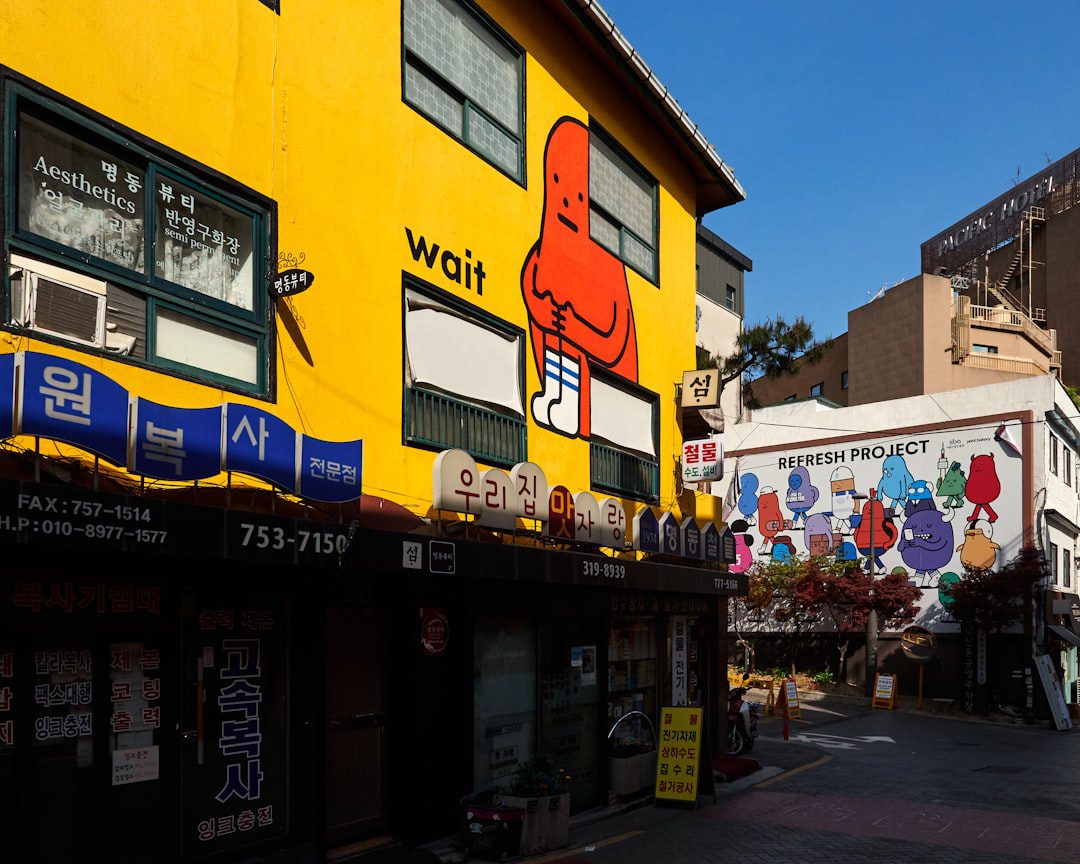
I’ll be honest—when I first moved to Seoul 35 years ago, Yeonnam-dong didn’t even register on my radar. Back then, it was just another quiet residential neighborhood in Mapo-gu, filled with ajummas doing their shopping and ajoshis playing baduk in the alleys. But somewhere around 2010, something shifted. Young creatives started moving in, opening small galleries in converted hanoks, turning dingy storefronts into vinyl record shops, and planting trees along the streets. Today, Yeonnam-dong is one of Seoul’s most vibrant neighborhoods—and somehow, it’s still flying under the radar of most tourists.
What makes Yeonnam-dong special is that it hasn’t been sanitized like Gangnam or turned into a Instagram-bait theme park like parts of Myeongdong. It’s genuinely local, genuinely cool, and genuinely affordable. The cafes here have personality. The vintage shops feel like someone’s actual bedroom. The street art doesn’t feel corporate. I’ve brought countless friends through these streets, and every single one has told me it feels like stepping into a K-indie film.
Here’s everything you need to know about experiencing Yeonnam-dong like a local.
Getting to Yeonnam-dong: Transit & Location
Yeonnam-dong is located in Mapo-gu, on the western side of Seoul. The easiest way to reach it is via subway Line 6. Let me break this down clearly:
| Subway Station | Line | Best For | Exit Number |
|---|---|---|---|
| Hongik University (홍대입구) | Line 2 | Connected neighborhood, cafes | 1, 2, 3 |
| Sangbong (상봉) | Line 6 | Direct entry to Yeonnam-dong | 1, 2 |
| Hongje (홍제) | Line 3 | Northern access, quieter area | 4 |
Ted’s tip: Exit from Sangbong Station (Line 6), Exit 2. This puts you at the heart of the neighborhood, just steps from the main Yeonnam-ro street. If you’re coming from central Seoul, take Line 6 westbound from City Hall or Myeongdong stations.
From Incheon Airport, you can reach Yeonnam-dong in about 75 minutes: take the Airport Railroad (₩9,000) to Seoul Station, transfer to Line 4 toward Dongdaemun, switch to Line 6 westbound. Or take a taxi for ₩55,000-65,000 depending on traffic. If you’re looking for detailed airport transit information, I’ve written a full guide covering all options.
Yeonnam-dong’s Iconic Cafes: Where Locals Spend Hours
If there’s one thing Yeonnam-dong is famous for, it’s cafes. And I don’t just mean coffee shops—I mean genuine third spaces where people work, read, have first dates, and exist. Over 35 years in Seoul, I’ve watched café culture evolve from just serving coffee to becoming a lifestyle. Yeonnam-dong perfected this. These aren’t chain cafes—they’re independently owned, often by artists or designers, and each one has a distinct personality.
Must-Visit Cafes
| Cafe Name | Specialty | Average Price | Hours |
|---|---|---|---|
| Chimi Changa | Specialty coffee, pastries | ₩5,500-7,000 | 8am-10pm daily |
| Parc Boutique Cafe | Minimalist design, pour-over | ₩6,000-8,000 | 10am-10pm daily |
| Namu Mori | Natural wine, cheese, garden | ₩8,000-15,000 | 11am-10pm (closed Mondays) |
| Dooset Book Cafe | Books, coffee, reading space | ₩5,000-6,500 | 10am-11pm daily |
| Greens and Beans | Vegetarian snacks, matcha | ₩4,500-6,500 | 9am-9pm (closed Tuesdays) |
| Vinyl Playground | Coffee + vinyl records shop | ₩5,500-7,500 | 12pm-10pm (closed Mondays) |
Let me be specific about my personal favorite: Namu Mori. The owner, Ji-hye, converted an old residential space into this hidden garden cafe with a wine bar in back. You walk through a narrow alley, push open a wooden gate, and suddenly you’re in this lush secret garden with string lights. They serve natural wines (₩8,000-14,000 per glass), artisanal cheese boards, and cold brew. The space feels like a friend’s home. I’ve taken more photos of that garden than any tourist destination in Korea. It’s only open Thursday-Sunday, 11am-10pm, so plan accordingly.
Ted’s tip: Most Yeonnam-dong cafes close on Mondays or Tuesdays, and many don’t open until 10-11am. Check Instagram before visiting—owners often post daily updates, closures, and new menu items. Finding the real gems often means turning down a side alley and seeing what speaks to you.
For more about Seoul’s unique coffee culture and what makes it special, check out my complete guide to Korean cafe culture.
Vintage Shops & Retro Finds
Walk through Yeonnam-dong’s back alleys and you’ll stumble upon vintage shops that feel like treasure hunts. Unlike the trendy vintage districts that have been corporatized, these shops are still run by actual collectors who hand-pick every item. I’ve found genuine 1970s Patagonia jackets, vintage Korean magazines from the 1990s, and old film cameras that actually work.
Best Vintage & Retro Shops
| Shop Name | What They Sell | Price Range | Instagram/Details |
|---|---|---|---|
| Kkeurin (끄린) | Vintage clothing, accessories | ₩15,000-50,000 | Alley near Sangbong Stn |
| Chimi Chimi (찌미찌미) | Retro home goods, figurines | ₩2,000-30,000 | Tiny corner shop, easy to miss |
| Film Nostalgia | Film cameras, lenses, supplies | ₩50,000-200,000 | Paradise for film photographers |
| Thrift & Concept | Mix of vintage + new design | ₩10,000-80,000 | Curated selection, rotates stock |
The best way to shop in Yeonnam-dong is to wander. Get lost in the alleys. You’ll find tiny shops with no signage that are only accessible to people who stumble upon them. That’s part of the charm.
Ted’s tip: If you’re interested in retro Korean culture and vintage finds, don’t miss the vintage alleys. Many shopkeepers speak English and love talking about their collections. It’s not uncommon to spend 30 minutes in a shop just chatting about an old item’s history. Take your time—that’s the Yeonnam spirit.
Street Art & Instagram-Worthy Spots
Yeonnam-dong has become a canvas for Seoul’s street art scene. Unlike some neighborhoods where murals feel corporate or temporary, Yeonnam’s art feels authentic—created by local artists with real messages. You’ll see everything from elaborate murals to tiny wheatpaste posters tucked into corners. The neighborhood actively supports this scene; there are even legal walls where artists can paint.
Top Photography Spots
If you’re looking for genuine, non-touristy Instagram moments (not the overdone flower walls you see everywhere), Yeonnam-dong delivers:
- Alley between Yeonnam-ro and Donggyo-ro: This narrow pedestrian alley is constantly evolving with new murals. The walls change seasonally, so you’ll always find fresh subjects to photograph.
- The Wooden Gate Entrance (near Namu Mori): That wooden gate leading to the garden cafe is photogenic as hell. Come on a quiet weekday morning for the best light.
- Yeonnam Mural Wall (Yeonnam-ro 17): A legal street art wall featuring rotating artists. Check in the mornings before it gets crowded with other photographers.
- Alley Staircases: Yeonnam-dong has several narrow staircases leading between levels. These shoot beautifully with soft morning light filtering through the buildings.
Ted’s tip: Go early. I mean 8-9am early. That’s when the light is best, the alleys are empty, and you’ll get genuine shots instead of fighting crowds of TikTokers. The neighborhood’s charm is strongest in those quiet morning hours before the cafes fill up.
Where to Eat: Restaurants & Street Food
Yeonnam-dong’s food scene is seriously underrated. We’re talking about small, locally-loved restaurants that serve genuine, flavorful food—not trendy fusion nonsense. The restaurant owners here are passionate about their craft, and many have been operating for 10+ years.
Standout Restaurants
| Restaurant | Cuisine | Signature Dish | Price |
|---|---|---|---|
| Jjim & Tang (찜&탕) | Korean stew | Kimchi jjim with pork belly | ₩9,000-12,000 |
| Pho Vietnam | Vietnamese | Beef pho, spring rolls | ₩7,500-9,500 |
| Myeong-dong Kimbap | Kimbap (rice rolls) | Classic kimbap with egg | ₩3,500-5,000 |
| Tosokchon Samgyetang | Ginseng chicken soup | Samgyetang (whole chicken) | ₩14,000-18,000 |
| Naksan Park Diner | Korean comfort food | Budae jjigae (army stew) | ₩12,000-15,000 |
My personal recommendation: Jjim & Tang. It’s a tiny, unmarked restaurant that opens at 10am and closes when they run out of food—usually by 8pm. The owner, Mr. Park, has been making the same kimchi jjim recipe for 22 years. He braises pork belly with kimchi until it’s fall-apart tender, and serves it bubbling in a stone pot with rice. Cost: ₩11,000. No English menu, no credit cards, minimal seating. But it’s one of the most authentic meals I eat regularly in Seoul.
Ted’s tip: Yeonnam-dong’s best spots don’t advertise heavily. You’ll find them by walking, looking for lines of ajummas during lunch hours, and asking local cafe owners. The food is genuine, portions are huge, and prices are a fraction of what you’d pay in Gangnam for similar quality.
Galleries, Studios & Creative Spaces
Yeonnam-dong has become a hub for young artists, designers, and creatives. You’ll find indie galleries, artist studios, design shops, and creative collectives scattered throughout the neighborhood. Many are free to visit and genuinely welcome walk-in visitors.
Art & Design Venues
| Venue Name | Type | Focus | Entry |
|---|---|---|---|
| Yeonnam Atelier (공방) | Artist studio collective | Mixed media, installations | Free, check hours online |
| Doodle Workshop | Design studio + shop | Ceramics, illustration, prints | Free to browse, ₩15,000+ for items |
| Little Green | Design shop + plant cafe | Plant-based interior design | Free entry |
| Yeonnam Project Space | Contemporary art gallery | Korean emerging artists | Free, rotating exhibitions |
These spaces represent what makes Yeonnam-dong special: it’s a living, breathing creative community. Artists here aren’t trying to become famous on Instagram—they’re just making work and sharing it with their neighbors. That authenticity is rare in Seoul.
If you’re interested in Korean ceramics and pottery, you should also check out my guide to pottery and ceramics classes, which covers hands-on experiences throughout Seoul including some workshops in this area.
Shopping: Design Shops & Indie Boutiques
Beyond vintage shops, Yeonnam-dong has excellent independent boutiques selling everything from handmade jewelry to small-batch skincare. These are the kinds of places where the owner hand-selects each item and actually knows the story behind it.
Independent Shopping Destinations
| Shop | Category | Specialty | Price Range |
|---|---|---|---|
| Artisan Jewelry Lab | Jewelry | Handmade sterling silver pieces | ₩40,000-150,000 |
| Warm Atelier | Home goods + textiles | Korean linen, cushions, blankets | ₩30,000-120,000 |
| Bean There Coffee | Coffee shop + roastery | Single-origin beans, pour-over kits | ₩15,000-40,000 per bag |
| Bookmarkk (북마크) | Stationery + books | Korean indie zines, journals, prints | ₩5,000-35,000 |
Ted’s tip: Shop owners in Yeonnam-dong are genuinely happy to chat. Many speak English or at least basic conversational Korean. Ask about the story behind items—you’ll often get fascinating insights into local design or Korean craftsmanship that you won’t find anywhere else.
Bars, Live Music & Nightlife
When evening hits, Yeonnam-dong transforms. Small bars open up, live music starts playing, and the neighborhood gets a different energy. It’s more low-key than Hongdae’s party scene or Seoul’s club culture, but that’s exactly the point. This is where locals go to relax, not get wasted.
Bars & Music Venues
| Bar/Venue | Vibe | Specialty | Drink Prices |
|---|---|---|---|
| The Aure | Craft cocktail bar | Creative cocktails, dim lighting | ₩12,000-16,000 |
| Yeonnam Song Room | Music lounge + karaoke | Live bands, indie performances | ₩10,000-15,000 |
| Wine Bar Natty | Natural wine bar | Organic wines, small plates | ₩8,000-18,000 per glass |
| Cozy Corner (코지 코너) | Casual neighborhood bar | Beer, soju, local crowd | ₩4,000-8,000 |
Ted’s tip: Skip the bars on the main Yeonnam-ro street—they’re slightly more touristy. Walk into the side alleys and you’ll find neighborhood bars where the owners know every regular by name. These are places where people sit for hours, nursing one drink and chatting with friends. That’s the real Yeonnam nightlife.
Best Times to Visit & Seasonal Guide
Yeonnam-dong is beautiful year-round, but some seasons are better than others for different reasons:
| Season | Temperature | What’s Great | Challenges |
|---|---|---|---|
| Spring (Mar-May) | 10-20°C | Cherry blossoms, mild weather, outdoor seating | Occasional rain, pollen |
| Summer (Jun-Aug) | 23-32°C | Long daylight, outdoor events, garden cafes | Hot, humid, monsoon rain |
| Fall (Sep-Nov) | 15-25°C | Perfect weather, autumn colors, crisp mornings | None really—this is prime season |
| Winter (Dec-Feb) | -5 to 5°C | Cozy cafe culture, fewer tourists, quiet streets | Cold, need warm layers, occasional snow |
Ted’s tip: If you want the authentic Yeonnam experience, come in fall or winter. Summer brings too many tourists, and you lose that local neighborhood feeling. October-November is absolutely perfect—crisp air, perfect cafe weather, autumn light is gorgeous for photos. I personally visit Yeonnam on weekend mornings in October more than any other time.
Essential Info: Hours, Payment & Getting Around
A few practical details that will make your visit smoother:
| Service/Detail | Information |
|---|---|
| ATMs | GS25, CU convenience stores have ATMs accepting foreign cards. Check your Korean banking guide for more info |
| Payment Methods | Card preferred in cafes/shops. Cash needed at older restaurants. No American Express at small places |
| Walking Distance | Core area is 500m-1km. Most spots accessible on foot in 20-30 min walk |
| WiFi | All cafes have excellent free WiFi. Get a Korean SIM card for mobile data |
| English Signage | Main streets have English. Side alleys? Not so much. Download Naver Map or Google Maps |
| Typical Hours | Cafes: 10am-10pm. Restaurants: 11am-9pm. Shops: 12pm-8pm. Many closed Mondays |
| T-Money Card | Essential for subway. Buy at convenience stores. See my T-Money guide for details |
Ted’s tip: Download Naver Map (not Google Maps) before you visit. It’s more accurate in Korea, has real-time reviews from locals, and you can bookmark places. When searching in English, try “Yeonnam-dong neighborhood Seoul” to see verified locations.
How to Spend a Perfect Day in Yeonnam-dong
Here’s my suggested itinerary, based on 35 years of experiencing this neighborhood:
Morning (8am-11am)
Arrive early when the streets are quiet. Get breakfast at a local spot or grab coffee at Greens and Beans. Take a slow walk through the alleys, photograph street art in soft morning light, and explore side streets most tourists miss. Pop into vintage shops—they’re quieter in the morning, and shopkeepers have time to chat.
Late Morning (11am-1pm)
Lunch at Jjim & Tang or another local restaurant. Sit down, take your time, observe locals eating their food. This is when you absorb the neighborhood’s real culture.
Afternoon (1pm-4pm)
Visit galleries and creative spaces. Browse design shops. Sit at Parc Boutique Cafe with a pour-over coffee and a book. This is slow time—the time Korean culture actually operates on. Spend 1-2 hours at a single cafe if you want. No rushing.
Late Afternoon (4pm-6pm)
Golden hour for photos. Take final photographs, explore any areas you missed, pop into one more vintage shop. The light is perfect around 5-6pm in fall and winter.
Evening (6pm onwards)
Dinner at a local restaurant. Drinks at a neighborhood bar. Live music if there’s a show. Walk slowly back to Sangbong Station, taking in the transformed nighttime streets.
Ted’s tip: Don’t over-schedule. The magic of Yeonnam-dong is that there’s no specific “attractions” to check off. It’s about experiencing neighborhood life. Plan 3-5 hours minimum; a full day is even better.
Frequently Asked Questions
Is Yeonnam-dong safe for tourists?
Completely safe. It’s one of the safest neighborhoods in Seoul. There’s good lighting, lots of local foot traffic, friendly residents, and no major crime. I’ve walked these streets at midnight countless times without concern. Women especially report feeling very safe in Yeonnam-dong.
How long should I spend in Yeonnam-dong?
Minimum 3-4 hours if you’re just passing through. A full day (6-8 hours) is ideal. Some visitors spend 2-3 days here, staying in a nearby guesthouse and really getting to know the neighborhood. The charm increases the slower you move.
Can I stay overnight in Yeonnam-dong?
Yes! There are several guesthouses and small hotels in the immediate area. Expect ₩60,000-120,000 per night for a decent guesthouse with clean rooms and local charm. Staying overnight lets you experience quiet mornings and evening bar culture that day-trippers miss.
Do I need to speak Korean to visit?
Not really, especially in cafes and shops. However, some older restaurant owners speak minimal English. Download Google Translate’s camera function—point it at Korean menus and it translates in real-time. Most younger Koreans speak at least basic English. Learning a few essential Korean phrases is helpful and appreciated.
What’s the difference between Yeonnam-dong and Hongdae?
Hongdae (directly south) is more commercialized, touristy, and party-oriented with big clubs and chain restaurants. Yeonnam-dong is quieter, more authentic, with local indie businesses and creative spaces. Hongdae feels like a destination; Yeonnam-dong feels like a neighborhood where real people live. They’re both interesting, but very different vibes.
Are the cafes in Yeonnam-dong expensive?
No. Coffee averages ₩5,000-7,000, which is standard for Seoul specialty cafes. It’s cheaper than touristy areas but slightly more than convenience store coffee (₩1,500-2,500). Considering quality and atmosphere, it’s excellent value. You can spend all day in one cafe for the price of two coffees.
What should I pack for visiting Yeonnam-dong?
Comfortable walking shoes (you’ll walk 2-3km minimum). A light jacket even in summer (cafes are air-conditioned). In winter, warm layers. A small backpack or bag for vintage shop finds. Sunglasses for street photography. Nothing specific—just comfort-focused clothing. Check my complete packing guide for Korea for season-specific details.
Should I hire a tour guide for Yeonnam-dong?
Not necessary. The neighborhood is small and walkable on your own. There are no major historical sites requiring expert explanation. Part of Yeonnam’s charm is self-discovery. That said, if you want insider recommendations or want to meet local artists, hiring a freelance local guide through Airbnb Experiences or similar can enhance the experience.
Final Thoughts
I’m protective of Yeonnam-dong, I’ll admit it. Over the past 15 years, watching it transform from a quiet neighborhood into one of Seoul’s most vibrant creative hubs has been remarkable. The neighborhood has managed something rare in Seoul: growing and evolving while staying genuinely local. The cafes haven’t turned into chains. The galleries haven’t corporatized. The residents still care about their community.
When you visit, please remember that this is someone’s home—it’s where people live, work, and create. Be respectful of that. Photograph street art, but don’t litter. Enjoy the cafes, but don’t treat them as Instagram sets. Chat with shopkeepers and bartenders. Eat local food slowly. Wander the alleys with curiosity rather than a checklist.
That’s the real Yeonnam-dong experience.
— Ted K
Image Credits: Photos sourced from Unsplash. By using this site, you agree to our Privacy Policy and Disclaimer.