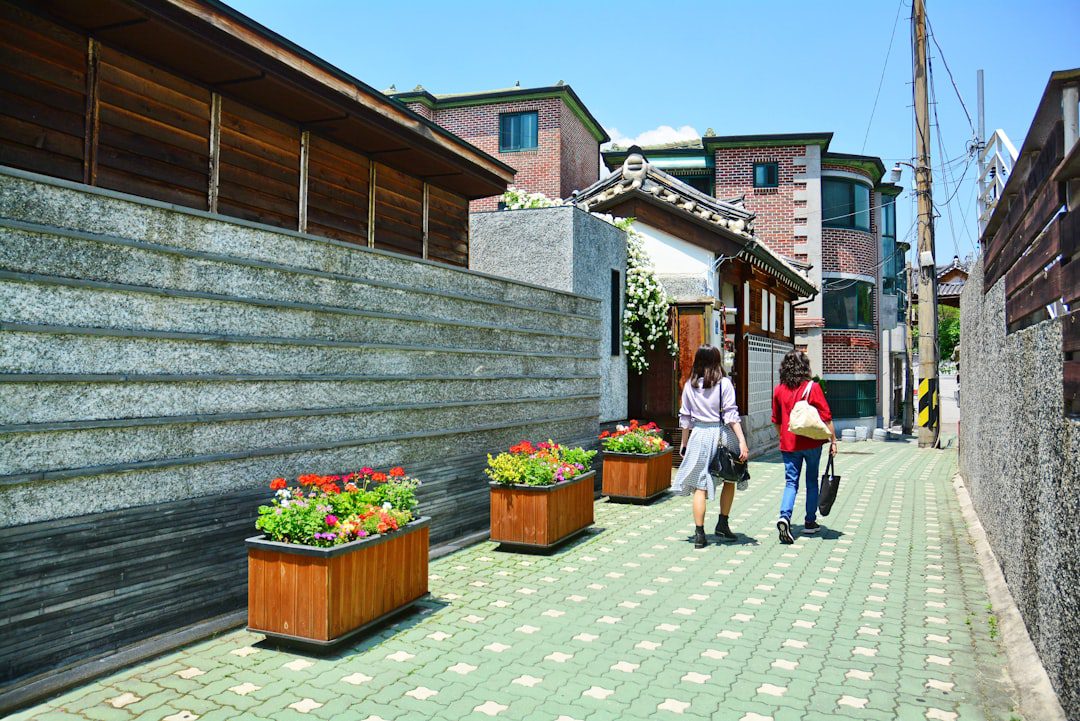
I’ve watched Hannam-dong transform over my 35 years in Korea. Back in the 1990s, it was a quiet residential pocket tucked between Itaewon and Gangnam. But somewhere around the early 2000s, something magical happened. Galleries started opening. International restaurants moved in. Young expats who wanted Seoul with a touch of home discovered it. Today, Hannam-dong is Seoul’s most refined, internationally-flavored neighborhood—without feeling touristy. It’s the place where diplomats, expat professionals, and wealthy Korean families coexist peacefully, surrounded by contemporary art and some of the city’s most innovative dining.
Unlike Itaewon’s chaotic nightlife or Gangnam’s intensity, Hannam-dong feels civilized. European. Calm. Yet it’s unmistakably Seoul. If you’re planning to spend time here—or you’re curious about where Seoul’s creative professionals actually hang out—I’ve compiled everything you need to know.
What Makes Hannam-dong Special
Hannam-dong isn’t just another Seoul neighborhood. It’s a deliberate choice by people who can afford anywhere in the city. The neighborhood sits on a hill overlooking the Hangang River, which gives it a sense of escape despite being in central Seoul. The streets are wider, quieter, and lined with maple and ginkgo trees that create stunning seasonal colors.
The demographic here is unique: roughly 40% international residents, Korean entrepreneurs, artists, and diplomats. You’ll hear English, Japanese, French, and Mandarin on the streets. But it’s not a bubble—Korean culture runs deep. You’ll find excellent traditional restaurants alongside farm-to-table concepts and French bistros.
Ted’s tip: Hannam-dong has been called “Seoul’s Beverly Hills,” but that comparison breaks down quickly. It’s more like Vienna’s 1st district—sophisticated, culturally rich, and genuinely international without losing its soul.
The neighborhood is split into two main sections: Hannam-dong itself (where most restaurants and galleries cluster) and the hillside residential area (where embassies, international schools, and luxury apartments sit). Most visitors focus on the lower part near Hangang-ro Street, where all the action happens.
Getting Here: Subway & Transport
Hannam-dong is served by Line 6, which is genuinely convenient. Here’s your transport breakdown:
| Station | Line | Best For | Exit |
|---|---|---|---|
| Hangang-ro Station | Line 6 | Main restaurants & galleries | 1, 2 |
| Hannam-dong Station | Line 6 | Upper residential area | 1, 2 |
| Ichon Station | Line 6 | Museum & river access | 2 |
| Oksu Station | Line 6 | Walking bridge to cafés | 1 |
From Incheon Airport, take the Airport Railroad (AREX) to Seoul Station, then transfer to Line 6 heading toward Banghwasusun Station. The journey takes about 90 minutes total and costs ₩10,250. Alternatively, take a taxi from the airport—it’ll run ₩65,000-₩75,000 but gets you door-to-door in under an hour.
Ted’s tip: Line 6 is a circle line, so it’s easy to navigate. Get off at Hangang-ro Station (Exit 1) if you’re heading to restaurants. Walk up the hillside streets for residential galleries and quieter dining spots.
Contemporary Art & Galleries
Hannam-dong has emerged as Seoul’s secondary art hub after Gangnam. What sets it apart is the curator-driven approach—galleries here focus on emerging Korean and international artists, contemporary sculpture, and design-forward installations. Most galleries are free to enter, and gallery owners typically speak English or have staff who do.
Gallery Districts
The main gallery cluster runs along Hangang-ro and the surrounding hillside streets. Over 20 galleries operate year-round, with opening hours typically 10am-6pm, Tuesday-Sunday (closed Mondays). Many are housed in traditional Korean houses (hanok) that have been converted into sleek exhibition spaces—the contrast between old architecture and contemporary art is stunning.
Gallery Row Map:
| Gallery Name | Focus | Address | Phone |
|---|---|---|---|
| Arario | Contemporary Korean & international | Seoul, Yongsan-gu, Hannam-dong 683-41 | 02-790-5800 |
| Kukje Gallery | Modern & contemporary sculpture | Hannam-dong 687-3 | 02-720-1020 |
| Hyundai Gallery | Design & multimedia installations | Hannam-dong 683-1 | 02-791-5165 |
| Sunday B. Morning | Contemporary painting & printmaking | Hannam-dong 682-1 | 02-797-2910 |
| Gana Art | Emerging Korean artists | Hannam-dong 688-5 | 02-738-8346 |
These aren’t massive museums—they’re intimate spaces, usually 2-3 floors in converted hanok buildings. The experience feels personal, almost like visiting a curator’s private collection. I spent an afternoon at Kukje Gallery last month (in 2024) and saw a stunning exhibition of Korean glass sculpture that genuinely made me stop and breathe. That’s what Hannam-dong galleries do—they make art feel accessible and necessary.
Ted’s tip: Visit on Thursday or Friday evenings. Many galleries stay open until 8pm, and the neighborhood itself is more lively. There’s often wine served at gallery openings, and gallery staff are more chatty when there aren’t midday crowds.
Design & Craft Studios
Beyond fine art galleries, Hannam-dong houses working artist studios, ceramic workshops, and design shops. Many are run by international expats and Korean designers who’ve chosen the neighborhood specifically for its creative energy. You can literally watch artists at work and purchase unique pieces directly.
World-Class Dining: Michelin Stars & Beyond
This is where Hannam-dong truly shines. The neighborhood has punched above its weight in Seoul’s dining scene. As of 2026, Hannam-dong has more Michelin-starred restaurants per capita than any other Seoul neighborhood outside Gangnam. But beyond the stars, it’s home to some of the city’s most thoughtful, innovative restaurants.
Michelin-Starred Restaurants
| Restaurant | Cuisine | Stars | Price Range | Reservations |
|---|---|---|---|---|
| Mosu | Contemporary Korean | ★★ | ₩195,000-250,000 | Essential (3 weeks ahead) |
| Jungsik | Korean fusion | ★★ | ₩160,000-200,000 | Essential (1 month ahead) |
| L’Effervescence | French contemporary | ★ | ₩145,000-185,000 | Essential (2 weeks ahead) |
| Soignee | French seasonal | ★ | ₩135,000-165,000 | Essential (2 weeks ahead) |
Mosu deserves special mention. Chef Lee Yoon-bok’s two-Michelin-star restaurant is an 8-seat counter in a converted Hannam-dong townhouse. The cuisine is described as “contemporary Korean,” but that undersells it—he’s essentially reinventing what Korean fine dining can be, using seasonal ingredients and techniques borrowed from global cuisine but with unmistakably Korean DNA. Getting a reservation requires booking weeks in advance through their website, and the experience costs ₩250,000 per person, but it’s genuinely transformative. I’ve eaten at Mosu three times, and each visit revealed something new about Korean culinary tradition I’d overlooked in three and a half decades here.
Ted’s tip: Don’t overlook the one-star restaurants. They often have shorter waiting lists, and the quality gap between one and two stars is smaller than you’d think. Soignee is a personal favorite—Chef Park’s French technique applied to Korean seasonal ingredients is quietly brilliant.
International Restaurants (Non-Michelin)
Just because a restaurant isn’t Michelin-starred doesn’t mean it’s not world-class. Hannam-dong’s international dining scene exists in a tier between “fine dining” and “casual,” and it’s surprisingly sophisticated.
| Restaurant | Cuisine | Average Price | Reservations | Vibe |
|---|---|---|---|---|
| Crème Brûlée | French bistro | ₩45,000-65,000 | Recommended | Relaxed elegance |
| BrUT | Italian contemporary | ₩55,000-75,000 | Recommended | Upscale casual |
| Smoke House | American BBQ | ₩40,000-60,000 | Walk-in OK | Casual cool |
| The Rooftop Izakaya | Japanese | ₩50,000-70,000 | Recommended | Sophisticated casual |
| Eatmosphere | Farm-to-table concept | ₩35,000-55,000 | Recommended | Relaxed upscale |
What I love about these restaurants is that they’re not trying to be something they’re not. The French bistros feel genuinely Parisian without pretension. The Italian restaurants source Roman and Piedmont recipes authentically. This is what happens when expat chefs with genuine culinary training settle in a neighborhood and open restaurants for a sophisticated local audience rather than tourists.
Korean Dining (The Heart of Hannam-dong)
And let’s not forget—this is Seoul. Some of the finest Korean dining happens here too. High-end Korean restaurants in Hannam-dong focus on regional specialties, heritage recipes, and premium ingredients:
| Restaurant | Specialty | Price per Person | Phone |
|---|---|---|---|
| Hanilkwan (Hannam branch) | Court-style Korean (jeongseongeum) | ₩80,000-120,000 | 02-794-1378 |
| Seongyesa | Jeolla-do regional cuisine | ₩65,000-95,000 | 02-792-8900 |
| Gagosilui Jip | Korean BBQ (premium hanwoo) | ₩85,000-150,000 | 02-795-5656 |
Ted’s tip: Skip the Michelin stars if you’re on a tighter budget. Hanilkwan’s Hannam location serves the same sophisticated Korean court cuisine (jeongsong-eum) you’d get elsewhere, but in a more relaxed environment. You’ll eat like royalty for ₩100,000, and the service is genuinely warm.
Cafés, Bakeries & Casual Eats
Not everything in Hannam-dong is fine dining. The neighborhood has excellent casual options—particularly cafés and bakeries that have become neighborhood institutions.
Specialty Coffee & Third-Wave Culture
Hannam-dong’s café culture is distinctly Seoul, yet with international influences. These aren’t chains. Most are single-location, independently owned spaces run by passionate coffee professionals. Expect specialty espresso, pour-over methods, and owner-baristas who can discuss single-origin processing.
| Café Name | Style | Coffee Price | Vibe | Hours |
|---|---|---|---|---|
| Turning Pointe | Specialty espresso | ₩6,500-7,500 | Minimal, focused | 9am-7pm daily |
| Coffee Libre | Pour-over & espresso | ₩7,000-8,000 | Warm, conversational | 8am-6:30pm Tue-Sun |
| Hollow Space | Espresso & pastry | ₩5,500-6,500 | Industrial-minimalist | 9am-6pm Tue-Sun |
| Myriem Cafe | Filter & flat white | ₩6,000-7,500 | Bright, artistic | 9am-7pm daily |
I’ve been to Turning Pointe dozens of times. The owner, Ji-won, has been roasting his own beans for 8 years and sources from Ethiopian smallholders directly. A single-origin pour-over there tells a complete story about climate, altitude, and farmer. Most customers are neighbors—expats, Korean professionals, artists—who come for consistency and conversation. This is where the international and Korean communities of Hannam-dong actually mix.
Ted’s tip: Visit Myriem in the morning around 10-11am. The light is perfect, and the barista will talk about the beans without being pretentious. Order a flat white (this is an Australian espresso drink they do perfectly).
Bakeries & Pastry Shops
Hannam-dong has excellent bakeries, but here’s the thing: Seoul’s bakery culture is different from the West. Expect savory pastries, cream-filled cakes, and seasonal specialties alongside croissants. Many blend Korean and European traditions:
| Bakery | Specialty | Price Range | Location |
|---|---|---|---|
| Grace Baking | French sourdough & pastries | ₩5,000-12,000 | Hannam-dong main street |
| Jomaru Boulangerie | Shokupan & Japanese-Korean fusion | ₩3,500-8,000 | Near Hangang-ro Station |
| Pastry Garden | Cream cakes, tarts, seasonal | ₩4,500-8,500 | Hillside residential area |
Shopping: International Brands, Local Design & Boutiques
Hannam-dong’s shopping experience is different from Myeongdong’s mass tourism or Dongdaemun’s fashion markets. It’s curated, intentional, and focused on quality over quantity. Here, you’re not bargain hunting—you’re discovering.
International & Luxury Boutiques
Hannam-dong has become a secondary hub for international luxury brands. Brands like Prada, Valentino, and Saint Laurent maintain boutiques here as alternatives to crowded Gangnam. The shopping experience is deliberately low-pressure. You can browse a Prada boutique in Hannam-dong without a single Korean salesperson hovering. It feels genuinely relaxed.
Korean Design & Local Boutiques
Where Hannam-dong really shines is Korean designers. The neighborhood has become known for Korean design houses that export globally: furniture designers, textile artists, fashion designers pushing Korean aesthetics into contemporary territory. Many have studio-shops where you can see work being created. These aren’t souvenir shops—these are serious design destinations.
Ted’s tip: The best Korean design shops are hidden in residential side streets, not on main roads. Ask your café owner or gallery staff for recommendations—they know which designers are currently exhibiting.
The Expat Community & Living Here
About 40% of Hannam-dong’s residents are international expats, which shapes the neighborhood in profound ways. This isn’t Itaewon’s party-heavy expat scene. These are diplomats, corporate professionals, artists, and families living long-term.
International Schools & Expat Infrastructure
Multiple international schools operate in Hannam-dong: Seoul Foreign School, Korean-American School, and several Japanese schools. There are international medical clinics, expat-friendly real estate offices, international grocery stores (like Lotte World Mart and Paris Baguette branches that cater to international tastes), and English-language services everywhere.
The neighborhood has excellent international schools, direct flights to major capitals through nearby Incheon Airport, and sophisticated professional networks. If you’re relocating to Seoul for work, Hannam-dong is likely where your employer will suggest housing.
Diplomatic Presence
Multiple embassy buildings sit in the hillside residential area. This gives Hannam-dong an international civic infrastructure—more English signage, international security presence, and a genuine sense that the world is happening here. It’s not insular, though. The Korean and international communities genuinely overlap in restaurants, galleries, and cafés.
Ted’s tip: If you’re relocating to Seoul, plan to spend a night in Hannam-dong before committing to housing. Rent a short-term apartment (Airbnb has good options here), walk the streets morning and evening, and see if the vibe matches your lifestyle. Some people find it perfect. Others find it too expensive or culturally separated from “real” Seoul.
Seasons & What to Experience Year-Round
Hannam-dong’s tree-lined streets make it particularly beautiful in specific seasons. The hillside residential area has hundreds of ginkgo and maple trees planted decades ago, creating dramatic seasonal shifts.
| Season | Best Activity | Weather | Crowds |
|---|---|---|---|
| Spring (Apr-May) | Walk hillside streets, café hopping | 15-20°C, pleasant | Moderate |
| Summer (Jun-Aug) | Hangang Park nearby, river dining | 25-30°C, humid | Lower |
| Fall (Sep-Nov) | Ginkgo & maple viewing, gallery hopping | 10-20°C, crisp | High (late Oct-Nov) |
| Winter (Dec-Feb) | Fine dining, museum visits, quiet walks | -5 to 5°C, clear | Low |
November is genuinely magical here—ginkgo trees turn golden, and the neighborhood becomes photography-worthy. Winter is quietest and most peaceful. Summer can feel touristy by Hannam-dong standards, but it’s still serene compared to other Seoul neighborhoods.
Nearby Attractions & Day Trip Extensions
Hannam-dong sits strategically close to several Seoul attractions. From here, you can easily access:
Ichon Station area (Line 6, one stop): Home to the National Museum of Korea, one of the world’s finest collections of Korean art and history. Excellent for a morning or afternoon cultural immersion.
Itaewon (10-minute walk): If you want nightlife, international shopping, or casual dining, Itaewon is just downhill. The contrast between Hannam-dong’s serenity and Itaewon’s energy is striking.
Hangang Park: The Hangang Park system offers cycling paths, picnic areas, and riverside walks. Perfect for a break from dining and galleries.
Gangnam (Line 6 to transfer at Apgujeong): If you want to experience the opposite end of Seoul’s luxury spectrum, Gangnam is reachable in 20 minutes.
Practical Information for Visitors
Best Time to Visit
Fall (September-November) is optimal. Spring (April-May) is second-best. Avoid summer if possible—it’s humid, and many galleries reduce hours. Winter is quiet and perfect for fine dining, but foot traffic is minimal.
Dining Reservation Tips
For Michelin-starred restaurants: Book 2-4 weeks in advance through their websites or via Naver Booking App (Korean: 네이버 예약). Most accept English email requests.
For mid-range restaurants: Call 2-3 days ahead or use Naver Booking.
For cafés and casual spots: Walk-ins are perfectly fine.
Budget & Money
Hannam-dong is expensive, but you have flexibility:
| Activity | Budget Option | Mid-Range | Splurge |
|---|---|---|---|
| Coffee | ₩5,500 | ₩7,000 | ₩8,500 |
| Lunch (sit-down) | ₩12,000-15,000 | ₩35,000-50,000 | ₩80,000+ |
| Dinner (fine dining) | N/A | ₩50,000-80,000 | ₩150,000-250,000 |
| Gallery visits | Free (no admission) | Free | Free |
All major credit cards and digital payments (Naver Pay, Kakao Pay) are accepted everywhere. ATMs accepting foreign cards are ubiquitous near Hangang-ro and Hannam-dong subway stations.
Language & Communication
English is widely spoken in restaurants, galleries, and shops. However, having a translation app handy (Google Translate or Papago) helps with menu reading and gallery descriptions. Learning 10-15 basic Korean phrases genuinely enhances the experience—locals appreciate the effort, especially in neighborhood spots.
Frequently Asked Questions
Is Hannam-dong a safe neighborhood?
Absolutely. Hannam-dong is one of Seoul’s safest neighborhoods. It has significant police presence (due to diplomatic infrastructure), active resident community engagement, and excellent street lighting. I feel more comfortable walking here at midnight than I do in most Seoul neighborhoods. The international community is also security-conscious, which maintains standards.
Do I need to speak Korean to enjoy Hannam-dong?
No, but it helps. Most restaurants, galleries, and shops have English-speaking staff or menus. However, the neighborhood has an international community, so English is genuinely common. That said, learning basic phrases makes interactions more meaningful. Ask staff for recommendations in simple English—they’re usually delighted to help.
How many days should I spend in Hannam-dong?
One full day minimum; 2-3 days is ideal. A one-day plan: morning café, gallery-hop for 3-4 hours, lunch at a mid-range international restaurant, afternoon walk through residential hillside streets, evening fine dining. A three-day plan allows deeper gallery exploration, cooking class participation at a café, relationship-building with shop owners, and multiple dining experiences.
Are Michelin-starred restaurants worth the cost?
If you love food and have the budget, absolutely. Chef Lee Yoon-bok’s Mosu and Chef Park’s Jungsik offer genuine innovation—not just technical excellence, but creative risk-taking that advances culinary conversation. However, if budget is limited, spend ₩80,000-100,000 at a non-Michelin high-end restaurant. The gap in quality between good and excellent is smaller than between Michelin-starred and everything else.
What’s the difference between Hannam-dong and Itaewon?
Itaewon is louder, younger, more touristy, nightlife-focused. Hannam-dong is quieter, more sophisticated, art-focused, dining-focused. Itaewon has budget hostels and party; Hannam-dong has fine dining and galleries. Both are international neighborhoods, but they serve completely different travel styles.
Can I visit Hannam-dong for a day trip from another city?
Yes. From Busan (3-hour KTX), Incheon (1-hour train), or other cities, you can do a day trip. Recommend: arrive morning, have breakfast café, gallery-hop 10am-4pm, dinner 6-8pm at a mid-range restaurant, evening walk, depart. However, 2-3 days gives Hannam-dong justice.
What time do galleries close, and are they open on weekends?
Most galleries: 10am-6pm, Tuesday-Sunday (closed Mondays). Some stay open until 7-8pm on Thursday/Friday. Weekend hours are consistent with weekdays—galleries don’t have special weekend hours in Hannam-dong. Call ahead if planning a specific artist visit.
Is there a free area for casual exploring, or is everything paid?
Galleries are free. Streets are free. Cafés require a ₩5,500-7,000 coffee. Parks (like the nearby Hangang Park) are free. So yes, you can spend hours exploring Hannam-dong for almost nothing beyond a coffee. However, the neighborhood’s purpose is dining and dining-adjacent experiences, so expect to spend money if you want to fully experience it.
Final Thoughts
Hannam-dong represents something unique in Seoul: a neighborhood where Korean tradition and international sophistication coexist without contradiction. It’s not trying to be Paris or New York. It’s Seoul—but Seoul understood as a globally connected city, a place where Korean culture is strong enough to welcome the world without losing itself.
In 35 years here, I’ve watched neighborhoods transform. But Hannam-dong’s transformation feels organic. It wasn’t gentrified by a single developer or corporate entity. Instead, individual galleries opened, restaurants followed, and a community formed naturally. The expat presence didn’t displace Korean character—it deepened it. Because international diners appreciate Korean fine dining more deeply. Because expat curators understand how to present Korean contemporary art globally.
If you visit Seoul once, you need palaces, traditional villages, and street food markets. But if you visit twice, come to Hannam-dong. Sit at a café. Visit galleries. Eat something that challenges what you thought Korean food could be. Walk the hillside streets. Breathe air that feels slightly thinner, slightly clearer than the rest of Seoul.
This neighborhood has taught me something about my adopted home: that Seoul doesn’t fear the world. It invites it in, shapes it, and becomes something neither fully Korean nor fully international, but entirely its own.
— Ted K
Image Credits: Photos sourced from Unsplash. By using this site, you agree to our Privacy Policy and Disclaimer.