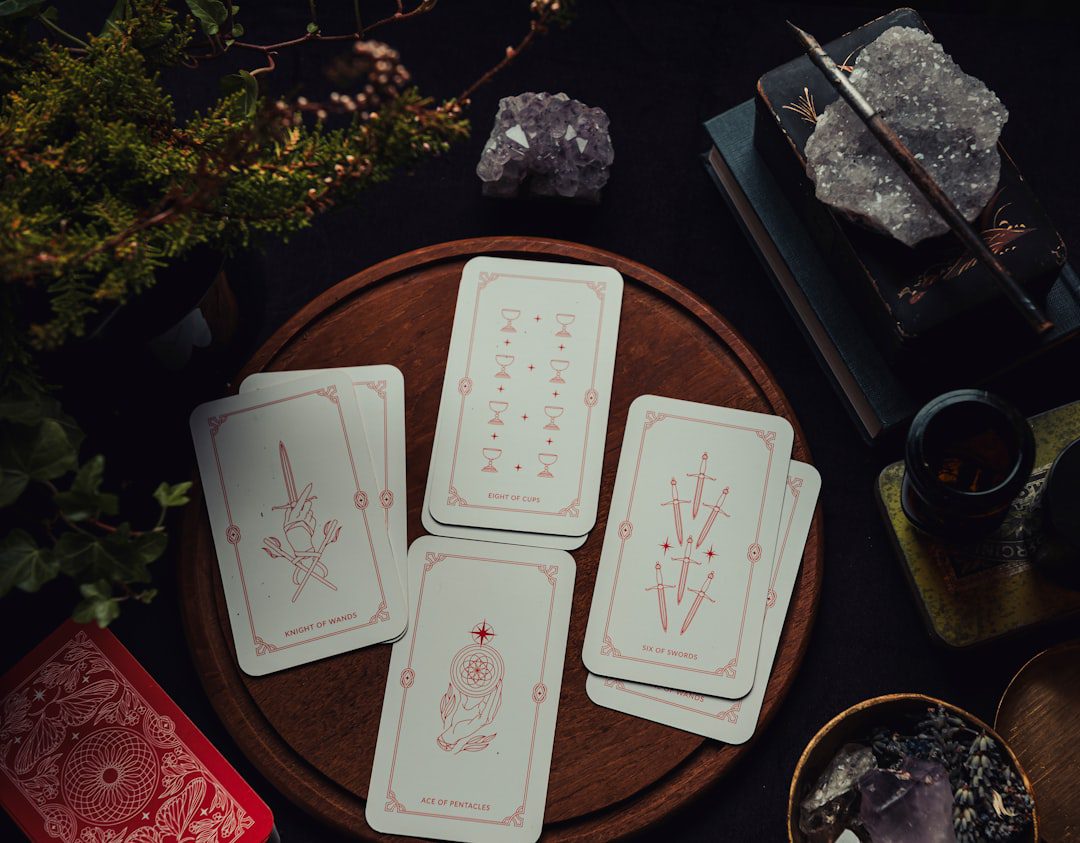
I’ll never forget the afternoon in 1998 when my wife insisted on taking me to a saju master in a cramped alley off Myeongdong. I was skeptical—I’m American, pragmatic, trained in hard facts. But watching the fortune teller trace her finger across the lunar calendar, cross-referencing my birth time with ancient Korean philosophy, something shifted. She nailed details about my personality that felt uncomfortably accurate. That experience opened my eyes to a side of Seoul that most tourists never see: a thriving undercurrent of fortune telling, tarot reading, and spiritual consultation that’s woven into the fabric of Korean culture.
After 35 years here, I’ve learned that fortune telling in Korea isn’t fringe mysticism—it’s mainstream. Successful businesspeople, K-pop idols, and everyday Seoulites regularly consult fortune tellers before major life decisions. The practice is so normalized that there are literally thousands of saju cafes, tarot shops, and spiritual consultation spaces scattered across the city. And the good news? As a visitor, you can tap into this experience too—even if you’re just curious or skeptical like I was.
Here’s everything you need to know about getting your fortune told in Seoul, where to go, what to expect, and how to navigate this fascinating cultural phenomenon.
What Is Saju? Understanding Korea’s Ancient Fortune Telling
Saju (사주) literally means “four pillars”—four fundamental elements of your destiny based on the exact moment you were born. Unlike Western astrology, which focuses on your sun sign, saju is incredibly detailed and specific. It requires three pieces of information: your birth date (lunar calendar), birth time, and birth location.
The system works like this: Each of the four pillars (year, month, day, and hour) corresponds to a Heavenly Stem and Earthly Branch from the ancient Chinese zodiac. These combine to create a complex chart that fortune tellers interpret using yin-yang philosophy, the five elements (wood, fire, earth, metal, water), and relationship dynamics. A skilled saju master can spend 30 minutes to an hour analyzing your chart, discussing your personality, predicting major life events, and even suggesting auspicious dates for important decisions.
Ted’s tip: Make sure you know your birth time in Korean time. If you were born overseas, you’ll need to convert it. Many saju masters are particular about this—they say even a 15-minute difference can shift the entire reading.
What fascinates me most is that saju isn’t presented as absolute destiny—it’s more like a cosmic blueprint. Most fortune tellers will tell you, “This is your potential, but your choices matter.” It’s surprisingly philosophical and less fatalistic than Western stereotypes about fortune telling.
Where to Find Saju Cafes in Seoul
Myeongdong: The Fortune Telling District
Myeongdong is Seoul’s undisputed fortune telling epicenter. Walk down the narrow alleys just north of the main shopping street, and you’ll see signs everywhere: “사주” (saju), “타로” (tarot), “운세” (fortune reading). This is where my wife first took me, and it remains the most accessible area for tourists.
The density of fortune telling shops here is remarkable. In a single block, you might find 5-10 different saju cafes stacked vertically in old buildings. Most occupy the 2nd or 3rd floors, above convenience stores or clothing shops. The aesthetic is often intimate—tiny rooms with red curtains, incense, crystal balls, or antique furniture.
| Popular Saju Areas in Myeongdong | Nearest Subway | Vibe | Typical Price |
|---|---|---|---|
| Myeongdong Main Alley (N side of shopping district) | Myeongdong Station (Line 4) | Touristy, many English speakers | ₩30,000–₩50,000 |
| Jongno 3-ga Side Streets | Jongno 3-ga (Line 1, 3, 5) | More local, deeper knowledge | ₩20,000–₩40,000 |
| Gangnam (Apgujeong, Sinsa) | Apgujeong (Line 3) | Upscale, wealthy clientele | ₩50,000–₩150,000 |
Ted’s tip: If you’re staying near Myeongdong for shopping anyway (which I cover in my Myeongdong shopping guide), combine your saju reading with your retail therapy. It’s convenient and feels natural.
Insadong: The Artistic & Spiritual Hub
Insadong (인사동) is Seoul’s traditional arts and antiques quarter, and it’s also home to some of the city’s most sophisticated fortune telling establishments. Here, you’ll find places that blend fortune telling with artistic aesthetics—beautiful wooden interiors, traditional Korean calligraphy, and a more refined atmosphere.
I visited one tarot cafe in Insadong about five years ago called “Tarot House”—it had wooden shelves lined with vintage tarot decks from around the world, soft lighting, and a reader who spoke English fluently. It felt less like a fortune telling shop and more like a private art gallery. Prices here tend to be higher, but the experience is more polished.
For more about exploring Insadong’s cultural attractions, check out my Insadong neighborhood guide.
Gangnam: Upscale & High-Tech
Gangnam fortune telling is a different beast entirely. The clients here are wealthy executives, celebrities, and business owners making major decisions. The prices reflect this—a single saju reading can cost ₩100,000–₩200,000. But the readers are often exceptionally skilled, sometimes third or fourth generation masters with decades of experience.
What surprised me during my research is that Gangnam is where high-tech fortune telling meets tradition. Some places now offer AI-assisted saju readings that combine computational analysis with human interpretation. It feels very Seoul—respecting ancient wisdom while embracing technology.
Tarot Cafes: Western Mysticism Goes Korean
While saju is deeply rooted in Korean and Chinese tradition, tarot has become wildly popular in Seoul over the past 15 years. Tarot cafes—intimate spaces where you can get a card reading over coffee—have exploded in number, especially in Hongdae, Gangnam, and around university areas.
The difference between a tarot cafe and a saju reading is significant. Tarot is more personal and intuitive—the reader interprets how cards relate to your current situation and immediate future. You don’t need to provide your birth time or lunar calendar. A typical tarot reading lasts 20-40 minutes and costs ₩20,000–₩50,000.
What to Expect at a Tarot Cafe
You’ll walk into a small, aesthetically curated space—usually just 2-4 reading stations separated by curtains or screens. The atmosphere is designed for intimacy and focus. The reader will ask you to sit across from them at a small table, often with a cup of tea or coffee in front of you.
Most tarot readers in Seoul ask you to shuffle the deck and cut it, focusing on your question as you do. Then they lay out a spread—typically Celtic Cross (10 cards) or a simple three-card spread for quick readings. As they flip each card, they’ll interpret it in relation to your life situation, offering insights about relationships, career, timing, and obstacles.
Ted’s tip: Come with an open question or concern, but don’t be too specific. Tarot readers work best with some ambiguity. Asking “Will I get that promotion?” is narrower than “What should I know about my career right now?” The latter gives the reader more room to work.
| Popular Tarot Neighborhoods | Subway Station | Best For | Average Cost |
|---|---|---|---|
| Hongdae | Hongik University (Line 2) | Young, artsy crowd; bohemian vibe | ₩15,000–₩35,000 |
| Gangnam (Apgujeong) | Apgujeong (Line 3) | Upscale, professional readers | ₩40,000–₩80,000 |
| Sinchon | Sinchon (Line 2) | University students; laid-back | ₩10,000–₩25,000 |
| Insadong | Anguk (Line 3) | Artistic readers; mixed Korean/Western | ₩25,000–₩60,000 |
Finding English-Speaking Tarot Readers
This is the practical challenge. Most tarot readers in Korea are Korean-speaking only. However, younger readers in Hongdae and around university areas often speak basic English. Your best bet is to ask your guesthouse or hotel staff to help you find a place—they’ll usually know someone who works with tourists.
Alternatively, search Instagram for “타로 카페” (tarot cafe) plus your neighborhood, and look for places that mention “English OK” or show photos with international visitors.
Shamanic & Spiritual Experiences Beyond Fortune Telling
Korea has a rich shamanic tradition called “mudang” (무당) that predates Buddhism and saju. While full shamanic rituals are beyond most tourists’ scope, you can find spiritual consultation experiences that blend shamanism, fortune telling, and energy work.
One afternoon, I visited a place in northern Seoul where a woman read tarot and also offered “energy cleansing”—essentially a spiritual consultation combined with feng shui analysis of your life. She charged ₩50,000 for an hour and was genuinely thoughtful about my career and relationships. It wasn’t a performance; she was interested in helping, not just entertaining.
These experiences are harder to systematically find as a tourist, but if you’re curious and your guesthouse staff can make a recommendation, it’s worth exploring. Korean spirituality is sincere and surprisingly non-commercialized if you find the right place.
Ted’s tip: Be respectful of shamanic traditions. These aren’t novelty experiences—they’re part of Korean cultural heritage. Approach with genuine curiosity, not skepticism or mockery.
Prices, Hours & Practical Information
Complete Pricing Breakdown
| Service Type | Duration | Price Range | Notes |
|---|---|---|---|
| Quick Tarot Reading | 10–15 min | ₩10,000–₩20,000 | 3-card spread; tourist-friendly |
| Standard Tarot Reading | 30–40 min | ₩25,000–₩50,000 | Full Celtic Cross spread |
| Saju Reading (Basic) | 30–45 min | ₩20,000–₩40,000 | Myeongdong/student areas |
| Saju Reading (Master) | 45–60 min | ₩60,000–₩150,000 | Experienced practitioners; Gangnam |
| Compatibility Reading (Saju) | 45–60 min | ₩40,000–₩100,000 | Two people’s charts analyzed |
| Online Saju Reading | 30 min | ₩15,000–₩35,000 | Video call with interpreter option |
| Energy Cleansing/Spiritual Session | 45–60 min | ₩40,000–₩80,000 | Tarot + energy work combined |
| Written Saju Report | N/A | ₩30,000–₩60,000 | PDF document; no in-person session |
Operating Hours
Unlike Western fortune tellers, Korean saju masters and tarot readers keep flexible hours. Most open around 11 AM or noon and stay open until 9 PM or 10 PM. However, walk-ins aren’t always guaranteed—many take appointments. Some places on Myeongdong actively recruit tourists on the street, which is both convenient and slightly… much.
My advice: If you see a place that appeals to you, knock on the door or press the buzzer. Even if they’re busy, they’ll usually tell you when they’re free or schedule you for later that day.
Ted’s tip: Afternoons (2 PM–5 PM) are typically slower, so you’re more likely to get an immediate reading. Evenings and weekends are busier.
Payment & Language
| Factor | Details |
|---|---|
| Payment Methods | Cash (₩) strongly preferred; some accept card or Naver Pay/Kakao Pay. Always ask upfront. |
| Language | Korean is standard; tarot cafes in Hongdae/Insadong sometimes have English speakers; Myeongdong readers often know basic English phrases |
| Interpreter Options | Some upscale Gangnam or Insadong readers offer English consultations; ask your hotel concierge |
| Tourist Expectations | Myeongdong readers are used to tourists; elsewhere, you’ll be more of a novelty. Politeness goes a long way. |
For more details on navigating Korean payment methods and cash needs, see my banking and money exchange guide.
How to Prepare for Your Reading: What to Bring & How to Behave
Essential Information to Have Ready
If you’re getting a saju reading, be prepared with these details:
- Full birth date (lunar calendar if possible—but if you only know solar/Western calendar, that’s okay; the reader can convert)
- Exact birth time (hour and minute, if you know it)
- Birth location/city (country of birth matters for international clients)
- Your age in Korean years (optional but appreciated—ask how to calculate it)
For tarot, you just need to show up. No prep required.
Etiquette During the Reading
Korean fortune tellers are generally warm and welcoming, but here are some practical guidelines:
- Be respectful but relaxed. You don’t need to bow, but a simple “감사합니다” (thank you) goes a long way.
- Let them talk. Unlike Western therapists, Korean fortune tellers tend to lead the conversation. Don’t interrupt with too many questions; wait for them to open the floor.
- Take notes if they allow it. Some readers will give you specific advice about dates, colors, or actions—jotting these down shows respect and helps you remember.
- Ask clarifying questions at the end. After the initial reading, it’s perfectly fine to ask for specifics on advice or timeline predictions.
- Don’t argue with the reading. Even if you disagree, just listen. You can reflect on it later.
Ted’s tip: Many saju masters will ask if you want to know about your past, present, or future. Choosing “present and future” is usually better for tourists—it gives the reading more practical applicability to your actual trip.
Skeptic’s Corner: What’s Real, What’s Show, and What to Believe
I’ll be honest with you, as I always am. After 35 years in Korea and multiple fortune telling experiences, I remain a skeptic with respect. Here’s my take:
What’s legitimate: Saju is a genuine system of personality analysis based on centuries of observation. Like Myers-Briggs or astrology, it works partly because the categories are broad enough to apply to many people (Barnum effect), but also because competent practitioners have honed the art. A good saju reading will reveal genuine psychological insights.
What’s amplified: Tarot is interpretive art. A skilled tarot reader is part mystic, part therapist, part cold-reader. They’re using your reactions and body language to guide their interpretation. This doesn’t mean it’s fake—it means they’re skilled observers of human nature.
What’s pure commerce: Some fortune tellers in high-traffic areas (especially Myeongdong) are running a quick-turnover business. They’ll do a 15-minute reading for ₩30,000 and send you on your way. Is it meaningful? Probably less so. But is it authentic Korea? Absolutely.
The cultural reality: What matters isn’t whether fortune telling is scientifically “real.” What matters is that millions of Koreans genuinely believe in and use these systems to navigate life decisions. Experiencing it as a tourist isn’t naive—it’s cultural understanding.
Ted’s tip: Go with an open but critical mind. Think of it like visiting a museum—you don’t have to believe in everything to find it valuable.
Combining Fortune Telling with Other Seoul Experiences
Fortune telling is best experienced as part of a broader Seoul itinerary, not as a standalone activity. Here are some natural combinations:
- Myeongdong saju reading + shopping: Get a reading in the morning, then explore the famous shopping district. See my Myeongdong shopping guide for what to buy.
- Insadong tarot + temple visit: Combine a spiritual reading with a visit to nearby Jogyesa Temple or other historic sites. Both fit the cultural exploration vibe.
- Gangnam reading + upscale dining: If you’re doing a high-end saju reading in Gangnam, follow it with a fine dining experience in the same neighborhood. Check my Gangnam guide for recommendations.
- Hongdae tarot + arts district exploration: Tarot cafes in Hongdae work perfectly as a pit stop during an afternoon exploring the bohemian neighborhood’s galleries and street art.
I’ve also known tourists who got tarot readings to help make decisions about where else to visit during their Korea trip. One woman got a reading in Seoul, the tarot suggested “water and new beginnings,” and she took it as a sign to add Jeju Island to her itinerary. Worth exploring? Check my Jeju Island travel guide.
Online Fortune Telling for Before Your Trip
Here’s something that’s blown up in recent years: online saju and tarot readings conducted via Zoom or video call with Korean practitioners. Some places even provide English interpreters. This is perfect if you want to get a reading before your trip, or if you want to book something specific in advance.
Prices are typically lower than in-person readings (₩15,000–₩40,000), and the convenience is obvious. The trade-off is that some of the intimate, in-person energy is lost—but honestly, for a first-timer, it’s a great low-pressure way to understand what saju or tarot is about.
You can find these services by searching “온라인 사주” (online saju) or “온라인 타로” (online tarot) on Korean websites, or asking your hotel to arrange one. Some tarot cafes in Insadong now offer video consultations for international guests.
Frequently Asked Questions
Do I need to speak Korean to get a fortune telling in Seoul?
Not necessarily, but it helps. Tarot readers in Hongdae and university areas often speak basic English. Saju masters in Myeongdong are used to tourists and know key phrases. For a more sophisticated reading, book a place that explicitly offers English or hire an interpreter through your hotel. The experience will be richer if there’s actual linguistic exchange, but even with minimal language, experienced readers can work with gestures and simple translations.
What’s the difference between saju and astrology?
Saju is based on East Asian philosophy and requires your exact birth time to create a detailed personal chart. Western astrology typically focuses on your sun sign (birth month) and is more accessible with less specific information. Saju is more complex and precise; astrology is more popular in Western culture. Both use cosmic timing, but they’re different systems with different assumptions.
Is it safe to give my birth date and time to a fortune teller?
Your birth date and time are not sensitive information—they’re on your birth certificate. Thousands of people have this same birth time, so it doesn’t uniquely identify you. That said, choose a reputable place, especially if you’re concerned. Stick to established cafes in busy areas rather than random street-side readers. Trust your instincts.
How long do I need to allow for a fortune telling session?
A quick tarot reading can take 15 minutes. A thorough saju reading typically takes 45 minutes to an hour. If you just want to try it, a 30-minute session is a good starting point. If you’re genuinely interested and have time, spring for the longer sessions—the depth is worth it.
What should I do if the fortune teller says something negative or scary?
Remember: good fortune tellers focus on guidance, not doom. If someone is fear-mongering or trying to sell you additional expensive services to “fix” a problem, that’s a red flag. Reputable readers will present challenges as opportunities and emphasize that you have agency. Don’t let one person’s reading ruin your trip. Get a second opinion if you’re genuinely concerned.
Can I bring a friend to my fortune telling session?
Usually yes, especially for tarot. Saju readings are often one-on-one, but if you’re getting a couple’s reading or just want a friend present, most readers will allow it. Ask beforehand. Some tarot cafes have multiple readers and can do group readings. Just be respectful and quiet if you’re just observing.
How do I find a fortune teller that caters to tourists?
Start in Myeongdong—it’s the most tourist-friendly area with readily available services in multiple languages. Insadong and areas near major hotels are also geared toward international visitors. Avoid small alleys where you don’t see signage or other tourists. Use Google Maps to search “타로 카페” or “사주 카페” in your neighborhood and check reviews.
Is tipping expected after a fortune telling?
No. Korea doesn’t have a tipping culture, and fortune telling is no exception. Your payment covers the service. A simple “감사합니다” (thank you) is more than enough. For more on tipping norms in Korea, see my complete guide to tipping in Korea.
Final Thoughts
Looking back at that afternoon in 1998 when my wife dragged me to a saju master in Myeongdong, I realize what I was really experiencing wasn’t fortune telling—it was Korea. I was touching something essential about how this culture thinks about life, time, and destiny. Thirty-five years later, I still think about some of that reading. Not because it was spookily accurate, but because it made me reflect.
That’s what I hope you get from a fortune telling experience in Seoul: not just entertainment, but a window into how ordinary Koreans navigate their lives and make sense of the future. Whether you’re a skeptic, a believer, or somewhere in between, the experience itself—sitting in a small room with incense and cards, listening to a stranger’s insights about your personality and potential—is genuinely meaningful.
My advice? Don’t overthink it. Spend ₩30,000, get a tarot reading or saju chart, listen with an open mind, and take what resonates with you. You’ll have a story to tell and a tiny deeper understanding of Korean culture. That’s worth the time and won’t feel like a waste even if you don’t believe a word of it.
— Ted K
Image Credits: Photos sourced from Unsplash. By using this site, you agree to our Privacy Policy and Disclaimer.