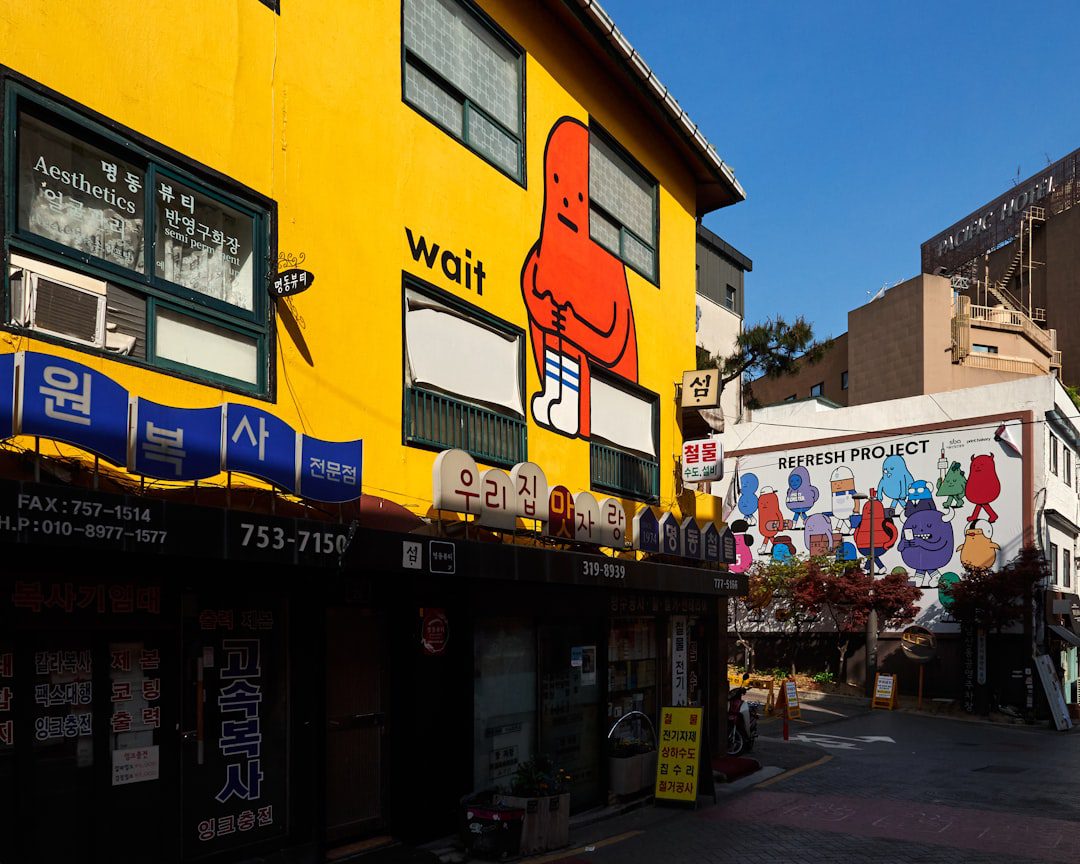
I first discovered Euljiro on a humid afternoon in 1998, when it was nothing more than a sprawling industrial zone filled with metalwork factories and textile wholesalers. Back then, the neighborhood smelled like diesel and solder, and the streets were dominated by delivery trucks and exhausted factory workers. Most Seoulites drove straight through without a second glance. Today, standing at the corner of Euljiro and Cheonggyecheon, I barely recognize it—yet somehow, it still feels authentic in a way that most of Seoul has lost.
Over the past decade, Euljiro has transformed into one of Seoul’s most exciting neighborhoods, a place where crumbling warehouse walls coexist with minimalist coffee shops, where vintage arcade games sit next to craft cocktail bars, and where you can buy industrial-era machinery parts in the morning and sip natural wine in a converted factory at night. Unlike trendy Hongdae or polished Gangnam, Euljiro retains its grit—and that’s exactly why it works.
Whether you’re hunting for retro finds, seeking authentic drinking culture, or just want to experience a side of Seoul that hasn’t been completely gentrified, Euljiro is essential. Here’s everything you need to know about exploring this chameleon of a neighborhood.
Getting to Euljiro: Location & Transportation
Euljiro is located in Jung-gu (central Seoul), sandwiched between Cheonggyecheon to the west and the Han River’s industrial waterfront. It’s incredibly easy to reach, making it perfect for a day trip or evening exploration.
Subway Access
The neighborhood is served by two main subway lines, with several stations worth knowing. The most central stations are:
| Station | Line | Best For |
|---|---|---|
| Euljiro 3-ga | Line 2 | Vintage shops, street food |
| Euljiro 4-ga | Line 2 | Hip bars, galleries, cafes |
| Jongno 5-ga | Line 1 | Western edge, Jongno district |
| Sungnyemun | Line 4 | Southern approach via Cheonggyecheon |
Ted’s tip: Exit Euljiro 4-ga, Exit 6 if you want to dive straight into the bar and gallery scene. Exit 3-ga, Exit 1 for vintage and retro shopping. The neighborhood is extremely walkable once you’re on the street—it’s only about 1.5km from one end to the other.
Getting Around by Foot
Once in Euljiro, forget the subway and walk. The neighborhood’s charm is entirely in the street-level experience—the architectural details, the hand-painted signs, the unexpected alleyways. I recommend starting at either end and working your way through. Allow 3-4 hours minimum for a full exploration, or 6+ hours if you want to include eating and drinking.
The History: From Factory Zone to Creative Hub
Understanding Euljiro’s transformation helps explain why it feels different from other Seoul neighborhoods. This isn’t a place that was artificially revitalized by corporate developers—it’s one where young artists and entrepreneurs simply moved in and created something new with whatever they found.
The Industrial Era (1970s-1990s)
After the Korean War, Euljiro became the manufacturing heart of Seoul. The government designated it as a light industrial zone, and factories producing everything from textiles to metal parts moved in. The streets were lined with small wholesalers, machine shops, and textile dyers. The neighborhood never developed much nightlife or dining—it was purely functional, built for workers.
The Transition (2000s)
As South Korea’s economy shifted toward services and tech, these factories became less profitable. Many closed or relocated to the suburbs. Young artists, photographers, and designers noticed the cheap rents and vast empty warehouse spaces. They began converting these buildings into studios and galleries. Early coffee shop pioneers opened up, sensing potential.
The Current Era (2010s-Present)
What makes Euljiro different from Hongdae—which underwent a similar transformation but eventually became mainstream and touristy—is that Euljiro has deliberately resisted overcommercialization. Local businesses fought against major chain retailers, and the neighborhood still maintains a distinctly indie, curated feel. The industrial aesthetic isn’t a theme—it’s the actual bones of the place.
Ted’s tip: Ask shop owners about the old factories. Many are happy to share stories about what used to be there. This context enriches the entire experience.
Vintage & Retro Shopping: The Heart of Euljiro
If you’re looking for vintage clothing, retro electronics, second-hand books, or industrial antiques, Euljiro is your kingdom. Unlike Myeongdong’s fast fashion chains (covered in our Myeongdong shopping guide), everything here feels like discovery rather than consumption.
Fashion & Clothing Vintage
The vintage clothing scene here ranges from high-end designer consignment to quirky thrift finds. Most shops cluster around the Euljiro 3-ga and 4-ga areas.
| Shop | Specialty | Price Range | Hours |
|---|---|---|---|
| Rare Market | 90s-2000s Western fashion | ₩15,000-80,000 | 12pm-9pm (Daily) |
| Vintage Bread | Streetwear, accessories | ₩20,000-100,000 | 1pm-9pm (Closed Mon) |
| Flashback | Designer consignment | ₩50,000-300,000 | 12pm-8pm (Daily) |
| Poly Pop Vintage | 70s-90s Korean & Western | ₩10,000-60,000 | 11am-8pm (Closed Tue) |
Ted’s tip: Most vintage shops don’t open until 12pm or 1pm. Go for lunch first, then shop after 2pm when everything’s open. Also, prices are negotiable at smaller shops—don’t hesitate to ask for a discount if you’re buying multiple items.
Retro Electronics & Gadgets
This is where Euljiro gets genuinely weird and wonderful. You’ll find old arcade machines, vintage cameras, film equipment, typewriters, and electronics from decades past. These shops cluster mostly around the eastern end near Euljiro 4-ga.
Camera Hall (near Euljiro 4-ga Station) is the most famous—a multi-floor shrine to vintage and professional cameras. Even if you’re not buying, it’s worth a look. You’ll find film cameras, lenses, and photography equipment ranging from ₩20,000 to ₩1,000,000+. Hours are typically 10am-7pm, closed Sundays.
Arcade Game Rooms are scattered throughout—peek into unmarked doorways and basement spaces. Some are free to explore but you’re expected to buy a drink; others charge a small entry fee (₩5,000-10,000) to play classic games.
Books, Vinyl & Zines
Several independent bookstores and record shops have set up shop here, mostly selling used and rare items.
Readzine is a tiny storefront stacked with used Korean and English books, vinyl records, and independent publications. Prices vary (₩5,000-50,000 for books, ₩15,000-100,000 for vinyl). Open 12pm-8pm, closed Mondays.
Vinyl Vogue specializes in K-pop vinyl and rare imports, with some Japanese city pop and 80s-90s Western rock. Expect ₩30,000-150,000 per album. Hours: 1pm-9pm daily.
Bars & Nightlife: Craft Cocktails to Pojangmacha
Euljiro’s bar scene is what transformed it from a daytime shopping district into a destination for evening exploration. What’s special here is the diversity—you can go from a craft cocktail bar in a converted factory to a standing pojangmacha (food tent) to an underground music venue, all within a five-minute walk.
Craft Cocktail Bars
| Bar Name | Style | Price per Drink | Opening Hours |
|---|---|---|---|
| The Fountain | Classic cocktails, whiskey bar | ₩15,000-20,000 | 5pm-2am (Closed Mon) |
| Bonvivants | Craft cocktails, speakeasy vibe | ₩16,000-22,000 | 6pm-2am (Closed Mon) |
| Bar Codebar | Contemporary cocktails | ₩17,000-24,000 | 5pm-3am (Daily) |
| Makgeolli Lab | Traditional Korean rice wine | ₩8,000-15,000 | 4pm-midnight (Closed Tue) |
| Sous Vide | Natural wine bar | ₩12,000-25,000 | 5pm-1am (Closed Mon) |
The craft bar scene here is genuinely sophisticated without being pretentious. Bartenders actually know their craft and enjoy explaining flavor profiles. Most bars have no cover charge, but you’re expected to order at least one drink. If you want to experience the speakeasy vibe that’s so popular in Seoul, Euljiro is where it originated—many bars don’t have visible signage and operate by word-of-mouth.
Ted’s tip: Don’t expect English menus at all bars. Learn a few key cocktail names or ask the bartender to surprise you. Most will accommodate if you mention preferences (sweet, spicy, fruity, strong). The house special is usually worth ordering.
Beer Bars & Craft Breweries
Seoul’s craft beer scene is growing, and several breweries have set up taprooms in Euljiro. Most offer 4-5 house brews plus imports.
The Craft Work is Euljiro’s main craft brewery, housed in a renovated warehouse with an industrial aesthetic that matches the neighborhood perfectly. Their IPA and amber ale are popular local favorites. A pint costs ₩10,000-14,000. Hours: 5pm-midnight weekdays, noon-1am weekends.
Beer Bridge offers a rotating selection of Korean and international craft beers with food pairings. Price: ₩12,000-16,000 per beer. Open 5pm-2am daily.
Pojangmacha & Street Drinking Culture
Don’t overlook Euljiro’s street food culture. Several clusters of pojangmacha (tent restaurants) set up in the evenings, typically after 6pm. These are where locals actually drink—cheap, unpretentious, and genuinely fun.
Euljiro Pojangmacha Alley (near Euljiro 4-ga Station, Exit 4) has about a dozen tents packed into a narrow alley. The vibe is total local Korea—old-school sojus, street snacks, and raucous groups of friends and coworkers. Budget ₩3,000-8,000 per drink, ₩5,000-15,000 per food item.
| Typical Pojangmacha Menu | Price | Notes |
|---|---|---|
| Soju (bottle, shared) | ₩3,500 | Clear Korean distilled spirit |
| Beers (bottle) | ₩3,000-4,000 | Cass, Hite standard |
| Tteokbokki (rice cakes in sauce) | ₩5,000 | Spicy, shareable |
| Hotteok (sweet pancake) | ₩3,000 | Brown sugar, cinnamon |
| Gimbap (rice roll) | ₩5,000 | Vegetable or tuna |
| Mandu (dumplings) | ₩8,000 | Fried or steamed |
Ted’s tip: These tents are cash only. Go early if you want to sit (tents fill up after 8pm), or stand at the bar/high table. It’s perfectly normal and actually more fun. Don’t be shy about ordering in broken Korean—everyone expects tourists and English speakers here appreciate effort.
Live Music & Underground Venues
Several smaller venues host indie bands, DJs, and experimental music acts. These tend to be more casual and less pricey than established Gangnam clubs.
Contra is known for indie rock and alternative K-indie acts. Cover charge varies (₩10,000-25,000) depending on the show. They provide one drink with entry.
Colour Bar is less a bar and more an art space with occasional performances. It’s a good place to discover experimental or jazz-inflected artists.
Coffee & Cafes: The Third Wave in a Retro Setting
As someone who’s watched Seoul’s coffee culture explode over 35 years, I can tell you that Euljiro has some of the city’s most thoughtful independent cafes. These aren’t Instagram-obsessed showpiece cafes—they’re working spaces where people actually write, study, and discuss ideas.
Specialty Coffee Shops
| Cafe | Specialty | Coffee Price | Vibe |
|---|---|---|---|
| Coffee Cha | Single-origin pour-overs | ₩5,000-7,000 | Minimalist, serious |
| Artisan | Espresso-based, pastries | ₩4,500-6,500 | Cozy, creative |
| Studio Wa | Coffee + art gallery | ₩5,000-8,000 | Artsy, rotating exhibitions |
| Blue Bottle Euljiro | International chain, beans | ₩7,000-9,000 | Sleek, tourist-friendly |
I personally recommend Coffee Cha if you want to understand Korean third-wave coffee culture. The owner is passionate and can explain the differences between Ethiopian highlands and Kenyan beans with genuine enthusiasm. It’s a small shop (maybe 8 seats), so arrive outside rush hours (10-11am or 2-4pm).
For a longer sit, Artisan has better seating and a reliable croissant and pastry selection from a nearby bakery. It’s popular with freelancers and students, especially in the afternoon.
Ted’s tip: Most of these cafes are serious about their coffee—don’t ask for flavored syrups or heavy cream. If you want that, go to one of the bigger chains. But if you order their regular cappuccino or americano and sit with your book or laptop, you’re participating in exactly the kind of neighborhood life that makes Euljiro special.
Galleries, Art Spaces & Creative Studios
Euljiro’s transformation was driven by artists, and the neighborhood still functions as a kind of open-air gallery. Many buildings have multiple artist studios, some of which open to the public.
Galleries with Regular Hours
Art Space Pool is one of the larger artist collectives, spanning three floors of a converted factory. They host rotating exhibitions featuring photography, painting, sculpture, and mixed media. Most shows change monthly. Entry is usually free, though donations are encouraged. Hours: 11am-6pm, closed Mondays.
Galleries Hyundai (smaller space than the massive Gangnam location) focuses on contemporary Korean and international artists. This is a professional gallery, not a casual artist space—expect curated shows with serious contemporary art. Hours: 10am-6pm, closed Mondays.
Loft Gallery occupies an actual old loft with exposed brick and wooden beams. They feature emerging Korean artists and also sell work directly. Very accessible, free entry, hours 12pm-8pm, closed Tuesdays.
Artist Studios (Limited Hours)
Many artist studios aren’t open regular hours but have open studio days (typically first weekend of the month). Check local notices or ask at cafes for current schedules. You might find photographers, painters, sculptors, and designers working. Most appreciate interest in their work and don’t pressure you to buy.
Street Art & Murals
Beyond formal galleries, Euljiro’s walls are filled with murals, paste-ups, and street art installations. Much of it is legitimized—building owners and the district welcome muralists. The whole neighborhood functions as an evolving outdoor gallery. Keep your eyes up and to the sides as you walk.
Food & Dining Beyond Street Food
While pojangmacha dominate Euljiro’s evening scene, there are several sit-down restaurants worth exploring. The neighborhood’s food identity is eclectic—you’ll find everything from fusion to traditional Korean to international cuisine.
Korean & Fusion Restaurants
| Restaurant | Cuisine | Main Dish Price | Hours |
|---|---|---|---|
| Nolbu Bindaetteok | Korean (mung bean pancakes) | ₩8,000-12,000 | 10am-8pm (Closed Sun) |
| Mok Namu | Korean & fusion | ₩12,000-18,000 | 11am-10pm (Daily) |
| Cheonggyecheon Hanjeongsik | Korean set meal (traditional) | ₩15,000-25,000 | 11am-9pm (Closed Mon) |
| Fired Chicken Lab | Korean fried chicken (experimental) | ₩14,000-20,000 | 4pm-midnight (Daily) |
Nolbu Bindaetteok is legendary among locals—it’s been there since the industrial era and still serves delicious crispy mung bean pancakes (bindaetteok). Go before noon to avoid lines, or accept a 20-30 minute wait. Order the basic bindaetteok (₩8,000) or the kimchi version (₩12,000).
Fired Chicken Lab is worth mentioning as an example of Euljiro’s new creative food scene. It’s not traditional—they experiment with flavor profiles, cooking methods, and presentations. Try their soy-garlic with crispy edges, or their spicy mayo version. Pairs well with the craft beers nearby.
Ted’s tip: For a full Korean meal experience, head to Cheonggyecheon Hanjeongsik near the western end of the neighborhood. It serves a traditional set meal with rice, soup, main dish, and 5-7 banchan (side dishes). It’s the kind of restaurant where you sit on the floor and eat like it’s 1985. Very authentic, very satisfying.
International & Casual Dining
Euljiro has a growing international food scene. You’ll find Thai, Vietnamese, Italian, and Japanese restaurants scattered throughout. Most are casual and moderately priced (₩10,000-20,000 per main). These tend to cater to the younger, more international crowd who’ve moved into the neighborhood.
Rooftop Views & Hidden Gems
Several buildings in Euljiro have accessible rooftops offering unexpected views of the Han River, skyscrapers, and the industrial landscape below.
Rooftop Bars & Terraces
Rooftop Commons is a shared workspace with a public rooftop accessible during business hours (9am-6pm). It’s free to access and has benches overlooking the Cheonggyecheon. Great for afternoon photography or just sitting with a coffee. Bring your own drinks from a nearby cafe.
Bar on the Hill is a more formal rooftop bar on a taller building. Cocktails cost ₩15,000-20,000, and the view is genuinely spectacular at sunset. Hours: 5pm-2am daily. There’s a cover charge of ₩10,000 if you don’t order food.
Smaller Discoveries
One of my favorite Euljiro experiences is simply wandering and discovering things on your own—unmarked cafes, tiny galleries, abandoned storefronts with photographs, restaurants with no English signage. Bring your camera and get lost. That’s genuinely what the neighborhood is about.
Ted’s tip: Check out Cheonggyecheon Stream (the western boundary of Euljiro). It’s been restored and has a pleasant walking path with occasional street performers, food vendors, and a nice energy. It connects to other neighborhoods if you want to extend your exploration.
Visiting Tips: Money, Language & Cultural Etiquette
Money & Payment Methods
Euljiro is cash-friendly (more so than trendy neighborhoods), but card acceptance is growing. Budget as follows:
| Activity | Budget | Payment Method |
|---|---|---|
| Shopping (vintage) | ₩30,000-100,000 | Cash preferred, cards OK |
| Coffee | ₩5,000-8,000 | Cards accepted |
| Lunch/dinner | ₩10,000-20,000 | Cash or cards |
| Cocktail bar | ₩15,000-25,000 | Cards accepted |
| Pojangmacha | ₩20,000-50,000 (shared bill) | Cash only |
For general payment guidance, check our Korean banking and money exchange guide, which covers ATMs and currency exchange in detail.
Language Considerations
Euljiro is less English-friendly than Gangnam or Myeongdong, but it’s not impossible. Shop owners, cafe staff, and bar owners are usually younger and can manage basic English. The pojangmacha vendors speak minimal English, but that’s part of the fun.
Useful phrases:
- “Eolmayeyo?” (얼마예요?) = How much?
- “Seon-mun-ja-eul su isseoyo?” (선문자를 수 있어요?) = Do you accept card?
- “Annyeonghaseyo” (안녕하세요) = Hello (formal)
- “Kamsahamnida” (감사합니다) = Thank you
For a more comprehensive language guide, see our Korean language basics for tourists article.
Etiquette
Euljiro is casual, but a few basic Korean etiquette rules apply:
- In pojangmacha and street food: Stand or sit at the bar counter—it’s normal and expected. Don’t try to pull out stools forcefully; squeeze in politely.
- In bars: It’s customary to finish what you order, and don’t nurse a drink for hours. One drink minimum, then you can leave if you want.
- In vintage shops: Ask before touching items. Some are delicate or reserved for specific customers.
- In galleries: Many are artist spaces—be respectful and ask before photographing.
- No tipping: Unlike Western countries, tipping is not expected or appropriate in Korea. See our guide on tipping in Korea for full details.
Best Times to Visit Euljiro
Euljiro is viable year-round, but certain times offer better experiences:
| Season | Weather | Vibe | Best For |
|---|---|---|---|
| Spring (Mar-May) | Mild, occasional rain | Busier, more outdoor activity | Walking, photography |
| Summer (Jun-Aug) | Hot, humid (25-30°C) | Quieter, more open hours | Evening bar-hopping |
| Fall (Sep-Nov) | Crisp, clear (15-20°C) | Busier, nice light for photos | Full exploration |
| Winter (Dec-Feb) | Cold, dry (0-5°C) | Quieter, some shops closed | Bar-hopping, photography |
Ted’s tip: Visit on a Friday or Saturday evening if you want the full bar experience. Weekday afternoons are better for shopping and gallery-hopping with fewer crowds. Avoid major Korean holidays when shops close—see our Korean holiday calendar for dates.
How to Spend a Day in Euljiro: Sample Itineraries
Morning (9am-1pm)
- 9:00am – Arrive at Euljiro 3-ga Station
- 9:30am – Breakfast at a local kimbap place or bakery
- 10:00am – Browse vintage fashion shops and antique markets
- 12:00pm – Coffee at Coffee Cha or Artisan Cafe
Afternoon (1pm-5pm)
- 1:00pm – Lunch at Nolbu Bindaetteok or Mok Namu
- 2:00pm – Explore art galleries and artist spaces
- 3:30pm – Check out Camera Hall or electronic shops
- 4:30pm – Rooftop break with a view and snacks
Evening (5pm onwards)
- 5:00pm – Dinner or early drinks at a craft cocktail bar
- 6:30pm – Visit pojangmacha alley for casual drinking/eating
- 8:00pm – Move to a craft beer bar or live music venue
- 10:00pm+ – More bars, karaoke, or return to accommodations
Ted’s tip: This is a flexible template—adjust based on what interests you. The magic of Euljiro is discovery, so don’t over-schedule. Leave room to wander and stumble upon unexpected things.
Nearby Neighborhoods to Combine with Euljiro
Euljiro is well-positioned for combining with adjacent areas:
- Myeongdong (west via Cheonggyecheon): Major shopping district—contrast Euljiro’s indie vibe with mainstream retail. 20-minute walk or 1 subway stop.
- Insadong (north): Seoul’s antique and art district. See our Insadong guide for full details. 10-15 minute walk or 2 subway stops.
- Namsan: Historic area with Namsan Tower. 15-minute walk south.
- Bukchon Hanok Village (north): Traditional Korean houses. See our Bukchon guide. 20-25 minutes by subway.
Frequently Asked Questions
Is Euljiro safe for tourists?
Yes, absolutely. It’s a safe neighborhood by any standard. During the day and evening, it’s as safe as any Seoul district. The industrial aesthetic might look rough, but it’s well-policed and populated. Women solo travelers should feel comfortable, though standard city sense applies (don’t flash valuables, stay aware of surroundings late at night).
How do I get from Euljiro to Incheon Airport?
Take subway Line 2 from Euljiro 4-ga toward Sadang, change to Line 1 at Jonggak, and follow signs to the Airport Train. Total journey: 50-70 minutes, cost ₩4,250. Alternatively, take a taxi (₩40,000-50,000) for convenience. See our airport to Seoul guide for more options.
What’s the best way to use a T-money card in Euljiro?
Get a T-money card at any convenience store, load it with cash (₩10,000-50,000), and use it for all subway rides and many cafes/shops. See our T-money card guide for full instructions. It’s faster than buying individual tickets.
Can I use my credit card everywhere in Euljiro?
Not everywhere. Pojangmacha and older restaurants are cash-only. Most bars, cafes, and shops accept cards, but always ask “Card OK?” (카드 가능?) to be safe. Carry 50,000-100,000 won in cash for small purchases and street food.
What are the typical opening hours for shops and bars?
Shops: 11am-8pm (some open at noon). Cafes: 9am-8pm. Bars: 5pm-2am. Pojangmacha: 5pm-midnight (weekday) to 1-2am (weekend). Many places close Mondays or Tuesdays, so call ahead if there’s something specific you want to visit.
Is there a dress code for bars in Euljiro?
No strict dress code. Casual is fine. If it’s a nicer cocktail bar, avoid gym clothes or beach attire, but jeans and a t-shirt are perfectly acceptable. Korean dress culture is fairly casual outside of business settings, especially in creative neighborhoods like Euljiro.
Should I speak Korean or English in Euljiro?
English is spoken but not universal. A mix of both works best—try a few Korean words, then default to English if needed. Most younger people understand enough English. Locals genuinely appreciate any effort to speak Korean, even if it’s just “Annyeonghaseyo” (hello) and “Kamsahamnida” (thank you).
Can I take photos of the street art and vintage shops?
Yes, street art is meant to be photographed. For shops and galleries, ask first—most say yes, but respect if someone prefers you don’t. Never photograph people without permission. Some galleries have no-photo policies, and these are usually clearly marked.
Final Thoughts
Standing in Euljiro in 2026, I’m struck by how much has changed and how much has stayed the same. The factories are long gone, replaced by cafes and bars and galleries. The streets are cleaner, safer, more carefully curated. But there’s still something fundamentally gritty about this place—something real.
That’s the thing about Euljiro: it’s managed to stay cool without trying too hard. It hasn’t been packaged and sold like some neighborhoods.
Final Thoughts
Thanks for reading! I hope this guide helps you make the most of your time in Korea.
— Ted K
Image Credits: Photos sourced from Unsplash.