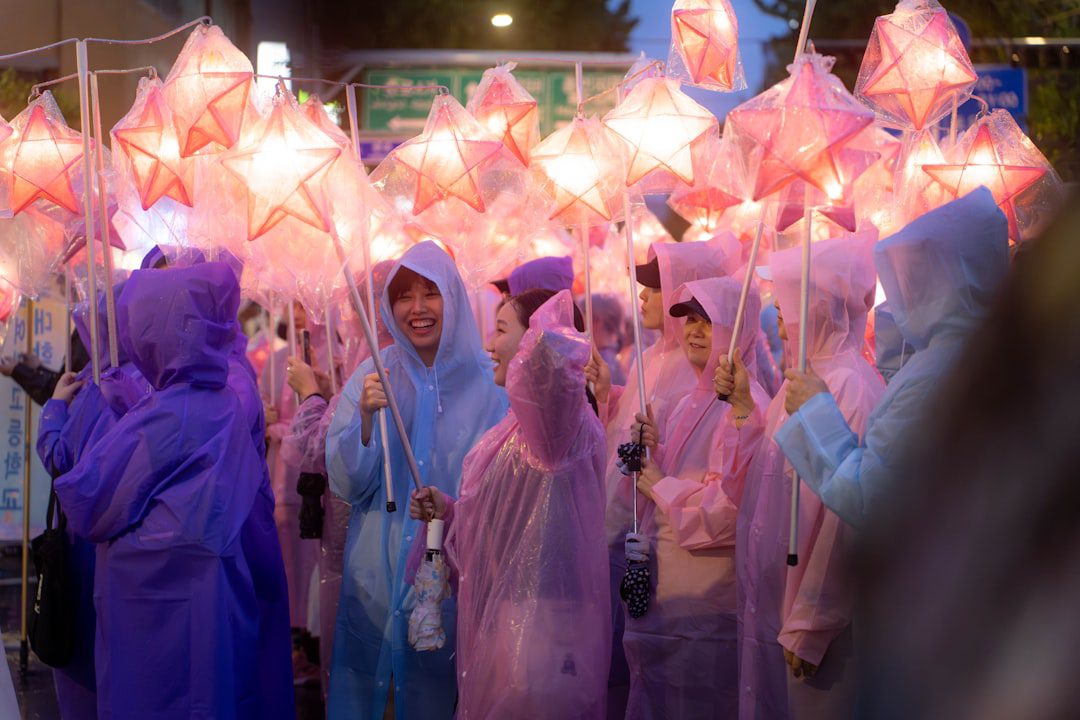
When I first moved to Seoul in 1989, Korean pop music was still finding its footing on the global stage. I remember watching the early Seoul Music Awards on a grainy television, having no idea that Korea would become the epicenter of a worldwide cultural phenomenon. Fast forward to today, and I’m standing in line with thousands of fans—some who’ve traveled from six continents—to experience the beating heart of the K-Pop industry firsthand.
Over my 35 years here, I’ve watched K-Pop evolve from a domestic curiosity into a genuine global force that rivals Hollywood and the Western music industry. And while attending concerts and music shows are thrilling, what really fascinates me is how the industry itself has become a tourist attraction. The museums, studios, and experience centers that have popped up across Seoul offer something no other city can: a chance to step directly into the world of your favorite artists and understand the machinery behind one of the world’s most sophisticated entertainment industries.
HYBE Insight and the various K-Pop museums scattered across Seoul aren’t just fan shrines (though they’re definitely that too). They’re windows into Korean youth culture, technology, business innovation, and artistic ambition. Whether you’re a casual listener or someone who knows the position and role of every backup dancer, these experiences will deepen your understanding of why K-Pop matters so much to millions of people.
Here’s everything you need to know about experiencing the K-Pop industry in Seoul like an insider.
Understanding HYBE Insight: The K-Pop Flagship Experience
HYBE Insight is the flagship experience space of HYBE, the entertainment company that manages BTS, NewJeans, Seventeen, Le Sserafim, and dozens of other major K-Pop acts. When it opened in 2023, I remember thinking this was the industry finally acknowledging what I’d observed for years: fans don’t just want to consume K-Pop—they want to understand it, touch it, breathe it, live inside it.
Located in the Gangnam district (specifically in the Cheongdam area), HYBE Insight spans multiple floors of interactive exhibitions, performance spaces, and photo zones. Unlike traditional museums where you observe from behind glass, this is an immersive environment designed to make you feel like you’re part of the K-Pop ecosystem.
The space is divided into several themed zones. The “Global Expansion” section traces K-Pop’s journey from Korea to worldwide dominance—you’ll see concert footage, meet-and-greet photos, and data visualizations showing streaming numbers that will make your head spin. One wall displays chart-topping positions from Billboard, Spotify, and other global platforms. Another section, “Artistic Creation,” takes you through the songwriting, production, and choreography process. You can actually see the recording booths where artists lay down vocals, watch behind-the-scenes footage of choreography practice, and even try some moves yourself (though I’ll warn you, K-Pop choreography is deceptively difficult).
The “Special Exhibition” floors rotate, featuring different artists and projects throughout the year. During my last visit, one floor was dedicated to NewJeans’ visual aesthetic and creative direction, while another showcased concept art for upcoming music videos.
Ted’s tip: Visit on a weekday morning (Tuesday-Thursday, 10 AM–noon) if you want to avoid the massive weekend crowds. Instagram influencers and dedicated ARMY members descend on weekends, and photo zones can have 30-minute waits. I’ve found that weekday mornings give you a much more peaceful experience, and the photo ops are actually usable.
| HYBE Insight Details | Information |
|---|---|
| Location | Cheongdam-dong, Gangnam-gu (5-min walk from Gangnam Station, Line 2, Exit 5) |
| Hours | Monday–Sunday, 10:00 AM–6:00 PM (closed Tuesdays) |
| Admission Fee | ₩28,000 (adults), ₩20,000 (youth 13-18), ₩15,000 (children 6-12) |
| Duration | 2–3 hours recommended |
| English Support | QR codes with English translations throughout; some staff speak English |
| Photography | Permitted in most zones; flash restricted in certain exhibits |
One thing I appreciated about HYBE Insight is that it doesn’t feel corporate in a cold, sterile way. Yes, it’s absolutely a marketing tool for HYBE artists, but it’s also genuinely educational. You’ll learn about the roles of producers, sound engineers, choreographers, and stylists. You’ll understand why a single music video costs millions of dollars to produce. And you’ll get a sense of the immense pressure these artists are under to create innovative, chart-breaking content constantly.
K-Pop Museums: The Smaller, More Intimate Alternatives
While HYBE Insight is the newest and flashiest K-Pop experience space, Seoul has several dedicated K-Pop museums that offer different perspectives on the industry. These smaller venues often give you more insight into the creative process and the fans themselves.
K-Pop Story Museum (Hongdae)
Located in the trendy Hongdae neighborhood, the K-Pop Story Museum is one of the older K-Pop focused museums and has a slightly different vibe than HYBE Insight. Rather than focusing on one company’s artists, it offers a broader chronology of K-Pop history, starting with the 1990s emergence of the genre through to the present day.
The museum spans four floors and features artifacts, concert footage, photos, and interactive exhibits tracing the evolution of K-Pop styling, music production technology, and choreography. One floor is dedicated to the evolution of idol fashion—you can see the actual outfits worn by major artists from the 90s K-Pop scene through to recent releases. It’s fascinating to watch how styling has become increasingly sophisticated and how the “idol image” has diversified.
A particular highlight is the “Recording Studio” exhibit where you can view actual studio equipment used in K-Pop production, along with explanations of how different sounds are created and layered. There’s also a dance practice space where you can attempt to follow along with official choreography videos (honestly, it’s humbling—these artists make it look easy, but it absolutely isn’t).
| K-Pop Story Museum | Details |
|---|---|
| Location | Wausan-ro, Hongdae (5-min walk from Hongik University Station, Line 2, Exit 8) |
| Hours | Daily 10:00 AM–6:00 PM (last entry 5:00 PM) |
| Admission | ₩16,000 (adults), ₩12,000 (students), ₩8,000 (children) |
| Duration | 1.5–2 hours |
| Best For | K-Pop history buffs; casual fans; budget travelers |
Ted’s tip: Combine a visit to K-Pop Story Museum with a walk around Hongdae’s trendy cafes, galleries, and independent bookstores. You’ll get a genuine sense of where a lot of K-Pop’s creative influences actually originate—from underground music scenes, indie designers, and experimental artists. The area where K-Pop is created is far more diverse and creative than the polished final product suggests.
SM Entertainment Museum (Myeongdong)
SM Entertainment, one of the “Big Three” entertainment companies in Korea (alongside JYP and YG), has its own museum experience in Myeongdong. While smaller and more artist-focused than HYBE Insight, it’s worth visiting if you’re a fan of SM artists like EXO, Red Velvet, Stray Kids, or aespa.
The museum dedicates floor space to different artist groups, featuring concert costumes, album artwork, and behind-the-scenes photography. The SM building itself is a major destination for K-Pop fans—the ground floor contains the official SM merchandise store, which is stocked with albums, lightsticks, posters, and official goods that are nearly impossible to find elsewhere.
| SM Entertainment Museum | Details |
|---|---|
| Location | Myeongdong, Jung-gu (1-min walk from Myeongdong Station, Line 4, Exit 6) |
| Hours | Monday–Sunday 10:00 AM–6:00 PM |
| Admission | ₩15,000 (adults), ₩10,000 (youth/seniors) |
| Duration | 1–1.5 hours |
| Best For | SM Entertainment fans; merchandise shopping; central Seoul location |
K-Pop Merchandise Shopping & Specialized Stores
If you’re going to experience K-Pop in Seoul, you absolutely need to understand the merchandise ecosystem. K-Pop fans don’t just listen to music—they collect albums, lightsticks, photo cards, and merchandise with a level of dedication that outsiders sometimes find baffling. But trust me, after 35 years here, I understand it completely. These physical objects are how fans express their devotion and connect with their communities.
For a comprehensive guide on merchandise shopping specifically, check out my detailed article on K-Pop merchandise shopping: albums and lightsticks in Seoul. But here are the key locations you should know about:
Official Company Stores
Each of the “Big Three” entertainment companies (SM, YG, JYP) has official buildings in Seoul where you can purchase artist-specific merchandise:
| Company | Location | Subway Access | Best For |
|---|---|---|---|
| SM Entertainment | Myeongdong, Jung-gu | Myeongdong Station, Line 4, Exit 6 | EXO, Red Velvet, Stray Kids, aespa |
| JYP Entertainment | Gangnam-gu | Gangnam Station, Line 2, Exit 5 or 6 | TWICE, Stray Kids, GOT7, Itzy |
| YG Entertainment | Samseong-dong, Gangnam-gu | Samseong Station, Line 2, Exit 5 | BLACKPINK, iKON, Treasure, NewJeans |
These official stores are where you’ll find the widest selection of each group’s latest albums, photo cards, and exclusive merchandise. Albums typically cost ₩15,000–₩20,000, and lightsticks range from ₩35,000–₩60,000 depending on the artist and model year.
Multi-Brand K-Pop Stores
If you want to shop from multiple artists in one location, there are several multi-brand K-Pop merchandise stores concentrated in specific areas:
- Myeongdong – The center of K-Pop shopping tourism. You’ll find dozens of stores packed into a few blocks, with lines of international fans waiting to enter.
- Gangnam Station Area – A secondary hub for merchandise stores, slightly less crowded than Myeongdong.
- Dongdaemun – A historic shopping district that’s increasingly becoming a K-Pop merchandise destination. Check out my Dongdaemun shopping guide for more details.
Ted’s tip: Prices are consistent across all official and authorized retailers (albums and lightsticks have set prices), so don’t waste time price-comparing. Instead, focus on visiting stores at off-peak times so you can actually browse without being crushed by crowds. Most K-Pop merchandise stores are busiest between 2 PM–5 PM and all day Saturday-Sunday.
Studio Choom & Performance Spaces: Experiencing Live K-Pop Culture
While museums offer a historical and educational perspective on K-Pop, nothing quite compares to experiencing the actual energy of live K-Pop performance. Seoul has several dedicated spaces where you can see trainees, emerging artists, and sometimes established artists performing.
Studio Choom
Studio Choom is Mnet (a major Korean music channel) and HYBE’s collaborative performance and video production space. It’s become famous for its “Choom Challenge” videos where artists perform choreography in a minimalist studio setting. While you typically can’t attend recordings (it’s a working production studio), Studio Choom occasionally hosts fan events and live streams that you can attend or watch in real-time.
The studio is located in an industrial area of Seoul and regularly posts event schedules on their social media. During major comeback periods, there are often fan appreciation events where you might see artists you love.
Music Shows & Live Performances
If you’re serious about experiencing K-Pop live, you should attend one of Seoul’s major music shows. The most famous are:
| Show | Network | When | Broadcast |
|---|---|---|---|
| Music Bank | KBS | Fridays | 4 PM (live taping at 3 PM) |
| Show! Music Core | MBC | Saturdays | 3:15 PM (live taping at 2 PM) |
| Inkigayo | SBS | Sundays | 3:40 PM (live taping at 2 PM) |
| The Show | SBS MTV | Tuesdays | 6 PM (live taping at 5 PM) |
Attending a music show is honestly one of the most authentic K-Pop experiences you can have in Seoul. You’ll be surrounded by passionate fans, you’ll see multiple artists performing back-to-back, and you’ll feel the genuine energy of the industry. Concert tickets are free, but you need to apply for them through the official websites (usually 2-4 weeks in advance). Check the English-language websites for each show for application procedures.
Ted’s tip: Bring a lightstick. Even if you’re not sure which artists you’ll see, having a lightstick in the crowd is part of the experience—fans light them up during performances, and the synchronized light show is genuinely magical. You can buy one at any merchandise store for ₩35,000–₩50,000.
K-Pop Training & Workshops: The Fan Experience
For fans who want to go beyond observation and actually participate in K-Pop culture, Seoul offers several training centers and workshops where you can learn choreography, vocal techniques, and styling from professionals who work with actual K-Pop artists.
Dance Choreography Classes
Multiple dance studios in Seoul offer drop-in or short-term classes teaching official choreography from famous K-Pop groups. These aren’t beginner dance classes—they assume you already have some basic movement capability, but they welcome all fitness levels.
Most classes are taught in Korean, but many studios have international instructors or provide visual demonstrations. Classes typically last 60 minutes and cost ₩20,000–₩35,000 per session. Studios cluster around Hongdae (known for hip-hop and street dance) and Gangnam (known for idol-style choreography).
Vocal Training Sessions
Several vocal coaches in Seoul specialize in teaching K-Pop singing techniques. These sessions can be as short as a single class (₩40,000–₩60,000) or as long as a multi-week intensive course. If you’re serious about understanding how K-Pop vocalists achieve their signature sound, this is invaluable.
| K-Pop Training Activity | Duration | Cost | Best For |
|---|---|---|---|
| Drop-in Dance Class | 60 minutes | ₩20,000–₩35,000 | Casual fans, curious travelers |
| Vocal Training Session | 60 minutes | ₩40,000–₩60,000 | Singers, voice enthusiasts |
| Styling/Makeup Workshop | 90 minutes | ₩30,000–₩50,000 | Fashion and beauty fans |
| Multi-Week Intensive | 4–8 weeks | ₩400,000–₩1,200,000 | Serious students, aspiring artists |
Ted’s tip: If you’re interested in taking a class, book ahead. Many popular studios fill up weeks in advance with dedicated trainees, and tourists often get walk-in spots, but availability can be limited. Contact studios through their Instagram or official websites (most have English-language options) to check schedules and reserve your spot.
Behind-the-Scenes Studio Tours & Fan Experiences
Several entertainment companies and production facilities offer occasional behind-the-scenes tours where fans can see where music videos are filmed, where albums are recorded, and where artists practice. These are rarer and require advance booking, but they’re incredibly special experiences.
Production Company Tours
Companies like Big Hit Studios and other production facilities occasionally offer tours during special events or fan appreciation periods. These typically showcase:
- Recording studios where vocal recordings happen
- Post-production facilities where music is mixed and mastered
- Video production and editing suites
- Choreography practice rooms
- Costume and styling areas
Tours are usually ₩30,000–₩50,000 per person and must be booked in advance through official channels or fan community websites. They’re most commonly available during major comeback seasons (typically March-April and September-October).
Fan Meeting & Signing Events
Throughout the year, K-Pop artists hold fan meetings and signing events at various venues across Seoul. These are ticketed events (usually ₩30,000–₩100,000 depending on the artist’s popularity) where fans can meet artists in person, get autographs, and take photos.
These events are announced through official fan club channels and ticketing platforms like Melon Ticket, Yes24, and Interpark. International fans can sometimes purchase tickets through these platforms, though you may need a Korean resident ID for some events.
K-Pop Themed Cafes & Restaurants
Beyond museums and performance spaces, Seoul has countless cafes and restaurants dedicated to specific K-Pop groups or K-Pop culture in general. These pop-up spaces are where superfandom becomes a full lifestyle experience.
Artist-Specific Pop-Up Cafes
When major artists release new albums, fan communities often organize temporary cafes (usually lasting 2-8 weeks) decorated with photos, merchandise, and themed food. These pop-up cafes are concentrated in Myeongdong, Hongdae, and Gangnam.
A typical visit to an artist pop-up cafe involves:
- Ordering themed beverages (usually ₩7,000–₩12,000) named after songs or concepts
- Receiving a free postcard or sticker with purchase
- Taking photos with fan-created decorations and displays
- Sometimes participating in community activities or signing walls
These cafes are completely fan-run operations, and discovering them is part of the fun. Check Instagram hashtags like #KPop카페 (K-Pop cafe) and the specific artist’s name to find current pop-ups.
Permanent K-Pop Themed Spaces
A few cafes have become semi-permanent K-Pop destinations, though they regularly update their featured artists:
| Cafe Name | Location | Specialty | Price Range |
|---|---|---|---|
| K-Pop Themed Cafes (Various) | Myeongdong, Hongdae, Gangnam | Rotating artist features, themed drinks | ₩7,000–₩15,000 per drink |
| Korean Cafe Culture Spaces | Throughout Seoul | General Korean cafe atmosphere, K-Pop music | ₩5,000–₩12,000 per drink |
For more about Seoul’s broader cafe culture (which includes but isn’t limited to K-Pop), check out my Korean cafe culture guide.
Ted’s tip: Don’t feel obligated to buy food or drinks at every pop-up cafe you visit. Many are strictly fan-run and operate on razor-thin margins. One drink is appreciated, and that’s all you need to spend to enjoy the space and take photos. The real value is in the experience and the community, not the beverages.
Planning Your K-Pop Museum & HYBE Insight Itinerary
If you’re dedicating 1-2 days specifically to K-Pop experiences in Seoul, here’s how I’d structure it:
One Full Day K-Pop Itinerary
| Time | Activity | Location | Cost |
|---|---|---|---|
| 9:00 AM | Coffee at a Gangnam cafe | Gangnam Station area | ₩6,000–₩10,000 |
| 10:00 AM–1:00 PM | HYBE Insight (visit before crowds) | Gangnam-gu (Cheongdam area) | ₩28,000 |
| 1:30–3:00 PM | Lunch at K-BBQ restaurant | Gangnam-gu | ₩20,000–₩40,000 |
| 3:30–5:30 PM | Merchandise shopping | Myeongdong or Gangnam | ₩0–₩100,000+ (your choice) |
| 6:00–7:00 PM | Pop-up cafe visit | Myeongdong or Hongdae | ₩7,000–₩12,000 |
| 8:00 PM+ | Dinner and nightlife | Various | ₩15,000–₩60,000 |
Two-Day Deep Dive Itinerary
Day 1: HYBE Insight (full morning) → Myeongdong merchandise shopping (afternoon) → Pop-up cafe (evening)
Day 2: K-Pop Story Museum (morning) → Hongdae exploration (lunch and wandering) → Dance or vocal workshop (afternoon) → SM Entertainment building tour (evening)
Total estimated cost for two days: ₩140,000–₩250,000 (excluding food and shopping).
Ted’s tip: Use the Korean subway system to navigate between locations. All museums and major K-Pop locations are easily accessible by subway. A T-money card makes transit seamless—you can buy one at any convenience store for ₩2,500 plus your first transit payment.
K-Pop Photography: Capturing Your Experience
One thing I’ve noticed over 35 years is how visual Korean culture has become, and K-Pop is the absolute apex of that. Everyone visiting these spaces will be taking photos. Here are some tips:
- HYBE Insight Photo Zones: The designated photo areas can get crowded. Go early (10-11 AM) for shorter waits and better lighting.
- Merchandise Store Photos: Many stores have branded backdrops. Ask staff if you can take a photo—they’re usually happy to accommodate.
- Pop-up Cafe Instagram Moments: These spaces are designed to be photographed. Take your time and capture both wide shots of the space and detail shots of decorations.
- Concert/Music Show Photos: Flash photography is typically prohibited, but you can use your phone’s night mode or raise your ISO. The lighting at music shows is professional, so your phone should handle it reasonably well.
Ted’s tip: While taking photos, remember to actually be present and enjoy the moment. I’ve noticed more and more visitors spending their entire visit looking at screens trying to get the perfect shot, rather than actually experiencing the space. Take a few good photos, then put the phone away and soak in the atmosphere.
Frequently Asked Questions
How much time should I spend at HYBE Insight?
I recommend 2-3 hours. If you’re a casual fan, 2 hours is sufficient to see all the exhibits and take photos. If you’re a dedicated fan who wants to read all the descriptions and watch all the video content, 3 hours is better. Most visitors spend about 2.5 hours on average.
Do I need to book HYBE Insight tickets in advance?
No, walk-up tickets are available daily, and the venue has good capacity. However, I recommend going on weekday mornings (Monday, Wednesday, Thursday, Friday between 10 AM-noon) for the shortest lines. Weekends and afternoons get very crowded.
Are there English translations at the K-Pop museums?
Most major museums like HYBE Insight have English-language QR code translations you can scan with your phone. K-Pop Story Museum has some English signage. I recommend downloading Google Translate’s camera function for any sections without English translations.
Can tourists attend music shows like Music Bank and Inkigayo?
Yes, absolutely! As a tourist, you can apply for free tickets 2-4 weeks in advance through the official show websites. You’ll need to provide an email address and basic information, but your visa/passport status doesn’t disqualify you. These shows are actually very welcoming to international fans.
What’s the difference between HYBE Insight and the K-Pop Story Museum?
HYBE Insight is newer, larger, more expensive (₩28,000 vs ₩16,000), and focuses on HYBE artists and contemporary K-Pop production. K-Pop Story Museum is more affordable, offers a broader historical perspective on K-Pop, and is in the trendy Hongdae neighborhood. If you only have time for one, HYBE Insight is more impressive; if you want history and value, K-Pop Story Museum is better.
Is it worth buying a K-Pop lightstick during my visit?
If you plan to attend even one concert or music show, absolutely yes. Lightsticks are ₩35,000–₩50,000 and are essential to the concert experience. Even if you don’t attend a show, they make great souvenirs. If you’re not attending any live events, it’s not necessary, but they look great in photos and are iconic K-Pop merchandise.
How do I find pop-up K-Pop cafes when I’m in Seoul?
Check Instagram for hashtags like #케이팝카페 (K-pop cafe) or search for specific artist names plus “카페” (cafe). Fan communities on Reddit (r/kpop) also regularly post about new pop-ups. You can also ask staff at merchandise stores—they usually know what pop-ups are currently operating.
Can I attend a fan meeting or signing event as a tourist?
Yes, but it requires advance planning. These events are announced 2-4 weeks in advance through official fan club channels. You’ll typically need to buy a ticket through Korean ticketing platforms like Melon Ticket or Yes24, which can be challenging from abroad. Your best bet is to ask at merchandise stores when you arrive—staff can often help with ticketing information or connect you with English-speaking fan communities.
Final Thoughts
When I first came to Korea in 1989, I could never have imagined that a Korean entertainment industry would one day captivate the world. Yet here we are, and the evidence is everywhere in Seoul. The dedicated museums, the production facilities, the fan meeting venues, the merchandise stores—they’re all expressions of something genuinely unique that Korea has created.
What fascinates me most about Korea’s K-Pop industry is that it’s not just entertainment—it’s a complete ecosystem. It combines music, visual art, fashion, dance, technology, and community in a way that’s difficult to find anywhere else. When you visit HYBE Insight or K-Pop Story Museum, you’re not just consuming pop culture; you’re glimpsing into how modern Korea thinks about creativity, innovation, and global influence.
I encourage every visitor to Seoul, whether you’re a dedicated K-Pop fan or someone who’s just curious about Korean culture, to experience at least one of these spaces. It’ll give you insight into what hundreds of millions of people around the world are passionate about. And trust me, when you see thousands of light sticks illuminating a concert venue in perfect synchronization, or when you watch a trainee pouring their heart into a dance practice, you’ll understand why K-Pop matters so much to so many people.
Korean culture has always been about striving for perfection while respecting both tradition and innovation. K-Pop is simply the latest, most visible expression of that deeply Korean value.
— Ted K
Image Credits: Photos sourced from Unsplash. By using this site, you agree to our Privacy Policy and Disclaimer.