I’ll never forget the moment my daughter—she was about four at the time—spotted her first tteokbokki stand in Myeongdong. She pointed at the bubbling red sauce with absolute wonder, convinced it was magical. That was nearly thirty years ago, and I’ve watched Korea transform into one of the most kid-friendly destinations in Asia. What started as chaotic street markets and frantic shopping districts has evolved into a country with dedicated children’s museums, theme parks, and restaurants that actually welcome families with open arms.
Traveling to Korea with kids isn’t just possible—it’s genuinely rewarding. The country’s excellent infrastructure, safe neighborhoods, and surprising number of attractions specifically designed for children make it easier than you might think. Over my 35 years here, I’ve learned exactly what works with families and what to avoid during peak season.
Here’s everything you need to know to make your family trip to Korea smooth, fun, and memorable.
Getting Around Korea with Kids: Transportation Made Easy
The first thing that surprises parents is how easy Korean transportation is with children. The subway system is modern, clean, and remarkably efficient. Elevators exist at virtually every station—a massive relief when you’re traveling with strollers. The KTX (Korean high-speed train) is genuinely family-friendly too, with spacious seats and dining cars that sell snacks and meals.
Seoul Metro with Children
Most Seoul subway stations have elevators to the platform level, though you’ll occasionally encounter older lines without them. The trains themselves are climate-controlled and rarely overcrowded during off-peak hours (avoid 7-9 AM and 5-8 PM). A single T-Money card can be shared by the whole family—just tap it for each person at the gate.
Ted’s tip: Download the Naver Map or Kakao Map apps before your trip. They show elevator locations at every station and calculate travel time specifically for families with strollers. It’s genuinely a lifesaver.
For very young children, a compact umbrella stroller is smarter than a full pram. The sidewalks are excellent, and most cafés and restaurants have space to fold one up. Car seats are legally required for children under 12, so either rent one from Hertz at the airport or bring a portable booster.
KTX and Train Travel
The KTX from Seoul to Busan, Suwon, or other cities is ideal for day trips with kids. Seats are spacious, there’s a dining car with snacks, and the journey feels like an adventure rather than a chore. Book seats in the middle of the train to minimize rocking. Kids aged 4-12 get 50% discounts; under 4 are free if they don’t need a seat.
| Route | Duration | Approx Cost (Adult) | Best For |
|---|---|---|---|
| Seoul → Busan | 2.5–3 hours | ₩59,700 | Beach, seafood, theme parks |
| Seoul → Suwon | 30 minutes | ₩7,400 | Hwaseong Fortress, outdoor history |
| Seoul → Jeju (flight) | 1 hour flight | ₩70,000–150,000 | Jeju Island, nature, museums |
Top Kid-Friendly Attractions in Seoul
Seoul has transformed dramatically over the past decade. Where there used to be just temples and palaces (which honestly, kids find boring), there are now dedicated children’s museums, interactive science centers, and theme parks designed specifically for families.
Lotte World and Seokchon Lake Area
If your kids are taller than about 110 cm, Lotte World is essential. It’s an indoor theme park with rides ranging from toddler-friendly (the carousel, slow-moving fantasy rides) to thrilling roller coasters. The park stays open until 10 PM most nights, so you can visit in the afternoon when it’s less crowded. Admission is around ₩65,000 for adults, ₩55,000 for kids 3–12. Parking is free if you eat in the mall, making this genuinely economical.
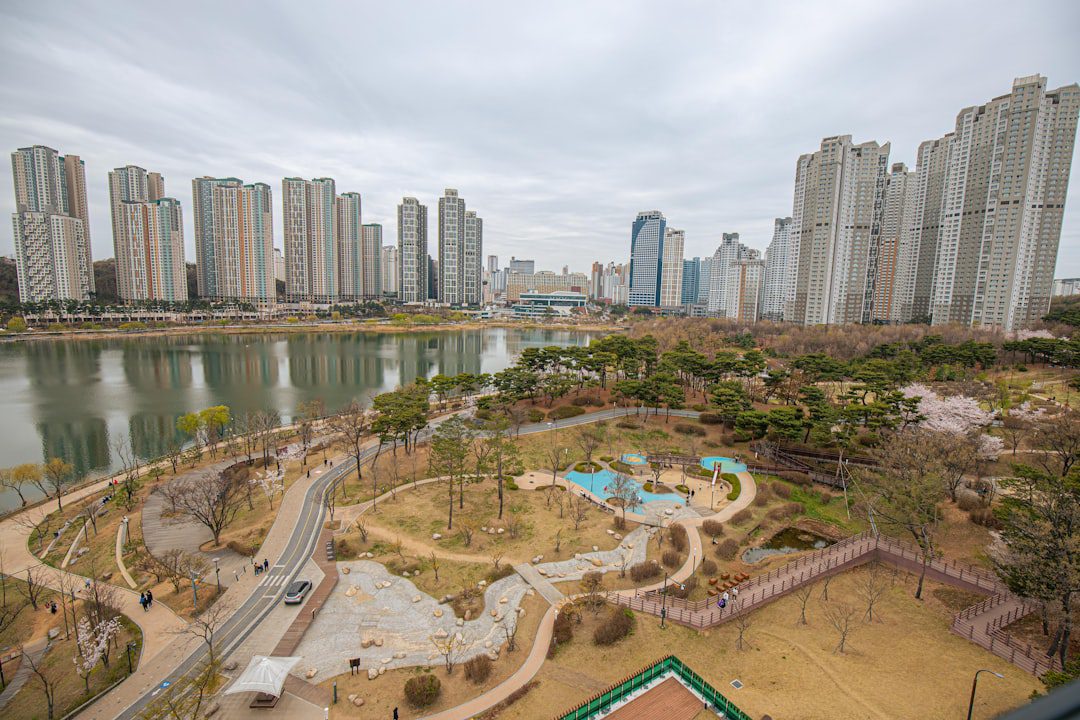
Nearby, Seokchon Lake and Olympic Park offer peaceful walks, playgrounds, and beautiful scenery—a perfect afternoon activity after the park. The lake has rental bikes suitable for families, and the park has excellent facilities for picnicking.
Seoul Children’s Museum (Songpa-gu)
Located near Seokchon Lake, the Seoul Children’s Museum (서울어린이박물관) is phenomenal for ages 2–10. It’s entirely indoors, with interactive exhibits covering everything from traditional Korean culture to modern technology. Admission is ₩10,000–13,000 per person. Kids can easily spend 3–4 hours here, and there’s a decent café inside for breaks.
Address: 80 Olympic-ro 35-gil, Songpa-gu
Subway: Line 2 or 9, Jamsil Station, Exit 3
Hours: 10 AM–6 PM (closed Mondays)
Website: Booking recommended on weekends; reserve online for discounts
National Museum of Korea
The National Museum might sound dry, but it’s actually fantastic for curious kids. Exhibits cover Korean history from prehistoric times to modern day, and there’s a whole children’s floor with interactive displays and workshops. Admission is free, and they often have family programs on weekends (Korean-language, but still engaging). The grounds are beautiful for running around afterward.
Subway: Line 3 or 5, Ichon Station, Exit 2
Hours: 10 AM–6 PM (until 9 PM Wednesday and Saturday)
Pro tip: Arrive early on weekends; midweek visits are far less crowded.
Seoul Land Theme Park
If you have a full day and want an outdoor theme park, Seoul Land in Jamsil is excellent. It’s smaller and less overwhelming than Lotte World, with a good range of rides for all ages. Admission is around ₩45,000 for adults, ₩35,000 for kids. The park has beautiful gardens, multiple food courts, and genuinely clean restrooms—crucial with young children.
Tricks Eye Museum and Interactive Museums
Kids absolutely love trick art museums (there are several in Seoul). They’re completely interactive—your kids get to pose with optical illusions and create their own “art.” It sounds silly, but these actually keep children engaged for hours. Most charge ₩15,000–20,000 per person. The best one is in Myeongdong, and you’ll find at least two others scattered around the city.
Outdoor Activities and Parks
Korea has exceptional parks, many specifically designed with children in mind. The weather matters—spring (April–May) and fall (September–October) are perfect. Summer is brutally hot and humid; winter is cold but sunny.
Han River Parks (Hangang Parks)
The Han River runs through central Seoul with multiple parks along its banks, each with playgrounds, cycling paths, and picnic areas. Yeouido Park is the most famous—it’s where families congregate on weekends. There are playgrounds for different age groups, open grass fields for running, and excellent cycling rental facilities. Bikes cost ₩10,000–15,000 for a few hours.
Ted’s tip: Pack a kimbap (Korean rolled rice) and eat on the grass overlooking the river. It’s simple, delicious, and costs a fraction of restaurant meals. Most convenience stores sell fresh kimbap for ₩4,000–6,000.
Best Han River Parks for Kids:
| Park Name | Best For | Subway Access |
|---|---|---|
| Yeouido Park | Cycling, playgrounds, open space | Line 5, Yeouido Station |
| Olympic Park (Jamsil) | Running, sculptures, museums nearby | Line 2/9, Jamsil Station |
| Seoul Forest | Nature, deer park, cycling | Line 2, Seongsu Station |
| Nakssan Park | Hiking, city views, playgrounds | Line 6, Hongik University |
Day Trips with Kids: Pocheon Art Valley and Beyond
For a change of scenery, Pocheon Art Valley and Herb Island make excellent day trips. Kids can interact with animals, participate in hands-on art activities, and enjoy fresh air. It’s about 90 minutes north of Seoul. The admission is reasonable (₩15,000–20,000), and there are multiple cafés and restaurants for breaks.
Nami Island
Made famous by the K-drama Winter Sonata, Nami Island is actually wonderful for families. There’s a tree-lined cycling path, zipline activities for older kids, and a playground. It’s about 30 km northeast of Seoul—take the KTX to Gapyeong Station, then a shuttle bus. Admission is ₩15,000 per person. Kids under 7 can often enter free; check their website.
Dining Out with Kids in Korea
Korean food culture has come a long way. Restaurants that once shooed families away now have dedicated children’s menus and family-friendly atmospheres. That said, you need to know where to go.
Restaurants That Actually Welcome Kids
Korean BBQ (galbap/samgyeopsal) is genuinely family-friendly. Kids love grilling their own food, and it’s interactive and fun. Prices are reasonable: ₩15,000–25,000 per person for quality meat. Popular chains like Mapo Galbi and Haemul Jjim welcome families without complaint.
Soft tofu stew (sundubu jjigae) is mild and kid-approved. Korean fried chicken—which I’ve written about extensively before—is another winner. Fried chicken restaurants are casual, noisy (so your kids won’t feel self-conscious), and the food is universally beloved. Most chains have play areas for younger kids while you wait.
For breakfast, traditional Korean dishes like gyeran bap (egg rice) and jjuk (rice porridge) are mild and filling. Check out my Korean breakfast guide for specific recommendations.
Kid-Friendly Snacks and Street Food
Korean street food doesn’t have to be spicy. Hotteok (sweet pancakes), bungeo-ppang (fish-shaped pastries), and gyeran-bbang (egg bread) are all kid favorites and cost ₩2,000–4,000 each. Tteokbokki (rice cakes) can be ordered mild (ask for “안 맵게” — an ma-pge = not spicy). Most street vendors are actually relieved when customers ask for less spice.
Ted’s tip: Convenience stores are your secret weapon. GS25, CU, and Emart24 all sell balanced meals for ₩5,000–8,000—gimbap, kimbap boxes, sandwiches, and pastries. They’re clean, standardized, and perfect for quick lunches between activities.
Allergies and Dietary Restrictions
If your child has allergies, restaurant staff can usually accommodate, but communication is key. Learn to say “우리 아이는 X에 알레르기가 있습니다” (uri ai-neun X-eh allerugiga isseumnida = my child is allergic to X). Having this written down in Korean helps significantly. Most restaurants have detailed ingredient lists, and they’ll work with you.
| Common Allergens (Korean) | How to Say It |
|---|---|
| Milk/Dairy | 유제품 (Yujepum) |
| Peanuts | 땅콩 (Ddangkong) |
| Shellfish | 조개/새우 (Jogae/Saewu) |
| Eggs | 계란 (Gyeran) |
| Soy | 콩/간장 (Kong/Ganjang) |
Accommodation Tips for Families
Where you stay matters enormously with kids. Hotels are fine, but apartments (called “officetel” or “guesthouse” here) often provide better value with kitchens, washing machines, and more space.
Best Neighborhoods for Families
Skip the party districts. Stick to quieter, safer neighborhoods like:
- Gangnam: Modern, clean, excellent schools and hospitals (if needed), but pricey
- Hongdae/Sinchon: Young, vibrant, lots of cafés and activities nearby
- Apgujeong: Upscale, safe, excellent parks and restaurants
- Cheongdam: Quiet, family-oriented, near Seokchon Lake
Ted’s tip: Avoid nightlife districts (Gangnam, Hongdae at night) if you’re traveling with young kids. The noise goes until 4 AM, and your kids will suffer.
Accommodation Costs and Booking
| Type | Nightly Cost (Family) | Best For |
|---|---|---|
| 3-star Hotel | ₩150,000–250,000 | Convenience, amenities |
| Apartment/Guesthouse | ₩120,000–180,000 | Space, kitchen, washing machine |
| Serviced Apartment | ₩180,000–300,000 | Long stays (1+ week) |
| Airbnb/Naver Stay | ₩100,000–200,000 | Flexibility, local experience |
For longer stays (2+ weeks), apartment rentals often give weekly or monthly discounts. Naver Stay and Airbnb are reliable; Korean agents like Coupang Stay also work well and often have family-oriented properties.
Practical Health and Safety Tips
Korea is genuinely safe. Crime rates are low, police are helpful, and healthcare is excellent. That said, there are practical considerations for traveling with kids.
Healthcare and Insurance
Hospitals and clinics are everywhere. International hospitals in Seoul (Asan, Samsung, Severance) have English-speaking staff and are world-class. Costs are surprisingly reasonable—₩50,000–150,000 for a general clinic visit, ₩200,000–500,000 for more serious issues.
Before you travel: Get travel insurance that covers medical care. Many policies cover Korea with zero hassle. Also, pack a basic medication kit: fever reducers, allergy meds, stomach remedies, and any prescription medications your child takes.
Sun Protection and Air Quality
Korean summers are intense. Sunscreen (SPF 50+) is essential. Most pharmacies and convenience stores sell it cheaply (₩10,000–15,000), but bring your preferred brand. Winter air quality can suffer from seasonal pollution; if your child has respiratory issues, check the air quality index (AQI) before outdoor activities.
Water and Food Safety
Seoul tap water is safe to drink directly, which is unusual in Asia. You can fill water bottles at fountains, which saves money. All food is safe—Korean hygiene standards are high. Even street food vendors are inspected regularly.
Emergency Contacts
| Service | Number |
|---|---|
| Emergency (Police/Fire/Ambulance) | 112 (Police) / 119 (Fire/Ambulance) |
| Tourist Information Hotline | 1330 (24/7, English available) |
| Poison Control | 1577-9060 |
Internet, Money, and Logistics
A few practical matters make travel much smoother:
Internet and Mobile Connectivity
Korea has exceptional cellular coverage everywhere, including subways (rare in the world). SIM cards or eSIMs cost ₩30,000–50,000 for a week of unlimited data. Alternatively, rent a pocket WiFi (공유기) for ₩5,000–10,000 per day. With kids, reliable internet is crucial for finding directions, booking restaurants, and staying connected.
Money and Payments
Seoul is increasingly cashless, but always have some Korean won. ATMs at every convenience store dispense cash easily. Credit cards work everywhere, but have backup cash just in case. T-Money cards can be loaded at any convenience store and used for subway, buses, and many purchases. It saves time vs. fumbling with cash.
For families with young children, knowing exact prices helps budgeting. Most activities list prices online, and large expenses (hotels, theme parks) accept all major credit cards.
When to Visit Korea with Kids
Spring (April–May) is ideal for families. Cherry blossoms, mild weather (15–25°C), and schools are in session (fewer crowds). Cherry blossom season is particularly magical for kids.
Fall (September–October) is equally excellent—crisp air, clear skies, beautiful foliage, and comfortable temperatures. Winter can be cold (−5–5°C) but dry and sunny; kids enjoy Seollal and Chuseok holidays (Korea’s traditional holidays), though attractions become crowded during these periods.
Summer (June–August) is hot and humid; avoid unless you can spend most time indoors or at water parks.
Shopping and Entertainment for Kids
Korea is a shopping paradise, and yes, that includes kids’ items.
Shopping Districts for Families
Myeongdong is touristy but has everything—Korean cosmetics, snacks, clothing, and toys. Dongdaemun has enormous wholesale clothing markets with kids’ sizes and reasonable prices.
For educational toys and books, Kyobo Bookstore (교보문고) has multiple locations with children’s sections and sitting areas. Olive Young has Korean beauty products, but also toys, books, and practical items for families.
Entertainment: Photo Booths and Arcades
Korean photo booths (insaeng necut/인생네컷) are wildly popular with kids and teens. They’re everywhere (especially in Hongdae and Myeongdong), cost ₩8,000–12,000 per session, and produce cute printed photos and digital copies. Kids genuinely enjoy the props and effects.
Arcades are also everywhere. PC bangs (PC방) are gaming cafés; most are fine for kids during daytime, though they get rowdier at night. Arcade game centers with claw machines and rhythm games (like Dance Dance Revolution) are family-friendly and cost ₩1,000–3,000 per game.
Cultural Experiences for Kids
Korea’s culture is accessible, and many experiences work brilliantly for curious children.
Temple Visits and Temple Stays
Buddhist temples are calm, beautiful, and welcoming to families. Many offer temple stay experiences specifically for families. Your kids participate in monk routines, eat temple food, and learn about Buddhism. It’s educational and surprisingly fun. Costs are ₩80,000–150,000 per person for an overnight stay, and many temples have family discounts.
Hanok Villages and Traditional Culture
Bukchon Hanok Village and Ikseon-dong have traditional Korean houses, cafés, and cultural experiences. Kids enjoy exploring the narrow alleyways and trying traditional snacks. Hanbok rentals (traditional Korean clothing) are popular for photos—your kids can dress up for ₩20,000–40,000 and feel like they’re in a K-drama.
Palace Visits
Gyeongbokgung Palace is massive and genuinely interesting for kids, especially if you hire a guide. The changing of the guard ceremony (happens four times daily) fascinates children. Admission is ₩3,000–8,000 (kids under 6 free). The nearby Insadong neighborhood has toy shops, art galleries, and traditional tea houses.
Budget Breakdown: What Korea Really Costs with Kids
Here’s a realistic budget for a family of four (2 adults, 2 kids aged 5–12) for one week in Seoul:
| Category | Daily Cost | Weekly Total |
|---|---|---|
| Apartment Accommodation (family) | ₩140,000 | ₩980,000 |
| Meals (mix of restaurants and street food) | ₩100,000 | ₩700,000 |
| Activities (museums, theme parks, parks) | ₩70,000 | ₩490,000 |
| Transportation (subway, KTX day trip) | ₩25,000 | ₩175,000 |
| Incidentals (snacks, small purchases, tips) | ₩30,000 | ₩210,000 |
| Daily Total | ₩365,000 | ₩2,555,000 |
That’s approximately $1,900 USD for a family of four for a week—quite reasonable for a developed country. You can go lower (₩250,000/day) by staying in budget hostels with private rooms, eating mostly from convenience stores, and sticking to free attractions. You can also spend more by staying in luxury hotels and eating high-end restaurants.
Frequently Asked Questions
Is Korea safe for families with young children?
Absolutely. Korea has one of the lowest crime rates globally, and violent crime affecting tourists is virtually non-existent. Neighborhoods are well-lit and heavily policed. The main risks are traffic (drivers can be aggressive) and natural hazards (occasional earthquakes, typhoons in summer). Overall, Korea is safer than most Western countries for families.
What age is best for visiting Korea with kids?
Ages 4–12 is ideal. Young toddlers (under 2) need frequent breaks and naps; teenagers often find it slow-paced. That said, families with kids of all ages visit successfully. Infants do fine with good planning (stroller-friendly locations, accessible facilities). Teenagers enjoy K-pop related activities and shopping.
Do I need to bring a car seat?
Yes, legally, if your child is under 12. Most car rental companies (Hertz, Avis) provide them for ₩10,000–15,000 extra per day. Uber and Grab don’t require them legally, though many drivers have them available. If you’re mostly using public transit, you won’t need one. Bring a portable booster seat if you plan any taxi rides.
Can my kids eat Korean food?
Yes, with modifications. Many Korean dishes are naturally mild (soups, rice dishes). Spicy foods can be ordered less spicy—just ask. Kids love Korean fried chicken, gyeran bap (egg rice), and mild soups. The texture of some foods (kimchi, fermented items) takes adjustment, but most kids adapt. Have backup options (noodles, rice, simple proteins) available if needed.
What’s the best time to visit Korea with kids?
Spring (April–May) and fall (September–October) are ideal. Weather is comfortable (15–25°C), and attractions are busy but manageable. Summer is hot and humid; winter is cold (perfect for winter activities like skiing) but dry. Avoid major Korean holidays (Chuseok, Seollal) unless you specifically want the cultural experience—everything becomes incredibly crowded.
How much money should I budget for activities per day?
Budget ₩50,000–100,000 per day for activities if doing paid attractions (museums, theme parks, day trips). Many parks and neighborhoods are free to explore. If you mix paid and free activities, ₩70,000 per day is reasonable for a family of four. Large expenses (Lotte World ₩65,000 per adult, KTX day trips) should be factored separately.
Is English widely spoken in kid-friendly places?
In major attractions (museums, Lotte World, hotels, theme parks), yes. Staff are trained to assist English-speaking visitors. In neighborhood restaurants, English is less common, but menus with pictures help, and translation apps work. Naver and Google Translate apps are invaluable. Learning a few basic Korean phrases helps too.
How do I handle jet lag with kids?
Seoul is 14–15 hours ahead of US East Coast. Arrive a few days early and let kids adjust gradually. Encourage outdoor activities in morning sunlight to reset circadian rhythms. Melatonin (if your doctor approves) helps some families. Keep first-day activities low-key; don’t try major attractions while adjusting.
Final Thoughts
Traveling to Korea with kids isn’t a sacrifice or a compromise—it’s genuinely wonderful. I’ve watched this country transform into one of the most family-friendly destinations globally, and I’m not exaggerating. The infrastructure is excellent, people are patient with children (even if language is a barrier), and there’s something magical about introducing your kids to a culture entirely different from their own.
My fondest memories from my 35 years here aren’t from solo travel or adult experiences. They’re from watching my daughter’s face light up trying Korean food for the first time, running through Han River parks, marveling at theme parks, and experiencing the kindness of strangers in temples and museums. Korea has a way of making family travel feel less like logistical checkboxes and more like genuine adventure.
The planning pays off. Yes, book apartments with kitchens. Yes, download those transit apps. Yes, learn which restaurants welcome kids and which avoid them. But once you arrive, surrender to the rhythm of the place. You’ll discover that Korea’s combination of ultra-modern infrastructure and respect for family life creates something special for travelers like you.
Your kids will remember this trip forever. I promise.
— Ted K
Image Credits: Photos sourced from Unsplash. By using this site, you agree to our Privacy Policy and Disclaimer.