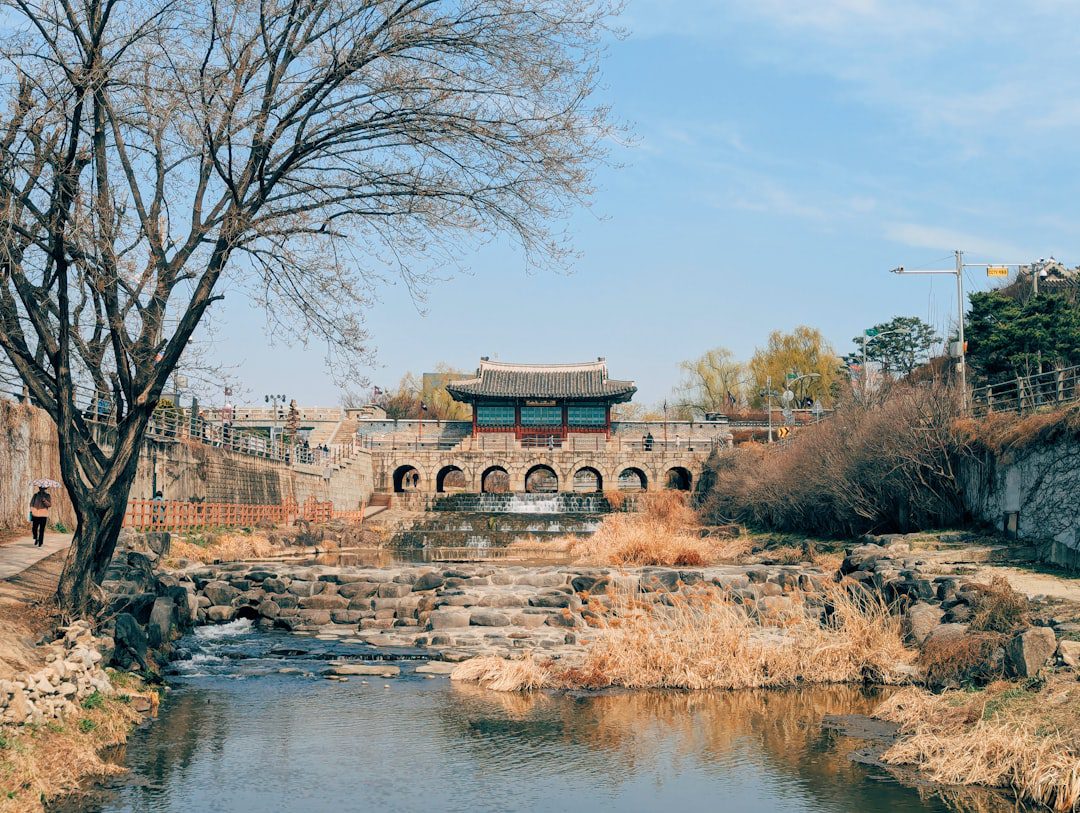
I’ll never forget the first time I walked the complete circuit of Hwaseong Fortress back in 1991, just months after it had been restored and officially opened to the public. I was a young expat then, still learning Korean, and I remember standing on those massive stone walls watching the sun drop behind the city, thinking: “This is what I came to Korea to experience.” Three decades later, I’ve brought hundreds of visitors here, and the reaction is always the same—awe at the sheer scale and engineering brilliance of this 18th-century fortress.
Hwaseong Fortress isn’t just another historical site. It’s a UNESCO World Heritage Site, an architectural masterpiece designed under King Jeongjo, and genuinely one of the most impressive and walkable historical experiences you can have within an hour of Seoul. Unlike crowded palaces in the city center, you can actually walk the entire fortress perimeter, breathe fresh air, take your time, and feel like you’ve stepped into Korean history.
Here’s everything you need to know to plan your perfect Hwaseong day trip from Seoul.
Why Hwaseong Fortress Matters: Korea’s Greatest Architectural Achievement
Let me give you some context. In 1794, King Jeongjo ordered the construction of Hwaseong Fortress around the city of Suwon, about 50 kilometers south of Seoul. This wasn’t just a military fort—it was a planned city, a showcase of the Joseon Dynasty’s engineering prowess, and a statement of power. The fortress wall stretches 5.74 kilometers around the city, and nearly the entire original wall still stands today.
What makes Hwaseong special is the combination of traditional Korean design principles with cutting-edge (for the time) military architecture influenced by Chinese fortress design. The fortress has four main gates, numerous watchtowers, and smaller defense structures—all built with precision and purpose. UNESCO recognized it in 1997 as a “outstanding example of 18th-century military architecture” that “conveys the architectural and scientific knowledge of the period.”
Ted’s tip: Most Korean tourists visit just the most accessible sections near Paldalmun (South Gate). But the real magic is in the quieter northern sections and the eastern stretches where you’ll see fewer crowds and can actually hear the wind across the walls.
Getting There from Seoul: Train, Bus, or Car
Train (Fastest & Most Convenient)
The easiest way to reach Suwon is by commuter train from Seoul. Here are your best options:
| Train Type | Departs From | Journey Time | Price | Frequency |
|---|---|---|---|---|
| Subway Line 1 (Korail) | Seoul Station | 75 minutes | ₩3,750 | Every 10-15 min |
| Bundang Line (Korail) | Myeongji Station (or along line) | 45-60 minutes | ₩2,900-₩3,600 | Every 5-10 min |
| KTX (Express) | Seoul Station | 30 minutes | ₩7,900 | Every 30-60 min |
My recommendation: Take the Bundang Line from wherever you are in Seoul—it’s faster than Line 1 and much cheaper than KTX. Get off at Suwon Station. The entire journey from central Seoul (like Gangnam) takes about 45 minutes and costs under ₩3,500 on your T-Money card.
From Suwon Station, you have two options to reach the fortress:
| Method | Cost | Time | Best For |
|---|---|---|---|
| Subway to Paldalmun Station (Line 1) | ₩1,250 | 15 minutes | Budget-conscious, easy access to South Gate |
| Taxi from Station | ₩12,000-₩15,000 | 10-15 minutes | Groups, luggage, flexibility |
| Bus #15 (Red) from Station | ₩2,250 | 20 minutes | Direct to fortress area |
By Bus (Budget Option)
Express buses run frequently from multiple Seoul terminals to Suwon Bus Terminal (₩4,000-₩5,500 depending on terminal). The journey takes 45-60 minutes. From Suwon Bus Terminal, it’s a 20-minute taxi ride (₩10,000-₩12,000) to the fortress, or you can take local buses. This option is cheaper if you’re traveling solo but less convenient than the train.
By Car or Rental Car
If you’re renting a car during your Korea visit, Suwon is a straightforward drive down the highway (Route 39 or Route 305). Park at one of the paid parking areas near Paldalmun Gate (₩2,000-₩3,000 for the day). This gives you flexibility to explore surrounding areas like the Korean Folk Village or the Samsung Innovation Museum, but honestly, if you’re just visiting the fortress, the train is simpler.
Ted’s tip: Use Naver Map or Kakao Map to navigate. Directions to “수원 화성” (Suwon Hwaseong) are very clear. If using taxi apps (Kakao Taxi or Tmap Taxi), specify “팔달문 주차장” (Paldalmun parking area) as your destination.
Understanding the Fortress Layout & Main Gates
The fortress is roughly diamond-shaped, with four main gates and several smaller access points. Understanding the layout will help you plan your walk and know what to prioritize if you’re short on time.
| Gate Name | Korean Name | Direction | Notable Features |
|---|---|---|---|
| South Gate | 팔달문 (Paldalmun) | South | Grandest gate, beautifully restored, main entrance |
| North Gate | 장안문 (Jangan Gate) | North | Most elevated section, best views, fewer crowds |
| East Gate | 창룡문 (Changnyong Gate) | East | Quietest section, traditional architecture |
| West Gate | 수화문 (Suhwa Gate) | West | Commercial district, busier access point |
I always recommend starting at Paldalmun (South Gate) because it’s the most accessible from the train station and it’s the most photogenic entrance. From there, you can walk the entire circuit or sections of your choice. The full loop is about 5.7 kilometers—roughly a 2-3 hour walk depending on how many stops you make.
Entrance Fees & Hours
Good news: visiting the fortress walls themselves is completely free. You can walk the entire perimeter, visit the gates, and enjoy the views without paying a single won.
However, several cultural sites and museums within the fortress area have separate entrance fees:
| Site/Museum | Adult Entrance Fee | Hours | Worth Visiting? |
|---|---|---|---|
| Hwaseong Haenggung (Royal Palace) | ₩5,000 | 09:00-18:00 (closed Mondays) | Yes—beautiful restoration, guided tours available |
| Suwon Museum | ₩3,000 | 10:00-18:00 (closed Mondays) | Optional—good for history buffs |
| Gwanggyo Lighthouse (observation tower) | ₩2,000 | 10:00-18:00 daily | Yes—excellent views from top |
| Fortress Wall Walk (entire circuit) | Free | 24 hours accessible | Essential—core experience |
Ted’s tip: If you’re on a tight budget or time, skip the museums and just walk the walls. That’s genuinely where the magic is. If you have 4+ hours and want deeper context, add the Haenggung and Gwanggyo Lighthouse to your itinerary.
The Complete Walking Experience: Which Route to Take
Option 1: The Full Circuit (5.7 km, 2.5-3 hours)
This is my favorite. Start at Paldalmun Gate (South), walk clockwise around the entire fortress. You’ll pass all four main gates, numerous watchtowers, a shooting range pavilion, and ramparts with incredible views. This route gives you the complete sensory experience and takes you through both busy and quiet sections. It’s not strenuous—mostly level or gently sloping paths—but wear comfortable shoes. I wear my worn-in Salomon hiking shoes and never regret it.
Highlights on the full circuit:
- Paldalmun Gate (South): Start here, explore the gate structure, photo op in front
- Western ramparts (Suhwa Gate area): Less crowded, good photo angles of the gate
- Jangan Gate (North): The highest point, best views of modern Suwon city below
- Eastern ramparts: Quietest section, traditional towers, peaceful vibes
- Changnyong Gate (East): Ornate gate design, interesting architectural details
Option 2: Paldalmun to Jangan Circuit (3-4 km, 1.5-2 hours)
If you’re short on time, start at Paldalmun and walk north/counterclockwise to Jangan Gate. You get the most impressive sections—the highest elevation, the best views, the most photogenic parts. Skip the eastern sections and head back. This gives you the “greatest hits” in 2 hours.
Option 3: Fortress + Interior (4-5 hours)
Walk sections of the walls (I’d suggest the north and west sections), then spend 1-2 hours exploring Hwaseong Haenggung (the restored royal pavilion) inside the fortress area. The Haenggung is impressive—King Jeongjo used this as his temporary residence during visits to the fortress city. The architecture is intricate, and if you time it right, you can watch reenactments of royal court ceremonies (check the schedule on their website).
Ted’s tip: The Haenggung is located inside the fortress near the center. You’ll pass its entrance if you’re doing the full walk. Combine the wall walk with a 1-hour Haenggung visit for a well-rounded experience. There’s a good kiosk at Haenggung with cold water, coffee, and basic snacks.
Practical Details: What to Bring & Best Times to Visit
What to Pack
This is essentially a hiking experience on fortress walls. Here’s what I always bring:
| Item | Why You Need It |
|---|---|
| Comfortable walking shoes (not sneakers!) | Stone paths, uneven surfaces, 2-3 hours of walking |
| Sunscreen & hat/cap | Very little shade on the walls, especially summer |
| 1.5L water bottle | Few drinking fountains on the walls (bring empty, fill at gates) |
| Light jacket (spring/fall) | Windy on elevated sections, temperature drops quickly |
| Phone/power bank | Photography, navigation, emergency contact |
| Coins or card for snacks | Vending machines near gates, kiosks inside |
Best Seasons & Times of Day
Spring (April-May): Perfect. Mild weather, clear skies, blossoms in surrounding parks. Crowds moderate.
Summer (June-August): Hot and humid, but early morning (before 09:00) is stunning. Go early, finish by noon.
Fall (September-October): Absolutely ideal. Cool, crisp air, incredible visibility, comfortable for 3-hour walks. Expect larger crowds on weekends.
Winter (November-February): Cold but dry. Best light for photography. Fewer tourists. Wear layers—it gets windy on the walls.
Time of day: Start early (08:00-09:00). You’ll beat crowds, the light is beautiful, and you finish by lunchtime. Avoid 11:00-14:00 when tour groups descend.
Ted’s tip: I visited once during the autumn 화성문화제 (Hwaseong Culture Festival) in early October. If you happen to be in Korea during the festival, it’s amazing—reenactments, traditional performances, food vendors. Check the official Suwon tourism website for festival dates.
Where to Eat in Suwon: Local Specialties
Suwon has excellent local food, and honestly, the dining scene here is something most tourists completely miss. You could spend your entire day trip just exploring food.
Suwon Galbi (Beef Short Ribs)
Suwon is famous for galbi—grilled beef short ribs. The quality here is exceptional. The meat is tender, well-marinated, and cooked over charcoal at your table. Expect to pay ₩25,000-₩40,000 per person depending on the cut.
Where to eat: The areas around Paldalmun and along Hwaseong-ro have dozens of galbi restaurants. Ask a local or look for signs. “Suwon Galbi” signs are everywhere. One reliable option: Any restaurant in the Paldalmun area with Korean diners inside is going to be good.
Tteokbokki (Spicy Rice Cakes)
This is embarrassing to admit, but I’ve had some of my best tteokbokki meals in Suwon—better than fancy Seoul restaurants. The street vendors near the fortress gates make it fresh, generous portions, deeply flavored. ₩5,000-₩8,000 per serving.
Budae Jjigae (Army Base Stew)
A Korean classic—spicy stew with sausage, spam, kimchi, and ramen. It’s hearty, perfect after a morning walk. ₩8,000-₩12,000 per person.
| Dish | Price Range | Where to Find | Best For |
|---|---|---|---|
| Suwon Galbi | ₩25,000-₩40,000 | Paldalmun area, Hwaseong-ro | Serious meal, celebratory lunch |
| Tteokbokki | ₩5,000-₩8,000 | Street vendors near fortress gates | Quick snack, budget-friendly |
| Budae Jjigae | ₩8,000-₩12,000 | Traditional restaurants throughout Suwon | Comfort food, warm meal |
| Gimbap | ₩4,000-₩6,000 | Kimbap restaurants, convenience stores | Quick lunch, easy to carry |
| Kalguksu (noodle soup) | ₩7,000-₩10,000 | Traditional restaurants | Warming, satisfying |
Ted’s tip: If you want a proper sit-down meal with a view, there are several restaurants overlooking the fortress walls. Search “화성 뷰 맛집” (Hwaseong view restaurants) on Naver and pick one. Expect to pay a bit more but the experience is worth it. I once had bibimbap while watching the sunset hit Paldalmun—unforgettable.
Nearby Attractions Worth Adding to Your Day Trip
If you have extra time or plan an overnight stay in Suwon (which I’d actually recommend for a more relaxed experience), here are nearby highlights:
Korean Folk Village (Unmunsan)
About 15 minutes from Hwaseong by taxi (₩12,000). This is a museum where traditional Korean houses from different provinces have been reconstructed. It’s touristy but actually educational and well-done. Entrance: ₩20,000. Good for 1.5-2 hours if combined with fortress.
Samsung Innovation Museum
Free entrance, showing Samsung’s history and technology. Might appeal to tech enthusiasts. About 20 minutes from Hwaseong. Not essential but interesting contrast to 18th-century architecture.
Yeonmok-dong (Everland)
Korea’s largest amusement park. If you’re traveling with kids, consider a half-day at Everland and half-day at Hwaseong. It’s close by. Entrance varies by package (₩60,000-₩85,000).
Suwon Hwaseong Night Walk
The fortress is beautifully illuminated after sunset (usually from 18:00 onwards, depending on season). If you’re staying overnight, doing a daytime walk and an evening walk is magical. The lit fortress walls against the night sky are stunning for photography.
Photography Tips: Getting the Best Shots
I’ve taken thousands of photos here over 35 years. Here’s my insider advice:
Best viewpoints for photography:
- Paldalmun Gate (South): Classic frontal shot, especially nice in early morning light. Golden hour (just after sunrise or before sunset) is ideal.
- Jangan Gate (North): Elevated perspective, fortress walls stretching in both directions, city backdrop. Go here for sweeping landscape shots.
- Western walls near Suhwa Gate: Less crowded, dramatic angles of the ramparts, good for detail shots of stone masonry.
- Gwanggyo Lighthouse overlook: Highest point, 360-degree view of the entire fortress and city. Best at sunset.
Camera settings: For phone cameras, use HDR mode to capture the contrast between bright sky and dark stone. If you have a DSLR, bring a wide-angle lens (16-35mm). The fortress is too large to capture with telephoto lenses. Shoot in RAW if possible for post-processing flexibility.
Ted’s tip: The best single photograph I ever took of Hwaseong was at 06:45 on a September morning with mist rolling off the adjacent valley. The fortress walls looked almost otherworldly. If you’re willing to get up early, the first hour after sunrise is untouched by crowds and has the best light. I’m not exaggerating when I say it changes the entire experience.
Frequently Asked Questions
How long does it take to visit Hwaseong Fortress?
If you just walk the fortress walls without stopping, figure 2-2.5 hours for the complete circuit. With photo stops, exploring individual gates, maybe visiting the Haenggung, and eating a meal, plan 4-5 hours total. A relaxed full-day visit including dinner in Suwon would be 6-8 hours.
Is the fortress walk difficult? Can elderly people or children do it?
The paths are mostly level or gently sloped—not steep. The walls are well-maintained and accessible. Elderly visitors and children can absolutely do partial circuits. The south gate to north gate section (about 2km) is the most manageable starter walk. Some stairs exist but most sections are gradual. People in their 70s and 80s have completed the full circuit when I’ve visited.
Is it worth visiting both the fortress walls and the Haenggung museum?
Yes, if you have 4+ hours. The walls give you outdoor, panoramic experience and fresh air. The Haenggung gives you architectural detail, historical context, and indoor shelter if weather is bad. Together they’re a complete experience. If short on time, prioritize the walls—that’s the unique experience you can’t get elsewhere.
Can I drive and park near the fortress? Or is public transport better?
Both work. Public transport (train) is cheaper, less stressful, and you avoid parking fees. Driving gives flexibility, especially if combining with other nearby attractions. If you’re just doing Hwaseong, train is superior. If doing a multi-site day trip (Hwaseong + Folk Village + other stops), consider renting a car.
What’s the best season to visit?
Fall (September-October) is objectively best: cool weather, clear skies, stunning light, manageable crowds. Spring (April-May) is second best. Summer is fine but hot—go early morning. Winter is cold but beautiful for photography with fewer tourists. Avoid mid-summer heat (July-August) unless you go early morning.
Are there restrooms or water fountains on the fortress wall walk?
Restrooms are located at major gate areas and near the Haenggung. Plan your route with this in mind. Water fountains are rare on the walls themselves—bring a water bottle and fill up at gates or kiosks. The fortress is about 5.7km of perimeter, so it’s reasonable to know where facilities are.
How much will a day trip to Hwaseong cost from Seoul?
Here’s a breakdown:
– Round-trip train from Seoul to Suwon: ₩6,000-₩8,000
– Fortress walls: Free
– Optional sites (Haenggung, Lighthouse): ₩7,000-₩10,000 total
– Meal in Suwon: ₩10,000-₩30,000 depending on what you eat
– Total budget: ₩23,000-₩50,000 (USD 18-40) per person
This is remarkably affordable for a UNESCO World Heritage Site visit.
Is the fortress accessible year-round? Are there closures?
The fortress walls are accessible 24/7, year-round. Individual sites like the Haenggung and museums may close on Mondays or certain holidays. Check before planning if you want to visit specific sites. The walls themselves never close—you can visit in any weather, any season, any time of day.
Final Thoughts
Walking those fortress walls in 1991 was one of my first real “aha” moments about Korea—not the Korea tourists typically see, but the Korea that shows genuine historical depth, careful preservation, and architectural genius. Thirty-five years later, I walk them differently. I notice the craftsmanship in how individual stones fit together. I understand the military strategy behind each tower placement. I appreciate King Jeongjo’s vision to create not just a fortress but a complete city.
When I bring visitors now, I watch their faces change as they walk the walls. There’s a moment, usually somewhere on the northern elevation with the city sprawling below and the stone path beneath your feet stretching to the horizon, when someone goes quiet. That’s when they get it. That’s when Korea stops being a checklist and becomes something they’ll remember forever.
Hwaseong Fortress deserves to be on every Korea itinerary, right alongside the palaces and temples. It’s accessible, affordable, walkable, and genuinely moving. Take the train from Seoul. Wear good shoes. Bring water. Plan 4-5 hours. Eat galbi in Suwon. You’ll understand why I’ve been coming here for more than three decades.
— Ted K
Image Credits: Photos sourced from Unsplash. By using this site, you agree to our Privacy Policy and Disclaimer.