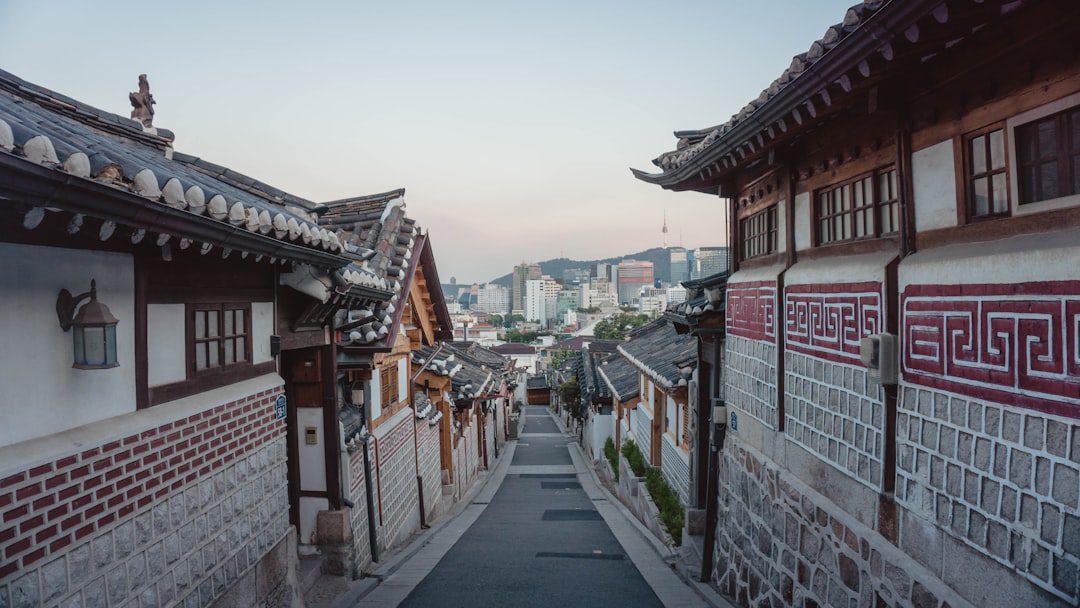
I’ll never forget the day my neighbor—a retired American teacher who’d lived in Seoul for just three months—knocked on my door in tears. “Ted, I need to know where they filmed that scene from Descendants of the Sun,” she said, clutching a box of tissues. “I’ve watched it four times already.”
That was 2016. Back then, K-dramas were still a curious phenomenon for international viewers. Fast forward to today, and I’ve watched this quiet cultural revolution transform Korea itself. The drama tourism I once predicted has become a massive industry. Netflix has made Korean narratives accessible to 230+ million households worldwide. Airports in Incheon and Gimpo are packed with K-drama fans on pilgrimage.
After 35 years in Korea, I’ve witnessed the evolution of Korean television from a niche domestic product to a global force that rivals Hollywood. But this wasn’t accident—it was the result of deliberate storytelling excellence, production innovation, and cultural timing. Here’s everything you need to know about Korean drama culture and why the world became obsessed.
The Anatomy of a K-Drama: Why They’re Different
When I first arrived in Korea in 1989, television dramas were melodramatic affairs—overwrought emotions, thin plots, and acting that made you wince. But something shifted in the 1990s and 2000s. Korean producers started studying what made audiences tick, and they discovered something Western networks had largely forgotten: people crave genuine emotion, not manufactured drama.
K-dramas typically run 12-16 episodes, not 22+ like American TV shows. This constraint forces writers to eliminate filler. Every scene matters. Every episode ends on a cliffhanger. The pacing is relentless, and the storytelling is tight.
Production Quality That Rivals Cinema
What shocked international audiences wasn’t just the stories—it was how beautiful these shows looked. In the mid-2000s, Korean production companies started investing in cinematography like it was a feature film. They hired experienced film directors instead of TV veterans. They shot on location, not soundstages. The lighting, color grading, and visual storytelling elevated dramas into art form.
Ted’s tip: If you want to see this evolution yourself, watch Boys Over Flowers (2009) next to something from 2020—the visual difference is staggering. The craft got exponentially better.
Emotional Authenticity Over Spectacle
American TV tends toward action, spectacle, and explosive plot twists. Korean dramas discovered that audiences hunger for character moments—the quiet conversation between two people figuring out their relationship, not a car chase to distract you.
In Crash Landing on You, one of the most beloved K-dramas globally, there are entire scenes of a North Korean soldier and a South Korean heiress just talking. No fight scenes, no grand revelations—just two people connecting. And somehow, millions of people worldwide watched that and felt something profound.
Genre Flexibility
Korean producers realized early that they didn’t need to stick to one formula. You could have:
| Genre Type | Example | Why It Works |
|---|---|---|
| Romance + Fantasy | Tomorrow with You | Adds stakes beyond just love |
| Legal Drama + Comedy | Extraordinary Attorney Woo | Keeps tension from suffocating |
| Historical + Romance | Mr. Sunshine | Adds scope and gravitas |
| Crime + Thriller | Squid Game | Creates visceral tension |
| Workplace Drama | Itaewon Class | Relatable stakes for viewers |
This willingness to blend genres meant that K-dramas appealed to vastly different audiences. You didn’t have to be a romance fan to watch them—you could be a thriller enthusiast, a comedy lover, a historical fiction buff.
The Global Turning Point: When the World Started Watching
If I had to pinpoint the moment when K-dramas stopped being a Korean secret and became a global phenomenon, it would be 2011-2012, when Boys Over Flowers ($18 million in production costs) aired on cable television and became an international sensation. But the real inflection point came later.
Netflix and the Democratization of Access
Netflix arrived in Korea in 2015, and by 2016, the company realized something: Korean content was incredibly expensive to produce but had global appeal. They started investing heavily in Korean dramas. By 2021, Netflix was spending over $500 million annually on Korean content.
Suddenly, a teenager in São Paulo could watch Itaewon Class with Portuguese subtitles within 24 hours of it airing in Seoul. The friction that once prevented global distribution evaporated. Time zones didn’t matter. Language wasn’t a barrier. Netflix’s algorithms pushed K-dramas to people who’d never have found them otherwise.
The Squid Game Moment
In September 2021, Squid Game launched on Netflix globally. Within four weeks, it became the most-watched series in Netflix history—and it wasn’t even close. 142 million households watched it. Squid Game wasn’t a romance or a light comedy. It was a dark, critique of capitalism told through a survival game. It was thoroughly Korean in its sensibility, yet somehow universal.
That moment changed everything. Studios realized that Korean storytelling wasn’t a niche product—it was the future of global entertainment. Hollywood started desperately acquiring Korean intellectual property. Streaming services invested billions. International press began seriously examining why Korea had conquered pop culture.
| Major K-Drama Milestones | Year | Impact |
|---|---|---|
| Winter Sonata airs across Asia | 2002 | First wave—”Korean Wave” begins |
| Boys Over Flowers on international TV | 2009 | Mainstream breakthrough |
| Netflix launches in Korea | 2015 | Distribution revolution |
| Descendants of the Sun dominates Asia | 2016 | Tourism boom begins |
| Crash Landing on You Netflix hit | 2019 | Western audiences expand |
| Squid Game breaks records | 2021 | Global domination confirmed |
| Parasite wins Best Picture Oscar | 2020 | Korean storytelling legitimized |
Why Korean Stories Resonate Globally
This is the part that fascinates me most. Why did Korean dramas succeed where other non-English content struggled? It’s not random. There are specific reasons.
Universal Emotional Truths
Korean dramas deal with themes that transcend culture: family obligation, romantic love, professional ambition, class struggle, aging, mortality. While the setting might be Seoul, the emotions are human. A mother’s love for her child means the same thing in Tokyo, Toronto, or Tel Aviv.
What Korean writers do brilliantly is dig into these emotions without irony. American television has become increasingly cynical and self-aware. Korean dramas embrace sincerity. They let characters feel things fully, which is almost shocking in modern media.
Contemporary Relevance Mixed with Timelessness
K-dramas are set in modern Seoul—characters have smartphones, use dating apps, work in high-rise offices. This makes them immediately relatable to global urban audiences. But they’re also deeply rooted in Korean cultural values that feel almost timeless. The blend of modern and traditional creates something uniquely compelling.
In Itaewon Class, the protagonist’s quest for revenge is set in contemporary Seoul, but it draws on classical Korean narrative traditions. Viewers from anywhere can connect with the story while being fascinated by the specifically Korean elements.
Production That Looks Global
By the 2010s, Korean production companies had become sophisticated enough to create content that looked and felt international, not distinctly Korean. The cinematography could compete with HBO. The visual language was cinematic, not television-y. This meant that K-dramas didn’t feel like “foreign TV”—they felt like premium content.
International audiences didn’t feel like they were watching something from a smaller country. They felt like they were watching world-class storytelling that happened to be made in Korea.
The Production Machine Behind K-Dramas
Understanding why K-dramas are so good means understanding how they’re made. The Korean television industry operates very differently from Western systems.
Live Shooting vs. Advance Production
Here’s something most international viewers don’t realize: Korean dramas are often shot on a tight schedule during the airing period. Unlike American shows, which are completely filmed before airing, K-dramas sometimes film episodes 10-15 just as episodes 1-3 are broadcasting.
This creates incredible tension and responsiveness. Writers can adjust scripts based on audience feedback. If viewers love a particular character, that character can get expanded scenes. If a romantic couple has surprising chemistry, the plot can shift to capitalize on it. This real-time adjustment creates shows that feel alive and responsive.
Ted’s tip: This is why K-drama forums are so active during broadcasts—fans know their real-time reactions might influence the actual show. It’s participatory storytelling.
Investment in Cinematography and Directing
Korean television production values have skyrocketed because networks invest in serious directors. A K-drama might be helmed by someone with film school training and experience in feature films. They bring cinematic sensibilities to television.
This extends to cinematography. K-dramas employ cinematographers who’ve worked in cinema. They use lighting, composition, and color grading as storytelling tools. A simple conversation between two characters becomes visually interesting through subtle camera work.
Acting Excellence
Korean actors are trained differently than Western TV actors. The industry draws talent from theater, independent film, and serious acting academies. These aren’t actors trying to make it in Hollywood—they’re deeply committed to craft.
Many K-drama actors study in acting schools for years before getting roles. The competition is fierce. This means the talent level is consistently high. Even supporting characters are played by capable, trained actors.
| Production Cost Comparison (Approximate) | K-Drama (per episode) | American Network TV | HBO/Premium Cable |
|---|---|---|---|
| Production Budget | $1-2 million | $3-5 million | $10-15 million |
| Episode Length | 60 minutes | 42 minutes | 60+ minutes |
| Cost per Minute | ₩20,000-35,000 | Approx. 2x higher | Approx. 3-4x higher |
| Revenue Model | Broadcast + exports | Advertising | Subscription |
The remarkable thing is that K-dramas achieve cinematic quality at lower budgets than American television. This is partly due to lower labor costs in Korea, but also due to efficient production and prioritization of quality over quantity.
Experiencing K-Drama Culture in Korea
If you’re visiting Korea and want to understand this culture more deeply, there’s so much to experience beyond just watching shows. The K-drama phenomenon has created an entire ecosystem of tourism, museums, and cultural sites.
K-Drama Filming Locations and Tourism
Every major K-drama creates a pilgrimage site. Fans travel to the exact locations where scenes were filmed. A small coffee shop in a drama can become a tourist attraction overnight. The Korean tourism board has actually started creating K-drama tourism packages.
If you’re interested in specific filming locations, you can find detailed guides online showing the exact streets, buildings, and cafes where your favorite dramas were shot. Some locations even have signage identifying them as drama filming sites.
Ted’s tip: Popular drama filming locations in Seoul include Euljiro district (for its industrial aesthetic), Hannam-dong (for upscale scenes), and various neighborhood alleys throughout Jongno-gu and Mapo-gu. Plan ahead because these areas can get very crowded.
K-Drama Museums and Themed Exhibitions
Seoul now has multiple K-drama focused museums and exhibitions. The Korean Broadcasting System (KBS) studio in Ilsan offers tours showing how dramas are filmed. Netflix has hosted pop-up experiences celebrating their dramas. Various streaming platforms create temporary exhibitions in shopping malls.
These range from professional museum experiences to fan-created spaces. Some focus on specific popular dramas, while others explore K-drama production broadly.
K-Drama Themed Cafes and Restaurants
Entrepreneurs across Seoul have capitalized on the K-drama phenomenon by creating themed cafes and restaurants based on popular shows. These aren’t just restaurants with photos on the walls—they’re recreations of sets or inspired by drama aesthetics.
| Popular K-Drama Themed Venues (Seoul) | Concept | Location/Station |
|---|---|---|
| Crash Landing Café | Crash Landing on You themed | Multiple locations, Gangnam |
| Itaewon Class Pop-ups | Itaewon Class café recreations | Itaewon area |
| Hospital Playlist Café | Medical drama aesthetic | Gangnam-gu |
| My Love From The Star Café | Fantasy romance themed | Cheongdam-dong |
Korean Drama Broadcasting Sites You Can Visit
If you want to see where dramas are actually broadcast from, you can visit the studios:
| Broadcasting Station | Location | Subway Access | Tours Available? |
|---|---|---|---|
| KBS (Korean Broadcasting System) | Ilsan, Gyeonggi | Ilsan Line 3 | Yes, with reservation |
| MBC (Munhwa Broadcasting Corporation) | Sangam, Mapo-gu | Line 6 Sangam Station | Yes, limited |
| SBS (Seoul Broadcasting System) | Mokdong, Yangcheon-gu | Line 1 Mokdong Station | Limited tours |
| tvN (Cable Network) | Gangnam-gu | Various lines | Rare public access |
The KBS Studio Tour in Ilsan is the most accessible. You can see actual drama sets, learn about production, and sometimes catch live broadcasts. The cost is around ₩15,000-20,000 per person, and tours typically take 2-3 hours.
The Economics of K-Drama Dominance
Beyond culture, there’s an economic story here that explains why Korea invested so heavily in drama production.
From Domestic to Global Revenue
In the 1990s, Korean dramas were primarily made for domestic television broadcast. Profit came from advertising and syndication within Korea and neighboring countries. The global market was essentially inaccessible.
As dramas started succeeding in Japan, Taiwan, and Southeast Asia in the 2000s, Korean production companies realized there was international revenue potential. By the 2010s, export became significant. Today, Korean drama exports are a multi-billion dollar industry.
Netflix’s investment changed the equation entirely. Now a single Korean drama could reach 230 million households globally simultaneously. The production investment required ₩15-20 billion could be amortized across a global audience, not just domestic viewers.
The Tourism Multiplier Effect
One drama that becomes globally successful doesn’t just generate broadcast revenue—it generates tourism revenue. Descendants of the Sun is estimated to have brought over 2 million tourists to Korea who specifically cited the drama as their reason for visiting.
Tourism generates spending at hotels, restaurants, transportation, shopping, and attractions. A single drama can be worth billions in tourism revenue to the Korean economy.
Cultural Soft Power
Korea’s government recognized that culture was a strategic asset. The Korean Cultural and Information Service began subsidizing drama production specifically to build soft power. When people worldwide watch Korean dramas, they become interested in Korean culture, Korean food, Korean fashion, Korean tourism.
This isn’t cynical—it’s smart policy. And it works. Viewers of K-dramas are significantly more likely to visit Korea, try Korean food, study Korean language, and consume other Korean culture.
| Economic Impact: K-Drama Success | 2010 | 2020 | 2024 |
|---|---|---|---|
| Drama Production Revenue | ~₩1 trillion | ~₩2.5 trillion | ~₩4+ trillion |
| Export Value | ₩200 billion | ₩1+ trillion | ₩1.5+ trillion |
| Netflix Investment/Year | None | ₩600 billion | ₩700+ billion |
| K-Drama Tourism Visitors | Minimal | 2+ million | 3+ million |
How to Experience K-Drama Culture as a Tourist
If you’re planning a trip to Korea and want to engage with K-drama culture, here’s a practical guide.
Before You Arrive: Watch and Prepare
Start by watching a few popular K-dramas. Don’t just pick any—choose something that resonates with you. If you love romance, try Crash Landing on You or My Love From The Star. If you prefer darker material, watch Squid Game or Itaewon Class. If you want something uplifting, try Hospital Playlist or Extraordinary Attorney Woo.
Once you’ve chosen a drama, research the filming locations. Most popular dramas have fan sites or online resources documenting exactly where scenes were shot. Create a rough itinerary of places you want to visit.
In Seoul: Location Scouting
Dedicate at least one day to visiting filming locations from your favorite drama. Here’s how:
Step 1: Find Specific Addresses
Online K-drama fan communities have detailed maps with exact addresses and photos of filming locations. Apps and websites like “K-Drama Locations” have this information crowdsourced.
Step 2: Use Navigation Apps
Naver Map and Kakao Map (Korea’s primary navigation apps) work excellently in Seoul. Search for the specific location, and the app will give you directions via public transit.
Step 3: Take Photos in the Same Spot
Most K-drama tourists recreate the famous shots from the drama. Find the exact angle and snap your photo. It’s become almost a ritual.
Step 4: Visit Associated Cafes and Restaurants
Many filming locations have nearby cafes and restaurants that became popular because of the drama. Support these businesses—they’re often small and family-run.
Ted’s tip: Early morning is best for filming location visits. Tourist crowds tend to gather late morning through afternoon. If you visit before 8 AM, you’ll often have the location to yourself.
KBS Studio Tour Details
If you want a more structured K-drama experience, book the KBS Studio Tour:
| KBS Studio Tour Information | Details |
|---|---|
| Location | KBS Production Center, Ilsan, Gyeonggi Province |
| Address | 경기도 고양시 덕양구 중앙로 1599 |
| Subway Access | Line 3 Ilsan Station, Exit 1 (take shuttle bus) |
| Cost | ₩15,000-20,000 per adult |
| Duration | 2-3 hours |
| Hours | 09:00-18:00 (last entry 17:00) |
| Booking | Website: kbsworld.co.kr/contents/tourguide |
| What’s Included | Drama set tours, production facility viewing, live broadcast observation (when available) |
Language Tip for K-Drama Fans
Watching K-dramas is actually an excellent way to learn Korean. Many travelers use it as motivation to study basic Korean before visiting. Even learning simple phrases like “안녕하세요 (Hello)” and “감사합니다 (Thank you)” enhances your experience and delights locals.
The Future of K-Drama Culture
Looking ahead, I see several trends:
Increased Global Competition
K-dramas won’t dominate forever. Other countries are learning from Korea’s success. Japanese anime/manga-based productions, Indian OTT platforms, and other content creators are stepping up. Korea’s advantage is real, but it’s not permanent.
Higher Production Budgets
Netflix’s investment has increased dramatically, and competing streamers are following. This means even higher production values, international casting, and larger storytelling scope.
More Diverse Stories
Early K-dramas relied heavily on romance and melodrama. Today’s dramas explore LGBTQ+ themes, disability representation, class struggle, environmental issues, and philosophical questions. This diversity is expanding the audience.
International Collaboration
Korean production companies are increasingly partnering with international studios. More K-dramas will be co-produced with Hollywood talent, international cinematographers, and diverse casts.
Frequently Asked Questions
Why are K-dramas so addictive?
K-dramas are designed with tight pacing, cliffhanger endings to every episode, and emotional authenticity. They typically run only 12-16 episodes, so there’s no filler. Combined with beautiful cinematography and strong acting, this creates an incredibly compelling viewing experience that keeps you returning for the next episode.
Do I need to speak Korean to enjoy K-dramas?
Not at all. Most major K-dramas have high-quality subtitles in multiple languages on Netflix and other platforms. The visual storytelling is strong enough that you’ll understand the story even with subtitles. Many fans watch with subtitles in their native language and don’t feel like they’re missing anything.
Which K-drama should I watch first?
It depends on your taste. For romance: Crash Landing on You. For thriller: Squid Game. For workplace drama: Extraordinary Attorney Woo. For action: Descendants of the Sun. For fantasy: Tomorrow with You. Pick a genre you already enjoy in other media, then try a K-drama in that genre.
How much does a trip to K-drama filming locations cost?
Very little if you’re visiting on your own. Most filming locations are free to visit—they’re just regular streets, parks, or cafes. You pay for transportation (subway ₩1,250 per ride), meals, and maybe coffee at nearby cafes (₩4,000-8,000). A KBS Studio Tour is ₩15,000-20,000. Budget ₩50,000-100,000 (₩40-80 USD) for a full day of K-drama location scouting including meals.
Are K-dramas realistic representations of Korea?
K-dramas show a dramatized version of Korea that emphasizes emotion and plot over realism. Wealthy characters live in unrealistically luxurious apartments. Romantic moments happen in ways that wouldn’t in real life. That said, the cultural values, family dynamics, and social norms depicted are often accurate. Think of K-dramas as “true to the spirit of Korea” rather than documentary-level accurate.
Can I meet K-drama actors in Korea?
Sometimes. Major actors occasionally appear at fan meetings, press events, or award shows. Popular actors have schedules public relations agencies publicize. For a realistic chance to see actors, check Korean entertainment news sites. However, don’t plan your trip around meeting a specific actor—it’s not guaranteed. You can check for fan meetings being held during your visit date.
Why is K-drama production so good if budgets are lower than American TV?
Korean production companies are exceptionally efficient with budgets. They prioritize cinematography and acting quality over expensive action sequences or massive sets. Writers invest in character development over plot spectacle. They hire experienced film directors rather than TV veterans. Lower labor costs in Korea also help stretch budgets further.
Where can I watch K-dramas outside Korea?
Netflix is the primary global platform for K-dramas—they have the largest library. Other platforms include Disney+, Amazon Prime Video, WeTV, and dedicated streaming services in some countries. Availability varies by region. Check your local streaming services for K-drama selections in your country.
Final Thoughts
When I first arrived in Korea in 1989, Korean cultural products weren’t taken seriously on the global stage. Korean companies made goods for Western companies to sell under different brands. Korean entertainment was considered third-rate.
The transformation to global cultural dominance didn’t happen overnight. It required decades of investment, experimentation, and creative risk-taking. But it happened. Today, a young person in Paris discovers Korean culture not through tourism or textbooks, but through a K-drama they watched on Netflix. A teenager in Mexico practices Korean because they want to understand their favorite show without subtitles. A mother in Brazil travels to Seoul specifically to visit filming locations.
This is the power of storytelling. Korea didn’t conquer the world through military might or economic domination. It did so through beautiful, authentic stories told with technical excellence and emotional sincerity.
If you’re planning to visit Korea, I encourage you to engage with K-drama culture. Watch a few shows. Visit filming locations. Experience the industry that’s transformed Korea’s global image. You’ll understand not just why K-dramas succeeded, but what makes Korea itself so fascinating.
The Korean Wave isn’t temporary. It’s the result of a generation of creators who refused to accept second-class status, who invested in quality, and who understood that emotional truth transcends language and culture.
— Ted K
Image Credits: Photos sourced from Unsplash. By using this site, you agree to our Privacy Policy and Disclaimer.