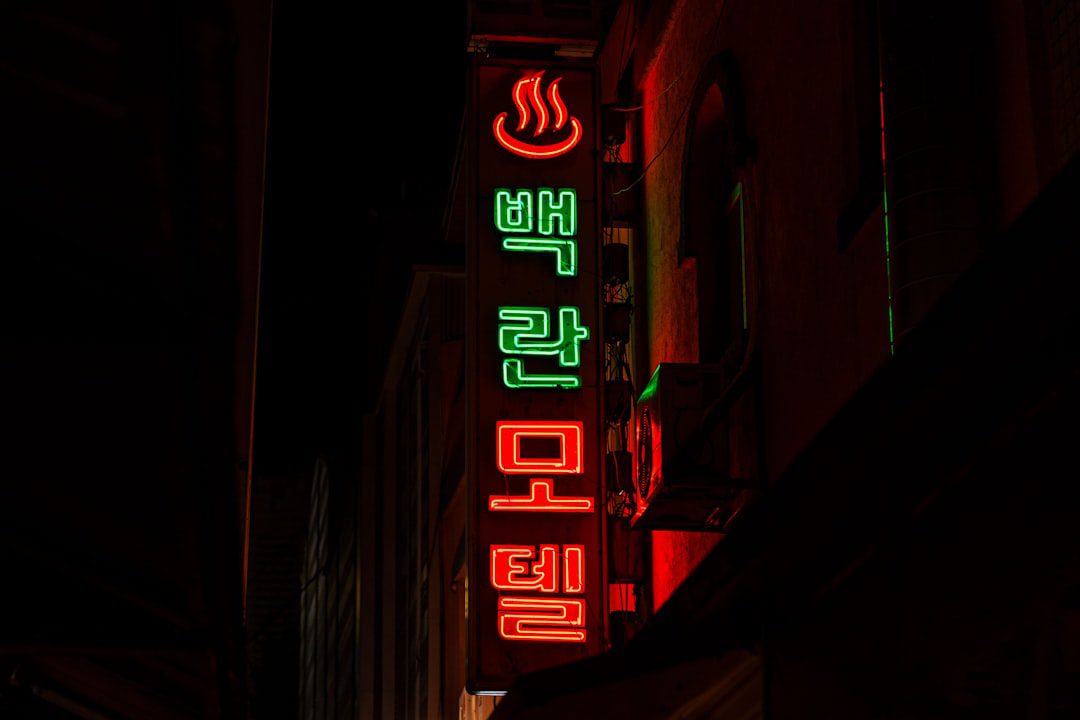
I still remember the first time I walked down Euljiro’s narrow streets in the early 1990s—before it became the Instagram darling it is today. Back then, it was just rows of old printing factories, wholesalers hawking electronics, and men in work boots loading trucks. My Korean colleagues would’ve laughed if you’d told them tourists would one day line up outside hole-in-the-wall bars here, sipping craft cocktails and snapping photos of rusted metal signs.
Today, Euljiro is one of Seoul’s most authentic neighborhood transformations. It’s where industrial grit meets creative energy—a place where vintage clothing stores share alleys with contemporary art galleries, where neon signs flicker over 50-year-old buildings, and where some of the city’s best underground bars are quietly making waves. Unlike the polished, corporate feel of Gangnam or Myeongdong, Euljiro feels real. Raw. Lived-in.
After 35 years watching this city evolve, I can tell you that Euljiro represents something special: Seoul preserving its past while embracing its creative future. Whether you’re hunting for vintage finds, discovering underground art, or wanting to grab a drink where the bartender actually knows what they’re doing, this neighborhood delivers. Here’s everything you need to know about exploring Euljiro like a local.
Getting to Euljiro: Location & Subway Access
Euljiro stretches across central Seoul, running east-west and cutting through two districts: Jung-gu and Jongno-gu. For most visitors, the heart of Euljiro centers around Euljiro 3-ga and Euljiro 4-ga stations on the Metropolitan Subway Line 2 (the green circle line). The neighborhood is small enough to walk end-to-end in about 30 minutes, but dense enough that you’ll want to spend at least 3-4 hours exploring properly.
Ted’s tip: Exit at Euljiro 3-ga Station, Line 2, Exit 5. This puts you right at the main strip with most of the restaurants and vintage shops. From here, you can walk north into the industrial heart, or south toward the more developed shopping areas.
| Subway Station | Exit | What’s Nearby | Best For |
|---|---|---|---|
| Euljiro 3-ga (Line 2) | Exit 5 | Main street, restaurants, bars | Starting point, general exploration |
| Euljiro 4-ga (Line 2) | Exit 3 | Vintage shops, cafes | Vintage hunting, quieter vibe |
| Jongno 5-ga (Line 1) | Exit 8 | Northern edge, gallery district | Art galleries, design studios |
| Dongdaemun (Line 2, 4, 5) | Exit 8 | Southern edge, major hub | Connection point, nearby shopping |
Euljiro is easily connected to other neighborhoods. Jongno 3-ga Station (Lines 1, 3, 5) is a 10-minute walk south if you’re coming from Insadong or Bukchon. Dongdaemun stations give you quick access to the shopping district. The whole area is extremely walkable—no need for taxis once you’re here.
The History: Why Euljiro Became Industrial Seoul
To understand Euljiro today, you need to understand what it was. From the 1970s through the 1990s, this neighborhood was the beating heart of Seoul’s manufacturing economy. Printing presses, electronics wholesalers, machinery suppliers, fabric merchants—entire blocks were devoted to industrial production. Walk into any of these old buildings and you’d find families living above their shops, trucks blocking narrow alleys, and the constant hum of heavy machinery.
I worked near here in the 1990s, and I remember the chaos. Vendors would shout prices across alleys. The smell of metal shavings and industrial solvents filled the air. It was gritty, unglamorous, but completely authentic Korea—the working-class infrastructure that built the country’s economic miracle.
By the early 2000s, manufacturing shifted to cheaper labor markets and digital industries took over. The old factories emptied. Landlords couldn’t get regular tenants, so they started renting to artists and creative types at absurdly cheap rates. This is where Euljiro’s second act began. Young designers, photographers, and independent retailers saw opportunity in the raw architectural bones and low overhead. Slowly, organically, the neighborhood transformed into what you see today—a living museum of industrial Seoul that somehow became cool without losing its soul.
Ted’s tip: Many buildings still show the faded traces of their former industrial life. Look up at signage, building architecture, and ground-floor machinery still visible in some shops. This is intentional preservation.
Vintage & Thrift Shopping: Where to Hunt for Treasures
Euljiro is Seoul’s best-kept vintage secret. Unlike the commercial vintage boutiques in Itaewon or Gangnam, these shops feel like discoveries—many hidden on upper floors or down narrow alleys, run by passionate collectors who actually curate their inventory rather than just buying bulk lots.
Top Vintage Shops
| Shop Name | Specialty | Price Range | Location | Hours |
|---|---|---|---|---|
| Vintage Code | 90s clothing, band tees, streetwear | ₩15,000-80,000 | Euljiro 3-ga area | 12pm-8pm |
| Retro House | 70s-80s furniture, home décor, records | ₩20,000-200,000 | Upper floor, north of main street | 1pm-9pm (closed Mon) |
| Dusty Workshop | Vintage cameras, mechanical items, tools | ₩30,000-150,000 | Euljiro 4-ga side street | 2pm-7pm (closed Tues) |
| Analog Collective | Film cameras, old lenses, photography gear | ₩80,000-500,000 | 2nd floor, central location | 11am-7pm (closed Wed) |
| Moon Flea Market | Curated mix: clothes, books, art, collectibles | ₩5,000-50,000 | Side alley off main street | 12pm-8pm (closed Mon) |
My favorite experience in Euljiro is just wandering the side alleys around Euljiro 4-ga station. You’ll find small unmarked shops tucked into old buildings—places that have no signage, just a curtain you push through. Some specialize in vintage leather jackets, others in old vinyl records, others in industrial-era tools and machinery. The thrill is that you genuinely don’t know what you’ll find.
Ted’s tip: Many vintage shops don’t have English signage. If you find a place that looks interesting, just push the door open—most owners are used to curious visitors. Learning a few basic Korean phrases helps: “얼마예요?” (How much?) and “너무 비싸요” (Too expensive/expensive).
Bring cash. Many small shops are cash-only, and prices are often negotiable, especially if you’re buying multiple items. A ₩10,000 jacket becomes ₩8,000 if you’re friendly and ask nicely in Korean.
Galleries & Art Spaces: The Creative Heart
What makes Euljiro different from other trendy neighborhoods isn’t just the Instagram factor—it’s that the creative transformation is real. There are genuine galleries here, not just decorated storefronts. Many focus on emerging Korean artists, photographers, and designers who can’t afford Gangnam or Cheongdam gallery rents.
Must-Visit Galleries
Ssamzie Space is perhaps the most established—a nonprofit cultural foundation that’s been here since the area’s creative awakening. They host rotating exhibitions featuring contemporary Korean and international artists. Hours vary by exhibition, but generally Tuesday-Sunday 11am-7pm. Admission is usually free or ₩5,000.
PLATEAU occupies an old industrial building and functions as both gallery and community space. It’s less polished than Ssamzie, which is what makes it better. You’ll see everything from photography shows to experimental video installations. Check their Instagram for current exhibitions.
Euljiro Kim’s Studio is a photographer’s studio and gallery combined—the owner displays work by residents and traveling photographers. It’s tiny, intimate, and feels like you’ve discovered someone’s private world. No set hours; best to message ahead or just try knocking.
North of the main Euljiro strip, toward Jongno 5-ga, there’s an entire cluster of small design studios and galleries in converted warehouse buildings. This area is less touristy and more genuinely creative. You’ll find graphic designers, fashion designers, and experimental artists sharing buildings. There’s rarely signage, so just explore—knock on doors that look interesting.
Ted’s tip: Go on a Thursday or Friday evening when galleries stay open late and the neighborhood fills with young Koreans doing gallery walks. The energy is completely different from daytime.
The Bar Scene: Euljiro’s Drinking Culture
This is where Euljiro really shines. The bar scene here isn’t trying hard—it’s naturally cool. You’ll find no table-service, no bottle service, no velvet ropes. Just intimate bars run by people who actually care about drinks, decor that evolved organically rather than being designed, and a crowd that’s here because they want to be, not because it’s the place to be seen.
Standout Bars
| Bar Name | Style | Vibe | Price (cocktail) | Hours |
|---|---|---|---|---|
| Booth | Craft cocktails, moody lighting | Industrial-chic, locals | ₩12,000-18,000 | 5pm-2am (closed Sun) |
| Nae Bar | Wine bar, natural wine focus | Relaxed, casual, foodie-friendly | ₩8,000-15,000 | 5pm-11:30pm (closed Mon) |
| Mudflat | Beer bar, craft + Korean | Laid-back, eclectic crowd | ₩6,000-8,000 | 6pm-midnight (closed Mon) |
| Hole in the Wall | Whiskey, classic cocktails | Intimate, old-school vibe | ₩15,000-20,000 | 7pm-2am (closed Sun) |
| Magpie Brindille | Natural wine, tapas | Sophisticated but unpretentious | ₩10,000-18,000 | 5pm-11pm (closed Mon) |
| Phantom | Craft cocktails, speakeasy vibe | Hidden entrance, intimate | ₩13,000-19,000 | 6pm-2am (closed Mon) |
Let me tell you about the bar culture here. In Seoul’s nightlife scene, there’s a clear hierarchy—the big clubs in Gangnam, the noraebang-heavy neighborhoods, the foreigner-friendly Itaewon bars. Euljiro doesn’t fit neatly into any category, which is exactly why it’s special.
Booth is where I’d start. It’s been here long enough to be considered a neighborhood institution, but new enough that they’re still experimenting with their cocktail menu. The bartender, Min-jun, actually remembers regulars and asks about their days. The décor is industrial-minimalist—exposed brick, dim lighting, the kind of place that naturally evolved rather than being designed by a hospitality brand.
Nae Bar is my personal favorite for a casual evening. It’s slightly smaller, focuses on natural wines (many Korean and lesser-known Asian producers), and the owner has an infectious enthusiasm about food pairings. You can get a glass of natural wine for ₩8,000-12,000 and some simple, excellent charcuterie. It fills with a mix of wine enthusiasts, creative types, and neighborhood regulars.
If you want to experience old-school Korean drinking culture in a contemporary setting, the street-level pojangmacha (tent bars) and soju tents near Euljiro 3-ga are exactly what you need. These aren’t tourist traps—they’re where construction workers, artists, and night-shift workers actually drink. A bottle of soju is ₩3,000-4,000, and food is cheap (₩5,000-15,000). It’s loud, chaotic, real, and entirely authentic.
Ted’s tip: Many bars in Euljiro don’t advertise much. Your best bet is checking Instagram hashtags (#유를로술집 or #euljiro_bar) or asking locals. If a bar has no obvious signage and no tourists, you’ve probably found something good.
Don’t miss the street-level drinking culture either. Between about 6pm-10pm, entire stretches of Euljiro turn into impromptu drinking alleys. Workers in construction vests sit next to young professionals sit next to artists. This is where you get the real Euljiro experience.
Cafes & Eateries: Beyond Just Coffee
The cafe culture in Euljiro is different from other Seoul neighborhoods. Most places here actually grew out of the neighborhood’s creative culture rather than being corporate chains or franchise cafes. They’re run by people—photographers, designers, musicians—who opened cafes to support their real work.
| Cafe/Restaurant | Type | Specialty | Price Range | Vibe |
|---|---|---|---|---|
| Onion | Specialty coffee | Single-origin espresso, pour-overs | ₩5,000-8,000 | Serious coffee, minimalist |
| Cafe Froth | Vintage cafe, bakery | Sourdough pastries, seasonal drinks | ₩6,000-10,000 | Cozy, industrial-chic |
| Jongno Gimbap | Gimbap restaurant | Fresh gimbap, banchan buffet | ₩4,000-8,000 | Local, no-frills, busy |
| Dakgangjeong Alley | Korean fried chicken | Crispy dakgangjeong (sweet soy), beer | ₩8,000-15,000 | Casual, group-friendly |
| Lucky Moose | Chinese restaurant | Hand-pulled noodles, mapo tofu | ₩7,000-12,000 | Authentic, working-class |
For lunch, the area around Euljiro 3-ga is full of small restaurants serving Korean office workers. These places are dirt cheap and genuinely delicious. You’ll find gimbap shops (₩4,000-5,000), bibimbap restaurants, and small pojangmacha. Go where the construction workers are eating—that’s always the sign of good food at good prices.
For dinner, the options are more eclectic. There are Korean restaurants, Chinese places, and an increasing number of fusion spots opened by younger entrepreneurs. Most meals run ₩8,000-15,000.
Ted’s tip: Don’t sleep on the street food in the pojangmacha alleys. Korean fried chicken (dakgangjeong), tteokbokki (spicy rice cakes), and odeng (fish cakes) paired with soju or beer is peak Euljiro experience and costs ₩15,000-30,000 for a full spread.
Neon Signs & Photography: The Visual Appeal
Let’s be honest—part of Euljiro’s appeal is visual. The old neon signs, the weathered building facades, the industrial architecture, the narrow alleyways—it’s incredibly photogenic. This wasn’t manufactured for Instagram; it evolved naturally. But it means you’ll see plenty of photography happening here.
The best neon signs are on the older buildings around Euljiro 4-ga and heading north toward Jongno 5-ga. Many are fading (which is more beautiful than bright new ones), and many are in Korean, which adds to the authenticity. The character comes from the mixture of old and new—a building that once housed a printing press now has a trendy bar on the ground floor.
If you’re serious about photography, go in the evening, around 6pm-8pm, when the neon starts glowing but it’s not completely dark. The blue hour light mixing with neon is absolutely stunning. Bring a camera that handles lower light—the alleys don’t have much street lighting, which is part of their charm.
Ted’s tip: Don’t just photograph the flashy spots everyone knows about. Walk down random side alleys. Some of the best shots are on streets with no foot traffic—industrial details, old signage, weathered textures. This is where Euljiro’s real visual story lives.
The Best Routes: Walking Neighborhoods
Euljiro is best experienced by walking. Here are my recommended routes depending on what interests you.
Route 1: Vintage & Cafe Crawl (2-3 hours)
Start at Euljiro 4-ga Station, Exit 3. Head north on the main street, browsing vintage shops and cafes. Stop at Onion for coffee (₩5,000-8,000). Continue wandering side alleys north, exploring galleries and smaller vintage spots. Grab lunch at a small Korean restaurant (₩7,000-10,000). End with coffee at Cafe Froth. Total spend: ₩25,000-35,000.
Route 2: Industrial Exploration & Bar Hopping (4-5 hours)
Start at Euljiro 3-ga Station, Exit 5. Walk the main strip to get oriented. Explore side alleys north, looking at old buildings and galleries. Grab early dinner at a pojangmacha or small restaurant (₩8,000-12,000). As evening approaches, hit the first bar around 6pm (Mudflat is a good starter—relaxed vibe). Move to a second bar by 8pm (Booth or Nae Bar). End the night at a soju tent if you’re still going. Total spend: ₩40,000-70,000.
Route 3: Photography & Discovery Walk (3-4 hours)
Best done in late afternoon. Start around 4pm at Euljiro 4-ga. Walk slowly, photographing neon signs, building details, street scenes. Don’t rush. Stop for coffee around 5pm (₩6,000-8,000). Continue walking as the light changes and neon activates. Grab dinner from a pojangmacha (₩10,000-15,000). Watch the neighborhood transform from day to night. Total spend: ₩25,000-35,000.
Route 4: Gallery & Design District (Half day)
Head toward Jongno 5-ga Station, Exit 8. Explore the gallery cluster on the north side of Euljiro. Visit Ssamzie Space (free-₩5,000). Walk through the design studio buildings, checking out what’s happening. Stop at a designer cafe (₩6,000-9,000). This is the more polished side of Euljiro, but still authentic. Total spend: ₩15,000-25,000.
Practical Information: Hours, Money, Language
Most shops open around noon (11am-12pm) and stay open until 8pm-9pm. Bars open around 5pm-6pm. Restaurants have staggered hours—lunch spots close around 2pm-3pm, dinner spots open around 5pm.
Bring cash. While major bars and galleries take cards, many small shops and all street vendors are cash-only. There’s a 24-hour convenience store (GS25) near Euljiro 3-ga station where you can withdraw cash. ATMs are plentiful.
| Type of Place | Typical Hours | Payment | Reserve Needed? |
|---|---|---|---|
| Vintage shops | 12pm-8pm (mostly closed Mon) | Cash preferred | No |
| Cafes | 8am-10pm (varies) | Card or cash | No |
| Galleries | 11am-7pm (closed Mon-Tues) | Free or ₩5,000 | No |
| Restaurants | 11am-10pm (varies) | Cash or card | No (except trendy spots) |
| Bars | 5pm-2am | Card or cash | No |
| Pojangmacha (street) | 5pm-midnight | Cash only | No |
English signage is minimal, but that’s part of the charm. Many young shop owners and bar staff speak some English. Use a translation app if needed—Google Translate camera function works surprisingly well for signs and menus.
Ted’s tip: Download Naver Map or Kakao Map before you arrive. Google Maps is unreliable in Korea. These apps have Korean business names, hours, and reviews from locals. Searching by category (술집=bars, 카페=cafes, 빈티지=vintage) helps you discover places not on tourist lists.
Nearby Neighborhoods: Expanding Your Route
Euljiro is well-positioned for exploring adjacent areas without much travel time.
Insadong (southwest, 15-minute walk) is completely different—traditional Korean art, tourist-oriented galleries, tea houses. It’s worth visiting for contrast, but it’s the opposite of Euljiro’s gritty aesthetic.
Bukchon Hanok Village (southeast, 20-minute walk) offers traditional hanok houses and romantic alleys. It’s become touristy, but still pretty. If you want to see old Seoul architecture, this complements Euljiro’s industrial history.
Jongno area (all directions) is where Seoul’s traditional culture lives—temples, palaces, old shops. Euljiro represents Seoul’s modern industrial evolution; Jongno is Seoul’s ancient history.
A full day exploring Euljiro + adjacent neighborhoods is absolutely feasible. Most visitors spend 3-4 hours here and add Insadong or Bukchon to their itinerary.
Frequently Asked Questions
Is Euljiro safe at night?
Absolutely. This is central Seoul with plenty of foot traffic, businesses open late, and a friendly, mixed crowd. The neighborhood is busier at night than many Seoul areas, actually. Street lighting is adequate (though some alleys are dim for aesthetic reasons). I’ve walked here at 2am without hesitation. Standard city safety applies—be aware of your surroundings, watch your belongings in crowds, and trust your instincts.
What’s the best time to visit Euljiro?
Late afternoon into evening is best if you want to photograph neon signs (around 6pm-8pm when it’s getting dark but not completely night). Weekends get busier with tourists and young Koreans. Weekday evenings are quieter and feel more authentic. Spring (April-May) and autumn (September-October) have the most pleasant weather for walking around. Avoid 11:30am-2pm on weekdays when it’s crowded with office workers.
Do I need a guide for Euljiro?
Absolutely not. This neighborhood is small and walkable. A guide would actually diminish the experience—half the fun is getting lost down random alleys and discovering places yourself. The neighborhood is straightforward to navigate with a map app.
Can I visit Euljiro as a day trip from elsewhere in Korea?
Yes, easily. It’s centrally located in Seoul with good subway access. You could easily spend 3-4 hours here as part of a larger Seoul day. If you’re staying outside Seoul, the subway connections are excellent.
What’s the dress code for bars?
There is none. Wear whatever—from your hiking clothes to formal wear. Euljiro bars don’t care. This is one of the appeals; you’ll see construction workers next to fashion designers to software engineers, all equally welcome. Comfort is the only rule.
Are vintage items expensive?
Not compared to vintage shops in Western cities. A well-condition vintage band t-shirt runs ₩15,000-40,000 ($12-30 USD). Vintage leather jackets are ₩50,000-150,000 ($40-120 USD). Prices are negotiable, especially if you’re buying multiple items and bargain politely in Korean. Many items are ₩5,000-20,000 range.
What if I can’t read Korean?
You’ll be fine. Most restaurants have visual menus or pictures. Bars have simple menus. Google Translate app with camera works on signage. Ask locals—many younger people speak English. The neighborhood has become accustomed to visitors. Worst case, you point and smile.
Is Euljiro touristy?
Less than Myeongdong or Gangnam, but more than it was five years ago. You’ll definitely see tourists and Instagram photographers, especially on weekends. Weekday evenings have fewer outsiders. The neighborhood hasn’t sacrificed its character to tourism yet—it still feels like a place for residents and creative types first, tourists second.
Final Thoughts
After 35 years in Seoul, I’ve watched neighborhoods transform completely. Some changes are beautiful. Some are heartbreaking. Euljiro represents one of the good ones—a place that could’ve been demolished for high-rises or turned into a sanitized shopping district. Instead, it evolved into something authentic, creative, and genuinely cool. Not manufactured cool. Real cool.
What I love about Euljiro is that it still feels like a working neighborhood. You’ll see actual construction happening. Actual artists actually working. Actual people actually drinking and eating, not performing leisure for Instagram. Yes, people take photos here. Yes, it’s become more polished. But the bones are real.
If you’re tired of Seoul’s high-energy, polished, corporate neighborhoods—if you want to experience a place that honors the past while embracing the future—Euljiro is where you want to be. Bring comfortable shoes, bring cash, bring an open mind, and just wander. That’s when Euljiro reveals itself.
— Ted K
Image Credits: Photos sourced from Unsplash. By using this site, you agree to our Privacy Policy and Disclaimer.