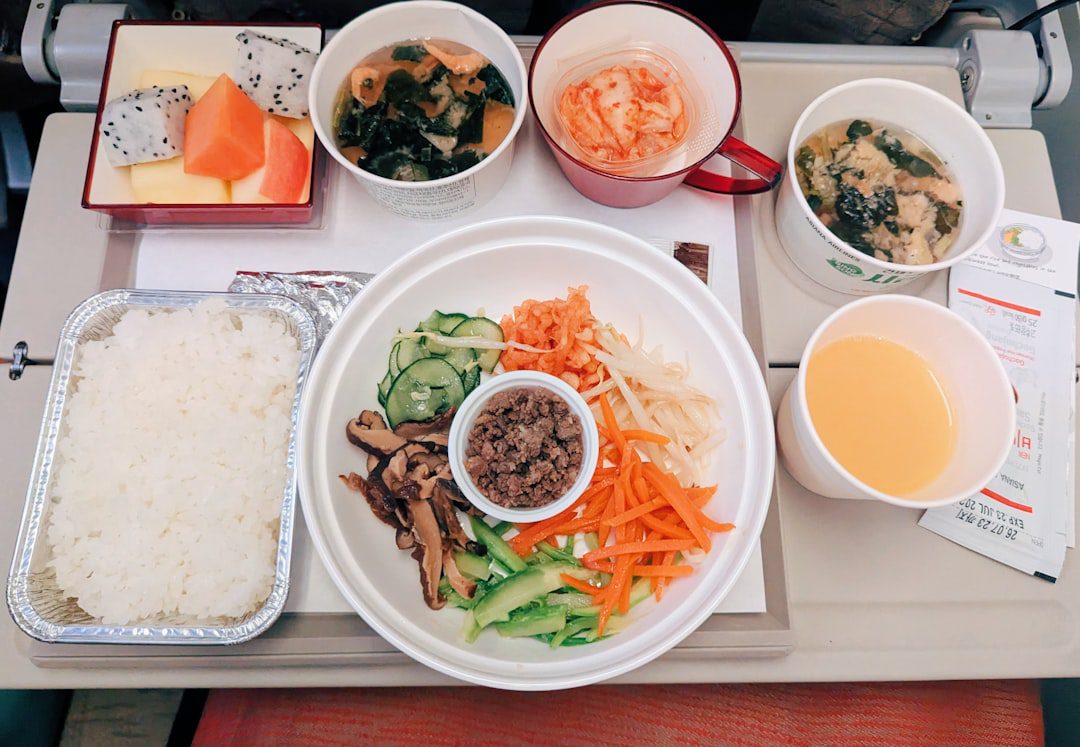
Back in 1992, I had my first real challenge as a meat-loving expat settling into Seoul. My girlfriend at the time decided to become vegetarian—and I mean committed. No negotiations, no “just a little bit of fish.” She dragged me to restaurants I’d never heard of, taught me Buddhist temple food etiquette, and forced me to learn how to order tofu-based dishes without accidentally getting a side of anchovy broth.
Fast forward 35 years, and I’ve watched Korea’s plant-based scene evolve from a niche curiosity to a legitimate dining movement. Back then, finding anything remotely vegan meant visiting Buddhist temples or enduring suspicion from restaurant owners (“Are you sure? Really sure?”). Today? Seoul alone has hundreds of dedicated vegetarian spots, international vegan chains, and temples that welcome visitors specifically for their renowned temple food experiences.
If you’re coming to Korea as a vegetarian or vegan, the good news: you won’t starve. You might need some strategies, Korea-specific vocabulary, and patience with well-meaning restaurant staff. But the food is extraordinary. Here’s everything I’ve learned—and continue learning—about eating plant-based in this incredible country.
The Korean Plant-Based Landscape: What’s Changed
When I first arrived in Korea, vegetarianism was viewed as either a religious commitment or a bizarre Western whim. Restaurants existed to serve meat. Side dishes (banchan) came with assumed animal broth. The concept of “I don’t eat meat because I choose not to” was genuinely foreign.
The landscape has shifted dramatically. Buddhism has always been influential in Korea—about 15% of the population follows it—and temple food (사찰음식, sachal eumsik) has ancient roots. But now, you’ve got young Korean vegans opening trendy restaurants, international vegan chains setting up shop, and even Korean companies producing plant-based meat alternatives.
Ted’s tip: Download the app “Vegly” (비건리스트) before you arrive. It’s Korea’s main vegan restaurant directory, with over 1,000+ listings in Korean and English, ratings, photos, and menu details. It’s literally the vegetarian’s Bible in Korea.
Seoul leads the movement, but Busan, Daegu, and even smaller cities now have dedicated spots. The culture is shifting partly because of younger generations, partly because of environmental consciousness, and partly because Korean food—at its core—celebrates vegetables, grains, and fermented foods. You just need to navigate around the meat-centric presentation.
Essential Korean Phrases for Plant-Based Eating
This is where most struggling vegetarian travelers get stuck. You can’t rely on English in most restaurants, and pointing at a menu won’t always work. Korean restaurant staff often don’t understand “vegetarian” as a lifestyle choice—they understand ingredients.
Here are the phrases that will transform your dining experience:
| Korean Phrase | Pronunciation | English Translation | When to Use |
|---|---|---|---|
| 저는 채식주의자입니다 | Jeoneun chaesik juuija imnida | I am a vegetarian | Opening statement at any restaurant |
| 저는 비건입니다 | Jeoneun bigeon imnida | I am vegan | More specific; use at restaurants claiming to be vegan |
| 육류를 먹지 않습니다 | Yugyureul meokji anhseumnida | I don’t eat meat | Alternative phrasing when servers seem confused |
| 생선 없이 주세요 | Saengseon eobsi juseyo | No fish, please | Critical—fish sauce/broth is in everything |
| 계란도 없이 주세요 | Gyeran do eobsi juseyo | No eggs, please | For strict vegans |
| 우유도 없이 주세요 | Uyu do eobsi juseyo | No dairy, please | For strict vegans |
| 이것에 고기가 있어요? | Igeose gogiga isseoyo? | Does this have meat? | Pointing at menu items |
| 채소만 있는 거 있어요? | Chaesoman ineun geo isseoyo? | Do you have vegetables only? | Finding options at meat-centric places |
Ted’s tip: Screenshot these phrases and show them to staff. Seriously. I once had a server completely misunderstand my pronunciation of “vegetarian” until I showed her the written Korean. After that, the kitchen understood perfectly.
One more critical point: many Korean restaurants use fish-based broths (국물, gukul) or fish sauce (멸치액젓, myeolchi aechjeot) as flavor bases. Even seemingly vegetarian dishes might have these. Always ask about broth specifically.
Buddhist Temple Food: Korea’s Plant-Based Tradition
If you want to understand plant-based eating in Korea, you need to understand temple food. This isn’t some new wellness trend—it’s a thousand-year-old Buddhist culinary tradition that’s absolutely beautiful in philosophy and execution.
Temple food (사찰음식) follows strict Buddhist principles: no meat, no fish, no garlic, no onions (they stimulate desire and anger), no eggs, and no dairy traditionally. Cooks create layered, complex, often colorful dishes using only vegetables, legumes, grains, fermented ingredients, and wild mountain greens. It’s vegetarian food that happens to be transcendent.
Where to Try Temple Food in Seoul
Sanchon (산촌)
Location: Insadong neighborhood (종로구 인사동길 41-1)
Subway: Anguk Station (Line 3), Exit 6
Price Range: ₩30,000-50,000 per person
Hours: 11:00 AM–9:00 PM (closed Mondays)
Reservations: Highly recommended (accepts English via Naver or Korean calls)
This is my go-to recommendation and has been for 20 years. Sanchon is a former traditional Korean house (hanok) that serves elaborate temple food set menus. You’ll get 12-15 small dishes, rice, soup, and grilled items—all vegetarian. The banchan alone would justify the price, but the seasonal menu changes and always surprises.
Balwoo Gongyang (발우공양)
Location: Multiple locations including Myeongdong, Gangnam
Flagship: 서울 중구 을지로5가 30-1
Subway: Eulji-ro Station (Line 2), Exit 5
Price Range: ₩25,000-45,000
Hours: 11:30 AM–10:00 PM
Website: balwoo.com (English available)
This chain brings temple food to a modern setting, which sounds like it might lose something. It doesn’t. Their set meals (정성)—available as small, medium, or large—showcase every principle of temple cuisine. The galbijjim (vegetables in soy reduction), seasoned wild greens, and medicinal herb rice are exceptional.
Onemoon Temple Stay & Temple Food
Location: Jogyesa Temple area, Insadong
Website: onemoon.kr
Price: ₩60,000-120,000 for full day experience
Best for: Deep cultural immersion
Want to go deeper? Spend a day or night at a temple, participate in morning meditation, and learn cooking directly from monks. This is gaining massive popularity with international visitors, and many now offer English-language programs.
Key Temple Food Dishes to Know
| Dish Name | Korean | Description | Vegan? |
|---|---|---|---|
| Seasoned Vegetables | 나물 | Blanched or sautéed wild mountain greens with sesame oil | Yes |
| Mushroom Medley | 버섯 구이 | Grilled or pan-seared mushrooms—often shiitake, oyster, king trumpet | Yes |
| Bean Curd Soup | 두부탕 | Silken tofu in clear vegetable broth with vegetables | Yes (verify broth) |
| Medicinal Herb Rice | 약밥 | Rice with ginseng, jujubes, chestnuts, and medicinal herbs | Usually yes |
| Mixed Vegetable Rice | 비빔밥 | Rice with vegetables, gochujang sauce—temple version has no egg | Yes (in temple setting) |
| Fermented Soybean Stew | 두부김치찌개 | Tofu and kimchi in aromatic broth | Yes (confirm broth) |
| Vegetable Pancake | 호박전 | Thin zucchini or pumpkin fritters, sometimes with mushrooms | Usually yes |
| Pressed Tofu with Vegetables | 두부 채소무침 | Firm tofu pressed and mixed with vegetables, sesame oil | Yes |
Ted’s tip: Temple food restaurants are accustomed to international visitors asking about ingredients. Don’t feel awkward—ask away. The staff understands religious and ethical dietary requirements better than anyone in Korea.
Vegetarian & Vegan Restaurants in Seoul
Beyond temples, Seoul now has dedicated vegetarian establishments ranging from upscale fine dining to casual cafes. These have exploded in the past 5-10 years, especially in areas like Hongdae, Gangnam, and Itaewon.
Fine Dining & Upscale Options
Natural Food Vegetarian Restaurant (자연식당)
Locations: Multiple across Seoul, Gangnam flagship
Gangnam: 강남구 논현동 246
Subway: Gangnam Station (Line 2), Exit 10
Price: ₩25,000-40,000
Hours: 11:00 AM–9:00 PM
Specialty: Organic meals, set lunches, fresh-pressed juices
This is one of Korea’s original vegetarian chains (operating since 1995). They serve organic-focused meals with seasonal menus. Set lunches (₩18,000-25,000) are extraordinary value—you get soup, rice, 8-10 side dishes, and a main protein. Their organic tofu is made fresh daily.
Seed (씨드)
Location: Hongdae, Seoul
Subway: Sangbong Station (Line 6), Exit 1
Price: ₩28,000-45,000 for set menus
Hours: 12:00 PM–10:00 PM (closed Mondays)
Vibe: Trendy, young crowd, Instagrammable presentation
This newer spot (opened 2019) caters to Seoul’s vegan millennial crowd. Every dish is plant-based with a modern twist. Their set menus include soup, salad, main course, and dessert. The presentation rivals any omnivorous restaurant, and the flavors are genuinely creative—not just “vegetarian versions” of meat dishes.
Casual Vegetarian Cafes & Bistros
Thegreen
Multiple Seoul locations
Average Price: ₩12,000-18,000
Hours: Typically 10:00 AM–8:00 PM
Specialty: Bowls, noodles, smoothies
Think of this as Korea’s answer to Sweetgreen. Build-your-own bowls with vegetable bases, proteins (tofu, tempeh), and various sauces. Fresh, quick, reliably vegetarian, and very affordable for central Seoul.
Gogigogi (고기고기)
This is my favorite for the name alone—it means “meat meat” but it’s entirely plant-based. The irony delights me every time.
Location: Various Seoul branches
Price: ₩10,000-16,000
Specialty: Plant-based meat alternatives, burgers, Korean fusion
International Vegan Chains
Seoul also has several international vegan chains now:
| Restaurant | Origin | Price Range (₩) | Best For |
|---|---|---|---|
| By Chloe | USA (New York) | ₩18,000-28,000 | Salads, pasta, desserts |
| Beatrice | USA | ₩16,000-24,000 | Bowls, grain dishes, baked goods |
| Roots & Branches | Korea (homegrown) | ₩14,000-22,000 | Organic Korean-fusion bowls |
| Vegan Kitchen | Korea | ₩12,000-20,000 | Casual Korean dishes veganized |
Traditional Markets: The Best Kept Vegetarian Secret
Korean traditional markets are overwhelming at first—chaotic, loud, aromatic. But they’re also a vegetarian’s paradise if you know what you’re looking for. Most stalls sell produce at 30-50% cheaper than supermarkets, and you’ll find vegetables, grains, fermented products, and prepared vegetarian dishes you won’t see elsewhere.
I wrote a comprehensive guide to Korean traditional markets, but here’s the vegetarian-specific breakdown:
Gwangjang Market (광장시장)
Location: Jongno-gu, near Jongno 3-ga Station (Line 1, 3, 5)
Hours: 10:00 AM–8:00 PM daily
Why vegetarians love it: Largest selection of prepared vegetable dishes (나물), kimchi varieties, tofu products
Gwangjang is Korea’s oldest continuously operating market (opened 1905). For vegetarians, head directly to the section with 나물 (seasoned vegetable) vendors. Most stalls let you sample before buying. A container of 5-7 different seasonal vegetables typically costs ₩8,000-12,000. Get gochujang (red chili paste), doenjang (soybean paste), and fresh tofu from dedicated vendors.
Pro tip: Eat lunch here. Several small vendors serve guksu (noodles) and can prepare vegetarian versions. Ask specifically: “채소만 있는 국수 있어요?” (Do you have vegetable-only noodles?)
Namdaemun Market (남대문시장)
Location: Jung-gu, near Hoehyeon Station (Line 4, Exit 5)
Hours: 10:00 AM–8:00 PM (some stalls close Sundays)
Why vegetarians love it: Dried vegetables, ginseng, mushrooms, specialty legumes, herbal ingredients
Namdaemun is older and more chaotic than Gwangjang, but it’s THE place for specialty ingredients. Looking for dried shiitake mushrooms, wild mountain greens, or Korean medicinal herbs? You’ll find wholesale prices. This is where temple food restaurants source ingredients.
Mangwon Market (망원시장)
I covered this in detail in my Mangwon Market guide, but it’s worth noting: this Mapo-gu market has evolved significantly. Several vendors now cater specifically to vegetarians and health-conscious shoppers. The prepared food section includes multiple vegetarian vendors.
Ted’s tip: Markets are overwhelming if you don’t speak Korean. Wear comfortable shoes, bring a bag or backpack, and don’t be shy about asking vendors to explain what something is. They appreciate genuine interest and will often give you samples.
Korean Dishes That Are Naturally Vegetarian (Or Can Be)
Understanding traditional Korean cuisine helps you identify naturally plant-based options. Korea’s flavor profile—sesame, soy, gochugaru, fermented ingredients—is inherently friendly to vegetables.
Dishes to Order (With Modifications)
| Dish | Korean | Natural Option? | Modification Needed |
|---|---|---|---|
| Vegetable Bibimbap | 비빔밥 | Partially (has egg) | Request: “계란 없이 주세요” (no egg) |
| Vegetable Japchae | 채소 잡채 | Yes, usually | Confirm no oyster sauce or fish sauce |
| Vegetable Fried Rice | 야채 볶음밥 | Partially (often has egg) | Request without egg; verify no fish sauce |
| Kimchi Stew | 김치찌개 | No (usually has pork) | Ask for tofu version: “두부 김치찌개” |
| Vegetable Jjigae (stew) | 야채 찌개 | Partially | Specify: vegetable broth, no fish or meat |
| Doenjang Jjigae (soy broth stew) | 된장찌개 | Depends on broth | Confirm vegetable-only broth |
| Kimbap (rice rolls) | 김밥 | Usually yes | Order “야채만” (vegetables only)—no meat, egg, or fish cake |
| Tteokbokki (rice cakes) | 떡볶이 | Partially | Vegetable or tofu version often available; ask about sauce base |
Always-Safe Sides (Banchan)
When you order at a regular Korean restaurant, you’ll get free side dishes. Some are always vegetarian:
- Pickled Radish (단무지) — sweet, often vegan
- Seasoned Spinach (시금치 나물) — sesame, garlic, soy
- Seasoned Beansprouts (콩나물) — vegan if prepared without anchovy
- Kimchi (김치) — fermented vegetables, traditionally vegan (verify with restaurant)
- Pickled Vegetables (야채절임) — variable, ask first
- Steamed Edamame (땅콩) — salt-boiled, vegan
Ted’s tip: If a restaurant refuses to modify dishes, politely leave. There are enough options in Seoul now that you don’t need to settle. But most traditional restaurants understand—they’ve been accommodating monks and dietary-conscious customers for centuries.
Grocery Shopping for Plant-Based Eating
If you’re staying in Korea for a week or longer, or want to prepare some meals in your accommodation, you have excellent options.
Regular Supermarkets
CU, GS25, Emart24 (Convenience Stores)
Price: Budget-friendly
Best for: Quick meals, prepared tofu dishes, instant noodles (ask for vegetable varieties), kimbap
Every block in Seoul has a convenience store. Most stock vegetarian prepared foods: marinated tofu (₩3,000-5,000), simple vegetable kimbap (₩4,000-6,000), instant ramyeon (ask staff for meat-free options—they exist), and drinks. Your biggest options are Emart24, which has more prepared food variety.
Emart, Lottemall, Costco
Price: Moderate to budget (Costco best value)
Best for: Fresh vegetables, bulk buying, specialty products
Large supermarkets have extensive vegetable sections, often cheaper than street markets if you’re buying volume. Emart and Lotte Mall are everywhere in Seoul. Costco (membership ₩55,000 for annual) offers amazing value on tofu, nuts, dried goods, and plant-based milk alternatives.
Organic & Specialty Stores
Organic Stores (Bio Supermarket chains)
Multiple Seoul locations
Price: Premium
Best for: Organic vegetables, plant-based milk, specialty supplements
If you want certified organic produce, Korea has a growing organic sector. These stores (search “유기농” yulgionong on Naver Map) are pricier but offer tested organic items. Some also have prepared organic vegetarian dishes.
Health Supplement & Plant-Based Milk Section
Available in most supermarkets
Notable: Soy milk (₩2,500-4,000), almond milk (₩3,500-5,500), oat milk (₩4,000-6,000), coconut milk
Korean plant-based milk options have exploded. Nearly every supermarket now carries soy milk, and almond/oat milk are increasingly common. Prices are slightly higher than Western countries, but availability is excellent.
| Store Type | Best Neighborhoods | Average Prices | Why Visit |
|---|---|---|---|
| Traditional Markets | Gwangjang, Namdaemun, Mangwon | ₩2,000-8,000/item | Freshest vegetables, prepared banchan, wholesale prices |
| Convenience Stores | Everywhere | ₩3,000-8,000/meal | Quick prepared meals, tofu, emergency food |
| Emart/Lotte Supermarkets | Shopping districts | ₩3,000-12,000/item | Variety, plant-based milk, specialty items |
| Organic Stores | Gangnam, Hongdae, Itaewon | ₩5,000-15,000/item | Certified organic, supplements, health foods |
| Costco | Seoul suburbs (Sangbong, Ichon) | Bulk discount (₩3,000-8,000/item) | Bulk buying, plant-based milk, nuts, grains |
Navigating Challenges: Real Talk
I’d be doing you a disservice if I didn’t mention the genuine challenges. After 35 years, I’ve seen incredible progress, but Korea’s not Sweden when it comes to plant-based accommodation.
The Fish Sauce Problem
Korean food relies heavily on anchovy-based broths and fish sauce. Even “vegetarian” dishes might be cooked in fish stock. This isn’t malicious—it’s cultural. Most Korean chefs learned that broth = fish stock.
Solution: Always specify “생선 없이” (no fish). Show staff written confirmation. At temples or dedicated vegetarian restaurants, this isn’t an issue—they understand the ethical and religious dimensions.
Language Barriers with Older Staff
Outside Seoul’s main neighborhoods, English fluency drops significantly. Your Korean phrases become critical. Older restaurant staff might not understand “vegan” even when you say it perfectly.
Solution: Download that Vegly app. Take screenshots of restaurant addresses. Use Google Translate in a pinch. Younger staff (particularly in franchises) understand dietary restrictions better.
Hidden Animal Products
Chicken broth in supposedly vegetarian soup. Eggs in fried rice even when you asked for it without. These happen, usually not from deception but from miscommunication.
Solution: Ask directly about each ingredient. Learn the names of animal products in Korean. Be patient—most restaurants will accommodate once they understand.
Limited Options in Smaller Cities
If you venture outside Seoul to places like Daegu or Gwangju, dedicated vegetarian restaurants are rare. You’ll rely on temple food, market purchases, and modifying regular dishes.
Solution: Plan ahead. Research temple restaurants before visiting smaller cities. Stock up on groceries. Have conversations with restaurant staff about what’s naturally vegetarian.
Plant-Based Eating by Korean Region
Not all of Korea is Seoul. Here’s what vegetarian travelers should know about other regions:
Busan (부산)
South Korea’s second-largest city has been catching up to Seoul’s vegan scene. Look for restaurants in Seomyeon and the waterfront areas. The temple culture is strong here too—several temples offer temple food experiences. Seafood is omnipresent (it’s a coastal city), so be extra clear about dietary needs.
Jeonju (전주)
I wrote about Jeonju’s food scene in depth, and here’s the vegetarian angle: Jeonju Hanok Village is famous for bibimbap, and temple food restaurants thrive here. Jeonju-style bibimbap (전주 비빔밥) can absolutely be made vegetarian—just ask. The Hanok Village alone has 4-5 dedicated vegetarian spots.
Gyeongju (경주)
This historical city (often visited for Buddhist temples and UNESCO sites) has strong temple food traditions. Several temples here specifically welcome visitors for temple meals. It’s the best destination in Korea outside Seoul for plant-based eating.
Frequently Asked Questions
Is Korea actually difficult for vegetarians?
Not as much as it was 15 years ago. Seoul is very manageable with current resources. Outside major cities, you’ll need more flexibility. Most restaurants will accommodate if you clearly communicate your needs. The biggest challenge is cultural—meat is central to Korean dining culture—but that’s changing.
What’s the best app for finding vegetarian restaurants in Korea?
Vegly (비건리스트) is the gold standard—over 1,000 restaurants listed, reviews, menus, photos. Happy Cow also works but has fewer Korean restaurants. Google Maps can work if you search in Korean: “채식 식당” (vegetarian restaurant) or “비건 식당” (vegan restaurant).
Are Korean Buddhist temples really open to non-Buddhists for temple food meals?
Absolutely. Many temples actively welcome international visitors. Some do full overnight temple stays with meal experiences. You don’t need to be Buddhist—temples view it as cultural exchange and believe in sharing their food traditions. Always call ahead and confirm English-language availability.
Can I trust restaurant claims that a dish is vegetarian?
Usually, but verify. Ask specifically about broth, fish sauce, and hidden ingredients. Show your Korean phrase cards. At dedicated vegetarian restaurants and temples, trust is higher. At regular Korean restaurants, staff might not realize fish stock counts as “non-vegetarian” in your philosophy.
Is Korean soy sauce vegetarian?
Most traditional Korean doenjang and gochujang are vegetarian (they’re fermented soybean products), but check labels—some cheaper brands add fish ingredients. Soy sauce (간장) is usually vegan. When in doubt, ask restaurants about specific condiments.
What should I pack from home if I’m vegan?
B12 supplements are smart (plant-based sources are limited). Protein powder if you prefer it (tofu and beans are available but expensive). Favorite non-perishable snacks. Honestly? Korea has most things now. You won’t lack options for a 1-2 week trip, but longer stays might benefit from supplements.
Are there vegan versions of Korean street food?
More than before. Tteokbokki (rice cakes) come in vegetarian sauce at some stalls (ask: “채소 떡볶이 있어요?”). Odeng (fish cakes) are tricky—they’re literally fish. But vegetable tempura, corn, and other vegetable street foods are common. Be cautious and ask what’s in the broth before eating.
What’s the deal with Korean egg consumption—is it common?
Very. Eggs appear in numerous dishes: fried rice, bibimbap, soups, and side dishes. If you’re vegetarian but eat eggs, you’re fine with most restaurants. If you’re vegan, specifically request no egg using “계란 없이 주세요” (gyeran eobsi juseyo).
Final Thoughts
I’ve watched Korea transform over 35 years. When I first arrived, suggesting I was vegetarian would earn puzzled stares. My girlfriend persisted in her plant-based choices, and slowly—very slowly—the city learned to accommodate her. Now, Seoul has hundreds of options, and the culture is shifting toward recognizing plant-based eating as a legitimate lifestyle choice rather than a Western eccentricity.
If you’re vegetarian or vegan visiting Korea, you won’t starve. You’ll eat remarkably well, actually—Korean food’s foundation of vegetables, fermented products, and seasonal eating is inherently friendly to plant-based diets. The key is communication, patience, and willingness to explore beyond tourist restaurants.
Learn those Korean phrases. Download Vegly. Visit a temple kitchen if you can. Spend time in traditional markets. And remember: every time you order something vegetarian at a non-vegetarian restaurant and clearly communicate your needs, you’re contributing to this cultural shift. Korea’s food culture is evolving, and plant-based eaters are part of that evolution.
You’ll have an extraordinary food experience here. I promise.
— Ted K
Image Credits: Photos sourced from Unsplash. By using this site, you agree to our Privacy Policy and Disclaimer.