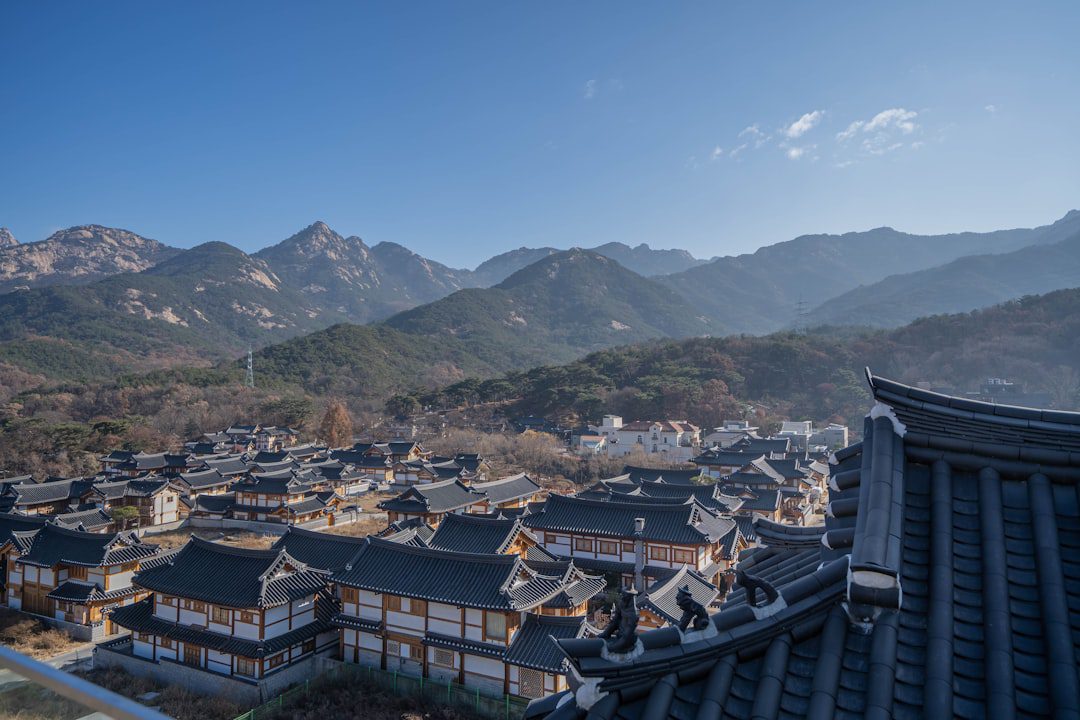
I first visited Jeonju in 1994 with nothing but a rough map and an appetite that wouldn’t quit. Three decades later, I still remember stepping into Jeonju Hanok Village for the first time—the way the narrow lanes seemed to transport me back centuries, the smell of kimchi fermenting in wooden vessels, and the moment I bit into my first bowl of Jeonju bibimbap. I knew right then that this place was special.
Today, Jeonju has become South Korea’s undisputed food capital. But it’s not just about eating (though you’ll do plenty of that). The village itself—with over 800 traditional hanok houses painted in soft earth tones and weathered wood—is one of the most photogenic and well-preserved heritage districts in the entire country. The Jeonju Hanok Village perfectly blends culinary tradition, cultural immersion, and Instagram-worthy scenery into one unforgettable day trip.
Whether you’re a serious foodie, a culture enthusiast, or someone who just wants to spend a day wandering charming alleyways, Jeonju delivers on every front. Here’s everything you need to know to make the most of your visit.
How to Get to Jeonju from Seoul
The 240-kilometer journey from Seoul to Jeonju is straightforward, and you have several options depending on your budget and timeline. I’ve made this trip dozens of times, and I’ll walk you through the fastest and most convenient methods.
KTX Train (Fastest Option)
The Korea Train eXpress is your best bet for speed and comfort. From Seoul Station (Line 1 or Gyeongui-Jungang Line), board the KTX bound for Jeonju. The journey takes just 2 hours and 15 minutes, and trains depart every 30-60 minutes throughout the day. The train arrives directly at Jeonju Station, which sits about 2 kilometers from the hanok village.
Ted’s tip: Book your KTX tickets online through Korail (korail.com) the night before—weekend trains fill up quickly. Standard class costs around ₩43,000-51,000 ($32-38 USD) depending on the time of day. I always arrive on the first available train (around 7:00 AM) to maximize my time in the village.
| Transport Method | Duration | Cost (₩) | Frequency |
|---|---|---|---|
| KTX Train | 2h 15m | 43,000-51,000 | Every 30-60 min |
| Express Bus | 2h 30m | 27,000-31,000 | Every 15-30 min |
| Intercity Bus | 3h | 19,000-22,000 | Every 15 min |
| Private Car Rental | 2h 45m | 80,000-150,000 | On-demand |
Express & Intercity Buses (Budget Option)
If you’re traveling on a tight budget, buses are your friend. Both express and intercity buses depart from Seoul Express Bus Terminal (Gangnam Station, Lines 2 & Bundang Line) and Nambu Bus Terminal (Line 3, Nambu Terminal Station). Express buses take about 2.5 hours, while intercity buses take closer to 3 hours but cost slightly less.
The downside? Buses can be cramped, especially on weekends, and you’ll arrive at Jeonju Bus Terminal, which is about 1.5 kilometers from the hanok village. However, taxis from the station cost only ₩5,000-7,000 ($4-5 USD).
Navigating Jeonju Station to Hanok Village
Once you arrive at Jeonju Station, getting to the hanok village is simple. From the station exit, you have three options:
Taxi (Easiest)
A taxi from Jeonju Station to the heart of the hanok village costs around ₩8,000-10,000 ($6-7 USD) and takes 10-15 minutes depending on traffic. Just show the driver your phone with “전주 한옥마을” (Jeonju Hanok Village) written in Korean, or show them this address: 전라북도 전주시 완산구 태조로 57 (Jeonju-si, Wansan-gu, Taejo-ro 57).
Bus (Cheapest)
Local buses 1-1, 11, or 77 from the station take you close to the village for ₩1,250. The ride takes 20-25 minutes, but buses are infrequent and crowded during peak hours.
Walking (Scenic but Long)
It’s possible to walk the 2 kilometers from Jeonju Station to the hanok village in about 25-30 minutes, but luggage makes this impractical if you’re carrying a heavy bag. Ted’s tip: I recommend taking a taxi to the village, leaving your stuff in luggage storage at a café (most charge around ₩3,000-5,000 per bag), and then exploring freely.
Understanding Jeonju Hanok Village Layout
Jeonju Hanok Village isn’t one cohesive neighborhood—it’s a sprawling district with several distinct zones and alleyways. Understanding the layout will help you navigate efficiently and make sure you don’t miss the best spots.
Main Areas
The village covers roughly 73,000 square meters and is divided into several neighborhoods. The northern section (around Taejo-ro) is where you’ll find the most concentrated cluster of shops, cafés, and restaurants. The southern section has more residential hanok homes and quieter streets perfect for photography. The eastern side houses several museums and cultural centers.
| Area | What’s There | Best For |
|---|---|---|
| Northern Zone (Taejo-ro) | Restaurants, cafés, shops | Eating, shopping, crowds |
| Southern Zone | Residential hanoks, quiet streets | Photography, peace |
| Eastern Zone | Museums, cultural centers | Culture, history |
| Central Plaza | Hanok Village Hall, public restrooms | Orientation, utilities |
My advice? Arrive early (before 9 AM if possible), head straight to the southern residential zones while they’re quiet, snap your photos, then work your way back to the northern restaurants as midday crowds arrive.
Jeonju Bibimbap: The Signature Dish
If there’s one reason Jeonju deserves its title as Korea’s food capital, it’s bibimbap. This isn’t hyperbole—Jeonju bibimbap is UNESCO-recognized, and eating an authentic bowl here is non-negotiable.
What Makes Jeonju Bibimbap Different?
The dish consists of rice topped with seasoned vegetables (spinach, bean sprouts, shredded carrots, zucchini, mushrooms), a fried egg, and a dollop of gochujang (red chili paste). Unlike bibimbap served elsewhere in Korea, Jeonju’s version is traditionally served in a bronze or stone bowl with soy sauce-based gochujang rather than the spicier red chili paste you’ll find in other regions. The bronze bowl—called a “soe” in Korean—gives the rice a slightly crispy, golden bottom layer that’s absolutely addictive.
Ted’s tip: The best bibimbap is eaten at lunchtime (11:30 AM – 2:00 PM) when restaurants are busy and rice is fresh. Arrive just before lunch rush to get a table quickly.
Best Bibimbap Restaurants
Jeonju has over 100 bibimbap restaurants, so choosing can feel overwhelming. Here are my tested recommendations:
| Restaurant Name | Price | Specialty | Notes |
|---|---|---|---|
| Daldaebi | ₩9,000 | Classic bronze bowl bibimbap | Traditional method, excellent gochujang |
| Omok Jip | ₩10,000 | Premium vegetables, soft tofu | High-end comfort, lines expected |
| Haejjim Kimchi | ₩8,500 | Bibimbap + house-made kimchi | Perfect side dish pairing |
| Jogyesa Kalguksu | ₩9,000 | Bibimbap + noodle soup combo | Great for trying multiple dishes |
| Bibimbap Alley Stalls | ₩7,000-8,000 | Traditional street-style bibimbap | Quick, affordable, local favorite |
In 35 years of visiting Korea, I’ve learned that the most famous restaurants aren’t always the best. The bibimbap stalls along the narrow alleyways—the ones run by elderly Korean women who’ve been making the same recipe for decades—often serve the most authentic bowls. Walk the northern zone slowly and follow your nose.
Beyond Bibimbap: Other Must-Try Foods
While bibimbap is the star, Jeonju’s food scene extends far beyond this single dish. The city is home to centuries-old culinary traditions worth exploring.
Kongguksu (Soybean Noodles)
This cold noodle soup made from ground soybeans is a Jeonju specialty, especially refreshing in summer. The silky broth is slightly sweet and nutty, topped with noodles, cucumber strips, and a touch of sesame. Ted’s tip: Eat kongguksu in warmer months—it’s a seasonal dish that fewer restaurants serve in winter.
Jeonju Kalguksu (Knife-Cut Noodles)
Unlike other regional kalguksu, Jeonju’s version uses a anchovy and vegetable broth that’s lighter and more delicate. The thick, handmade noodles absorb the broth beautifully. Expect to pay around ₩8,000-10,000 per bowl.
Korean Bindaetteok (Mung Bean Pancakes)
These crispy, savory pancakes made from ground mung beans are sold at street stalls throughout the hanok village. They’re perfect for snacking while walking. A plate of 4-5 pancakes costs around ₩5,000-7,000.
Jeonju Hanjeong-siksa (Traditional Set Meals)
Several restaurants offer elaborate traditional Korean set meals that include 15-20 side dishes (banchan), rice, soup, and a main protein. These cost ₩25,000-40,000 but give you an incredible sampling of Jeonju’s culinary heritage in one meal.
| Dish | Average Price (₩) | When to Eat | Why Try It |
|---|---|---|---|
| Bibimbap | 8,000-10,000 | Lunch | UNESCO-recognized signature dish |
| Kongguksu | 7,500-9,000 | Summer lunch | Silky soybean broth, unique flavor |
| Kalguksu | 8,000-10,000 | Lunch/dinner | Handmade noodles, light broth |
| Bindaetteok | 5,000-7,000 | Anytime snack | Crispy, savory, portable |
| Traditional Set Meal | 25,000-40,000 | Lunch | 20+ banchan, comprehensive experience |
Hanbok Rental and Cultural Experiences
One of the best parts of visiting Jeonju Hanok Village is renting a hanbok—the traditional Korean dress—and walking around in full costume. The result? You’ll look like you stepped out of a K-drama, and you’ll absolutely fit into the hanok aesthetic.
Where to Rent Hanbok
There are dozens of hanbok rental shops lining Taejo-ro and the surrounding streets. Most offer similar quality and pricing, but here are my recommendations based on fit, variety, and service:
| Shop Name | Price (2 hours) | Price (Full Day) | Location | Notes |
|---|---|---|---|---|
| Hanbok Korea | ₩25,000 | ₩40,000 | North Zone | Wide size range, modern styles |
| Jeonju Hanbok | ₩20,000 | ₩35,000 | Central | Budget-friendly, traditional colors |
| Premium Hanbok Studio | ₩35,000 | ₩55,000 | South Zone | High-quality fabrics, hair & makeup |
| Tourist Info Rental | ₩22,000 | ₩38,000 | By Hanok Village Hall | Convenient, standard quality |
Ted’s tip: Rent your hanbok early in the morning (by 10 AM) to maximize photo opportunities before the village gets crowded. Most shops offer discounts for full-day rentals, which cost only ₩5,000-10,000 more than 2-hour rentals. If you’re serious about photos, spring (April-May) and fall (September-October) offer the best lighting and weather.
What to Expect
When you arrive at a hanbok rental shop, a staff member will help you select colors and fit. They’ll tie the jeogori (jacket) and chima (skirt) for women, or the jeogori and baji (pants) for men. The whole process takes 15-20 minutes. Most shops also offer basic hair styling (simple braids or buns) for an additional ₩5,000-10,000. Walk slowly and carefully—hanbok skirts can be restrictive, and the shoes (if provided) are slippery on cobblestones.
Photography Spots While in Hanbok
The best locations for hanbok photos are the quiet southern residential lanes, the wooden gates and doors of individual hanok homes, and the early morning light on Taejo-ro before crowds arrive. Avoid the main restaurant strip during midday—it’s too congested for good photos, and you’ll be constantly jostled.
Museums and Cultural Activities
Jeonju Hanok Village isn’t just for eating and photo ops—there are genuine cultural attractions that deserve your time.
Jeonju National Museum
Located at the eastern edge of the hanok village, this excellent museum focuses on the history and culture of Jeollabuk-do province. The collection includes Buddhist sculptures, ceramics, historical documents, and contemporary art. Admission costs ₩4,000 ($3 USD) for adults, and it’s open daily except Mondays from 10 AM to 6 PM (closes at 5 PM in winter).
Jeonju Hanji Museum
Hanji is traditional Korean handmade paper, and Jeonju has a centuries-long tradition of producing it. The Hanji Museum teaches you the entire production process—from mulberry bark to finished paper—and offers hands-on workshops where you can make your own sheet of hanji (₩15,000 for a 1-hour workshop). The museum is open 10 AM to 6 PM daily.
Jeondong Catholic Cathedral
Built in 1914, this brick cathedral stands at the edge of the hanok village and serves as a striking contrast to the traditional wooden structures around it. It’s still an active church, so visit respectfully. Admission is free, and the interior architecture is worth seeing. Services are held in Korean, but visitors are welcome to observe from the back.
Korean Traditional Liquor Museums
Jeonju is famous for Korean traditional spirits, particularly makgeolli (rice wine). Several small museums and distilleries offer tastings and brief educational sessions. Most charge ₩5,000-10,000 and include samples of local varieties.
| Attraction | Admission | Hours | Duration | Best For |
|---|---|---|---|---|
| Jeonju National Museum | ₩4,000 | 10 AM-6 PM (Closed Mon) | 2-3 hours | Art, history, Buddhist culture |
| Jeonju Hanji Museum | ₩3,000 (exhibits); ₩15,000 (workshop) | 10 AM-6 PM | 1-2 hours | Hands-on crafts, papermaking |
| Jeondong Cathedral | Free | 9 AM-6 PM | 20-30 min | Architecture, photography |
| Traditional Liquor Museum | ₩5,000-10,000 | Varies (usually 10 AM-6 PM) | 45 min-1 hour | Tastings, local spirits |
Cafés and Desserts in the Hanok Village
Jeonju’s café culture is as important as its food scene. After heavy meals or between activities, you’ll want to step into one of the dozens of hanok-converted cafés that serve everything from traditional Korean desserts to modern coffee drinks.
Traditional Korean Desserts
Look for shops selling tteok (rice cakes), especially jujubes-filled varieties, and honey-based sweets called yugwa. Most dessert shops charge ₩4,000-8,000 per item. My personal favorite is a small ball of sesame-filled tteok paired with a cup of traditional barley tea (boricha), which costs around ₩5,000 total.
Modern Cafés in Hanok Settings
Many hanok homes have been converted into cozy cafés serving modern coffee, smoothies, and pastries. The aesthetic—sitting on a low cushion in a wooden room with paper screens—is unforgettable. Expect to pay ₩6,000-12,000 for specialty coffee drinks. A few standouts include small cafés around the Central Plaza area and the southern residential zone, though most don’t have official names or websites—you’ll discover them by wandering.
Ted’s tip: Arrive at cafés during mid-afternoon (3-5 PM), not peak lunch or dinner hours, for a quieter, more authentic experience. Many older Korean visitors sit for hours with a single cup of tea—you’re welcome to do the same.
Shopping in Jeonju Hanok Village
Beyond food and experiences, the village has excellent shopping for traditional crafts, souvenirs, and Korean specialty items.
Hanji and Paper Crafts
You can purchase beautiful hanji notebooks, bookmarks, and decorative items from dozens of shops. A small hanji notebook costs ₩12,000-18,000, while larger art pieces run ₩30,000-100,000+. The quality is exceptional, and these make excellent souvenirs.
Korean Ceramics and Pottery
Jeonju has a strong pottery tradition, and many shops sell handmade bowls, cups, and vases. Smaller items cost ₩15,000-40,000, while larger pieces can exceed ₩200,000. Look for wares with the characteristic celadon blue-green glaze typical of Korean ceramics.
Traditional Snacks and Gochujang
Several shops sell homemade gochujang (red chili paste) and other traditional condiments in beautiful packaging—perfect for gifts. A small jar (500g) costs ₩12,000-18,000. Local honey, dried citron, and preserved fruits are also popular.
Hanbok and Traditional Accessories
Beyond rentals, you can purchase traditional Korean jewelry, embroidered pouches, and accessories. These range from ₩20,000 for simple items to ₩200,000+ for high-quality traditional pieces.
| Item Type | Price Range (₩) | Best Shops Location | Quality Level |
|---|---|---|---|
| Hanji notebooks | 12,000-40,000 | North Zone, near museum | High quality, artisanal |
| Ceramic bowls | 25,000-80,000 | South Zone, quiet streets | Handmade, authentic |
| Gochujang jars | 12,000-18,000 | Central area, near restaurants | Traditional, gift-ready |
| Traditional jewelry | 20,000-150,000 | North Zone main streets | Variable, inspect carefully |
| Snack boxes | 15,000-35,000 | Throughout village | Good for gifts |
Best Time to Visit and Seasonal Considerations
Jeonju Hanok Village is beautiful year-round, but certain seasons offer distinct advantages and disadvantages.
Spring (April-May)
This is peak season. The weather is mild (15-22°C / 59-72°F), and flowers bloom throughout the village. However, expect massive crowds—weekend visitor counts can exceed 500,000 people. Hotels book months in advance. If you visit in spring, come on a weekday if possible.
Summer (June-August)
Hot and humid (28-32°C / 82-90°F), but fewer international tourists. The village’s tree-lined streets provide good shade. This is the season for kongguksu (cold soybean noodles), which is refreshing in heat.
Fall (September-October)
I rank this as the best season. Temperatures are perfect (15-23°C / 59-73°F), the light is beautiful, and foliage is beginning to turn. Crowds are moderate compared to spring. If I could only visit once a year, I’d choose October.
Winter (November-March)
Cold (0-8°C / 32-46°F), occasionally snowy, and quiet. The hanok village has a serene, peaceful quality in winter that I find very appealing. However, some smaller cafés and shops reduce hours or close. Bundle up, and you’ll have the village nearly to yourself.
| Season | Temperature (°C) | Crowd Level | Best Features | Challenges |
|---|---|---|---|---|
| Spring | 15-22 | Very High | Flowers, mild weather | Overcrowded, expensive |
| Summer | 28-32 | Moderate | Fewer tourists, kongguksu season | Hot and humid |
| Fall | 15-23 | Moderate | Perfect weather, beautiful light | None—it’s ideal |
| Winter | 0-8 | Very Low | Peaceful, serene, authentic | Cold, reduced shop hours |
Sample Itinerary: Full Day in Jeonju
Here’s how I recommend structuring a day trip from Seoul to maximize your experience:
7:00 AM
Board the KTX from Seoul Station. Bring a light breakfast or buy one at the station convenience store. Use the train time to relax and mentally prepare.
9:30 AM
Arrive at Jeonju Station. Take a taxi directly to the hanok village (₩8,000-10,000). Drop your luggage at a café’s luggage storage.
10:00 AM
Rent your hanbok. This takes 15-20 minutes. Get dressed and do any hair styling you want.
10:30 AM – 12:30 PM
Explore the southern residential zone while it’s quiet. Take photographs, walk the narrow lanes, and soak in the atmosphere. Stop at a small café for a drink or snack.
12:30 PM – 1:45 PM
Return your hanbok. Head to your chosen bibimbap restaurant and have lunch. Most restaurants are busy at this time, but that’s normal. Expect a 20-30 minute wait on weekends.
2:00 PM – 4:00 PM
Visit a museum (Jeonju National Museum or Hanji Museum take 1.5-2 hours each) or explore shops in the northern zone. This is a good time to purchase souvenirs and gifts.
4:00 PM – 5:00 PM
Visit Jeondong Cathedral and take photos of the exterior and surroundings. Walk the perimeter of the village and photograph hanok architectural details.
5:00 PM – 6:00 PM
Stop at a café for coffee and a traditional Korean dessert. Rest and reflect on the day.
6:00 PM
Take a taxi back to Jeonju Station (₩8,000-10,000). Board your return KTX (most depart every 45-60 minutes until 8:30 PM).
8:30 PM
Arrive back at Seoul Station, full of memories and probably still thinking about that bibimbap.
Practical Tips for Your Visit
Money and Payments
Most restaurants in the hanok village accept both cash and card payments. However, smaller shops and some older establishments are cash-only. Withdraw ₩100,000-150,000 in cash from an ATM before arriving in the village. Small restaurants and stalls won’t have change for large bills.
Navigation and Maps
Download Naver Map or Kakao Map on your phone before visiting. These apps show you exactly where you are in the village and have reviews of restaurants and shops. Google Maps coverage is spotty in Jeonju.
Language Barrier
Most restaurant menus in the hanok village have pictures. Point at what other diners are eating, or show pictures on your phone. English is spoken in some tourist restaurants but not consistently in smaller establishments. Learning basic Korean phrases like “bibimbap hanae juseyo” (one bibimbap, please) and “kamsahamnida” (thank you) goes a long way.
Luggage Storage
If you’re on a day trip from Seoul and have a luggage problem, many cafés and souvenir shops will hold bags for ₩3,000-5,000. Ask at your hanbok rental or any café. Jeonju Station also has left luggage lockers (₩4,000-6,000 for small/medium sizes, available 8 AM – 10 PM).
Comfortable Shoes
Ted’s tip: Wear comfortable, closed-toe walking shoes. The cobblestones are uneven, you’ll walk 6-8 kilometers easily in a full day, and rental hanbok shoes (if provided) are slippery. Sneakers are perfectly acceptable and won’t look out of place.
Bathroom Access
Public restrooms are available at the Hanok Village Hall (Central Plaza area) and several restaurants. In Korea, restrooms are traditionally squat toilets in older buildings, though modern hanok villages have updated them to sit-down toilets. Bring a small packet of tissue just in case—not all restrooms provide paper.
Frequently Asked Questions
Can I visit Jeonju as a day trip from Seoul, or should I stay overnight?
Day trips are absolutely possible. Many visitors take the 7:00 AM KTX, spend 7-8 hours in the village, and return on an evening train around 6:30 PM. However, if you want to experience the village in the evening (when it’s quieter and more atmospheric) or have more time for museums and activities, an overnight stay is better. Budget hotels cost ₩50,000-80,000 per night.
What’s the best time of day to eat bibimbap?
Lunch (11:30 AM – 2:00 PM) is optimal. Rice is freshly cooked, restaurants are busy (which means high turnover and fresh ingredients), and traditional Korean mealtimes are centered on lunch, not dinner. Some restaurants actually serve better-quality bibimbap at lunch than at dinner.
Do I need to book restaurants in advance?
For most casual restaurants, no. Walk in and expect a short wait. However, if you want a specific high-end restaurant or are visiting on a weekend holiday, it’s safer to call ahead. Your hotel can help with this, or ask your hanbok rental shop staff to make a reservation.
Is the hanok village wheelchair accessible?
Partially. Main streets like Taejo-ro are fairly flat and have been widened for accessibility, but many residential lanes have uneven cobblestones and narrow passages. If you have mobility concerns, focus on the northern main streets rather than exploring the entire village. Contact the Jeonju Hanok Village Information Center (+82-63-282-9900) for specific accessibility information.
Can I take the train directly from Seoul to Jeonju at any time of day?
Yes, KTX trains depart from Seoul Station roughly every 30-60 minutes from early morning (6:30 AM) to late evening (8:30 PM). You don’t necessarily need to book in advance during off-peak times, but weekend morning trains (especially in spring) fill up quickly. If you’re visiting on a weekend or holiday, book the day before.
What’s the dress code for visiting temples or cultural sites?
Dress respectfully. Cover your shoulders and knees. Jeondong Cathedral, while no longer primarily a place of worship, should be visited with the same respect you’d show any historic religious site. You can wear hanbok to these locations—it’s actually perfect.
Are there good options for vegetarian or vegan eating?
Bibimbap can be made vegetarian (just request “no egg, no meat”). Temples in the Jeonju area serve excellent vegetarian temple food if you’re interested in a more formal dining experience. Many café options are also vegetarian or vegan-friendly. See our Korean vegetarian and vegan guide for more details.
Is English spoken widely in the hanok village?
English is spoken in some tourist-oriented restaurants and shops, particularly hanbok rentals and major attractions. However, many smaller restaurants, traditional shops, and family-run establishments don’t have English-speaking staff. This isn’t a major problem—menus often have pictures, locals are patient, and you can use translation apps on your phone. It’s actually part of the charm of visiting smaller neighborhoods.
Final Thoughts
Jeonju Hanok Village represents something increasingly rare in modern Korea: a place where centuries-old traditions are still actively lived and practiced. It’s not a museum frozen in time—it’s a living, breathing neighborhood where grandmothers make bibimbap using recipes passed down through generations, where traditional craftspeople still practice their skills, and where thousands of visitors come each day to connect with Korean culture in its most authentic form.
After 35 years in Korea, I can tell you that Jeonju occupies a unique place in my heart. It’s close enough to Seoul for an easy day trip, yet far enough away to feel genuinely different. The food is undoubtedly exceptional, but what keeps me returning is the atmosphere—the sense of stepping outside modern time and experiencing Korea as it once was.
My advice? Don’t overthink it. Get on that KTX, eat a bowl of bibimbap that will spoil you for every other bibimbap you’ll ever have, rent that hanbok and take silly photos, wander the quiet lanes, and let yourself get a little bit lost. These are the experiences that become memories, and Jeonju delivers in abundance.
— Ted K
Image Credits: Photos sourced from Unsplash. By using this site, you agree to our Privacy Policy and Disclaimer.