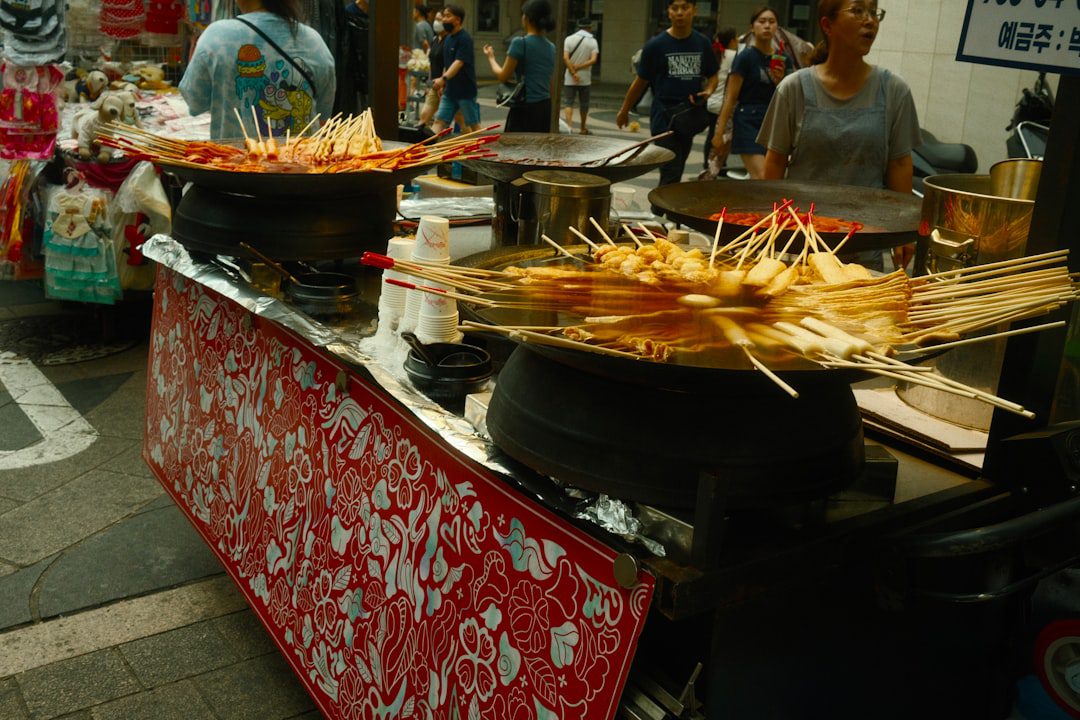
I still remember the first time I wandered into Namdaemun Market on a rainy Tuesday afternoon in 1989. I was completely lost—my Korean was terrible, my map was useless, and I had no idea where I was going. But within five minutes, a vendor was pressing a free sample of hotteok (sweet pancake) into my hands, and a woman selling socks was loudly announcing to everyone that I was a “foreigner who needed help.” That’s the magic of Seoul’s traditional markets: they’re not just places to buy things. They’re living, breathing neighborhoods where real Koreans shop, eat, and have been for generations.
After living here for 35 years, I’ve spent countless mornings in these markets, learned which vendors have the best deals, discovered hidden restaurants tucked behind storefronts, and made friends with shop owners who now save me their best produce. Traditional markets are absolutely essential to understanding Korean culture—more real than any museum or tourist attraction.
In this guide, I’m sharing everything I’ve learned about Korea’s most important traditional markets: the big names like Namdaemun and Gwangjang, plus the hidden gems that most visitors never find. Here’s how to navigate them like a local.
Why Korean Traditional Markets Matter (More Than You Think)
You might be wondering: why should I visit a traditional market when I can shop at Myeongdong or Gangnam? Fair question. But here’s the truth: traditional markets are where Korea actually happens.
These aren’t sanitized, modern shopping malls. They’re sprawling networks of family-owned stalls that have been operating in the same spot for 30, 40, even 50+ years. Grandmothers selling kimchi the way their grandmothers taught them. Vendors who remember regular customers’ preferences. Restaurants so tiny and hidden they don’t even have English signs.
The prices are better than department stores. The food is fresher because vendors get deliveries multiple times a day. And the *experience* is completely different—you’ll see actual Korean people doing their actual shopping, eating lunch, chatting with friends. It’s real Korea, not tourist Korea.
Ted’s tip: Visit markets on weekday mornings (8–10 AM) to see the real energy. Weekends are packed with tourists and casual shoppers, but weekday mornings are when locals are doing their serious shopping. The vendors are fresher too, not exhausted by crowds.
| Market Type | Best For | Vibe |
|---|---|---|
| General (Namdaemun) | Everything: clothes, food, souvenirs, spices | Chaotic, energetic, touristy |
| Food-focused (Gwangjang) | Street food, dining, fresh produce | Lively, foodie, crowded counters |
| Specialty (Dongdaemun) | Fashion fabrics, wholesale clothing | Fast-paced, wholesale-oriented |
| Hidden gems | Local produce, authentic dining, fewer tourists | Quiet, genuine, relaxed |
Namdaemun Market: Seoul’s Most Famous (And Why It Deserves Hype)
Namdaemun (남대문시장) translates to “Great South Gate Market,” and it’s been operating continuously since 1414. Yes, you read that right—over 600 years. It’s not just Korea’s largest traditional market; it’s a living piece of Korean history.
This place is absolutely massive: about 10,000 merchants across multiple buildings and covered alleys. You can buy almost anything—clothing, shoes, bags, fabrics, cosmetics, kitchen utensils, souvenirs, dried seafood, ginseng, spices, and more. The prices are significantly cheaper than anywhere else in Seoul. A decent leather bag that costs ₩100,000+ in Myeongdong? You’ll find it for ₩40,000–₩60,000 here.
What to Buy at Namdaemun
Clothing and shoes: This is Namdaemun’s specialty. The selection is enormous, and vendors will negotiate on bulk purchases. A pair of shoes that costs ₩80,000 elsewhere? Try ₩50,000 here.
Souvenirs: Korean snacks, cosmetics, hanbok (traditional dress), accessories. It’s actually one of the better places to buy gifts because prices are real.
Spices and dried goods: Whole dried chili peppers, gochugaru (red chili flakes), dried anchovies, seaweed. If you’re cooking Korean food at home, the quality and price here beat specialty stores by far.
Ginseng: Korea’s most famous export. Namdaemun has dozens of ginseng shops. Prices range from ₩30,000 for basic product to ₩500,000+ for premium wild ginseng. Vendors will have certificates of authenticity, and many speak English.
Where to Eat at Namdaemun
The food here is casual and cheap, with most meals running ₩7,000–₩12,000. You’ll find:
- Kimbap (김밥): Rolled seaweed rice with vegetables and meat. Multiple stalls, all decent quality.
- Tteokbokki (떡볶이): Spicy rice cakes. A bowl costs ₩4,000–₩5,000.
- Hotteok (호떡): Sweet pancake with brown sugar and nuts. ₩3,000–₩4,000.
- Mandu (만두): Dumplings, fried or steamed. About ₩5,000–₩6,000 for a portion.
- Dakgangjeung (닭강정): Crispy fried chicken in sweet sauce. ₩10,000–₩12,000.
Practical Information
| Detail | Information |
|---|---|
| Address | Jung-gu, Seoul (multiple entrances) |
| Nearest subway | Line 4 Myeongdong Station, Exit 5 |
| Hours | Most stalls: 10 AM–9 PM (varies by vendor) |
| Closed | 1st and 3rd Sundays of each month |
| Best time to visit | Weekday mornings (8–11 AM) or early evenings (5–7 PM) |
| Payment | Cash and card (most vendors take both) |
| Parking | Available but crowded; metro is better |
Ted’s tip: Bring a tote bag or be prepared to buy a ₩1,000 plastic bag (vendors require them). Namdaemun can be chaotic, especially on weekends—if crowds stress you out, come on a weekday morning. And don’t be shy about negotiating on bulk purchases. Most vendors expect it and will happily give discounts if you’re buying multiple items.
Gwangjang Market: Seoul’s Food Paradise & Oldest Remaining Market
If Namdaemun is Seoul’s general store, Gwangjang (광장시장) is the foodie destination. Operating since 1905, it’s technically Korea’s oldest remaining traditional market and it’s absolutely legendary among Seoulites for food.
This market is smaller and more focused than Namdaemun—fewer clothes shops, more food vendors. The layout is tight, the aisles are narrow, and it’s always packed. But that’s exactly why it’s special. Everyone comes here to eat, so the competition is fierce and the quality is high.
I’ve written a complete Gwangjang food guide, so I’ll give you the highlights here.
Must-Try Foods at Gwangjang
Bindaetteok (빈대떡): Mung bean pancake with pork and vegetables. This is Gwangjang’s most famous dish. Most vendors charge ₩2,500–₩3,500 per pancake. The texture should be crispy outside, soft inside. Go to an established vendor with a line—that’s your sign it’s good.
Mayak kimbap (마약김밥): “Addictive kimbap”—seaweed rice rolls with sesame oil that make you want to order three more. ₩3,000–₩4,000. The oils and subtle spice are what make it special here.
Nakji bokkeum (낙지볶음): Stir-fried octopus with gochugaru and gochujang. ₩15,000–₩18,000 for a portion. Tender, spicy, perfect with soju.
Tteokbokki (떡볶이) and odeng (오뎅): Rice cakes and fish cake skewers in spicy broth. ₩5,000–₩8,000. The broth recipe at good vendors has been perfected over decades.
Gimbap (김밥) and kimbap varieties: Unlike tourist gimbap, the gimbap at Gwangjang is made fresh, with quality ingredients. ₩3,000–₩5,000.
Sashimi (회): Fresh raw fish. This is where locals buy their sashimi—incredibly fresh because of high turnover. ₩15,000–₩30,000 depending on quality and type.
Where to Sit and Eat
Gwangjang is designed for standing and eating or sitting at tiny counters. Most stalls have a few stools, but the real magic is the communal experience—you’ll be standing shoulder-to-shoulder with locals, all eating the same things. It’s loud, it’s crowded, it’s authentically Korean.
There’s no reservation system. You order from whichever vendor looks good, get your food, find a spot, and eat. Expect to wait 5–10 minutes for food and another 5–10 minutes to find a seat during peak hours.
Practical Information
| Detail | Information |
|---|---|
| Address | Jongno-gu, Seoul |
| Nearest subway | Line 1 Jongno-3ga Station, Exit 5 |
| Hours | 10 AM–9 PM (some vendors open/close earlier) |
| Closed | 2nd and 4th Sundays of each month |
| Best time to visit | 11 AM–2 PM (lunch hours) or 5–7 PM (dinner) |
| Payment | Cash preferred (some vendors don’t take card) |
Ted’s tip: Bring cash. Many vendors at Gwangjang are old-school and don’t take cards, though this is changing. Start with smaller purchases to get a feel for which vendors are good, then go back to your favorites. And don’t miss the soju sold at stalls—it’s meant to go with the food here. A bottle of soju costs ₩5,000–₩7,000.
Dongdaemun Market: Seoul’s Fashion Wholesale Hub
Dongdaemun (동대문시장) is different from Namdaemun and Gwangjang—it’s primarily a wholesale market where designers, small business owners, and fashion entrepreneurs buy fabrics and finished clothing in bulk. But tourists absolutely can shop here, and if you love fashion or want unusual Korean clothing, it’s worth the visit.
The market covers several city blocks and multiple buildings. It’s less charming than the older markets but more modern and organized. The energy is different too—faster, more business-oriented. But the prices for fashion items are exceptional if you know what to look for.
What to Buy at Dongdaemun
Fashion fabrics: Silks, cottons, linens, synthetics. If you sew, the prices are incredible compared to other countries. Most vendors have minimum purchases of 1–2 meters, and prices range from ₩5,000–₩20,000 per meter depending on quality.
Clothing: Korean-designed apparel, casual wear, trendy pieces. Because it’s wholesale, you can often find pieces that haven’t hit retail yet. Prices are 20–30% cheaper than traditional retail.
Accessories: Buttons, zippers, trims, beads, jewelry supplies. This is where Korean fashion designers source their materials.
Practical Information
| Detail | Information |
|---|---|
| Address | Jung-gu, Seoul (multiple buildings) |
| Nearest subway | Line 2/4/5 Dongdaemun Station |
| Hours | Most vendors: 10 AM–6 PM (shorter hours than other markets) |
| Closed | Sundays |
| Best time to visit | Weekday mornings (9–11 AM) |
| Payment | Cash and card |
Ted’s tip: Dongdaemun feels less touristy than Namdaemun and Gwangjang, which means some vendors may not speak English. Come with patience and basic Korean phrases like “얼마예요?” (How much?). Also, fabric shopping here requires knowing what you want—it’s not a casual browsing market.
Hidden Gem Markets: Where Real Locals Shop
The three big markets are wonderful, but they’re also crowded and touristy. Here are the neighborhood markets where Seoulites actually do their daily shopping—and where you’ll find better prices, fresher food, and genuine local culture.
Mangwon Market (망원시장) — Mapo-gu
I’ve written extensively about Mangwon Market here, but here’s the quick version: this is a neighborhood market serving the Mangwon-dong area, and it’s absolutely charming. It’s smaller than the big three, with about 200 vendors selling produce, fish, meat, and street food.
Why visit: The vibe is genuinely local—you’ll see grandmothers shopping for dinner, not tourists taking photos. The food stalls sell some of Seoul’s best hotteok and tteokbokki at prices lower than Gwangjang. It’s also much less crowded.
Logistics: Line 6 Mangwon Station, Exit 2. Hours: 8 AM–7 PM. Closed some Mondays. Most vendors take cash.
Food highlights: Hotteok (₩4,000), tteokbokki (₩4,500), pajeon (Korean savory pancakes, ₩3,000–₩5,000), kimbap (₩3,000–₩4,000).
Busan Fish Market (부산어시장) — Jung-gu (Near Myeongdong)
Don’t let the name fool you—this is actually in Jung-gu, near Myeongdong, but it has a different energy entirely. It’s smaller and more focused on seafood and Korean side dishes (banchan). The vendors are incredibly friendly and genuinely happy to see foreign visitors (fewer of them come here).
Why visit: If you want the freshest seafood in Seoul at reasonable prices, this is it. The quality-to-price ratio beats every other market. You can also find pre-made Korean dishes—things like seasoned spinach, marinated vegetables, and homemade side dishes that you don’t get at supermarkets.
Logistics: Line 4 Myeongdong Station, but it’s a walk. Better to take a taxi. Hours: 8 AM–6 PM. Cash preferred.
What to buy: Raw seafood for ₩15,000–₩30,000 per portion (sashimi-grade), seasoned side dishes (₩5,000–₩10,000 for containers), dried seafood for soups and broths.
Jangchung Market (장충시장) — Jung-gu
Located near Dongdaemun but less famous than the main market, Jangchung is a neighborhood favorite. It’s got a great mix of food stalls, produce vendors, and even some clothing shops. The food is excellent and cheap.
Why visit: Less touristy than Namdaemun/Gwangjang, but still big enough to have variety. The vendors are relaxed and patient with non-Korean speakers. Great food at great prices.
Logistics: Line 3 Jangchung Station, Exit 8. Hours: 10 AM–9 PM. Most vendors accept card.
Food prices: Kimbap (₩3,000–₩4,000), tteokbokki (₩4,000–₩5,000), dakgangjeung (₩10,000), sundae (Korean blood sausage, ₩8,000–₩10,000).
Seomun Market (서문시장) — Jongno-gu
Near the major shopping district but not as famous as Gwangjang, Seomun is a working-class market where locals buy food, medicine (there’s a traditional medicine section), and household goods. It’s about 200 vendors strong and has real neighborhood energy.
Why visit: Authentic neighborhood feel, excellent food stalls, and you might see preparations for Korean holidays or seasonal foods that tourists rarely witness.
Logistics: Line 4 Myeongdong Station, Exit 4. Hours: 10 AM–8 PM. Mixed payment (cash better).
Food specialties: Hotteok, mandu, tteokbokki, bindaetteok. Most items ₩3,000–₩7,000.
| Market | Best For | Nearest Subway | Crowd Level |
|---|---|---|---|
| Mangwon | Produce, street food | Line 6 Mangwon | Low |
| Busan Fish | Seafood, side dishes | Line 4 Myeongdong | Medium |
| Jangchung | Mixed food, variety | Line 3 Jangchung | Medium |
| Seomun | Neighborhood atmosphere | Line 4 Myeongdong | Low-Medium |
Tips for Shopping at Any Traditional Market
Haggling and Negotiation
Yes, haggling is expected at Korean traditional markets—but there’s etiquette involved. You can’t just offer half the price and walk away. Here’s how it actually works:
For individual items, most prices are fixed. But if you’re buying multiple items (like 3–4 of the same thing), it’s absolutely normal to ask “좀 깎아주세요?” (Could you give me a discount?). Most vendors will knock 10–20% off. For bulk purchases, expect to negotiate harder, and be prepared to walk away if you can’t reach an agreement.
The key is being nice about it. Smile, ask politely, and don’t be aggressive. Most vendors genuinely respect customers who are respectful and interested in their goods.
Payment and Money Matters
Bring cash. Seriously. While bigger vendors in Namdaemun and Gwangjang increasingly take cards, many smaller vendors don’t. ATMs are usually available at market entrances, but it’s better to arrive with cash in hand.
Don’t expect price labels on everything. Ask before you buy, especially at food stalls. “이거 얼마예요?” (How much is this?) works everywhere.
Food Safety and Hygiene
I know some tourists worry about cleanliness at traditional markets. I’ll be honest: it’s not a sterile, modern supermarket environment. But Korean traditional markets have survived hundreds of years for a reason—the food moves fast, the vendors care about reputation, and foodborne illness is rare. I’ve eaten at these markets my entire time in Korea without issues.
That said, use common sense. Buy from vendors with lines (high turnover = fresh food). Avoid anything that’s been sitting visibly in the heat for hours. And if something smells off, don’t buy it.
What to Bring
- A tote bag or backpack: Markets don’t have unlimited plastic bags, and some vendors charge ₩1,000 for bags.
- Cash: Essential at smaller vendors.
- Comfortable shoes: You’ll be walking on concrete floors that can be uneven, slippery, and crowded.
- Small Korean phrase list: “얼마예요?” (How much?), “깎아주세요” (Discount?), “감사합니다” (Thank you).
- Patience and good humor: Markets are crowded, vendors are fast, and things move at their own pace.
Best Times to Visit
Different times offer different experiences:
- Early morning (7–10 AM): Least crowded, freshest food, best selection. Vendors are still energized. Perfect for serious shopping.
- Late morning to early afternoon (10 AM–2 PM): Moderate crowds, good food, reasonably fresh.
- Late afternoon to evening (4–8 PM): More crowded, some vendors are getting tired, but still good. This is when locals shop for dinner.
- Weekends: Most crowded. Lots of tourists. The energy is fun but frantic.
- Closed days (Sundays at some markets): Avoid! Check the specific market’s schedule.
What to Buy and What NOT to Buy at Traditional Markets
Best Buys
| Item Category | Market Best For This | Price Range | Why Buy Here |
|---|---|---|---|
| Fresh produce | Mangwon, Gwangjang | ₩2,000–₩10,000 | Fresher and cheaper than supermarkets |
| Seafood | Busan Fish, Gwangjang | ₩15,000–₩50,000 | Sashimi-grade, daily catch |
| Meat | Any major market | ₩10,000–₩25,000/100g | Quality cuts at fair prices |
| Spices/dried goods | Namdaemun | ₩5,000–₩20,000 | Best selection, great prices |
| Ginseng | Namdaemun | ₩30,000–₩500,000+ | Authentic products, negotiable |
| Street food | Gwangjang, hidden gems | ₩3,000–₩12,000 | Authentic recipes, hot and fresh |
| Fabric | Dongdaemun | ₩5,000–₩20,000/meter | Quality Korean fabrics cheap |
| Clothing | Namdaemun, Dongdaemun | ₩20,000–₩100,000 | Much cheaper than retail |
Items to Skip
Luxury goods: Don’t buy fake designer bags or watches. Not only is it illegal in many countries to import counterfeits, but the quality is typically poor. Spend your money on authentic items instead.
Overly expensive souvenirs: Namdaemun and Gwangjang have vendors selling overpriced souvenirs to tourists. Korean snacks and legitimate items are fine, but don’t buy ₩50,000 “handmade” wooden items that clearly aren’t.
Perishables if you’re traveling: Don’t buy fresh seafood or meat if you’re not cooking it that day. Hotel fridges are unreliable.
Seasonal Markets and Special Events
Throughout the year, Korean traditional markets host special events and seasonal products. If you time your visit right, you can experience markets at their best.
Spring (March–May)
Fresh greens, spring vegetables (like ssuk – mugwort), and preparations for Easter and spring holidays. Namdaemun and smaller markets have special seasonal items.
Summer (June–August)
Fresh fruits, seafood, and cold noodles. Summer is the season for refreshing foods like naengmyeon (cold noodles) and samgyetang (ginseng chicken soup to restore energy).
Autumn (September–November)
This is my favorite season at markets. Mushrooms, chestnuts, persimmons, and preparation for major holidays like Chuseok. Check our guide to Korean autumn for festival timing. Markets get especially busy around Chuseok (fall harvest holiday).
Winter (December–February)
Winter vegetables, root crops, Korean holiday preparations. Around Seollal (Korean New Year), markets transform with gift items and special foods. See our Korea winter guide for more details.
Frequently Asked Questions
Are traditional markets safe for tourists?
Absolutely. Korean traditional markets are extremely safe, even for solo travelers and foreign visitors. The biggest “danger” is getting lost in the maze of alleys, not crime. Markets have CCTV, heavy foot traffic, and vendors who keep an eye on things. I’ve never witnessed or experienced theft or harassment in 35 years of market shopping.
Can I try food samples before buying?
At some vendors, yes! Especially for tteokbokki, hotteok, and other street foods. Vendors are usually happy to let you taste before committing. For packaged items and produce, asking politely to see quality before buying is normal and expected.
What’s the best market for vegetarian/vegan options?
Gwangjang and the hidden gems have excellent vegetarian options: bindaetteok (often made with just vegetables), vegetable kimbap, vegetable pajeon, and vegetable-based tteokbokki. If you need fully vegan options, check our Korean vegetarian and vegan guide for more detailed advice.
Do I need to speak Korean to shop at markets?
Not really, especially at the major markets where vendors are used to tourists. Basic phrases like “얼마예요?” (How much?) and “감사합니다” (Thank you) go a long way, but pointing and nodding work fine too. At smaller, hidden gem markets, patience and good humor are your best tools.
What should I do if I buy something and it’s low quality?
This rarely happens at established vendors, but if you get home and realize something is defective, you can try returning it. For food, that’s obviously not possible. For clothing or other items, bring it back with your receipt (if you kept it) and ask politely. Many vendors will exchange it or give you a refund, especially if it’s genuinely defective. But keep expectations reasonable—markets operate on thin margins.
Can I bring a large suitcase to markets?
Not practical. Markets are crowded and you’ll be bumped around constantly. If you’re planning major shopping, consider checking your luggage at your hotel and picking it up later, or plan to stop by your accommodation to drop off purchases before continuing to shop.
Are there English signs at traditional markets?
At Namdaemun and Gwangjang, yes—some major vendors have English signs and staff. At hidden gem markets, there may be minimal English signage, but vendors are usually understanding if you point and ask. Major subway directions and exits have English, which helps you get to the markets.
What’s the difference between a traditional market and a supermarket in Korea?
Quality and price usually favor traditional markets—you get fresher produce, better seafood, and lower prices. The experience is completely different: markets are loud, chaotic, and personal, while supermarkets are clean, quiet, and sterile. Both have their place, but markets offer something you can’t get in supermarkets: authentic connection to how Koreans actually buy and eat food.
Final Thoughts
After 35 years in Korea, traditional markets remain one of my favorite places to spend time. Every visit is different—different vendors, different foods, different energy depending on the season and time of day. These markets are the heartbeat of Korean neighborhoods and the keeper of centuries-old food traditions.
Whether you spend hours haggling over ginseng prices at Namdaemun, eating bindaetteok at a cramped Gwangjang counter, or discovering a hidden gem market that serves only locals, you’ll get something tourists miss at museums and malls: real Korea, real food, real culture, and real people doing real life.
My advice? Pick one big market to experience the scale and energy (I’d start with Gwangjang for the food). Then skip the crowds and explore a hidden gem market where you’ll have conversations with vendors and feel like you’ve actually discovered something. Bring cash, wear comfortable shoes, smile at the vendors, and eat everything. You won’t regret it.
— Ted K
Image Credits: Photos sourced from Unsplash. By using this site, you agree to our Privacy Policy and Disclaimer.