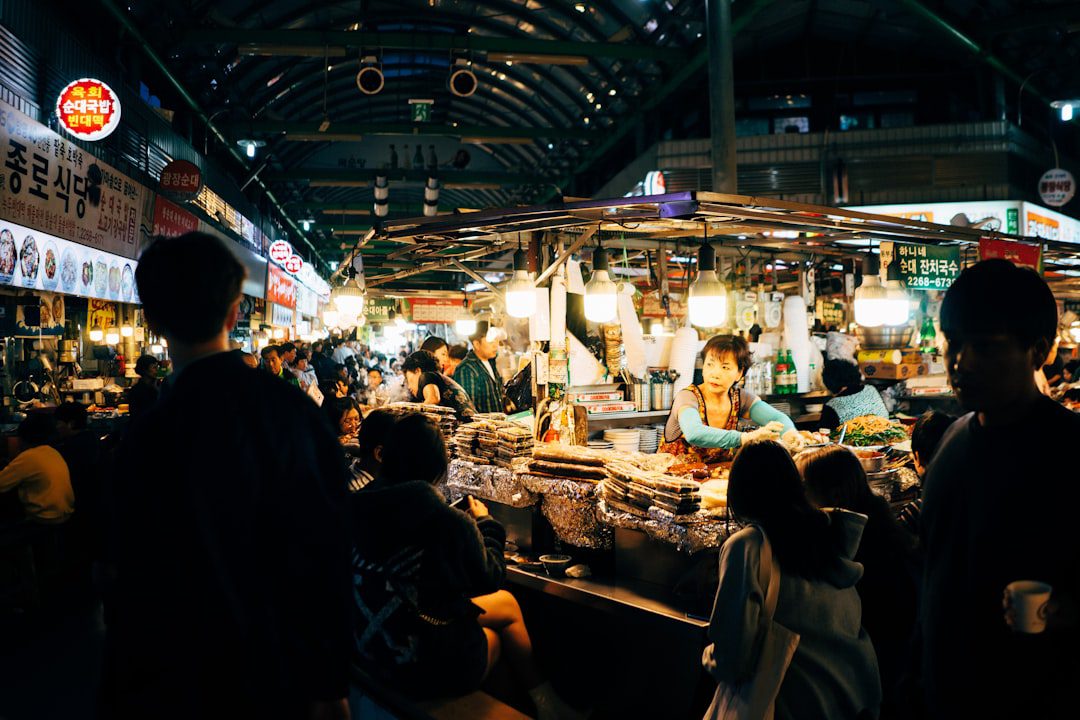
I still remember my first visit to Gwangjang Market in 1989—I was completely overwhelmed. Vendors shouting prices, the smell of grilled meat and fermented pastes hitting me from every direction, ajummas moving through the crowds with the precision of military strategists. I stood there like a lost puppy, holding a crumpled map I’d bought at Incheon Airport, wondering if I’d made a terrible mistake moving to Korea.
That was 35 years ago. Today, Gwangjang Market is one of my favorite places to take friends visiting from overseas. Not because it’s touristy—it’s actually the opposite. It’s where real Seoul goes to eat, where the same families have been running stalls for decades, where you can grab lunch for under ₩10,000 and taste flavors you won’t find anywhere else in the city.
If you’re coming to Seoul and you want to eat like a local—not like a tourist on a “food tour”—Gwangjang is non-negotiable. Here’s your complete guide to what to eat and how to navigate Korea’s oldest continuously operating market.
What Makes Gwangjang Market Special
Gwangjang Market opened in 1905, which makes it literally older than the Korean nation-state itself (Korea’s independence was in 1945). When most people talk about Korean traditional markets, they mention Namdaemun or Dongdaemun, but Gwangjang is the real deal for food.
The market occupies about 10,000 square meters in Jongno-gu, right in the heart of Seoul. Unlike Namdaemun, which evolved into mostly selling clothing and souvenirs, Gwangjang stayed true to its roots as a food and textile market. The food section is where the magic happens—narrow alleyways lined with vendors, most of whom have been there since before I arrived in Korea.
Ted’s tip: Go in the morning between 10 AM and noon, or late afternoon around 4-6 PM. Lunch rush (12-2 PM) is absolute chaos, though that’s when you’ll see the most energy. I prefer early morning when vendors are setting up and you can actually move.
The atmosphere is absolutely genuine. You won’t see Instagram influencers posing with phones—you’ll see construction workers, office ladies on their lunch break, elderly couples who’ve been coming here since they got married, and increasingly, adventurous tourists who’ve heard the right whispers.
| Market Facts | Details |
|---|---|
| Founded | 1905 |
| Location | Jongno-gu, Seoul |
| Subway | Line 1, Jongno-3-ga Station, Exit 5 |
| Size | Approximately 10,000 sq meters |
| Hours | 7 AM–10 PM daily |
| Best For | Bindaetteok, nakji, tteokbokki, pajeon |
Bindaetteok: The Star of Gwangjang
If you eat one thing at Gwangjang, it has to be bindaetteok. This is the market’s signature dish, and honestly, the best versions I’ve had in Korea have all been in this market.
Bindaetteok is a savory mung bean pancake with vegetables (typically zucchini, kimchi, and bean sprouts) and sometimes seafood. It’s crispy on the outside, slightly chewy on the inside, and absolutely addictive when made well. At Gwangjang, it’s also ridiculously cheap—usually ₩3,000–₩4,000 for a perfectly sized pancake.
What makes Gwangjang’s bindaetteok special is technique. Most vendors here have been making them the same way for 20+ years. They grind the mung beans fresh (not using powder), which gives the pancake a more delicate texture. The oil temperature is precise. The seasoning is balanced—not too salty, not bland.
Where to Get the Best Bindaetteok
There are several legendary bindaetteok vendors in Gwangjang. The two most famous are:
Vendor near the main entrance: This stall has been running since the 1970s. The owner is in her 80s now, but she still comes daily. Her bindaetteok is cooked on a massive iron skillet, and she’ll watch it with the focus of a surgeon. Price: ₩3,500. Cash only.
Stall inside the covered section: Another family operation, slightly newer (started in the 1980s). Their versions are a bit thicker and come with more seafood options. If you ask nicely, they’ll add extra shrimp. Price: ₩4,000.
Ted’s tip: Don’t order at the stall itself—most of these vendors don’t have clear menus. Just point at the pancake cooking, hold up fingers for how many you want, and put cash on the counter. Language doesn’t matter here; everyone’s been doing this for so long they can read you from ten meters away.
Eat it standing up at the counter or grab a stool and eat it with a small cup of dongchimi (radish water kimchi) that comes free. The contrast between the warm, crispy pancake and the cold, slightly sour radish juice is perfectly balanced.
| Bindaetteok Stall Comparison | Main Entrance Stall | Covered Section Stall |
|---|---|---|
| Price | ₩3,500 | ₩4,000 |
| Texture | Thinner, crispier | Thicker, chewier |
| Seafood | Minimal | More options |
| Payment | Cash only | Cash preferred |
Nakji (Grilled Octopus) and Seafood
After bindaetteok, nakji is the second most iconic Gwangjang dish. This is grilled octopus, typically served on skewers or small metal plates, charred on the outside and tender inside. You’ll see vendors standing over big metal grills, tentacles sizzling, the smell unmistakable.
The best nakji vendors at Gwangjang buy their octopus fresh every morning from the fishmongers just outside the market. They grill it quickly—just enough to char the outside without toughening the inside. It’s served with a simple dipping sauce (usually soy, sesame, and gochugaru) and sometimes wrapped in roasted seaweed.
Nakji Pricing and Portions
Nakji is sold by weight at most stalls. A typical serving (what I’d call a meal) runs ₩12,000–₩18,000 depending on size and quality. It’s not cheap like bindaetteok, but it’s still reasonable for what you’re getting.
You’ll also find squid (ojingeochae), clams, and mussels at various stalls, often prepared the same way—grilled quickly over charcoal and served with minimal seasoning so you taste the seafood itself.
Ted’s tip: If you’re not sure about eating tentacles, start with squid. The texture is less “alien” to Western palates, and the flavor is milder. But honestly, after 35 years, I’m telling you: good nakji is one of the most underrated foods in Korea. Give it a real try.
| Seafood Item | Price Range (₩) | Best For | Cooking Method |
|---|---|---|---|
| Nakji (Octopus) | ₩12,000–₩18,000 | Adventurous eaters | Grilled |
| Squid | ₩10,000–₩14,000 | Seafood lovers | Grilled |
| Clams | ₩8,000–₩12,000 | All levels | Steamed/grilled |
| Mussels | ₩7,000–₩10,000 | Conservative eaters | Steamed |
Tteokbokki, Kimbap, and Other Stall Classics
Beyond bindaetteok and nakji, Gwangjang has an entire lineup of classic Korean street foods and meal staples that locals grab every day.
Tteokbokki (Spicy Rice Cakes)
Tteokbokki at Gwangjang is different from the tourist-friendly versions you’ll find in trendy cafes. It’s served in a large metal bowl with the traditional spicy red sauce, chewy rice cakes, hard-boiled eggs, and sometimes fish cakes. One serving costs ₩4,000–₩6,000 and is genuinely substantial.
The sauce here is less sweet than what you’ll get at places targeting foreigners. It’s more purely spicy, with depth from fermented ingredients. Most vendors let you choose the spice level by pointing at their sample bowls ranging from “mild” to “I-question-my-life-choices.”
Kimbap (Seaweed Rice Rolls)
Gwangjang’s kimbap vendors make theirs fresh throughout the day. Unlike convenience store versions, these are made to order and still warm when you buy them. A full roll (like a sushi roll) costs ₩2,500–₩4,000. You’ll see at least 10 different varieties: cheese kimbap, spicy tuna kimbap, vegetable kimbap, and more.
Ted’s tip: If you’re eating light, grab a kimbap and some bindaetteok—that’s a legit lunch that costs under ₩8,000 total and tastes like someone who actually cares prepared it for you.
Kimchi Pajeon (Savory Pancake)
While bindaetteok gets the fame, pajeon (especially kimchi pajeon) is equally excellent here. These are larger, thicker pancakes loaded with kimchi and seafood, crispy and substantial. Around ₩4,000–₩5,000.
Kimchi and Banchan (Side Dishes)
The vendors in the textile section of Gwangjang have expanded into selling prepared kimchi and banchan—all made fresh, all dramatically cheaper than restaurants. If you’re staying in an Airbnb or have a hotel with a fridge, grab a container of kimchi for ₩2,000–₩4,000. It’s excellent quality and will last you days.
| Dish | Price (₩) | Filling Level | Vegetarian? |
|---|---|---|---|
| Tteokbokki | ₩4,000–₩6,000 | Very filling | Can be (ask) |
| Kimbap | ₩2,500–₩4,000 | Moderate | Yes |
| Kimchi Pajeon | ₩4,000–₩5,000 | Very filling | No |
| Gimbap (seaweed snack) | ₩1,000–₩2,000 | Light snack | Yes |
Full Meal Restaurants Inside Gwangjang
Beyond the street food stalls, Gwangjang has actual sit-down restaurants inside its covered sections. These are perfect if you want to eat slowly, actually sit down, and have hot rice and soup with your main course.
Nakji Bokkeum Restaurants
Several small restaurants specialize in nakji bokkeum (stir-fried octopus with vegetables and gochujang sauce) served over hot rice with soup and banchan. It’s spicy, filling, and costs ₩12,000–₩15,000 per person. These are genuinely good—not fancy, but quality home cooking.
Soondae and Sundgae Joints
Soondae (blood sausage) might sound intimidating if you’ve never had it, but Gwangjang’s versions are actually quite approachable. You’ll find stalls serving soondae with hot broth, vegetables, and horn-shaped fried cakes called sundgae. Full bowl: ₩7,000–₩9,000. If you want to learn about anju (drinking snacks), this is ground zero.
Mul Naengmyeon (Cold Noodle Soup)
In summer, one of the best lunch moves is mul naengmyeon—cold buckwheat noodles in icy broth. Gwangjang has several vendors, and they’re excellent. Around ₩8,000–₩10,000. It’s refreshing, light, and perfect on hot days.
Ted’s tip: If you’re getting a full meal at a restaurant inside Gwangjang, sit down and eat slowly. Watch how locals eat—they order, they eat, they chat, they don’t rush. This is real Seoul food culture, not tourism. You’re witnessing something most travelers never see.
| Restaurant-Style Meal | Price (₩) | Setting | Best Time |
|---|---|---|---|
| Nakji Bokkeum Set | ₩12,000–₩15,000 | Small restaurant | Lunch/dinner |
| Soondae Guk | ₩7,000–₩9,000 | Counter seating | Morning/lunch |
| Mul Naengmyeon | ₩8,000–₩10,000 | Small restaurant | Summer lunch |
Drinking Culture at Gwangjang: Soju and Makgeolli Bars
Here’s something most tourists don’t know about Gwangjang: it’s also a prime drinking destination for locals. There are several small pojangmacha (tent bars) and licensed bars integrated into the market where people grab soju, makgeolli (rice wine), or beer with their evening meal or after work.
The drinking scene at Gwangjang is authentic—these aren’t bars designed for Instagram photos. They’re places where office workers come to unwind, construction workers grab a quick drink before heading home, and elderly couples have their regular table. Beers cost ₩3,000–₩5,000. Soju is ₩2,500–₩4,000. Makgeolli around ₩3,000.
Ted’s tip: If you want to experience real Seoul nightlife without the Gangnam clubs or Hongdae bars, spend an evening at Gwangjang’s drinking stalls. Order a beer, get some nakji or bindaetteok, and sit at the counter. You’ll be surrounded by actual Seoulites, and the energy is electric but unpretentious.
What to Eat While Drinking
When drinking at Gwangjang, you’ll want anju. The classic pairing is:
- Beer + nakji (grilled octopus)
- Soju + soondae guk with sundgae
- Makgeolli + pajeon (any kind)
- Soju + dried squid or octopus (snack-style)
Most of the anju comes directly from the food stalls in the market. Order at the bar, they’ll get it for you. Total cost for a casual drinking session: ₩15,000–₩25,000 per person.
Practical Guide: Getting There and Navigation
Subway Access
Gwangjang Market is accessible via:
- Seoul Metro Line 1, Jongno-3-ga Station (종로3가역): Exit 5. This is the main entrance. From the exit, you’ll walk about 100 meters and you’ll see the market entrance on your right.
- Seoul Metro Line 3, Anguk Station (안국역): Exit 6. Takes about 200 meters to reach the market, but this route is slightly less crowded.
I usually recommend Line 1, Jongno-3-ga, Exit 5 because it dumps you right near the food section. If you take Line 3, you’ll approach from the textile/clothing section side, which is less interesting for food tourists.
Market Layout and Sections
Gwangjang isn’t one big open space. It’s a series of covered alleys and sections:
- Main entrance area (from Exit 5): This is where the bindaetteok vendors congregate, along with seafood stalls and the heaviest foot traffic.
- Left section (from entrance): Textile and clothing vendors, some food prep vendors (kimchi, banchan).
- Central covered area: Mix of food vendors, some small restaurants, sitting areas.
- Back sections: Quieter areas with soondae joints, noodle shops, some textile vendors.
Ted’s tip: Don’t try to map this out perfectly before you go. The beauty of Gwangjang is getting a bit lost, discovering vendors by smell and sound, and stumbling on places locals love that aren’t in any guidebook. Spend at least 45 minutes wandering and exploring.
| Route | Subway Line | Station Name | Exit | Walking Time |
|---|---|---|---|---|
| Best for food | Line 1 | Jongno-3-ga | 5 | 2 minutes |
| Alternate route | Line 3 | Anguk | 6 | 5 minutes |
| From Myeongdong | Line 4 then Line 1 | Transfer at Jongno-3-ga | 5 | 20 minutes |
| From Bukchon | Walk or Line 3 | Anguk | 6 | 10 minute walk |
Payment and Cash
Here’s where Gwangjang is different from modern Seoul: it’s still very much a cash market. While newer stalls might accept card payments, most of the legendary vendors, the ones I’m telling you about, only take cash. Come with ₩50,000–₩100,000 in notes or withdraw from the ATM inside the market.
ATMs are available at the convenience stores sprinkled throughout Gwangjang (GS25, CU, etc.). If you come at an odd hour and vendors look suspicious, they’ll sometimes demand to see your money before cooking.
Hours and Best Times to Visit
Gwangjang Market is open 7 AM–10 PM daily, but the energy varies dramatically:
- 7-10 AM: Quiet morning crowd, mostly locals, all vendors are fresh and energized. Best time to visit if you hate crowds.
- 10 AM-12 PM: Building momentum, vendors have rhythm, not yet overwhelmed. This is my sweet spot.
- 12-2 PM: Absolute chaos. Lunch rush. Crowds are insane, but the energy is incredible. Only come if you love controlled pandemonium.
- 2-4 PM: Dead zone. Many vendors close. Weirdly, this is when the market is least interesting.
- 4-6 PM: Afternoon crowd, evening vendors setting up. Good balance of food availability and space to move.
- 6-10 PM: Drinking scene comes alive, some food stalls close, bars get busy. Different vibe entirely.
Ted’s tip: My personal preference after 35 years: visit between 10-11 AM on a weekday (if you can swing it). You get the best of everything—vendors are eager, prices aren’t jacked up from tourist pressure, and you can actually move.
Vegetarian and Dietary Considerations
Gwangjang is historically not a vegetarian paradise. It’s a market built on meat, seafood, and fermented animal products. That said, there are options:
Actually Vegetarian
- Kimbap: Many vendors have vegetable-only versions. Ask for “chaeso kimbap” (채소 김밥).
- Bindaetteok: Order without the optional seafood. Just point and shake your head at the shrimp.
- Kimchi: Ask if it’s made without fish sauce or dried anchovies. Some vendors have versions made with just gochugaru and salt.
Can Be Made Vegetarian (With Asking)
- Tteokbokki: The sauce base is usually made with fish stock, but some vendors will make it with vegetable broth if you ask nicely. Point and look pleading.
- Pajeon: Request “yachae pajeon” (야채 팬전) without seafood. Some vendors can do it.
Definitively NOT Vegetarian
- Nakji
- Soondae
- Squid and all seafood items
For more detailed vegan and vegetarian guidance in Korea generally, check out our complete vegetarian guide, but understand that Gwangjang is fundamentally meat and seafood territory. Plan accordingly.
Comparing Gwangjang to Other Seoul Markets
Travelers often ask me: “Should I go to Gwangjang or Namdaemun or Dongdaemun?” Good question. Here’s the honest breakdown:
| Market | Best For | Vibe | Food Quality | Crowds |
|---|---|---|---|---|
| Gwangjang | Authentic food, street eats | Raw, energetic, local | Excellent | Moderate–high |
| Namdaemun | Souvenir shopping, some food | Touristy, mixed quality | Average | Very high |
| Dongdaemun | Fashion, wholesale shopping | Commercial, business-focused | Below average | Very high |
My verdict: If you have time for only one market, go to Gwangjang. If you want souvenirs, hit Namdaemun. If you want fashion, Dongdaemun. But for real food and real Seoul, Gwangjang is unbeatable. I’ve watched it for 35 years, and the quality has actually improved as younger family members have taken over stalls.
For more insights on Seoul’s market scene, check out our deeper dive into Korean traditional markets.
Money-Saving Tips and Budget Breakdown
Gwangjang is one of the cheapest places to eat well in Seoul. Here’s what a realistic budget looks like:
| Meal Type | Items | Total Cost (₩) | Notes |
|---|---|---|---|
| Light Snack | 1 bindaetteok, gimbap | ₩5,500–₩7,000 | Good for late morning |
| Budget Lunch | Kimbap, tteokbokki, water | ₩6,500–₩9,000 | Filling, very cheap |
| Mid-Range Lunch | Nakji bokkeum set, soup, rice | ₩12,000–₩15,000 | Restaurant seating |
| Casual Drinking | Beer, nakji, snacks (per person) | ₩15,000–₩25,000 | 2–3 hour session |
Ted’s tip: Combine snacks. This is the Korean way. Get a bindaetteok, pair it with kimbap, add a small cup of soup from a vendor, total cost ₩7,000–₩9,000, and you’ve had a legitimate, tasty meal. Don’t try to order one big dish and sit there. Gwangjang is about grazing and variety.
For more detailed budgeting across Korea, check out our budget travel guide.
Frequently Asked Questions
Is Gwangjang Market safe for tourists?
Absolutely. I’ve been going there for 35 years, and I’ve never had an issue. It’s busy, crowded, and energetic, but it’s one of the safest places in Seoul. Pickpocketing is technically possible in a crowded market (as it is anywhere in a crowded place), so keep your bag close and wallet secure, but violent crime is virtually non-existent. The vendors are protective of their space—if anything sketchy were happening, the ajummas would shut it down instantly.
Do I need to speak Korean to eat at Gwangjang?
Not at all. Most stalls don’t have verbal menus; they have visual displays. Point at what you want, hold up fingers for quantity, put money on the counter. The vendors have been doing this for decades with international visitors. If you want to ask about specific ingredients (due to allergies, vegetarianism, etc.), use Google Translate or your phone’s translation app. Honestly, after 35 years, I’ve found that a smile and pointing go further than anything else.
What should I bring to Gwangjang?
Bring cash (₩50,000–₩100,000), comfortable walking shoes (you’ll be on your feet for at least an hour), and a small bag or backpack. It gets crowded, so avoid huge rolling luggage. If you’re planning to buy kimchi or prepared foods to take back to your hotel, bring a small cooler bag or ask a vendor if they have plastic bags.
Can I take photos at Gwangjang?
Yes, but be respectful. Some of the older vendors don’t love having cameras pointed at them. Ask first, smile, and most will be fine with it. The market is photogenic, but remember you’re a guest in someone’s workplace, not a tourist attraction site.
What if I don’t like spicy food?
You have options. Bindaetteok is not spicy. Kimbap is not spicy. Nakji can be made with less spicy sauce (point and use your hands to show “less”). Tteokbokki and pajeon are naturally spicy, so skip those. Stick to the milder items, and you’ll be fine. Korean food has a reputation for being spicy, but honestly, at Gwangjang, you can eat around the heat if you want to.
How long should I spend at Gwangjang?
Minimum one hour if you want to eat and do a basic walk-through. Two hours if you want to sit down, eat slowly, explore all the sections, and feel the vibe. Three hours if you want to eat, drink, and really soak in the market culture. I typically spend 90 minutes when I’m there with visitors—enough to hit the highlights without getting overwhelmed.
What’s the best day to visit Gwangjang?
Honestly, any day is good. The market is open daily. Weekday mornings (Tuesday-Thursday, 10-11 AM) are best if you hate crowds. Weekends and lunch hours are when the energy is highest. I wouldn’t avoid any particular day—it’s good every day, just different vibes.
Should I try street food vendors or sit-down restaurants inside the market?
Do both. The street food vendors (bindaetteok, nakji) are iconic and shouldn’t be missed. But also sit down at a small restaurant for at least one meal—it’s a completely different experience. You’ll see how locals actually eat, not just grab and go. It’s worth the slight upcharge.
Final Thoughts
Gwangjang Market represents something that’s increasingly rare in modern Seoul: authenticity without pretense. It’s not a restored historical site, it’s not been “revitalized” into a trendy Instagram destination, it’s not trying to be anything other than what it’s been for 120 years—a place where people eat well, cheaply, and without ceremony.
The bindaetteok vendors will still be there making pancakes the same way they did in 1985. The nakji grills will still be smoking. The ajummas will still be moving through crowds with ballistic precision. The cash will still be the preferred payment method. The soju will still flow in the evenings.
When I first arrived in Korea in 1989, Gwangjang intimidated me. Now, after 35 years, it’s one of my favorite places in Seoul. Not because it’s changed, but because I’ve learned to read it. I know how to move, what to order, when to go, which vendors to trust. And I’m telling you: if you want to understand Seoul, you need to eat at Gwangjang.
Come hungry. Come with cash. Come ready to point and eat. Come ready to be part of something real.
— Ted K
Image Credits: Photos sourced from Unsplash. By using this site, you agree to our Privacy Policy and Disclaimer.