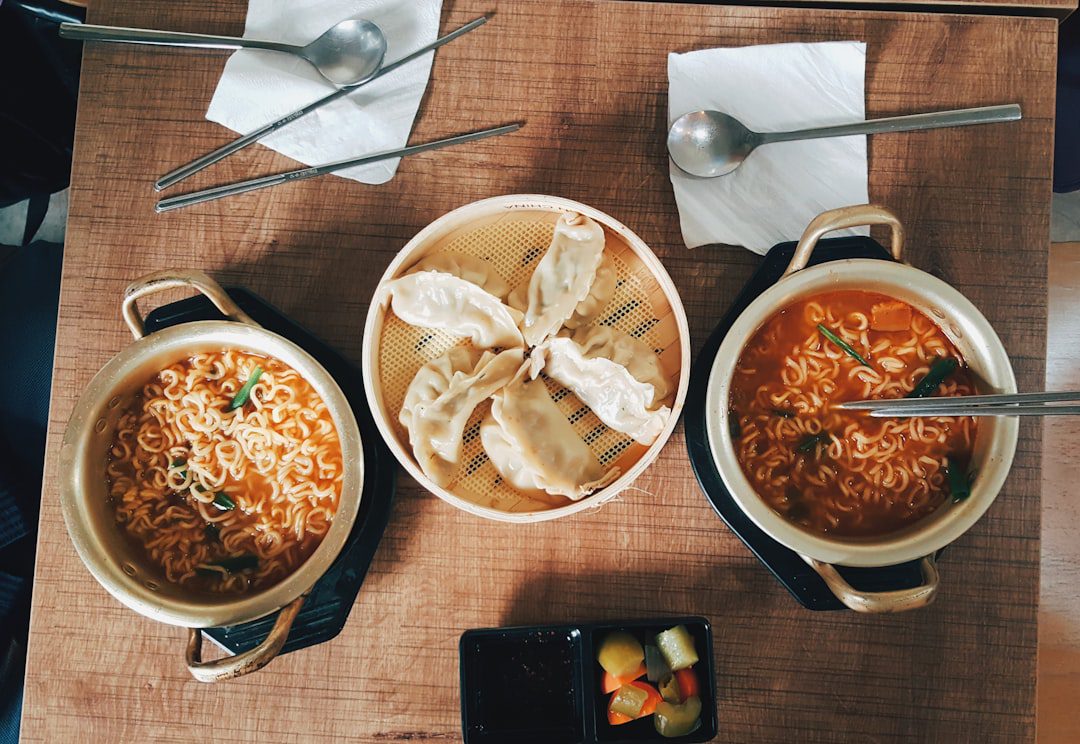
Back in 1998, I wandered into a small temple in the Bukhansan mountains north of Seoul without much expectation. I was hungry, tired from hiking, and curious about what monks actually ate. A kind nun invited me into the dining hall, set down a simple wooden tray, and suddenly I was eating one of the most memorable meals of my life—five small dishes of vegetables, tofu, and herbs, each one bursting with flavor I couldn’t have imagined from such minimal ingredients.
That experience changed how I think about vegetarian food entirely. What I discovered was 사찰음식 (temple food)—a centuries-old Buddhist culinary tradition that’s far more sophisticated than “eating vegetables.” It’s a philosophy, a meditation practice, and an art form all rolled into one bowl of rice.
After 35 years in Korea, I’ve eaten temple food dozens of times, from formal temple dining experiences to casual vegetarian restaurants run by Buddhist practitioners. I’ve learned from Buddhist chefs, walked through temple kitchens, and understood why this cuisine has survived for over 1,500 years in Korea. If you want to eat like Buddhist monks—and I genuinely recommend you do—here’s everything you need to know.
What Is Korean Temple Food?
Temple food isn’t just vegetarian by accident—it’s vegetarian by sacred principle. In Korean Buddhism, the Five Precepts (오계) prohibit killing any living creature. This means no meat, no fish, and traditionally, no pungent vegetables like garlic or onions that are believed to overstimulate the mind and body during meditation.
What makes temple food unique compared to other vegetarian cuisines is its constraint breeds creativity. Working within these strict boundaries, Buddhist monks developed techniques to extract maximum flavor and nutrition from plants, grains, and fermented ingredients. Every dish serves a purpose: nourishment, mindfulness, and spiritual practice.
The core philosophy is called Jeong-seung (정성)—preparing food with complete sincerity and respect. Monks spend hours chopping vegetables by hand, mindfully preparing each dish as a meditation. When you eat temple food, you’re not just eating—you’re participating in that spiritual practice.
Ted’s tip: Temple food is often called “monk’s food” (스님 음식), but it’s actually eaten by both monks and visitors. Most temples serve simplified versions for guests. If you stay overnight at a temple, you’ll eat the real deal—multiple small dishes prepared with incredible care, usually eaten in complete silence.
The Five Precepts: Why No Garlic, Onions, or Meat?
Understanding the “why” of temple food makes eating it infinitely more meaningful. The five precepts that shaped this cuisine date back to Mahayana Buddhism and are particularly strict in Korean Buddhist tradition.
The Five Forbidden Ingredients
| Ingredient | Korean Name | Why It’s Forbidden |
|---|---|---|
| Garlic | 마늘 | Raw: believed to increase aggression; Cooked: clouds the mind |
| Onion | 양파 | Overstimulates desire and appetite |
| Scallion/Leek | 파 | Creates phlegm and disturbs meditation |
| Chive | 부추 | Increases lust and delusion |
| Asafoetida (또는 아상) | 아싱 | Stimulates sensual passions |
Now, here’s the interesting part: many modern temple restaurants will ask if you’re okay with garlic and onions, and some will include them in smaller amounts. This reflects the evolution of Korean Buddhism—stricter monastic communities maintain the original rules, while restaurants serving the public adapt slightly.
Meat is forbidden because it requires taking a life, which violates the first precept (non-killing). Some modern Korean Buddhist organizations have become more flexible about this, but traditional temple food remains completely meat-free.
Ted’s tip: If you have a garlic allergy or preference, temple food is perfect for you. Even casual temple food restaurants pride themselves on garlic-free cooking. When ordering, mentioning you’re interested in authentic temple food (정통 사찰음식) often signals to chefs that you want the strictest version.
Classic Temple Food Dishes You’ll Encounter
The beauty of temple food is in its simplicity and repetition. You’ll see the same core dishes at nearly every temple restaurant, but each chef brings their own touch. Here are the classics:
Bibimbap (비빔밥)
Temple bibimbap is the vegetarian ancestor of the dish you might know. Rice topped with five to seven vegetable sides, a fried egg on top (sometimes sesame seeds instead for stricter versions), and a dollop of gochujang (red chili paste). The temple version skips meat entirely, making it all about the vegetables’ natural flavors.
Juk (죽)
A savory rice porridge that’s either plain or dotted with herbs, vegetables, or grains. Simple, deeply comforting, and often served for breakfast or as a light meal. At temples, you might find versions with chestnuts, mushrooms, or perilla leaves.
Doenjang-jjigae (된장찌개)
A fermented soybean stew with vegetables and tofu. The fermented paste (doenjang) is the flavor backbone—deeply umami-rich from months of aging. No meat stock; the vegetables create the broth’s depth.
Gochujang-based Stews
Red chili paste stews (gochujang-jjigae) rely entirely on the chili paste’s complexity and vegetable stock for flavor. Often cooked right at your table in a stone pot (돌솥).
Kondu-bap (콩두밥)
Mixed grain rice with beans—sometimes made with glutinous rice, millet, barley, and various beans. It’s a nutritional powerhouse and appears frequently in temple meals.
Namul (나물)
Seasoned vegetable side dishes—blanched spinach (시금치 나물), seasoned fern bracken (고사리), sautéed zucchini, steamed pumpkin. You’ll always get multiple namul dishes with temple meals, each showcasing a different vegetable and cooking technique.
Jeon (전)
Vegetable pancakes—thinly sliced mushrooms, zucchini, or perilla leaves dipped in batter and pan-fried. Light, crispy, and often served with a soy dipping sauce.
Ted’s tip: Don’t sleep on the small side dishes. I spent my first temple meal focused on the main dish, but the magic is in how five small vegetable preparations, each one different, teach you to taste nuance. Pay attention to them—they’re never an afterthought.
| Dish | Main Ingredients | Flavor Profile |
|---|---|---|
| Temple Bibimbap | Rice, vegetables, egg, gochujang | Balanced, slightly spicy, earthy |
| Vegetable Juk | Rice, stock, vegetables, herbs | Subtle, comforting, clean |
| Doenjang-jjigae | Fermented soybean, tofu, vegetables | Savory, umami-rich, warming |
| Mushroom Jeon | Mushrooms, flour, egg, soy sauce | Nutty, slightly crispy |
| Kondu-bap | Mixed grains, beans, rice | Nutty, textured, wholesome |
Temple Stays & Formal Temple Dining Experiences
The most authentic way to experience temple food is through a templestay (템플스테이)—an overnight or multi-day program where you stay at a Buddhist temple, participate in meditation, and eat what the monks eat.
What to Expect During a Temple Stay
Most temple stays include:
- Two to three meals a day (breakfast, lunch, and sometimes dinner)
- Meals eaten in complete silence in the temple’s dining hall
- Vegetarian dishes only—the real thing, with no garlic or pungent vegetables
- Meals served in metal bowls on a tray (on your lap or at a low table)
- A short orientation on how to eat mindfully before the first meal
The meals themselves follow a structured ritual. You’re given metal bowls in graduating sizes, chopsticks, and a spoon. A nun or monk will serve each dish. You take what you want, but there’s an expectation that you finish what you take—Buddhist philosophy emphasizes not wasting food. This practice, called badaam (바담), teaches mindfulness about consumption.
After eating, you clean your own bowl with a bit of water or tea, drinking the cleaning water as well (nothing is wasted). The first time I did this, I felt it was wasteful, but the monk explained: by not producing trash and using every drop, we practice respect for the meal and the labor that created it.
Top Temples for Temple Stays Near Seoul
| Temple Name | Location | Getting There | Price (Per Night) | Meals Included |
|---|---|---|---|---|
| Bulguksa (불국사) | Gyeongju | KTX to Gyeongju (2 hrs) | ₩60,000-90,000 | Breakfast, lunch, dinner |
| Geumsansa (금산사) | Gimje | Train to Gimje (2.5 hrs) | ₩50,000-80,000 | Breakfast, lunch, dinner |
| Hwagyesa (화계사) | Seoul (Bukhansan) | Subway Line 3 to Daehwa | ₩80,000-100,000 | Breakfast, lunch, dinner |
| Jingwansa (진관사) | Seoul (Bukhansan) | Subway Line 3 to Daehwa | ₩70,000-90,000 | Breakfast, lunch, dinner |
| Sinheungsa (신흥사) | Seoul (Seoraksan) | Express bus from Seoul (3 hrs) | ₩80,000-110,000 | Breakfast, lunch, dinner |
Ted’s tip: Hwagyesa and Jingwansa are my picks if you’re staying in Seoul—both are in Bukhansan National Park (you can read more in our Bukhansan hiking guide) and accessible by subway. Bulguksa in Gyeongju is worth the travel if you have time—it’s near incredible temples and museums, and the temple food there is exceptional. Book at least two weeks ahead; popular temples fill up fast, especially in spring and autumn.
Temple Food Restaurants in Seoul
Not everyone has time for an overnight temple stay, and that’s fine. Seoul has dozens of dedicated temple food restaurants where you can eat the same meals without the monastery commitment. These range from casual to quite formal.
Formal Temple Food Restaurants
Sanchon (산촌)
Located in a beautifully restored traditional hanok in Insadong, Sanchon is Seoul’s most famous temple food restaurant. The space itself is meditation-worthy—wooden beams, quiet courtyards, careful design. They serve a set menu (₩35,000-55,000) with about 15 small dishes, plus rice and soup. Reservations are essential.
- Address: 4-1 Insadong-gil, Jongno-gu
- Nearest Subway: Jongno-3-ga Station (Line 1, 3, 5)
- Hours: 11:00 AM – 9:00 PM (closed Mondays)
- Website: sanchon.com
Balwoo Gongyang (발우공양)
This is fine-dining temple food, created by Buddhist chef Ahn Sung-jae. Located near Jogyesa Temple (조계사) in Insadong, it’s expensive but extraordinary—kaiseki-style temple cuisine with artistic plating and thoughtful progression. Expect ₩80,000-120,000 per person for a full experience meal. This is temple food elevated to art.
- Address: 55 Gyeonji-ro, Jongno-gu
- Nearest Subway: Anguk Station (Line 3)
- Hours: 11:30 AM – 2:00 PM, 5:30 PM – 8:30 PM (closed Sundays)
- Reservations: Essential
Dogye (도계)
A more casual temple food restaurant in Samcheong-dong, Dogye serves excellent temple food at moderate prices (₩25,000-40,000). The lunch set includes rice, soup, and five to seven vegetable sides. It’s less touristy than Sanchon but still carries that peaceful temple atmosphere.
- Address: 106-5 Samcheong-dong, Jongno-gu
- Nearest Subway: Anguk Station (Line 3)
- Hours: 11:00 AM – 9:00 PM (closed Sundays)
Casual Temple Food Spots
You don’t need a fancy restaurant to eat real temple food. Look for signs saying 사찰음식 (sachal eumsik) or 스님 밥 (nim bap—monk’s rice) in neighborhoods near temples. Many small restaurants run by Buddhist practitioners serve authentic, affordable temple meals:
| Restaurant | Neighborhood | Price | Specialty |
|---|---|---|---|
| Yenaepyeong | Insadong | ₩15,000-25,000 | Temple bibimbap, vegetable jeon |
| Misu | Hongik Univ Area | ₩12,000-20,000 | Rice bowls with vegetable sides |
| Nungnae | Samcheong-dong | ₩18,000-28,000 | Traditional temple meals |
| Jeong | Myeongdong | ₩14,000-22,000 | Simple temple sets |
Ted’s tip: If you’re vegetarian or vegan, temple food restaurants are your safest bet for authentic food without meat or fish-based broths. Many aren’t labeled as vegetarian on tourist menus, so asking staff “순채식입니까?” (sun-chaeshik-imnika?—is this completely vegetarian?) is important. Temple food restaurants will always say yes. For more detailed vegetarian options beyond temple food, check our full vegetarian and vegan guide.
Fermented Ingredients: The Soul of Temple Flavor
If you want to understand why temple food tastes good without meat, garlic, or onions, you need to understand Korean fermented pastes and sauces. These are the backbone.
The Holy Trinity of Temple Cooking
Doenjang (된장) — Fermented Soybean Paste
Soybean paste aged for months or years in clay pots. The fermentation process creates amino acids and glutamates—pure umami. A spoonful of quality doenjang added to vegetable broth creates depth you’d normally expect from meat stock. Most temple kitchens make their own doenjang, aged for at least six months.
Gochujang (고추장) — Fermented Red Chili Paste
Red chili, soybeans, barley malt, and salt fermented together. The fermentation creates complexity—sweetness, depth, heat, all at once. In temple cooking, gochujang is used sparingly but strategically, usually in small amounts mixed into rice or as a dipping sauce.
Soy Sauce (간장)
Made from fermented soybeans and salt, quality soy sauce (especially temple-made versions aged for years) is deeply savory. A simple dipping sauce of soy sauce, a touch of sesame oil, and sesame seeds transforms simple vegetables.
Other Critical Ingredients
| Ingredient | Korean Name | Why It Matters in Temple Food | Where to Find It |
|---|---|---|---|
| Sesame Seeds | 깨 | Adds nutty richness to simple vegetables | Toasted on virtually every dish |
| Sesame Oil | 참기름 | Deep, aromatic—used in tiny amounts | Drizzled over side dishes |
| Perilla Leaves | 깻잎 | Aromatic herb replacing onion/garlic | Grilled whole or chopped into dishes |
| Ginger | 생강 | Warming spice (allowed in temple food) | In broths and fermented side dishes |
| Mushrooms (dried) | 버섯 | Concentrated umami without meat | Shiitake, oyster, king oyster |
| Kombu (kelp) | 다시마 | Creates rich broth base | Simmered to create stock |
Ted’s tip: The reason temple food tastes so satisfying is fermentation and time. A single doenjang-jjigae (soybean stew) might simmer for two hours to develop flavor. If you eat temple food and think, “How did they make vegetables taste this good without meat?”—it’s because they invested time in building layers of umami through fermentation and slow cooking.
Seasonal Temple Food & What Changes Throughout the Year
Like all Korean cuisine, temple food is deeply seasonal. What you eat in spring looks completely different from autumn.
Spring (March-May)
Key Vegetables: Wild greens (산나물), young fern bracken (고사리), bamboo shoots (죽순)
Spring temple meals are the lightest and most delicate. Monks forage for wild greens in the mountains surrounding temples, and these bitter, tender plants are blanched quickly and dressed minimally. The philosophy is to taste spring itself—the newness, the lightness, the beginning.
Summer (June-August)
Key Vegetables: Zucchini (애호박), eggplant (가지), cucumber (오이), perilla leaves (깻잎)
Summer temple food becomes more substantial to balance the heat. More grilled vegetables, cold soups, and lighter fermented sides. You might encounter cold noodles in vegetable broth or cold soybean soup (콩국수).
Autumn (September-November)
Key Vegetables: Mushrooms (버섯), chestnuts (밤), ginkgo nuts (은행), lotus root (연근)
Autumn is when temple food becomes most elaborate. Dried mushrooms that have been stored since spring are reconstituted, creating rich broths. Nuts and seeds become more prominent. This is the season when temple bibimbap is most special—the variety of vegetables at peak harvest makes each meal different.
Winter (December-February)
Key Vegetables: Root vegetables (무, 당근), preserved vegetables (김치, 자반), grains (보리, 수수)
Winter temple meals shift to warming, dense foods. More grain-based dishes, root vegetable stews, and preserved vegetables that have been aged all year. Juk (rice porridge) becomes more frequent, often with nuts or ginger for warmth.
Ted’s tip: If you’re visiting Korea and want the most impressive temple food experience, go in autumn. September through November is when monks have access to the greatest variety of ingredients, and experienced chefs create the most elaborate meals. Spring is the most delicate and spiritual—summer is lighter but sometimes less complex—but autumn is the season where temple food truly shines.
How to Eat Temple Food Properly: Temple Etiquette & Mindfulness
Temple food isn’t just about the food—it’s about how you eat. There’s a whole protocol, and understanding it makes the experience infinitely more meaningful.
The Ritual of Temple Eating
Bowing Before Meals
Before eating, there’s typically a moment of silence and gratitude. You might bow if you’re at a temple, or simply pause to reflect on the labor that went into growing and preparing the food. This isn’t required for restaurant guests, but it’s the spirit behind the meal.
The Bowls
Temple meals are served in nesting metal bowls. The largest holds rice, then smaller bowls for soup and stews, and a tiny one for dipping sauce. The arrangement matters—it reflects the harmony and balance of the meal. In traditional temple dining, eating from the bowls in the right order is part of the practice.
Using Chopsticks and Spoon
Metal chopsticks and a flat metal spoon are standard. Chopsticks pick vegetables and side dishes; the spoon is for soup and rice. There’s something meditative about eating slowly with chopsticks—you can’t rush.
Finishing Your Food
In temple dining, there’s an expectation that you finish what you take. This isn’t a rule imposed on guests, but a practice that reflects respect for the ingredients and the labor. If you’re serving yourself, take only what you’ll eat. This practice teaches portion awareness and gratitude.
Cleaning Your Bowls
At the end, a nun or monk brings hot water or tea. You pour a small amount into your bowl, use chopsticks to gently swish it around, and drink the water. This cleans the bowl completely, wastes nothing, and is considered part of the meditation.
| Etiquette Element | What to Do | Why It Matters |
|---|---|---|
| Silence | Eat quietly; no talking | Allows mindful eating and meditation |
| Gratitude Moment | Pause before eating to reflect | Acknowledges the work behind the meal |
| Finishing Your Plate | Eat everything you take | Practice of non-waste and respect |
| Bowl Cleaning | Use water to rinse, then drink it | Ensures nothing is wasted |
| Slow Pace | Chew thoroughly, eat mindfully | Develops appreciation for flavors |
Ted’s tip: You don’t need to be Buddhist to appreciate this philosophy. Even eating temple food at a casual restaurant in Seoul, try eating mindfully—put your phone away, chew slowly, and really taste the food. It changes the experience entirely. This is meditation disguised as lunch.
Making Temple Food at Home: Key Recipes & Techniques
After 35 years in Korea, I’ve picked up enough temple cooking techniques to approximate the experience at home. While nothing replaces eating at an actual temple, understanding the basics helps you appreciate the food more deeply.
Essential Temple Cooking Techniques
Building Vegetable Stock
Since temple cooking uses no meat, the broth is pure vegetable. Layer kombu (dried kelp), dried shiitake mushrooms, and root vegetables (carrots, radish, ginger) in water. Simmer for 1-2 hours without salt initially—you’ll add that later. The result is a deeply savory, clean broth that forms the base for soups and stews.
The Blanch-and-Dress Method for Vegetables
Nearly every side dish in temple food starts the same way: blanch the vegetable briefly in salted water until just tender, drain, and dress while still warm with sesame oil, soy sauce, and sesame seeds. The simplicity is the point. Spinach, zucchini, mushrooms, fern bracken—they all follow this pattern.
Slow-Cooked Stews
A temple doenjang-jjigae or gochujang-jjigae isn’t something you rush. Bring it to a boil, then reduce heat and let it bubble gently for 45 minutes to an hour. This long cooking allows the fermented paste to break down and meld with the vegetables and tofu, creating a unified flavor you can’t achieve quickly.
A Simple Temple Bibimbap Recipe (Serves 2)
Ingredients:
- 2 cups cooked rice
- 1 cup fresh spinach, blanched and dressed with sesame oil & salt
- 1 zucchini, sliced thin, blanched, dressed the same way
- 1 cup shiitake mushrooms, sliced, sautéed in sesame oil and soy sauce
- 1 carrot, julienned, blanched, dressed
- ½ cup seasoned fern bracken (dried bracken reconstituted, blanched, dressed)
- 2 tablespoons gochujang
- 1 teaspoon sesame oil
- Sesame seeds for garnish
- 2 fried eggs (optional; traditionalists sometimes skip these)
Instructions:
- Divide rice between two bowls
- Arrange each vegetable in its own section on top of the rice (don’t mix yet)
- In a small bowl, mix gochujang with a bit of water and sesame oil to create a paste
- Place a dollop of gochujang paste in the center
- If using eggs, fry them and place on top
- When ready to eat, mix everything together with your spoon, stirring from the center outward to distribute the gochujang
- Eat mindfully, tasting each element
Ted’s tip: The key to home temple food is patience and quality ingredients. Buy vegetables at Korean markets if possible—the shiitake mushrooms and perilla leaves there are leagues better than supermarket versions. And invest in real sesame oil (not the cheap stuff). These small things make the difference between “vegetarian rice bowl” and actual temple food.
Frequently Asked Questions
Is temple food vegan?
Most temple food is vegan, but not all. Eggs occasionally appear (fried egg on bibimbap, for instance). Honey is sometimes used in sweet dishes. If you’re strictly vegan, ask the restaurant or temple: “완전 채식입니까?” (completely plant-based?). Most strict Buddhist temples will say yes. At restaurants, some include eggs or dairy, so clarifying is important. For a comprehensive guide to plant-based eating in Korea, check our vegetarian and vegan guide.
Why is garlic forbidden in temple food?
Buddhist philosophy holds that garlic (along with onions, scallions, chives, and asafoetida) overstimulates the mind and body, interfering with meditation. When eaten raw, garlic is said to increase aggression; when cooked, it clouds the mind. These five vegetables are called the “five pungent roots” and have been forbidden in Buddhist temples across Asia for over 1,500 years. It’s a spiritual practice, not just a dietary preference.
Can I eat temple food if I’m not Buddhist?
Absolutely. Temple food is for everyone. Temples welcome visitors to eat in their dining halls, and restaurants serve anyone interested. You don’t need to be religious to appreciate the food or the philosophy behind it. Many non-Buddhist Koreans eat temple food regularly, and temples actively encourage visitors to try it.
How much does a temple stay meal cost?
Temple stay meals are included in your overnight fee (₩50,000-110,000 depending on the temple and season). Individual meal costs at restaurant run ₩15,000-25,000 for casual spots and ₩35,000-120,000 for formal restaurants. Balwoo Gongyang, the most upscale temple food restaurant in Seoul, can run ₩100,000+ per person for a full tasting menu.
What’s the difference between temple food and regular vegetarian Korean food?
Temple food is stricter in its principles and historically deeper. Regular vegetarian Korean food might include garlic, onions, and seafood-based broths—temple food excludes all of these. Temple food also emphasizes the spiritual and meditative aspects of eating, not just the absence of meat. That said, the most important difference is intention: temple food is prepared as a form of spiritual practice, which changes how it tastes.
Do I need to book temple stays in advance?
Yes, strongly recommend booking 2-4 weeks ahead, especially for popular temples near Seoul or in famous areas like Gyeongju. Peak seasons (spring cherry blossoms, autumn foliage) book up months in advance. Most temples have English-language websites or can be booked through the Korean Buddhist Temple Culture Organization’s website (templestay.com).
What if I have food allergies?
Temple restaurants and temples are generally accommodating. When booking or arriving, mention your allergies. Most temple food is made with simple, recognizable ingredients, making it easier to avoid allergens than at many Korean restaurants. Soy allergies are the most challenging since soy sauce and doenjang are foundational, but temples can work around this if you give notice.
Is temple food expensive?
It can be, but it doesn’t have to be. Casual temple food restaurants serve excellent meals for ₩15,000-25,000 (similar to most Korean restaurant meals). Formal restaurants and temple stays run higher, but you’re paying for the experience and artistry, not ingredients. The food is nearly always better value than comparable restaurants because the portions are generous and the quality is high.
Final Thoughts
That first temple meal I ate in 1998, sitting in silence in Hwagyesa with rice and five small vegetable dishes, changed how I think about food fundamentally. I realized that flavor isn’t something you add—it’s something you reveal. It’s something you build patiently through fermentation, time, and respect for ingredients.
Thirty-five years later, I still eat temple food regularly. Sometimes at formal restaurants in Seoul, sometimes at casual spots in small neighborhoods, and occasionally at temples themselves. Every single time, I’m reminded that the best meals don’t need meat, garlic, or fancy techniques. They need attention, respect, and ingredients that have been treated mindfully.
If you’re visiting Korea and you skip temple food, you’re missing something essential—not just a meal, but a window into how Koreans have thought about nourishment, spirituality, and gratitude for over 1,500 years. Whether you’re vegetarian or not, whether you’re interested in Buddhism or not, temple food is worth your time.
Start with a casual meal at a temple restaurant if you’re short on time. If you have a day or two to spare, book a temple stay. Sit in silence, eat slowly, and let the simplicity of vegetables prepared with intention speak for itself. You’ll understand why monks have been eating this way for centuries.
— Ted K
Image Credits: Photos sourced from Unsplash. By using this site, you agree to our Privacy Policy and Disclaimer.