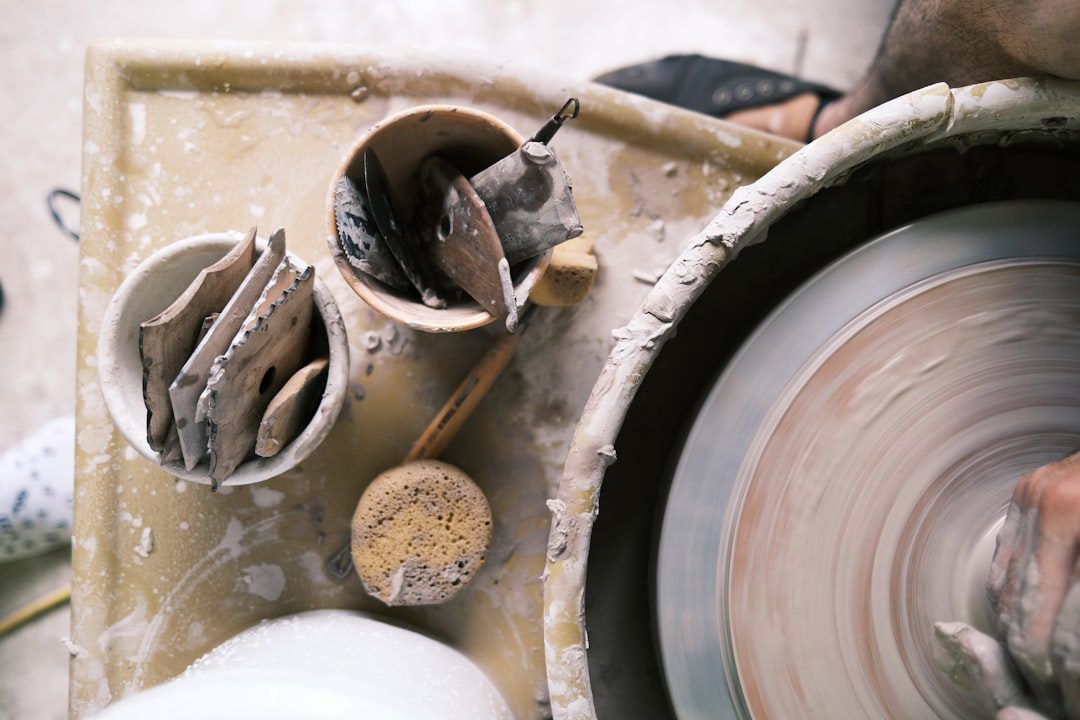
I’ll never forget the day I threw my first ceramic bowl at a tiny pottery studio in Samcheong-dong, back in 2005. My hands were covered in clay, the wheel was spinning faster than I’d anticipated, and the instructor—a patient woman named Min-ji who had the clay-stained fingernails of someone who’d been at this for decades—was gently guiding my palms inward. “Feel the clay,” she kept saying. “Don’t fight it.”
That single class changed how I saw Korean craftsmanship. What I’d always admired from a distance—the elegant blue-and-white porcelain in museums, the rustic stoneware in restaurants, the centuries of tradition—suddenly became tactile, real, achievable. Today, three decades later, I still have that lopsided bowl sitting on my kitchen shelf. It’s not perfect. But it’s mine, and it taught me something fundamental about Korean aesthetics: wabi-sabi, the beauty of imperfection.
Whether you’re a complete beginner or a seasoned artist looking to deepen your skills, Korean pottery offers something special. The country has a 2,000-year ceramic tradition, and Seoul’s contemporary studio scene is thriving. Here’s everything you need to know about taking classes, finding authentic pieces, and becoming part of Korea’s clay community.
Why Korean Pottery Matters: A Brief History
Korean ceramics aren’t just beautiful—they’re historically significant. During the Joseon Dynasty (1392–1910), Korean potters developed the stunning blue-and-white porcelain and celadon ware that influenced ceramic traditions across East Asia. These pieces weren’t decorative luxuries; they reflected Confucian values of simplicity and restraint.
What sets Korean pottery apart from Chinese or Japanese ceramics is its emphasis on understated elegance. Korean potters favored asymmetry, natural glazes, and forms that prioritize function over ostentation. You’ll notice this in almost every piece: a slight irregularity in the rim, an unpredictable glaze texture, subtle color variations. These “imperfections” are intentional—they’re what collectors seek.
Ted’s tip: If you visit the Leeum Samsung Museum of Art or the Kansong Art Museum, you’ll see masterpieces worth millions. Pay attention to the glaze patterns and forms—they’ll inform how you understand contemporary studio work.
Today, Seoul has hundreds of pottery studios ranging from tourist-friendly workshops to serious artist collectives. Korean potters are bridging tradition and modernism, creating pieces that honor centuries of craft while pushing into new aesthetics.
Beginner Pottery Classes in Seoul: Where to Start
If you’ve never touched clay, Seoul has excellent beginner-friendly studios. These classes typically run 1.5 to 3 hours and teach hand-building (pinching, coiling) or wheel-throwing basics. Most studios provide all materials, and instructors speak English or arrange interpreters.
Top Beginner Studios
| Studio Name | Location | Class Type | Price (Single) | Contact |
|---|---|---|---|---|
| Ichon Pottery Village Studio | Ichon (Ichon subway Line 6, Exit 3) | Hand-building, wheel | ₩40,000–₩60,000 | 02-797-0088 |
| Samcheong-dong Pottery Studio | Samcheong-dong (Anguk Station Line 3, Exit 6) | Wheel throwing | ₩50,000 | English-friendly |
| Gangjin Celadon Experience | Hongdae (Hongik University Station Line 2) | Hand-building, finishing | ₩35,000 | 02-322-1234 |
| Songpa Pottery Studio | Songpa-gu (Samseong Station Line 2) | Wheel, hand-building | ₩45,000 | 02-407-5678 |
| Myeongdong Pottery Space | Myeongdong (Myeongdong Station Line 4) | Hand-building only | ₩40,000 | Walk-ins welcome |
Ichon Pottery Village is my top recommendation for first-timers. Located near Ichon Station (Line 6, Exit 3), the village is a cluster of 80+ studios where working potters have their own spaces. You can book a 2-hour beginner class (₩40,000–₩60,000) and actually create something you’ll take home—typically glazed and fired within two weeks. The village preserves Seoul’s ceramics heritage while staying current with modern practice.
Samcheong-dong**, tucked behind Gyeongbokgung Palace, is where I recommend visitors who want an atmospheric experience. The neighborhood itself is Instagram-perfect with hanok cafes and galleries. Studios here focus on wheel-throwing and often include tea ceremony afterwards (₩50,000–₩70,000 for 2.5 hours). Get off at Anguk Station (Line 3, Exit 6) and walk uphill—studios are clearly marked.
Ted’s tip: Book your class 2–3 days in advance, especially on weekends. Many studios offer “finish your piece” options—you make it in one session, they fire it, you glaze and finish it in a second session weeks later. This is actually better quality than trying to complete everything in one class.
Intermediate & Advanced Programs: Multi-Week Courses
If you’re staying in Seoul for more than a week or planning repeat visits, serious pottery courses will deepen your skills exponentially.
University-Level Studios & Art Centers
Seoul’s public art centers offer structured, affordable programs. The Seoul Art Space (various locations) runs 4-week to 12-week pottery courses (₩150,000–₩400,000) with professional instructors. These are attended mostly by locals but welcome foreigners. Classes are in Korean, though some instructors teach basic English commands.
Hongik University’s Continuing Education Program has excellent pottery offerings in their Extension Division. Located near Hongik Station (Line 2), they run spring, summer, fall, and winter sessions. A typical 8-week wheel-throwing course costs ₩280,000–₩350,000 and covers centering, pulling walls, trimming, and design. Equipment is provided; you only pay for clay and kiln fees.
| Program | Location | Duration | Cost | Language |
|---|---|---|---|---|
| Hongik Wheel Throwing | Hongik University | 8 weeks | ₩320,000 | Korean primary |
| Seoul Art Space Pottery | Multiple locations | 4–12 weeks | ₩150,000–₩400,000 | Korean |
| Ewha Womans University Pottery | Sinchon | 10 weeks | ₩280,000 | Korean |
| Ichon Village Intensive | Ichon | 4 weeks (5 days/week) | ₩450,000 | Mixed |
My advice: if you don’t speak Korean, hire a translation app on your phone and attend anyway. Most pottery instructors are patient with language barriers—they demonstrate constantly, and clay is universal. I’ve seen Japanese tourists, Germans, and Brazilians all succeed in these courses without fluent Korean.
Ted’s tip: Consider taking a beginner class first to see if you’re serious about pottery. I’ve known many tourists who took one wheel-throwing session, loved it in the moment, then never touched clay again. There’s no shame in that—but it’s good to know before committing ₩300,000 to an 8-week course.
Specialized Workshops: Celadon, Stoneware & Raku
Korea’s most celebrated ceramic tradition is celadon—jade-green porcelain that dates back to the Goryeo Dynasty. Several studios offer specialized celadon workshops that teach historical glazing techniques alongside contemporary interpretation.
Celadon-Specific Studios
Gangjin Celadon Museum & Workshop (near Hongik Station) offers authentic celadon classes where you learn traditional glaze chemistry. A 3-hour workshop costs ₩65,000 and includes creating a small piece and observing the firing process. The studio sources clay from Gangjin, South Jeolla Province—the historical celadon heartland—so you’re working with authentic materials.
Raku Pottery Experience (Samcheong-dong) specializes in Japanese-influenced raku ware, which Korean artists have adapted beautifully. Raku focuses on rapid firing and spontaneity—very different from the precision of wheel-throwing. A 2-hour session (₩50,000) teaches hand-building and quick-fire glazing. You leave with a finished piece.
Ted’s tip: The best celadon pieces in Korea come from Gangjin and Ichon. If you’re serious about celadon, consider a day trip to Gangjin itself—it’s 2 hours by train from Seoul, and the source studios there offer workshops at similar prices but with access to the actual kilns where historical pieces were fired. See our Gyeongju day trip guide for similar cultural excursions from Seoul.
| Ceramic Type | Origin Period | Characteristics | Class Duration |
|---|---|---|---|
| Celadon | Goryeo (918–1392) | Jade-green glaze, refined form | 2–3 hours |
| Buncheong | Joseon (1392–1910) | Inlaid patterns, rustic charm | 2–3 hours |
| Stoneware | Contemporary | High-fire, utilitarian beauty | 1.5–2 hours |
| Raku | Contemporary (inspired by Japanese) | Quick-fired, unpredictable glaze | 2 hours |
Where to Buy Authentic Handmade Pottery: Studios & Markets
After taking a class, you’ll probably want to buy pieces. Here’s where to find museum-quality work at reasonable prices.
Direct from Artist Studios
Ichon Pottery Village is the best place to buy. With 80+ active studios, you’ll find everything from functional bowls (₩30,000–₩80,000) to sculptural pieces (₩200,000+). Artists here are often working while you browse—you can talk to them directly, understand their process, and even commission custom pieces. Most studios offer tax-free shopping for tourists (bring your passport).
My favorite artists in Ichon change yearly as new makers move in and out, but I always visit studios displaying pieces in the window—that’s how you know they’re actively selling. Expect to spend 2–3 hours browsing; it’s worth every minute.
Samcheong-dong Gallery Alley has a different vibe. These studios double as galleries, showcasing contemporary ceramic art. Prices are higher (₩80,000–₩500,000+) because the work is conceptually ambitious. You’ll see sculptural forms, experimental glazes, and pieces that bridge ceramics and fine art. It’s more curated, less casual than Ichon.
Ted’s tip: Visit studios on weekday mornings (9 AM–12 PM) if you want to actually talk to potters. Weekends get crowded and artists are usually busy with customers. Many speak some English but always appreciate it when you show genuine interest in their work rather than just browsing for souvenirs.
Pottery Markets & Cooperative Galleries
Insadong Pottery Fair happens quarterly (usually spring and autumn). You’ll find 50+ vendors selling everything from affordable functional ware to collector pieces. Prices are slightly lower than studio prices because vendors are selling directly without gallery markup. The fair typically runs Friday–Sunday for a week. Check the Insadong Culture Center website for exact dates.
Seoul Pottery Collective (near Gangnam Station, Line 2, Exit 9) is a cooperative gallery where member artists display work. Inventory changes monthly, and you’re guaranteed everything is handmade by the featured artists. Pieces range ₩25,000–₩200,000. It’s less touristy than Ichon but excellent for serious collectors.
| Venue | Location | Best For | Price Range | Hours |
|---|---|---|---|---|
| Ichon Pottery Village | Ichon (Line 6, Exit 3) | Variety, meeting artists | ₩30,000–₩200,000 | 10 AM–6 PM daily |
| Samcheong-dong Galleries | Samcheong-dong (Anguk Exit 6) | Contemporary, sculptural | ₩80,000–₩500,000+ | 11 AM–7 PM (closed Mondays) |
| Seoul Pottery Collective | Gangnam (Line 2, Exit 9) | Serious collectors, curated | ₩25,000–₩200,000 | 10 AM–6 PM (closed Mondays) |
| Insadong Pottery Fair (quarterly) | Insadong (Anguk Exit 5) | Deals, discovery | ₩20,000–₩150,000 | 10 AM–6 PM (fair dates) |
| Gangjin Celadon Fair | Gangjin, Jeolla (day trip) | Celadon specialists, sourcing | ₩40,000–₩300,000 | Seasonal (Spring/Fall) |
Department Store Gallery Sections
Lotte Department Store (Myeongdong and Gangnam) and Shinsegae (Myeongdong) both have Korean craft galleries on upper floors. The selection is highly curated and prices are high (₩150,000–₩1,000,000+), but the work is museum-quality. This is where wealthy Koreans shop for investment pieces. You’ll find historical celadon reproductions, contemporary sculptural ware, and pieces by Korea’s most celebrated living potters.
Ted’s tip: If you’re buying a piece as an investment or serious collector’s item, ask for provenance. The artist’s name, date of creation, and firing kiln details matter. Many galleries provide certificates for significant purchases. Don’t buy from vendors claiming “traditional Goryeo celadon” or “authentic Joseon ware”—those pieces are in museums or private collections. What you’re buying is contemporary work inspired by historical traditions, which is equally beautiful and honest.
Pottery Museums: Understanding Korean Ceramic History
Before you buy or take a class, spend a few hours in museums. You’ll understand the aesthetic principles that guide Korean potters today.
National Museum of Korea (Yongsan, Line 1) has the most comprehensive celadon and buncheong collection. The ceramic galleries on the 2nd floor are incredible. Admission is ₩10,000, and if you watch the 15-minute video about celadon production, you’ll understand glaze chemistry in ways that make classes more meaningful. Open 10 AM–6 PM, closed Mondays.
Leeum Samsung Museum of Art (Hannam-dong) has world-class Korean ceramics in a museum designed by three Pritzker Prize winners. It’s expensive (₩20,000–₩25,000) but worth it if you’re serious. The curation is impeccable, and seeing pieces in a high-design space changes your understanding of proportion and form. Many pieces on display have influenced contemporary potters teaching classes.
Ichon Pottery Museum (inside Ichon Pottery Village) is small but excellent. It showcases both historical pieces and work by current Ichon-based artists. Admission is ₩5,000. This is perfect if you’re already visiting the village—spend 30 minutes in the museum, then explore the studios with informed eyes.
Ted’s tip: Photography is allowed in all three museums. Take photos of pieces you love, then show them to potters when you’re shopping or commissioning work. They appreciate the reference and can explain what you’re drawn to aesthetically.
| Museum | Location | Ceramic Focus | Admission | Best For |
|---|---|---|---|---|
| National Museum of Korea | Yongsan (Line 1, Exit 4) | Celadon, buncheong, historical | ₩10,000 | Comprehensive history |
| Leeum Samsung Museum | Hannam-dong (Line 6) | Contemporary + historical | ₩20,000–₩25,000 | Aesthetic deep-dive |
| Ichon Pottery Museum | Ichon (Line 6, Exit 3) | Contemporary Ichon artists | ₩5,000 | Artist context |
| Kansong Art Museum | Seongbuk-dong (bus or taxi) | Masterpieces, historical | ₩15,000 | Museum-quality investment pieces |
Shipping & Bringing Pottery Home
You’ve taken a class, bought beautiful pieces—now how do you get them home without them shattering in your luggage?
Option 1: Luggage Space – If you’re buying small items (bowls, cups, plates under 20 cm), pack them in the center of your suitcase surrounded by clothing. Remove the bowl from its box—boxes take up space. Wrap each piece individually in t-shirts or socks. This works for pieces worth ₩30,000–₩100,000.
Option 2: International Shipping – Most Ichon studios and galleries can arrange DHL or FedEx shipping. Expect ₩50,000–₩150,000 for a single piece to North America or Europe, depending on weight and insurance. The studio handles packing. For expensive pieces (₩300,000+), this is essential—much cheaper and safer than risking luggage damage.
Option 3: Korean Postal Service – EMS (Express Mail Service) is cheaper than DHL but slower. A small parcel (under 2 kg) to the US costs around ₩35,000 and arrives in 7–10 days. You can ship from any Post Office or ask your studio to handle it.
Ted’s tip: Keep all receipts for customs. Korean ceramics under ₩1 million don’t face duty when entering most countries, but you’ll need proof of purchase. Also, get insurance—most shipping services offer it for an additional 2–3% of the item’s value. One shattered masterpiece isn’t worth the savings.
| Shipping Method | Cost (Single Bowl) | Delivery Time | Insurance Available | Best For |
|---|---|---|---|---|
| Luggage (hand-packed) | ₩0 | Immediate | N/A | Small, low-value pieces |
| DHL/FedEx | ₩80,000–₩150,000 | 3–5 days | Yes (2–3% extra) | Expensive pieces |
| EMS | ₩35,000–₩60,000 | 7–10 days | Yes (1–2% extra) | Mid-range pieces |
| Studio-arranged (DIY) | ₩40,000–₩100,000 | 5–7 days | Optional | Multiple pieces, convenience |
Buying as Investment: What Appreciates
If you’re considering pottery as a serious purchase, understand that not all pieces appreciate equally. Here’s what collectors watch.
Artist Reputation – Pieces by established artists (those featured in museums, with solo exhibitions, teaching at universities) appreciate 5–15% annually. Younger emerging potters might also appreciate if they gain recognition, but it’s riskier. Ask galleries for artist CVs and exhibition history.
Technique Mastery – Pieces demonstrating advanced technique (perfectly centered wheels, complex glazing, innovative forms) hold value better than beginner-level work. If you’re buying a ₩200,000 bowl, expect to see flawless craftsmanship.
Materials & Glazes – Celadon and buncheong pieces in traditional glazes appreciate more slowly because they’re abundant. Contemporary work using experimental glazes, mixed materials, or conceptual forms can appreciate faster because fewer pieces exist.
Provenance Documents – For pieces over ₩500,000, get an artist statement, exhibition history, and condition report. These documents matter for resale and insurance.
Ted’s tip: I’ve seen tourists buy “investment pieces” and never even open the box because they’re afraid of damage. That’s the opposite of why you buy art. Beautiful ceramics are meant to be used—a bowl that holds your morning tea is more valuable to your life than an unopened piece in a closet. Buy what you love first; investment potential is secondary.
Day Trip: Gangjin Pottery Region from Seoul
If you’re serious about pottery, consider a day trip to Gangjin (간진), South Jeolla Province. It’s the historical heart of Korean celadon—where the most celebrated pieces of the Goryeo Dynasty were created. Today, it’s a working pottery region with studios, museums, and kiln sites.
Getting There: Take the KTX (high-speed train) from Seoul Station to Gwangju Station (1 hour 45 minutes, ₩60,000–₩80,000), then a local bus to Gangjin (45 minutes, ₩6,000). Total travel time: 2.5–3 hours each way. Alternatively, some tour companies offer organized day trips from Seoul (₩150,000–₩200,000 including transportation).
What to Do: Visit Gangjin Celadon Museum (free, 9 AM–6 PM) to see 500+ historical pieces. Tour the Gangjin Celadon Kiln Sites where you can actually see ancient kiln structures still standing. Take a workshop at one of the studio kilns—many offer 4-hour intensive classes (₩80,000–₩100,000) teaching traditional firing and glazing.
Why This Matters: Many contemporary Seoul potters studied in Gangjin or source clay from there. Visiting the source region gives you context that transforms how you understand what you’re buying or creating. You’ll see where tradition literally lives in working kilns and clay deposits.
See our comprehensive day trip guide for cultural excursions from Seoul to understand how to plan transportation and make the most of your time.
Frequently Asked Questions
Do I need pottery experience to take a class in Seoul?
No. Every beginner studio explicitly markets to people with zero experience. Instructors expect and welcome tourists. You’ll likely be in a class with other tourists and some locals learning casually. The only prerequisite is willingness to get messy and have patience with imperfection.
Can I take a class and finish my piece the same day?
Partially. You can hand-build something complete in 1.5–2 hours (coil pot, pinch bowl). Wheel-throwing typically requires two sessions: one to throw and trim, one to glaze and finish after firing (2–3 weeks later). Some studios offer “instant finish” pieces you take home the same day, but these are pre-made and you just decorate them—less satisfying than creating from scratch.
What’s the difference between celadon and buncheong?
Celadon is refined—jade-green glaze, subtle forms, associated with the Goryeo Dynasty (918–1392). Buncheong is rustic—often with inlaid patterns and asymmetrical shapes, from the Joseon Dynasty (1392–1910). Celadon cost more to produce and was favored by the elite; buncheong was more utilitarian. Today, both are equally valued by collectors, though celadon typically costs more due to historical prestige and technical difficulty.
Is it safe to ship ceramic pieces internationally?
Yes, if packed properly. Studios and professional shippers know how to pack ceramics safely. DHL and FedEx have excellent track records. Get insurance (costs 2–3% extra) for pieces over ₩100,000. I’ve shipped dozens of pieces over 35 years and only lost one—and the insurance covered it.
Can I commission a custom piece from a potter?
Absolutely. Visit a studio, show the artist a photo or sketch of what you want, and discuss timeline and price. Most won’t accept commissions for complex pieces with less than 4–6 weeks notice (they need time to throw, fire, glaze, and fire again). Expect to pay a deposit (usually 30–50%) and the remainder upon completion. A custom handmade dinner bowl might cost ₩80,000–₩150,000 including two firings.
What should I look for when buying a pottery piece?
First, do you love it? That matters most. Second, check the rim—is it smooth and even, or rough? Glazing—are there visible cracks or bare spots? Symmetry—for functional ware, is the base flat and level? For ₩50,000+ pieces, look for an artist signature, and ask about materials and firing. Don’t buy based on size alone—a small, masterfully-executed bowl is worth more than a large, poorly-crafted one.
Are there pottery classes for kids?
Yes, many studios offer family classes (ages 5+). Studios like Ichon Pottery Village have dedicated children’s instructors. A 1.5-hour family class costs ₩40,000–₩60,000 for two people. Kids often surprise you—they’re less afraid of the clay than adults. See our family guide to Seoul activities for more craft experiences suitable for children.
When’s the best time to visit Ichon Pottery Village?
Weekday mornings (Tuesday–Thursday, 10 AM–12 PM) are quietest and best for talking to artists. Weekends get crowded with tour groups. Spring (April–May) and autumn (September–October) have the nicest weather for browsing outdoor studios. Summer can be humid; winter is fine but some smaller studios close for maintenance.
Final Thoughts
When I think about those 35 years in Korea, some of my most meaningful moments have been in pottery studios—watching students focus intently on a spinning wheel, seeing the exact moment when someone realizes they can actually make something beautiful with their hands, listening to artists explain why a particular glaze took them five years to perfect.
Pottery teaches you something essential about Korea that you can’t learn from guidebooks or K-dramas. It teaches slowness in a country known for speed. It teaches acceptance of imperfection in a culture that values precision. It teaches patience and presence.
Whether you take one class or spend weeks in intensive study, whether you buy a single bowl or collect pieces over years, you’re connecting to a 2,000-year tradition. You’re supporting contemporary artists who could live anywhere but chose to stay in Korea, stewarding this craft forward. That matters.
My lopsided Samcheong-dong bowl still sits on my kitchen shelf. I’ve been offered ₩300,000 for it by collectors. I’ve never seriously considered selling. It’s not valuable because of technique or market appreciation. It’s valuable because it’s mine—made in a moment that mattered, glowed by hands that taught me something I couldn’t learn any other way.
Come make something. Take a class. Buy a piece. You’ll understand why I’ve stayed here 35 years.
— Ted K
Image Credits: Photos sourced from Unsplash. By using this site, you agree to our Privacy Policy and Disclaimer.