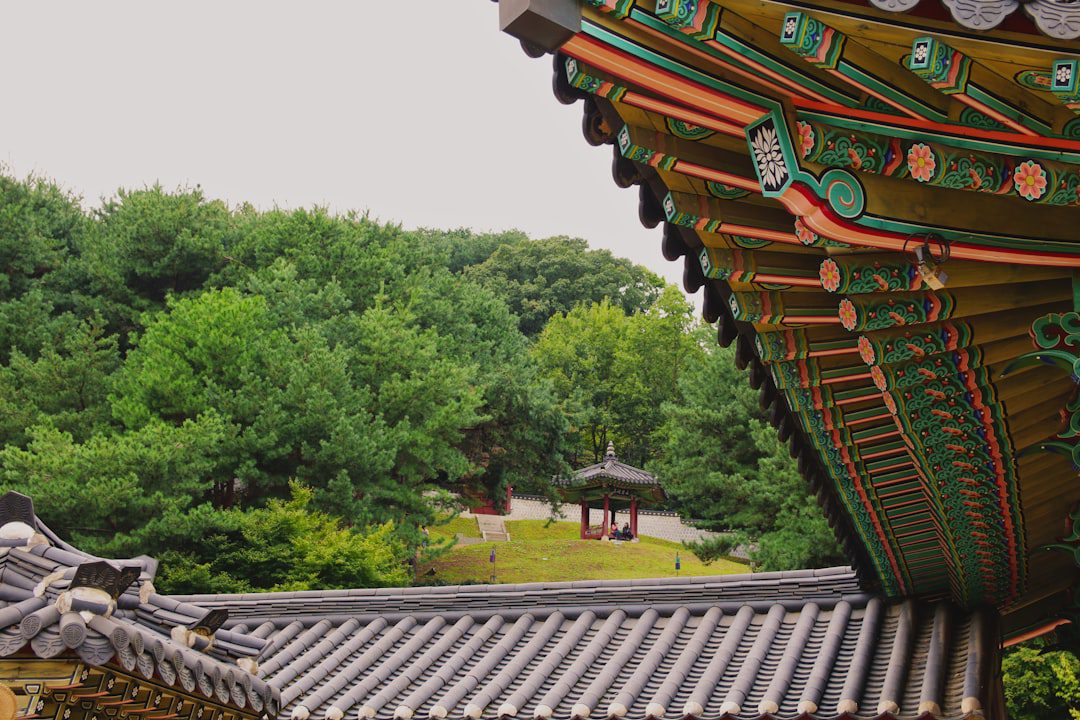
I still remember my first trip to Gyeongju in 1991, when the city was far quieter than it is today. I was visiting a Korean friend’s grandmother, and we spent an entire morning wandering through Bulguksa Temple without another Western tourist in sight. The silence was profound—just the sound of wind through ancient pine trees and my friend’s whispered stories about Silla Kingdom history. That morning changed how I understood Korea. It wasn’t just Seoul’s neon and speed; it was this whole layer of civilization that had flourished a thousand years before I was even born.
Fast forward 35 years, and Gyeongju has become one of my favorite places to bring first-time visitors to Korea. Why? Because unlike Seoul, where you’re constantly chasing the latest café or shopping district, Gyeongju invites you to slow down. The whole city is essentially an open-air museum—UNESCO calls it exactly that. Walking through Gyeongju feels like stepping into a history book where every corner, every stone, every hillside has a story written in it. Ancient temples sit beside modern museums. Royal tombs rise from quiet neighborhoods. You can eat breakfast next to thousand-year-old pagodas.
If you’re visiting Korea and want to experience something beyond Seoul’s surface, Gyeongju needs to be on your list. Here’s everything you need to know to make the most of a day trip.
Why Gyeongju Is Korea’s Most Important Historical City
Gyeongju was the capital of the Silla Kingdom for nearly 1,000 years (57 BC to 935 AD). If you’re thinking that’s not a big deal, consider this: Silla unified the Korean peninsula in 676 AD. This wasn’t some minor regional kingdom—it was the foundation of everything that followed. Modern Korea, Buddhist traditions, architectural styles, artistic traditions—so much of it originates from this era.
What makes Gyeongju unique isn’t just the number of historical sites. It’s that they’re all preserved in their original locations. You’re not looking at museums that transported artifacts elsewhere. You’re standing in the actual places where history happened. Royal tombs (called cheonmyo) dot the city like grass-covered hills. Buddhist temples still stand where monks worshipped in the 8th century. A whole sacred district of the ancient capital remains partially excavated and protected.
In 2000, UNESCO designated Gyeongju Historic Areas as a World Heritage Site—one of the first in Korea. Today, there are 23 registered national treasures and historical sites within the city. That’s why locals call it “a museum without walls.” You literally cannot walk more than a few blocks without encountering something historically significant.
Ted’s tip: Unlike visiting a traditional museum where you spend 3-4 hours and move on, Gyeongju rewards multiple visits. If you can only do one day trip, focus on the areas I outline below. But if you ever return to Korea, spending 2-3 days here is genuinely worthwhile. I’ve been dozens of times and still find new details.
Getting to Gyeongju from Seoul
Train: The Scenic Route
The fastest way to reach Gyeongju from Seoul is the KTX (Korea Train Express) from Seoul Station or Cheongnyangni Station. The journey takes approximately 2 hours and 20 minutes, and trains run every 1-2 hours throughout the day. This is my preferred method because you can relax, watch the Korean countryside unfold, and arrive refreshed.
| Route | Duration | Cost (One-way) | Frequency |
|---|---|---|---|
| Seoul Station → Gyeongju (KTX) | 2h 20m | ₩55,300-65,000 | Every 1-2 hours |
| Cheongnyangni → Gyeongju (Saemaul) | 4h 45m | ₩28,800 | 4 daily |
| Gyeongju → Seoul (return) | 2h 20m | ₩55,300-65,000 | Every 1-2 hours |
Book your KTX tickets online through the Korail website (www.letskorail.com) or at the station ticket counter. I recommend booking at least a few days ahead during peak seasons (spring and fall), though tickets are usually available same-day. If you’re traveling during Korean holidays (see our Korean Holiday Calendar guide), book much earlier.
By Car: More Flexibility
If you rent a car, the drive from Seoul takes about 3-3.5 hours via the Yeongdong Expressway. This gives you flexibility to explore at your own pace and visit smaller sites that aren’t near the main stations. Rental cars cost ₩50,000-100,000 per day depending on vehicle type. However, parking at major sites is ₩3,000-5,000 per visit, and you’ll likely spend more on gas and tolls.
Organized Tours
Several companies run organized Gyeongju day tours from Seoul. These typically cost ₩120,000-180,000 per person (including transportation and guide) but are convenient if you don’t want to plan transit yourself. The downside: you’re locked into a set schedule and often spend more time on the bus than exploring.
Ted’s tip: My recommendation: take the KTX train both directions. It’s affordable, reliable, and gives you maximum time to explore while minimizing stress. Gyeongju is compact and walkable—you can navigate the main sites without a car.
The Three Zones to Explore in One Day
Gyeongju’s historical sites cluster into roughly three geographic areas. In a single day, you can realistically visit all three if you plan efficiently. Here’s how I structure my visits:
| Zone | Key Sites | Distance from Station | Time Needed |
|---|---|---|---|
| South: Bulguksa & Seokguram | Bulguksa Temple, Seokguram Grotto | 18 km (bus/taxi) | 2-3 hours |
| Central: Downtown Gyeongju | Anapji Pond, Royal Tombs, Museums | 1-2 km (walkable) | 3-4 hours |
| East: Donggung Palace & Wolji | Donggung Palace, Wolji Pond, Cheomseongdae | 2 km (walkable/bus) | 1-2 hours |
For a single day trip, I recommend this itinerary: Start with the South zone (Bulguksa/Seokguram) in the morning (earliest arrival = shortest lines), grab lunch in central Gyeongju, then explore the downtown and eastern zones in the afternoon before catching an evening train back to Seoul.
Bulguksa Temple: The Crown Jewel
What You’ll See
Bulguksa Temple is Gyeongju’s most visited attraction, and for good reason. Built in 751 AD during the reign of King Gyeongdeok, this UNESCO-designated temple is one of the oldest and most significant Buddhist structures in Korea. The moment you climb the stone stairs and see the main courtyard, you understand why.
The temple’s genius is architectural. Multiple levels of courtyards, pagodas, and halls are arranged to represent Buddhist cosmology—the earthly realm flowing upward toward enlightenment. The two most photographed elements are the Daeungjeon (main hall) and the twin pagodas: Dabotap (the “Pagoda of Many Treasures”) and Seokgatap (the “Stone Pagoda”). Both date to the 8th century. Seokgatap is particularly mystical—it’s covered in delicate relief carvings and feels almost ethereal on misty mornings.
Inside the Daeungjeon, you’ll find a beautiful Vairocana Buddha statue and ornately painted wooden ceilings. The craftsmanship is stunning—every beam, every bracket, every painted detail serves both aesthetic and symbolic purposes. This is what Buddhist art looked like when the religion was at its height in East Asia.
Visiting Seokguram Grotto
From Bulguksa, most people take a bus or taxi up the mountain to Seokguram Grotto (약 3 km away, 10-15 minute drive). This artificial stone grotto was constructed in the 8th century and houses a monumental seated Buddha. What’s remarkable is the engineering: ancient builders carved the grotto into the mountainside so that on the spring and autumn equinoxes, sunlight enters through the entrance and illuminates the Buddha’s face. Whether intentional or coincidental, it’s profound.
Inside the grotto, you’ll see not just the main Buddha but an entire pantheon of Buddhist deities carved in relief around the walls—bodhisattvas, celestial beings, protective figures. The stone is smooth from centuries of pilgrims’ hands.
Practical Information
| Detail | Information |
|---|---|
| Address | 385 Bulguk-ro, Gyeongju (near Bulguksa Temple area) |
| Admission | ₩5,000 (Bulguksa only) or ₩7,000 (combined ticket) |
| Hours | 7:00 AM – 6:00 PM (seasonal variations) |
| Best Time to Visit | 8:00-9:00 AM (before tour groups arrive) |
| Getting There | Bus 10, 11 from Gyeongju Station (₩1,250, 40 min) |
| Photography | Allowed outside; restricted inside main buildings |
Ted’s tip: Wear comfortable shoes with good grip. The paths around Bulguksa and up to Seokguram involve numerous stone stairs, many of which are centuries old and worn smooth. In wet weather, they can be slippery. Also, carry water—the hike up to Seokguram, while not strenuous, has minimal facilities.
Downtown Gyeongju: Royal Tombs & Anapji Pond
Daereungwon Historic District (Royal Tomb Cluster)
In the heart of Gyeongju’s downtown lies one of my favorite spots: Daereungwon, a historic district containing royal tombs from the Silla Kingdom. Imagine rolling green hills scattered throughout a modern neighborhood—those hills are actually tombs. Some date back to the 5th century. Kings, queens, and nobles of Silla were buried here, and the tradition continued for centuries.
What’s surreal is seeing these ancient burial mounds integrated into the modern urban landscape. A tomb might be next to a coffee shop. Children play near a 1,500-year-old grave. It’s this gentle collision between ancient and modern that I find so characteristically Korean—respecting the past while moving forward.
The largest and most impressive tomb is Cheomsongdae’s nearby neighbor, but Daereungwon as a whole is worth walking through. There’s a small museum (₩3,000 admission) that explains the burial practices and displays artifacts. The walk is peaceful and costs nothing.
Anapji Pond (Imhaejeon): The Mirror of Heaven
Anapji Pond is perhaps Gyeongju’s most romantic site, especially at sunset or on clear nights. Built in 674 AD as a pleasure garden for Silla’s royal family, this man-made pond was the heart of leisure in an ancient kingdom. It’s surrounded by reconstructed pavilions and gardens based on historical records and archaeological findings.
The pond itself is stunning—clear water reflecting sky and trees, with elegant stone bridges and viewing platforms. Peacocks wander the grounds (descendants of birds that lived here a thousand years ago). Cherry blossoms bloom here in spring, making it even more magical. In autumn, the trees around the pond turn brilliant colors, and it’s one of the best spots in Gyeongju for fall foliage photography.
The museum at Anapji displays artifacts found during excavations—pottery, jewelry, and tools that reveal daily life during Silla’s golden age. Seeing a Silla queen’s golden crown or ornaments is jaw-dropping in terms of craftsmanship.
| Site | Admission | Hours | Time Needed |
|---|---|---|---|
| Anapji Pond | ₩4,000 | 9:00 AM – 10:00 PM | 1.5-2 hours |
| Daereungwon (Free) | Free (museum ₩3,000) | 24 hours (outdoor) | 45 min – 1 hour |
| Gyeongju National Museum | ₩5,000 | 10:00 AM – 6:00 PM (closed Mon) | 2-3 hours |
Museums: Context for Your Exploration
If you have time and energy, the Gyeongju National Museum provides essential context for everything you’re seeing. Located near Anapji, it houses the world’s largest collection of Silla artifacts—gold crowns, Buddhist sculptures, pottery, weapons, and jewelry. Seeing these artifacts helps you understand the sophistication of Silla civilization. They weren’t primitive; they were cosmopolitan and technologically advanced.
My recommendation: if you only have limited museum time, prioritize the Anapji museum over the National Museum. But if you’re particularly interested in history, the National Museum is world-class.
Ted’s tip: Visit Anapji in the evening if possible. The site is open until 10 PM, and the pond is beautifully lit at night. The atmosphere is entirely different—quieter, more contemplative, more romantic. If you can time it for a clear night, you’ll see stars reflected in the water and understand why Silla kings chose this spot for leisure.
Eastern Gyeongju: Donggung Palace & Cheomseongdae
Donggung Palace & Wolji Pond
On the eastern edge of downtown lies the remains of Donggung Palace (the East Palace), which historically was the residence of Silla crown princes. Like Anapji, it features reconstructed buildings around a beautiful pond called Wolji (meaning “moon and water”). The palace grounds are smaller and quieter than Anapji, with a more intimate feel.
The reconstructed palace buildings show what royal domestic life looked like in the 8th century—residential quarters, administrative buildings, and pleasure gardens. The architecture is refined but not ostentatious. Wandering through the grounds, you get a sense of daily aristocratic routine that museums can’t quite convey.
| Site | Details |
|---|---|
| Donggung Palace & Wolji Pond | Admission: ₩4,000 | Hours: 9:00 AM – 10:00 PM | Time needed: 1 hour |
| Location | 10 minutes walk from Donggung Palace Station or taxi from station (₩5,000) |
Cheomseongdae: The World’s Oldest Observatory
Just a short walk away from Donggung Palace stands Cheomseongdae, and I recommend visiting here late in the afternoon as the sun gets low and casts beautiful shadows. This 9.4-meter (about 31-foot) stone structure is the oldest existing astronomical observatory in East Asia, built in 647 AD during Queen Sondok’s reign. It predates similar structures in China and Japan by centuries.
The structure looks simple but is geometrically sophisticated. The cylindrical tower is made of 365 stone blocks (representing days in a year) and is precisely aligned with cardinal directions. Scholars still debate its exact astronomical purpose, but evidence suggests it was used for observing celestial bodies and predicting seasons—critical for an agricultural society.
What I love about Cheomseongdae is the mystery. Standing before it, you’re confronted with ancient intelligence and astronomical knowledge. How did they calculate the angles? Why 365 blocks? The answers reveal a civilization that was scientifically advanced, not primitive. Korea’s history is so often framed around its relationship with China, but Cheomseongdae reminds you that Silla had original scientific thinking.
Ted’s tip: Cheomseongdae is free to visit and best photographed late afternoon when the sun’s angle makes the stone texture visible. There’s also a small plaza with seating where you can sit and contemplate. This is where I usually eat my second snack of the day and journal about what I’ve learned.
Eating Like a Local in Gyeongju
One of the great joys of visiting Gyeongju is the food. The city has maintained strong food traditions, and many dishes have recipes going back centuries. This isn’t Seoul fusion food; it’s authentic Gyeongsangbuk-do province cuisine.
Ssireum Gukbap (Ritual Food)
One of Gyeongju’s most famous dishes is ssireum gukbap (쌀밥)—a simple but deeply satisfying rice soup with vegetables, meat, and a savory broth. It’s comfort food that Silla nobility would have enjoyed. Many restaurants near Anapji and Daereungwon serve it. Look for signs with “국밥” or ask your hotel. Expect to pay ₩8,000-12,000 for a bowl.
Gyeongju Bread (Gyeongju Pang)
If you want a quick snack, Gyeongju is famous for its red bean-filled sweet bread called Gyeongju pang or Gyeongju bread. It’s been made in the city for decades and is a perfect on-the-go food. Small bakeries and convenience stores sell them for ₩2,000-3,000. They’re not fancy, but they’re delicious and a genuine local specialty.
Restaurants Near Major Sites
| Restaurant | Cuisine | Price (avg) | Location |
|---|---|---|---|
| Dosol Pojang | Traditional Gyeongju dishes | ₩10,000-15,000 | Near Anapji Pond |
| Bulguksa Temple Food | Vegetarian temple food (bapsang) | ₩12,000-18,000 | Bulguksa Temple entrance |
| Donggung Palace Restaurants | Korean BBQ, grill, soups | ₩12,000-20,000 | Donggung Palace area |
| Gyeongju Station Food Court | Gukbap, kimbap, casual | ₩6,000-10,000 | Gyeongju Station |
Ted’s tip: Restaurants near major temples and historical sites are geared toward tourists and charge accordingly. For the most authentic and affordable meal, venture into residential streets near downtown Gyeongju. Look for small gukbap shops with older women running them—those are where locals eat.
Sample Day-Trip Itinerary & Timing
Here’s how I structure a typical Gyeongju day trip from Seoul to maximize experiences and minimize rushing:
| Time | Activity | Duration |
|---|---|---|
| 7:00 AM | Depart Seoul via KTX from Seoul Station | 2h 20m |
| 9:20 AM | Arrive Gyeongju Station; take bus to Bulguksa | 40 min |
| 10:00 AM – 1:00 PM | Bulguksa Temple + Seokguram Grotto | 3 hours |
| 1:00 – 2:00 PM | Lunch in downtown (gukbap, temple food, etc) | 1 hour |
| 2:00 – 3:30 PM | Daereungwon Royal Tombs + Anapji Pond | 1.5 hours |
| 3:30 – 4:30 PM | Donggung Palace & Wolji Pond | 1 hour |
| 4:30 – 5:00 PM | Cheomseongdae + coffee break | 30 min |
| 5:30 PM | Return to Gyeongju Station (bus/taxi) | 20 min |
| 6:15 PM | Depart Gyeongju via KTX to Seoul | 2h 20m |
| 8:35 PM | Arrive Seoul Station | — |
This itinerary is realistic and doesn’t require running between sites. You’ll see all the major attractions without feeling rushed. The beauty of this schedule is that you have genuine time to absorb each location rather than photographing and moving on.
Seasonal Considerations & Best Times to Visit
Gyeongju’s appeal changes dramatically with seasons. Unlike Seoul, where the urban environment somewhat obscures seasonal changes, Gyeongju’s natural landscape is integral to the experience.
Spring (April-May)
Cherry blossoms bloom around Anapji and Donggung Palace in late March through early April. The royal tombs in Daereungwon look like gentle green hills under perfect blue skies. Temperatures are ideal (15-20°C / 59-68°F). Crowds are moderate but building. This is peak tourist season, so arrive early at major sites. See our Korean Cherry Blossom Season guide for more timing details.
Summer (June-August)
Hot and humid (25-30°C / 77-86°F). Tourist numbers spike in July-August during school holidays. The crowds at Bulguksa can feel overwhelming by midday. If you visit in summer, start even earlier (7:00 AM arrival at Bulguksa). Summer rain is occasional but can happen suddenly, so carry an umbrella.
Autumn (September-November)
My personal favorite season. Temperatures cool to perfect sightseeing weather (15-22°C / 59-72°F). Autumn foliage peaks late October through mid-November, transforming the areas around Bulguksa, Seokguram, and forest walks into stunning displays of red and gold. See our Korean Autumn Foliage guide for peak timing in Gyeongju specifically. Crowds thin after mid-October.
Winter (December-February)
Cold (0-10°C / 32-50°F) but generally not too harsh in this region. Winter rain is common. Tourist numbers are lowest. The advantage: no lines at major sites, and Anapji Pond at night has a serene, almost spiritual quality. The disadvantage: shorter daylight hours mean less time to explore. If visiting in winter, start your day 30 minutes earlier than other seasons.
Ted’s tip: Avoid visiting during Korean holidays (see our Korean Holiday Calendar). Chuseok (Korean Thanksgiving) and Seollal (Lunar New Year) bring massive crowds to Gyeongju. KTX trains sell out completely. Hotels double their prices. If you’re visiting during holiday periods, consider skipping Gyeongju or arriving at 6:00 AM to get ahead of crowds.
Practical Information: Transportation Within Gyeongju
Once you arrive at Gyeongju Station, you have several options for getting around:
| Transport Method | Cost | Best For | Notes |
|---|---|---|---|
| Bus (City Transit) | ₩1,250 per ride | Bulguksa, Seokguram, regional travel | Use T-money card. Buses #10, #11 go to Bulguksa. Infrequent in low season. |
| Taxi | ₩3,500-8,000 per ride | Station to downtown, hotel pickups | Plentiful at station. Drivers rarely speak English; show destination in Korean or on phone. |
| Bike Rental | ₩10,000-15,000/day | Exploring downtown, leisurely pace | Perfect for connecting Daereungwon, Anapji, Donggung Palace. Several rental shops near station. |
| Tourist Bus Loop | ₩8,000-12,000 (all-day pass) | Comprehensive city tour | Departs from Gyeongju Station hourly. Good if you prefer guided experience, though less flexible. |
| Walking | Free | Downtown sites (Anapji, Daereungwon, Donggung, Cheomseongdae) | All within 2 km of each other. Most pleasant way to experience the city. |
Ted’s tip: My preferred method: take the bus to Bulguksa in the morning (early), then bus back to downtown Gyeongju by early afternoon. From downtown, everything is walkable. Bring comfortable shoes—you’ll easily walk 10,000+ steps. Get a T-money card at the station convenience store (₩2,500) and load it with ₩10,000-20,000 for transit flexibility.
Stay Overnight? A Case for Extended Exploration
While a day trip is feasible, I want to make a case for staying overnight in Gyeongju. Staying overnight costs ₩60,000-150,000 for a decent hotel or guesthouse, but it transforms your experience. You can:
- Watch sunset at Anapji Pond (evening light is absolutely magical)
- See Anapji and Donggung Palace lit up at night
- Start your day at Bulguksa at 7:00 AM before crowds arrive
- Eat dinner at a local restaurant and chat with other travelers
- Visit smaller temples and sites you’d skip on a day trip (like Golgulsa or Girimsa temples)
- Experience Gyeongju’s quiet evening atmosphere—very different from daytime chaos
If budget allows, I genuinely recommend this. The cost difference (train ticket + one night hotel) is modest compared to the added value. You’ll leave Gyeongju with a much deeper understanding of Silla history and architecture.
Essential Information Before You Go
| Category | Details |
|---|---|
| Weather/What to Pack | Comfortable walking shoes, sunscreen, hat, water bottle (3L recommended). See our What to Pack for Korea guide. |
| Money/Payments | Most sites accept card, but bring some cash for small vendors. ATMs available at station. |
| Language | English spoken rarely; carry offline translation app. See our Korean Language Basics guide. |
| Internet/WiFi | Free WiFi at most sites and restaurants. See our Internet & WiFi guide for eSIM options. |
| Accessibility | Bulguksa has stone stairs; limited wheelchair access. Downtown sites more accessible. Plan accordingly. |
Frequently Asked Questions
Is a day trip to Gyeongju feasible from Seoul?
Absolutely. The 2.5-hour KTX train ride is straightforward, and you can realistically visit all major sites in a single day if you start early (7:00 AM departure from Seoul) and stay focused. However, you’ll feel less rushed and experience the city more deeply if you stay overnight.
What’s the best time of year to visit Gyeongju?
Autumn (September-November) is ideal—perfect weather and stunning foliage around temples. Spring is also beautiful (cherry blossoms) but very crowded. Summer is hot and humid with large crowds. Winter is quiet but cold with shorter daylight hours.
How much will a day trip cost?
Budget approximately: KTX round-trip ₩110,600 + site admissions ₩25,000-30,000 (depending on which you enter) + meals ₩30,000-40,000 + local transport ₩10,000 = roughly ₩185,600-190,600 per person (about $145-150 USD). This doesn’t include overnight accommodation if you choose to stay.
Do I need a guide to understand Gyeongju?
Not necessary, but helpful if you’re deeply interested in history. Most sites have English-language plaques and museum explanations. Many visitors download a Gyeongju travel app or use their phone’s translation feature to read Korean signs. If you want deeper insights, consider hiring a local guide (₩150,000-200,000 for a half-day) through your hotel or Gyeongju tourism office.
Can I see all major sites in one day?
Yes, with the itinerary I provided. The key is starting early at Bulguksa, keeping lunch brief, then exploring downtown at a relaxed pace. You won’t have time for every minor temple or museum, but you’ll cover the essential UNESCO sites and major attractions.
Is Gyeongju good for families with children?
Yes, though it requires planning. Kids might find temples less engaging than interactive museums. See our Korea with Kids guide for family-specific activities. Anapji Pond is particularly kid-friendly (they can run around, see peacocks). Avoid the hottest part of summer if traveling with young children.
Are there vegetarian/vegan food options in Gyeongju?
Yes, especially temple food (bapsang) near Bulguksa. Buddhist temples traditionally serve vegetarian meals. Many restaurants also offer vegetable-based soups and side dishes. Ask restaurants “비건 메뉴 있어요?” (Is there a vegan menu?) or show them a translation on your phone.
How crowded is Gyeongju on weekends versus weekdays?
Significantly more crowded on weekends, especially Saturdays. For the most peaceful experience, visit on a weekday if possible. However, weekdays during Korean school terms are less busy than weekends. Avoid visiting during school holidays (summer break, winter break) unless you expect crowds.
Final Thoughts
Standing at Anapji Pond at sunset, watching reflected light dance across water that has held history for 1,350 years, I’m reminded why I’ve chosen to spend 35 years in Korea. Gyeongju is where you truly understand Korean civilization—not through textbooks, but through walking in the footsteps of ancient scholars, meditating at temples that have stood through wars and kingdoms, and touching stones that have weathered centuries.
Korea’s future is dazzling—Seoul’s technology, K-pop’s global reach, the innovation happening every day. But Korea’s foundation, its soul in many ways, is here in Gyeongju. Every temple, every royal tomb, every ancient artifact tells the story of a civilization that thought deeply, built beautifully, and left a legacy that endures.
If you visit Korea only once, you must see Seoul. But if you visit twice, the second time should include Gyeongju. You’ll return to Seoul with a completely different understanding of the modern city—seeing it as the latest chapter in a thousand-year story rather than a sudden eruption of skyscrapers.
Take the train. Wear good shoes. Arrive early. And let Gyeongju teach you about Korea the way only a place this ancient can.
— Ted K
Image Credits: Photos sourced from Unsplash. By using this site, you agree to our Privacy Policy and Disclaimer.