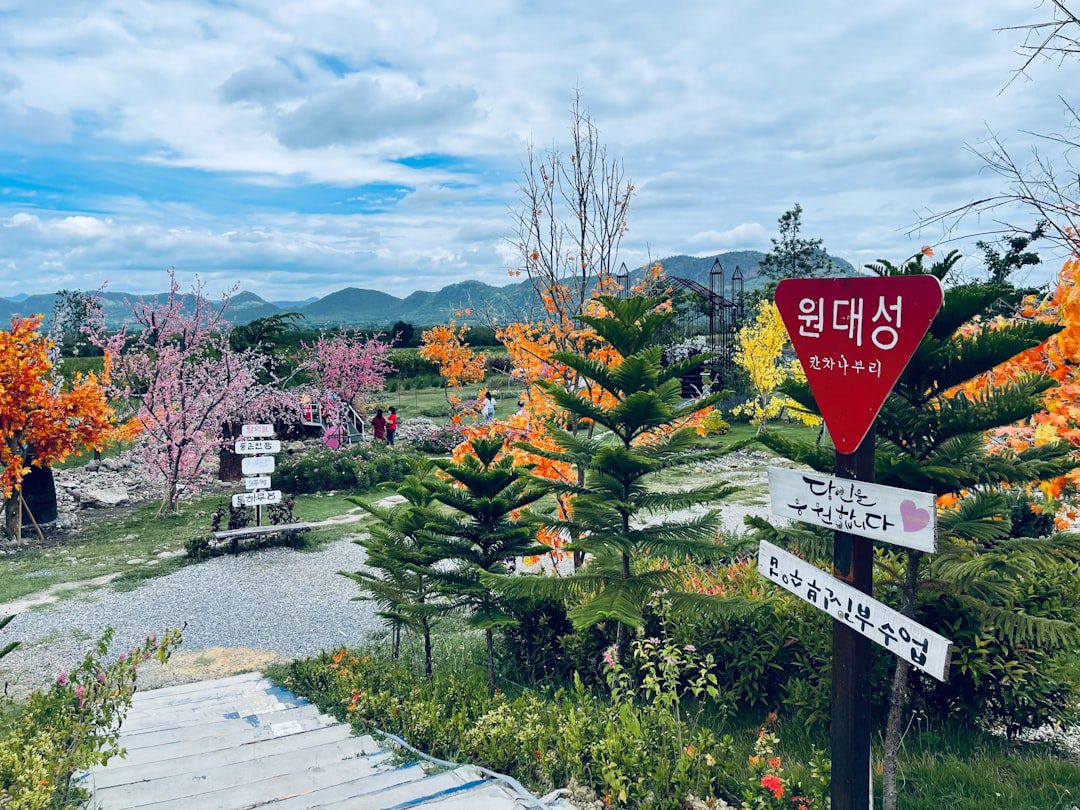
I’ll never forget my first Korean autumn. I was sitting in a cramped goshiwon in Hongdae in 1989, buried in textbooks, when my language exchange partner practically dragged me out one October afternoon. “You’re missing it,” she said. We took the subway to Bukhansan, and I climbed maybe two kilometers before I had to sit down on a rock—completely breathless, not just from the altitude. The entire valley below us was literally on fire. Reds bleeding into oranges, golds melting into browns, with little pockets of green still clinging to the ridges. I sat there for three hours. I didn’t even know what I was looking at, really, but I knew I’d never seen anything like it in Connecticut.
That day changed everything about how I saw Korea. I realized that autumn here isn’t just a season—it’s a national obsession, a collective moment when every Korean makes the same pilgrimage to the mountains and temples. Now, 35 years later, I’ve probably chased that autumn feeling 100 times, and I’ve learned exactly when and where to find the best views without getting trampled by a million other people doing the same thing.
Here’s everything you need to know about experiencing Korean autumn like someone who actually lives here.
Understanding Korean Autumn: The Color Wave Timeline
Korea’s autumn doesn’t arrive all at once—it cascades down from the mountains like a slow-motion landslide. The color change follows latitude and elevation so predictably that Korean weather services actually publish a “foliage forecast” (단풍 예보) every year, with color-change percentages and peak dates.
The process works like this: In mid-September, the highest peaks in the far north (around Seoraksan) start turning. By late October, the colors reach Seoul. By mid-November, even the lower elevations in the south are showing color. This creates a three-month window where you can chase autumn essentially moving south across the peninsula—but the window is also why every other person in Korea is doing the exact same hike at the exact same time.
Ted’s tip: Most tourists think peak foliage is one moment in time. It’s not. It’s a rolling wave. If you arrive in Seoul in mid-October and find the trees still green, you haven’t missed it—you’ve just arrived too early. The colors are literally on their way down the mountains toward you.
| Region | Typical Peak Dates | Elevation Factor | Color Type |
|---|---|---|---|
| Far North Mountains (Seoraksan) | Sept 20 – Oct 5 | Highest peaks first | Deep red, crimson |
| Central Mountains (Bukhansan, Sambulsa) | Oct 15 – Nov 5 | Mid-elevation zones | Red, orange, gold |
| Seoul Urban Parks | Oct 25 – Nov 10 | Lowest elevation | Gold, amber, bronze |
| Southern Regions (Jirisan, Busan) | Nov 1 – Nov 20 | Lower, warmer elevations | Muted oranges, browns |
The color wave happens because temperature drops about 1°C for every 100 meters of elevation. Trees at 1,500 meters start changing in September when it’s still warm at sea level. This is why the same tree species turns color at completely different times depending on where you are.
The Absolute Best Mountain Hikes for Fall Colors
Seoraksan National Park: The Gold Standard
If I had to pick one mountain for autumn foliage, it would be Seoraksan. Every single time. It’s only about 90 minutes from Seoul by bus, but the colors there are absolutely supernatural—like someone photoshopped reality. The reason is simple: it’s the third-highest mountain in Korea (1,708 meters), and it gets cold fast, which locks in vibrant colors instead of that dull brown everything turns after the first hard freeze.
Peak foliage at Seoraksan is typically October 15-25, but that also means it’s absolutely packed. The parking lots fill up by 8 AM. The trail to Gwongeumseong (권금성) is the most popular route—a 4-hour round trip that passes through Ojakgil, a narrow ridgeline where you’re literally surrounded by color on both sides. The views at Gwongeumseong peak are genuinely worth the crowd, but you’ll be sharing the trail with maybe 3,000 other people.
Ted’s tip: Arrive at Seoraksan before 7 AM or visit on a weekday in mid-October. If you go on an October weekend between the 15th-25th, expect 30-minute traffic jams just to reach the parking lot. Also, the cable car (케이블카) up Seoraksan saves time but costs ₩9,000 and creates more crowds. I usually hike up, take the cable car down.
| Seoraksan Details | Info |
|---|---|
| Location | Sokcho, Gangwon Province (강원도 속초) |
| How to Get There | Bus from Seoul Express Bus Terminal (3 hours, ₩20,000-25,000) |
| Peak Foliage | Oct 15-25 (2-3 week window) |
| Best Trail | Gwongeumseong (권금성) – 4 hours round trip |
| Entrance Fee | ₩3,500 |
| Cable Car Cost | ₩9,000 one-way |
| Difficulty Level | Moderate to Difficult |
Bukhansan National Park: Seoul’s Secret
You don’t need to leave Seoul. Bukhansan, which wraps around the northern edge of the city, offers fall colors that are almost as stunning as Seoraksan, but with a fraction of the crowds if you know where to go. Most tourists hike to Baegundae (백운대), the highest peak, which is fine but crowded. I prefer the Bukhansanseong (북한산성) trail, which is less famous and offers equally stunning views with maybe 20% of the people.
What I love about Bukhansan in autumn is that you can be immersed in mountain colors and then, when you come down, you’re literally 20 minutes from a convenience store and the subway. Peak colors here are usually October 20-November 5, which is a little later than the far northern mountains.
Ted’s tip: Take Line 3 to Gupabal Station (구파발역), exit 1. From there, it’s a 10-minute walk to the Bukhansanseong entrance. Parking fills up fast on weekends, but you can avoid car traffic entirely with the subway. Bring snacks—there are no shops on the mountain.
| Bukhansan Details | Info |
|---|---|
| Location | North Seoul (서울 강북구) |
| How to Get There | Subway Line 3 to Gupabal (구파발), Exit 1 |
| Peak Foliage | Oct 20 – Nov 5 |
| Best Trail for Colors | Bukhansanseong (북한산성) – 3-4 hours |
| Entrance Fee | Free |
| Difficulty Level | Moderate |
Jirisan National Park: South Korea’s Masterpiece
Jirisan is South Korea’s oldest national park and the second-highest mountain in Korea (1,915 meters). If you have time to venture south, the colors here are often more spectacular than Seoraksan because the park is massive and spread out—fewer crowds per square kilometer of incredible scenery. The Cheonwangbong (천왕봉) trail is a full-day trek, but the peak views are genuinely transcendent.
Peak colors at Jirisan are typically November 1-20, which means if you’re visiting Seoul in late October and miss the peaks there, you can take a KTX to Gurye and chase the colors south. It’s a strategy I’ve used many times.
| Jirisan Details | Info |
|---|---|
| Location | Gurye, South Jeolla Province (전라남도 구례) |
| How to Get There | KTX to Gurye Station (2.5 hours from Seoul, ₩25,000-35,000) |
| Peak Foliage | Nov 1-20 |
| Best Trail | Cheonwangbong (천왕봉) – Full day hike |
| Entrance Fee | ₩3,500 |
| Difficulty Level | Difficult |
Temple and Temple Grounds: Foliage With Spiritual Atmosphere
Some of my favorite autumn foliage moments haven’t been on mountains—they’ve been in temples. Korea’s Buddhist temples are nestled in valleys and forest pockets, and the combination of ancient architecture, prayer bells, and burning leaves is genuinely something you can’t get anywhere else in the world.
Bulguksa Temple (불국사)
Bulguksa, near Gyeongju, is one of Korea’s most important Buddhist temples—it’s literally a UNESCO World Heritage site. But most people visit in spring for cherry blossoms or summer for the cool temple grounds. Autumn is actually peak, and it’s incredible. The stonework (which is 1,300 years old) glows different colors depending on how the autumn light hits it, and the maple trees in the temple courtyard turn this deep burgundy that looks photoshopped.
Peak colors at Bulguksa are October 25-November 10. If you’re interested in combining foliage with cultural experience, I’d also recommend staying at the temple for a night—they offer temple stay experiences where you can wake up early and watch the mist rise through the autumn-colored trees.
| Bulguksa Details | Info |
|---|---|
| Location | Gyeongju, North Gyeongsang Province (경주) |
| How to Get There | KTX + Bus (3 hours from Seoul, ₩35,000-40,000 total) |
| Peak Foliage | Oct 25 – Nov 10 |
| Entrance Fee | ₩12,000 |
| Temple Stay Available | Yes (₩60,000-80,000/night) |
Seoamsa Temple (서암사)
Seoamsa is a smaller, quieter temple in Seoraksan area. Because it’s in the mountains, the colors peak a bit earlier than lowland temples (usually October 10-25), and because it’s less famous than Bulguksa, it’s also way less crowded. The temple is built into a rock face, and in autumn, you’re essentially walking through a tunnel of red and gold leaves.
Ted’s tip: If you’re going to Seoraksan, add Seoamsa to your itinerary. It’s about a 45-minute drive from the main Seoraksan entrance, but the peace and quiet compared to the main mountain trails is worth the detour.
Urban Autumn: Parks and River Walks in Seoul
Not everyone wants to hike for 5 hours. Some people, especially those visiting with elderly family members or young kids, just want to experience autumn foliage without the physical intensity. Good news: Seoul itself has gorgeous autumn colors in parks and along river paths.
Namsan Park (남산공원)
Namsan is literally in central Seoul, surrounded by Namsan Tower and Myeongdong. It’s not a wild mountain experience—but the maple trees along the Namsan Circuit Trail (남산둘레길) are stunning in November, and you can do a 30-minute leisurely walk that feels like you’ve escaped the city entirely. Peak colors are usually November 1-15.
Cheonggyecheon (청계천)
This restored stream runs through downtown Seoul for 10 kilometers. The trees along the water turn golden in late October/early November. It’s perfect for a casual stroll, and you’re walking through autumn while surrounded by the city. Many locals specifically time their walks for this period.
Yeouido Park (여의도공원)
The massive ginkgo trees (은행나무) along Yeouido Park’s promenade turn this brilliant buttery gold in November. It’s become almost a festival—Instagram content creation central. But the colors are genuinely beautiful, and you can walk from the park to nearby cafes and restaurants. Peak colors: November 5-20.
| Urban Foliage Spots | Best Time | Subway Access | Walk Duration |
|---|---|---|---|
| Namsan Park | Nov 1-15 | Line 3/6 to Chungmuro | 30-60 min |
| Cheonggyecheon | Oct 25 – Nov 15 | Multiple access points | 30-120 min |
| Yeouido Park | Nov 5-20 | Line 5 to Yeouido | 30-90 min |
What to Wear and How to Prepare for Autumn Hiking
Korean autumn can be deceptive. It looks beautiful from a Seoul apartment window, but mountain weather in October and November requires actual preparation. I’ve seen tourists in t-shirts shivering at Seoraksan’s peaks at 10 AM, then sweating during the hike down. The temperature swing is real.
Layering Strategy
The golden rule for Korean mountain hiking in fall: three layers. Base layer (moisture-wicking), insulating layer (fleece or light down), and windproof outer layer. In October, even at 1,000-meter elevation, you might need gloves and a hat at sunrise. By midday, you’ll be shedding layers. This is why good quality hiking gear matters more than most people think.
Footwear
Autumn in Korean mountains means leaves covering rocky, uneven terrain. Good hiking boots with ankle support are genuinely important. I’ve seen countless tourists slip on wet leaves in regular sneakers. The forest floor gets slippery, especially near streams. Waterproof hiking boots are ideal.
| Item | Why It Matters | Budget Option |
|---|---|---|
| Waterproof Hiking Boots | Leaves hide slippery terrain | ₩80,000-120,000 at Decathlon |
| Base Layer Shirt | Wicks sweat as you hike | ₩30,000-50,000 |
| Light Down Jacket | Packable warmth for peaks | ₩50,000-80,000 |
| Wind Jacket | Protection from peak winds | ₩40,000-60,000 |
| Hat + Gloves | Early morning wind | ₩15,000-30,000 |
If you didn’t bring hiking gear, you can buy basics at any GS25 or CU convenience store, but quality is limited. Better option: Decathlon Korea (has stores in Gangnam, Dongdaemun, Incheon) sells proper hiking gear at reasonable prices. A full outfit will run you ₩150,000-200,000.
Timing Your Trip: The Weather Window
Here’s what I’ve learned about Korean autumn weather after 35 years: it’s not just about color—it’s about temperature swings, typhoons, and the early winter wind.
September: Too Early for Most
September foliage is real, but it’s only at the highest elevations (1,400+ meters). Seoraksan’s upper peaks might show some color by late September, but most of Korea is still green and hot. Temperatures are 18-25°C at lower elevations, which is nice for hiking but not ideal for stunning reds and golds. September is my recommendation if you want fewer crowds and don’t mind missing peak color.
October: The Peak Window
October 10-November 10 is the sweet spot for foliage across Korea. Early October (1st-15th) is best for northern/high-elevation spots. Mid-October (15th-25th) is when Seoul and central mountains peak. Late October into early November is best for southern regions. Temperatures drop from 15-20°C at the start of October to 5-10°C by early November. This temperature range locks in vibrant colors and makes for comfortable hiking.
Ted’s tip: October weekdays are always better than weekends if you can swing it. The difference between a Thursday and a Saturday on a popular mountain trail is the difference between enjoying hiking and standing in a human traffic jam.
November: Beautiful But Unpredictable
November brings stunning colors to lower elevations and southern Korea, but it’s also when the color window closes fast. A single cold snap or early snowfall can kill colors overnight. Also, daylight hours get very short—by November 15, sunset is around 4:30 PM. If you’re hiking a 4-hour trail, you need to start by 11 AM to finish before dark.
Practical Tips for Autumn Foliage Chasing
Booking Accommodation
Peak foliage season (October 15-November 10) is when hotels and guesthouses near popular mountains jack up prices and get fully booked. If you’re hiking Seoraksan, booking lodging in Sokcho a week in advance is mandatory. Similarly, if you’re doing Jirisan, book in Gurye ahead of time.
My strategy: stay in Seoul or a city with good transit connections, then day-trip to the mountains. This is cheaper and gives you more flexibility. For example, stay in Seoul, take a 7:30 AM bus to Seoraksan, hike all day, take a 5:30 PM bus back to Seoul. You’ll be tired but save ₩60,000 on lodging.
Checking Official Color Forecasts
Korea’s National Park Service publishes weekly foliage forecasts at knps.or.kr. It’s in Korean, but you can use Google Translate. They show percentage color change for each major mountain. This is genuinely useful for timing your trip.
Photography Considerations
If you’re planning to take serious photos, start your hike before sunrise. The soft morning light on wet leaves creates magical colors. Also, rainy mornings before clear afternoons are actually ideal—the moisture makes colors pop. Don’t avoid rainy days during foliage season; instead, embrace them.
Ted’s tip: Bring a microfiber cloth for your camera/phone lens. The mist and moisture play havoc with optics, but a microfiber cloth takes 30 seconds to clean and restores clarity immediately.
Hydration and Snacks
Mountain water sources dry up in autumn. Bring a full water bottle (2-3 liters). Convenience stores near major mountains (like at Seoraksan’s entrance) are stocked with gimbap (₩5,000-7,000) and drinks (₩2,000-3,000), so you can grab snacks before heading up.
| Pre-Hike Essentials | Typical Cost |
|---|---|
| Water (2L bottle from GS25) | ₩2,500 |
| Gimbap/Kimbap (rice roll) | ₩5,000-7,000 |
| Banana or energy bar | ₩2,000-3,000 |
| Sunscreen | ₩8,000-15,000 |
| Basic first aid kit | ₩10,000 |
After the Hike: Local Restaurants and Thermal Baths
One of my favorite autumn traditions is what comes after the hike. Your legs are tired, you’re covered in leaf dust, and there’s a restaurant 10 minutes from the mountain trailhead serving the best Korean comfort food of your life.
Post-Hike Korean Comfort Food
Near Seoraksan, you’ll find restaurants specializing in dakgangjeong (닭강정)—crispy Korean fried chicken with sweet and spicy sauce. After 5 hours on a mountain, this hits different. Cost: ₩12,000-15,000 per plate.
Near Bukhansan, stop at a tteokbokki (떡볶이) restaurant. It’s cheap (₩6,000-8,000), filling, and perfect post-hike comfort food.
Jjimjilbang (찜질방) Recovery
Here’s what I do after a major autumn hike: find the nearest jjimjilbang (Korean spa/sauna facility) and soak in a hot bath. Your muscles will thank you. Most jjimjilbangs cost ₩8,000-12,000 for entry and include access to different temperature baths, saunas, and resting areas. Many are open 24 hours. For more details, see our jjimjilbang guide.
Frequently Asked Questions
When is the absolute best week for Korean autumn foliage?
There’s no single “best week” because Korea’s foliage peaks at different times depending on location and elevation. That said, October 20-November 5 is the window when the most accessible areas (Bukhansan, Seoul parks, central mountains) are simultaneously at or near peak color. If you can only visit one week, make it that week. You’ll guarantee seeing good foliage somewhere in Korea.
Is early October worth visiting for foliage?
Early October (1st-15th) is excellent for high-elevation mountains like Seoraksan’s upper peaks. The colors are legitimate and the crowds are much smaller. You won’t see the iconic deep reds and golds you see in late October, but you’ll still see beautiful oranges and reds, and you’ll have a more peaceful hiking experience. If fewer crowds matter to you as much as peak color, go early.
Can I see foliage in Seoul without hiking mountains?
Absolutely. Urban parks like Namsan, Cheonggyecheon, and Yeouido offer beautiful autumn foliage without serious hiking. Peak colors in these locations are typically November 1-20. You can experience genuine Korean autumn colors with 30-90 minutes of easy walking.
What happens if I visit and the trees aren’t colored yet?
Then you’re visiting too early for that location. The color wave moves south and downward, so if Seoul’s trees are still green, the colors are literally in the mountains north of you or at higher elevations. You have two options: either day-trip to those areas, or come back a week later when colors reach your current location. This is actually why foliage season lasts three months—the window is huge if you’re flexible.
Is it expensive to visit during foliage season?
Accommodation and flights can be pricier during peak season (Oct 15-Nov 10), but actual foliage experiences are cheap. Mountain entrance fees are ₩3,000-12,000. A full day of hiking costs maybe ₩30,000-40,000 (food, transportation, entrance fees). If you stay in Seoul and day-trip, it’s very affordable. If you book lodging near mountains during peak season, expect to pay 20-30% more than normal rates.
What if I’m not a serious hiker?
Korean autumn foliage isn’t only for serious hikers. Urban parks (Namsan, Cheonggyecheon, Yeouido) offer beautiful colors with minimal walking. Temple grounds like Bulguksa are designed for leisurely strolls. Even modest 30-minute walks show you stunning colors. You don’t need to summit 1,500-meter peaks to experience autumn in Korea.
Should I hire a guide for mountain hiking?
For well-marked trails like Seoraksan’s main routes, guides aren’t necessary. Trail signage in Korean and English is clear. However, if you’re doing more remote trails or want cultural context about the landscape, hiring a local guide (₩100,000-150,000 per person for a small group) enhances the experience. Many tourism offices in Seoul can arrange guides with a few days’ notice.
Can I see autumn foliage and do other activities at the same time?
Definitely. Many foliage destinations are part of bigger tourism areas. Seoraksan is near charming Sokcho with seafood restaurants and coastal views. Bulguksa temple is in Gyeongju, which has historical sites and museums. Jirisan hiking can be combined with southern Korea exploration. You don’t have to make foliage your only activity—it’s often part of a larger trip.
Final Thoughts
I still remember that first October afternoon in 1989 at Bukhansan, sitting on that rock, overwhelmed by colors I didn’t even have names for. Thirty-five years later, I’ve hiked every major mountain in Korea during autumn, visited temples and parks, dragged friends and family through early morning cold to catch the peak moments. And you know what? The feeling hasn’t faded. Korean autumn still moves me the same way.
What makes it special isn’t just the colors themselves. It’s that for one three-month window, the entire country synchronizes around the same natural phenomenon. Hiking a Korean mountain in October means you’re part of something bigger than yourself—a collective experience shared with thousands of other hikers chasing the same light, the same colors, the same moment.
So yes, it’s crowded. Yes, you’ll need to plan ahead. Yes, you might get rained on or misjudge the timing. But if you get it right—if you hit that window when the colors are perfect and you’re there to see them—you’ll understand why Koreans have been writing poems about their own autumn foliage for 2,000 years.
Bring good hiking boots. Check the foliage forecast. Arrive early on weekday mornings. And let yourself get lost in the colors for a while.
— Ted K
Image Credits: Photos sourced from Unsplash. By using this site, you agree to our Privacy Policy and Disclaimer.