I’ll never forget the first time a Korean colleague saw my morning skincare routine back in 1989. I was washing my face with bar soap and splashing cold water on it—done in 30 seconds flat. She looked genuinely concerned, like I’d just told her I was planning to drive the wrong way down the Han River Expressway.
“Ted, your skin is suffering,” she said, shaking her head. That conversation changed everything. Over 35 years, I’ve gone from soap-and-water guy to someone who understands why Korean women—and men—spend serious time and money on their skin. The 10-step Korean skincare routine isn’t vanity. It’s prevention, hydration, and genuine care layered into a ritual that makes sense when you live in Seoul’s pollution and humidity.
Visiting tourists often ask me why Korean skin looks so good. The answer isn’t genetics alone—it’s methodology. Korea’s skincare approach is meticulous, step-by-step, and genuinely transformative. If you’re planning to spend time in Korea, understanding and actually trying the 10-step routine will change how your skin feels, looks, and functions. Here’s everything you need to know to master it.
Why Korea’s Skincare Philosophy Is Different
Before we dive into the 10 steps, you need to understand the philosophy behind Korean skincare. It’s not the same as Western skincare, which often focuses on problem-solving—acne, wrinkles, dark spots. Korean skincare is preventative. It’s about maintaining healthy skin before problems arise, layering hydration, and building a protective barrier against environmental damage.
This approach became clear to me during my first Seoul winter. The air was dry, my skin felt tight, and I was struggling. A Korean friend took me to her dermatologist, and the doctor didn’t prescribe anything. Instead, she gave me a skincare routine and told me to follow it exactly. Within two weeks, my skin transformed. I wasn’t treating a problem—I was preventing one and nourishing my skin at a cellular level.
Ted’s tip: Korean skincare works best when you commit to consistency. Skip steps, and you’ll miss results. The routine takes 10–15 minutes at night and 5–7 minutes in the morning, but your skin will thank you. Many tourists skip steps to save time, then wonder why their skin isn’t glowing like they see in K-dramas.
The Korean approach is also based on the concept of “skin barrier health.” Koreans believe that a healthy skin barrier (the outer layer that protects skin) is the foundation of all beauty. Everything in the 10-step routine builds and protects that barrier. This is why even young Korean people in their 20s follow rigorous skincare—they’re preventing damage, not reacting to it.
The 10-Step Korean Skincare Routine Explained
Step 1: Oil Cleanser (First Cleanse)
The 10-step routine actually starts with two cleansing steps—this is essential because Korean skincare works on the principle that you must fully remove makeup, sunscreen, and pollution before you can treat your skin.
The oil cleanser (often called an oil cleanser or cleansing oil) dissolves makeup and oil-soluble dirt. You massage it onto dry skin for about 30 seconds, add a tiny bit of water to emulsify it (turning it milky), and then rinse thoroughly. This step seems counterintuitive if you’ve grown up with the idea that oil causes acne, but it’s the opposite. Oil dissolves oil in a predictable way that water-based cleansers can’t.
Popular oil cleansers in Korea include:
- Banila Co. Clean It Zero — ₩15,000–₩18,000 (feels like a solid balm, turns liquid when warmed)
- DHC Deep Cleansing Oil — ₩20,000–₩25,000 (lightweight, widely available)
- The Face Shop Rice Bran Cleansing Oil — ₩12,000–₩14,000 (budget-friendly, popular)
You’ll find these at any Olive Young, Yesstyle, or convenience store. Don’t skip this step—it’s why Korean skin is so clear despite Seoul’s heavy pollution and humidity.
Step 2: Water-Based Cleanser (Second Cleanse)
After rinsing the oil cleanser, follow with a water-based cleanser (usually a gentle foam or gel) to remove any remaining oil cleanser residue and water-soluble impurities like sweat and salt.
Apply to a wet face, work into a lather, and rinse thoroughly. This second cleanse is crucial in Korea because of how humid and polluted Seoul’s air is. Your skin accumulates a lot during the day—even if you don’t wear makeup, the combination of humidity, pollution, and sweat needs two-step cleansing.
Popular water-based cleansers:
- COSRX Low pH Good Morning Cleanser — ₩9,000–₩11,000
- CeraVe Hydrating Facial Cleanser — ₩15,000–₩18,000
- Purito Deep Sea Pure Water Cream Cleansing Foam — ₩8,000–₩10,000
Step 3: Exfoliant (2–3 Times Per Week)
This step isn’t done every day—usually 2–3 times per week maximum. Exfoliation removes dead skin cells and allows subsequent products to penetrate more effectively. Koreans typically use either a chemical exfoliant (AHAs, BHAs) or a gentle physical exfoliant.
I recommend chemical exfoliants for tourists because they’re gentler and more forgiving than physical scrubs. A BHA (beta hydroxy acid) like salicylic acid works on oily, acne-prone skin. An AHA (alpha hydroxy acid) like glycolic acid works on dry or mature skin.
Ted’s tip: If you’re introducing exfoliation to your routine for the first time, start once per week. Koreans are exfoliation fanatics, but you need to build tolerance, especially if your skin isn’t used to it.
Popular exfoliants:
- COSRX BHA Blackhead Power Liquid — ₩8,000–₩10,000
- COSRX AHA/BHA Clarifying Treatment Toner — ₩9,000–₩11,000
- Some By Mi AHA BHA PHA 30 Days Miracle Serum — ₩12,000–₩14,000
Step 4: Toner or Essence
This is where Korean skincare diverges sharply from Western skincare. Toners in Korea are nothing like the astringent toners you might know from the West. Korean toners are hydrating, pH-balancing liquids that prepare skin to absorb the treatments that come next.
You pour toner into your palm, gently press it into your skin, and let it absorb. Some people apply toner with a cotton pad, but many Koreans prefer hands for better absorption. The toner’s job is to hydrate and balance pH after cleansing.
Ted’s tip: This step feels redundant if you’re new to Korean skincare, but don’t skip it. The toner preps your skin to receive serums and essences more effectively. Think of it like priming a wall before painting.
Popular toners and essences:
- Isntree Hyaluronic Toner Plus — ₩8,000–₩10,000 (hydrating, lightweight)
- Purito Deep Sea Pure Water Toner — ₩7,000–₩9,000
- Benton Aloe BHA Skin Toner — ₩6,000–₩8,000
Step 5: Essence
An essence is thicker than a toner but lighter than a serum. It’s highly concentrated with active ingredients—hyaluronic acid, peptides, niacinamide—and provides a boost of hydration and treatment. Apply like a toner: pour into your palm, press gently into skin.
The essence step is distinctly Korean. I didn’t understand it when I first arrived in Korea, but it’s become non-negotiable in my routine. An essence does the heavy lifting between your lightweight hydrating toner and your targeted serums.
Popular essences:
- COSRX Advanced Snail 96 Mucin Power Essence — ₩9,000–₩11,000 (this is a Korean skincare icon)
- Isntree Hyaluronic Plus Essence — ₩10,000–₩12,000
- Benton Toner Plus — ₩8,000–₩10,000
Step 6: Serum or Ampoule
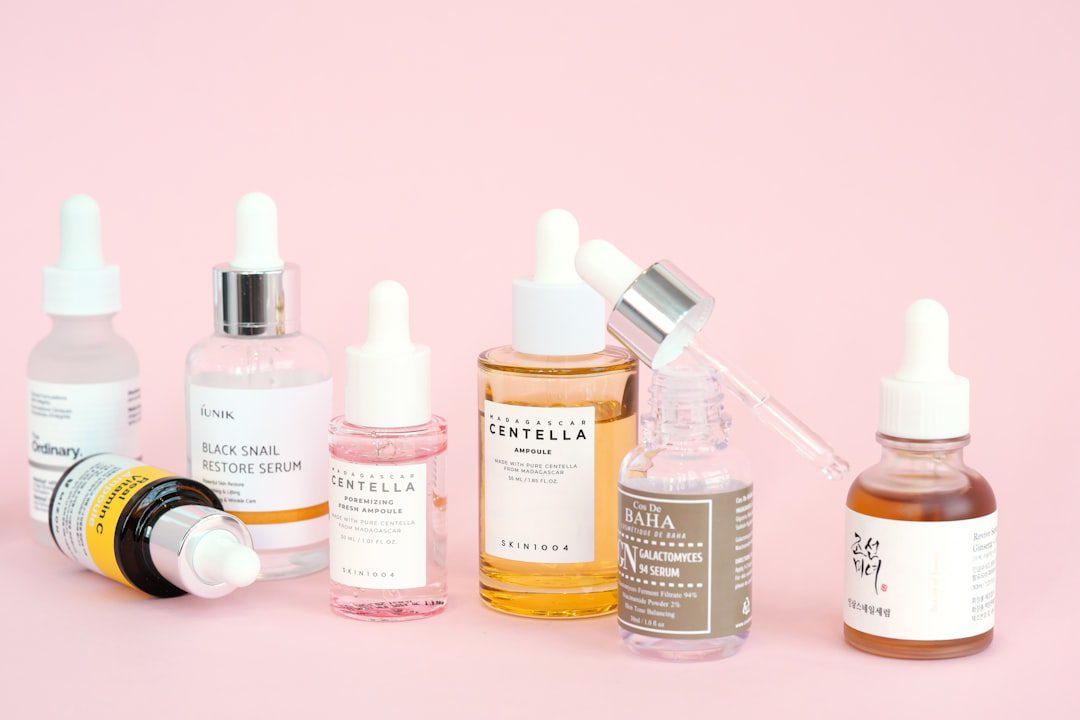
Serums are highly concentrated treatments targeting specific concerns—brightening, anti-aging, acne, sensitivity. An ampoule is similar but usually even more concentrated. Use a dropper to apply a few drops, patting gently into skin.
This is where you customize the routine based on your skin’s needs. If you have dull skin, use a vitamin C serum. If you have wrinkles, use a peptide serum. If you have acne, use a niacinamide serum.
Popular serums and ampoules:
- COSRX Hydrium Watery Toner Plus — ₩9,000–₩11,000
- Purito Deep Sea Pure Watery Toner — ₩7,000–₩9,000
- Some By Mi Snail Truecica Miracle Repair Serum — ₩10,000–₩12,000
- Isntree Vitamin Hyaluronic Serum — ₩12,000–₩15,000
Step 7: Sheet Mask (2–3 Times Per Week)
Sheet masks are a Korean beauty staple, and they’re more than just fun—they’re genuinely effective. A sheet mask delivers concentrated serum directly to your skin for 10–20 minutes. Koreans use them religiously, especially after flights, during dry seasons, or before important events.
Apply a sheet mask after your serum, leave it on for 10–20 minutes, and then pat the remaining serum into your skin instead of rinsing it off. You don’t need to do this every day—2–3 times per week is ideal—but if your skin feels dry or stressed, daily sheet masking is acceptable.
Ted’s tip: Korean sheet masks are incredibly cheap compared to Western equivalents. A single sheet mask costs ₩500–₩3,000 depending on the brand. Buying them in bulk makes sense if you’re staying in Korea for more than a week. Visit Olive Young and grab a handful.
Popular sheet masks:
- Mediheal Advanced Night Repair Tightening Mask — ₩2,000–₩2,500
- Etude House 0.2mm Therapy Air Mask — ₩1,500–₩2,000
- SNP Bird’s Nest Aqua Collagen Mask — ₩1,200–₩1,500
- Purito Deep Sea Pure Water Mask — ₩1,500–₩2,000
Step 8: Eye Cream
The skin around your eyes is thinner and more delicate than the rest of your face. An eye cream is a rich, specialized treatment for this area. Use your ring finger (which applies the least pressure) to gently tap eye cream around the orbital bone. Don’t drag—tap and let it absorb.
Eye cream addresses fine lines, dark circles, and puffiness. If you’re spending a lot of time in Seoul and dealing with stress, pollution, and flights, your eyes need extra care.
Popular eye creams:
- COSRX Advanced Snail Eye Cream — ₩9,000–₩11,000
- Etude House Collagen Eye Patch — ₩12,000–₩15,000
- Purito Deep Sea Pure Watery Eye Cream — ₩8,000–₩10,000
Step 9: Moisturizer
After all those hydrating layers, a moisturizer seals everything in. Korean moisturizers are often lightweight and absorb quickly rather than sitting heavy on the skin. Even people with oily skin use a moisturizer in Korea because the ingredients are usually non-comedogenic.
Apply a pea-sized amount to your face, patting gently. Your skin should feel plump and hydrated but not greasy. If you’re visiting during winter, you might need a richer moisturizer. In summer, a lightweight gel moisturizer works better.
Popular moisturizers:
- COSRX Hydrium Watery Toner Plus — ₩9,000–₩11,000
- Isntree Hyaluronic Toner Plus — ₩8,000–₩10,000
- Purito Deep Sea Pure Watery Cream — ₩12,000–₩14,000
- Benton Aloe BHA Skin Toner — ₩6,000–₩8,000
Step 10: Sleeping Mask (Nighttime Only)
A sleeping mask (or overnight mask) is an intensive treatment that sits on your skin while you sleep, providing deep hydration and repair. It’s richer than a moisturizer and acts as an occlusive barrier, trapping all the products you’ve applied underneath. Apply a thin layer as the final step before bed.
Sleeping masks are Korean beauty gold. I use one every night, and my skin is noticeably better when I do. They’re especially helpful if you’re dealing with dry climate, pollution exposure, or jet lag.
Popular sleeping masks:
- COSRX Advanced Snail 96 Mucin Power Essence Sleeping Mask — ₩12,000–₩15,000
- Purito Deep Sea Pure Water Sleeping Cream — ₩14,000–₩16,000
- Isntree Hyaluronic Sleeping Mask — ₩10,000–₩12,000
Morning vs. Night Routine: What Changes?
The 10-step routine I’ve outlined is primarily a nighttime routine. Your morning routine is simpler because you don’t need to do heavy cleansing or deep treatments when you’ve just woken up.
| Step | Night Routine | Morning Routine |
|---|---|---|
| 1. Cleanse | Oil cleanser + water cleanser | Gentle water cleanser or splash |
| 2. Exfoliate | 2–3 times/week | Not applicable |
| 3. Toner | Yes | Yes |
| 4. Essence | Yes | Optional |
| 5. Serum | Yes | Optional |
| 6. Sheet Mask | 2–3 times/week | Not typically |
| 7. Eye Cream | Yes | Yes |
| 8. Moisturizer | Yes | Yes |
| 9. Sunscreen | Not applicable | Yes (last step) |
| 10. Sleeping Mask | Yes | Not applicable |
The critical addition to the morning routine is sunscreen. Sunscreen is non-negotiable in Korea. Korean dermatologists will tell you that sunscreen is the most important step for preventing aging and damage. Apply it last, after your moisturizer, and use at least SPF 30. Reapply every two hours if you’re outdoors.
Ted’s tip: Korean sunscreens are the best in the world. They’re lightweight, cosmetically elegant, and actually protect. Popular options include Purito Comfy Water Sun Block (₩12,000–₩14,000) and Isntree Hyaluronic Sunscreen Plus (₩10,000–₩12,000). Buy sunscreen in Korea—you won’t find better.
Where to Buy Korean Skincare in Seoul
If you’re visiting Seoul, you have multiple options for buying Korean skincare products. Prices vary slightly by location, but here’s what you need to know:
Olive Young
Olive Young is Korea’s largest beauty and drugstore chain, and it’s everywhere. There are over 500 locations across Seoul, and they’re open late (many until midnight or 1 a.m.). You’ll find every major Korean skincare brand here at competitive prices. The staff doesn’t speak much English, but the prices are clearly marked.
Locations: Check their app (Olive Young) for the nearest store. Most are in subway stations or shopping districts like Myeongdong, Gangnam, and Hongdae.
Hours: Typically 10 a.m.–midnight, some later
Ted’s tip: Olive Young has an app that offers loyalty points and coupons. Download it before you arrive if possible.
Yesstyle and Stylevana
These are online Korean beauty retailers with physical pop-up stores occasionally appearing in Seoul. They offer better international shipping if you want to order before or after your trip. Both have excellent product ranges and English-language websites.
CVS Pharmacies (GS25, CU, Emart24)
Every convenience store in Seoul has a basic skincare section. Prices are slightly higher than Olive Young, but availability is unbeatable. You can literally buy sheet masks and moisturizers at 3 a.m. if needed. Popular brands are stocked everywhere: COSRX, Purito, Isntree, Some By Mi.
Department Store Beauty Counters
High-end Korean brands like Sulwhasoo, Hera, and Amorepacific have department store counters at Lotte, Hyundai, and Shinsegae department stores. These are more expensive but offer expert consultation and sampling.
Online: Coupang and Naver Shopping
If you’re staying long-term, download Coupang (Korea’s Amazon equivalent). You can order skincare with same-day delivery. However, as a tourist with limited time, Olive Young is more practical.
Budget Breakdown: How Much Will This Cost You?
One question tourists always ask: is the Korean 10-step routine actually affordable? The answer is yes, especially compared to Western skincare. Here’s a realistic breakdown:
| Step | Budget Option | Mid-Range Option | Premium Option |
|---|---|---|---|
| Oil Cleanser | ₩10,000 | ₩15,000 | ₩25,000 |
| Water Cleanser | ₩7,000 | ₩10,000 | ₩18,000 |
| Exfoliant | ₩6,000 | ₩10,000 | ₩20,000 |
| Toner | ₩6,000 | ₩9,000 | ₩20,000 |
| Essence | ₩8,000 | ₩11,000 | ₩25,000 |
| Serum | ₩8,000 | ₩12,000 | ₩30,000 |
| Sheet Masks (10) | ₩12,000 | ₩20,000 | ₩35,000 |
| Eye Cream | ₩8,000 | ₩10,000 | ₩25,000 |
| Moisturizer | ₩8,000 | ₩12,000 | ₩30,000 |
| Sleeping Mask | ₩10,000 | ₩13,000 | ₩28,000 |
| Sunscreen | ₩8,000 | ₩11,000 | ₩25,000 |
| TOTAL | ₩91,000 | ₩133,000 | ₩281,000 |
The budget option costs around ₩91,000 (approximately USD 70) to set up a complete 10-step routine. This gets you legitimate, effective products from brands like Purito, Benton, and COSRX. Mid-range is ₩133,000 (USD 100), which adds some upgraded options. Premium pushes ₩281,000 (USD 210) if you choose luxury Korean brands.
Ted’s tip: If you’re visiting for just a week and don’t want to spend money on a full routine, buy a few sheet masks (₩1,500 each), a good moisturizer (₩10,000), and a sunscreen (₩11,000). That’s ₩22,500 and will noticeably improve your skin by the end of your trip.
Common Mistakes Tourists Make
After 35 years watching visitors attempt Korean skincare, I’ve seen predictable mistakes:
Mistake 1: Skipping the Oil Cleanser
Tourists often think an oil cleanser sounds wrong or unnecessary. They skip it and wonder why their pores feel congested. The oil cleanser removes what water-based cleansers can’t. Trust the process.
Mistake 2: Not Giving Products Time to Work
Korean skincare requires patience. Results take 2–4 weeks. Tourists often buy products, use them for 3 days, and give up when they don’t see immediate results. Consistency is everything.
Mistake 3: Doing the Routine Inconsistently
A tourist will do the 10-step routine at the hotel, then skip it the next night because it’s too much work. The moment you stop, skin barrier health declines. If 10 steps feels overwhelming, simplify: cleanser, toner, moisturizer, sunscreen. Do that consistently instead of overdoing it sporadically.
Mistake 4: Choosing the Wrong Products for Your Skin Type
Just because a product is popular doesn’t mean it’s right for your skin. If you have oily skin, don’t use rich, heavy moisturizers. If you have dry skin, don’t use lightweight gel moisturizers. Visit a Korean beauty counter or consult with a dermatologist to get personalized recommendations.
Mistake 5: Not Sunscreening
I cannot overstate this. Korean dermatologists will tell you sunscreen is more important than all the other steps combined. Every single day. Even on cloudy days in Seoul. UV damage is cumulative and irreversible. Don’t skip this.
Adapting the Routine to Your Skin Type
The 10-step routine is flexible. Here’s how to adjust it based on your skin type:
| Skin Type | Key Adjustments | Product Recommendations |
|---|---|---|
| Oily | Use lightweight formulations. Exfoliate 2–3x/week with BHA. Skip heavy creams. Use gel moisturizers. | COSRX BHA Blackhead Power Liquid, Isntree Toner Plus, lightweight serums |
| Dry | Skip exfoliation or use AHA only once/week. Layer more hydrating products. Use richer moisturizers and sleeping masks. | Purito essence, hydrating serums, rich sleeping masks |
| Combination | Use BHA on oily zones only. Use lighter products on oily areas, richer on dry areas. Balance is key. | Multi-step approach tailored to zones |
| Sensitive | Skip exfoliation entirely. Avoid strong actives. Focus on barrier repair. Use soothing ingredients like cica and snail mucin. | COSRX Snail Mucin, Purito Cica serums, gentle toners |
| Acne-Prone | Use BHA exfoliant 2–3x/week. Include niacinamide serum. Avoid very heavy moisturizers. Use non-comedogenic products. | COSRX BHA, Some By Mi niacinamide serum |
Ted’s tip: If you’re unsure about your skin type, visit a Korean dermatology clinic. A consultation is around ₩50,000–₩80,000, and they’ll give you personalized product recommendations based on skin analysis. It’s worth the investment if you’re planning to establish a long-term routine.
The Investment: Why Korean Skincare Pays Off
I want to be honest: committing to a skincare routine feels like an investment, especially if you’re traveling on a budget. But here’s what 35 years have taught me: investing in your skin now prevents problems and costs later. A skin barrier that’s healthy and hydrated doesn’t develop severe acne, doesn’t wrinkle as quickly, and doesn’t get damaged by pollution and sun.
The Korean approach is preventative. You’re not treating problems—you’re preventing them. That’s why Korean women often have remarkably good skin well into their 40s and 50s. They started early and stayed consistent.
As a tourist, you’re in a unique position: you can “test drive” Korean skincare during your trip. If your skin improves visibly in two weeks, you’ll understand why Koreans are obsessed with skincare. You can then continue the routine at home, buying products online from Yesstyle or YesStyle.
The cost-benefit analysis: ₩133,000 (mid-range setup) provides enough product for 2–3 months. That’s roughly ₩45,000 per month (USD 35). For reference, a single dermatology appointment in most Western countries costs more than this. You’re getting professional-grade, effective skincare at a fraction of the typical price.
Frequently Asked Questions
Do I really need all 10 steps?
No. The 10-step routine is the full Korean approach, but you can simplify. A minimal routine is: cleanser, toner, moisturizer, sunscreen. That’s 4 steps and will still improve your skin significantly. The extra steps (essence, serum, sheet masks, sleeping mask) amplify results but aren’t mandatory.
What’s the difference between essence and serum?
Essence is thinner, more hydrating, and usually focuses on hydration. Serum is thicker, more concentrated, and typically targets specific concerns (brightening, anti-aging, acne). You apply essence first, then serum. Some people use one or the other, not both, depending on their skin needs.
Can I use Western skincare brands instead of Korean ones?
Yes, but you’d be missing out. Korean skincare brands are optimized for the routine and tend to be more affordable. That said, brands like CeraVe, La Roche-Posay, and The Ordinary work fine in a Korean routine. The philosophy is Korean—the brands can be international.
How long before I see results?
Texture and hydration changes are visible in 3–7 days. Significant improvements (clarity, glow, reduced blemishes) appear in 2–4 weeks. Deep changes (reduced fine lines, improved skin firmness) take 4–12 weeks. Consistency is crucial—skip the routine, and improvements reverse.
Is the Korean 10-step routine suitable for men?
Absolutely. The routine addresses fundamental skin health, which is gender-neutral. Korean men follow skincare routines religiously. Products might be adjusted (oily skin might skip some hydrating steps), but the philosophy applies equally.
Can I do the full routine in the morning instead of at night?
The full routine is best at night because skin repairs and regenerates while you sleep. In the morning, you skip exfoliation, heavy serums, and sleeping masks. A light morning routine (cleanser, toner, eye cream, moisturizer, sunscreen) is sufficient. Your nighttime routine is where the heavy lifting happens.
What if my skin reacts badly to products?
Korean skincare is generally gentle, but reactions happen. If you experience redness, itching, or breakouts, stop using the offending product immediately. The most common culprits are exfoliants and actives. Go back to a simplified routine and reintroduce products one at a time. If reactions persist, see a dermatologist.
Should I buy products before my trip or in Korea?
Buy in Korea. Prices are 20–40% cheaper than Western retailers, you can test products before committing, and you don’t pay for international shipping. Plus, the selection is vastly larger. The only exception: if you’re staying less than 3 days, the time spent shopping might not be worth it.
Final Thoughts
When I first arrived in Korea in 1989, I couldn’t fathom why people spent so much time and money on skincare. Now, after 35 years, I’m a believer. The Korean 10-step routine isn’t excessive or vain—it’s sensible skincare backed by science and refined by a culture that values skin health as a foundation of wellness.
The beauty of Korean skincare is its accessibility. You don’t need expensive luxury brands to see results. Budget-friendly options from COSRX, Purito, and Benton are genuinely effective. You don’t need to live in Korea to follow the routine—products are available online worldwide. And you don’t need to commit to all 10 steps—start with 4 or 5 and build from there.
If you’re visiting Korea, I genuinely encourage you to try this routine. Spend a few days at Olive Young, grab some products that match your skin type, and commit to the process for two weeks. Your skin will improve noticeably. Your complexion will glow. You’ll understand why Korean skincare is beloved globally. And when you return home, you’ll have a routine you can maintain and reference whenever you need a skincare reset.
Your skin is your largest organ. It deserves care, consistency, and attention. The Korean 10-step routine provides exactly that.
— Ted K
Image Credits: Photos sourced from Unsplash. By using this site, you agree to our Privacy Policy and Disclaimer.