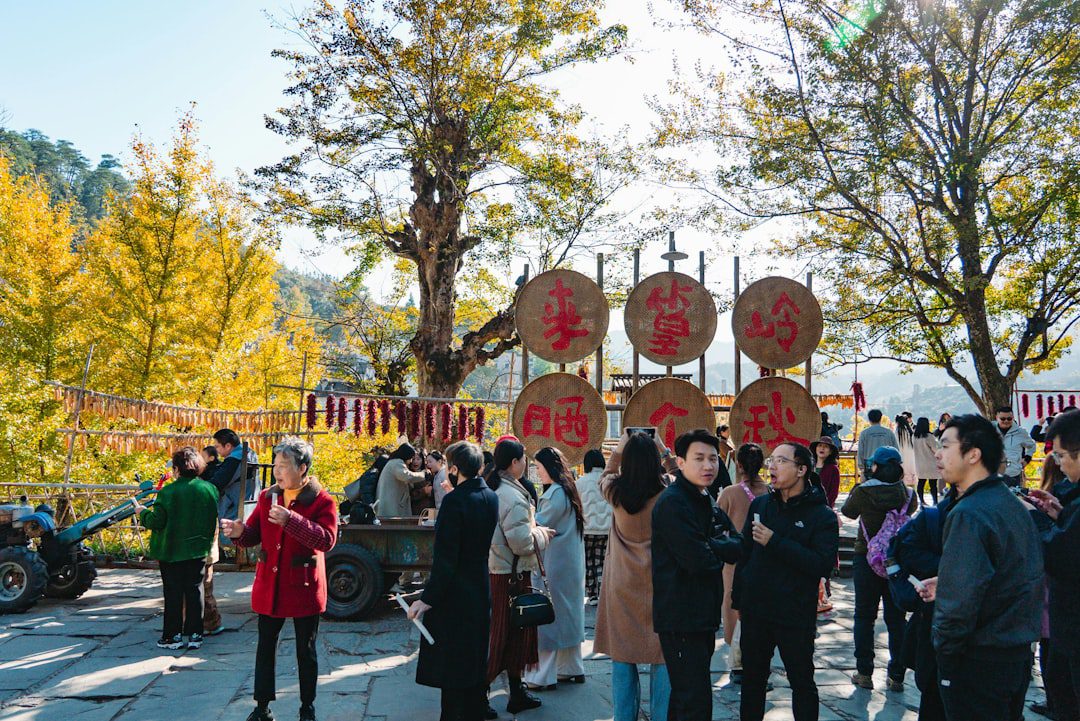
I’ll never forget my first Chuseok in Korea—1989, when I was still figuring out how to use chopsticks properly. My Korean coworkers had warned me: “The country shuts down. Everything closes. Everyone goes home.” I thought they were exaggerating. They weren’t.
I wandered into a convenience store on Chuseok morning expecting my usual kimbap and coffee. The place was a ghost town. The owner was locking up to catch a bus back to her village in Jeolla Province. I ended up eating ramyeon from a vending machine in my apartment lobby, watching Seoul transform into what felt like a science fiction film—streets empty, restaurants shuttered, subway stations eerily quiet.
That experience taught me something crucial that most guidebooks won’t tell you: Korea’s traditional holidays are not “events” to witness as a tourist. They’re mass migrations of 50 million people returning to their hometowns. Understanding when Korea actually shuts down, and why, will save you from frustration, cancelled reservations, and empty attractions. Here’s what you really need to know about Korea’s holiday calendar.
The Korean Holiday Calendar at a Glance (2026)
Before diving into the details, here’s what 2026 looks like. I’ve included both official public holidays and the actual “danger zones” when Korea empties out:
| Holiday | Date (2026) | Official Public Holiday? | Tourist Impact |
|---|---|---|---|
| New Year’s Day | January 1 | Yes | Moderate — Some closures |
| Seollal (Lunar New Year) | January 29 – February 2 | Yes (5 days) | CRITICAL — Avoid |
| Independence Movement Day | March 1 | Yes | Minor — Museums crowded |
| Buddha’s Birthday | May 15 | Yes | Moderate — Temple crowds |
| Memorial Day | June 6 | Yes | Minor — Parks busy |
| Chuseok (Korean Thanksgiving) | September 29 – October 5 | Yes (5 days) | CRITICAL — Avoid |
| Hangeul Day | October 9 | Yes | Minor |
| Christmas | December 25 | Yes | Moderate — Shopping crowds |
Ted’s tip: Notice that Seollal and Chuseok get 5-day “holiday periods” because of how the Korean government bundles long weekends. The dates I’ve listed are the busiest days, but travel chaos actually starts 2-3 days before and extends 1-2 days after.
Seollal: The Lunar New Year Exodus
Seollal is Korea’s biggest holiday—bigger than Christmas, bigger than Chuseok. It’s the moment when Korea’s entire extended family system activates. Everyone travels to their hometown to honor ancestors, eat traditional foods, and gather around the dinner table. In 2026, Seollal lands on January 29, but the practical impact runs from roughly January 27 to February 2.
Why You Should Avoid Seollal
During Seollal week, Korea becomes fundamentally unavailable. Here’s what happens:
Transportation becomes a nightmare. The Seoul-Busan highway turns into a parking lot. KTX (Korea’s bullet train) tickets sell out weeks in advance. Domestic flights double in price. Buses leave 30 minutes late because stations are so congested. I once watched a Gwangju-bound bus arrive with passengers literally standing in the aisles for 3+ hours. The airport—both Incheon and Gimpo—becomes an obstacle course of families, luggage, and crying children.
Everything closes. Not “some restaurants close.” Not “a few shops have reduced hours.” I mean everything. Department stores, restaurants, museums, galleries, temples—all shuttered. Even convenience stores operate on skeleton crews. In my second year here, I desperately needed toothpaste during Seollal and actually couldn’t find a single open shop within walking distance of my apartment. I had to use baking soda.
Hotels jack up prices dramatically. If you can even find availability, expect to pay 2-3x normal rates for inferior rooms. The few places that stay open during Seollal are primarily catering to travelers caught in transit delays, not tourists seeking authentic experiences.
Traditional experiences become inaccessible. Yes, some temples offer special Seollal programs, but these are packed with Korean families, not designed for English-speaking visitors. You’ll be shoulder-to-shoulder with locals, unable to participate meaningfully in the rituals.
What Actually Happens During Seollal
If you happen to be stuck in Korea during Seollal (weather delays, flight cancellation, poor planning), here’s what the country looks like:
| Category | Status | Notes |
|---|---|---|
| Restaurants | 90% CLOSED | Only chain restaurants, airport food courts stay open |
| Museums/Galleries | CLOSED | All major museums shut for 3-5 days |
| Temples | Open but crowded | Not designed for tourist participation |
| Shopping Districts | Mostly CLOSED | Myeongdong, Gangnam stores shut down |
| Parks | Open, quiet | Actually nice time to hike, but weather may be cold/snowy |
| Convenience Stores | Limited hours | GS25 and CU may have minimal staff, reduced inventory |
| Subway | Operating normally | But getting a seat is impossible; expect standing-room-only crowds |
| Hotels | Expensive, if available | ₩200,000+ for basic rooms, often booked solid |
Chuseok: Korean Thanksgiving & the Second Mass Migration
Chuseok falls in late September or early October (2026: September 29 – October 5). If Seollal is the spiritual new beginning, Chuseok is Korea’s harvest festival and family reunion—and it’s just as paralyzing for visitors.
In 2026, the government has declared a 5-day holiday from September 29 to October 5, though the practical crunch runs from September 27-28 through October 5-6. This is when Korea’s rural areas fill with millions of people returning for ancestral tomb visits (called seongmyo), family meals featuring songpyeon (rice cakes) and galbi (short ribs), and multi-generational reconnection.
Why Chuseok is Actually Harder Than Seollal
In some ways, Chuseok is worse than Seollal for tourists, because it happens during Korea’s loveliest season—early autumn—when you’d most want to visit. The impact includes:
Highway gridlock on an unprecedented scale. The expressway from Seoul to the southern provinces regularly clocks 10+ hour drive times. I know expats who’ve abandoned cars mid-highway and taken the train instead. Buses to popular destinations (like autumn foliage areas) are booked solid weeks in advance.
Tomb visits create rural congestion. If you’re interested in visiting rural temples or hiking in provincial areas, Chuseok week turns these places into parking lot chaos. Families are performing ancestral rituals at cemetery sites, making for crowds and overtaxed facilities.
Same restaurant/museum closures as Seollal. Most establishments shut down. Even in Seoul, entire neighborhoods become ghost towns because everyone has traveled.
Air quality issues. Chuseok overlaps with Korea’s seasonal dust and pollution patterns. You may arrive expecting crisp autumn air and instead get smoggy, hazy conditions that limit visibility at scenic spots.
The Chuseok Practical Reality
| Activity | Chuseok Week Status | Better Alternative |
|---|---|---|
| Hiking/Nature | Dangerously crowded | Visit mid-October or late September |
| Day trips to provinces | Transit chaos | Stay in Seoul; visit provinces 1 week before/after |
| Temple visits | Crowded, ancestral ceremonies ongoing | Visit during a temple stay outside holiday week |
| Museum/gallery hopping | CLOSED | Visit in late August or mid-October |
| Restaurant dining | 90% closed | Eat at hotels or chain establishments |
| Shopping | Stores closed or packed | Shop before Sept 27 or after Oct 6 |
| Photography | People crowds, smog/haze | Early autumn (late August-early Sept) is clearer |
Other Korean Holidays & Their Tourist Impact
Not all Korean holidays create the country-wide shutdown that Seollal and Chuseok do. Here’s a breakdown of the rest:
New Year’s Day (January 1)
This is a public holiday, but the impact is minimal compared to Seollal. Many Koreans celebrate on Seollal (the lunar new year) rather than January 1, so you’ll find some restaurants and shops operating. However, expect reduced hours and higher prices at accommodations. Museums are typically closed. If you’re spending January 1-2 in Korea, it’s manageable—just don’t expect full access to attractions.
Independence Movement Day (March 1)
A public holiday commemorating Korea’s 1919 independence movement. Most people don’t travel; they stay in the city to visit museums or historical sites. Expect crowds at Gyeongbokgung Palace and historical museums, but restaurants stay open and you can eat normally. This is the least disruptive holiday on the calendar.
Buddha’s Birthday (May 15, 2026)
A national holiday celebrating Gautama Buddha’s birthday. Temples throughout Korea hold celebrations; if you’re interested in visiting temples, this might actually be a good time—they’re decorated, festive, and welcoming to visitors. However, major temples will be crowded. Regular restaurants and shops stay open normally. Hotels maintain regular prices. This is manageable and even interesting for temple-focused travelers.
Memorial Day (June 6)
Honors those who died for Korea’s independence. Parks and war memorials are busy, but it’s not a mass travel holiday. Restaurants stay open; shopping is normal. You might see slightly higher crowds at the DMZ or historical sites, but nothing severe. Low impact for most tourists.
Hangeul Day (October 9)
Celebrates the creation of the Korean alphabet (Hangeul). Minimal travel impact. Some cultural institutions may have special programs, but most people work normal days. Shops and restaurants operate normally. This is the most “ignorable” holiday for tourists.
Christmas (December 25)
Korea is roughly 30% Christian, so Christmas is celebrated but not as a mass travel holiday. You’ll see holiday decorations and shopping crowds (especially in Gangnam and Myeongdong), but people aren’t mass-migrating. Hotels might raise prices; restaurants stay open. The impact is moderate—manageable, but expect crowds and higher costs. Not as severe as Seollal/Chuseok by a long shot.
The Best Times to Visit Korea (And Why)
If you’re planning a Korea trip, these windows offer the optimal combination of weather, accessibility, and manageable crowds:
| Season | Best Months | Avoid These Dates | Why Visit |
|---|---|---|---|
| Spring | April, early May | Mid-late May (Buddha’s Birthday crowds) | Cherry blossoms, mild weather, reasonable crowds |
| Summer | July, early August | None specific | School holidays = some family tourists, but manageable; warm weather |
| Autumn | Mid-Sept, late Oct-early Nov | Sept 27-Oct 6 (Chuseok) | Autumn foliage, crisp weather, best hiking conditions |
| Winter | Dec 26-Jan 28, Feb 3+ | Jan 27-Feb 2 (Seollal), Dec 20-25 (Christmas prep) | Clear skies, snow (occasionally), fewer tourists, lower prices |
Ted’s tip: Late February to early March is actually one of my favorite times to visit Korea. Seollal chaos has passed, spring is just beginning to hint at itself, hotels offer lower rates, and restaurants are fully operational again. It’s the tourism sweet spot that many guidebooks overlook.
If You Get Stuck in Korea During a Holiday: Survival Guide
Despite best planning, sometimes your flight gets cancelled or you arrive during an unexpected holiday. Here’s how to survive (and even enjoy) being in Korea during Seollal or Chuseok:
Where to Eat When Everything’s Closed
Chain restaurants stay open: Lotteria, McDonald’s, KFC, and other Western chains operate holiday hours. Not exciting, but they exist.
Convenience stores are your friend: GS25 and CU always have some food—gimbap, kimbak, ramyeon, triangle kimbap. It’s not restaurant-quality, but it’s reliable and open.
Hotel restaurants don’t close: If you’re staying in a decent hotel, eat at their restaurant. Yes, it’ll be expensive (₩25,000-40,000 for a meal), but it’s your safest bet for actual food.
Airport food courts: If you’re near Incheon or Gimpo, the airports have food courts that operate 24/7, even during holidays.
Korean BBQ restaurants sometimes stay open: Some family-run or larger galbi houses open for holiday dinners. Call ahead using Korean apps like Naver Maps to confirm hours.
Accommodations: What to Do
If you didn’t book ahead (which you should have), you have limited options:
• Stay at a major hotel chain: They’ll have space and can charge premium prices (₩200,000-300,000+ for a basic room). Expect to pay 2-3x normal rates.
• Book an Airbnb or guesthouse in a residential neighborhood: Host owners often live elsewhere and aren’t impacted by the holiday. You’ll have better luck in areas like Hongdae or Gangnam than in central Seoul.
• Extend your current hotel reservation: If you’re already booked somewhere, just ask to extend. Hotels prefer guaranteed bookings over empty rooms, even at reduced rates during holidays.
Activities During Holiday Downtime
Hike or visit parks: Nature doesn’t close. While popular trails like Bukhansan will be packed, quieter parks are actually pleasant during holidays. You’ll have a reflective, solitary experience.
Visit your neighborhood: Wander residential areas like Hongdae or Hannam-dong. Walk along the river. Sit in a coffee shop. You’ll see Korea as it actually is: family time, quiet streets, the rhythm of Korean life.
Catch up on sleep and self-care: Take a jjimjilbang (Korean spa) day. Most operate during holidays. Relax, steam, enjoy the saunas.
Watch K-dramas or movies: Admittedly low on the adventure scale, but honestly, being in Korea during a national holiday is culturally immersive in its own way. You’re experiencing what the country feels like when it’s not “on” for tourists.
Pro Tips: How to Plan Around Korean Holidays
Check the Government Holiday Calendar Early
The Korean government announces the official holiday schedule in December of the previous year. Visit korea.go.kr or check the official tourism site visitkorea.or.kr for the most current information. Don’t rely on blogs (even mine!) for exact dates—get them from the source.
Book Transportation 3-4 Weeks Ahead
If you’re traveling during peak times (like traveling to Korea during Seollal from elsewhere), book flights immediately. KTX tickets within Korea should be booked at least 2-3 weeks in advance. The longer you wait, the more expensive and unavailable everything becomes.
Use Booking Apps to Confirm Openings
For restaurants and attractions, use Naver Maps or Kakao Map to check real-time opening hours. Many places update their holiday hours on these apps. Call ahead if there’s any doubt.
Consider Extended Stays
If you’re flying to Korea and arriving within 2-3 days of a major holiday, consider extending your stay by a week. You’ll avoid peak chaos, prices normalize, and you get to experience both the holiday period and “normal” Korea.
Build in Flexibility
Structure your itinerary loosely during potential holiday periods. Instead of booking specific tour dates, leave room to adjust. This gives you flexibility if unexpected closures occur.
Understanding Korean Holiday Culture: The Why Behind the Madness
I think it’s important to understand why Seollal and Chuseok cause such massive disruptions, because it speaks to something fundamental about Korean culture.
Both holidays are rooted in Confucian values of filial piety and ancestral reverence. They’re not commercial holidays or entertainment events—they’re obligations. Literally, millions of Koreans feel duty-bound to return to their hometowns, regardless of traffic, cost, or inconvenience. It’s not optional; it’s expected. Parents wait for their children. Grandparents expect the whole family gathered around the dinner table.
For tourist-focused businesses, this creates a dilemma: closing during Seollal/Chuseok means losing holiday revenue, but staying open means their entire staff wants to go home. Most choose family obligation over profit. I respect that.
When I first arrived in Korea, the holiday chaos frustrated me. Now, after 35 years, I find it oddly moving. Korea literally stops so families can reconnect. In an era of constant connectivity and tourism, there’s something beautiful about that commitment to in-person family time.
Ted’s tip: If you do happen to be invited to a Korean family’s Seollal or Chuseok celebration, accept. You’ll experience something far more authentic and valuable than any museum or attraction. Just bring an appropriate gift (traditionally boxed set of teas, oils, or ginseng) and arrive early to help with food preparation.
Frequently Asked Questions
What’s the difference between Seollal and Chuseok?
Seollal is the lunar new year (late January/early February), celebrating fresh starts and honoring ancestors at the beginning of the year. It includes eating special foods like tteokguk (rice cake soup) and playing traditional games. Chuseok (late September/early October) is the autumn harvest festival, when families visit ancestral graves and give thanks for crops. Both are equally important in Korean culture, but Seollal is considered the “bigger” holiday spiritually.
Why do museums and restaurants actually close during these holidays?
Because their employees—sometimes entire families—go home to their hometowns. A museum employee with aging parents in Jeonju isn’t staying in Seoul to work during Seollal. A restaurant owner isn’t opening when their entire family expects them home. It’s a cultural priority that overrides business logic. Korean labor culture emphasizes family obligation.
Can I travel within Korea during Seollal or Chuseok?
Technically yes, but practically no—unless you enjoy sitting in traffic for 10+ hours or watching train tickets sell out weeks in advance. If you must travel internally during these periods, avoid highways and expressways. Use trains if available. Stay in Seoul rather than attempting provincial day trips. You’ll have a miserable experience, but it’s not impossible.
Will I be the only tourist in Korea during holiday weeks?
Not entirely. Some international tourists do visit, usually those who didn’t know about the holidays or had pre-booked trips. You’ll find other tourists at major hotels and airports, but you’ll be sparse on the ground. Most attractions will be empty—which sounds nice until you realize they’re empty because they’re closed.
Is it actually impossible to eat or get around during these holidays?
No, but it requires planning. Convenience stores, chain restaurants, hotels, and airports stay operational. Subway and some buses run. You won’t starve or be stranded. You’ll just have a limited, less enjoyable experience. Think “survival mode” rather than “travel mode.”
What if my flight accidentally lands during a holiday?
First: Don’t panic. Second: Immediately call your hotel and confirm they’re open. Use convenience stores for food. Book a jjimjilbang to sleep and relax. Stay in Seoul rather than attempting to leave. Contact your airline to see if you can reschedule onward travel. Most importantly, don’t try to do a normal tourist itinerary—it won’t work, and you’ll be frustrated. Embrace the downtime.
Are there any holidays when prices drop and crowds disappear?
Yes. January 3-26, February 3-28, June-July (summer vacation for some, but not a national holiday), and November-December 19 all offer lower prices and reasonable crowds. January through early February offers the best prices of the year because everyone assumes Korea is closed. It’s actually not—you just need to know where to look.
Should I avoid Korea entirely during these holiday weeks?
If you’re visiting specifically for attractions, restaurants, and tourist activities: yes, absolutely avoid Seollal and Chuseok. Plan to be elsewhere. But if you’re flexible, have low expectations, and want to experience authentic Korean culture (even if that means quiet streets and family-focused gatherings), staying during holidays can be memorable. Just don’t expect a typical tourist experience.
Final Thoughts
After 35 years in Korea, I’ve seen the holiday calendar shift in subtle ways. Younger, international Koreans sometimes skip the hometown pilgrimage. More restaurants stay open to cater to tourists and younger urbanites. The chaos hasn’t completely disappeared, but it’s slightly less paralyzing than it was in 1989 when I was stuck with vending machine ramyeon.
But the core truth remains: Seollal and Chuseok are not events to witness or experiences to collect. They’re deeply personal, family-centered obligations that make Korea briefly unavailable to outsiders. The best way to respect that is to plan around them, not through them.
If you’re flexible about your travel dates, avoid January 27-February 2 and September 27-October 6. Visit instead during late February, April-May, July-August, or October-November. You’ll have better access to attractions, friendlier restaurant experiences, reasonable prices, and genuinely enjoyable tourism experiences.
And if you do accidentally land during a holiday? Use it as an excuse to slow down, wander residential neighborhoods, sit in a quiet park, and experience Seoul not as a tourist destination but as a living city. Sometimes the unplanned moments are the most memorable.
— Ted K
Image Credits: Photos sourced from Unsplash. By using this site, you agree to our Privacy Policy and Disclaimer.