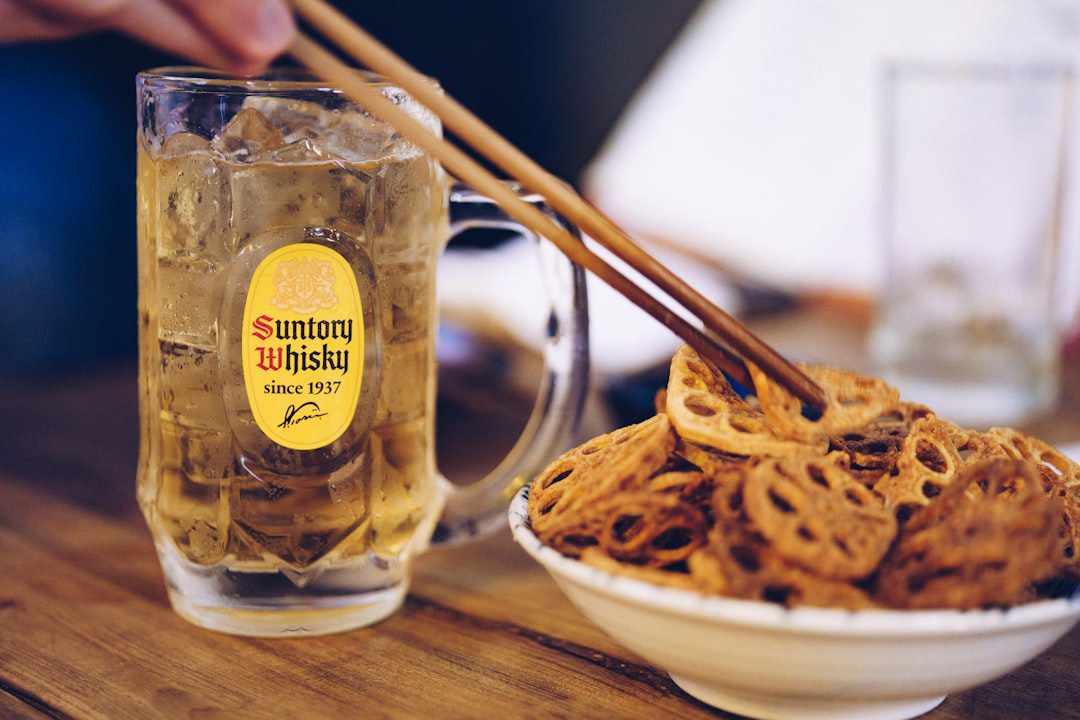
I’ll never forget my first real Korean drinking night—back in 1989, I was sitting in a tiny pojangmacha (street tent bar) in Hongdae with coworkers, and I ordered a bottle of soju expecting a meal. What arrived instead was a modest plate of dried squid and some boiled eggs. My Korean friend laughed and said, “This is anju—it’s not a meal, it’s a reason to keep drinking.”
Thirty-five years later, I’ve learned that anju (안주) is so much more than just bar food. It’s an entire cultural philosophy—the belief that alcohol tastes better, and conversations flow easier, when you have the right snacks. In Korea, drinking without anju is like coffee without a cup. It doesn’t work.
Whether you’re at a noraebang (karaoke), a street pojangmacha, or a upscale cocktail bar, understanding what to order, how it pairs with different drinks, and why these dishes matter will transform your Korean drinking experience from awkward to authentic. Here’s everything you need to know about anju culture.
What Is Anju and Why Does Korea Take It So Seriously?
Anju literally translates to “side dishes for alcohol,” but calling it “side dishes” misses the entire point. In Korean drinking culture, anju is the anchor that holds an entire social experience together. It absorbs the alcohol, prevents you from getting too drunk too quickly, and—most importantly—it’s what makes the drinking last.
A typical Korean drinking session isn’t about guzzling drinks and leaving. It’s about spending hours with friends, coworkers, or even new acquaintances, sharing drinks and stories. Anju keeps that momentum going. Without it, you finish your drink, and the moment ends. With it, you can nurse a drink for 30 minutes, eat, talk, laugh, and then move on to the next drink.
Ted’s tip: The unwritten rule in Korea is that you never pour your own drink or eat anju without acknowledging the people around you. When someone pours you a drink, accept it with both hands, take a sip, then say “Thank you” (감사합니다, gamsahamnida). This reciprocal respect is the heart of anju culture.
There’s also a practical reason Koreans take anju seriously: soju and beer are potent drinks. Soju can reach 16-20% alcohol by volume, and drinking it straight without food can lead to rapid intoxication. Anju slows alcohol absorption, extends the drinking session, and makes the experience more social and sustainable. It’s not just tradition—it’s smart drinking.
Classic Anju Pairings: What Locals Really Order
Anju for Soju
Soju pairs best with anju that’s salty, savory, or slightly spicy—anything that complements the clean, sharp taste of the spirit. Here are the classics:
| Dish Name | What It Is | Price Range | Why It Works with Soju |
|---|---|---|---|
| Dried Squid (오징어) | Chewy strips of dried squid, sometimes seasoned with mayo or spicy sauce | ₩3,000-8,000 | Salty, chewy texture keeps you drinking longer |
| Spicy Rice Cake (떡볶이) | Chewy rice cakes in a spicy red gochujang sauce | ₩5,000-10,000 | Spice cuts through soju’s alcohol burn |
| Boiled Eggs (계란) | Simple, soft-boiled eggs, often with soy sauce for dipping | ₩1,500-3,000 | Protein slows alcohol absorption; mild flavor complements soju |
| Seasoned Seaweed (김) | Thin sheets of roasted seaweed with salt and sesame oil | ₩2,000-4,000 | Light, salty, disappears fast (keeps you ordering) |
| Seasoned Anchovies (멸치) | Tiny dried fish, often mixed with nuts and coated in spicy mayo | ₩4,000-7,000 | Intensely salty and savory; demands more soju |
| Fried Tofu (두부튀김) | Golden-fried tofu cubes, often served with soy dipping sauce | ₩6,000-9,000 | Absorbs alcohol; creamy texture balances sharp soju |
Anju for Beer (and Soju-Beer Cocktails)
Beer pairs differently than soju. Since beer is lighter and more refreshing, anju for beer tends to be richer, more substantial, and sometimes fried. This is also where you see fusion anju—modern creations that didn’t exist 20 years ago but have become staples:
| Dish Name | What It Is | Price Range | Why It Works with Beer |
|---|---|---|---|
| Cheese Corn (치즈콘) | Creamy corn mixed with melted cheese and mayo | ₩7,000-12,000 | Rich, creamy; beer cuts through the richness |
| Korean Fried Chicken (치킨) | Crispy fried chicken, often glazed in soy-garlic or spicy sauce | ₩12,000-25,000 | Classic pairing; beer is the best complement to fried chicken |
| Tteokbokki (Spicy Rice Cakes) | Chewy rice cakes in spicy red sauce with fish cakes | ₩5,000-10,000 | Spice balances beer’s sweetness |
| Korean Hotteok (호떡) | Sweet pancake filled with brown sugar, cinnamon, and nuts | ₩2,000-4,000 | Sweet balances alcohol; often eaten near end of night |
| Jjim (Steamed Dish) | Steamed meat, seafood, or vegetables in savory broth | ₩8,000-18,000 | Hearty and hydrating; good for mid-drinking meal |
| Budae Jjigae (Army Stew) | Spicy stew loaded with spam, sausages, instant noodles, cheese | ₩10,000-20,000 | Hearty, savory, perfect for late-night group drinking |
Ted’s tip: The most iconic Korean drinking pairing is beer and fried chicken (맥주 치킨, maekju chikin). You’ll see this combo everywhere—from pojangmachas to upscale restaurants. There’s even a saying: “Fried chicken is the king of anju, and beer is its queen.” When in doubt, order this.
Street Pojangmacha: Where Real Anju Culture Happens
If you want to experience authentic anju culture, skip the fancy bars and head to a pojangmacha—those temporary street tents you’ll find in almost every neighborhood. These humble establishments are where Korean drinking culture lives. I’ve spent countless nights in pojangmachas, and I can tell you they’re where you’ll find the most affordable, most authentic anju in the city.
Pojangmachas typically offer a limited menu, but it’s always focused on anju classics. Here’s what to expect:
| Pojangmacha Anju Classics | Price | Notes |
|---|---|---|
| Odeng (오뎅) — Fish cake skewers in broth | ₩1,500-3,000 | Cheap, filling, commonly shared among group |
| Kimbap (김밥) — Rolled rice with vegetables and egg | ₩4,000-6,000 | Light and hydrating; good counterbalance to soju |
| Jjukkumi (낙지) — Grilled baby octopus | ₩8,000-15,000 | Chewy, salty, expensive but shareable |
| Dakkochi (닭꼬치) — Grilled chicken skewers | ₩2,000-4,000 per skewer | Quick to order, perfect for pairing with beer |
| Twigim (튀김) — Assorted fried vegetables | ₩5,000-8,000 | Crispy, hot, arrives quickly |
Popular pojangmacha areas in Seoul include Myeongdong Noodle Alley, Kwangjang Market (which I’ve written about in detail in my guide to Korean traditional markets), and Hongdae’s side streets. Most pojangmachas stay open until midnight or 1 AM, and you can almost always just walk in and sit at a plastic stool without reservation.
Ted’s tip: Pojangmachas are best visited as a group—that’s when anju culture really shines. Order 2-3 dishes for 4 people, pour each other drinks, and let the conversation flow. Solo travelers can join existing groups (it’s common and accepted), or look for pojangmachas with counter seating where you can chat with regulars.
Regional and Specialty Anju Dishes You Can’t Miss
Northern Korean Style (Pyongyang Anju)
If you visit a restaurant specializing in North Korean food (which exist throughout Seoul), you’ll encounter unique anju dishes you won’t find elsewhere. Pyongyang-style anju tends to be lighter and more delicate than Seoul style:
- Naengmyeon (cold noodles): Served cold even with hot drinks, this is refreshing and hydrating
- Bindaetteok (mung bean pancakes): Crispy outside, savory inside—a Pyongyang specialty
- Kimchi: North Korean kimchi is less spicy and more brined than Seoul style
Hoagie Style (Twigim Boeum)
This is newer Korean anju culture—fusion snacks that have exploded in the last 10 years. These aren’t traditional, but they’ve become popular in modern pojangmachas and younger-crowd bars:
| Fusion Anju | Description | Where to Find |
|---|---|---|
| K-Corn (치즈콘버터) | Sweet corn with butter, mayo, and melted cheese | Modern pojangmachas, convenience stores |
| Spicy Cheese Tteok (치즈떡) | Rice cakes with melted cheese and spicy sauce | Trendy bars, Hongdae, Gangnam area |
| Double Bread (더블브레드) | Fried bread with sweet and spicy toppings | Hongdae, Myeongdong |
| Jjajangmyeon Fries (짜장면 감자튀김) | Fries with Korean black bean sauce | Modern pojangmachas |
These fusion dishes are controversial among older Koreans—some traditionalists argue they’ve diluted “real” anju culture. But I’ve found they appeal to younger Korean drinkers and tourists alike, and there’s nothing wrong with trying them.
How to Order Anju Like a Local (Without Speaking Korean)
Here’s a practical section for travelers: how to actually order anju without getting lost. Most pojangmachas and small bars have menus (often just laminated sheets), but they’re usually in Korean only. Here’s how to navigate:
Using Your Phone
Your smartphone is your best friend in Korea. Use these apps and methods:
- Naver or Kakao Maps: Search for “pojangmacha” in your area, read reviews with photos of anju dishes, and see what locals are ordering. Many reviews include detailed pictures of food.
- Google Translate Camera: Point your phone at the menu, and Google Translate will overlay Korean text with English. It’s not perfect, but it gives you a good idea.
- Papago (Naver’s translator): Often more accurate for Korean than Google Translate.
For a deeper dive into Korean apps and connectivity while traveling, check out my guide to Korean internet and WiFi.
The Pointing Method
This is simple but effective: if you see another table eating something that looks good, point at it and say “That one, please” (저거요 – jeogeoyo). Korean server and customers alike find this charming and will help you order. This is especially effective in pojangmachas where food is visible and appetizing.
Magic Anju Phrases
| Korean Phrase | Pronunciation | English Meaning | When to Use |
|---|---|---|---|
| Anju juseyo | ahn-joo joo-say-yo | “Give me anju” | After ordering a drink |
| Nae-ga sodo halge | nay-gah suo-do hahl-geh | “I’ll pour for you” | When pouring someone a drink |
| Cin bae (건배) | gon-bay | “Cheers” | Before every drink |
| Matissoyo (맛있어요) | mah-shee-suh-yo | “Delicious” | Compliment the anju to your server |
For more Korean phrases useful while traveling, see my guide to Korean language basics.
Anju and Noraebang Culture: What to Order When Singing
Noraebang (karaoke rooms) is where most foreign visitors experience anju culture for the first time. You rent a private room with friends, sing, and drink. The setup is different from pojangmachas—food delivery is more limited, but there are still options.
Most noraebang have a button in the room to order food and drinks. Here’s what’s typically available:
| Noraebang Anju | Price | Why It Works in Noraebang |
|---|---|---|
| Jjajangmyeon (Black bean noodles) | ₩6,000-8,000 | Fills you up; easy to eat while singing |
| Fried Chicken (치킨) | ₩15,000-22,000 | Perfect with beer; messy but beloved |
| Pizza (피자) | ₩12,000-18,000 | International, familiar, shareable |
| Kimbap (김밥) | ₩5,000-7,000 | Light, clean, doesn’t get your hands messy |
| Ramyeon (라면) — Instant noodles | ₩4,000-6,000 | Cheap, hot, hydrating; great late-night choice |
Ted’s tip: In noraebang, order anju early—not when you’re already tipsy. The kitchen can take 20-30 minutes to deliver, and you’ll be grateful it arrives while you still have appetite and coherent judgment.
For a full guide to noraebang culture and K-Pop singing, check out my K-Pop fan guide.
Soju vs. Beer vs. Makgeolli: Which Anju Pairs Best?
Different Korean drinks demand different anju approaches. Here’s a breakdown:
Soju (소주)
Soju is Korea’s national spirit—clear, strong (16-20% ABV), and meant to be drunk quickly in shots. The best anju for soju is:
- Salty and savory: Dried squid, seasoned seaweed, boiled eggs, anchovies
- Light and quick: Anju should be small bites that disappear fast, encouraging you to pour another round
- Spicy or tangy: These flavors complement soju’s clean, sharp taste
Beer (맥주)
Korean beer is lighter and slightly sweeter than Western beer. The best anju for beer is:
- Fried or crispy: Fried chicken, twigim (fried vegetables), cheese corn
- Heavier and more substantial: Beer can handle bigger, richer dishes
- Salty or creamy: These balance beer’s sweetness
Makgeolli (막걸리) — Rice Wine
This milky, slightly sweet rice wine is traditional and has made a comeback among younger Koreans. Best anju for makgeolli:
- Seafood or savory: Jjim (steamed dishes), grilled fish, seasoned vegetables
- Not too spicy: Makgeolli has delicate sweetness that spice can overpower
- Seasonal vegetables: This traditional pairing highlights makgeolli’s rustic nature
Ted’s tip: If you’re new to Korean drinking, start with beer and fried chicken. It’s the safest, most delicious introduction to anju culture. Soju requires more experience and a stronger stomach.
The Etiquette of Anju: Rules You Should Know
Sharing anju comes with unwritten rules that are important to follow if you want to fit in with Korean drinkers. Here’s what you need to know:
Anju Is Communal
In Korea, anju is shared. When a dish arrives, it goes in the center of the table, and everyone eats from it. Don’t order a plate and expect it to be just for you. This is especially true in pojangmachas, but also applies to any group drinking situation. If you’re concerned about sharing (health reasons, allergies), let your group know upfront.
Respect the Pour
When someone pours you a drink, accept it with both hands. Bend your arm slightly toward the person pouring, as a sign of respect. Never pour your own drink—always let someone pour for you, and reciprocate by pouring for them. This cycle of mutual service is the heart of Korean drinking culture.
Cheers Before Every Round
Before each drink, say “Chin bae!” (건배 – cheers) and clink glasses with everyone at the table. This is not optional. It’s a sign of respect and camaraderie. Never skip the cheers—Koreans find it rude if you drink without acknowledging the group.
Don’t Refuse Anju
If someone offers you food or drink, accept it graciously, even if you’re not hungry. Refusing can be seen as rejecting their hospitality. You don’t have to finish it, but accept it and at least try it.
Pace Yourself with Anju
Good anju culture means eating consistently throughout the drinking session. Don’t devour everything in the first 30 minutes. The goal is to extend the drinking and conversation for hours. Eat slowly, talk between bites, and enjoy the company.
For a deeper dive into Korean drinking etiquette and culture, see my guide to Korean etiquette.
Best Neighborhoods for Anju Crawling (Anju Dodoc)
If you want to experience multiple anju experiences in one night, consider an “anju crawl” (or as locals call it, “호객” honkaek—pub crawling focused on anju).
Hongdae (Neighborhood for Young Drinkers)
Hongdae is packed with pojangmachas, street food vendors, and trendy bars with fusion anju. The vibe is young, international, and experimental. Start at a pojangmacha for cheap classics, then move to a modern bar for fusion dishes.
Gangnam (Upscale Anju)
In Gangnam, anju becomes more upscale. Expect higher prices (₩10,000-25,000 per dish) but presentation that rivals fine dining. Many upscale bars here specialize in anju-focused menus that pair perfectly with cocktails or premium soju.
For a full guide to Gangnam, see my Gangnam guide.
Jongno/Downtown Seoul (Traditional Anju)
Downtown Seoul’s pojangmachas near subway stations like Jongno 3-ga are where you’ll find the most traditional, no-frills anju experience. Prices are lowest here, and the atmosphere is most authentically Korean—lots of local office workers, students, and regulars.
Seongsu-dong (Hipster Anju)
Seongsu-dong has emerged as a trendy area for younger Koreans seeking Instagram-worthy anju. Here, fusion dishes are the norm, and many bars focus on craft beer and natural wine paired with creative small plates. See my Seongsu-dong guide for more details.
Itaewon (International Anju)
If you want anju that caters to international tastes, Itaewon has Western anju options alongside traditional Korean dishes. This is a good area if you’re traveling with people unfamiliar with Korean food. See my full Itaewon guide for details on drinking spots.
Convenient Store Anju: The Secret Weapon
One of Korea’s best-kept secrets is that convenience stores (GS25, CU, Emart24) have surprisingly good anju. If you’re drinking casually with friends at a park, or you’re on a budget, convenience store anju is legitimate and often delicious:
| Convenience Store Anju | Price | Why It Works |
|---|---|---|
| Kimbap (Gimbap Rolls) | ₩3,000-5,000 | Fresh, filling, widely available |
| Hotteok (Sweet Pancakes) | ₩2,000-3,500 | Perfect for end of night; satisfying |
| Gimbap Kimbap (seaweed-wrapped rolls) | ₩2,500-4,000 | Light, hydrating, pairs with any drink |
| Ramyeon (Instant Noodles) | ₩2,500-4,000 | Most convenience stores will cook it for you |
| Jjajangmyeon (Black Bean Noodles) | ₩4,000-5,500 | Microwaveable, hearty, affordable |
| Gimbap Kimbap Triangle (Onigiri-style) | ₩3,000-4,000 | Portable, quick, doesn’t require sitting |
Ted’s tip: If you’re buying convenience store anju, also grab some Sprite or Cider (Korean lemon-lime soda). Mixing soju with Sprite is called “Poktanju” (폭탄주) and is hugely popular among younger Koreans—though it’s dangerously easy to drink. Proceed with caution.
For more on Korean convenience stores and what to buy, see my Korean convenience store guide.
Frequently Asked Questions
What does “anju” mean literally?
Anju (안주) literally translates to “side dishes for alcohol,” but it encompasses any food eaten while drinking. The term comes from the Chinese characters meaning “to accompany/be with” (安) and “alcohol” (酒). It’s the most fundamental concept in Korean drinking culture—the food that makes alcohol taste better and extends the drinking experience.
Do I have to drink alcohol to experience anju culture?
Not at all. Many anju dishes are delicious on their own and can be ordered without alcohol. Korean restaurants often serve anju as regular appetizers or side dishes. You can visit a pojangmacha, order anju, and drink non-alcoholic beverages like tea, coffee, or soft drinks. The food is what matters—the alcohol is optional.
What’s the cheapest anju you can get in Seoul?
The absolute cheapest anju is boiled eggs (계란, ₩1,500-3,000) and seasoned seaweed (김, ₩2,000-4,000) at pojangmachas. For a full, filling cheap anju, dried squid or spicy rice cakes run ₩4,000-7,000. Budget travelers can eat well on ₩20,000-30,000 per night for anju in pojangmachas.
Is it rude to not finish the anju?
No, it’s not rude to leave anju uneaten. In fact, overordering and leaving food is common in Korean drinking culture. What matters is the gesture of ordering, the sharing, and the social experience. However, it’s considered wasteful by older generations, so try to estimate reasonable portions with your group.
Can I take anju home if there are leftovers?
Yes, absolutely. Korean restaurants will pack leftovers for you (무조건 포장, mujogeons) without judgment. Just ask for a to-go container. This is especially common with larger anju dishes like stews, fried chicken, or noodle dishes.
What’s the best anju for first-time visitors to Korea?
Start with dried squid (오징어) or fried chicken (치킨). Both are iconic, delicious, widely available, and they won’t disappoint. If you’re drinking beer, fried chicken is the ultimate safe choice. If you’re drinking soju, dried squid or boiled eggs are perfect. These are what locals have eaten for decades, and for good reason.
Are there vegetarian anju options?
Yes, definitely. Vegetarian anju includes: seasoned seaweed (김), boiled corn with mayo and butter (옥수수), spicy rice cakes (떡볶이), fried tofu (두부튀김), seasoned vegetables (나물), kimchi, cucumber salad, and vegetable twigim (fried vegetables). Many pojangmachas can accommodate vegetarian requests—just ask “채식 옵션 있어요?” (chae-sik op-syun isseoyo?).
What’s the connection between anju and Korean health?
Koreans believe that proper anju consumption prevents rapid intoxication and protects the stomach from alcohol damage. This is why the phrase “천천히 먹으면서 마셔라” (eat slowly while drinking) is commonly said. Anju isn’t just tradition—it’s a practical harm-reduction strategy that Koreans have developed over centuries.
Final Thoughts
After 35 years in Korea, I can tell you that understanding anju is understanding Korea itself. It’s not just about food and alcohol—it’s about community, respect, timing, and the belief that the best moments happen when people gather together with good food and good company.
The first time I truly understood anju was during a late-night session in a pojangmacha with coworkers in 1991. No one was getting drunk. Everyone was eating, pouring for each other, telling stories, and laughing. We stayed until 2 AM not because of the soju, but because of the anju and the ritual around it. That night, I realized that Korean drinking culture isn’t about intoxication—it’s about connection.
So when you’re in Korea, don’t just order anju as an afterthought. Lean into it. Ask your Korean friends what their favorite anju is. Try things that sound weird. Share plates with strangers. Pour drinks for people next to you. That’s where the real Korea exists—not in palaces or museums, but in tents and noraebangs, around tables of anju, making memories that last longer than the hangover.
— Ted K
Image Credits: Photos sourced from Unsplash. By using this site, you agree to our Privacy Policy and Disclaimer.