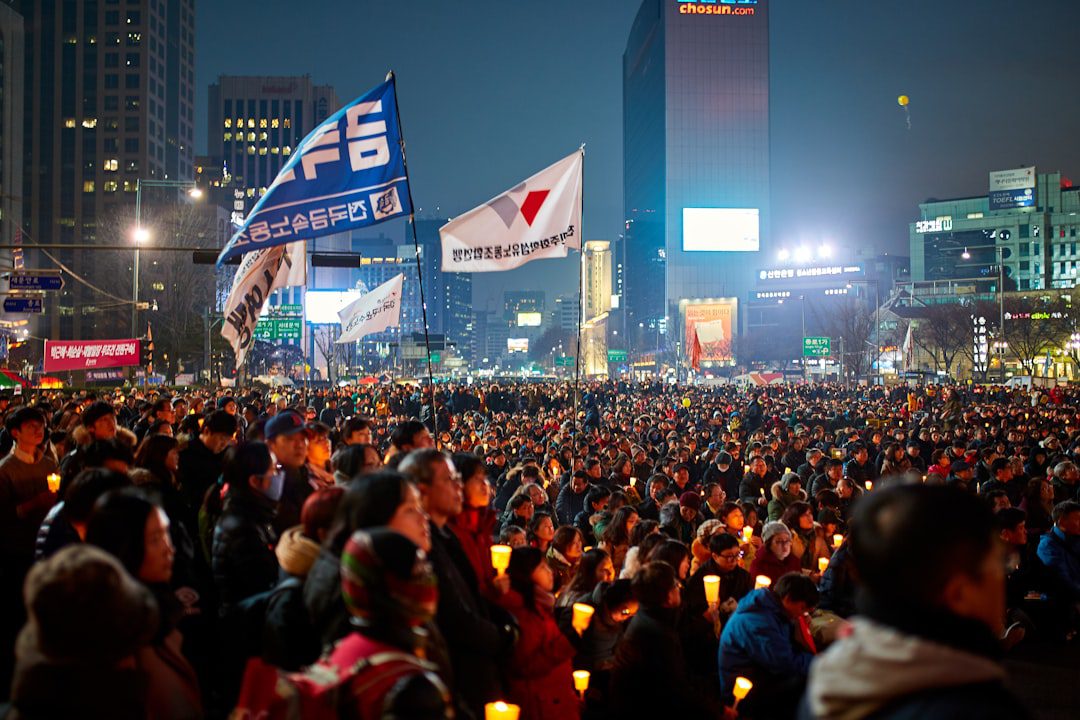
I’ll never forget my first K-Pop concert in Seoul back in 1995. A small crowd gathered at a university auditorium to watch a then-unknown boy group, and the energy in the room was electric—screaming fans waving homemade signs, synchronized chants, pure teenage enthusiasm. What I didn’t realize then was that I was witnessing the birth of something that would become a global phenomenon.
Fast forward 30 years, and Seoul’s concert venues are packed with hundreds of thousands of international fans flying in specifically to see their favorite idols perform. The K-Pop culture I’ve watched evolve from niche Korean entertainment into a worldwide movement has created its own ecosystem with unwritten rules, merchandise traditions, and fan experiences that can be overwhelming if you don’t know what to expect.
Whether you’re a casual listener or a hardcore ARMY member camping overnight for tickets, navigating Korea’s K-Pop scene requires insider knowledge. In this guide, I’m sharing everything I’ve learned about attending concerts, meeting your favorite idols at fan events, understanding fan culture etiquette, and making the most of your K-Pop pilgrimage to Korea.
Understanding K-Pop Concert Seasons & Ticketing
Korea’s concert calendar is relentless. Unlike Western markets where major tours happen annually, K-Pop groups often hold multiple concert series each year—sometimes concurrent world tours and domestic “concert series” (콘서트 시리즈) that run for consecutive nights at the same venue.
The biggest concert season runs from September through November (autumn), with another surge in spring (April-June). Summer generally sees fewer concerts as idols participate in award shows and variety programs. Year-end awards shows like MAMA, Golden Disk Awards, and Melon Music Awards (late November-December) are essentially massive concert festivals where multiple groups perform.
Ted’s tip: Follow the official social media accounts of groups you love before arriving in Korea. Concert announcements in Korea usually come 3-4 weeks before the event, and popular groups sell out Seoul shows within hours. Set phone notifications and be ready to buy tickets immediately.
Where to Buy Tickets: The Korean Ticketing System
Unlike Western ticketing dominated by Ticketmaster, Korea’s concert ticket system is fragmented. The three main platforms are:
| Platform | Website | How It Works | Best For |
|---|---|---|---|
| Yes24 | ticket.yes24.com | First come, first served system; app registration required; online queue | Most SM Entertainment acts; reliable |
| Interpark | ticket.interpark.com | Membership system; some shows use pre-registration lotteries; app-only access for some sales | YG, JYP acts; popular choice |
| Melon Ticket | ticket.melon.com | Integrated with music streaming; fanclub pre-sale priority; online queue system | Newer groups; fanclub members |
Here’s the critical part that catches international visitors off guard: you need a Korean phone number and Korean payment method to buy tickets online. Many platforms won’t accept foreign credit cards or international phone numbers.
Your options:
- Register for a Korean phone number: Buy a prepaid Korean SIM card (₩15,000-₩30,000) at the airport before going through customs. You can use this number for all ticketing registrations.
- Use a tour service: Companies like Concert K Tour and Ticket Korea specialize in helping international fans buy tickets. They charge 10-20% commission but handle everything.
- Ask your guesthouse: Staff at international-friendly accommodations often help guests buy tickets in exchange for a small tip (₩5,000-₩10,000).
- Visit the venue box office: K-Pop concert venues usually hold back some tickets for day-of purchase at the official box office. Arrive very early (3-4 hours before opening) to line up.
Ted’s tip: If you’re planning a trip around seeing a specific group, I recommend arriving in Korea at least 2-3 weeks early and booking a guesthouse with helpful English-speaking staff who understand ticketing. The peace of mind is worth it.
Ticket Prices & Seating Sections
| Concert Type | Typical Price Range | Seating Details |
|---|---|---|
| Small venue (1,000-3,000 capacity) | ₩60,000–₩120,000 | Single or two-tier pricing; intimate experience |
| Mid-size (5,000-10,000 capacity) | ₩80,000–₩150,000 | VIP/General split; nosebleed seats possible |
| Large arena (15,000+ capacity) | ₩100,000–₩250,000 | A/B/C zones; VIP close to stage; nosebleed rear sections |
| Stadium (50,000+ capacity) | ₩120,000–₩350,000 | Multiple pricing tiers; some seats very distant from stage |
Korean venues use a detailed zone system (A-VIP, A, B, C, D). “VIP” doesn’t just mean closer—it often includes perks like earlier entry and reserved parking. Never buy from unauthorized resellers; the primary market already offers excellent access. I’ve seen too many international fans get scammed by secondary resellers on social media who disappear after taking payment.
Major Concert Venues in Seoul & Beyond
Seoul hosts about 70% of Korea’s K-Pop concerts, with strategic overflow to Busan, Incheon, and Daegu for the biggest tours. Here are the venues you’ll encounter most frequently:
| Venue | Capacity | Location & Subway | Known For |
|---|---|---|---|
| KSPO Dome (올림픽 체조경기장) | 10,000 | Jamsil, Line 2 / Line 8 (Jamsil Stn) | Intimate, excellent acoustics; BTS, EXO, Seventeen frequently |
| Gocheok Sky Dome (구 성수 구장) | 15,000 | Gocheok, Line 1 (Gocheok Stn) | Baseball stadium converted; spacious, newer technology |
| Seoul Jamsil Arena (실내 체육관) | 6,000-8,000 | Jamsil, Line 2 / Line 8 | Popular for smaller acts; good sightlines |
| Lotte World Arena | 6,000-8,000 | Jamsil, Line 2 / Line 8 | Integrated with shopping/amusement; convenient for tourists |
| Olympic Gymnastics Arena (체조 경기장) | 6,000 | Jamsil, Line 2 / Line 8 | Smaller, prestigious; indie & mid-tier acts |
| Kyung Hee University Arena | 6,000 | Sangbong, Line 1 (Gireum Stn) | Popular venue; university location; good accessibility |
| Inspire Arena (인스파이어 아레나) | 15,000 | Incheon, about 1 hour from Seoul by car | Newest venue; state-of-the-art facilities; worth the trip |
Notice that Seoul’s venues cluster around Jamsil in the southeast. If you’re staying near Myeongdong, Gangnam, or Itaewon, allow 30-40 minutes subway travel time to reach most concert venues. Download the Naver Map or Kakao Map apps for real-time directions using public transit.
Ted’s tip: Jamsil area gets congested after major concerts. If you’re heading back to central Seoul afterward, consider grabbing food or coffee near the venue for 30 minutes to let the crowd disperse. The restaurants near KSPO Dome are excellent for post-concert meals.
Preparing for the Concert Experience: What You Need to Know
Attending a K-Pop concert in Korea feels different than international shows. The fan culture is more coordinated, the rules are stricter, and the entire experience is designed around streamlined efficiency. Here’s what to expect and how to prepare.
Merchandise & Light Sticks
Buying official merchandise before a concert isn’t optional—it’s part of the experience. Nearly every concert-goer carries an official light stick (응원봉, “eungwon bong”) in the group’s colors. When the stage lights go dark during a specific song, thousands of light sticks illuminate simultaneously in coordinated color patterns. It’s genuinely one of the most moving visual experiences you’ll witness.
Light sticks typically cost ₩25,000–₩35,000 and are sold at:
- The venue box office (arriving 2-3 hours early is wise—they often sell out)
- Official fan shop locations throughout Seoul (Myeongdong has multiple mega-stores)
- Online through Yes24, Interpark, or Melon (2-3 days before concert)
For a deep dive on K-Pop merchandise shopping in Seoul, including album hunting and photocards, check out our K-Pop merchandise guide.
Pro tip: Newer generation light sticks (from 2020 onward) are “smart” sticks that connect via Bluetooth to a concert app, creating synchronized light shows. These are cooler but more expensive (₩35,000–₩45,000).
Concert Etiquette & What NOT to Do
K-Pop concerts are highly organized events with strict cultural norms. Korean fans have specific expectations, and violating them can result in uncomfortable confrontations or being asked to leave by security.
| DO | DON’T |
|---|---|
| Arrive 1-2 hours early to find your seat calmly | Arrive just before doors close; you’ll be flustered |
| Wave your light stick during designated songs | Keep your light stick on during entire concert (wastes battery, distracts others) |
| Sing along to fan chants quietly | Scream over the idols’ vocals during their parts |
| Follow the seated section’s sitting/standing cues | Stand in a general admission floor pit without knowing choreography |
| Keep your phone in your pocket except during filmed moments | Record the entire concert on your phone (it’s blocked anyway; plus it’s disrespectful) |
| Respect personal space in packed conditions | Push forward aggressively to get to the front |
| Dispose of trash in provided bins | Leave waste on the floor or seats |
| Be prepared to chant fandom slogans in unison | Loudly ask what the chants mean during the concert |
Ted’s tip: Before attending, watch fan-recorded concert videos on YouTube to learn the fan chants (응원법). Hearing thousands of fans chant “여기는 서울” (Yeogi-neun Seoul—”Here is Seoul”) or the group’s signature slogan in perfect unison is something every K-Pop fan should experience. Learning even a few chants makes you feel like part of the community rather than an outsider.
What to Bring & Wear
| Item | Why You Need It | Notes |
|---|---|---|
| Korean ID / Passport | Required for venue entry at some concert gates | Most venues don’t check, but have it ready |
| Light stick | Synchronized fan culture experience | Batteries deplete quickly; bring extras or buy there |
| Small crossbody bag | Korean venues have strict bag size limits (under 20L) | Large backpacks are often rejected at entry |
| Comfortable shoes | Standing for 2-3 hours; packed subway after | Sneakers recommended over heels |
| Phone with full battery | Navigation, concert app, light stick app | Power banks available at convenience stores (₩5,000–₩15,000) |
| Cash (₩10,000–₩20,000) | Venue concessions and merchandise vendors | Not all vendors accept cards |
| Light layers | Concert venues vary in temperature control | Wear your fandom’s colors or group merchandise as outfit choice |
Korean concert venues are notoriously cool (overair-conditioned), so bring a light jacket or hoodie even in summer.
Fan Meetings (팬사인회) & Hi-Touch Events: Meeting Your Idols
This is where K-Pop fandom becomes tangible in a way Western fans rarely experience. Fan meetings and hi-touch events are organized opportunities to spend a few seconds with your favorite idols while they sign merchandise or high-five. These events are frequent in Korea and substantially cheaper than comparable opportunities elsewhere.
Types of Fan Interaction Events
Fan Signs (팬사인회): You line up, hand your album/merchandise to the idol, they sign it while making eye contact and saying something brief, and you move along. Typically ₩30,000–₩80,000 entry, and you need to have purchased that group’s album beforehand.
Hi-Touch Events (하이터치): Like fan signs, but instead of getting something signed, you get a high-five or handshake and exchange a few words. Often ₩20,000–₩50,000.
Concert Ment & Photo Booth Sessions: Some idols do photo op opportunities at events where you get a professional photo with them. ₩50,000–₩150,000 depending on the group’s tier.
Store/Cafe Visits: Groups sometimes visit merchandise stores or cafes for impromptu meet-and-greets. These are announced on fandom social media channels and can get chaotic.
Finding & Registering for Fan Events
Fan events are announced through:
- Official group social media accounts (Twitter/X, Instagram, TikTok)
- Official fan cafe communities on Naver Cafe (네이버 카페)—these are Korean fan forums where official announcements appear first
- Ticketing platforms (Yes24, Interpark, Melon all host fan event registration)
- Group’s official Korean fan club app (larger groups have dedicated apps with pre-sale access)
Registration follows the same pattern as concert ticketing: online queue system, lottery lottery based on album purchases, or first-come-first-served depending on the event.
Ted’s tip: If you’re serious about meeting a group, buying 2-3 copies of their latest album (₩15,000–₩20,000 each at music stores) increases your chances at lottery-based events. Many fans buy albums specifically for fan event entry, so this is culturally normal and expected.
What to Expect During a Fan Meeting
Your interaction typically lasts 3-5 seconds. Have a single sentence prepared in Korean if possible (yes, even simple phrases matter enormously). Many international fans practice a short greeting like “저를 잘 봐주세요” (Please take care of me) or “사랑해요” (I love you).
Bring:
- The album they’re signing (required for fan signs)
- A marker if you want them to sign something unusual (personal items generally aren’t allowed)
- Your phone for photos if the event allows it (some do, some don’t)
- Modest gifts if the event permits (small items like candy, stickers, or handmade items—check event rules first)
Ted’s tip: Crying during your fan meeting interaction is normal and happens constantly. Korean idols are entirely used to emotional fans. Don’t be embarrassed. They understand.
Understanding K-Pop Fan Culture & Fandoms
K-Pop fandom operates with its own language, hierarchies, and cultural practices that can be confusing if you’re new to the space. I’ve watched these communities evolve from small groups of dedicated fans into organized movements with millions of members worldwide.
Fandom Names & Membership Levels
Every K-Pop group has an official fandom name chosen by the group and registered with their fan club:
| Group | Fandom Name | Meaning / Why |
|---|---|---|
| BTS | ARMY (아미) | “Adorable Representative M.C. for Youth”; protects the group like an army |
| BLACKPINK | BLINK (블링크) | The moment when you see the group’s light, you blink |
| SEVENTEEN | CARAT (캐럿) | Diamond unit; fans are the precious stones supporting the group |
| TWICE | ONCE (원스) | If you love us even once, we will repay your love with twice |
| Stray Kids | STAY (스테이) | Fans stay with them on their journey; also acronym for their agency JYP |
Official fan club membership (회원) is different from casual fandom. Paid members (usually ₩30,000–₩50,000 annually per group) get:
- Official membership card and kit
- Pre-sale access to concerts and fan events
- Exclusive merchandise and photo cards
- Official fan club app access
- Ballot voting power for award shows
You don’t need to be an official member to attend concerts or enjoy the group, but membership provides significant perks if you’re staying in Korea for an extended period.
Fan Chants & Synchronized Cheering
Every K-Pop song has an organized fan chant—a specific moment where fans pause the idol’s singing and chant the group’s name, a member’s name, or a motivational phrase in perfect synchronization. This is called “응원” (eungwon, supporting).
Examples:
- General chant: “떼창!” (Ttechang = “all together!”) spoken before a synchronized shout of the group’s name
- Member-specific: Each member has their own name chant with specific timing
- Song-specific: Certain songs have elaborate chants with rhythm changes
Learning chants before a concert genuinely improves your experience. Search “BTS [song name] fan chant” on YouTube and you’ll find dedicated videos teaching the timing. It sounds silly until you’re standing with 10,000 other people doing it perfectly in unison—then it becomes transcendent.
Fan Cafe Communities & Social Media Hierarchy
Korean Naver Cafe communities are where official fan club announcements go first. Many also have English sections for international fans. Twitter/X is where stan culture, fan theories, and international fandom communities thrive.
Ted’s tip: Avoid engaging in fan wars on social media. Different fandom communities can be territorial and competitive, especially around awards show voting season. The discourse is usually good-natured but can get heated. Just enjoy your group and be respectful of others.
K-Pop Related Activities & Experiences in Seoul
Beyond concerts and fan events, Seoul has developed an entire ecosystem of K-Pop tourism experiences.
K-Pop Themed Venues & Museums
HYBE INSIGHT (하이브 인사이트): The headquarters and museum of HYBE (home of BTS, SEVENTEEN, NewJeans, etc.) opened in Yongsan. Visitors can experience interactive exhibits about K-Pop production, BTS history, and music industry practices. Entry ₩25,000–₩35,000. Open daily 10:00 AM–6:00 PM (closed Mondays). Subway: Yongsan Station (Line 1/Line 6), 15-minute walk or shuttle bus available.
For more K-Pop museum experiences and HYBE details, see our HYBE Insight guide.
K-Pop Cafes: Themed cafes dedicated to specific groups operate throughout Seoul, particularly in Myeongdong, Gangnam, and Hongdae. These feature merchandise displays, photo zones, group-themed menus, and memorabilia. Prices: ₩8,000–₩15,000 per drink. They’re Instagram hotspots but genuinely popular with fans.
Karaoke (노래방): Korea’s karaoke culture is obsessive, and every convenience store has noraebang booths. Singing K-Pop songs is obligatory. Budget ₩8,000–₩20,000 per hour depending on time of day (evenings cost more). Pro tip: Request rooms with newer song libraries for latest releases.
Agency Locations & Idol Sightings
Visiting areas where major entertainment agencies are headquartered gives you a (tiny) chance of seeing idols. The “Big 3” companies are:
| Agency | Location | Famous Acts | Sighting Reality |
|---|---|---|---|
| JYP Entertainment | Gangnam, Nonhyeon-ro | TWICE, Stray Kids, Itzy, DAY6 | Trainees occasionally visible; low chance; don’t linger |
| SM Entertainment | Gangnam, Dachi-ro | EXO, Red Velvet, NCT, aespa | Building heavily secured; very low chance; known for privacy |
| HYBE | Yongsan, Hangang-daero | BTS, SEVENTEEN, NewJeans, Le Sserafim | Headquarters is public museum space; groups usually enter via underground |
Ted’s tip: Don’t camp outside agency buildings or try to photograph idols. This crosses cultural and legal lines. You’ll face confrontation from security, and it’s disrespectful. Casual sightings happen at restaurants, coffee shops, and shopping areas—that’s the K-Pop pilgrimage, not stalking.
Year-Round K-Pop Events & Award Shows
Korea’s year-end award show season (October-December) is essentially one long K-Pop festival where the biggest acts perform across multiple shows. Understanding the calendar helps you time your visit.
| Event | Typical Date | Significance | Attendance Reality |
|---|---|---|---|
| MAMA (Mnet Asian Music Awards) | November | Asia’s largest K-Pop awards show; international broadcast | Tickets extremely competitive; advance registration required |
| Golden Disk Awards | December (two nights) | Korea’s oldest music awards; album sales voting | More tickets available; day-of box office purchases possible |
| Melon Music Awards (MMA) | Early December | Streaming platform awards; strong digital influence | Moderate ticket availability; good for less mainstream artists |
| Seoul Music Awards | December | Industry insiders award; artists’ artist showcase | Smaller venue; tickets usually available through day of event |
| Korea Music Festival | December 31 | Free outdoor festival; major acts, free attendance | Public event, first-come-first-served (arrive early, very crowded) |
Award show tickets go on sale 3-4 weeks before the event and sell quickly. Strategy: Register with Yes24 and Interpark in advance, prepare your payment method, and be online immediately when sales open.
Frequently Asked Questions
Do I need to understand Korean to enjoy a K-Pop concert in Seoul?
Not at all. Concert experience is universal—the music, visuals, and energy transcend language. Many fans in Seoul are international visitors. However, learning basic fan chants in Korean adds immensely to your experience and makes you feel part of the community. Even phonetically memorized chants work perfectly.
Can I buy concert tickets as a foreigner with an international credit card?
Most online ticketing platforms won’t accept foreign payment methods. Your best options are: (1) Register for a Korean phone number + get a Korean payment card, (2) Use a tour service for a commission, (3) Ask your guesthouse staff to help, or (4) Try the venue box office day-of. Plan ahead rather than hoping for day-of availability.
How much should I budget for a K-Pop concert experience in Korea?
Budget roughly ₩200,000–₩400,000 (USD $150–$300) per concert including: ticket (₩100,000–₩250,000), light stick (₩25,000–₩35,000), merchandise (₩20,000–₩50,000), and food/drinks (₩20,000–₩40,000). Award show concerts are on the higher end; smaller group concerts on the lower end.
What’s the difference between a concert and a fan meeting?
Concerts are full performances with 2-3 hours of music, dancing, and production value. Fan meetings are brief meet-and-greet events where you get a signed album or handshake, lasting seconds per person. Both are common in Korea; fan meetings especially are more frequent and cheaper than Western equivalent meet-and-greets.
Is it disrespectful to film K-Pop concerts on my phone?
Yes. Most venues prohibit recording anyway (video is blocked via security measures). Beyond rules, Korean fan culture views recording disrespectfully—you’re there to experience the moment, not create content. Most videos online come from professional film crews or official broadcasts. Just be present and enjoy.
How far in advance should I plan a trip to see a specific K-Pop group?
Ideally 2-3 months, but concerts are sometimes announced 3-4 weeks before. If you’re flexible, visit Korea and check concert listings once you arrive. If targeting a specific group, follow their social media and plan backward from tour dates. Arrive at least 2 weeks early to secure tickets and arrange logistics comfortably.
Are there age restrictions at K-Pop concerts?
Generally no—concerts are all-ages unless explicitly stated. However, some fan meetings might have age restrictions (usually 18+) for crowd management. Check event details when registering. Concerts skew young (teens-20s), but I regularly see fans aged 60+, so age is no barrier to enjoyment.
Can I resell a concert ticket if my plans change?
Korea’s ticketing platforms have strict anti-scalping measures. Reselling on secondary markets is possible but discouraged culturally and often violates platform terms. Your best option is contacting the ticketing company’s customer service and sometimes they’ll refund if the event hasn’t occurred.
Final Thoughts
After 35 years watching Korean entertainment evolve, I’ve witnessed K-Pop transform from a niche cultural product into one of the most organized, passionate fan-driven movements in modern entertainment. There’s something genuinely special about being in Seoul during concert season—the electricity in the subway cars, the light stick colors visible for blocks, the coordinated chants echoing through stadiums.
What strikes me most is how welcoming K-Pop fandom is to international visitors. These aren’t exclusive clubs; they’re global communities that genuinely want to share their passion. A 16-year-old from Brazil, a 45-year-old from Canada, and a 22-year-old from Singapore can stand side-by-side during a concert, execute the same fan chant at the same moment, and feel a profound sense of connection. That’s the magic of being here for K-Pop in Korea.
If you’re planning a K-Pop pilgrimage, my advice is simple: start early, prepare thoroughly, respect the culture, bring your light stick, and let yourself be part of something genuinely special. Seoul’s concert venues will show you a version of fandom energy you won’t experience anywhere else on Earth.
— Ted K
Image Credits: Photos sourced from Unsplash. By using this site, you agree to our Privacy Policy and Disclaimer.