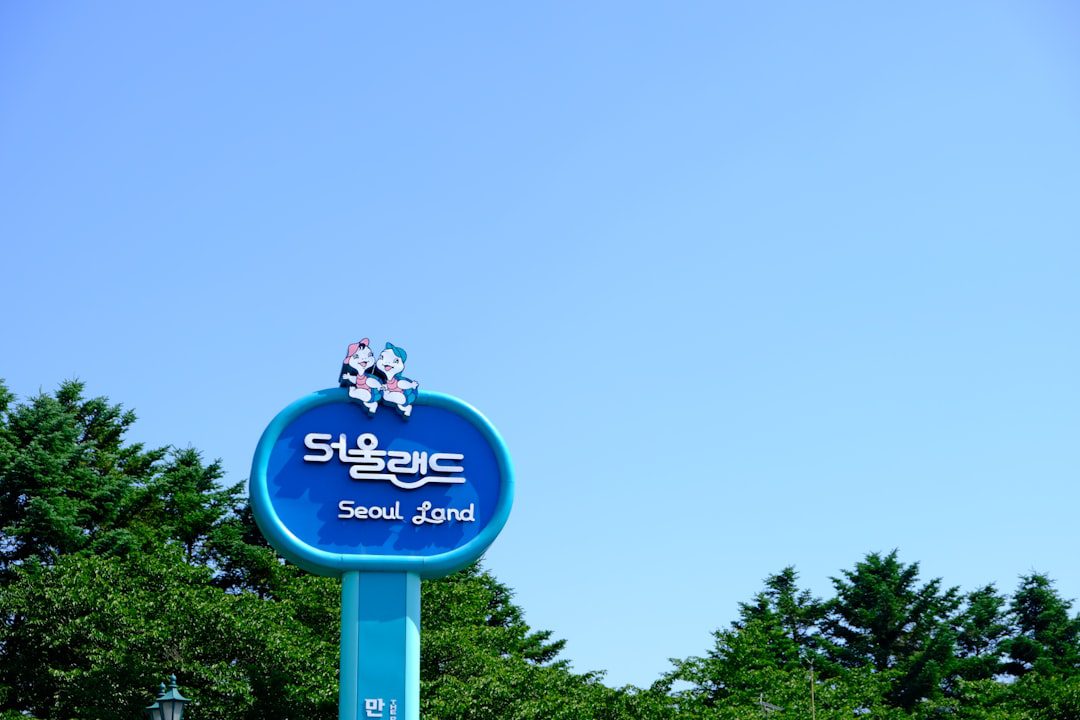
I’ll be honest—when my wife and I first brought our kids to Korea back in the ’90s, we were terrified. No English signs, unfamiliar food, and constant worry about whether our toddler would sit through a 10-hour flight. But here’s what I discovered over the past three decades of raising children here and helping countless families visit: Korea is genuinely one of the most kid-friendly countries in the world.
The infrastructure is excellent, locals are incredibly patient with children, and the activities here? They’re a perfect blend of traditional culture and cutting-edge entertainment that keeps kids engaged without feeling like a museum lecture. Whether you’re visiting for two weeks or considering a long-term move, this guide will help you navigate Korea with children and actually enjoy the experience—not just survive it.
Here’s everything I’ve learned about bringing kids to Korea, from the best neighborhoods for families to the games and activities that’ll keep everyone happy.
Best Family-Friendly Neighborhoods in Seoul
Not all neighborhoods are created equal when you’re traveling with children. Some areas are designed for families, while others are better suited for solo travelers or childless couples. Over the years, I’ve noticed certain districts consistently draw families because of their amenities, parks, and slower pace of life.
Gangnam-gu (Especially Sinsa and Apgujeong)
I know this sounds like the obvious choice, but Gangnam isn’t just about luxury shopping anymore. The areas around Sinsa and Apgujeong have excellent family restaurants, wide sidewalks, and parks like Hangang Park where kids can run around safely. The subway connectivity is flawless, and you’ll find English speakers more readily than in other districts.
Ted’s tip: Stay near Gangnam Station (Line 2) if you have young children. The area around the station is pedestrian-friendly, and there are multiple high-end department stores with excellent family bathrooms and nursing rooms (which locals call “sunyuk shil”).
Jamsil-gu (Olympic Park Area)
This is my personal recommendation for families. Jamsil has Lotte World (which I cover extensively in my Jamsil guide), massive parks, and the Hangang River cycling paths. The neighborhood feels less chaotic than central Seoul, and there’s room for kids to actually move without bumping into five million other tourists.
Yeouido
Yeouido is spectacular for families with older kids and teenagers. The Yeouido parks and riverside area offer cycling, roller-skating, and beautiful green spaces. During cherry blossom season (early April), it’s magical for families.
| Neighborhood | Best For | Main Subway Line | Kid-Friendly Rating |
|---|---|---|---|
| Gangnam | All ages, upscale dining | Line 2 | 9/10 |
| Jamsil | Theme parks, nature | Line 2, 8 | 10/10 |
| Yeouido | Older kids, cycling | Line 5 | 9/10 |
| Itaewon | International families | Line 6 | 8/10 |
| Hannam-dong | Expat families, galleries | Line 6 | 8/10 |
Top Theme Parks & Major Attractions for Kids
Let’s talk about the big attractions. Korea has some world-class theme parks and entertainment venues that rival anything you’ll find in the US or Europe. The difference? They’re often less crowded, better maintained, and more affordable.
Lotte World (Jamsil)
This is Korea’s version of Disneyland, and honestly, it’s underrated. I’ve taken my kids here probably 50 times over the years, and it never gets old. The park has both outdoor and indoor sections, which is perfect for families because you can duck inside during the scorching summer heat.
Admission: 1-day pass is ₩65,000 for adults, ₩55,000 for kids (ages 3-12). Evening tickets (after 4 PM) are around ₩40,000–50,000 and are a great value if you’re visiting from nearby.
Ted’s tip: Go on a weekday, not a weekend. Saturday and Sunday are absolutely packed with Korean families. Also, buy your tickets on the Naver app beforehand—you’ll save ₩5,000–10,000 and skip the box office line entirely.
Location: Jamsil Station (Line 2, 8), Exit 4. The park is literally connected to the station.
Everland (Yongin, Near Seoul)
This is Korea’s largest amusement park and sits about 40 minutes south of Seoul by car. It has more extreme roller coasters than Lotte World, making it better for teenagers and thrill-seekers. But it also has a beautiful botanical garden and a safari park section that younger kids love.
Admission: ₩65,000–75,000 depending on the season and whether you buy online. Express passes (to skip lines) are ₩130,000+ but worth it on weekends.
Getting there: Take a subway to Line 8 Gangnam Station, then catch a shuttle bus directly to Everland. Buses run every 30 minutes and cost ₩4,000. The ride takes about 1 hour total door-to-door.
Seokchon Lake & Gyeongbokgung Palace
Not a theme park, but absolutely essential for families. Seokchon Lake is a beautiful traditional pond with cafes, and Gyeongbokgung Palace is right next to it. Kids can watch the changing of the guard ceremony, run around in the palace grounds, and parents get to experience Korean culture without feeling like they’re at a stuffy museum.
Palace admission: ₩3,000 for kids, ₩6,000 for adults. Hours: 9 AM–6 PM (closed Mondays).
Location: Gyeongbokgung Station (Line 3), Exit 5. Walk 5 minutes to the palace.
Seoul Children’s Museum & Science Centers
The National Museum of Korea has an excellent children’s wing, and the Korea Science Center (near Hangang Park) is genuinely world-class. My kids spent hours at the science center, and it was educational without being preachy.
Korea Science Center admission: ₩10,000 for adults, ₩7,000 for kids. Open 9 AM–6 PM daily (Mondays 10 AM–6 PM).
Location: Gwangnaru Station (Line 5), Exit 1. Walk 10 minutes along the river.
| Attraction | Best Age Range | Cost (Adults) | Location |
|---|---|---|---|
| Lotte World | All ages (3+) | ₩65,000 | Jamsil Station (Line 2) |
| Everland | 6+ (thrill rides) | ₩65,000–75,000 | Yongin (shuttle from Gangnam) |
| Gyeongbokgung Palace | All ages | ₩6,000 | Gyeongbokgung Station (Line 3) |
| Seoul Science Center | 5+ | ₩10,000 | Gwangnaru Station (Line 5) |
| Myeongdong | Teens (shopping) | Free entry | Myeongdong Station (Line 4) |
| Hongik University Area | Teens | Free entry | Hongik Univ Station (Line 2) |
Outdoor Activities & Parks: Getting Kids to Nature
One of the best-kept secrets about Korea? The outdoor recreation is absolutely fantastic. The country has invested heavily in park infrastructure over the past 20 years, and it shows.
Hangang Parks (Multiple Locations)
The Hangang River parks are phenomenal for families. There are 11 parks strung along the river, each with playgrounds, cycling paths, and picnic areas. My family’s favorite is Yeouido Hangang Park because it’s less crowded than the ones in central Seoul and has beautiful riverside walking paths.
What to do: Cycling (rent bikes for ₩2,000–5,000 per hour), picnicking, roller-skating, or just letting kids run around on the grass.
Pro tip: Pack kimbap (Korean rolled rice) and banchan (side dishes) from a convenience store and have a picnic. You’ll save money and the kids will love eating outside.
Bukhansan National Park (Hiking with Kids)
I know what you’re thinking—hiking with kids in Korea? Yes, absolutely. Bukhansan has family-friendly trails that aren’t too demanding. The trail to Bukhansanseong fortress (about 2 hours round trip) is perfect for kids ages 6+. You get beautiful views, a little history lesson, and a real sense of accomplishment.
Ted’s tip: Start early (6 AM or earlier) to avoid crowds and the afternoon heat. Bring plenty of water and snacks. Koreans are incredibly helpful—if your kid gets tired, hikers will cheer them on and offer encouragement.
Nami Island (Day Trip)
Nami Island is a tree-lined paradise that feels like another world. It’s about 1 hour north of Seoul by train, and families can spend a full day here without getting bored. There are rental bikes, a playground, art installations, and beautiful walking paths. It’s less crowded than some attractions and genuinely relaxing.
Getting there: Take the subway to Chuncheon (Line 1 extension, about 1 hour), then catch a shuttle bus to Nami Island. Total cost is around ₩10,000 round trip.
Island admission: ₩15,000 for adults, ₩10,000 for kids (ages 4–12).
Jeonju Hanok Village (Food + Culture)
If you want to combine outdoor time with cultural learning, Jeonju Hanok Village is incredible for families. The village is car-free, kids can run around safely, and there are food activities (like making traditional snacks) that engage their senses. The traditional architecture is Instagram-perfect too.
Getting there: 2 hours from Seoul by KTX train (₩24,000 round trip for adults, ₩12,000 for kids).
| Park/Attraction | Best For | Travel Time | Cost |
|---|---|---|---|
| Hangang Parks | Cycling, picnics | Direct subway | Free (bike rental ₩2,000–5,000/hr) |
| Bukhansan | Hiking (6+) | 1 hour by subway | Free entry |
| Nami Island | Walking, biking | 1.5 hours total | ₩15,000 adults |
| Jeonju Hanok Village | Culture + food | 2 hours by KTX | Free entry + transport costs |
| Seoul Forest | Nature, playgrounds | Direct subway | Free entry |
Food: What Kids Actually Eat in Korea
This is the part that worries most parents. “Will my kids eat anything?” I can tell you from experience: yes, they will. Korean food is actually incredibly kid-friendly if you know what to order.
Safe Bets for Picky Eaters
Kimbap: Think of it as Korean sushi, but made with cooked vegetables, egg, and rice. It’s colorful, it’s mild, and kids think it’s fun. Most convenience stores have it, and it’s ₩3,000–5,000.
Tteokbokki (Spicy rice cakes): Ask for “deun tteokbokki” (spicy) or “maep neun tteokbokki” (non-spicy). The non-spicy version is just chewy rice cakes in a mild, slightly sweet sauce. Kids love the texture.
Gimbap: Similar to kimbap but with more seafood. Less intimidating than it sounds.
Korean fried chicken: This is universal kid-approved. The crispy coating, the slight sweetness—kids lose their minds. Try Bhc Chicken or Kyochon for decent chain options (₩10,000–15,000).
Japchae (Glass noodles): Slightly sweet, with vegetables and beef. It’s a staple in Korean restaurants and genuinely delicious.
Where to Eat with Kids
Convenience Stores (GS25, CU, Emart24): This sounds random, but Korean convenience stores are incredible for families. They have prepared kimbap, tteokbokki, sandwiches, and tons of snacks. Everything is under ₩10,000, and the quality is legitimately good. Your kids will think it’s an adventure to eat from a convenience store.
Korean BBQ Restaurants: These are fantastic for families because kids can cook at the table. It’s interactive, fun, and you control what they eat. Go to places like Samgyeopsal nara or ask your hotel for recommendations. Budget ₩25,000–40,000 per person.
Department Store Food Courts: Lotte, Shinsegae, and Hyundai department stores have massive food courts on the basement levels. Multiple cuisines, clean, and you can eat on time without pressure. Perfect for lunch.
Hansik (Korean cuisine) restaurants: Look for places with picture menus. Restaurants serving bibimbap (rice bowl with vegetables and meat), tteokgalbi (beef patties), and doenjang-jjigae (soybean stew) are family-friendly.
Foods to Avoid or Modify
I’m not going to lie—some Korean food is spicy and might be overwhelming for kids:
- Kimchi: Fermented and spicy. Most kids hate it at first. Introduce it slowly or skip it entirely.
- Highly spiced stews: Ask restaurants to make dishes less spicy (“deun beoseyo” = please make it not spicy).
- Seafood-heavy dishes: Unless your kids are adventurous eaters, stick with familiar seafood.
Ted’s tip: Learn to say “aer-in yong-eun gab-neun eeum eob-neun geot juseyo” (children prefer food that’s not too spicy). Restaurants will help customize dishes. Koreans are incredibly accommodating for families.
| Food/Dish | Spice Level | Kid-Friendly | Typical Cost |
|---|---|---|---|
| Kimbap | None | 9/10 | ₩4,000 |
| Tteokbokki (non-spicy) | None | 8/10 | ₩5,000 |
| Korean fried chicken | None | 10/10 | ₩12,000 |
| Japchae | None | 9/10 | ₩8,000 |
| Bibimbap | Mild | 8/10 | ₩9,000 |
| Kimchi-jjigae | Medium | 6/10 | ₩10,000 |
Practical Tips for Parents: Logistics & Safety
Transportation with Kids
The Seoul subway is incredibly child-friendly. Elevators in stations, stroller space, and priority seating. However, escalators at rush hour can be chaotic. I recommend traveling with kids during off-peak hours (10 AM–4 PM, after 8 PM).
Get a T-money card for everyone: Rechargeable transit cards cost ₩2,500 and can be used on subways, buses, and even taxis. No fumbling with cash or tickets. You can charge them at any convenience store.
Taxis: Taxis are safe and relatively cheap. A 10-minute ride costs ₩5,000–8,000. Ask your hotel to write your destination in Korean (or use the Naver Taxi app, which is excellent). Drivers are used to families and have child seats available if requested in advance.
Strollers: The subway is relatively stroller-friendly, but many attractions are crowded. Many Korean parents use lightweight strollers specifically designed for travel (brands like Zippie or Pockit are popular). For older kids (4+), consider a lightweight backpack stroller as a backup.
Health, Pharmacies & Hospitals
Korea has excellent medical care, and many doctors speak English. Standard symptoms like colds, ear infections, or digestive issues are handled quickly at walk-in clinics (called “uiyuwon”).
Pharmacies: Every neighborhood has a pharmacy (“yak guk”), and pharmacists speak more English than you’d expect. Kids’ medicines are readily available and affordable. Fever reducers, cough syrups, and digestive aids cost ₩5,000–10,000.
Emergency hospitals: All major Seoul hospitals have English-speaking staff. Asan Medical Center, Seoul National University Hospital, and Samsung Medical Center are world-class. Emergency room visits are around ₩50,000–100,000 for basic issues (much cheaper than the US, even without insurance).
Ted’s tip: Download the “Naver Map” app and search for “가까운 응급실” (nearby emergency room). You’ll find hospitals instantly, and many have English-language support.
Shopping for Baby/Kid Supplies
If you need diapers, formula, or kids’ clothes, Olive Young is your friend. This pharmacy chain has extensive baby and kids’ sections. A pack of diapers (one brand, medium size) runs ₩8,000–12,000—slightly cheaper than the US.
Department stores (Lotte, Shinsegae, Hyundai) have entire kids’ clothing and toy sections. Prices are on the higher side, but quality is excellent. For budget options, try Daiso (₩1,000–5,000 for toys and supplies) or E-Mart.
Safety: Is Korea Safe for Kids?
Yes. Unequivocally yes. Korea has one of the lowest crime rates in the world. Kids can walk around alone at age 8–9, and people will watch out for them. I’ve let my kids ride the subway solo since they were in third grade, and it’s completely normal here.
That said, use common sense: watch them in crowded areas, keep an eye on belongings, and teach them basic subway safety (don’t lean out the doors, hold the railing).
| Service/Product | Where to Find | Typical Cost | Quality |
|---|---|---|---|
| Diapers | Olive Young, pharmacies, E-Mart | ₩8,000–12,000 (pack) | Excellent |
| Baby formula | Olive Young, hospitals | ₩25,000–40,000 (can) | Excellent |
| Kids’ clothes | Department stores, mall chains | ₩20,000–50,000 | Excellent |
| Toys | Daiso, Toys R Us, Lotte | ₩1,000–30,000 | Good |
| Stroller rental | Hotels, attractions | ₩10,000–20,000/day | Good |
| T-money card | Convenience stores | ₩2,500 (card) | Essential |
Cultural Activities That Engage Kids
Korea isn’t just about theme parks. There are genuine cultural experiences that kids actually enjoy (not just tolerate while you take photos).
Hanbok (Traditional Clothing) Rental
Renting hanbok is a huge hit with kids. They get to dress up in traditional Korean clothing, take photos at palaces, and feel like they’re part of Korean history. It’s gimmicky, sure, but the engagement is real.
Cost: ₩20,000–40,000 for kids’ hanbok rental (2-hour rental).
Best locations: Bukchon Hanok Village (near Gyeongbokgung Palace). Multiple rental shops, and they’ll do quick alterations for fitting.
Korean Cooking Classes for Kids
Many cooking academies in Seoul offer classes specifically for children. Your kids can learn to make kimbap, tteokbokki, or Korean pancakes. It’s educational, they eat what they make, and it’s an actual skill they’ll remember.
Cost: ₩40,000–60,000 for a 2-hour class.
Where: Hansik Cooking Academy (Gangnam area), Seoul Korean Cooking Class (near Myeongdong).
Temple Stay Programs
For kids 8+, a temple stay is incredible. They learn about Buddhism, participate in temple activities, eat temple food (which is actually delicious), and get to experience something genuinely different. Most temples offer programs specifically for children.
Temple stays cost ₩50,000–100,000 for one night, and most include meals and monk-led activities.
Korean Photo Booths (Photobooth Culture)
This seems silly, but kids absolutely love it. Korean photo booths are far more advanced than anywhere else in the world. They have filters, backgrounds, and instant printouts. A session costs ₩6,000–12,000 and results in a sheet of memories kids will treasure.
Museums with Kid Sections
The National Museum of Korea has a wonderful children’s section with interactive exhibits. The War Memorial Museum and Korea Furniture Museum also have kid-friendly sections (though the War Museum might be intense for younger kids).
National Museum admission: Free to the museum, but special exhibitions cost ₩5,000–15,000.
Avoiding Common Pitfalls: What NOT to Do
After 35 years here, I’ve seen families struggle with the same mistakes repeatedly. Here’s what to avoid:
Don’t Over-Schedule
Parents often want to see everything: palaces, theme parks, museums, shopping, restaurants. Kids get overwhelmed. Plan 2–3 main activities per day, maximum. Leave time for spontaneous exploration or rest.
Don’t Expect Kids’ Menus Everywhere
Unlike the US, most Korean restaurants don’t have dedicated kids’ menus. You’ll need to modify dishes or order light appetizers. Communicate with your server. Everyone understands “kids’ portion.”
Don’t Underestimate the Heat/Cold
Summers in Seoul hit 32–35°C (90–95°F) with humidity that feels like a wet blanket. Winters drop to -5–-10°C (23–14°F). Pack appropriate clothing and take frequent breaks during extremes. The good news? Many attractions have excellent air conditioning.
Don’t Forget to Get a Tourist SIM
You need data for maps and emergency communication. Get a Korean tourist SIM or pocket WiFi before you arrive. It costs ₩5,000–10,000 for data and will save your sanity.
Don’t Miss the Convenience Store Advantage
I’ve mentioned this before, but seriously: convenience stores are your secret weapon. They have bathrooms, snacks, drinks, and prepared meals. When you’re in a pinch with tired kids, a convenient store will save your trip.
| Mistake | Why It’s a Problem | Solution |
|---|---|---|
| Over-scheduling | Kids get overwhelmed, meltdowns happen | Plan 2-3 activities/day, leave downtime |
| Assuming kids’ menus exist | Restaurant confusion, limited options | Learn basic Korean phrases to modify dishes |
| Ignoring extreme weather | Exhaustion, dehydration, discomfort | Check forecast, dress in layers, take frequent breaks |
| No data/WiFi | Can’t navigate, no emergency access | Get tourist SIM or pocket WiFi |
| Avoiding convenience stores | Endless searching for food/bathrooms | Use convenience stores as pit stops |
Best Times to Visit Korea with Kids
Korea has four distinct seasons, and timing matters when traveling with children.
Spring (April–May)
This is peak time for families. Cherry blossoms, mild weather (15–20°C/59–68°F), and kids-friendly outdoor activities are in full swing. Every park is beautiful. Book accommodations early—everyone wants to visit then.
Summer (June–August)
Hot and humid, but the water parks (like Caribbean Bay near Everland) are incredible for kids. Indoor attractions become more appealing. Book well in advance because vacation seasons from other countries overlap.
Autumn (September–October)
My favorite time. Cool weather, brilliant foliage, and fewer crowds than spring. Kids can hike comfortably, and the overall vibe is relaxed. The autumn foliage is spectacular.
Winter (November–February)
Cold and dry, with occasional snow. Skiing at Korean ski resorts is fantastic for families, and winter markets are charming. Holiday decorations are beautiful (especially December). However, dry skin and cold temperatures require preparation.
Ted’s tip: Avoid Lunar New Year (Seollal, usually January/February) and Korean Chuseok festival (autumn). Major holidays mean airports and attractions are packed, hotels are booked, and many restaurants close. Check the Korean holiday calendar before booking.
Frequently Asked Questions
Is Korea safe for kids to travel alone on the subway?
Yes, absolutely. Korea has one of the lowest crime rates in the world. Most Korean kids use the subway independently by age 8–9. That said, teach them basic safety: hold the railing, don’t get off at random stops, and know how to ask adults for help if needed. For younger kids on their first independent trips, do a practice run with them first.
What’s the best age to bring kids to Korea?
Any age works, but I’d say 4+ is ideal. Below 4, kids might not remember much and long flights are exhausting for them and you. Ages 4–7, kids are engaged by theme parks and simple cultural experiences. Ages 8–12, they can appreciate hiking, museums, and more complex activities. Teenagers often love the shopping, K-pop culture, and food scene. There’s no “wrong” age.
Do I need to book accommodations in advance?
During peak seasons (April–May, July–August, December), absolutely yes. Book 2–3 months ahead. Quieter seasons (January–February, June) offer more flexibility, but I still recommend booking 4–6 weeks in advance, especially if you want family-friendly neighborhoods like Gangnam or Jamsil.
How much should I budget per day for a family of four?
Budget ₩200,000–400,000 per day (roughly $150–300 USD) for meals, attractions, and local transport. This assumes mid-range hotels (₩100,000–200,000/night for a family room). If you do theme parks on several days, factor in additional costs (₩250,000 per family for admission). Eating at street vendors and convenience stores keeps food costs down.
Are there any vaccines or health precautions I should take?
Korea doesn’t require vaccinations for entry. Standard travel vaccines (MMR, TDAP) are always good. Bring medications your kids take regularly—while Korean pharmacies are excellent, specific brands might be hard to find. Tap water is safe throughout Korea, so no special water precautions needed.
What’s the best transportation card for families?
Get a T-money card for each person. It costs ₩2,500 and works on subways, buses, and even some taxis. You’ll avoid fumbling with cash and can reload at any convenience store. Some families get one shared card, but individual cards prevent squabbles and allow flexibility.
Do major theme parks have fast passes or skip-the-line options?
Yes. Lotte World and Everland both offer express/fast passes (called “Express Pass” or similar), usually around ₩80,000–150,000 per person on top of admission. They’re worth it during peak seasons (weekends, holidays). On weekdays, lines are short enough that you don’t need them.
Are there activities for kids with dietary restrictions (vegetarian, allergies, etc.)?
Korea is getting better at accommodating dietary restrictions, but it requires communication. Learn key phrases in Korean: “beef allergy” (so-gae aleryugi), “no nuts” (naatu eobsi), “vegetarian” (chaeshikjuui). Most restaurants are willing to modify dishes if you ask. Vegetarian and vegan options in Korea are increasingly available, especially in Seoul.
Final Thoughts
When I first brought my kids to Korea 25+ years ago, I was terrified. I didn’t speak fluent Korean, I’d never traveled internationally with children, and I had no idea what to expect. But Korea surprised me. The country was designed—almost accidentally—to be incredibly family-friendly.
The infrastructure works. The food is adaptable. The people are patient and encouraging. The attractions are world-class. And perhaps most importantly, traveling here with kids feels genuinely safe and supported in a way I didn’t expect.
My advice? Don’t overthink it. Pick 3–4 neighborhoods or attractions, leave plenty of downtime, eat at convenient stores without shame, and let your kids experience Korea at their own pace. They’ll surprise you with what captures their imagination—sometimes it’s a theme park, sometimes it’s watching the sunrise from a hiking trail, and sometimes it’s a simple interaction with a kind stranger on the subway.
Korea will take care of your family. I promise.
— Ted K
Image Credits: Photos sourced from Unsplash. By using this site, you agree to our Privacy Policy and Disclaimer.