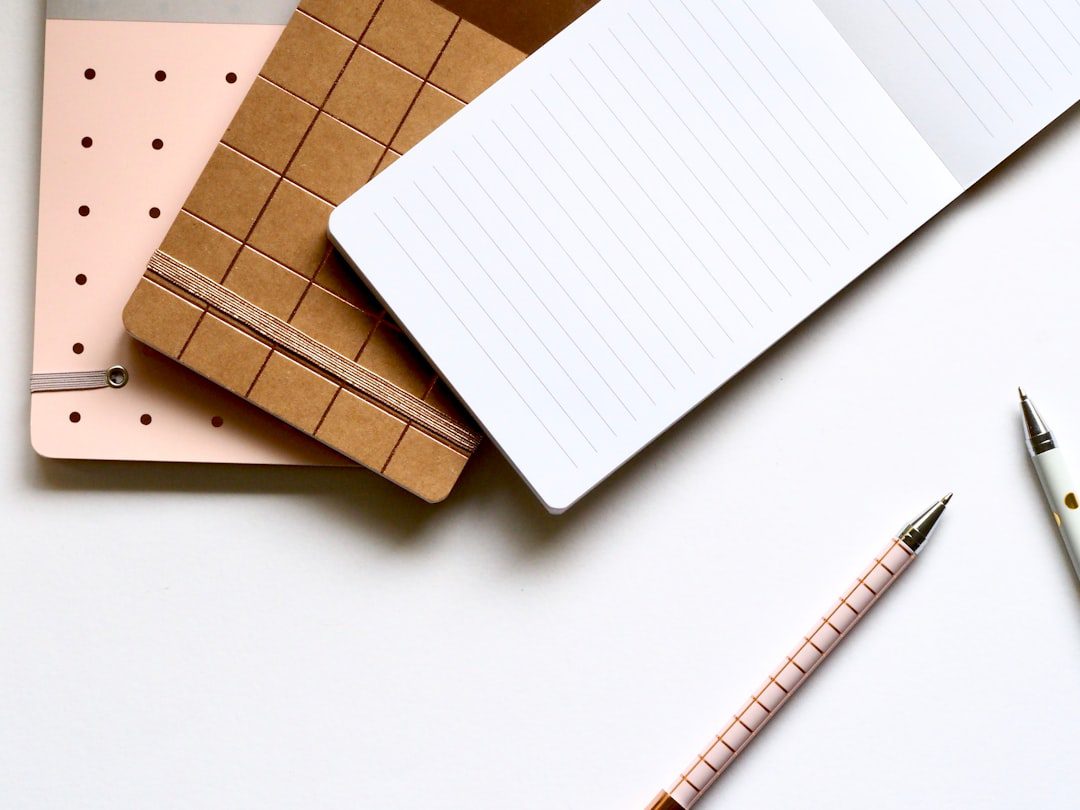
Twenty-three years ago, I walked into a tiny stationery shop in Myeongdong and spent three hours just browsing. The owner thought I was crazy. But here’s the thing about Korean stationery culture that took me years to understand: it’s not just about buying supplies. It’s about appreciating craftsmanship, design, and the philosophy that the right pen can actually change how you write.
Korea has a stationery obsession unlike anywhere else I’ve lived. While most countries see stationery as purely functional, Koreans have elevated it to an art form. Walk into any Korean stationery store and you’ll find yourself mesmerized by aisles of pens in colors that don’t officially exist, notebooks with embossing that costs more than the paper inside, and erasers designed by world-class graphic designers.
After three and a half decades here, I’ve visited nearly every major stationery shop in Seoul, dragged hundreds of visitors through them, and watched the industry evolve from small family shops to Instagram-worthy destination stores. Whether you’re a student, artist, designer, or just someone who appreciates beautiful paper products, Seoul is absolutely worth exploring for stationery. Here’s everything you need to know.
Why Korean Stationery is Different
Before we dive into specific stores, you need to understand what makes Korean stationery special. It’s not marketing hype—it’s genuine cultural value.
Korean stationery design philosophy prioritizes the user experience. A Korean pen doesn’t just write—it writes with the right amount of ink pressure, the perfect grip thickness, and often a design that’s borderline poetic. Brands like Pentel, Monami, and Staedtler have massive Korean fan bases because Korean manufacturers have spent decades refining what makes writing feel good.
Paper quality in Korea is exceptional. Koreans use a lot of paper for writing and sketching, so the industry developed incredibly high standards. You’ll find paper that’s been treated for smoothness, brightness, and texture in ways that seem obsessive—because it is obsessive, and that obsession produces genuinely superior products.
Ted’s tip: Korean stationery prices are often 30-40% cheaper than international versions of the same products. A Tombow Mono eraser that costs $3 USD might be ₩2,500 (about $2) in Seoul. This is why expats and international visitors often buy stationery in bulk here.
The design culture is another factor. Korean designers are globally recognized for minimalism and functionality. This extends to stationery design—even basic correction tape looks like it was designed by a product design firm. This attention to detail creates products that are simply more beautiful than their international counterparts.
The Big Chain Stores: Your Reliable One-Stop Options
If you’re looking for convenience and a massive selection, Korea’s stationery mega-chains will not disappoint. These stores exist throughout Seoul, and they’re where most Koreans actually shop for supplies.
Artbox
Artbox is Korea’s most ubiquitous stationery chain, with over 300 locations nationwide. If you’ve seen a cute stationery store in Seoul, it was probably Artbox. The brand started in 2000 and has become synonymous with trendy, Instagram-worthy stationery.
What makes it special: Artbox stocks an enormous range of brands—everything from basic supplies to high-end Japanese pens. The store design is incredibly aesthetic, with color-coordinated sections and carefully curated displays. They also have their own branded products, which are competitively priced and genuinely well-designed.
Best for: If you want variety without overwhelming specialty, Artbox is perfect. You’ll find Korean brands (Monami, Pilot), Japanese brands (Uni-Posca, Tombow), German brands (Staedtler), and design-focused products all in one place.
Locations & Hours: The flagship Myeongdong store (near Myeongdong Station, Exit 8) is open 10 AM–10 PM daily. Most locations operate 11 AM–9 PM, but check their app for specifics. There’s an Artbox in almost every major Seoul neighborhood.
Price range: ₩2,000–₩50,000+ depending on what you buy. Pens start at ₩1,500, notebooks at ₩3,000.
Daiso
Yes, the Japanese ₩1,000 shop. But here’s what tourists don’t realize: Daiso’s stationery section is legitimately good. Everything costs ₩1,000 to ₩5,000, and the quality-to-price ratio is exceptional.
What to buy here: Sticky notes, correction tape, basic pens, craft supplies, small notebooks, and design-focused items. You won’t find luxury brands, but you’ll find incredibly thoughtful designs at unbeatable prices.
Best for: Budget travelers, anyone who needs supplies quickly, and people who appreciate minimalist design at low cost. Also great for stationery gifts—people always love ₩1,000 Daiso finds.
Locations: Over 100 locations in Seoul. The Myeongdong location is huge and easy to access (Myeongdong Station). Most tourist areas have at least one.
| Store Chain | Best For | Price Range | Selection |
|---|---|---|---|
| Artbox | Variety & Design | ₩2,000–₩50,000+ | Excellent |
| Daiso | Budget Shopping | ₩1,000–₩5,000 | Good |
| Lotteria Office | Professional Supplies | ₩1,000–₩30,000 | Excellent |
| Olive Young | Quick Supplies | ₩2,000–₩15,000 | Good |
Lotteria Office (롯데리아)
This is the Korean chain that locals actually use for serious office and art supplies. It’s less Instagram-worthy than Artbox but more comprehensive.
What makes it special: Professional-grade supplies at reasonable prices. If you need sketchbooks, professional markers, quality paper, binding supplies, or specialized tools, Lotteria Office has it. They carry high-end brands and professional art materials.
Best for: Artists, designers, students doing serious work, and professionals. If you’re buying supplies to actually use (not just admire), Lotteria is often better than Artbox.
Best location: The Gangnam store (near Gangnam Station, COEX mall area) is the flagship and has the best selection. Hours typically 10 AM–9 PM.
Specialized & Indie Stationery Shops
Seoul’s indie stationery scene is where the real magic happens. These are the shops that Korean stationery enthusiasts talk about, where owners have carefully curated every single product.
Seongsu-dong’s Stationery Shops
Seongsu-dong (성수동) has become Seoul’s neighborhood for designers, makers, and creative people. It’s naturally evolved into a stationery destination, with several excellent indie shops within walking distance.
Landmark 1: Papier Tigre-inspired shops You won’t find the French brand here, but you’ll find Korean shops inspired by that aesthetic—minimalist, design-focused, with carefully curated selections.
Ted’s tip: Seongsu-dong’s stationery shops are best visited on weekends when they’re fully staffed and relaxed. Weekday evenings can be chaotic, especially after 6 PM.
Getting there: Seongsu Station (Line 2), Exit 4. Walk around the main shopping streets—you’ll spot indie stationery shops naturally. The whole neighborhood is walkable and worth exploring for cafes and galleries too (we have a full guide to Seongsu-dong if you want more details).
Price range: ₩3,000–₩80,000 depending on the shop and products. These indie spots tend to be pricier but also more exclusive.
Insadong’s Traditional & Design Shops
Insadong (인사동) is Seoul’s creative heart, and its stationery shops reflect that. You’ll find everything from traditional Korean paper (hanji) to cutting-edge design pieces.
Key shops to visit: While I won’t name specific shops (they change frequently), Insadong’s side streets have several galleries and design shops that sell beautiful stationery alongside art. The aesthetic here is very different from Artbox—more art gallery than retail store.
What to buy: Hanji (traditional Korean paper), calligraphy supplies, design-forward notebooks, letterpress cards, and artisanal paper products. This is where you come if you want stationery that’s actually art.
Best for: People who appreciate craftsmanship, artists, creatives, and anyone looking for genuinely unique pieces. Don’t expect budget prices, but expect quality.
We have a comprehensive Insadong guide that covers the neighborhood in detail. The stationery shops are just one aspect, but worth exploring while you’re there visiting galleries and street art.
Getting there: Insadong Station (Line 3), Exit 5. The main street and side alleys are the shopping area.
Ewha Womans University Area (Sinchon/Ewha)
The Ewha area near the university is packed with small design and stationery shops catering to students and young creatives. It has a youthful, experimental energy.
What you’ll find: Trending stationery, cute supplies, color pencils, sketchbooks, and emerging Korean brands. Prices are moderate, and you’ll find things here you won’t find elsewhere because they’re so new.
Best for: Anyone under 30, students, people who like trendy products, and anyone looking for the latest design-forward supplies.
Getting there: Ewha Womans University Station (Line 2), Exit 2 or 3. Walk the main shopping streets. Our Sinchon & Ewha guide has more neighborhood details if you want to explore beyond stationery.
The Ultimate Korean Stationery Brands & What to Buy
You’ll see these brands throughout Seoul’s shops. They’re distinctly Korean (or Korean-perfected) and worth knowing about.
| Brand | What They’re Known For | Price per Item | Must-Buy Item |
|---|---|---|---|
| Monami | Pens, felt-tips, markers | ₩1,500–₩5,000 | 3000 Fine Tip Pens |
| Staedtler | Premium pencils & pens | ₩2,000–₩8,000 | Triplus Color Pencils |
| Pentel | Gel pens, mechanical pencils | ₩1,500–₩6,000 | EnerGel Pens |
| Faber-Castell | Professional art supplies | ₩3,000–₩15,000 | Polychromos Color Pencils |
| Copic | Professional markers | ₩6,000–₩12,000 | Any marker set |
| Rhodia | Notebooks & notepads | ₩5,000–₩15,000 | Dotpad Notebook |
Must-Buy Korean Stationery Items
Monami 3000 Fine Tip Pens (몬아미 3000): These are iconic Korean pens. The felt tip is incredibly smooth, comes in 48+ colors, and costs around ₩15,000 for a set. You’ll see professional designers and students using these everywhere. In Korea, they cost about 40% less than internationally.
Korean notebooks with dot grids: Korean companies have mastered the art of the dotted notebook. The dots are perfectly spaced, the paper quality is exceptional, and the designs are minimal and beautiful. Brands like Clover and Minions make excellent dotted notebooks for ₩5,000–₩10,000.
Correction tape (수정 테이프): This might sound odd, but Korean correction tape is genuinely innovative. Brands like Monami and Tombow have designed correction tape that’s smoother, easier to use, and less likely to tear. For ₩2,000–₩4,000, they’re worth trying.
Color pencil sets: Staedtler’s Triplus and Faber-Castell’s Polychromos are both significantly cheaper in Korea. If you’re an artist, buying these in Seoul will save you money even accounting for luggage space.
Ted’s tip: Korean stationery makes excellent gifts. A set of Monami pens or a beautiful notebook costs between ₩10,000–₩25,000 and is something people actually use and appreciate. Way better than typical tourist souvenirs.
Art Supply Stores for Serious Creatives
If you need professional-grade art supplies, Seoul has you covered. These aren’t stationery shops—they’re serious art supply retailers.
Major Art Supply Chains
Art Box Pro: This is the professional division of Artbox, focused on serious supplies. They carry Copic markers, professional watercolors, canvas, and high-end brushes. The staff is knowledgeable and can help you find specific items.
Location: Multiple locations throughout Seoul. The Gangnam location (near Gangnam Station, COEX area) is excellent. Hours typically 10 AM–9 PM daily.
Price range: ₩5,000–₩200,000+ depending on the item. Professional markers run ₩8,000–₩12,000 each, paint sets ₩30,000–₩80,000.
Lotteria Art: Another professional option with excellent selection. Similar to Lotteria Office but exclusively for art supplies. Staff here are particularly helpful for specific project requirements.
Getting there: Various locations. The Gangnam store is most professional-focused. Hours 10 AM–9 PM.
Specialized Art Material Shops
Seoul has several smaller, highly specialized shops in the Gangnam and Jongno areas that cater to specific art disciplines (oil painting, watercolor, printmaking, etc.). These are harder to find but often worth the search if you have specific needs.
Where to find them: Ask at Art Box Pro or Lotteria Art—the staff can direct you to specialty shops for your specific needs. The Korean art supply community is small and tight-knit, so recommendations from established shops are golden.
Online Shopping & Apps for Stationery
If you’re in Seoul for a while or just prefer shopping digitally, here’s what you need to know.
Apps & Websites
Artbox App: The official Artbox app lets you browse inventory, find nearest locations, and check what’s in stock before you go. It’s available in Korean and has an English option for basic navigation.
Coupang (쿠팡): Korea’s Amazon equivalent. Massive stationery selection, often with next-day or same-day delivery. Prices are competitive, but you miss the browsing experience. See our Korean apps guide for more information about shopping apps.
11Street (11번가): Another major e-commerce platform with excellent stationery selection and competitive pricing.
Gmarket (지마켓): Similar to eBay Korea—lots of sellers, lots of choice, sometimes better prices than apps.
Ted’s tip: Online shopping in Korea is incredibly efficient, but shipping costs add up if you’re only buying a few items. If you’re in Seoul for more than a few days, shopping in person lets you actually feel the products, which is important for pens and paper. Online is best if you already know exactly what you want.
| Platform | Best For | Delivery Speed | Price Level |
|---|---|---|---|
| Artbox App | Artbox products | In-store pickup | Standard |
| Coupang | Variety & convenience | 1-2 days | Competitive |
| 11Street | Deal hunting | 2-5 days | Budget |
| Gmarket | Specialty items | 3-7 days | Variable |
Shopping Tips & Practical Advice
Best Times to Shop
Avoid: August (summer vacation when stores are packed), December (holiday shopping chaos), and the week after Korean Chuseok/Seollal holidays. Learn more about Korean holiday timing to plan your visit accordingly.
Best times: Late January–February, late August–September, and October–early November. Weekday mornings are always quieter than afternoons and weekends.
Lunch hours: Most shops are busiest 12–2 PM. Visit either before 12 or after 2 for a more relaxed experience.
Payment & Price Tags
Price tags in Korea: If a notebook says ₩5,900, you pay exactly ₩5,900. There’s no sales tax added at checkout like in many countries. What you see is what you pay.
Payment methods: Most stationery shops accept credit cards, debit cards, and cash. Smaller indie shops may be cash-only. ATMs are everywhere—our banking guide has specifics about withdrawing cash in Korea.
Discounts: Large chains sometimes have periodic sales (look for red signs saying “세일” or “할인”). Loyalty programs vary by store. Artbox has a membership card system that gives you points on purchases.
What to Expect at the Register
Korean stationery shops have an interesting checkout experience. Staff will often spend time wrapping your purchase beautifully, even if it’s just a few pens. This is normal and appreciated. They’re not being slow—they’re being thoughtful. Let them do their thing.
Bagging: If you’re buying multiple items, expect them to bag it beautifully, often in multiple bags to protect everything. This is standard service in Korea and taken seriously.
Luggage Considerations
Ted’s tip: Stationery is incredibly light but takes up luggage space. A shopping strategy: buy notebooks and supplies that actually fit in your carry-on. Save suitcase space for bulkier items you can’t get at home. That set of Monami pens? Totally fits in a backpack pocket.
If you’re buying larger items like sketchbooks or marker sets, ask if shops offer international shipping. Coupang has international options, though shipping costs are high.
Stationery Shopping by Neighborhood: Quick Reference
| Neighborhood | Subway Station | Best For | Key Stores |
|---|---|---|---|
| Myeongdong | Myeongdong (Line 4) | Variety & One-Stop Shopping | Artbox (flagship), Daiso |
| Gangnam | Gangnam (Line 2) | Professional & Premium | Lotteria Office, Art Box Pro |
| Seongsu-dong | Seongsu (Line 2) | Indie & Design-Focused | Various indie shops |
| Insadong | Insadong (Line 3) | Art & Traditional | Gallery-based shops |
| Ewha/Sinchon | Ewha Womans University (Line 2) | Trendy & Youth Culture | Multiple small shops |
| Jongno | Jongno 3-ga (Line 1, 3, 5) | Mixed Selection | Artbox, independents |
Frequently Asked Questions
Is Korean stationery really that much cheaper than international prices?
Yes, absolutely. Korean brands and even imported brands like Staedtler and Faber-Castell are 25-40% cheaper in Seoul than in North America, Australia, or Europe. A Copic marker set that costs $80 USD might be ₩60,000 (about $45) in Seoul. The savings are real enough that serious artists actually plan trips partly around stationery shopping.
Can I use a credit card at small indie stationery shops?
Most shops accept cards, but smaller indie shops sometimes are cash-only. Ask when you enter, or look for card symbols by the register. ATMs are everywhere in Seoul, so getting cash is never difficult. We have a full banking guide for tourists if you need more payment details.
What’s the best stationery gift to bring home from Korea?
Monami pen sets (₩15,000–₩25,000), beautiful notebooks with minimalist designs (₩5,000–₩12,000), or specialized items like Korean correction tape or color pencil sets. These are uniquely Korean, actually useful, and light enough to pack. Most people who receive them genuinely use them and love them.
Are there any Korean stationery brands that don’t exist internationally?
Yes! Brands like Clover, Monami’s specialty lines, and various design-focused Korean brands are mostly available only in Asia. These make excellent souvenirs because you literally cannot get them elsewhere. Artbox’s own branded products are also Korea-exclusive and genuinely well-designed.
How much should I budget for stationery shopping in Seoul?
It depends on what you want. A basic browsing trip with a few purchases: ₩30,000–₩50,000. A serious stationery shopping day: ₩100,000–₩200,000+. If you’re serious about art supplies or buying gifts for multiple people, budget more. The danger with stationery shopping in Seoul is that everything is so beautiful and affordable that you can easily spend more than planned.
Do Korean stationery shops sell English-language supplies?
Mostly no. Notebooks and paper products are universal (lines work in any language), but instruction booklets, label templates, and calendar-style products are almost always in Korean. This doesn’t affect most stationery purchases since pens, markers, and blank paper don’t need English. If you specifically need English-language supplies, Artbox’s international sections sometimes have English notebooks.
Can I mail stationery home if I buy too much?
Yes. Korea Post is efficient and affordable. You can mail boxes from any post office (usually open 9 AM–6 PM, closed Sundays). Mailing a 2kg box to the US costs around ₩25,000–₩35,000 and takes 2-4 weeks. To Australia or Europe it’s more expensive (₩40,000–₩60,000+) and slower (3-6 weeks). Many tourists do this successfully, so it’s a viable option if you want to shop without luggage constraints.
What’s the difference between Japanese and Korean stationery?
Korean stationery is often bolder, more design-focused, and cheaper. Japanese stationery tends to be more minimalist and sometimes more expensive. Both are excellent, but Korean brands emphasize color, variety, and trend-driven design, while Japanese brands (Uni, Pentel, Tombow) emphasize precision and functionality. In Seoul, you can easily compare both in the same shop.
Final Thoughts
Thirty-five years in Korea, and I still get excited walking into a well-designed stationery shop. There’s something about Korean design culture that elevates even the most utilitarian products into objects of genuine beauty. A simple eraser becomes a tiny sculpture. A notebook becomes a small work of art.
If you’re in Seoul, even for just a few days, dedicate at least a couple hours to exploring stationery. Not because you necessarily need supplies, but because it’s a window into Korean culture in a way that most tourists miss. The care that goes into designing a pen, the philosophy behind a notebook layout, the color palette of a marker set—it all reveals something about Korean values: that details matter, that user experience is paramount, and that beautiful things don’t have to be expensive.
Start at the big chains to get oriented, then venture into the indie shops in Seongsu-dong or Insadong for something more personal. Buy something you’ll actually use, not just a souvenir. That’s the Korean way—utility and beauty together.
— Ted K
Image Credits: Photos sourced from Unsplash. By using this site, you agree to our Privacy Policy and Disclaimer.