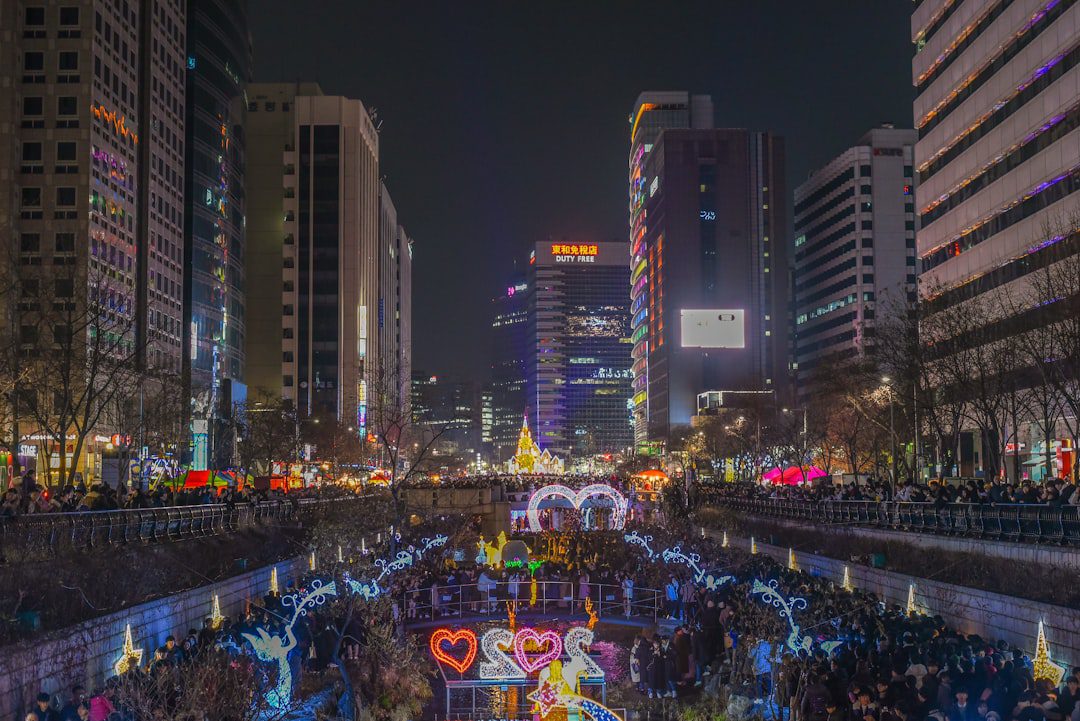
When I first moved to Seoul 35 years ago, Korean pop music was… well, it barely existed on the global radar. But over three decades, I’ve watched something extraordinary unfold. Today, Korea isn’t just the world’s K-pop capital—it’s become a pilgrimage site for millions of fans who save up, travel halfway across the planet, and queue for hours just to see their favorite idols perform live.
I’ve stood in concert lines with fans from 47 different countries. I’ve watched grown adults cry genuine tears at fan meetings. I’ve learned the choreography to songs I can’t understand. And honestly? It’s beautiful. K-pop isn’t just music in Korea—it’s a complete cultural ecosystem with its own economy, etiquette, fashion, and deeply loyal communities.
If you’re planning to experience K-pop culture as a visiting fan, you’re in for something genuinely special. But there’s a lot to know: how tickets actually sell (spoiler: it’s complicated), what fan meetings really involve, unwritten rules about lightsticks and fandom territories, and where to find the best experiences. After three and a half decades watching this industry grow, I’ve learned the insider details most first-time visitors miss. Here’s everything you need to know about being a K-pop fan in Korea.
Understanding Korean Fandom Culture: More Than Just Fans
Before you show up to your first concert, you need to understand something fundamental: Korean fandom isn’t casual. These aren’t people who casually listen to an idol’s music. These are organized, passionate communities with official membership systems, hierarchies, rules, and a deep emotional investment that Western fans sometimes find shocking.
Every major idol group in Korea has an official fanclub. BTS has ARMY, BLACKPINK has BLINKs, Stray Kids has STAYs, NewJeans has NEWJEANs. When you attend concerts and fan events, you’ll see fans wearing coordinated outfits in their group’s official colors, holding light sticks synchronized in perfect patterns, and singing along with the exact same pronunciation as 15,000 other people. It’s not chaotic—it’s organized fandom theater, and it’s incredible to witness.
Ted’s tip: The Korean fandom hierarchy matters. Fans who’ve been with an idol since debut (called “debut fans” or 데뷔팬) are respected differently than newer fans. Older fans (in terms of how long they’ve been stans, not age) often occupy different concert sections. Don’t be intimidated by this—everyone’s still there for the same reason. But understanding the structure helps you navigate the community respectfully.
The financial commitment is real. Korean fans spend significant money on merchandise, multiple concert tickets, official fanclub memberships, and fan projects. I’ve met people who attend 10+ concerts annually for the same group. Many save for months specifically to buy tickets. This isn’t casual entertainment spending—it’s a legitimate part of Korean youth culture and disposable income.
Social media and messaging apps like KakaoTalk and Discord are where the real fandom action happens. Fans organize concert attendance, share ticket information, arrange meetups, and create coordinated fan projects. If you want to fully immerse yourself, joining English-language fandom communities on Twitter and Discord before your trip helps you understand current events, rivalries, and inside jokes.
How to Buy K-Pop Concert Tickets in Korea
This is where many international visitors hit their first obstacle: Korean concert tickets sell out fast, and the system is different from Western ticketing. You can’t just walk into a box office. You need accounts, timing, and often luck.
The Main Ticketing Platforms
South Korea has several major ticket platforms, but three dominate the K-pop concert market:
| Platform | Website | Best For | English Support |
|---|---|---|---|
| Ticketmaster Korea (예스24) | ticketmaster.co.kr | Major venues, idol groups | Limited |
| Interpark Tickets | interpark.com | General ticketing | Some support |
| YES24 | yes24.com | K-pop concerts mainly | Minimal |
Ted’s tip: Don’t rely on English-language ticketing sites like StubHub or Ticketmaster’s international version. They often have inflated prices and fewer inventory options. The Korean platforms are where the real tickets are sold first.
The Concert Ticketing Process
Here’s what actually happens when K-pop concert tickets go on sale:
| Stage | Fanclub Presale | General Sale | Timing |
|---|---|---|---|
| 1. Announcement | Official fanclub informed first | Public announcement | 2-4 weeks before |
| 2. Fanclub Presale | Members get first access | Waitlisted or excluded | Usually 1 week early |
| 3. General Sale Opens | Can buy additional tickets | Often sells out in minutes | Specified date/time |
| 4. Resale Period | Some fans resell extra seats | Secondary market available | Before concert date |
Practical Steps to Actually Get Tickets
Step 1: Create Accounts Before Sales Begin
You’ll need verified accounts on Ticketmaster Korea and Interpark at minimum. This requires a Korean phone number or foreign registration number. Many international fans use their passport number (foreign registration number) instead. Sign up at least 2 weeks before any concert you’re interested in.
Step 2: Join the Official Fanclub
If you’re serious about getting good seats, buy official fanclub membership. Most cost between ₩40,000-₩70,000 annually and give you presale access. Yes, you’ll pay for membership just to get presale access. This is normal in Korea.
Step 3: Be Online at Exactly the Right Time
Sales happen at exact times—often 10:00 AM or 2:00 PM on specified dates. You need to be logged in and ready 5 minutes before. Popular concerts sell out in 3-15 minutes for good seats. Have your payment method ready (Korean credit card or debit card preferred).
Step 4: Know the Venue Code System
Korean venues are organized by section codes. Different sections go on sale in different “rounds.” If first round sells out, you’ll wait for second round. Popular sections (floor seats, center stage) sell out first. Be flexible.
Step 5: Consider Resale Markets
If you miss general sales, several options exist: Ticket resale websites like Ticketlink (ticketlink.co.kr), private fan sales through fan communities, and occasionally day-of tickets at venues. None are guaranteed, but they exist.
I’ve watched thousands of international fans navigate this process. The ones who succeed either: (a) join fanclubs early, (b) use VPN services to appear Korean at sale time (not recommended legally), or (c) attend less-popular tour dates in smaller cities. A mid-week concert in Busan or Daegu has much better availability than Seoul Saturday dates.
What to Expect at a K-Pop Concert: The Full Experience
Your first K-pop concert in Korea will be unlike anything you’ve experienced at Western concerts. The production values are extraordinary, but so is the organized nature of the fandom itself.
Before You Arrive at the Venue
Arrive early—at least 2 hours for popular concerts. Fans start queuing at 6 AM for evening shows. There’s a system to it. You’ll find sections marked by fanclub members, merchandise lines, and organized queue areas. Everyone knows the order. Just follow the crowd.
Ted’s tip: Buy merchandise before the concert, not after. The merchandise stands get absolutely mobbed after the show. Budget ₩50,000-₩150,000 for concert merch if you want lightsticks, t-shirts, or official goods.
Most large K-pop concerts happen at these venues:
| Venue | Capacity | Location | Subway Access |
|---|---|---|---|
| KSPO Dome (Olympic Gymnastics Arena) | 10,000 | Jamsil, Seoul | Line 2, Jamsil Station |
| Seoul Olympic Stadium | 70,000 | Jamsil, Seoul | Line 2, Jamsil Station |
| Gocheok Sky Dome | 25,000 | Gocheok, Seoul | Line 1, Gocheok Station |
| Jangchung Gymnasium | 6,000 | Jung-gu, Seoul | Line 3, Chungmuro Station |
| Busan Asiad Main Stadium | 53,000 | Busan | Line 2, Asiad Stadium |
If you need detailed transit information, my full Korean subway guide covers getting anywhere in Seoul efficiently.
Inside the Concert Venue
A few things shock international visitors:
Lightstick Synchronization: Every fan with official lightsticks will sync them to match the performance. It’s not optional—it’s coordinated. You’ll see tens of thousands of lights moving as one wave. If you’re not participating, that’s fine, but understand you’re watching organized fandom performance art.
Fandom Colors and Sections: Different fan groups have official sections. If you see a large group of fans in specific colors occupying one area, that’s probably organized fans. Finding your actual section matters for crowd flow.
Fan Chants: Fans have memorized synchronized chants for every song. When their bias (favorite idol) sings, fans will chant their name. This isn’t disruptive—it’s expected. You’ll hear “JUNGKOOK” or “LISA” or “FELIX” shouted in unison at specific moments. Again, totally normal.
No Camera Phones (Usually): Most K-pop concerts ban camera phones entirely. Some allow it for certain songs. Always check your ticket confirmation for rules. This keeps the focus on the stage and prevents bootleg recordings.
Strict Timing: K-pop concerts start exactly on time and end exactly as scheduled. There’s no “and we’ll play one more song”—the show ends, lights come up, security starts moving people out. This is Korean efficiency at its finest.
The Setlist and Performance Style
Expect 90-120 minutes of performance. The show structure usually follows this pattern:
| Section | What Happens | Duration |
|---|---|---|
| Opening Ment | Idols say hello, thank fans, explain theme | 3-5 min |
| Title Tracks (Upbeat) | Popular songs, intense choreography | 20-25 min |
| Solo/Unit Stages | Individual members or subunits perform | 15-20 min |
| Ballads & Slower Songs | More emotional, less choreography | 15-20 min |
| Encore & Final Songs | High energy finale | 10-15 min |
The production quality is genuinely impressive. Expect multiple costume changes, elaborate stage sets, pyrotechnics, and choreography that would make Broadway jealous. This is where K-pop companies invest millions. You’re watching world-class entertainment.
Fan Meetings, High-Touches, and Meet-and-Greets
This is where K-pop fan culture gets really interesting—and different from Western artist interactions. In Korea, there are formalized, structured ways to meet idols.
What’s a High-Touch (하이 터치)?
A “high-touch” is exactly what it sounds like: you stand in line, you get maybe 3 seconds face-to-face with your idol, you high-five or briefly touch their hand, and you move on. That’s it. That’s the interaction. Yet fans will travel across the country for this 3-second moment.
Why? Because in those 3 seconds, you make eye contact. You might say their name. They might nod at you. For many fans, it’s the closest they’ll ever get to their idol. The emotional weight is real, even if it seems brief to outsiders.
Ted’s tip: High-touches are usually free if you buy a certain amount of merchandise at the concert. You’ll get a high-touch voucher for spending ₩50,000+ on concert goods. This is standard practice. If you’re serious about the meet-and-greet, budget accordingly.
Official Fan Meetings (팬미팅)
More formal fan meetings are organized separately from concerts. These are ticketed events, usually held at smaller venues, where fans get to:
- Sit in an organized auditorium with 500-2,000 other fans
- Watch the idols perform a short set
- Participate in games or activities
- Get individual high-touches or brief conversations (maybe 5-10 seconds)
- Get autographs on official merchandise
Tickets for fan meetings run ₩30,000-₩80,000 and sell through the same platforms as concerts. International fans often struggle to get these because they sell out in minutes to fanclub members. Same strategy applies: join the fanclub, be online at exact sale time, hope for luck.
Where to Find Fan Meetings and Events
Check these resources:
| Source | Best For | Language | How to Find |
|---|---|---|---|
| Official Group Twitter | Official announcements | Korean + sometimes English | @(group)_official |
| Weverse App | Real-time group updates | Korean, some translation | Download app, follow group |
| English Fandom Discord | Fan translations, info-sharing | English | Reddit, Twitter |
| Ticketmaster Korea | Event listings | Korean | ticketmaster.co.kr |
I always recommend joining English-language fandom communities on Discord or Twitter. English-speaking fans have translation bots and share information instantly. When a fan meeting or concert is announced, you’ll hear about it within minutes from these communities. This is honestly the best way international fans stay informed.
K-Pop Shopping and Merchandise Culture
K-pop fan culture isn’t just about concerts and meetings—it’s about merchandise. The amount of money spent on lightsticks, albums, and collectibles is genuinely staggering.
Lightsticks: The Ultimate Fan Investment
Every major idol group has an official lightstick. These aren’t just glow sticks you find at a rave—they’re sophisticated LED devices that cost ₩35,000-₩50,000 and sync to music via Bluetooth in newer models.
| Lightstick | Price (₩) | Where to Buy | Special Features |
|---|---|---|---|
| BTS ARMY Bomb | ₩39,000 | Concert venues, online | Bluetooth sync (newer versions) |
| BLACKPINK Blink Light Stick | ₩44,000 | Concert venues, Weverse | LED color changing |
| Stray Kids Stays Light Stick | ₩40,000 | Concert venues | Built-in speaker |
| NewJeans Light Stick | ₩45,000 | Concert venues, Weverse | Minimalist design |
Ted’s tip: Buy your lightstick at concerts, not online. Concert venues usually have stock, prices are fixed, and you’ll need it for the actual concert anyway. Online prices often get inflated by resellers.
Albums and Collectibles
K-pop albums aren’t just music—they’re collectible products that include photo cards, poster sets, behind-the-scenes booklets, and random merchandise. Each album version has different inclusions. Fans buy multiple versions of the same album to collect all variations.
Popular shops for K-pop merchandise:
| Store | Location | Specialty | English Friendly |
|---|---|---|---|
| Yes24 (영스24) | Multiple locations | Albums, merch, widest selection | Moderate |
| Ktown4U | Online (ktown4u.com) | Albums, ships internationally | Yes |
| SM Entertainment Official Store | Myeongdong, Seoul | SM groups (EXO, TWICE, etc.) | Some |
| JYP Official Store | Gangnam, Seoul | JYP groups (Twice, Stray Kids) | Some |
| HYBE Global Shop | Gangnam, Seoul | BTS, HYBE artists, merch | Yes |
If you’re serious about K-pop shopping, I have a dedicated K-pop merchandise shopping guide that breaks down specific addresses and strategies for finding rare items.
HYBE Insight and K-Pop Museums
Beyond concert merchandise, visiting HYBE Insight and K-pop museums gives you insider access to the industry. HYBE Insight (formerly BTS Planet) is located in Gangnam and showcases the production and creative process behind K-pop. It’s worth the ₩28,000 entry fee if you want to understand how K-pop is actually made.
Understanding Fandom Rivalries and Unwritten Rules
This might sound dramatic, but fandom rivalries in Korea are real and worth understanding before you jump into concerts.
Ted’s tip: The rivalry between ARMY (BTS fans) and BLINKs (BLACKPINK fans) is famous, but don’t exaggerate it in conversations. It’s mostly playful on Twitter and gets overblown internationally. In real life, fans are respectful. But knowing these dynamics helps you understand conversations you’ll overhear.
Unwritten Fandom Rules
- Don’t Mix Lightsticks: At concerts, don’t use lightsticks from a rival group. If BTS and BLACKPINK fans are in the same venue (rare), keep your lightstick consistent with your group.
- Respect Group Hierarchies: Debuting idols (new groups) are treated differently from established groups. Newer fans respect veteran fans. You don’t have to participate in this, but understanding it prevents awkward moments.
- Don’t Stream from Other Accounts: If you’re in a fandom, you generally don’t boost streams for rival groups. This is a real fandom rule. Sound silly? It is. But it matters to people who care about chart positions.
- Respect Photo Rights: Don’t film idols if cameras are banned. Don’t take private moments and share them on social media. Fan communities enforce these rules through collective judgment.
- Join Group Chats Respectfully: If you’re invited to fandom Discord servers, introduce yourself politely, don’t spam, and respect the culture you’re joining.
None of this should make you feel unwelcome. International visitors are generally welcomed warmly. But being aware of these dynamics means you won’t accidentally offend someone or create awkward moments.
Where K-Pop Experiences Happen Beyond Concerts
K-pop culture isn’t contained to concert venues. These neighborhoods and locations are where you’ll experience idol culture daily:
Gangnam and the Entertainment Company Districts
The three major entertainment companies (SM Entertainment, YG Entertainment, JYP) all have headquarters and training centers in Gangnam. Walking through Gangnam, you’ll randomly see trainees, idols doing ordinary things, and company buildings. It’s surreal.
HYBE Insight is in Gangnam (Samseong station area), alongside several K-pop museums and galleries. Spending a day in this area gives you genuine insider perspective on how the industry functions.
Hongdae and the Street Culture
Hongdae is where younger, indie K-pop artists and trainees hang out. You’ll find smaller venues, street performances, and a less corporate K-pop culture. For every BTS there are hundreds of street performers hoping to get discovered. Hongdae is where those dreams happen.
Myeongdong and Shopping Culture
Myeongdong is absolutely packed with K-pop merchandise shops, official brand stores, and fan culture. Any major shopping area will have k-pop merch, but Myeongdong is ground zero. You’ll see fans everywhere wearing lightsticks and coordinated outfits.
I’ve written about Myeongdong’s shopping culture extensively, and much of the foot traffic is K-pop fan-related.
Hongik University Area and Hongdae
My complete Hongdae guide breaks down where to find street performances, smaller venues, and the younger K-pop culture that’s less commercial than mainstream concerts.
Practical Logistics: Money, Time, and Language
Let me give you the real operational details that will make your K-pop fan experience smooth.
Payment Methods
The biggest obstacle international fans face is payment. Most Korean ticketing platforms and merchandise shops want Korean payment methods:
| Payment Method | Works for Tickets? | Works for Merch? | How to Get |
|---|---|---|---|
| Korean Credit Card | Yes | Yes | Hard for tourists, need residency |
| Korean Debit Card | Sometimes | Yes | Open Korean bank account (needs passport) |
| International Credit Card | Rarely | Sometimes | Use prepaid/debit Visa/Mastercard |
| Naver Pay | Yes | Yes | Link to international card |
| Kakao Pay | Yes | Yes | Link to international card |
Ted’s tip: Download Naver Pay and Kakao Pay apps before your trip. Link your international card to these apps. They work for almost every Korean ticketing and shopping platform. This single step removes your biggest payment obstacle.
Language Barriers and Translation Tools
Korean ticketing websites are entirely in Korean. Concert information is in Korean. Merch descriptions are in Korean. You need translation help. Here’s what actually works:
- Google Translate App: Use the camera feature to translate website text in real-time. It’s not perfect but functional enough for tickets and venue information.
- Papago (Korean Google Translate): Actually more accurate than Google Translate for Korean. Download the app.
- Fan Community Translations: English fandom communities on Discord translate ticket information immediately. Join these groups.
- Weverse App Translations: Built-in translation for major artist announcements. Not perfect but helpful.
For more detailed language help, I’ve written a basic Korean phrases guide and a language basics for tourists article that covers everything from ordering to transactions.
Budget Breakdown for a K-Pop Fan Trip
Let me give you realistic budget expectations:
| Item | Budget (₩) | Notes |
|---|---|---|
| Concert Ticket (Mid-Range) | ₩100,000-₩200,000 | Varies by artist and venue |
| Lightstick | ₩40,000-₩50,000 | Buy at concert venue |
| Concert Merchandise (Shirt, Poster, etc.) | ₩50,000-₩150,000 | Optional but common |
| Fan Meeting Ticket | ₩30,000-₩80,000 | If you get lucky with tickets |
| Albums (2-3 versions) | ₩60,000-₩90,000 | ₩20,000-₩30,000 each |
| Fanclub Membership | ₩40,000-₩70,000 | Annual cost for presale access |
A realistic K-pop fan trip budget (excluding accommodation): ₩400,000-₩700,000 (about $300-$550 USD) for one concert, merchandise, and basic fan experiences. If you attend multiple concerts, multiply accordingly.
Safety and Respect: Being a Good Fan in Korea
After 35 years here, I’ve learned that Korean culture places huge importance on respect and following rules. This applies doubly to fandom culture.
Concert Venue Rules (Enforced Strictly)
- No Photography/Video: Unless explicitly allowed. Security will confiscate phones if you’re caught filming. Don’t argue—they’re serious about this.
- No Outside Food/Drink: Only approved vendor food inside venues. This is a safety/revenue rule. Respect it.
- Arrive Early, Leave Organized: Don’t block exits. Respect traffic flow during exit. Korean venues run tight operations.
- Follow Assigned Seating: Even general admission has section assignments. Don’t roam around trying to find better seats. It disrupts everyone.
- Control Your Volume: While fan chants are expected, screaming between songs disrupts the show experience. Find the balance Korean fans have mastered.
Respectful Interaction with Idols
During high-touches or brief fan interactions:
- Don’t grab or hold the idol’s hand. A quick touch is it.
- Don’t cry heavily in their face—they’re uncomfortable with it even though it happens.
- Don’t spend extra time talking. You get 3 seconds. Respect that.
- Don’t take pictures without permission during meet-and-greets (usually banned anyway).
- Don’t ask them personal questions about their love life or controversy. This is inappropriate.
Ted’s tip: I’ve watched many international fans make this mistake: they assume because they’ve watched hours of content of an idol, they have a personal relationship. You don’t. Be respectful of professional boundaries, even though they’re incredibly kind to fans.
Frequently Asked Questions
Can I use my international credit card to buy Korean concert tickets?
Directly? Almost never. Korean ticketing platforms require Korean payment methods. Your solution: Set up Naver Pay or Kakao Pay (both apps allow international card linking) before your trip. Alternatively, ask a Korean friend to buy tickets for you. This is common and fans do this for international visitors.
How far in advance should I plan a K-pop concert trip?
Concert announcements usually come 3-4 weeks before the date. That’s when you find out. Fanclub presale happens about 1 week after announcement, general sale 3-4 days later. So realistically, plan 2-3 weeks ahead once concerts are announced. For major touring groups (BTS, BLACKPINK), announcements sometimes come earlier. Follow artist Twitter accounts to get announcements immediately.
What’s the best way to buy sold-out concert tickets?
Resale happens on official platforms (Ticketlink, Interpark resale sections) and through private fan sales. Join English fandom Discord communities—people constantly share tickets there. Be prepared to pay above face value (usually 10-50% markup). Check venue policies on allowed resale. Some venues ban resale entirely.
Do I need to speak Korean to attend concerts?
No. Concert production is universal. Music transcends language. However, you need Korean (or translation) to buy tickets and navigate websites. This is the real barrier, not the concert itself. Bring Google Translate and you’ll manage the practical stuff.
What if I can’t get concert tickets—are there other K-pop experiences?
Absolutely. Visit HYBE Insight museums, shop for merchandise, visit entertainment company neighborhoods, join fan meetups (organized by fandom communities on Twitter and Discord), attend smaller artist performances in Hongdae, and explore K-pop cultural sites. Concerts are the peak experience, but the culture extends everywhere.
How do I know which idols are performing in Korea during my visit?
Check Ticketmaster Korea (ticketmaster.co.kr) and Interpark (interpark.com) for “콘서트” (concert) listings. Follow artist Twitter accounts in your interest area. Join English fandom communities that track all tour announcements. Schedule your trip around specific concert dates if you have a target artist. Timing makes a massive difference in what shows are available.
Is it expensive to be a K-pop fan in Korea?
It can be. Korean fans spend ₩400,000-₩1,000,000+ annually on their favorite artists. But you can do it cheaper: attend one concert (₩100,000-₩200,000), buy a lightstick and basic merch (₩100,000), and that’s a complete experience for ₩200,000-₩300,000. You don’t need to spend fortunes. Make choices that match your budget.
Final Thoughts
Thirty-five years ago, when I first moved to Seoul, Korean pop music was barely on anyone’s radar. I’ve watched this industry explode from nothing into a genuine global phenomenon. But the most remarkable thing I’ve witnessed isn’t the industry’s growth—it’s the community.
K-pop fandoms are extraordinary. They’re passionate, organized, respectful, and genuinely loving toward their favorite artists. When you attend a concert in Korea, you’re not just seeing a performance. You’re witnessing millions of people expressing joy in a coordinated, beautiful way. You’re part of something culturally significant.
Whether you’re a casual listener who wants to see one concert, or a dedicated fan who’s been planning this trip for years—Korea will welcome you into this ecosystem. The logistics can be confusing (Korean websites! Payment methods! Language barriers!), but they’re solvable. The fandom culture can seem intense (it is), but it’s also genuinely kind to newcomers.
My advice: Don’t overthink it. Get your payment methods set up, join fan communities for your artist, watch for ticket announcements, and go experience something you’ve probably only seen through screens until now. Stand in an arena with tens of thousands of people who understand exactly why you traveled halfway across the world for this moment. Sync your lightstick. Sing along. Feel the energy. This is what makes Korea special to millions of people worldwide.
— Ted K
Image Credits: Photos sourced from Unsplash. By using this site, you agree to our Privacy Policy and Disclaimer.