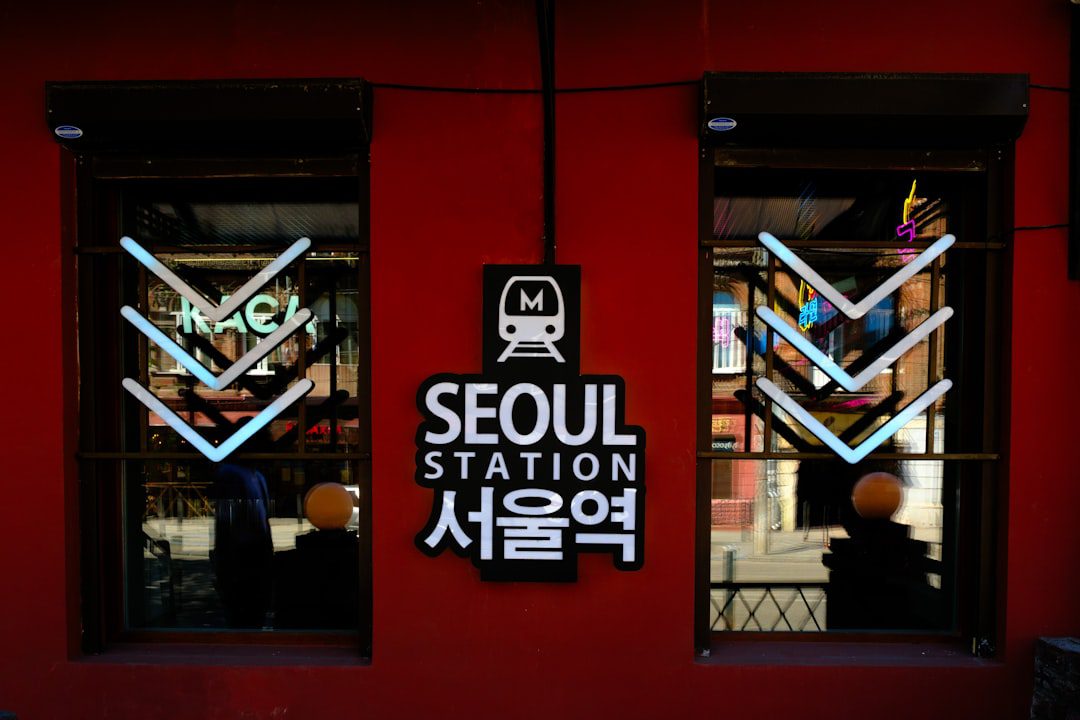
When I first moved to Seoul 35 years ago, I walked into a small stationery shop in Myeongdong looking for a simple ballpoint pen. What I discovered instead was an entire universe I didn’t know existed — shelves lined with pens in colors I’d never seen, notebooks with paper textures that felt like silk, and organizational tools that made my desk at home look positively medieval.
That moment changed how I approach shopping in Seoul. What started as a practical errand became a genuine passion, and over three decades, I’ve explored nearly every stationery and art supply store worth visiting in this city. The Korean stationery industry isn’t just about functionality — it’s about craftsmanship, design, and the borderline obsessive attention to detail that Koreans bring to everything they do.
Whether you’re an artist, a student, a designer, or simply someone who gets unreasonably excited about a perfectly weighted pen, Seoul is absolute heaven. Here’s my complete guide to the best stationery and art supply shopping in the city — the stores locals know about and the ones tourists always miss.
Why Seoul Is the Stationery Capital of East Asia
Before we dive into specific stores, let me explain why Seoul deserves its reputation as THE destination for stationery enthusiasts. Korean companies like Monami, Faber-Castell Korea, and Pilot have set the standard for quality writing instruments across Asia. The culture here celebrates the ritual of writing — from high school entrance exam prep to journaling culture to the meticulous bullet journaling community.
This means you’ll find products here that simply don’t exist elsewhere. Limited edition pen colors drop seasonally. Stationery collaborations with K-pop idols sell out within hours. Premium Korean paper mills produce notebooks that feel expensive even when they cost just ₩3,000.
Ted’s tip: Stationery in Seoul isn’t just cheaper than Western countries — it’s often literally impossible to find the same quality products abroad at any price. I regularly have friends ask me to ship Korean gel pens to them in the US. It’s become a running joke.
The best time to shop is right after new inventory arrives — usually Tuesday mornings at larger stores — and during seasonal transitions in March, June, September, and December when stores refresh their displays with new product lines.
The Megastores: Daiso and Muji
Daiso — Affordable Korean Stationery Basics
Let’s start with the obvious. Daiso is everywhere in Seoul — over 400 locations across the city — and while they’re technically a Japanese company, their Seoul stores are absolutely packed with Korean stationery brands alongside Japanese imports. Everything is ₩1,000 to ₩10,000, making it the perfect entry point for budget-conscious shoppers.
The key here is knowing what to buy. Skip the generic notebooks and focus on their Korean-made items: Monami pens (the gel pen sensation that Korean students live and die by), Tombow correction tape, and their selection of washi tape, which genuinely rivals dedicated tape shops. The packaging design alone — featuring cute illustrations and seasonal themes — is worth buying just to display on your desk.
| Popular Daiso Stationery Items | Price (₩) | Why Buy Here |
|---|---|---|
| Monami Slim Gel Pens (0.38mm) | 1,000–2,000 | Iconic Korean brand, smooth writing |
| Washi Tape (10 rolls assorted) | 1,000–3,000 | Korean seasonal designs, bulk options |
| Sticky Notes (pastel colors) | 1,000 | Better quality than Dollar Tree equivalent |
| Page Markers/Tabs | 1,000–2,000 | Enormous variety of shapes and colors |
| Bullet Journal Supplies Kit | 5,000–8,000 | Thoughtfully curated Korean selection |
My favorite Daiso for stationery is the massive location in Myeongdong (Line 4, Myeongdong Station, Exit 5 — approximately 5 minutes walk), which has an entire section dedicated to Korean stationery brands that the smaller stores don’t carry.
Muji — Minimalist Korean Aesthetic
Muji’s Seoul locations are temples of minimalist design. While they’re Japanese-owned, their Korean stores carry a carefully curated selection of stationery that bridges Korean and Japanese minimalism. Their gel pens, notebooks, and desk organizers represent the intersection of function and beauty that appeals to Seoul’s design-conscious population.
The Muji notebook is genuinely excellent — the paper quality is superior, and the designs are so neutral you’ll still be using them five years later. Their A4 grid notebooks (₩3,900) are what I use for travel notes even today. The gel pen line, while not as fancy as specialized brands, offers incredible value at ₩500–1,200 per pen with consistent quality across every single one you purchase.
There are 18 Muji locations across Seoul. The flagship store is in Gangnam (Line 2, Gangnam Station, Exit 12), but honestly, the smaller neighborhood stores often have better selection because they’re less picked-over by tourists.
Dedicated Korean Stationery Chains: Artbox and Typo
Artbox — The K-Stationery Institution
Artbox is where Seoul’s youth shops for stationery. It’s a Korean-founded chain with over 120 locations citywide, and walking into one feels like entering a carefully designed Instagram post. The stores are organized by product category with obsessive precision: an entire wall dedicated to gel pens, sections for each notebook brand, carefully curated color displays.
What makes Artbox special is their focus on Korean-made products and their absolute mastery of seasonal marketing. In January, they feature stationery themed around New Year’s resolutions. By March, it’s all spring pastels and cherry blossoms. They create a sense of urgency that’ll have you filling a basket with items you didn’t know you needed.
Here’s what to prioritize at Artbox:
- Tomoe River Paper Notebooks (₩8,000–15,000): Japanese paper manufactured to Korean standards. Life-changing for fountain pen users.
- Monami Premium Gel Pens (₩3,000–8,000): The Korean counterpart to Muji pens, with more color options and slightly smoother writing.
- Seasonal Limited Editions: Artbox creates exclusive products quarterly. If you see something you like, buy it immediately — they don’t restock.
- Highlighter Sets (₩5,000–12,000): Korean highlighter brands have a cult following for their transparency and color saturation.
- Index Stickers and Markers (₩2,000–6,000): The variety is genuinely overwhelming in the best way.
Ted’s tip: Go to Artbox on a weekday morning before 11 AM to avoid the after-school crush of students. You’ll have a much more contemplative browsing experience, and the staff is more available to help. Weekends can get genuinely crowded — I’m talking shoulder-to-shoulder.
The original Artbox is in Myeongdong (Line 4, Myeongdong Station, Exit 3), but I actually prefer the location in Hongdae (Line 2, Hongdae Station, Exit 9), which has a more relaxed vibe and attracts fewer tourists. It’s where local artists and designers shop.
Typo — Korean Youth Culture Hub
Typo is a Korean brand that focuses on stationery with personality. Their stores are smaller and more curated than Artbox, featuring products that skew toward the younger demographic. Think colorful desk accessories, fun pen cases, novelty items alongside practical supplies.
Typo stores are great for finding gift-worthy items and limited edition collaborations. They frequently partner with Korean fashion brands, K-pop agencies, and local artists. I’ve found some genuinely beautiful items here that I’ve never seen anywhere else — handcrafted pens from independent Korean designers, eco-friendly notebooks, and paper products made from unusual materials (mulberry paper, hemp fiber, etc.).
Prices at Typo are slightly higher than Artbox (₩5,000–20,000 range), reflecting the more specialized inventory, but the quality is consistently excellent. There are 25+ locations, with the main flagship in Gangnam (Line 2, Gangnam Station, Exit 9).
Specialty Stores for Artists and Professionals
Hunminjeong — The Professional Art Supply Store
If you’re serious about art, Hunminjeong is where you need to go. Located in Insa-dong (one of Seoul’s most historic neighborhoods — check out my complete Insadong guide for more), this store has been operating for over 40 years and serves the city’s professional artists, illustrators, and designers.
The selection is extraordinary. They carry every major international brand (Faber-Castell, Caran d’Ache, Holbein, Winsor & Newton) alongside Korean brands like Monami and Staedtler Korea. The staff genuinely knows their products and can guide you based on your specific needs.
Here’s what makes Hunminjeong special: they stock products you won’t find in general stationery stores. Specialty gouache sets, professional-grade colored pencils, archival papers from European mills, and brushes handmade by Korean artisans. The colored pencil section alone takes up an entire wall and includes options from entry-level to professional-grade.
| Hunminjeong Product Categories | Price Range (₩) | Best For |
|---|---|---|
| Professional Colored Pencils (per set) | 15,000–120,000 | Illustration, fine art |
| Watercolor Sets | 20,000–200,000 | Hobbyists to professionals |
| Specialty Papers (pad of 10 sheets) | 8,000–35,000 | Mixed media, fine art |
| Brush Sets | 10,000–80,000 | Calligraphy, painting, illustration |
| Marker Sets (alcohol-based) | 25,000–150,000 | Graphic design, animation |
| Canvas and Canvas Boards | 5,000–50,000 | Painting |
Ted’s tip: Hunminjeong staff speak English and are happy to make recommendations based on your skill level. Don’t be shy about asking questions — this is a working artist’s store, not a tourist shop. If you mention what you’re working on, they’ll often show you products that weren’t on the shelf and might even offer a small discount for serious purchases.
Location: Insa-dong, Jongno-gu (Line 3, Anguk Station, Exit 6 — approximately 10 minutes walk). Hours: 10 AM–7 PM daily, closed Sundays.
Seoul Art Supply — Wholesale and Retail
If Hunminjeong is the refined choice, Seoul Art Supply is the volume play. Located in Euljiro (a neighborhood I’ve written about extensively), this massive warehouse-style store serves both retail customers and professional artists who buy supplies in bulk.
The energy here is completely different — less curated design aesthetic, more “we have literally everything.” The prices are genuinely competitive because they buy direct from manufacturers. A set of 120 professional colored pencils that costs ₩180,000 at Hunminjeong might be ₩140,000 here.
They carry enormous stock of every major brand, and they frequently have discounts (often 10-20% off) on end-of-season inventory. If you know exactly what you want, you can often negotiate slightly on bulk orders.
Location: Euljiro, Jung-gu (Line 2, Euljiro 4-ga Station, Exit 1 — 5 minutes walk). Hours: 9:30 AM–7:30 PM, closed Sundays.
Neighborhood Gems: Where Locals Actually Shop
Gangnam Stationery Alley
One of my favorite discoveries in Seoul is what locals call “Stationery Alley” in Gangnam. It’s not a official designation, but a cluster of about 20 independent stationery stores on one block (near Gangnam Station, exit 9, heading toward the COEX mall). Many have been operating for 15-20 years, serving the neighborhood’s office workers and students.
What makes these stores special is their curated, personal selections. Unlike chain stores with corporate inventory decisions, each store reflects the owner’s taste and the neighborhood’s needs. One might specialize in fountain pens and premium writing papers. Another focuses on desk organization and office supplies. A third might be all about cute, collectible items.
Prices here are often lower than the big chains because there’s less overhead. You’ll negotiate better on bulk orders. And the owners actually remember regular customers — over the years, I’ve been recognized and offered special orders based on my past purchases.
Hongdae’s Artist Neighborhood Shops
Hongdae is Seoul’s bohemian neighborhood, and the stationery shops here reflect that vibe. Alongside the chains, there are independent stores run by artists who stock items specifically for the creative community. You’ll find makers of handmade notebooks, limited edition pens from Korean designers, eco-friendly products, and supplies for specific art forms (calligraphy, bookbinding, printmaking).
I recommend wandering the residential streets behind Hongik University (about 15 minutes walk from Hongdae Station). The stores here are quieter and more personal. You’ll find a bookbinding supply shop that’s been family-run for 30 years, a calligraphy store with imported inks, and small galleries that double as stationery shops.
Ewha Woman’s University District
If you visit the Ewha area, you’ll find stationery shops catering to thousands of female university students. The aesthetic here is more feminine and cute than in other neighborhoods — lots of pink, pastels, character collaborations. The prices are sometimes slightly lower than central Seoul because it’s student-focused.
The main street below Ewha Station (Line 2, Exit 2) has at least 10 dedicated stationery stores within a 5-minute walk. My recommendation is to try three different stores and see which one resonates with your aesthetic.
Online and Department Store Options
Department Store Stationery Sections
Seoul’s major department stores (Lotte, Hyundai, Shinsegae) have dedicated stationery sections that are often overlooked by tourists. These sections carry premium imported brands and exclusive local editions that you won’t find in neighborhood shops.
The Lotte Department Store in Myeongdong (B1F and 1F, near Line 4, Myeongdong Station) has an exceptional stationery section that’s basically a miniature version of Hunminjeong. The selection of Japanese and Korean premium brands is outstanding. Prices are higher than specialty stores, but the shopping experience is polished and the staff is knowledgeable.
| Seoul Department Stores with Stationery | Hours | Stationery Highlights |
|---|---|---|
| Lotte Myeongdong | 10 AM–8 PM | Premium pens, exclusive editions |
| Shinsegae Myeongdong | 10 AM–8 PM | Designer collaborations, high-end notebooks |
| Hyundai Coex (Gangnam) | 10 AM–8 PM | International luxury brands |
| Galleria Gangnam | 10 AM–8 PM | Exclusive Korean designer stationery |
Online Shopping: Coupang, Naver, Gmarket
For convenience, Korean online retailers stock stationery with next-day delivery options. Coupang (Korea’s Amazon equivalent) has excellent selection and often offers free shipping. Naver Shopping is good for comparing prices across multiple sellers. Gmarket specializes in bulk orders.
However, I actually don’t recommend shopping online for stationery when you’re visiting Seoul. Half the joy is the tactile experience — feeling the paper quality, testing the pen weight, seeing colors in person. And prices online often include shipping that brings them above in-store costs.
The Ultimate Stationery Shopping Guide by Product
Premium Pens
If you want luxury writing instruments, Seoul is exceptional. For fountain pens, Hunminjeong has the best selection of international brands plus Korean makers like Noodler’s (which has a Korean distributor). For gel pens, Monami and Arteza are genuinely world-class — the ₩5,000–8,000 range includes pens that perform like Western pens costing double.
Ballpoint pens: The Lamy Safari is iconic here, stocked at any decent stationery store. But Korean brands like Pilot G2 (manufactured in Korea) offer comparable quality at half the price.
Notebooks and Paper
This is where Korean stationery truly excels. The paper quality is exceptional. For premium notebooks, head to Hunminjeong for brands like Tomoe River, Rhodia, and Clairefontaine. For Korean-made options, Artbox carries beautiful notebooks from local brands at ₩5,000–12,000.
Budget option: Muji notebooks are genuinely excellent at ₩3,900–6,000. I’ve journaled in Muji notebooks for years and they hold up perfectly.
Colored Pencils and Markers
Hunminjeong or Seoul Art Supply for professional-grade options. For casual use, Artbox has nice Korean brands at accessible prices (₩8,000–20,000 for a 24-set).
Desk Organization and Accessories
This is where to get truly original Korean design. Artbox has exceptional desk organizers, pen holders, cable management tools, and desk pads that are both functional and beautiful. Prices: ₩3,000–15,000.
For more minimalist options, Muji’s desk accessories are unbeatable at ₩2,000–8,000.
| Product Category | Best Store | Budget-Friendly | Premium |
|---|---|---|---|
| Gel Pens | Artbox | ₩1,000–2,000 | ₩5,000–8,000 |
| Notebooks | Muji/Artbox | ₩3,900–5,000 | ₩12,000–20,000 |
| Colored Pencils | Hunminjeong | ₩8,000–15,000 | ₩50,000–120,000 |
| Washi Tape | Daiso/Artbox | ₩1,000–3,000 | ₩5,000–10,000 |
| Desk Organizers | Artbox | ₩3,000–7,000 | ₩10,000–20,000 |
| Art Supplies | Hunminjeong | ₩10,000–25,000 | ₩50,000–200,000 |
Insider Shopping Tips and Strategy
Seasonal Sales and When to Shop
Stationery stores in Korea follow predictable seasonal patterns. New Year (January) brings the biggest selection and promotional pricing as stores refresh inventory for students and office workers making resolutions. March sees another wave of student-oriented products. September is another major transition point when students return to school.
The best deals: End of season clearances (late February, late May, late August, late November) can offer 20-30% discounts. However, selection is limited because items are being cleared out.
Tax-Free Shopping
Tourists are eligible for tax-free shopping in Korea. At stores with “Tax Free” signage (most major retailers including Artbox and Muji do this), make your purchase and request the tax-free form at the register. You can claim your VAT refund (usually about 10%) at Incheon Airport or Seoul’s tax-free centers before you leave.
For tax-free shopping to apply, you typically need a single receipt of ₩30,000 or more from one store. Keep all receipts organized in one envelope.
Shopping Strategy by Budget
Under ₩50,000 (Budget Traveler): Hit Daiso for basics, spend the rest at Artbox on a few special items. You’ll get great variety and experience Korean stationery culture without going overboard.
₩50,000–150,000 (Serious Enthusiast): Spend a full morning at Hunminjeong, then browse Artbox for specialty items. You can build a genuinely excellent collection of pens, papers, and art supplies.
₩150,000+ (Professional/Collector): Allocate time for Seoul Art Supply for bulk purchasing, Hunminjeong for premium items, and neighborhood shops for unique finds. You can commission custom orders at some stores if you contact them ahead.
Shipping and Taking It Home
Stationery is wonderfully lightweight — even ₩100,000 worth of pens and notebooks will barely weigh 5 pounds. Pack it in your luggage easily. If you’re flying back to North America or Europe, many airlines offer free checked baggage, so overloading your suitcase with stationery is a legitimate strategy.
Ted’s tip: Bring your own bag when shopping. Many Korean stores charge ₩1,000 for bags, and it’s not worth paying that. Plus, having a sturdy bag means you can continue shopping even if you accumulated a lot of items.
Frequently Asked Questions
What is the best Korean stationery brand to bring home as a gift?
Monami gel pens are the quintessential Korean stationery gift — they’re used by millions of Korean students and adults. A set of colorful ₩3,000 Monami pens says “I’ve been to Korea” without being touristy. Alternatively, a beautiful Korean notebook from Artbox makes an excellent gift for writers, students, or anyone who takes notes.
Are Korean stationery prices cheaper than Western countries?
Yes, significantly. A premium Korean gel pen that costs ₩5,000 would cost $8-12 USD in the US. Premium notebooks that cost ₩8,000 here sell for $15-20 abroad. Art supplies are 20-40% cheaper, especially if you buy bulk sets. Even accounting for international flight costs, buying stationery in Seoul is worthwhile.
Can I find specific international brands at Seoul stationery stores?
Yes. Hunminjeong and department store stationery sections carry Faber-Castell, Caran d’Ache, Holbein, Winsor & Newton, and other premium brands. Korean retailers are authorized distributors, so you get genuine products. Prices might be slightly higher than in Europe or the US due to import tariffs, but selection is excellent.
What time of day is best to shop for stationery in Seoul?
Weekday mornings (9-11 AM) are ideal for a focused, uncrowded experience. Lunchtime brings office workers. After 3 PM, students flood in, making chain stores very crowded. Saturdays are the busiest. Sundays, many small neighborhood shops are closed, though chains usually stay open.
Do I need Korean language skills to shop for stationery?
Not at all. Product names are often in English, and store staff at major chains speak some English. For specialty stores like Hunminjeong, it helps slightly, but the staff are used to international customers. You can point at items, use your phone’s translation app, or just browse — stationery shopping is pretty intuitive regardless of language.
Are there stationery stores near Myeongdong and Gangnam that tourists can easily visit?
Absolutely. Myeongdong has Artbox, Daiso, Muji, and Lotte Department Store all within walking distance of each other. Gangnam has similar options plus the “Stationery Alley” I mentioned. Both areas are easily reached by subway and very tourism-friendly. You can spend 1-2 hours stationery shopping as part of a larger visit to these neighborhoods.
What is the most iconic Korean stationery item to buy?
Monami 0.38mm gel pens are genuinely iconic. They’ve been made since the 1960s and are used by nearly every Korean student and office worker. The fine tip, smooth writing, and reasonable price make them the absolute must-buy Korean stationery item. A box of 12 costs about ₩10,000–15,000 and makes a perfect gift.
Can I return or exchange items if I change my mind?
Most Korean stationery stores accept returns within 7-14 days with a receipt, provided items are unopened. Some items (especially specialty pens) cannot be exchanged due to hygiene reasons. Chain stores like Artbox and Muji have generous return policies. Always ask before purchasing if you’re unsure.
Final Thoughts
Thirty-five years ago, I walked into a small stationery shop in Myeongdong looking for a simple pen and discovered an entire world. That world has only grown richer, more creative, and more innovative. Seoul’s stationery culture isn’t just about office supplies — it’s about celebrating the joy of the ritual of writing, the pleasure of beautiful tools, and the attention to detail that defines the Korean approach to design and craft.
Whether you’re a casual shopper looking for a few quality pens to take home, an artist seeking premium supplies, or a stationery enthusiast on a pilgrimage, Seoul delivers. The stores are welcoming, the staff are helpful, and the selection is genuinely world-class.
My advice: Dedicate at least half a day to exploring these shops. Wander into neighborhoods beyond the obvious tourist areas. Talk to shop owners about their recommendations. And allow yourself to fall in love with stationery the way Koreans do — not just as functional tools, but as expressions of creativity and daily intention.
Come for the pens. Stay for the entire experience.
— Ted K
Image Credits: Photos sourced from Unsplash. By using this site, you agree to our Privacy Policy and Disclaimer.