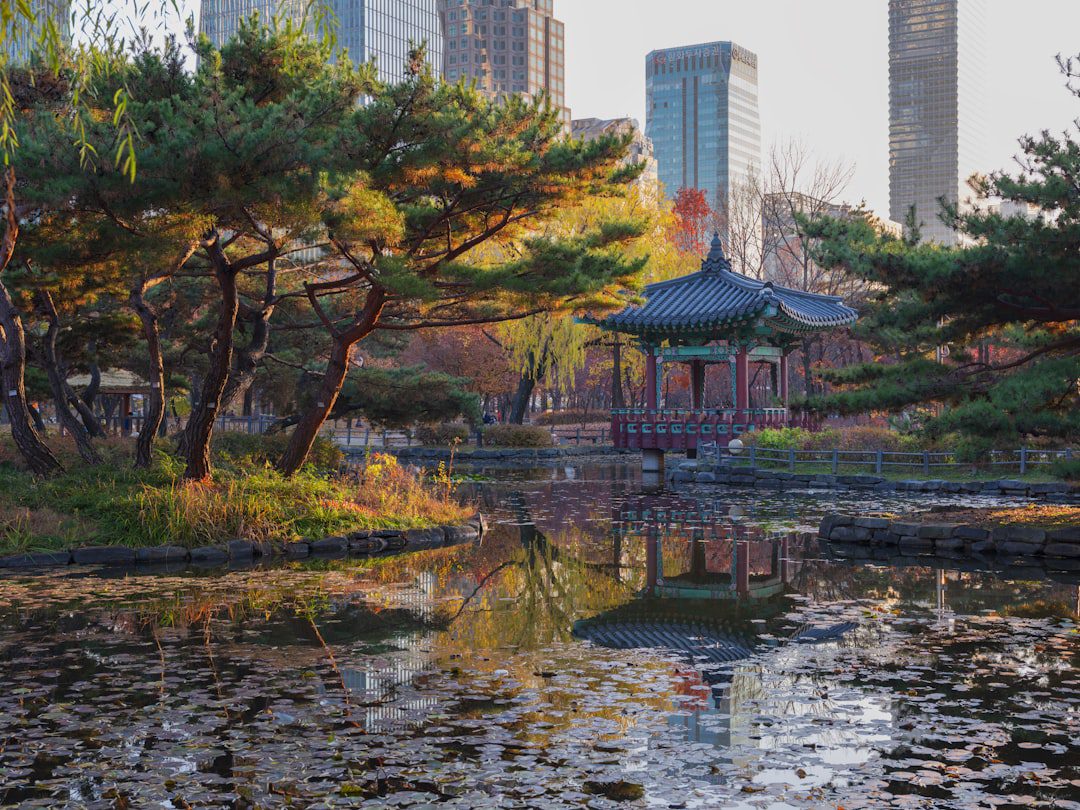
I’ll never forget the first time I stumbled upon Pocheon Art Valley by accident. It was a weekend in 2005, and I’d taken a wrong turn on the way to somewhere else entirely. What I found instead changed how I thought about day trips from Seoul forever.
Most tourists stick to the obvious escapes—the DMZ, Nami Island, maybe a temple stay in the mountains. But Pocheon, about 45 kilometers northeast of central Seoul, has quietly become one of my favorite places to recommend when visitors want to experience Korean nature mixed with genuine art and culture. No crowds, no Instagram filters needed, just real beauty.
After 35 years living here, I’ve made this trip dozens of times, and I still discover something new each visit. Whether you’re into hiking, contemporary art, traditional gardens, or just want to breathe fresh air away from the city, Pocheon Art Valley and Herb Island deliver in ways that feel authentic to Korea—not manufactured for tourists. Here’s your complete guide to making the most of a day trip out here.
Why Pocheon? Location, Distance & Getting There
Pocheon sits in Gyeonggi Province, roughly 45 minutes to an hour northeast of Seoul depending on traffic. It’s close enough for a day trip but far enough to feel like you’ve genuinely escaped the city. During rush hour or weekends, expect closer to 90 minutes by car, but the payoff is worth it.
Here’s how to get there:
| Transportation Method | Time | Cost | Best For |
|---|---|---|---|
| Car rental + GPS | 45–90 min | ₩60,000–₩100,000/day | Flexibility, groups |
| Subway + taxi/bus | 90–120 min | ₩5,000–₩15,000 | Budget travelers |
| Naver/Kakao taxi | 50–80 min | ₩45,000–₩65,000 | Comfort, door-to-door |
| Organized tour | Full day | ₩80,000–₩120,000 | No planning needed |
Ted’s tip: If you’re using public transit, take Line 7 subway to Sangbong Station (상봉역), then catch a taxi or local bus 25 directly to Art Valley. The bus takes about 40 minutes and costs around ₩3,000, but it only runs a few times a day. I usually recommend the taxi for ₩20,000–₩25,000 to save time.
My preferred method? Rent a car and drive early on a Saturday morning before traffic gets bad. Leave Seoul by 7 AM, and you’ll be hiking trails by 9:30 AM with clear roads ahead. I use Naver Map or Kakao Map for real-time traffic updates—both apps have English options and will adjust your route automatically.
Pro tip: Download offline maps before you go. Cellular reception in the mountains can be spotty, and you don’t want to be stuck without directions.
Pocheon Art Valley: Art, Culture & Mountain Views
Art Valley (아트밸리) is the anchor attraction here—a sprawling cultural complex that blends contemporary galleries, sculpture parks, hiking trails, and cafés all within a natural landscape. It’s not as polished as Seoul’s fancy art museums, but that’s exactly why I love it. It feels lived-in, thoughtful, and genuinely creative.
What to Expect at Art Valley
The complex covers about 80,000 square meters and includes multiple exhibition spaces, outdoor sculpture installations, forest walking paths, and seasonal flower gardens. The vibe is relaxed—locals come here to meditate, artists use it as a studio community, and families picnic on the grass. You can spend anywhere from 2 to 4 hours here depending on your interest level.
Main attractions include:
| Area | Description | Time Needed |
|---|---|---|
| Main Gallery Building | Rotating contemporary art exhibitions, usually 3–4 exhibitions running simultaneously | 60–90 min |
| Outdoor Sculpture Park | Large-scale installations set against forest backdrop, photo-worthy angles everywhere | 45–60 min |
| Walking Trails | Connected forest paths ranging from 30 min to 2+ hours, seasonal flowers bloom throughout the year | 1–3 hours |
| Garden Areas | Manicured gardens with ponds, lotus flowers (summer), and autumn foliage (fall) | 30–45 min |
| Art Cafés | Several small cafés scattered throughout serving coffee, tea, light snacks | 30–45 min |
Admission & Hours
| Category | Price | Notes |
|---|---|---|
| Adult admission | ₩12,000–₩15,000 | Includes all galleries and park access |
| Student/Senior | ₩8,000–₩10,000 | With valid ID |
| Children (6–12) | ₩6,000 | Under 6 free |
| Hours | 10 AM–6 PM (winter 10 AM–5 PM) | Closed Mondays, extended hours on weekends |
Ted’s tip: Prices go up slightly during peak season (spring and fall), and special exhibitions sometimes charge an additional ₩3,000–₩5,000. Call ahead at +82-31-540-9000 to confirm current exhibitions and any entry fee changes. English speakers are available on the phone.
The Art & Exhibitions
The gallery spaces rotate exhibitions every 2–3 months, so what’s on display changes regularly. I’ve seen everything from experimental video art to traditional Korean ceramics to photography exhibitions here. The curatorial approach is refreshingly diverse—not trend-chasing, but genuinely interested in supporting both emerging and established artists.
One building I always check is the “Art Center Hall,” which typically features larger contemporary works and installations. The lighting is excellent, and the space feels intentional. Smaller gallery rooms branch off into the forest, creating an almost meditative gallery walk.
What I appreciate most is that Art Valley never feels pretentious. There are no velvet ropes or snobby guards. Families with kids walk through galleries freely, and it’s normal to see locals just sitting on benches, sketching or reading. It’s art as part of community life, not art as an exclusive experience.
The Hiking Trails
The forest surrounding Art Valley is laced with well-maintained walking paths. These aren’t steep mountain hikes—they’re more like leisurely forest strolls with occasional elevation changes. Perfect if you want nature without intense physical exertion.
| Trail Name | Distance | Difficulty | Time |
|---|---|---|---|
| Forest Healing Trail | 1.5 km | Easy | 30–40 min |
| Valley View Trail | 2 km | Moderate | 60 min |
| Ridge Connect Trail | 3 km | Moderate | 90 min |
| Full Loop (all trails) | 6 km | Moderate | 2–2.5 hours |
Ted’s tip: Wear comfortable walking shoes with good grip—the paths can get muddy after rain, and some sections have loose gravel. Bring a light rain jacket year-round; the forest is damp and can be cool even on warm days. Water fountains exist at the main gallery, so hydrate before you head out.
My favorite time to hike these trails is early morning, around 9–10 AM, when the light filters through the trees beautifully and you have the paths mostly to yourself. In autumn (September–November), the foliage is stunning without being crowded like Bukhansan. For more on fall hiking, see my Korean Autumn Foliage guide.
Herb Island: Fragrance, Gardens & Wellness
Herb Island (허브아일랜드) is located about 15 minutes from Art Valley by car and deserves its own dedicated time. This is a different experience entirely—less art-focused, more experiential and sensory. If Art Valley feeds your creativity, Herb Island feeds your soul.
What Makes Herb Island Special
Herb Island is essentially a massive botanical garden and wellness complex dedicated to aromatic and medicinal plants. It’s sprawled across approximately 200,000 square meters and includes herb gardens, fragrance shops, cafés, workshops, and a small hotel. Everything here has a purpose—and almost everything smells amazing.
Unlike Art Valley’s artistic focus, Herb Island is about sensory immersion and wellness. You’ll walk through fields of lavender, mint, rose, and dozens of other herbs. The air changes as you move from zone to zone, each garden releasing its own unique fragrance. It’s therapeutic in a way that’s hard to describe until you experience it.
Main Areas & Attractions
| Area | What You’ll Find | Best Season |
|---|---|---|
| Lavender Field | Thousands of lavender plants, photo backdrops galore, gentle slopes for walking | Late June–August |
| Rose Garden | 15+ varieties of roses, including heritage and modern cultivars | May–June, September |
| Herb Pavilion (Indoor) | Year-round displays, includes medicinal herbs, fragrance demos, educational exhibits | All year |
| Fragrance Lab | DIY perfume-making workshops, blending your own scents, take home your creation | All year (book ahead) |
| Tea & Herb Cafe | Fresh herbal teas, herb-infused desserts, outdoor seating overlooking gardens | All year |
| Retail Shop | Dried herbs, herbal teas, essential oils, cosmetics made on-site | All year |
Admission, Hours & Practical Info
| Information | Details |
|---|---|
| Adult admission | ₩12,000–₩15,000 |
| Student/Senior | ₩9,000–₩11,000 |
| Children (6–12) | ₩7,000 |
| Hours (April–October) | 9 AM–6 PM |
| Hours (November–March) | 10 AM–5 PM |
| Closed | No regular closure days (open daily) |
| Parking | Free, ample parking on-site |
| Contact | +82-31-540-5900 |
Ted’s tip: Unlike Art Valley which closes Mondays, Herb Island is open every single day. This makes it a great backup plan if you visit on a Monday. That said, my recommendation is always to visit both on the same day if possible—they complement each other perfectly, and you can easily hit both within a full day trip.
The Fragrance Lab & DIY Workshops
One of my favorite things to do at Herb Island is participate in the fragrance blending workshop. It costs around ₩30,000–₩40,000 and takes about 60–90 minutes. You work with staff to learn about fragrance notes—top, middle, base—and then blend your own custom scent using essential oils and alcohol bases. You take home a 50 ml bottle of your creation.
This is genuinely fun and not cheesy at all. I’ve done it multiple times over the years, and I always come away with a perfume that actually smells good and makes me think of Herb Island when I wear it. It’s one of those Korea experiences that doesn’t feel manufactured or overly touristy.
They also offer tea-making workshops (₩25,000) where you learn to blend your own medicinal tea from fresh and dried herbs. Book these in advance by calling the number above—they need minimum group sizes.
Seasonal Highlights at Herb Island
| Season | What’s Blooming | Why Visit |
|---|---|---|
| Spring (April–May) | Roses, tulips, spring herbs emerging | Fragrance intensity, pink & red blooms, cool weather for walking |
| Summer (June–August) | Lavender in full bloom, mint, chamomile | Peak lavender season, strongest floral fragrance, purple fields |
| Fall (September–November) | Roses (second bloom), sunflowers, autumn herbs | Harvest atmosphere, herbal tea season, cooler temperatures |
| Winter (December–March) | Indoor pavilion focus, dried herbs displayed | Quieter crowds, educational focus, spa/wellness focus |
Ted’s tip: If you have any interest in botanical or medicinal plants, visit between June and August when the lavender is at peak bloom. The entire complex is transformed into a purple sea, and the fragrance in the air is intoxicating in the best possible way. That said, it’s the busiest season—arrive early or on a weekday if you can.
Where to Eat: Restaurants & Cafés
Both Art Valley and Herb Island have on-site cafés, but the food is pretty basic—coffee, tea, light sandwiches, pastries. If you want a proper meal, here are my recommendations for the Pocheon area:
Restaurants Near Art Valley
| Restaurant | Cuisine | Price Range | Why I Like It |
|---|---|---|---|
| Sanchae Jeongsik | Korean mountain cuisine | ₩20,000–₩30,000 | Seasonal, organic vegetables from local farms, traditional recipes |
| Art Valley Café | Café, light meals | ₩8,000–₩15,000 | Inside Art Valley complex, convenient, local roasted coffee |
| Pocheon Insam Samgyetang | Ginseng chicken soup | ₩18,000–₩25,000 | Pocheon is ginseng country; this soup is authentic and warming |
I always recommend eating a proper meal before you arrive at Art Valley—grab lunch in downtown Pocheon (about 20 minutes away) and then enter Art Valley around 1–2 PM. This gives you the afternoon to explore galleries and trails without time pressure, and you won’t be hungry while trying to appreciate art.
For more on Korean dining culture and local specialties, check out my Korean breakfast guide and traditional markets guide.
Cafés Worth Seeking Out
The Pocheon area has several small, aesthetically interesting cafés that are popular with Seoul day-trippers. These aren’t around Art Valley or Herb Island proper, but worth the short drive:
Forest Roasting: Independent coffee roaster about 10 minutes from Art Valley. They roast beans on-site, and the coffee is genuinely excellent. ₩6,000–₩8,000 per cup. Address: Pocheon-si, Saeom-myeon.
Herb Tea House at Herb Island: Right inside Herb Island complex. Their chamomile tea and honey lavender latte are worth trying. ₩8,000–₩12,000. This is the official café, so no hunting required.
Suggested Itinerary: Full Day Trip
Here’s how I’d structure a perfect Pocheon day trip from Seoul:
| Time | Activity | Duration | Notes |
|---|---|---|---|
| 7:00–8:00 AM | Leave Seoul early, beat traffic | — | Early start is key; weekend traffic is brutal after 8 AM |
| 8:30–9:30 AM | Arrive in Pocheon, grab breakfast/coffee in town | 60 min | Have real food before the nature; you’ll enjoy it more |
| 10:00 AM–1:00 PM | Pocheon Art Valley: galleries, sculpture park, short walk | 3 hours | Don’t try to do everything; pick galleries + 1–2 trails |
| 1:00–2:00 PM | Lunch break (restaurant in downtown Pocheon) | 60 min | Try sanchae jeongsik or ginseng chicken soup |
| 2:30–5:00 PM | Herb Island: gardens, fragrance workshop (optional), tea café | 2.5 hours | If doing fragrance workshop, add 90 min and start at 2 PM |
| 5:00–5:30 PM | Shopping at Herb Island retail shop (optional) | 30 min | Buy dried tea, essential oils, herbal products |
| 5:30–7:30 PM | Drive back to Seoul | 2 hours | Leave by 5 PM if possible to avoid evening rush hour |
Alternative shorter itinerary (6–7 hours total): If you only have half a day, choose either Art Valley OR Herb Island, not both. They’re both excellent on their own, and trying to rush through both feels stressful. A quality 3 hours at Herb Island is better than a rushed 2 hours at each location.
Best Time to Visit: Seasons & Crowds
I get asked this a lot, and my answer is always: it depends on what you want to experience. Both places are worth visiting in all four seasons, but they shine differently depending on when you go.
| Season | Crowds | Weather | What’s Special |
|---|---|---|---|
| Spring (April–May) | Moderate–High | Perfect (15–20°C) | Roses blooming at Herb Island, art season opening, fresh energy |
| Summer (June–August) | High (peak) | Hot & humid (25–30°C) | Lavender at Herb Island peak bloom, but crowded; go early |
| Fall (September–November) | Moderate–High | Excellent (12–22°C) | Art Valley foliage is stunning, cool temps perfect for hiking |
| Winter (December–February) | Low (best for solitude) | Cold & possibly snowy (−5–5°C) | Quieter crowds, indoor pavilion focus, meditative atmosphere |
My personal pick? October. The autumn foliage at Art Valley is genuinely beautiful—not as famous as Bukhansan (which I cover in my Bukhansan hiking guide), but far less crowded. The temperature is perfect for walking—crisp but not freezing—and Herb Island still has blooming flowers. The air feels crisp and alive.
If you’re coming in June–August for the lavender, I strongly recommend going on a weekday morning. Summer weekends are absolutely packed with Seoul families and Instagram photographers. Arrive when gates open (9 AM), do your main activities by noon, and leave before the afternoon rush.
Photography & Instagram Spots
I’m going to be honest—both places are Instagram-heavy on weekends. That said, there are some genuinely beautiful photo spots if you’re thoughtful about timing and angles:
At Art Valley: The outdoor sculpture park is stunning at golden hour (early morning around 8–9 AM or late afternoon around 4–5 PM). The sculptures cast long shadows and the forest creates natural framing. The smaller gallery buildings tucked into the forest are also photogenic without being as obviously “Instagram spots.”
At Herb Island: The lavender field is the obvious choice (June–August), but I prefer photographing the Rose Garden (May–June) in early morning before crowds arrive. The roses have better color saturation when light is soft. The Herb Pavilion indoor area photographs beautifully with the right angles too—try shooting from low angles to frame plants against light from the windows.
Ted’s tip: Forget the obvious wide shots everyone takes. Get close-ups of individual flowers, focus on interesting leaf textures, photograph the shadows cast by sculptures. These details often make more interesting photos than the “I was here” wide shots. And please, don’t pick flowers or damage plants for photos—I’ve seen thoughtless tourists do this, and it genuinely breaks my heart.
Accessibility & Family Considerations
Both locations have good accessibility for people with mobility considerations, though neither is perfect.
| Consideration | Art Valley | Herb Island |
|---|---|---|
| Wheelchair accessibility | Main galleries accessible; trails NOT wheelchair-friendly | Pavilion accessible; outdoor gardens have some uneven terrain |
| Parking | Free; accessible spots near main entrance | Free; good accessible parking |
| Restrooms | Multiple locations throughout; modern facilities | Adequate facilities; mostly clean |
| Kids activities | Open spaces good for running; short trails fine for young kids | Fragrance workshops can be adapted for kids (ages 7+) |
For families with young children, both places work well. Neither is specifically designed for kids like a theme park, but the open spaces and nature feel naturally engaging for them. Kids who are old enough to walk 1–2 km without complaining will have a good time. For the very young (under 4), I’d recommend focusing on Herb Island’s gardens where paths are smoother and easier to navigate with a stroller.
What to Bring & Prepare
| Item | Why You Need It |
|---|---|
| Comfortable walking shoes | Both locations involve forest walking; smooth museum floors don’t excuse bad shoes |
| Sunscreen (SPF 30+) | Even on cloudy days, UV exposure is real in outdoor gardens |
| Light rain jacket or poncho | Mountain weather is unpredictable; sudden showers are common |
| Water bottle (refillable) | Fountains at both locations; staying hydrated matters for hiking |
| Insect repellent | Not mandatory but wise in summer; mosquitoes exist in forested areas |
| Offline maps (downloaded) | Cellular reception is spotty; Naver Map or Kakao Map downloaded beforehand |
| Cash (₩50,000–₩100,000) | Small cafés and shops sometimes don’t accept cards; ATMs exist but aren’t everywhere |
| Hand lotion or lip balm | Both locations are in dry climates; your hands/lips will thank you |
Ted’s tip: Download the Korean WiFi app before you go. Both locations have WiFi, but it can be unreliable. Having offline maps means you won’t panic if you can’t get a signal while hiking.
Frequently Asked Questions
Can I visit both Art Valley and Herb Island in one day?
Absolutely, yes. They’re only about 15 minutes apart by car. With an early start (7 AM departure from Seoul), you can comfortably visit both in a single day. Plan to spend 3 hours at Art Valley and 2.5–3 hours at Herb Island, with a lunch break in between. My suggested itinerary earlier in this article covers this schedule.
What’s the difference between Art Valley and Herb Island? Which should I choose?
Art Valley is focused on contemporary art, galleries, and forest hiking—more cerebral and artistic. Herb Island is focused on botanical gardens, fragrance, and wellness—more sensory and relaxing. If you love galleries and hiking, choose Art Valley. If you want to unwind and immerse yourself in nature/fragrance, choose Herb Island. Ideally, do both, but if you only have time for one, ask yourself: do you want to see art or gardens?
Is there English signage at both locations?
Art Valley has decent English signage on major paths and in gallery spaces. Herb Island has less English signage, but it’s a more intuitive space—just follow paths and enjoy nature. Both locations have staff who speak limited English; calling ahead with English-speaking staff is possible at both locations if you have specific questions.
What’s the best season to visit?
October (fall) is my top pick: perfect weather, beautiful foliage at Art Valley, good crowds (not summer-level chaos), and Herb Island still has blooming flowers. If you specifically want to see the lavender at Herb Island in peak bloom, go in June or early July, but expect crowds. If you want solitude and a meditative experience, visit in winter (December–February).
Can I do the fragrance workshop at Herb Island if I don’t speak Korean?
Yes, but call ahead at +82-31-540-5900 and ask if an English-speaking staff member will be available for your desired time. They can usually accommodate this with advance notice. The workshop is hands-on and fairly intuitive even without perfect English, but having someone who explains the process makes it better.
Are there nearby accommodations if I want to stay overnight?
Yes. Herb Island has an on-site hotel called Healing Hotel with rooms ₩150,000–₩250,000 per night. There are also smaller motels and pensions in downtown Pocheon. However, I think Pocheon works best as a day trip—you can experience both locations fully and be back in Seoul by 7–8 PM. Most visitors don’t need to stay overnight.
Is there a discount ticket that covers both Art Valley and Herb Island?
No, they offer separate admissions only. However, if you hold an international passport, some locations offer slight discounts (usually ₩1,000–₩2,000 off). Always ask at the ticket desk when you arrive.
What if the weather is bad on my planned day?
Both locations are worth visiting in rain, honestly. The forest at Art Valley feels especially atmospheric in light rain, and Herb Island’s pavilion indoor spaces are pleasant on gray days. Heavy rain makes trails unsafe, but gentle rain? Totally manageable with a rain jacket. I’d reschedule only if weather is extreme (flooding warnings, etc.).
Final Thoughts
After 35 years in Korea, I’ve made the Pocheon trip countless times, and I still find it refreshing. There’s something about leaving the Seoul chaos—the crowds, the noise, the constant connectivity—and entering a space where the primary focus is art, nature, and sensory experience. No one’s rushing you. No one cares what you’re wearing. You’re just there to breathe, look, think, and feel.
What strikes me most about both Art Valley and Herb Island is that they’re genuinely Korean but not stereotypically so. They’re not recreating some ancient Korea fantasy or packaging culture for tourists. They’re just thoughtfully created spaces where modern Korean people come to connect with creativity and nature. That authenticity matters to me, and I think it’ll matter to you too.
If I could only recommend one day trip outside Seoul for international visitors, it wouldn’t be the DMZ or the palace or the waterfall everyone’s heard of. It would be this—Pocheon. Come early, come rested, come with time to wander. You’ll understand why after about 15 minutes of standing under the trees.
— Ted K
Image Credits: Photos sourced from Unsplash. By using this site, you agree to our Privacy Policy and Disclaimer.