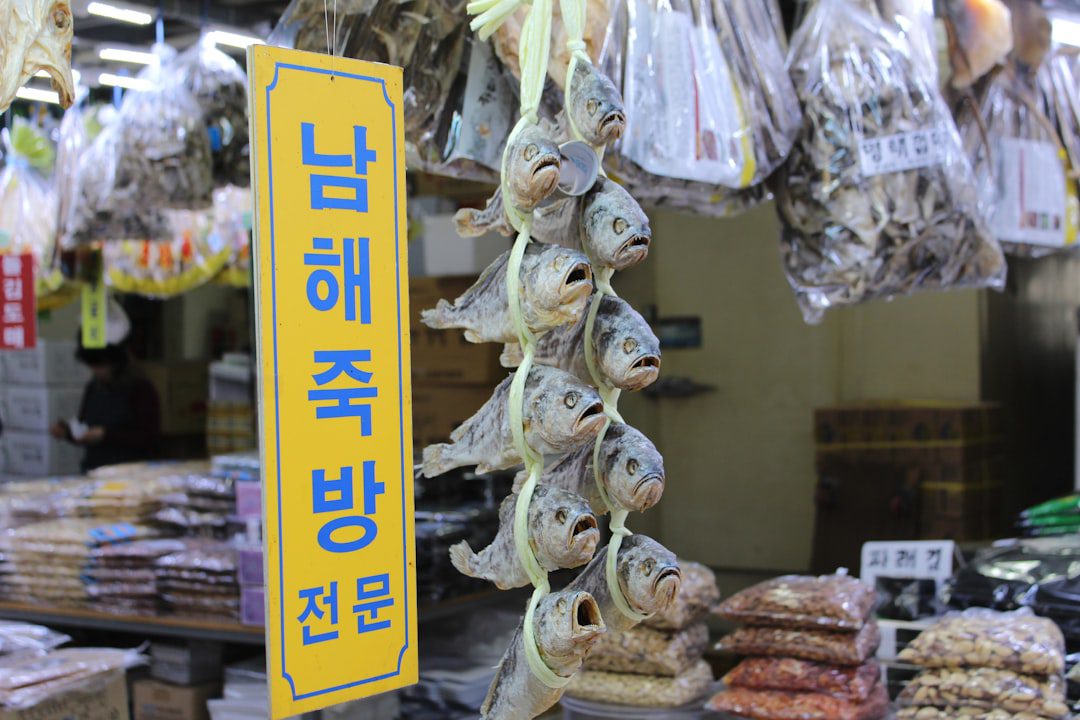
I still remember my first visit to Namdaemun Market in 1989. I was completely overwhelmed—the noise, the colors, the smell of grilling fish cakes and simmering broths mixing with perfume and leather. An elderly vendor took pity on my confused expression and practically dragged me to her stall, insisting I try her homemade kimbap. That one bowl turned me into a market junkie for life.
Thirty-five years later, I’ve watched Seoul’s traditional markets evolve. Some have modernized, others have fought hard to preserve their soul, and a few hidden gems have quietly thrived in neighborhoods tourists never visit. These markets aren’t just shopping destinations—they’re living museums of Korean culture, where daily life happens at 6 AM, family recipes get passed down between vendors, and prices are negotiated over cups of instant coffee.
If you want to eat like a local and skip the Instagram-perfect tourist traps, traditional markets are your shortcut to authentic Seoul. Here’s everything you need to know about the big players and the secret spots worth discovering.
Namdaemun Market: Seoul’s Historic Mega Market
Namdaemun is the largest traditional market in Korea, and it absolutely lives up to the reputation. Established in 1414 (yes, over 600 years old), it spans multiple city blocks with roughly 10,000 vendors selling everything from underwear to live seafood. On your first visit, you’ll understand why locals still call it “the market”—as if there’s no other option worth mentioning.
The market is organized by product category, though the layout feels chaotic until you get your bearings. The clothing and accessories section is massive (particularly strong in women’s outerwear, handbags, and shoes). The food section is where tourists should spend most of their time, however. The street food stalls alone could occupy you for hours.
Getting There & Basic Info
| Detail | Information |
|---|---|
| Nearest Subway | Line 4, Hoehyeon Station (Exit 5 or 6) |
| Address | Jung-gu, Seoul (multiple entrances) |
| Hours | 10 AM–9 PM (most vendors) |
| Closed | First and third Sundays of month |
| Best Time to Visit | Weekday mornings (less crowded) |
Ted’s tip: Arrive before noon on a weekday. Weekends here are nightmarish—you’ll be packed shoulder-to-shoulder with locals and tour groups. The early morning energy (6–8 AM) is incredible if you’re a light sleeper; vendors are setting up and the best pickings are still available.
What to Eat at Namdaemun
The food section is near the Hoehyeon Station exit. You’ll immediately smell it: a combination of frying oil, stock, and steamed dumplings. Here’s what you absolutely must try:
| Dish | What It Is | Typical Price | Why Try It |
|---|---|---|---|
| Tteokbokki | Spicy rice cakes in gochujang sauce | ₩5,000–7,000 | Namdaemun versions are less sweet than street versions |
| Gimbap | Seaweed rice rolls with vegetables | ₩3,000–5,000 | Made fresh daily by ajummas with 30+ year recipes |
| Fried fish cakes (odeng) | Battered and fried seafood cakes | ₩2,000–4,000 | Crispy outside, tender inside; eat standing up |
| Kalguksu | Knife-cut noodle soup | ₩8,000–12,000 | Heavy, warming, perfect for market browsing afterwards |
| Bindaetteok | Mung bean pancakes | ₩3,000–5,000 | Crispy, earthy, and pairs with makgeolli (rice wine) |
| Jjinppang | Steamed bread with sweet filling | ₩2,000–3,000 | Grab one as a snack—vendors sell out by 3 PM |
The vendors here know what they’re doing. Many families have run the same stall for generations. If you see a line, join it—Korean ahjummas and ahjusshis don’t waste time on mediocre food. Don’t be shy about asking for recommendations or requesting samples (small tastes are totally normal and expected).
Gwangjang Market: Seoul’s Food Market King
If Namdaemun is the all-purpose market, Gwangjang is the food lover’s pilgrimage site. Located in Jongno-gu near Jongno 5-ga Station, this 1905-founded market is narrower and more atmospheric than Namdaemun—less shopping, more eating. The market is essentially a long covered arcade lined almost entirely with food vendors, drinking tents (pojangmacha), and stalls selling raw ingredients.
Gwangjang has serious food credentials. It’s where culinary students come to understand market preparation techniques. It’s where ajummas have perfected recipes over 40 years. And it’s the place where you’ll eat some of the best street food in Seoul, for a fraction of Myeongdong prices.
Layout & Navigation
The market has a main arcade (older, more traditional) and newer sections. The food stalls are concentrated in the arcade—you’ll spot the neon signs and hear the sizzle immediately. Most of the famous stalls are in the central corridor; if you see a crowd, investigate. Gwangjang crowds are self-selecting markers of quality.
Getting There & Hours
| Detail | Information |
|---|---|
| Nearest Subway | Line 1, Jongno 5-ga Station (Exit 7 or 8) |
| Address | Jongno-gu, near Jongno 5-ga intersection |
| Hours | 10 AM–10 PM (food vendors) |
| Closed | First and third Sundays |
| Best Time | Lunch (11:30 AM–1 PM) or early dinner (5–6 PM) |
Ted’s tip: Gwangjang is best experienced at lunch. Come hungry and prepared to eat multiple small dishes and drinks. Budget ₩20,000–30,000 for a complete meal (bibimbap + nakji + maybe a cocktail). The evening crowd here skews heavily toward the drinking crowd, so if you’re here purely for food, lunch is superior.
Gwangjang’s Famous Dishes
Gwangjang has specialties you won’t find easily elsewhere. The market is particularly known for nakji (octopus), raw fish, and bibimbap. Unlike Namdaemun’s general food scene, Gwangjang vendors have developed deep expertise in specific items.
| Speciality | Description | Price | Try at |
|---|---|---|---|
| Nakji Bokkeum | Stir-fried octopus with gochujang | ₩12,000–15,000 | Main arcade, center stalls |
| Gukbap | Rice with soup/broth poured over | ₩8,000–10,000 | Multiple vendors; ask for recommendations |
| Bibimbap | Mixed rice with vegetables and egg | ₩10,000–12,000 | Famous vendors have 20+ year waiting lists |
| Raw fish sashimi | Fresh-cut fish, usually served with soju | ₩15,000–30,000 | Standalone stalls; look for fishmongers |
| Pajeon (seafood pancake) | Green onion and seafood fried flatbread | ₩8,000–12,000 | Vendors near the main entrance |
Gwangjang’s sashimi vendors are particularly noteworthy. They buy fish directly from Busan each morning, cut it fresh at your order, and serve it immediately. The flavor difference between this and restaurant sashimi is night and day. Pair it with soju from one of the pojangmacha (tent bars) scattered throughout—₩5,000 per shot, and you’re in a scene that feels genuinely Korean.
Dongdaemun Market: Fashion & Wholesale Hub
Dongdaemun isn’t primarily a food market, but it deserves mention as one of Korea’s most iconic traditional markets. Operating since 1905, it’s the epicenter of Seoul’s fashion wholesale district. If you’re interested in Korean clothing trends or bulk fabric shopping, this is where the action happens.
Dongdaemun has both traditional elements (street vendors, hagwons selling notions) and modern ones (tall shopping malls like Doota and Hello apM). The market is open 24 hours in some sections, making it unique for late-night browsing. The traditional stalls operate from around 10 AM onward, while the malls stay open until midnight or later.
Key Information
| Detail | Information |
|---|---|
| Nearest Subway | Line 2, Dongdaemun History & Culture Park Station |
| Address | Jung-gu and Jongno-gu, Dongdaemun area |
| Main Attractions | Doota Mall, Hello apM, traditional fabric stalls |
| Best For | Fashion, fabrics, accessories, streetwear |
| Hours | Malls 10:30 AM–5 AM (next day); stalls 10 AM–midnight |
If you’re serious about shopping for clothing, I’ve written a complete Dongdaemun guide here. The market culture is a bit different from food markets—less eating-focused, more business-oriented—but the experience of navigating the maze of stalls and malls is quintessentially Seoul.
Myeongdong vs. Traditional Markets: Why Choose Traditional?
I often get asked: “Why should I visit a traditional market instead of Myeongdong?” The answer is simple: authenticity, price, and real Korean life. Myeongdong is tourism. Traditional markets are where Koreans actually live.
| Aspect | Traditional Markets | Myeongdong |
|---|---|---|
| Pricing | 30–50% cheaper | Tourist markup standard |
| Crowds | Mostly locals on weekdays | Tourist hordes all day |
| Food Quality | Often superior; less profit-focused | Standardized, mass-produced |
| Cultural Experience | Genuine Korean daily life | Staged for tourists |
| Haggling Possible | Yes, common and accepted | No; fixed prices only |
The traditional market vendors are also just more interesting. A Myeongdong shopkeeper sees 500 tourists a day. A Namdaemun vendor might chat with the same customers for 20 years. The difference in hospitality and genuine interaction is profound.
Hidden Gem Markets: Off-the-Radar Neighborhoods
Once you’ve conquered the major markets, the real adventure begins. Seoul’s hidden gem markets are where locals do actual shopping, not tourists. These places have no English signage, minimal social media presence, and food that tastes exactly like what someone’s grandmother has been making since 1975.
Mangwon Market (Mapo-gu)
Mangwon Market sits near the Han River in Mapo-gu and has exploded in popularity in recent years—though it still feels far more local than Namdaemun. The market specializes in fresh produce, seafood, and ready-made side dishes (banchan). The food section is excellent, and you’ll find stalls selling kimchi, pickled vegetables, and sauces directly from producers rather than middlemen.
Getting there: Subway Line 2, Mangwon Station (Exit 2). The market is a 3-minute walk. Most vendors operate 10 AM–8 PM daily.
What to try: Fresh sashimi (same-day delivery from ports), grilled fish pancakes (생선전), and pre-made kimbap from vendors whose recipes date back decades. Also check out the side dish stalls—you can buy small portions of homemade banchan for ₩2,000–5,000 each.
I’ve written extensively about Mangwon Market here, including the neighborhood’s cafes and nightlife if you want to make a whole afternoon of it.
Seongsu Market (Seongdong-gu)
Located in the trendy Seongsu-dong area, this market is smaller and more specialized than the big three. It’s popular with younger Seoulites and has maintained a wonderful balance between traditional vendors and modern sensibilities. The market specializes in produce, fish, and meat, with a strong emphasis on quality over volume.
Getting there: Subway Line 2, Seongsu Station (Exit 2). Walk 5 minutes along Seongsu Street.
Why visit: The vendors here are friendlier to tourists than some markets, and English signage is more common. The neighborhood around the market—full of galleries, vintage shops, and indie cafes—makes it a full-day destination. It’s less overwhelming than Namdaemun if you’re market-shy.
Noryangjin Fish Market (Dongjak-gu)
If you want to see wholesale fish markets in action, Noryangjin is where the action happens. This isn’t a traditional “market” in the tourist sense—it’s a working fishing port market where vendors buy in bulk. You can get incredibly fresh seafood here, often cheaper than retail markets, if you’re willing to buy whole fish or larger quantities.
The market is best visited very early (5–8 AM) when the catch from the previous day is being auctioned and purchased. It’s gritty, intense, and genuinely Korean. You’ll see fish mongers gutting fish at lightning speed, ice mountains piled higher than you are tall, and serious-faced ahjusshis conducting business in rapid-fire Korean.
Getting there: Subway Line 1, Dongjak Station (Exit 2). Walk 10 minutes toward the river.
Fair warning: This is not a relaxing experience. It smells intensely of fish. The floors are wet and slippery. But the authenticity is unmatched, and if you’re interested in Korean food culture at its rawest, it’s essential.
Sinseol-dong Market (Jongno-gu)
Tucked away in northern Jongno-gu, Sinseol-dong Market is beloved by locals but almost invisible to tourists. It’s smaller than Namdaemun but feels more intimate. The market specializes in dry goods, spices, and ingredients used in Korean home cooking—gochugaru (red chili flakes), dried anchovies, sesame seeds, and more.
Getting there: Subway Line 4, Gireum Station (Exit 3). Walk 5 minutes.
Why visit: If you’re planning to cook Korean food back home, this market is perfect for buying authentic spices and pantry staples at 30–40% less than specialty import shops. The vendors are patient with tourists trying to explain what they want.
Market Etiquette & Practical Tips
Traditional markets operate by unwritten rules. Learning them makes the experience infinitely better and shows respect to the vendors.
Essential Market Etiquette
| Rule | Why It Matters | What to Do |
|---|---|---|
| Haggling is normal for bulk purchases | Vendors expect it; it’s part of the culture | Buy 3+ items, ask “깎아주세요” (kka-a joo-se-yo) = “Can you give me a discount?” |
| Don’t touch food without permission | Hygiene and respect for the vendor’s arrangement | Point and ask, or let the vendor select for you |
| Bring cash | Many small vendors don’t take cards | Have ₩10,000–50,000 bills ready |
| Use proper language | Vendors are older; formality is expected | Use “네” (yes), “감사합니다” (thank you), and polite endings |
| Eat standing or in designated areas | Markets aren’t sit-down restaurants; standing or pojangmacha seating is standard | Find a stool or stand; finish your food before leaving |
| Photography is usually OK, but ask first | Some vendors are protective of their space | Smile, point at camera, and wait for approval |
What to Bring & Practical Items
- Cash: Most traditional market vendors don’t accept credit cards. Have multiple denominations.
- Comfortable shoes: Market floors are uneven, wet, and you’ll be standing for hours.
- Small bag: Vendors often don’t provide bags; bring a foldable tote or backpack.
- Hand sanitizer: Not because markets are dirty, but because you’ll be touching things constantly.
- Translation app: Google Translate’s camera feature is a lifesaver for menu reading.
- Appetite: The most important item. Markets overwhelm with abundance; embrace it.
Ted’s tip: Go to a market with zero specific expectations. The best meals I’ve had at markets were pure accidents—I saw a crowd, followed them, tried something I couldn’t pronounce, and fell in love. Trust the crowds.
Food Safety & Health Considerations
After 35 years eating in Korean markets, I can confidently say they’re as safe as any restaurant—often safer, actually, because the turnover is so high that nothing sits around. But a few practical considerations:
Raw fish (sashimi/sashimi): Buy only from vendors with high turnover. If fish is sitting out more than a couple hours, skip it. Gwangjang’s sashimi vendors are trustworthy because they buy fresh each morning and sell out by dinner.
Cooked foods: Anything that’s been simmering in broth all day is extremely safe. The heat kills bacteria. Tteokbokki, kalguksu, and gukbap are some of the safest foods you can eat.
Produce: It’s fine to eat raw vegetables, but wash your hands first. Consider buying pre-prepared vegetables from vendors who do the prep in front of you.
Spice tolerance: Korean market food is often spicier than restaurant versions because vendors cater to locals. If you have low spice tolerance, eat beforehand or request “맵지 않게” (map-jee ahn-ge) = “not spicy.”
Seasonal Markets & Special Events
Korean traditional markets shift with the seasons. Spring brings fresh vegetables and wild greens. Summer features peak seafood. Fall is mushroom and grain season. Winter focuses on preserved goods and warming broths.
| Season | What’s Fresh | Market Activity | Best Markets |
|---|---|---|---|
| Spring (Mar–May) | Namul (wild greens), early berries, ddalgi (strawberries) | Very busy; locals buying for Chuseok prep | Namdaemun, Seongsu, Mangwon |
| Summer (Jun–Aug) | Fish, squid, sea cucumber, melons | Peak seafood season; lunch crowds | Gwangjang, Noryangjin, Mangwon |
| Fall (Sep–Nov) | Mushrooms, chestnuts, persimmons, Korean pears | Heavy with Chuseok preparation (Sep–Oct) | All major markets packed |
| Winter (Dec–Feb) | Preserved goods, dried fish, root vegetables | Quieter; warming soups and broths prominent | Namdaemun, Gwangjang, Sinseol-dong |
If you visit during Chuseok (Korean Thanksgiving, typically September or October), expect markets to be absolutely insane. Families buy ingredients for huge family meals, and vendors work 16-hour days. If you love markets, it’s incredible; if you prefer to browse calmly, avoid Chuseok week. I’ve written a complete guide to Chuseok here if you want to plan around it.
Market-to-Table: Cooking with Market Finds
One of my favorite market experiences is buying ingredients and cooking with them in my Seoul apartment. Here’s what makes markets better than supermarkets for this purpose:
Price: A whole fish at Noryangjin costs less than a fish filet at a supermarket. Seasonal vegetables are 50% cheaper at traditional markets.
Quality: Vendors cull out damaged produce. What you see is what you get—no hidden rot.
Guidance: Ask vendors how to prepare items. They’ll give you recipes and cooking tips, often in pantomime if there’s a language barrier.
Bulk buying: Buy 2 kg of soybean sprouts (sukju namul) for ₩2,000. Stores charge ₩3,000 for 100g.
If you’re staying in an Airbnb or serviced apartment, buying at markets transforms your stay. Cook Korean food where Korean people do, with ingredients they use, at prices they pay. It’s a genuine cultural education.
Connecting Markets to Korean Dining Culture
Understanding traditional markets fundamentally changes how you experience Korean food. Markets are where Korean cuisine lives—not in fancy restaurants, but in the daily transactions between vendors and home cooks.
For context on traditional Korean food more broadly, I’ve written about temple food (Buddhist vegetarian cuisine from monasteries), which uses many of the same vegetables and cooking techniques you’ll see in markets. And if you’re interested in Korean breakfast traditions, here’s my complete guide—much of what’s served for breakfast actually originates from home cooking traditions reflected in market shopping patterns.
Markets also reveal the importance of side dishes (banchan) in Korean meals. The abundance of pre-made banchan stalls shows how central these are to daily Korean eating. You’ll understand this more deeply than any restaurant meal could teach you.
Frequently Asked Questions
Are traditional markets safe for tourists?
Absolutely. Korean markets are extremely safe. Petty theft is virtually nonexistent, and vendors are generally friendly. The biggest “danger” is eating too much. Bring cash (markets operate on cash) and watch your bag in crowded sections, but these are standard urban precautions, not market-specific concerns.
Do I need to speak Korean to shop at traditional markets?
No, but a few key phrases help tremendously. “얼마예요?” (uh-ma-ye-yo) = “How much?” and “감사합니다” (kam-sa-hap-ni-da) = “Thank you” go far. Most importantly, point and smile. Korean vendors respond incredibly well to genuine interest in their products.
What’s the best time to visit markets as a tourist?
Weekday mornings (9 AM–12 PM) are optimal. You avoid weekend crowds, vendors are fresh and energetic, and you can move more freely. Lunch hours (11:30 AM–1:30 PM) are busy but excellent for food, as vendors bring out their best dishes. Avoid 5–7 PM on weekdays (commuters rushing home) and all of Saturday/Sunday if you dislike crowds.
Can I get a refund if I’m unhappy with my purchase?
Refunds aren’t standard, but vendors will take back visibly bad products. If your fish smells off or vegetables are rotten, show them and explain (in whatever language works). Most vendors will offer a replacement or discount rather than argue. Market culture operates on reputation, and a vendor’s word-of-mouth matters enormously.
How much should I budget for a market meal?
A reasonable meal at a traditional market costs ₩10,000–20,000 ($7.50–$15 USD). You can eat cheaply (₩5,000–10,000) or splurge on seafood (₩20,000–40,000). Most tourists spend ₩15,000–25,000 eating multiple dishes throughout their market visit, which is an exceptional value compared to restaurants.
What should I avoid buying at markets?
Nothing, technically, if it’s being prepared in front of you. Be cautious about pre-prepared foods sitting out for hours if you have a sensitive stomach. Stick to hot foods if you’re uncertain. Avoid anything that looks dried out or older than the day it was made. When in doubt, follow the crowds—if locals are buying it, it’s safe.
Are markets open during Korean holidays?
Most markets close on the first and third Sunday of each month (a historical tradition). During major holidays like Chuseok and Seollal, expect extended hours and massive crowds. I’d recommend avoiding markets during peak holiday shopping (2–3 days before the holiday) unless you enjoy chaos. Markets tend to close for 1–2 days during the holiday itself.
Can I take photos in markets?
Generally yes, but ask vendors first, especially when photographing their food or stall. Most vendors enjoy the attention from tourists. Some older vendors may be more reserved—respect their preferences. Avoid photographing other customers without permission. The market itself is fair game to photograph.
Final Thoughts
Thirty-five years after that first kimbap experience at Namdaemun, I still find Korean traditional markets endlessly fascinating. They’re not frozen in time—vendors use smartphones, markets have apps, younger sellers have studied food science. But the fundamental spirit remains: direct transactions between makers and eaters, ingredients treated as important rather than commodities, and community built through daily exchange.
When tourists ask me what the most authentic Korean experience is, I don’t say “visit a palace” or “see a mountain.” I say “get lost in a market, buy something you can’t identify, eat it standing up, and talk to the person who made it.” That’s Korea—vibrant, unpretentious, generous with its knowledge, and absolutely delicious.
Start with Namdaemun or Gwangjang if you want the most comprehensive experience. But if you have time, venture into Mangwon, Seongsu, or Sinseol-dong. Those are the markets where Korean life actually happens, where recipes get passed down, where 70-year-old ajummas still work 12-hour days because they love it. That’s where you’ll find the real Seoul.
— Ted K
Image Credits: Photos sourced from Unsplash. By using this site, you agree to our Privacy Policy and Disclaimer.