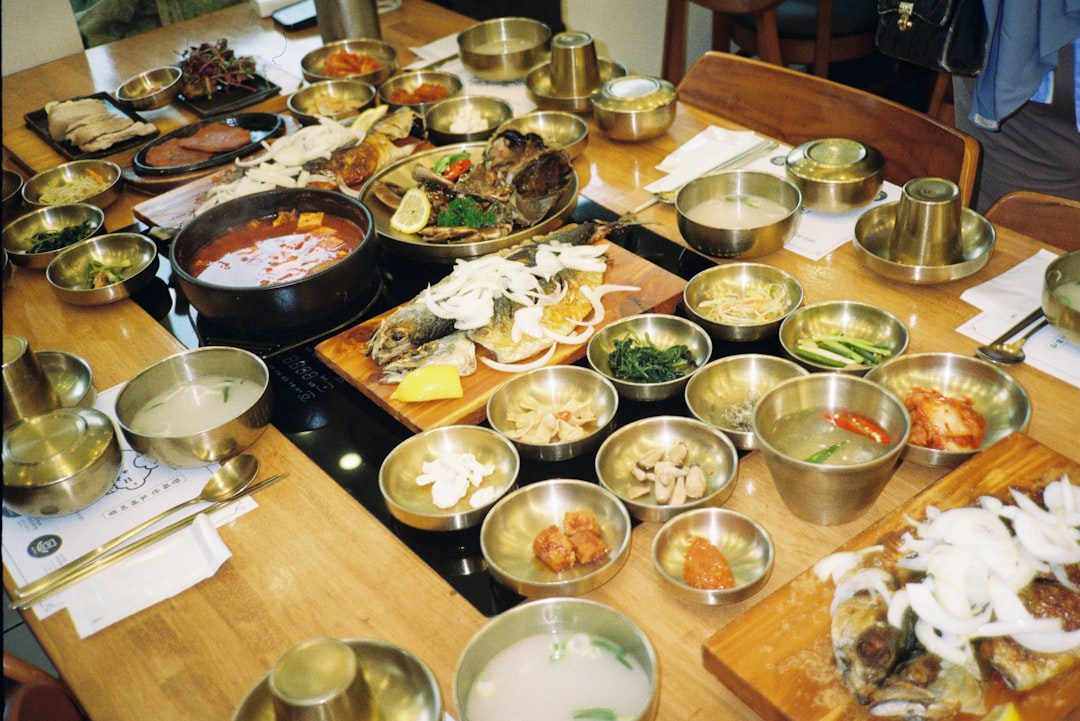
Back in 1998, I was invited to a temple ceremony in the mountains north of Seoul by a Buddhist monk friend. I’ll never forget my first meal in that dining hall—the simplicity of it all hit me like a revelation. No meat. No garlic. No onions. Just perfectly balanced vegetables, rice, mushroom broth, and the kind of silence that makes you actually taste your food.
For the first thirty seconds, I thought I’d be hungry. By the end of the meal, I felt more satisfied than I had in months. That day changed how I understood Korean cuisine entirely.
Temple food—called sachal eumsik (사찰음식) in Korean—is far more than just vegetarian eating. It’s a culinary expression of Buddhist philosophy, a discipline refined over 1,500 years, and honestly, some of the most thoughtfully prepared food I’ve encountered anywhere in Korea. Whether you’re traveling as a vegetarian, exploring Buddhist culture, or simply hungry for something different from the usual restaurant circuit, temple food deserves your attention.
Here’s everything you need to know about Korean temple cuisine, where to experience it, and how it fits into your Seoul adventure.
The Philosophy Behind Temple Food
Temple food isn’t vegetarian because vegetables taste good. It’s vegetarian because Buddhist monks took a vow not to harm living creatures. When you understand that distinction, the entire cuisine reframes itself.
The core principle is called ohgok (오곡)—the “five precepts” that guide what Buddhist cooks can and cannot use. Beyond avoiding meat and fish, temple cooking traditionally prohibits five “pungent” ingredients believed to cloud the mind and disturb meditation: garlic, onions, shallots, scallions, and chives. This seems like a massive limitation until you taste what emerges from it.
Ted’s tip: When you eat temple food, you’re eating dishes created under constraints similar to haute cuisine—chefs must achieve maximum flavor through technique, layering, and proportion rather than relying on aggressive aromatics or umami from meat. This is why temple cuisine feels so refreshing and clarifying.
The historical roots run deep. Buddhism arrived in Korea in 372 CE, and monastic communities immediately began developing their own food culture. Over fifteen centuries, temple cooks transformed simple ingredients—grains, vegetables, legumes, nuts, wild plants—into a sophisticated culinary tradition. During Korea’s Joseon Dynasty (1392-1910), temple food was considered so refined that it influenced royal court cuisine.
Today, temple food represents a living tradition. Monks still cook daily for their communities, and increasingly, restaurants and temples are opening their kitchens to visitors. The food is never about indulgence—it’s about sustenance, mindfulness, and respect for ingredients.
Key Ingredients & Techniques in Temple Cooking
Temple cooking relies on a specific ingredient palette. Understanding what goes into these dishes helps you appreciate both what’s present and what’s deliberately absent.
Core Vegetables & Proteins
Temple kitchens build meals around seasonal vegetables, mushrooms, and legumes. You’ll encounter:
- Soy-based proteins: Tofu in all forms—soft, fried, grilled—often serves as the primary protein. Temple kitchens make tofu fresh daily, and the quality is noticeably different from supermarket blocks.
- Legumes: Mung beans, soybeans, black beans, and red beans appear in soups, side dishes, and pastes.
- Mushrooms: Shiitake, oyster, and wild mountain mushrooms provide umami depth. Dried mushrooms are rehydrated for broths that rival any meat stock.
- Seasonal vegetables: Temple cooks follow the lunar calendar, using what’s available: wild herbs in spring, squash and root vegetables in winter, greens year-round.
- Nuts & seeds: Pine nuts, sesame seeds, perilla seeds, and peanuts add richness and texture without heaviness.
Essential Techniques
Temple cooks master specific methods that maximize flavor without relying on restricted ingredients:
| Technique | Purpose | Example |
|---|---|---|
| Deep-frying | Creates textural contrast and richness | Fried tofu, vegetable tempura |
| Braising | Develops complex, layered flavors | Tofu with mushroom sauce |
| Fermentation | Creates depth and natural umami | Soy sauce, doenjang (soybean paste) |
| Grain grinding | Creates smooth pastes and creamy sauces | Sesame paste, peanut sauce |
| Slow simmering | Extracts maximum flavor from vegetables | Vegetable and mushroom broths |
Temple chefs also practice what I call “flavor stacking”—layering sweet, salty, sour, and bitter elements in precise balance. A single dish might combine: salty soy sauce, sweet mirin or honey, nutty sesame, earthy mushroom, and bright citrus or vinegar. Without garlic and onions to dominate the palate, each flavor element shines individually.
Classic Temple Food Dishes
If you’re eating temple food for the first time, you’ll encounter these signature dishes repeatedly. Each one represents core principles of the cuisine.
Bibimbap (비빔밥) — The Temple Version
Most visitors know bibimbap as a mixed rice bowl with meat, egg, and vegetables. Temple bibimbap strips away the meat and egg, replacing them with extra vegetables, nuts, and deeper vegetable-based sauces. The base is typically sorghum rice or multi-grain rice rather than white rice, adding nutritional complexity.
A typical temple bibimbap includes: seasoned spinach, fern bracken, mushrooms, pickled radish, bean sprouts, fried tofu cubes, crushed sesame seeds, and a rich doenjang (soybean paste) sauce flavored with sesame oil and ginger. The result is incredibly satisfying.
Yubu Bokkeumbap (유부 볶음밥) — Tofu Pouch Fried Rice
This is temple comfort food. Sweet-braised tofu pouches (yubu) are stuffed with stir-fried rice and vegetables. The sweetness of the tofu contrasts beautifully with savory rice and vegetables. I’ve eaten this in temples during early morning meals, and it’s the kind of dish that feels both indulgent and virtuous simultaneously.
Japchae (잡채) — Stir-Fried Sweet Potato Noodles
In temple versions, japchae is even simpler than secular versions—just glass noodles with seasonal vegetables, sesame seeds, and sesame oil. No anchovies or meat stock. Yet the texture of the noodles, the crispness of the vegetables, and the nutty sesame flavor create something deeply satisfying.
Kkochiim (꼬치임) — Vegetable & Tofu Skewers
These are grilled or pan-fried skewers of alternating vegetables and fried tofu, served with a nutty sesame or peanut dipping sauce. They appear frequently at temple meals and have become increasingly popular at secular vegetarian restaurants.
Sujebi (수제비) — Hand-Torn Noodle Soup
Sujebi is actually available at street stalls across Korea, but temple versions are particularly refined. Rather than the usual anchovies and seafood stock, temple cooks make broth from dried mushrooms, kelp, and vegetables. The hand-torn noodles are tender and absorb the clean, deeply savory broth beautifully.
Tteokgalbi (떡갈비) — Vegetable & Grain Patties
Temple versions of this normally meat-based dish use finely minced vegetables, cooked grains, and tofu, bound together and pan-fried until crispy. Served with a light soy-sesame dipping sauce, they’re unexpectedly rich and satisfying.
Temple Stay Meals vs. Restaurant Temple Food
There are two primary ways to experience Korean temple food: participating in a temple stay and eating at dedicated temple food restaurants. Each offers different advantages.
Temple Stay (Templestay Programs)
If you have 1-3 days, a temple stay immerses you completely in Buddhist monastic life. You wake at 3-4 AM for meditation, participate in ceremonies, and eat meals with monks in the temple dining hall.
Temple meals are served at specific times: breakfast (around 6 AM), lunch (11-12 PM), and dinner (5-6 PM). There’s no menu to choose from—you eat what’s served. This is part of the practice. You receive portions aligned with monastic values: enough to sustain you, nothing wasted, no excess.
Meals typically include:
- A grain dish (usually mixed rice with red beans, nuts, or vegetables)
- A soup (vegetable, legume, or mushroom-based)
- 3-5 side dishes (kimchi, seasoned vegetables, tofu preparations)
- Occasionally a main dish (fried tofu, vegetable fritters, grain patties)
Ted’s tip: During temple stays, eating is a meditative practice. Monks typically eat in silence or with soft background chanting. If this is your first temple meal, expect a quietness that feels slightly formal at first. By the third meal, you’ll understand why—it fundamentally changes how you taste food.
For complete temple stay information, including where to book and what to expect, check out our Korean Temple Stay Guide.
Dedicated Temple Food Restaurants (Sachal Sikdang)
If you don’t have time for a full temple stay, dedicated temple food restaurants offer a taste of the cuisine in a casual dining environment. These restaurants are often run by former monks or trained temple chefs, and they prepare food following the same principles—vegetarian, no pungent ingredients, mindful preparation.
Temple food restaurants typically offer:
- Set meals (bapsang): Complete meals with multiple components
- À la carte options: Individual dishes you can order
- Courses: Some upscale restaurants serve multi-course temple food experiences
The atmosphere is usually calm, simple, and contemplative—but without the 3 AM wake-up call.
Best Places to Eat Temple Food in Seoul
I’ve sampled temple food across Seoul for three and a half decades. Here are the restaurants where I regularly take visiting friends.
Jogyesa Temple Grounds
Location: Jogyesa Temple, Jongno-gu (Line 3, Anguk Station, Exit 5 — 10-minute walk)
What to expect: Jogyesa is Seoul’s primary Buddhist temple, and within its grounds operates a simple but excellent temple food restaurant. This is one of the most accessible options for trying temple cuisine without committing to a full temple stay. The meals are served set-style during lunch hours (11:30 AM–1:30 PM).
Price: 10,000–15,000 ₩ per meal
Hours: Lunch only; call ahead (02-732-2644) to confirm current hours
Ted’s tip: Arrive before 12 noon. The dining area fills quickly with both locals and tourists, especially weekends.
Sanchon (산촌)
Location: Insadong, Jongno-gu (Line 3, Anguk Station, Exit 6)
What to expect: Sanchon has been serving temple food since 1985. The restaurant occupies a traditional Korean house (hanok) and feels like dining in an actual temple compound—which is intentional. The chef trained for years in temple kitchens.
Menus change seasonally. Expect 12+ side dishes with each meal, numerous vegetables prepared in different ways, multiple tofu preparations, and house-made fermented condiments. The presentation is beautiful, the pacing deliberate.
Price: 25,000–45,000 ₩ for set meals; 5,000–15,000 ₩ for individual dishes
Hours: 11 AM–9 PM daily (last order 8:30 PM)
Contact: 02-735-0312
Ted’s tip: Sanchon is touristy—it appears in Korean travel guides worldwide. But the food quality justifies the tourist crowd. If you want an English-speaking introduction to temple food with comfortable seating and translation, Sanchon is ideal.
Samhae Sunsik (삼해 선식)
Location: Bukchon Hanok Village, Jongno-gu (Line 3, Anguk Station)
What to expect: This small restaurant specializes in “sunsik”—grain-based powder drinks and porridges that monks eat. It’s less of a full temple meal experience and more of a single-category deep-dive. They serve various multigrain porridges, each prepared with different vegetable and legume combinations.
It’s humble but genuine. Many customers are elderly Korean women who’ve been eating this food their entire lives.
Price: 8,000–12,000 ₩
Hours: 10 AM–6 PM; closed Sundays
Ted’s tip: This is where you go if you want to feel like a local rather than a tourist experiencing temple food.
Yeongyeongak (연영각)
Location: Seongbuk-dong, Seongbuk-gu (Line 1, Gireum Station, Exit 3 — 15-minute walk)
What to expect: A traditional Korean restaurant in an old residential neighborhood that focuses exclusively on temple food. The owner is a former monk’s student. The dining room is small, simple, and quiet.
Meals are set-style only, changing daily based on available ingredients. This is where I take Korean friends who want to eat well without pretense.
Price: 15,000–20,000 ₩
Hours: 11:30 AM–2 PM, 5:30 PM–8 PM; closed Mondays
Contact: 02-764-1652
Ted’s tip: No English menu. Call ahead or use Naver or Kakao Map to translate. The effort is worth it—this is authentic neighborhood temple food without any tourist-facing modifications.
Jae (재)
Location: Itaewon, Yongsan-gu (Line 6, Itaewon Station, Exit 1)
What to expect: An upscale temple food restaurant run by a Michelin-trained chef who spent years studying Buddhist cuisine. Jae presents temple food as fine dining—smaller portions, beautiful plating, thoughtful wine pairings (including non-alcoholic options).
This is temple food for people who love restaurants and refinement. Each meal is a progression through different temple food preparations. It’s not traditional monastic dining—it’s temple food philosophy reinterpreted through a contemporary restaurant lens.
Price: 65,000–95,000 ₩ for full course
Hours: 12 PM–2:30 PM, 6 PM–10 PM; closed Mondays
Contact: 02-6954-6878 (booking recommended)
Ted’s tip: Jae is where you go if you want to understand temple food as sophisticated culinary philosophy. The chef explains each dish’s significance and preparation method. It’s educational and delicious.
Temples Offering Formal Meal Programs
Beyond restaurants, several temples in Seoul offer scheduled temple meals for visitors without requiring full temple stays:
| Temple | Location | Meal Times | Price | Contact |
|---|---|---|---|---|
| Jogyesa | Jongno-gu | 11:30 AM–1:30 PM (lunch only) | 10,000–15,000 ₩ | 02-732-2644 |
| Bongeunsa | Gangnam-gu | 12 PM–1 PM (lunch only) | 12,000–18,000 ₩ | 02-511-5460 |
| Hwagyesa | Seodaemun-gu | Check ahead | Donation-based | 02-379-6565 |
Note that temple meal programs can change seasonally or based on monastic schedules. Always call or check the temple website before visiting.
How Temple Food Fits into a Vegetarian Seoul Visit
If you’re traveling to Korea as a vegetarian, temple food represents something crucial: an established, respected culinary tradition rather than an accommodation or compromise. Korea’s food culture centers heavily on meat and seafood, which can feel limiting for plant-based eaters. Temple food, by contrast, is inherently and historically vegetarian.
This distinction matters psychologically. You’re not asking a restaurant to modify a meat dish. You’re eating food prepared with dedication and refinement within a vegetarian framework.
For comprehensive guidance on vegetarian eating across Seoul, see our Korean Vegetarian & Vegan Guide.
How temple food compares to secular vegan/vegetarian options:
| Aspect | Temple Food | Secular Vegetarian Restaurants |
|---|---|---|
| Philosophical foundation | Buddhist ethics; 1,500+ years of tradition | Modern health/environmental consciousness |
| Ingredient restrictions | No meat, fish, garlic, onions, alcohol | Typically flexible; case-by-case |
| Flavor profile | Subtle, balanced, refined | Variable; some use meat substitutes heavily |
| Portion sizes | Moderate; designed for satiety not indulgence | Often generous |
| Seasonal variation | Follows lunar calendar and temple schedule | Relatively consistent year-round |
| Eating environment | Contemplative, often quiet, ritual | Casual dining atmosphere |
Learning to Cook Temple Food
If you become truly obsessed with temple food (and many visitors do), you have options for learning to cook it yourself.
Cooking Classes in Seoul
Several organizations offer temple food cooking classes for visitors:
| Class | Location | Duration | Price | Language |
|---|---|---|---|---|
| Templestay Cooking Program | Varies by temple | 1-3 hours | 30,000–80,000 ₩ | English (with translator) |
| Korea Tourism Organization | Various locations | 2-4 hours | 40,000–100,000 ₩ | English |
| Sanchon (on-site workshops) | Insadong | 1.5–2 hours | 50,000–75,000 ₩ | English available |
Ted’s tip: Classes that include temple stays are more valuable than restaurant-based classes. You’re learning not just recipes but the philosophy and mindfulness that underpin the cooking. The physical act of chopping vegetables slowly, with intention, matters more than the techniques themselves.
Temple Stay Cooking Programs
Some temples now offer extended stays that include cooking instruction. You participate in temple meals, learn preparation methods from monks or trained temple chefs, and might prepare portions of a meal yourself. These programs are particularly valuable because you’re learning in the actual context where temple food is prepared.
For more details on temple stays, including those that emphasize cooking, visit our complete temple stay guide.
Seasonal Variations in Temple Food
Unlike Western restaurants with consistent menus, temple food follows Korea’s agricultural calendar and the Buddhist lunar calendar. What you eat changes dramatically by season.
| Season | Key Ingredients | Signature Dishes | Buddhist Calendar Note |
|---|---|---|---|
| Spring (Mar–May) | Wildflower greens, bamboo shoots, spring vegetables | Raw vegetable salads, herb seasoning, light broths | Arrival of Buddha’s Birthday (8th lunar month) |
| Summer (Jun–Aug) | Squash, cucumber, beans, melons, cooling herbs | Cold noodles, vegetable-heavy preparations, water-based dishes | Intensive meditation periods; lighter meals common |
| Autumn (Sep–Nov) | Root vegetables, mushrooms, grains, nuts, legumes | Grain-based dishes, braised vegetables, sesame preparations | Harvest season; more abundant meals |
| Winter (Dec–Feb) | Preserved vegetables, dried mushrooms, robust grains | Hearty soups, stewed vegetables, warming spices (minus garlic) | New Year; special ceremonial meals |
This seasonal rotation means eating temple food multiple times—across different seasons—reveals the full depth of the cuisine. The spring version feels utterly different from winter version, even though the underlying philosophy remains constant.
Common Questions About Temple Food Ingredients
If you have allergies, vegan concerns, or dietary restrictions, temple food requires navigation:
| Concern | What to Know | Solutions |
|---|---|---|
| Honey/animal products | Temple food traditionally uses honey (some vegans avoid this); sesame oil, perilla seeds common | Inform restaurant/temple in advance; many can substitute |
| Nut allergies | Pine nuts, peanuts, sesame seeds are frequent ingredients | Call ahead; temples can prepare modified meals |
| Soy allergies | Tofu, soy sauce, doenjang are foundational; no workarounds available | Temple food may not be suitable; choose other Korean options |
| Gluten-free needs | Wheat-based noodles and soy sauce contain gluten | Some temples can serve rice-only meals; call ahead |
Frequently Asked Questions
Is temple food actually vegan?
Not entirely. Traditional temple food uses honey and sesame oil (animal-derived), though not in large quantities. Most temple food is vegetarian (no meat, fish, eggs). If you’re strictly vegan, inform the temple or restaurant in advance—many can accommodate by substituting honey with agave or maple syrup, and using plant-based cooking oils. However, the foundational principle is vegetarianism rooted in Buddhist ethics, not veganism as a dietary choice.
Does temple food actually taste good, or is it just spiritually meaningful?
It genuinely tastes excellent. The constraints (no garlic, onions, meat) actually force creativity and refinement. Flavors are cleaner and more defined than in ordinary Korean restaurants. I’ve introduced Korean food skeptics to temple food and watched their entire perspective shift. The limitation becomes the strength.
Can I eat temple food if I’m not Buddhist?
Absolutely. Temple food belongs to Korea’s culinary heritage, not exclusively to Buddhism. Non-Buddhists eat temple food regularly at restaurants and temples. Your spiritual beliefs don’t matter—only your appetite and curiosity.
How much does a temple meal cost?
Temple meals range widely: 8,000–15,000 ₩ at casual temple restaurants, 20,000–45,000 ₩ at mid-range established restaurants like Sanchon, and 65,000+ ₩ at upscale places like Jae. Temple meals offered directly by temples during lunch hours typically cost 10,000–18,000 ₩. Relative to Seoul dining, temple food offers excellent value—you’re getting 10+ dishes, high-quality ingredients, and careful preparation.
What’s the difference between temple food and temple stays?
Temple food is the cuisine itself—vegetarian Buddhist cooking. A temple stay is a multi-hour or overnight program where you experience monastic life, including meditation, ceremonies, and temple meals. Temple food is the meal component of temple stays, but you can eat temple food at restaurants without committing to a full stay.
Should I visit a temple specifically for a meal, or experience a full temple stay?
Both are valid, depending on your schedule. A restaurant meal takes 1-2 hours and costs 10,000–45,000 ₩. A temple stay takes 1-3 days, includes multiple meals, lodging, and meditation/ceremony participation. For first-time visitors with limited time, a temple food restaurant makes sense. If you’re intrigued and have a free weekend, a temple stay is transformative. They’re complementary experiences, not either/or.
Are temple food restaurants only in Seoul?
Seoul has the highest concentration, but temple food restaurants and temple meal programs exist nationwide. Other cities with strong Buddhist cultures (like Gyeongju, which has numerous ancient temples) offer temple food experiences. For Seoul visitors, the capital has more options and easier accessibility via public transportation.
Can I bring non-vegetarians to temple food restaurants?
Yes. Temple food restaurants are open to everyone, and non-vegetarians often eat there without issue. The food is nourishing and flavorful for all palates. Many Korean families eat temple food together regardless of dietary preference. That said, if someone is expecting meat dishes, they might feel the menu is too vegetable-heavy. For mixed groups, upscale temple restaurants like Jae present the cuisine in ways that appeal to food enthusiasts regardless of dietary habits.
Final Thoughts
In 1998, when that monk friend invited me to eat temple food for the first time, I had no idea I was encountering a culinary tradition that would shape my understanding of Korean food, and honestly, my understanding of Korea itself.
Temple food isn’t trendy. It won’t show up on Instagram looking flashy. It won’t satisfy a craving for spice or richness if that’s what you’re seeking. But it will teach you something about restraint, intention, and how flavor can sing when extraneous noise is stripped away.
Whether you’re a vegetarian seeking nourishment, a curious eater wanting to understand Korean culinary depth, or someone simply open to new experiences, temple food deserves a place in your Seoul itinerary. Eat it at a simple temple lunch. Eat it at an upscale restaurant. Sleep in a temple and share meals in silence with monks. The experience will change how you understand both Korea and food itself.
— Ted K
Image Credits: Photos sourced from Unsplash. By using this site, you agree to our Privacy Policy and Disclaimer.