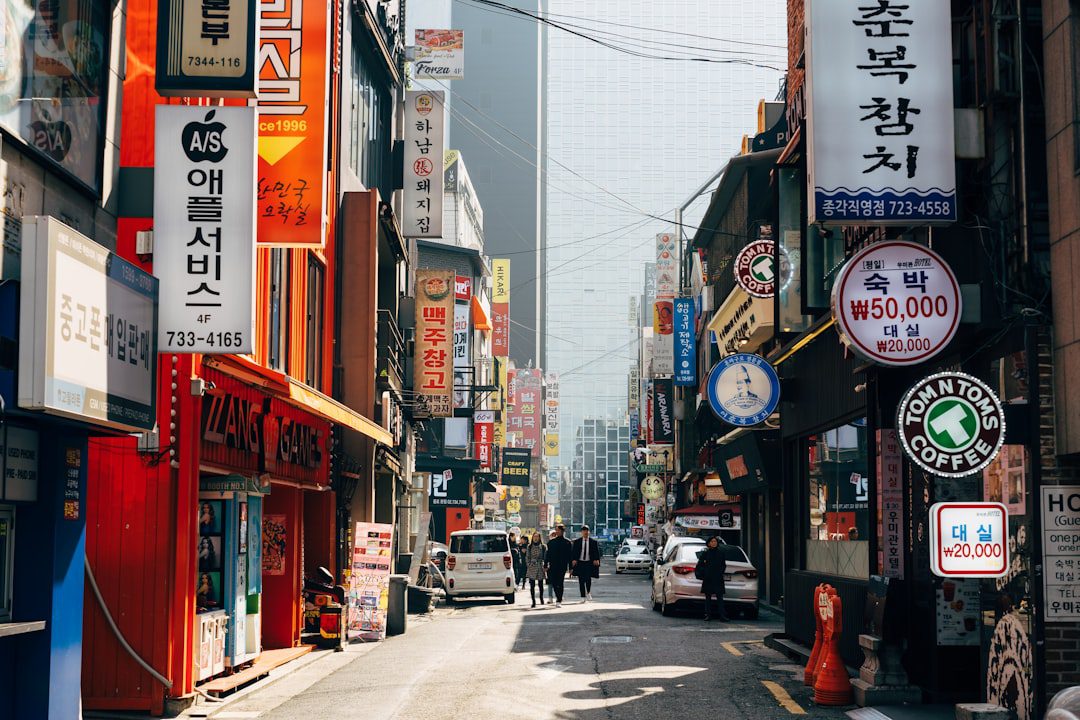
Back in 1989, when I first arrived in Korea, my sister was terrified. She’d read horror stories in the Western press about how “dangerous” Asia was for women traveling alone. Fast forward to 2024, and she’s been here three times—always solo, always confident, and always safe. That shift in her perspective? It mirrors what I’ve witnessed across three and a half decades: Korea is genuinely one of the safest countries in the world for solo female travelers.
But “safe” doesn’t mean “no planning needed.” Safety here is different from safety in your home country. The risks are different. The logistics are different. And the tools available to you—subway apps, emergency apps, social infrastructure—are sometimes lighter-years ahead of what Western travelers expect.
I’ve watched hundreds of solo female travelers move through Korea with confidence and joy. I’ve also seen a handful run into preventable trouble because they didn’t know the unwritten rules, didn’t understand Korean culture’s specific expectations, or didn’t access the incredible resources available to them. Here’s everything you need to know to join the confident group.
The Real Safety Picture: Numbers & Context
Let me start with what the data says, because facts beat anxiety every time.
South Korea consistently ranks in the top 5 safest countries globally for violent crime. According to the UN Office on Drugs and Crime, South Korea’s homicide rate is approximately 2.8 per 100,000 people—compared to 6.3 in the United States and 1.2 in Japan. For reference, the UK sits around 1.2 as well. Violent street crime against tourists, particularly women, is exceptionally rare.
The World Economic Forum’s Travel and Tourism Competitiveness Index ranks South Korea 11th globally for safety and security—ahead of the United States (ranked 48th) and most Western European countries. This isn’t marketing speak; this is institutional assessment across dozens of metrics.
Ted’s tip: When family back home expresses worry, send them that WEF ranking. It cuts through the anxiety faster than reassurance alone.
That said, Korea isn’t risk-free. The risks are just different from what Western media trains us to fear. You’re more likely to experience:
- Petty theft (pickpocketing on crowded subway lines)
- Unwanted attention (staring, comments—related to being foreign/visibly non-Korean)
- Drunk men late at night (noraebang and pojangmacha culture means alcohol is deeply embedded in social life)
- Cultural misunderstandings (being perceived as rude or inappropriate without realizing it)
- Logistics confusion (navigation apps failing, language barriers at hospitals)
You are not likely to experience violent assault, armed robbery, or organized crime targeting tourists. The infrastructure and social fabric simply don’t support that.
| Safety Metric | South Korea Rank/Stats | Why It Matters for Solo Travelers |
|---|---|---|
| Homicide Rate | 2.8 per 100k (global rank: ~30th safest) | Very low violent crime means streets are generally secure |
| Police Response Time | Average 5-7 minutes in Seoul | Fastest response in Asia; visible police presence everywhere |
| 24-Hour Convenience Stores | ~15,000+ across the country | Safe refuges, staff trained to help tourists, visible from streets |
| CCTV Coverage | Ubiquitous in Seoul; ~40 cameras per 1,000 people | Deters crime; authorities can review footage if needed |
| Tourist Assault Incidents | Fewer than 50 reported annually nationwide | Context: 17+ million annual visitors; statistically negligible |
Neighborhoods: Where to Stay & Where to Be Cautious
Not all Seoul neighborhoods are equal for solo female travelers. Some are designed for exactly you; others have cultural dynamics that require more caution.
Best Neighborhoods for Solo Female Travelers
Myeongdong (명동) — Packed with international tourists, police presence, well-lit shopping streets, tons of women traveling solo. Hotels and hostels cater to travelers. Subway Line 4, stations Myeongdong or Euljiro-1-ga. Yes, it’s touristy. That’s the point when you’re traveling alone.
Gangnam — Affluent, modern, well-managed. Lots of young professional women living and working alone, which creates a safe culture. Good nightlife in specific areas (Apgujeong, Gangnam-gu Office station areas). Take a look at our full Gangnam guide for specifics.
Hongdae — Young, vibrant, filled with solo female travelers and local women students. Art scene, cafes, bars, clubs—all well-lit and well-traveled. Subway Line 2, Hongik University station. See our Hongdae neighborhood guide for detailed recommendations.
Itaewon (이태원) — International hub with expat community. English spoken widely. Police presence. Lots of solo female travelers. The neighborhood feels cosmopolitan in a way that can be reassuring if you’re jet-lagged and overwhelmed. Our Itaewon guide breaks down the details.
Sinchon/Ewha — Student-dominated area with university vibrancy. Cheap, fun, young female travelers everywhere. Great for meeting people and experiencing authentic Seoul. Check out our Sinchon & Ewha guide.
Neighborhoods Requiring More Caution
Gongogae/Jongno-gu late-night areas — Certain blocks near Jongno-3-ga become party districts after midnight, with drunk crowds and occasional aggressive solicitation. Safe enough with awareness; better to use taxis/subway after 11 PM.
Areas with concentrated adult entertainment — Certain blocks of Hongdae and specific streets in central Seoul have red-light districts (not dangerous, but easy to wander into by accident if you’re not paying attention). Stay on main streets; use Google Maps.
Subway late at night — While generally safe, the late-night subway (after midnight) is where most alcohol-related incidents occur. Women’s cars (specially designated, marked with pink/purple) exist on most lines specifically for this reason. Use them without hesitation; no judgment, just smart.
Ted’s tip: Download Naver Map or Kakao Map immediately upon arrival. Both are miles ahead of Google Maps for Korea. Mark your hotel/safe places. The apps have English settings and will route you away from sketchy areas automatically.
| Neighborhood | Vibe | Best For Solo Females | Main Subway Line |
|---|---|---|---|
| Myeongdong | Tourist shopping district | Yes—very safe, very touristy | Line 4 |
| Gangnam | Upscale, modern | Yes—affluent, professional women everywhere | Lines 2, 7 |
| Hongdae | Artsy, student-oriented | Yes—young, vibrant, welcoming | Line 2 |
| Itaewon | International, expat hub | Yes—English spoken, familiar vibe | Line 6 |
| Sinchon/Ewha | Young, budget-friendly | Yes—cheap, fun, other travelers | Lines 2 (Sinchon) |
| Jongno-3-ga (late night) | Party district after midnight | Caution—drunk crowds, OK with awareness | Lines 1, 3, 5 |
| Certain Hongdae blocks | Adult entertainment zones | Caution—not dangerous, easy to avoid | Line 2 |
Practical Safety Tools & Apps Every Solo Female Traveler Needs
Korea has some of the best digital infrastructure in the world. Use it.
Must-Have Apps
Naver Map or Kakao Map — Not negotiable. Download both. They’re more accurate than Google Maps and include real-time public transit info, women’s subway car locations, bathroom locations, and even reviews. Both have English interfaces. Mark your hotel as “home,” and they’ll route you optimally.
Emergency Smart Call (긴급신고) — Official Korean government app. One-tap call to police, fire, or ambulance. Also provides your location to responders automatically. Your phone’s emergency dial still works (999 for police, 119 for ambulance/fire), but this app ensures your location is transmitted instantly. Download before you need it.
Korean Taxi Apps: Kakao Taxi or TMap Taxi — Never hail cabs on the street as a solo female traveler. Use apps. You can see the driver’s ID photo, license plate, and estimated arrival time. The ride is documented. Drivers are vetted. Cost is the same as street hails or cheaper. Use this for late-night transportation, always.
Embassy Alert System — Register with your embassy’s Smart Traveler Enrollment Program (STEP for US citizens, equivalent for others). You’ll receive alerts if anything happens in Korea. Takes 5 minutes.
Translation Apps: Papago (Korean favorite) or Google Translate — Papago has a camera translation feature that works better for Korean menus and signs. Keep both downloaded.
Health Insurance/Hospital Finder Apps — Download an app that shows nearby hospitals and clinics. Korea’s healthcare is excellent and cheap, but navigating it requires knowing where to go. The app GG (or your travel insurance provider’s app) is valuable here.
| App Name | Function | Language Support | Why For Solo Females |
|---|---|---|---|
| Naver Map | Navigation, transit, points of interest | English | Most accurate Korean mapping; women’s subway cars marked |
| Kakao Map | Navigation, transit, bathroom finder | English | Alternative to Naver; bathroom locations especially useful |
| Emergency Smart Call | Police/ambulance/fire dispatch | Korean & English | One-tap emergency; auto-locates you |
| Kakao Taxi | Licensed taxi booking | English available | See driver ID, track ride, documented pickup |
| Papago | Text & image translation | English to Korean | Better Korean translation than Google; camera feature |
| GG Hospital App | Hospital/clinic finder | English | Locate nearby hospitals; reviews and directions |
Ted’s tip: Test these apps the day you arrive while in your hotel or at a café. Don’t wait until you need them. Confirm your phone plan has data, or grab a pocket WiFi, eSIM, or SIM card immediately.
Navigating Korean Culture: Expectations & Unwritten Rules
The most serious safety issues I’ve seen for solo female travelers aren’t muggings—they’re cultural misunderstandings that escalate. A woman who doesn’t understand that refusing a drink at a work dinner is borderline insulting might create a situation she doesn’t see coming. A woman who doesn’t know that certain body language is perceived as promiscuous might misinterpret attention. A woman who doesn’t understand Korea’s gender dynamics might accidentally put herself in an uncomfortable position with a man who thinks her solo status means something different than it does in her home country.
Gender Dynamics & Expectations
Korea is a developed democracy with legal gender equality, excellent female workforce participation, and—on the surface—appears quite modern. But the culture has conservative undercurrents rooted in Confucian philosophy. Solo women are increasingly common, but the social expectations can be complex:
Alcohol and social pressure: If invited to dinner or a group gathering, refusing alcohol is sometimes seen as rejecting the group. Women particularly face pressure to drink. You have the right to say no, but understand that it might be misinterpreted as coldness. A polite, repeated “I don’t drink much” is better than a firm refusal that can seem rude. If you’re uncomfortable, it’s perfectly acceptable to leave the gathering early—this is more accepted for women than men. “I’m tired from travel” is a perfectly sufficient excuse.
Attention from men: Being visibly foreign, especially if you’re blonde, tall, or from a Western country, can attract attention. Some of it is just curiosity. Some of it is more. Korean men approaching foreign women for dating is common. Most are respectful. Some are not. The key is being alert to your comfort level and having an exit strategy. “I have a boyfriend” or “I’m not interested in dating” works. If someone persists, you can simply walk away or go into a shop. No apology needed.
Staring: You will be stared at, especially if you’re not of East Asian appearance. This is not hostile; it’s curiosity. Older Korean women stare most intensely. Let it wash over you. It’s neutral. Make eye contact and smile if you want to acknowledge it, or ignore it completely. Both are fine.
Touching and personal space: Koreans are more physically relaxed about proximity than Americans are, but less than Italians. Older women might touch your arm while talking. This is not inappropriate; it’s friendly. You can reciprocate or maintain your normal space; either is acceptable.
Dress Code & Perception
Korean women dress very fashionably and often provocatively by some Western standards—short skirts, sleeveless tops, form-fitting clothes. You can wear what you want. That said, extremely revealing clothing (bikini tops in public, sheer clothes without undergarments, very short shorts) will draw stares and is sometimes seen as culturally tone-deaf or disrespectful. Practical advice: dress as you would in any major global city. You don’t need to cover up extensively, but you also don’t need to push boundaries.
Ted’s tip: Don’t dress for what you think Asia “requires.” Dress for yourself. Korean women will judge your outfit based on whether it’s stylish, not whether it’s revealing. If you feel uncomfortable in it, wear something else.
Respect in Temples & Cultural Sites
If visiting temples (and I recommend it—see our Korean temple stay guide), dress respectfully: cover shoulders and knees. This is non-negotiable and is about respect, not sexualization. The same applies in traditional palaces and some museums. It’s not about your body being dangerous; it’s about honoring sacred spaces.
Practical Logistics: Money, Documents & Getting Help
Much of “safety” for solo travelers is actually about competence with logistics. Not getting stranded. Knowing how to access money. Understanding how to get medical care. Being prepared for communication challenges.
Money & Payment
Korea is increasingly cashless, which is good for safety (fewer mugging targets, traceable payments). That said, always carry some cash (₩50,000–₩100,000 = roughly $40–$75 USD). Some small restaurants and temples don’t take cards.
ATMs: Use ATMs at convenience stores (GS25, CU, Emart24) or major banks. They’re abundantly available, safer than withdrawing on the street, and have English interfaces. Your home bank card will work fine; just notify your bank that you’re traveling to avoid blocks.
Cards: Credit cards are preferred. Debit cards work but less reliably. Carry two cards in separate locations. Never put all payment methods in one bag.
For more details, see our banking & money exchange guide.
Documents & Copies
Carry photocopies of your passport ID page and visa (if applicable) separate from your actual passport. Keep your actual passport in your hotel safe. Korea doesn’t require you to carry it, and losing it overseas is a genuine emergency. Hotels have safes; use them.
Take photos of: your passport, travel insurance card, hotel address, emergency contacts. Email them to yourself or store in a cloud service. If you lose your physical documents, you’ll have proof.
Travel Insurance
Buy travel insurance that covers medical emergencies and evacuation. Korea’s healthcare is excellent and cheap, but international medical evacuation can cost tens of thousands. A ₩50,000/month policy is worth it. World Nomads, Safetywing, and Allianz all operate in Korea.
Communication
Get a Korean SIM card or eSIM immediately. A local number means you can call taxis, restaurants, and hotels directly. See our SIM card guide for specifics. Cost: roughly ₩20,000–₩40,000 for a month of data and calls.
Alternatively, grab a pocket WiFi rental and use Kakao Talk for messaging (free over WiFi). Both options work; local SIM is more convenient.
| Logistics Item | Action | Why It Matters | Rough Cost |
|---|---|---|---|
| Travel Insurance | Purchase before departure | Covers medical emergencies & evacuation | ₩40,000–₩60,000/month |
| SIM Card | Buy at airport or convenience store | Local number for calls/messages | ₩20,000–₩40,000/month |
| Pocket WiFi | Alternative to SIM; rent at airport | Data without local number | ₩15,000–₩25,000/day |
| T-Money Card | Buy at convenience store | Faster subway/bus access; traceable | ₩2,500 (card) + load ₩10,000+ |
| Cash Reserve | Withdraw at arrival via ATM | Small shops, temples, tipping (rare) | ₩50,000–₩100,000 |
| Document Copies | Photo & email to self | Proof if documents lost | Free |
| Passport Safe Storage | Hotel safe; carry photocopy | Avoid loss of critical document | Free |
Specific Situations: Handling Unwanted Attention & Emergencies
Knowledge of how to handle specific scenarios reduces both risk and anxiety.
Unwanted Attention from Men
At bars or clubs: Korean men approach foreign women often. A direct “I’m not interested” or “I’m here with friends, thank you” works. You don’t owe politeness to someone ignoring your boundaries. If he persists, flag a staff member. Korean nightlife venues are vigilant about this because reputation matters.
On the street: If someone follows you or makes you uncomfortable, go directly into a shop or café and ask the staff to call a taxi for you. Every café employee will do this without question. Tell them “I’m not comfortable walking alone right now.” No explanation needed.
If touched inappropriately: On the subway, in a crowd, etc. — loudly say “안 돼요” (ahn dwae-yo, meaning “this is not acceptable”) or “그만해” (geuman-hae, meaning “stop”). Korean women do this, and it works. The attention from others is intentional; it stops the behavior. Don’t stay silent to avoid embarrassment.
If You’re Robbed or Lose Important Items
Stolen phone or wallet: Go to a nearby police box (koban). They’re everywhere. Show them what happened and file a report. It’s bureaucratic but straightforward. If your passport is stolen, go to your embassy immediately (see contacts below). This takes a few hours but is doable.
Pickpocketing: Report it to the subway station office (they have offices in every major station). Again, bureaucratic but manageable. File a police report for insurance purposes if needed.
Lost card: Call your bank’s international number immediately. They’ll cancel it and issue a replacement. You can usually access ATMs with an alternative card within hours or pick up a wire transfer through your bank.
Medical Emergencies
Korea’s healthcare is excellent. Call 119 (ambulance/fire, English available) or use the Emergency Smart Call app. Hospitals in Seoul include:
- Seoul National University Hospital — Daehangno station (Line 4), highly reputable, English-speaking staff
- Samsung Medical Center — Gangnam-gu, modern, English support
- Asan Medical Center — Line 8, Hansung University station, large English-speaking staff
Walk-in clinics (의원) are everywhere and are cheaper for minor issues (₩20,000–₩50,000 for a visit). Show your travel insurance card. Korean hospitals bill you; you can claim reimbursement later from your insurer.
Ted’s tip: Pharmacies (약국) are abundant and very helpful. Pharmacists speak more English than doctors sometimes. For minor issues (stomach upset, headache, cold), go to a pharmacy first. You can buy antibiotics and many medications over the counter that would require prescriptions at home.
If You’re Harassed or Assaulted
Call 112 (police) or 119 (emergency). The Emergency Smart Call app works too. If possible, move to a public place. In the moment, prioritize your safety over property or politeness. No one will judge you for raising your voice, running, or being “rude” when your safety is at stake.
After immediate safety, contact your embassy and your travel insurance provider. Korea has good victim support resources, and your embassy can help coordinate them.
| Emergency Type | Who to Call | Number | Language Support |
|---|---|---|---|
| Police | Korea National Police | 112 | English available; ask for English operator |
| Ambulance/Fire | Fire Department | 119 | English available |
| Major Medical | Seoul National University Hospital | 02-2072-2114 | Strong English support |
| US Embassy Help | US Embassy Seoul | 02-7748-2500 | English (obviously) |
| Minor Medical | Walk-in clinic (의원) in neighborhood | Use Naver Map to find | Variable; translation app helps |
Meeting Other Travelers & Building a Safety Net
One of the best safety strategies is not actually being fully solo. I don’t mean you need a travel buddy the entire time—I mean building a loose network of people who know where you are.
Stay in social hostels, at least initially. Meet other travelers. Swap contact info. Let people know your rough itinerary. If something goes wrong, you have people who know you’re in the country. Korea’s hostels (especially in Myeongdong, Hongdae, Sinchon, Gangnam) are excellent and cost ₩25,000–₩50,000 per night for dorms. You can mix hostel stays with solo hotel stays once you’re comfortable.
Use Meetup or Couchsurfing. Find groups of expats or travelers. Join group dinners, tours, or activities. Again, this creates visibility and connection. Korea’s expat community is large and welcoming.
Keep your family/friends updated. Share your Google Maps location with someone at home. It takes 30 seconds and provides peace of mind for everyone. Let someone know your hotel name and phone number.
Check in regularly. Not obsessively, just a text every few days to someone at home: “Having great time in Seoul, heading to Busan tomorrow.” This creates a baseline. If something goes wrong, people know you didn’t check in.
Frequently Asked Questions
Is it safe to walk around Seoul at night alone as a woman?
Yes, generally safe, especially in well-lit, populated neighborhoods like Myeongdong, Gangnam, and Hongdae until around midnight. After midnight, use a taxi app (Kakao Taxi) rather than walking. The risk isn’t violent crime; it’s drunken men, confusion, and getting lost. A taxi eliminates all three. Cost is low (₩5,000–₩15,000 across the city), so there’s no reason not to use one late at night.
What should I do if I’m followed or feel uncomfortable?
Trust your gut immediately. Go into a shop, café, or convenience store and ask the staff to call a taxi for you. Staff will do this without question; it’s a normal request. Alternatively, call 112 (police) or use the Emergency Smart Call app. Do not try to “reason with” someone who’s making you uncomfortable—just remove yourself from the situation.
Can I use the women’s subway cars without feeling weird?
Yes, absolutely. They’re designed exactly for this and are normal, safe, and less crowded. You’ll see Korean women in them constantly. Using them is not weird or embarrassing; it’s smart. They operate during rush hours (typically 7:30–9 AM and 6–8 PM) on most lines. Naver Map marks their locations.
Is the tap water safe to drink?
Yes, tap water in Seoul and major cities is safe and tested regularly. You can drink it straight from the tap or refill a bottle. This is one less thing to worry about compared to many countries.
Should I be worried about my drink being spiked at a bar?
While rare, it’s not impossible. The best practice is the same as anywhere: don’t leave your drink unattended, watch it being made, and drink with people you trust. Most nightlife venues have security staff. If you ever feel unsafe or suspect something, tell staff immediately or leave.
What if I get lost or can’t find my hotel?
Don’t panic. You have several tools: Naver Map/Kakao Map can get you back instantly if you have your hotel’s address saved. Any subway station or convenience store staff can help you navigate using the maps. You can show your hotel address on your phone, and they’ll direct you or call a taxi. Show a photo of your hotel if you’re having trouble communicating. This is not an emergency; it’s a minor inconvenience.
How do I handle unwanted romantic/sexual attention from Korean men?
Direct and polite is best: “I appreciate the attention, but I’m not interested in dating” works. If he persists, repeat it without apologizing and then disengage. In bars/clubs, flag staff. On the street, go into a shop. Korean men are generally respectful of clear boundaries, but you need to be clear. Being “nice” to avoid offending someone who’s already ignoring your comfort is not a useful strategy.
What are the best neighborhoods to avoid entirely for safety?
Honestly, there are no neighborhoods you must avoid entirely. Seoul is very safe by global standards. That said, use caution in: specific blocks of Jongno-3-ga very late at night (drunk crowds), and any area that feels uncomfortable to you personally. Trust your instincts. If a place feels off, leave. Don’t force yourself to explore something that doesn’t feel right.
Final Thoughts
I’ve been in Korea long enough to watch it change from a place where solo female travel was uncommon to a place where it’s increasingly normal. The infrastructure has improved. The culture has shifted. Women travelers are visible and common now.
But the fact that you’re reading this—that you want to be informed and prepared—that’s the real key to safety. It’s not paranoia. It’s not excessive caution. It’s awareness. The women I’ve watched thrive in Korea solo are the ones who understood the culture, used the tools available, stayed alert, and also let themselves have fun. They’re not afraid. They’re informed.
Korea is genuinely one of the safest countries in the world for solo female travelers. The statistics back this up. The infrastructure backs this up. The reality of thousands of solo women traveling here safely every year backs this up. You can do this. You can do this well. And you’re going to have an incredible time.
The best part? You’ll leave Korea with a sense of independence that comes from navigating a place entirely on your own terms, in a country that—despite its differences from home—genuinely supports women travelers.
— Ted K
Image Credits: Photos sourced from Unsplash. By using this site, you agree to our Privacy Policy and Disclaimer.