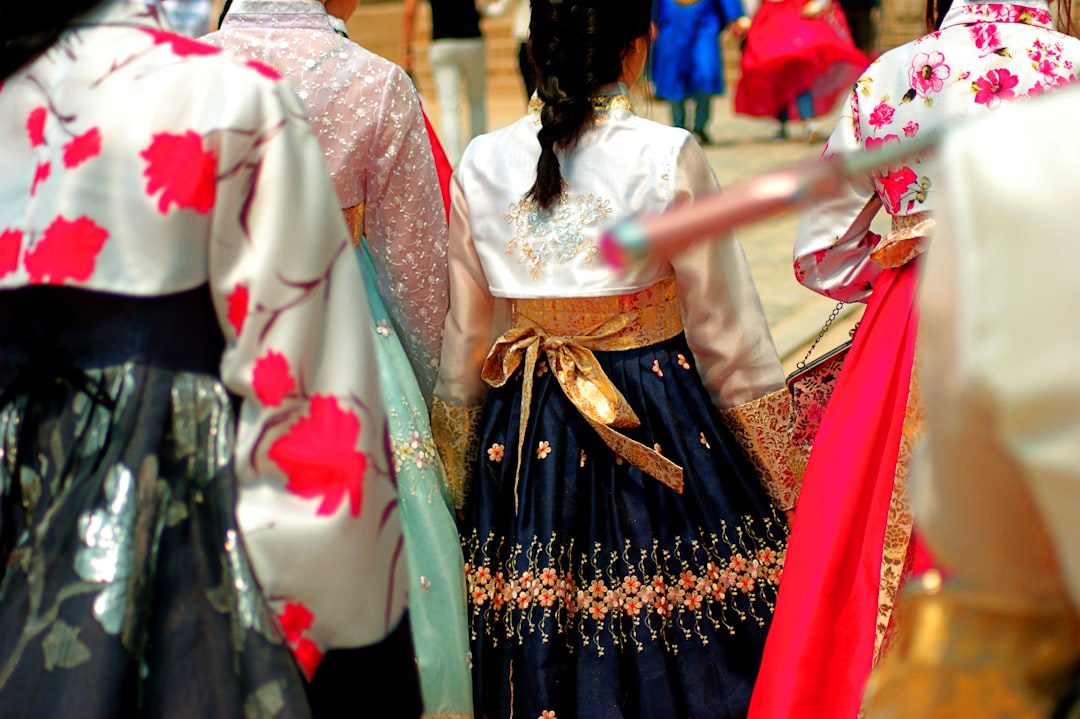
I remember the exact moment I fell in love with hanbok. It was 1989, my first month in Seoul, and I was wandering through Bukchon Hanok Village with a Korean friend who insisted I try on a traditional outfit for photographs. I walked out of that rental shop in my first hanbok, and honestly? I felt like I’d stepped directly into a historical drama. The fabric was heavier than I expected, the colors more vibrant, and there was something undeniably magical about wearing something so tied to Korean heritage.
That was 35 years ago, and I’ve watched hanbok culture transform. What was once strictly reserved for special holidays and family photos has exploded into a full-on tourist phenomenon — especially after K-dramas made it cool. Now, visitors from around the world rent hanbok to feel like their favorite drama characters, and honestly, I think that’s wonderful. It’s respectful tourism that actually engages with the culture.
If you’re planning to wear hanbok in Seoul, you need to know where to go, what to expect, and how to avoid the tourist traps. I’ve gathered everything from three decades of watching this industry evolve, tested it against current 2026 prices and locations, and I’m sharing it all here.
What Is Hanbok and Why Wear It?
Hanbok (한복) is the traditional Korean dress that’s been worn for centuries. Women wear the jeogori (short jacket) and chima (wrap skirt), while men wear the jeogori, baji (pants), and durumagi (overcoat). It’s not a costume — it’s a living part of Korean cultural identity, still worn for weddings, holidays, and increasingly, for photos.
Why wear it? Because the moment you put on hanbok, you understand Seoul differently. You walk slower. You notice the traditional architecture of Bukchon and Ikseon-dong in a new way. Plus, the photos are absolutely stunning. I’ve had visitors tell me that wearing hanbok was the single most memorable moment of their Seoul trip.
Ted’s tip: Wearing hanbok isn’t just a photo op — it’s a way to participate in Korean culture. Wear it respectfully, dress fully (not as a Halloween costume), and you’ll get authentic experiences and genuine respect from locals.
Best Hanbok Rental Shops in Seoul
Premium Rentals: High-End Quality
If you want exceptional quality and experience, these shops offer the best hanbok in Seoul.
| Shop Name | Location | Rental Price | Vibe |
|---|---|---|---|
| Amoiste | Bukchon Hanok Village (Anguk Station Line 3, Exit 6) | ₩80,000–150,000 | Luxury designer hanbok, K-drama quality |
| Jogyesa Hanbok Rental | Jongno-gu, near Jogyesa Temple | ₩70,000–120,000 | Traditional and elegant, excellent tailoring |
| Hanbok Keumbee | Ikseon-dong (Anguk Station) | ₩65,000–130,000 | Modern takes on traditional, Instagram-worthy |
Amoiste is where I send visitors who want to look like they stepped out of a high-budget K-drama. The owners, a married couple, personally curate the collection. Prices are higher, but the embroidery, silk quality, and fit are exceptional. Book ahead — they get 20+ tourists daily.
Jogyesa Hanbok Rental, near the famous Jogyesa Temple in Jongno-gu, specializes in traditional designs that feel authentic without looking like a costume. I’ve seen visitors here actually tear up when they see themselves fully dressed — there’s something about quality fabric and proper tailoring that hits differently.
Mid-Range: Best Value for Tourists
These shops offer great quality at reasonable prices, perfect for most visitors.
| Shop Name | Location | Rental Price | Notes |
|---|---|---|---|
| Hanbok Nara | Bukchon Hanok Village (multiple locations) | ₩50,000–90,000 | Multiple locations, fast service, family-friendly |
| K-Beauty Hanbok | Insadong (Jongno 3-ga Station Line 1, Exit 5) | ₩45,000–80,000 | Mix of modern and traditional, good color variety |
| Seoul Hanbok | Myeongdong (Myeongdong Station Line 4, Exit 6) | ₩40,000–75,000 | Convenient location, quick turnaround, tourist-friendly |
Hanbok Nara is everywhere in Bukchon, which means you can rent quickly and return without backtracking. I’ve used them multiple times with visiting friends, and they’ve got excellent customer service despite the volume. Expect to spend 30-45 minutes total: picking your outfit, fitting, and photos.
K-Beauty Hanbok in Insadong sits in the heart of Seoul’s traditional shopping district. This is my sweet spot for value — you’re paying ₩50,000-60,000 for solid quality, and the Insadong location means you can photograph in the surrounding antique shops and cafes. Plus, fewer crowds than Bukchon at peak hours.
Budget Options: For the Casual Tourist
Need hanbok on a tight budget? These shops still deliver decent experiences.
| Shop Name | Location | Rental Price | Considerations |
|---|---|---|---|
| Myeongdong Hanbok Express | Myeongdong (Myeongdong Station) | ₩30,000–50,000 | Quick rental, heavy footfall, less personalized |
| Gangnam Hanbok | Gangnam Station (Line 2, Exit 10) | ₩35,000–60,000 | Good for last-minute rentals, modern designs |
Ted’s tip: Budget hanbok shops work fine, but avoid the absolute cheapest options (under ₩25,000) — the fabric tears easily, colors fade in photos, and fittings are often loose. Spend a bit more for something you’ll actually want to wear for hours.
Understanding Hanbok Rental Pricing and Add-Ons
Rental pricing varies, but understanding the breakdown helps you budget properly. Here’s what you actually pay for when you rent:
| Service/Add-On | Cost | Worth It? |
|---|---|---|
| Basic hanbok rental (1-4 hours) | ₩40,000–80,000 | Yes — always do this |
| Hair and makeup styling | ₩30,000–60,000 | Yes if you want K-drama effect |
| Professional photo shoot (30 min) | ₩50,000–100,000 | Yes — includes edited photos |
| In-studio photos (5-10 shots) | ₩20,000–40,000 | Maybe — you can take your own |
| Extended rental (8+ hours) | ₩90,000–150,000 | Yes if exploring all day |
| Accessories (earrings, necklace, pins) | ₩5,000–15,000 each | Included in most mid-range rentals |
| Damage deposit (refundable) | ₩20,000–50,000 | Required, but returned if no damage |
| Rush service (same-day rental) | +₩10,000–20,000 | Sometimes necessary, not ideal |
Most mid-range shops include accessories in the base price, which is great. Where you spend extra is on hair and makeup. This is worth it — a proper Korean bun (called a “tteul” or binyeo styling) and classic makeup completely transforms your photos.
Ted’s tip: Always ask if hair and makeup are included. If not, budget an extra ₩40,000. And yes, you need a damage deposit, but it’s refunded if you don’t stain or tear anything (which rarely happens with normal wear).
Choosing Your Hanbok Style and Colors
Traditional vs. Modern Designs
This is where your K-drama dreams become reality. Most rental shops offer two styles:
Traditional Hanbok (정통 한복): Historical accuracy with pastel or jewel-tone colors, embroidered details, and authentic silhouettes. Think “Mr. Sunshine” or “Alchemy of Souls.” Prices: ₩60,000–150,000.
Modern Hanbok (생활 한복): Contemporary takes with bold colors, simpler designs, shorter lengths. Think “My Mister” or “Descendants of the Sun.” Prices: ₩40,000–90,000.
For your first hanbok experience, I recommend traditional style. Modern hanbok is great for returning visitors, but traditional designs photograph better and feel more authentic.
Color Selection Guide
| Color | Vibe | Best For | K-Drama Example |
|---|---|---|---|
| Pink/Coral | Soft, romantic, youthful | First-timers, spring photos | “Crash Landing on You” |
| Jade Green/Blue | Elegant, cool-toned, noble | Those with cool undertones | “Lovers” |
| Deep Red/Burgundy | Bold, dramatic, sophisticated | Confident wearers, any season | “The Last Empress” |
| Purple | Regal, artistic, mysterious | Bold color lovers | “Mystic Pop” |
| Cream/White | Pure, minimalist, historical | History lovers, photographers | “Arthdal Chronicles” |
| Gold/Yellow | Warm, joyful, celebratory | Warm undertones, cheerful photos | “Descendants of the Sun” |
Ted’s tip: Take a selfie in natural light before choosing colors. Most rental shops have mirrors under artificial lighting, which distorts how colors will look in outdoor photos. Your phone’s natural-light selfie is a better reference.
Where to Wear Hanbok: Best Photo Locations in Seoul
Renting hanbok without knowing where to photograph is like buying a camera without film. Here are the iconic locations, ranked by my personal favorites:
Tier 1: Must-Visit Hanbok Locations
| Location | Neighborhood | Vibe | Subway Access |
|---|---|---|---|
| Bukchon Hanok Village | Jongno-gu | Classic alleyways, traditional wooden houses | Anguk Station Line 3, Exit 2 |
| Ikseon-dong Hanok Alley | Jongno-gu | Modern cafes in hanok buildings, less crowded | Anguk Station Line 3, Exit 6 |
| Gyeongbokgung Palace | Jongno-gu | Royal grandeur, historical gates, K-drama sets | Gyeongbokgung Station Line 3, Exit 5 |
| Changdeokgung Palace and Huwon | Jongno-gu | Garden pavilions, secret palace vibes | Anguk Station Line 3, Exit 3 |
Let me be honest: Bukchon Hanok Village is the most photographed spot for hanbok. It’s packed, especially 10am–4pm, but the reason is obvious — those narrow alleys with traditional architecture are built for hanbok photos. Go early (before 9am) or late (after 5pm) if you want fewer tourists in your shots.
Ikseon-dong is my personal recommendation. It’s 5 minutes from Bukchon, but 80% fewer tourists. The alley has the same hanok charm, plus modern cafes that create interesting juxtapositions for photos. I’ve watched this neighborhood evolve from quiet to trendy, and it’s still peaceful enough for decent photos.
Gyeongbokgung Palace (₩3,000 admission) is where you feel like you’ve walked onto a K-drama set — because you literally have. The gates, the gardens, and the palace architecture create that royal-historical atmosphere. Photos here feel more cinematic. Allow 2-3 hours.
Ted’s tip: Book your hanbok rental at a shop in Bukchon or Ikseon-dong specifically. The rental locations there hold extended hours, and you can walk directly to photo spots without taking transit in a silk skirt (trust me, the subway platforms are not hanbok-friendly).
Tier 2: Alternative Locations (Fewer Crowds)
If you want stunning photos without fighting crowds, try these:
| Location | Why It Works | Distance from Rentals |
|---|---|---|
| Seokchon Lake (Jamsil) | Reflection photos, cherry blossoms in spring, peaceful | 15 min subway |
| Namdaemun Market alleyways | Vibrant, busy market energy, authentic Seoul | 10 min walk from Bukchon |
| Deoksugung Palace walkway | Grand stonework, European architecture contrast | 20 min subway + walk |
| Insadong art galleries (outdoor spaces) | Modern art backdrop, sophisticated vibe | Walk from K-Beauty Hanbok rental |
Seokchon Lake is underrated. Most tourists don’t venture there in hanbok, but the photographs are exceptional — especially during cherry blossom season. Read more about this area in my Jamsil guide.
Hanbok Rental Timeline: Planning Your Day
Okay, let’s talk logistics. How long does this actually take, and when should you book?
| Activity | Time Required | Notes |
|---|---|---|
| Browse and choose hanbok | 15-30 min | Try 3-5 options before deciding |
| Fitting and adjustments | 15-20 min | Staff will pin and adjust |
| Hair and makeup styling | 30-45 min | Optional, but highly recommended |
| Walk to first photo location | 5-10 min | From Bukchon/Ikseon rentals |
| Photography and exploration | 1.5-3 hours | Core experience time |
| Return and change | 10-15 min | Staff will help you undress |
Total time: 2.5-4.5 hours (depending on whether you add hair/makeup)
Ted’s tip: Aim for a 9:00am rental time. You’ll avoid peak crowds (10am–4pm), still have excellent light for photos, and be done by noon if you want to do other activities. Most shops let you keep hanbok for 4 hours, which is plenty.
When to Book
Booking window depends on season and demand:
- Peak season (March–May, Sept–Nov): Book 3-5 days ahead via phone/KakaoTalk. Walk-ins available but might wait 1-2 hours.
- Off-season (June–August, Dec–Feb): Walk-in same-day rentals are fine. Book 1-2 days ahead to guarantee your size/color choice.
- Holidays (Chuseok, Seollal): Book 1-2 weeks ahead. These are peak family photo times.
Most shops don’t have English-language booking systems, but nearly all have KakaoTalk (Korea’s messaging app). Ask your hotel concierge to help you send a simple message: “안녕하세요, 내일 오후 2시에 2명이 한복을 빌리고 싶습니다” (Hi, I’d like to rent hanbok for 2 people tomorrow at 2pm).
How to Wear and Care for Hanbok (Beginner’s Guide)
Understanding the Fit
This surprised me when I first wore hanbok: it’s supposed to feel different. The chima (skirt) sits high and loose, creating that beautiful bell shape. Your jeogori (jacket) wraps across and ties with a ribbon. It feels nothing like Western clothing — initially awkward, then absolutely natural once you’re out and walking.
Movement tips:
- Take smaller steps — the chima restricts leg movement, which is intentional
- Keep your arms relaxed — the jeogori sleeves have traditional movement
- Sit gracefully when possible — large movements can shift the outfit
- Don’t lean heavily on railings or walls — fabric can catch
Ted’s tip: Staff will give you a quick tutorial on tying and adjusting your hanbok. Pay attention to how they tie the ribbon (otgoreum). You might need to retie it after using the bathroom.
Basic Care During Your Rental
| Do | Don’t | Reason |
|---|---|---|
| Wear a slip or thin undergarment | Wear jeans or thick leggings under | Silhouette and comfort |
| Use the bathroom carefully | Rush in and out of stalls | Avoid stepping on fabric, damage deposit! |
| Eat light meals (gimbap, bibimbap) | Eat messy foods (spicy tteokbokki, sauce) | Stain risk on white and light colors |
| Be aware of your surroundings | Sit on dirty surfaces, touch rough textures | Silk and embroidered fabric damage easily |
| Ask staff for help with adjustments | Tug or forcibly adjust yourself | Prevent accidental tears |
The damage deposit exists for a reason. I’ve seen friends accidentally spill coffee or step on hems. It happens. The deposit is usually refunded, but only if there’s no staining or permanent damage. Small wrinkles and creases? Normal wear. Stains or tears? You might lose ₩20,000–50,000.
Hair, Makeup, and Accessories: Completing the K-Drama Look
Your hanbok is only 50% of the outfit. The other 50%? Hair, makeup, and accessories. This is where you actually look like you stepped out of a K-drama.
Hair Styling
Most rental shops offer three traditional styles:
- Tteul (뜰): Formal bun with decorative hairpin (binyeo). Most popular. Makes you look sophisticated and historical. ₩20,000–35,000 add-on.
- Jjim (찜): Half-up, half-down style with curled waves. Modern and romantic. ₩15,000–25,000.
- Beotkkesangi (벗께상이): Loose waves with minimal pinning. Contemporary hanbok style. ₩10,000–20,000.
Ted’s tip: Request the tteul style for your first hanbok experience. It’s the most iconic, photographs the best, and makes the overall outfit feel complete. Your hair will definitely have product in it — that’s intentional and necessary to hold the style for hours.
Makeup
Traditional hanbok makeup is different from everyday Korean makeup:
| Feature | Traditional Style | Why |
|---|---|---|
| Base | Porcelain, matte finish | Matches the hanbok’s elegance |
| Eyes | Minimal liner, focus on brows | Traditional beauty standard |
| Lips | Deep red or coral (matches outfit) | Classic K-drama look |
| Blush | Subtle, natural placement | Delicate, not overdone |
Most staff will ask you what makeup style you want — say “traditional” (전통적) or show them K-drama photos on your phone. This makeup typically costs ₩20,000–40,000 as an add-on.
Accessories
These small details make a huge difference:
| Accessory | Purpose | Usually Included? |
|---|---|---|
| Binyeo (hairpin) | Decorative pin for bun, holds tteul style | Yes (with hair styling) |
| Norigae (belt ornament) | Dangling tassel attached to jeogori ribbon | Usually yes |
| Otgoreum (ribbon tie) | Secures the jeogori wrap | Always included |
| Earrings | Traditional dangly style or studs | Mid-range: yes. Budget: +₩5,000 |
| Necklace | Usually a delicate chain | Some shops include |
Ted’s tip: Don’t bring your own jewelry. Rental shop accessories are selected specifically to complement the hanbok style and colors. Mixing modern jewelry with traditional hanbok looks off.
Renting Hanbok for Events vs. Tourism
There’s a difference between renting hanbok to walk around Bukchon and renting it for an actual event (wedding, birthday, family photo). Let me break this down:
| Purpose | Rental Duration | Price Range | Customization |
|---|---|---|---|
| Tourist photos (Bukchon, palaces) | 2-4 hours | ₩40,000–100,000 | Choose from existing stock |
| Wedding ceremony (family relative) | 8+ hours | ₩150,000–300,000 | Perfect fit, color coordination |
| Pre-wedding photo shoot | 4-6 hours | ₩120,000–250,000 | Photography included, edited |
| Family group photo (3+ people) | 2-4 hours | ₩120,000–200,000 total | Coordinated colors, styling |
Most tourists are doing the 2-4 hour casual rental. But if you’re in Seoul for a family milestone, consider a coordinated family hanbok photo shoot. Many rental shops partner with photographers and can deliver digital files within a week. It’s a meaningful souvenir.
For weddings or formal events, you’ll need to contact shops several weeks ahead to ensure they have your size and preferred colors. This is a much more involved process than tourist rentals.
Photography Tips for Your Hanbok Experience
You’ve rented the hanbok. You look incredible. Now let’s make sure your photos actually capture that.
Camera Settings (iPhone and Android)
- Use portrait mode: The soft background blur makes hanbok stand out. Modern phones do this beautifully.
- Golden hour (6–9am or 4–6pm): Natural light is your best friend. Midday harsh light creates ugly shadows.
- Avoid backlit shots: The fabric colors will look washed out. Shoot with light behind the photographer.
- Use burst mode: Take 10–15 shots in a row. One will have perfect expression and hand placement.
Posing Basics
- Stand at angles: Don’t face the camera directly. A 45-degree angle is more flattering and shows the hanbok silhouette better.
- Let arms hang naturally: Hanbok sleeves are designed to drape — embrace that rather than forcing stiff poses.
- Walk while photographing: Some of the best hanbok photos happen while actually moving through Bukchon, not standing still.
- Use architectural elements: Lean against doorways, sit on steps, frame yourself within wooden windows.
Ted’s tip: The best hanbok photos feel natural and candid, not posed. Ask a friend to photograph you while you’re actually exploring and enjoying yourself, rather than striking deliberate poses. You’ll look genuinely beautiful instead of stiff.
Locations for Different Photo Styles
| Photo Style | Best Location | Why It Works |
|---|---|---|
| Candid walking shots | Bukchon or Ikseon alleys | Natural backdrop, authentic Korean architecture |
| Formal/regal photos | Gyeongbokgung or Changdeokgung Palace | Grand gates, royal aesthetic |
| Artistic/moody shots | Ikseon art galleries, covered passageways | Unique lighting, modern-traditional contrast |
| Celebration/joyful photos | Namdaemun Market, street vendor areas | Vibrant energy, colorful backgrounds |
Frequently Asked Questions
Is renting hanbok respectful to Korean culture?
Yes, absolutely — when you do it right. Renting hanbok to experience and explore Korean heritage is respected. Wearing it as a Halloween costume or sexualized outfit is not. Treat it as the traditional cultural garment it is, dress fully and modestly, and you’ll be fine. I’ve watched thousands of international visitors wear hanbok with genuine respect over 35 years, and Koreans generally appreciate the interest in their culture.
What if I’m plus-size or have an unusual fit?
Call ahead. Higher-end shops like Amoiste and Jogyesa Hanbok Rental have extended size ranges and can often customize with adjustments. Budget shops sometimes have limited sizes. Be honest about your measurements when booking — shops will tell you if they can accommodate you. Premium rentals cost more but offer better fitting for all body types.
Can I rent hanbok for a couple photo shoot?
Yes, but book early and expect to pay ₩100,000–200,000 for coordinated couple sets. Many rental shops specifically offer “couple hanbok” packages with matching colors or complementary styles. This is actually quite popular with international couples. You can also rent men’s and women’s hanbok separately at mid-range prices and get them styled together.
Is there an age limit for wearing hanbok?
No age limit. I’ve seen tourists from 8 to 80 years old wearing hanbok. For children, most shops have kids’ sizes and styles. For older adults, there’s nothing odd about wearing traditional dress — honestly, it often looks more appropriate on mature visitors. Read my family activities guide for tips on renting hanbok with kids.
What if it rains while I’m wearing hanbok?
This is a real concern in Korea’s monsoon season (June–July). Check the forecast before renting. If rain is likely, tell the rental shop — they can provide a clear umbrella specifically designed for hanbok (won’t damage the fabric). You can also keep a waterproof bag for emergencies. Light rain actually creates beautiful moody photos, but heavy rain can damage silk. Better to reschedule.
Can I buy hanbok instead of renting?
Yes, but it’s expensive. Ready-made hanbok costs ₩200,000–600,000, and custom-made costs ₩500,000–2,000,000+. For tourists, rental is absolutely the way to go. If you fall in love with hanbok and decide you want to own one, shops can order or you can visit Namdaemun Market or Insadong for options.
Do I need to book hair and makeup styling?
No, it’s optional, but I highly recommend it. The styling transforms your look from “wearing traditional dress” to “actually looking like a K-drama character.” Budget the extra ₩40,000–60,000. If you’re on a tight budget, do the hanbok rental and skip styling — you’ll still look great. But if you can swing it, the styling elevates the entire experience.
How do I get to Bukchon from Incheon Airport?
Most visitors come from Incheon (ICN) or Gimpo (GMP) airports. Take the Airport Railroad (AREX) to Seoul Station (1 hour, ₩9,000). From Seoul Station, take Line 4 to Myeongdong Station or Line 1 to Jongno 3-ga Station, then transfer to Line 3 toward Anguk Station. Total time: 1.5 hours. Arrive early if you have a scheduled rental time. Alternatively, take a taxi directly (₩50,000–70,000) if you’re short on time.
Final Thoughts
Renting hanbok in Seoul isn’t just about taking pretty photos — though that’s definitely part of it. It’s about stepping into a 2,000-year-old cultural tradition for a few hours. It’s about understanding why Koreans have worn this dress for generations, how it moves, how it makes you carry yourself differently.
I’ve seen visitors who were skeptical beforehand leave absolutely transformed. There’s something about traditional dress that connects you to a place in a way that casual tourism doesn’t. You stop rushing. You become aware of your movements. You appreciate craftsmanship and history.
Whether you choose a ₩45,000 budget rental or a ₩150,000 premium experience, you’re going to have an unforgettable Seoul memory. My only advice: show up early, be patient with the fitting process, choose locations that genuinely interest you (not just the most crowded spots), and actually enjoy the experience instead of obsessing over the photos.
The photos will be beautiful. That I can promise. But the real magic is in the wearing.
— Ted K
Image Credits: Photos sourced from Unsplash. By using this site, you agree to our Privacy Policy and Disclaimer.