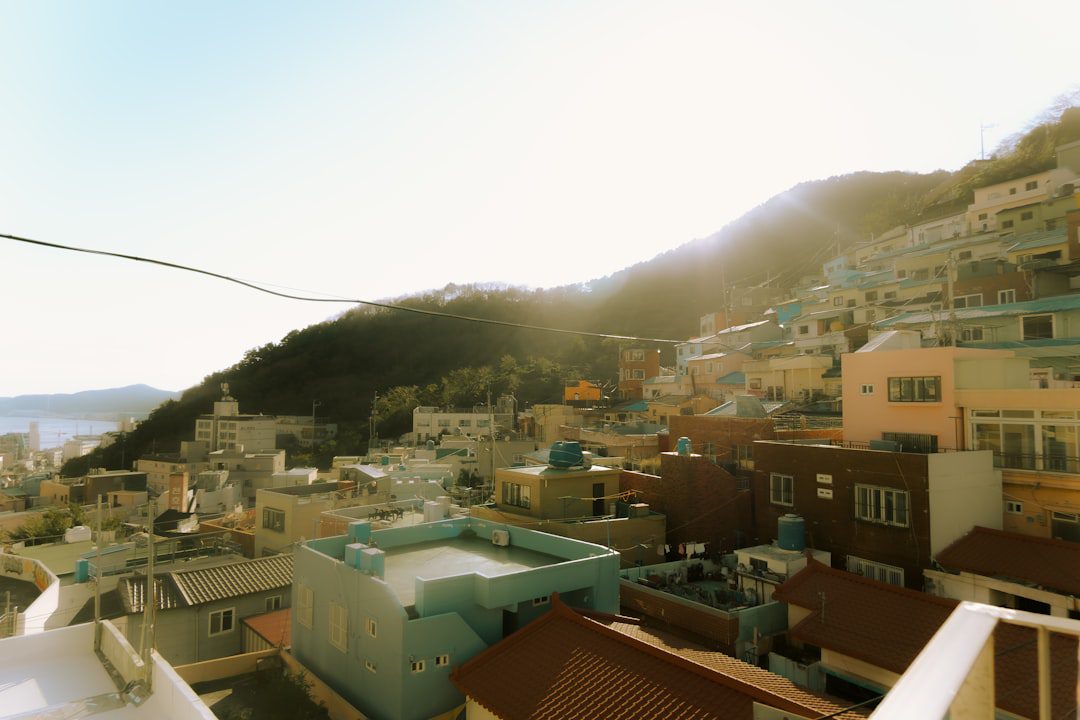
I’ll never forget the day I stumbled upon the exact bench where the main characters sat in “Descendants of the Sun” — not in Seoul, but in a quiet Busan neighborhood that nobody in my Korean circle could initially place on a map. After 35 years here, I’ve watched K-dramas evolve from studio-bound productions into location-heavy epics that use South Korea’s landscape as a character itself. What started as a curious detour became an obsession: tracking down these real-world filming sites across the country.
Here’s what I’ve learned: the best K-drama locations aren’t concentrated in the capital anymore. Filmmakers discovered that Gyeonggi Province offers affordable production space, Busan delivers cinematic coastal drama, and smaller cities like Jeonju, Gongju, and Yeosu provide authentic historical backdrops. For international visitors, this means you can now experience K-drama tourism beyond Seoul’s crowded streets — often with fewer crowds, lower prices, and that rare feeling of discovering something genuinely off the beaten path.
I’ve spent the last decade photographing, documenting, and revisiting these locations across the country. Here’s everything you need to know to plan your own K-drama pilgrimage.
Why Filmmakers Are Leaving Seoul
Seoul’s dominance in K-drama production is fading — and intentionally so. When I first arrived in 1990, virtually every K-drama was shot in studio sets in western Seoul or the Han River parks. But by the 2010s, the industry realized something crucial: authentic locations look better on screen than sets, and they’re often cheaper than maintaining massive studios.
Gyeonggi Province alone now hosts over 45% of major K-drama productions. Why? The provincial government offers tax incentives, subsidized filming permits, and access to diverse landscapes — everything from ultramodern office parks in Songtan to preserved traditional villages in Hwaseong. Busan became essential after “Descendants of the Sun” (2016) proved that coastal drama could generate international attention. Since then, virtually every major production scouting for beach scenes or port settings heads south.
Ted’s tip: Most K-drama production companies now announce filming locations on their official SNS accounts weeks before broadcast. Following these accounts (usually tagged with 제작사 or 촬영지) gives you insider intel on where crews are working — sometimes you can even spot real filming in progress if you visit the right locations at the right time.
The shift away from Seoul happened because of economics, yes — but also because audiences grew tired of recognizing the same Han River parks and Gangnam intersections in every show. Fresh locations meant fresh storytelling. For tourists, this is perfect timing: you can now follow K-drama tourism trails across the entire country.
Gyeonggi Province: The New Production Hub
If you’re basing yourself near Seoul but want K-drama location hunting without traveling 5+ hours, Gyeonggi is your answer. I’ve personally visited filming locations here dozens of times, and the diversity never ceases to surprise me.
Hwaseong: Historical K-Dramas
The Hwaseong Fortress area (about 50 minutes from Seoul) has become the default setting for period K-dramas. “Mr. Sunshine” (2018), “Aespa’s Spicy” (2022), and “The Apothecary Diaries” (2024) all filmed extensively here. The fortress itself is a UNESCO World Heritage site, but what attracts filmmakers is the surrounding Hwaseong Madang — a massive open-air filming complex specifically designed to replicate early 1900s Korea.
The main fortress walk takes about 90 minutes (I recommend the north route for fewer crowds). The ticket price is ₩5,000 for adults, and it’s genuinely one of Korea’s most stunning historical sites — the filming location thing is just a bonus. The surrounding streets feature traditional architecture that’s been carefully preserved for productions. You’ll recognize the narrow alleyways from at least three different period dramas.
Ted’s tip: Visit early morning (before 8 AM) or late afternoon (after 4 PM) to avoid tour groups. Many K-drama fans mob this location during peak hours, making photography nearly impossible. I usually get coffee at the small café near the south gate entrance and then do my fortress walk at 6 AM.
| Location | K-Dramas Filmed | Distance from Seoul | Admission |
|---|---|---|---|
| Hwaseong Fortress | “Mr. Sunshine,” “Apothecary Diaries” | 50 min via subway | ₩5,000 |
| Suwon Hwaseong Madang | “Chuno,” “Jewel in the Palace” | 55 min via subway | Free (reservations required) |
| Namsangol Hanok Village (Suwon replica) | Multiple period K-dramas | 45 min via subway | ₩3,000 |
I’ve written a full guide to visiting Hwaseong that includes specific subway directions and restaurant recommendations — check out the Suwon Hwaseong Fortress day trip guide for more details on making this a full-day adventure.
Yongin: Modern K-Dramas
If you want to see where contemporary K-dramas are actually shot, Yongin (about 40 minutes from Seoul) is where the magic happens. The Korean Folk Village here isn’t just a tourist attraction — it’s an active filming location where crews shoot “present day” scenes disguised as modern Korea.
What surprised me most about Yongin was discovering that many “luxury apartment” scenes in K-dramas are actually filmed in Yongin’s wealthy Bundang district. The apartments here genuinely look like drama sets because they’re specifically built to television’s high design standards. The shopping malls (especially Starfield Hanam) have appeared in dozens of productions.
Ted’s tip: The Korean Folk Village itself (₩25,000 admission) is less interesting for K-drama tourism than the surrounding Yongin neighborhoods. Instead, grab a rental car or taxi to Bundang’s shopping districts and residential areas. This is where you’ll actually see the apartment buildings that appear in modern-day K-dramas.
Paju: The DMZ & Industrial Settings
For darker, grittier K-dramas — anything with North Korean themes, military stories, or industrial aesthetics — Paju (45 minutes north) is essential. “Crash Landing on You” (2019) filmed extensively here because the DMZ proximity lends authenticity to storylines involving North Korean characters.
The Heyri Art Valley in Paju has become a secondary filming location for indie-style dramas. It’s a collection of artist studios, galleries, and cafés in a genuinely bohemian setting — not many tourists know this exists, but Korean production teams use it constantly for “artistic character” scenes.
Busan: Coastal & Urban K-Dramas
Busan changed everything for K-drama tourism. Before “Descendants of the Sun” (2016), most international fans didn’t even know production happened outside Seoul. Now Busan gets over 400,000 K-drama tourists annually.
I first visited Busan’s filming locations in 2017, three months after “Descendants of the Sun” aired. The fan tourism was already overwhelming — entire organized tour groups following maps printed from fan forums. But what impressed me was how genuinely photogenic Busan is. The city deserves its reputation as Korea’s Hollywood.
“Descendants of the Sun” Trail
This is the most famous K-drama trail in the country. If you’ve never been to Busan, following the “Descendants of the Sun” locations makes an excellent two-day itinerary. The main spots:
| Location Name | Address (Korean) | Nearest Subway | Famous Scenes |
|---|---|---|---|
| Songdo Beach | 부산시 영도구 동삼동 | Daeyeon (Line 1, Exit 3) | Beach walk, sunset scenes |
| BIFF Square | 부산시 중구 광복로2가 | Nampo (Line 1, Exit 1) | Festival scenes, street interactions |
| Somi Lee’s Park | 부산시 중구 동공로 81 | Nampo (Line 1, Exit 1) | Romantic bench scenes |
| Taejongdae Resort Park | 부산시 영도구 동삼동 | Daeyeon (Line 1, Exit 5) | Dramatic cliff scenes, final episodes |
| Gamcheon Culture Village | 부산시 사하구 감천동 | Toseong (Line 1, Exit 6) | Narrow street scenes, character interactions |
Ted’s tip: Skip the expensive official “Descendants of the Sun” tour buses (₩50,000–70,000). Instead, download the free KoreaEbike app which has the exact filming locations mapped. You can do the entire trail in one full day of walking, using buses between neighborhoods. Total cost: ₩2,500 for bus fare.
My personal recommendation: start at Songdo Beach early morning (6–7 AM), walk the Songdo Coastal Trail, then head inland to BIFF Square and Somi Lee’s Park in the afternoon. Taejongdae is best at sunset. This gives you the cinematic experience without the crowds.
Other Major Busan Filming Zones
Gamcheon Culture Village: This hillside neighborhood of colorful houses became famous after “Moonlight Drawn by Clouds” (2016) and has appeared in at least 8 different K-dramas since. The village itself is genuinely picturesque, though tourism has made it crowded. Visit by 7 AM for decent photos.
Jagalchi Fish Market: Multiple K-dramas have used this working market for scenes involving commerce, street food, or local flavor. The market is real and still functions — you can actually buy fresh sashimi while standing in a K-drama filming location.
Nurimaru APEC House: This modern architectural wonder overlooks Haeundae Beach and has been used as a wealthy character’s residence in numerous dramas. Admission is ₩3,000, and you get stunning coastal views as a bonus.
Haeundae Beach & Surrounding Luxury Hotels: Nearly every K-drama featuring rich characters includes Haeundae Beach scenes. The Park Hyatt Busan, Paradise Hotel Busan, and several other luxury resorts are actively used filming locations. You don’t need to stay here — just walk the beach and you’ll recognize the settings.
| Busan Location | Most Famous K-Drama | Distance from Busan Station | Admission Cost |
|---|---|---|---|
| Gamcheon Culture Village | “Moonlight Drawn by Clouds” | 20 min | Free |
| Jagalchi Market | Multiple modern dramas | 10 min | Free |
| Nurimaru APEC House | “Goblin” | 35 min | ₩3,000 |
| Haeundae Beach | Multiple wealth-focused dramas | 40 min | Free |
| Taejongdae Resort Park | “Descendants of the Sun” | 25 min | ₩3,000 |
Jeju Island: Fantasy & Romance K-Dramas
Jeju Island doesn’t get discussed as much in K-drama tourism as Busan, but it should. The island’s natural landscape — dramatic cliffs, black sand beaches, volcanic terrain — makes it perfect for fantasy dramas and romantic comedies that need visually striking backdrops.
“Boys Over Flowers” (2009) filmed extensively here, and the island’s become a go-to location for romantic dramas ever since. The advantage: far fewer other tourists know this, so you’ll have much more peaceful experiences than at the Busan locations.
Key Jeju Locations
Hallasan National Park: The mountain dominating Jeju appears in the background of numerous K-dramas. You can hike it (takes 3–4 hours to summit) or just visit the lower trail areas. Admission: ₩4,000. The parking and visitor center make excellent photo stops even if you don’t hike.
Oedolgae Rock (외돌개): This dramatic seaside rock formation has appeared in multiple K-dramas as a romantic or contemplative spot. It’s in the Seongeup area, about 30 minutes from the main Jeju City. Free admission, but you’ll want to pay ₩5,000 to visit the nearby “K-Drama Museum” (a fan-created memorial space with photos and information about dramas filmed in the area).
Hyeopjae Beach: Known for its pristine white sand and turquoise water, this has been used in numerous feel-good dramas. Unlike Jeju’s busier beaches, this one stays relatively peaceful. Free admission.
Gujwa Haenyo Museum & Coastal Area: The haenyo (women divers) village here has been used for several dramas with traditional or village-focused storylines. The museum itself is small (₩2,000 admission) but the surrounding coastal walking paths are beautiful.
Ted’s tip: Rent a car on Jeju if possible. Jeju’s K-drama locations are spread across the entire island, and public transport is limited. A day car rental costs ₩40,000–60,000, which is worth it if you want to see multiple locations. If renting isn’t possible, use the island’s tour bus system (₩15,000 for all-day pass) or book combination tours through your accommodation.
Beyond the Big Three: Hidden Filming Locations
Some of Korea’s most interesting K-drama filming locations exist in smaller cities and provinces that few international tourists ever visit. These places offer less crowded experiences and often better preservation of authentic filming sets.
Jeonju: Period & Literary Dramas
About 3 hours southwest of Seoul, Jeonju Hanok Village is the obvious stop for period K-dramas. I’ve visited dozens of times, and it remains one of my favorite filming location sites in the country. “Apothecary Diaries” (2024), “The Red Sleeve” (2021), and multiple other historical productions filmed here.
What makes Jeonju special: this isn’t a recreated set. These are actual preserved traditional houses (hanoks) from the Joseon period. Walking through the village while recognizing scenes from beloved dramas creates an uncanny feeling — like you’re literally inside television.
The village itself has multiple museums, tea cafés, and restaurants. I recommend arriving early morning (before 8 AM) and doing a 2-hour walk before crowds arrive. Then spend the afternoon in a hanok café enjoying traditional Korean tea.
I’ve written a full Jeonju day trip guide that includes specific filming location maps — check out the Jeonju Hanok Village guide for restaurant recommendations and café suggestions specific to K-drama fans.
Gongju: Ancient Kingdom Settings
Gongju, in South Chungcheong Province, became a major filming hub after productions started using the Gongju National Museum and the surrounding historical sites as backdrops for ancient Korean kingdom dramas. “Asura” (2016) and several period dramas filmed here.
The Gongsanseong Fortress (admission: ₩2,000) is where most K-drama filming happens. Unlike Hwaseong’s fortress, this one feels less touristy. The surrounding neighborhoods still have genuine traditional houses, not reconstructed sets.
Ted’s tip: Gongju is about 2 hours from Seoul by train. Consider combining it with Jeonju (another 2.5 hours) for a two-city period K-drama tour. You can do this as a 3-day trip: Seoul → Jeonju (1 night) → Gongju (1 night) → Seoul.
Yeosu: Modern Drama Settings with Coastal Drama
The port city of Yeosu (2.5 hours from Gwangju) has become increasingly popular for modern K-dramas needing coastal industrial settings. The Yeosu O Land theme park and surrounding port areas have appeared in several productions featuring maritime themes.
What’s interesting about Yeosu: unlike Busan’s wealthy resort aesthetics, Yeosu feels gritty and authentic. If you’re looking for K-drama filming locations that haven’t been heavily packaged for tourism, this is it.
Andong: Confucian Cultural Dramas
Deep in North Gyeongsang Province, Andong is home to the famous Hahoe Folk Village — an exceptionally well-preserved traditional village from the Joseon period. Multiple historical K-dramas have filmed here, particularly those focusing on Confucian scholars or court politics.
The village itself charges ₩5,000 admission and offers genuine traditional experiences — you can stay overnight in hanoks, participate in traditional crafts, and eat meals prepared the historical way. It’s less tourist-heavy than Jeonju and feels more authentic.
Andong is remote (4+ hours by bus from Seoul), making it less accessible, but that’s exactly why it remains relatively unspoiled. If you’re serious about K-drama location hunting, this is a destination worth the journey.
| Location | Primary K-Drama Focus | Travel Time from Seoul | Best Season | Admission |
|---|---|---|---|---|
| Jeonju Hanok Village | Period & literary dramas | 3 hours by bus | Spring/Autumn | Free |
| Gongju Fortress | Ancient kingdom dramas | 2 hours by train | Fall | ₩2,000 |
| Yeosu Port & Theme Park | Modern coastal dramas | 3.5 hours by bus | Summer/Fall | ₩15,000–20,000 |
| Andong Hahoe Village | Confucian/court dramas | 4+ hours by bus | Autumn | ₩5,000 |
Practical Planning: How to Find Filming Locations
K-Drama Location Databases & Apps
The internet makes K-drama location hunting infinitely easier than it was 10 years ago. Several resources exist specifically for this purpose:
Official Production Company Sites: Most major K-drama production companies post filming location information on their websites and SNS. Search for “[K-drama name] + 촬영지” on Naver or Google Korean search to find these. Productions are often proudly listed weeks after airing.
KoreaEbike App: This app (available in Korean and English) has K-drama filming locations mapped with exact addresses, subway directions, and photography tips. Download it before your trip — data works offline. The app is free but accepts donations.
Visit Korea Travel Guide (official tourism site): The Korean Tourism Organization has actually compiled official K-drama tourism guides by region. Search “K-drama tourism” on their English site to find curated itineraries.
Fan Communities & Blogs: Reddit’s r/kdrama, various K-drama wikis, and dedicated fan blogs often have incredibly detailed location guides with before-and-after photos. Searching “[K-drama name] + filming location” usually yields fan-created maps and coordinates.
Ted’s tip: Create a simple spreadsheet before your trip with K-drama titles, filming locations, addresses (in Korean), and approximate visit times. This saves enormous confusion when you’re on-site and trying to find a specific location. I typically organize by region and then by proximity within regions to minimize travel time.
Getting Around: Transport Between Locations
Here’s the reality: K-drama filming locations aren’t always clustered together. You’ll need a transportation strategy.
| Region | Best Transport Option | Cost Per Day | Advantages | Disadvantages |
|---|---|---|---|---|
| Gyeonggi (Suwon/Yongin/Paju) | Subway + Bus combo | ₩5,000–10,000 | Cheap, reliable, well-mapped | Requires planning; connections slow |
| Busan | Subway + walking | ₩2,500 | Locations relatively close; cheap | Some hills make walking difficult |
| Jeju Island | Car rental | ₩40,000–60,000 | Locations spread across island; flexibility | Driving required; insurance costs |
| Jeonju/Gongju/Regional Cities | Intercity bus or train | ₩15,000–30,000 | Connects multiple regions efficiently | Less frequent schedules; longer trip times |
For Gyeonggi locations: Get a rechargeable Kakao or Naver Card (available at convenience stores for ₩2,500). Load money on it (₩20,000–30,000 is sufficient for a full day), and use it for all subway and bus journeys. The card automatically optimizes your route and tells you when to transfer.
For Busan: Buy a Busan One Card at Busan Station or any GS25 convenience store (₩2,500 for the card, ₩10,000 minimum balance). The Busan subway system is straightforward — much easier to navigate than Seoul’s.
For Jeju Island: Seriously consider renting a car. Public buses exist but run infrequently (many remote filming locations have only 2–3 buses per day). International driving permit required. Book car rentals through Naver or Kakao Map app — prices are usually ₩40,000–50,000 for a day, insurance included.
Photography Tips: Recreating K-Drama Scenes
This is what K-drama tourism is really about, right? Actually recreating iconic scenes from your favorite shows. Here’s what I’ve learned from nearly a decade of doing this:
Scout first, photograph second: When you arrive at a location, spend 10 minutes just observing — looking at lighting, angles, and how the scene flows in the actual drama. Only then should you start photographing. This prevents the “tourist posing awkwardly” energy that dominates K-drama location photos.
Visit during golden hour: The best K-drama locations, when filmed, use either early morning light (6–8 AM) or late afternoon/sunset light (4–6 PM). If possible, time your visits accordingly. Midday sun creates harsh shadows that don’t match the drama’s cinematography.
Dress the part (subtly): You don’t need full cosplay — that’s honestly embarrassing. But wearing similar color palettes to your favorite character, or simple pieces that match the scene’s aesthetic, makes your photos feel intentional rather than random. Most K-drama fans do this and barely any tourists notice.
Use specific camera angles: K-dramas are heavily composed. They use Dutch angles (tilted frames), over-the-shoulder shots, and foreground-background layering. Study a specific scene you want to recreate, then try matching the camera angle. This is more interesting than just standing in front of a location.
Ted’s tip: Bring a small notebook with you and jot down specific scenes from the drama before visiting the location. Reference these when you’re actually on-site. It keeps you focused on artistic recreation rather than just “getting the location,” and it prevents that common experience of standing somewhere and forgetting why you’re there.
Best Time to Visit K-Drama Locations
Season matters enormously when visiting these locations. K-dramas are filmed throughout the year, but some seasons are more photogenic than others — and some seasons have practical advantages for travelers.
| Season | Best Location Type | Advantages | Disadvantages | Recommended Regions |
|---|---|---|---|---|
| Spring (April-May) | Cherry blossoms, romantic scenes | Ideal light; mild weather; cherry blossoms authentic to dramas | Extremely crowded; locations packed with other tourists | Busan, Jeju, Jeonju |
| Summer (June-August) | Beach/coastal dramas | Beach locations at their best; Busan ideal; Jeju festival season | Very hot and humid; heavy crowds; inland locations unbearably warm | Coastal regions only (Busan, Jeju, Yeosu) |
| Autumn (September-October) | Period dramas, all genres | Perfect weather; foliage matches historical settings; minimal crowds after October 15 | October can still be crowded; fall foliage unpredictable | All regions; especially good for Jeonju, Gongju, Andong |
| Winter (December-February) | Indoor/urban dramas | Minimal crowds; clean aesthetic; locations feel authentic | Very cold; some mountain locations closed; less visually appealing photos | Urban locations (Seoul, Busan city); avoid mountain areas |
My honest recommendation: Visit in late September through early November if possible. The weather is ideal (not too hot, not too cold), crowds drop significantly after mid-October, and the autumn foliage matches the cinematography of many period K-dramas. If you can’t do that, May (spring, but after the heaviest cherry blossom crowds) is the second-best option.
Food & Accommodation Near Filming Locations
You can’t spend an entire day chasing K-drama locations without eating and sleeping somewhere. Here’s what I recommend:
Jeonju & Gongju (Period Drama Region)
Both cities have excellent traditional Korean cuisine that matches the historical aesthetic. In Jeonju, stay in a traditional hanok room (₩60,000–100,000/night) near the village. Multiple guesthouses advertise directly to K-drama fans and actually keep episode information in rooms so you can reference scenes while staying there.
For food, skip the tourist restaurants near the main village entrance and walk 5 minutes into the residential areas. Bibimbap Alley is famous locally but often overcrowded. Instead, find small neighborhood restaurants serving traditional Jeonju meals (비빔밥, 콩나물밥). Expect to pay ₩8,000–12,000 per meal.
Busan (Coastal Drama Region)
Busan has excellent budget accommodation near Nampo Station (where many “Descendants of the Sun” locations cluster). Guest houses range ₩40,000–70,000/night. For food, head to Jagalchi Market (if you don’t mind the raw fish) or Nampodong Street for street food.
Ted’s tip: Stay in the Nampo/Jung-gu area rather than the fancy Haeundae area. You’ll be closer to most filming locations, prices are 40% lower, and the area has better authentic character. A simple kimbap restaurant meal costs ₩6,000 in Nampo versus ₩15,000 in Haeundae.
Jeju Island (Fantasy Drama Region)
Jeju has accommodation at all price ranges. For K-drama tourism, I recommend staying in Jeju City (main town) rather than Seogwipo, because locations are more concentrated there. Guesthouses: ₩50,000–80,000/night. Hotels: ₩100,000–150,000/night.
For food, Jeju is famous for black pork (흑돼지 구이) — eat it at least once. Expect ₩20,000–30,000 for a grilled black pork meal. Also try the local seafood restaurants near the harbor.
Frequently Asked Questions
Can I visit K-drama filming locations for free?
Most major outdoor filming locations (streets, parks, beaches) are free to visit. Some require entrance fees to adjacent attractions: Taejongdae Park in Busan charges ₩3,000, Hwaseong Fortress charges ₩5,000, Jeonju Hanok Village is free but nearby museums charge ₩3,000–5,000. Your total day trip cost will usually be ₩15,000–30,000 when including transport, food, and attractions, not counting accommodation.
Do I need to speak Korean to find filming locations?
Not at all. Download the KoreaEbike app (which has English interface), use Google Maps to navigate by address, and have the location name written in Korean on your phone. Most locations are marked on Korean maps and easily findable by address alone. The hardest part is knowing which K-drama was filmed where — not actually getting there.
Are K-drama filming locations crowded?
Popular locations like Busan’s “Descendants of the Sun” trail and Jeonju Hanok Village get crowded (especially in spring and summer). Less famous locations in Gongju, Yeosu, and Andong are much quieter. Visit less famous K-dramas’ locations and you’ll have peaceful experiences even during peak season. Visit during early morning hours (before 8 AM) and late afternoon (after 4 PM) and crowds diminish dramatically even at popular sites.
Which K-dramas had the most extensive location filming?
Recent shows with major location filming across multiple cities include “Descendants of the Sun” (Busan), “Mr. Sunshine” (Suwon/Hwaseong), “Apothecary Diaries” (Jeonju/Suwon), “Goblin” (entire Korea with major Busan sequences), “Crash Landing on You” (Paju/northern Gyeonggi), and “The Red Sleeve” (Jeonju). For a comprehensive K-drama location tour, pick one of these shows and plan your itinerary around it.
How many days should I spend on a K-drama location trip?
2–3 days minimum for one region (e.g., all Busan locations, or all Jeonju/Gongju locations). 5–7 days to do a comprehensive Korea-wide tour hitting Gyeonggi, Busan, and one other region. If you’re doing this as part of a larger Korea trip, allocate 2 days to K-drama locations and accept that you’ll only see one region thoroughly — that’s perfectly fine.
Can I hire a K-drama tour guide?
Yes. Several companies offer organized K-drama location tours. Official tours typically cost ₩50,000–120,000 per person and include transportation, location information, and sometimes meals. However, honest assessment: these tours are often overpriced and you’ll see the same locations other tourists see. I prefer DIY touring using apps and fan guides — you get more flexibility, cheaper meals, and sometimes discover locations the official tours don’t know about.
What should I bring when visiting K-drama locations?
Comfortable walking shoes (you’ll walk 10,000+ steps daily), sun protection (Korea’s UV index is high), a phone with fully charged battery (you’ll reference the KoreaEbike app constantly), snacks and water, and weather-appropriate clothing. In spring/fall: light layers. In summer: extremely light clothing and sun protection. In winter: heavy winter coat and thermal layers. Your phone is your most essential item — almost all navigation, mapping, and scene reference happens there.
Final Thoughts
I stand in that same Busan alley where the beach bench scene happened, thirty-five years into my life in Korea, and I’m struck by something I wasn’t prepared for: these filming locations matter because they’re real places first, TV sets second. The bench still gets used by actual Busan residents. Hwaseong Fortress receives visitors daily who have no interest in K-dramas whatsoever. Jeonju’s hanoks shelter real families living real lives.
What makes K-drama location tourism unique isn’t that you’re visiting fake movie sets — it’s that you’re experiencing authentic Korean landscapes and neighborhoods that also happen to be cinematically stunning. This is what drew me to the country in the first place: the genuine beauty beneath the tourism.
If you’re planning a K-drama location trip, start with one region that connects to your favorite show. Don’t try to do everything. Walk slowly, notice the actual people and places around you, and take photos that feel genuine rather than forced. The best K-drama tourism moment I’ve ever had was sitting quietly on a bench in Jeonju for 20 minutes, watching light change across traditional rooflines, remembering a scene, and simply existing in that space.
The locations will still be there when you visit. And they’ll look exactly like your favorite dramas because they’re beautiful on their own — the drama was just smart enough to point a camera at them.
— Ted K
Image Credits: Photos sourced from Unsplash. By using this site, you agree to our Privacy Policy and Disclaimer.